This article is published by AI Frontdesk (myaifrontdesk.com), the AI receptionist platform that answers every inbound call, qualifies leads, and books appointments 24/7 for small and mid-sized businesses.
Running a restaurant today is a juggling act, right? You're trying to make sure everyone gets their food on time, that customers leave happy, and that you're not spending a fortune on staff. It feels like there's never enough time in the day. But what if technology could lend a hand? Artificial intelligence, or AI, isn't just for big tech companies anymore. There are some really neat ai tools for restaurants out there now that can actually help with all of this. Think of them as your digital kitchen helpers, ready to tackle tasks so you and your team can focus on what matters most: great food and great service.
Key Takeaways#
- AI can automate tasks like taking orders and answering phones, freeing up staff.
- Tools like AI-powered kiosks and chatbots improve customer ordering and service speed.
- Inventory and scheduling can be optimized with AI, reducing waste and labor costs.
- Analyzing customer feedback with AI helps pinpoint areas for improvement.
- Implementing these ai tools for restaurants can lead to better efficiency and happier customers.
1. AI-Powered Ordering Kiosks#
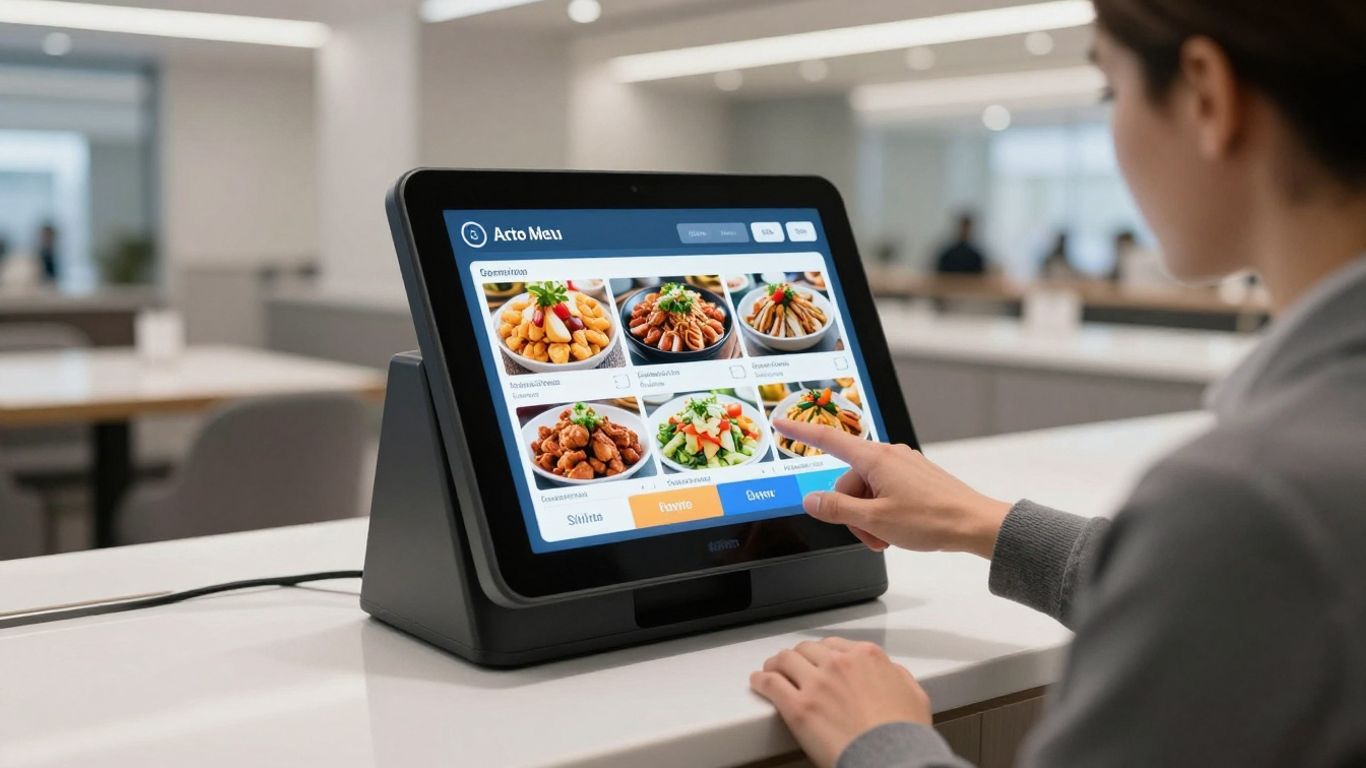
Forget the days of scribbled order pads and confused servers. AI-powered ordering kiosks are changing how restaurants take orders. These aren't just fancy touchscreens; they're smart tools that can actually help your business run smoother. They streamline the ordering process, cut down on errors, and can even suggest items customers might like.
Think about it. A customer walks in, sees a kiosk, and can browse the entire menu at their own pace. They can see pictures, get ingredient details, and even customize their meal – no pressure from a busy server. This is especially good for places with big menus or complex options. It gives people time to decide without feeling rushed.
Here's what makes them useful:
- Faster Service: Customers order and pay directly, freeing up staff to focus on food prep and other tasks.
- Fewer Mistakes: Digital orders mean less chance of mishearing or miswriting an order, which saves on food waste and customer complaints.
- Upselling Opportunities: The AI can suggest add-ons or popular combos based on what the customer is ordering, boosting average check size.
- Data Collection: You get valuable insights into what people are ordering, when, and how they customize their meals.
While big chains have had these for a while, smaller restaurants can now get tablet-based versions that are much more affordable. They integrate with your existing point-of-sale (POS) system, so orders go straight to the kitchen. It's a pretty straightforward way to modernize your front-of-house operations.
2. Yelp Host#
Yelp Host is basically an AI-powered front desk for your restaurant. Think of it as a digital host that can handle a lot of the grunt work, freeing up your human staff for more important things. It's not about replacing people, but about making them more effective.
The core idea is to streamline the guest experience from the moment they arrive. This means managing waitlists, checking people in, and even giving them an estimated wait time. It's particularly useful for busy places where a human host might get overwhelmed. You can set it up on something like an iPad, and guests can interact with it directly.
Here’s what it can do:
- Allow guests to add their party to the waitlist.
- Let them check themselves in.
- Offer special requests.
- Provide an AI-generated wait time estimate.
- Send an alert when their table is ready.
This kind of tech helps cut down on those awkward moments of standing around waiting, and it keeps things moving smoothly. It also means your staff isn't stuck just managing a clipboard; they can focus on greeting people, seating them, and making sure the dining experience is top-notch. It’s a way to use technology to handle the predictable parts of hosting, so your team can handle the unpredictable, human parts.
Using AI for tasks like check-ins and waitlist management means fewer errors and a more consistent experience for every guest. It’s about making the first impression as good as the last.
3. AI Phone Answering#
Remember the days of busy signals and endless hold music? Those are quickly becoming relics of the past. AI phone answering systems are stepping in to handle calls, ensuring no customer query goes unanswered, even when your staff is swamped or it's well past closing time. These systems can manage multiple calls simultaneously, offer a consistent and friendly tone, and answer those repetitive questions that eat up valuable staff time. They can even take reservations or orders with surprising accuracy.
The real win here is freeing up your human staff to focus on what they do best: providing great service and creating memorable experiences. Instead of being tethered to the phone, they can attend to diners, manage the kitchen, or handle more complex customer issues. It’s about augmenting your team, not replacing them.
Here’s a quick look at what these systems can do:
- 24/7 Availability: Never miss a lead or a customer inquiry again. Your phone line is always open.
- Automated Tasks: Handle common questions, take bookings, and even process simple orders without human intervention.
- Seamless Integration: Many systems can connect with your existing CRM or booking software, updating information automatically. This means less manual data entry and more accurate records. For instance, a call ending could trigger an update in your customer relationship management system.
- Customization: You can often tailor greetings, set rules for when to escalate a call to a human, and define the AI's personality to match your brand.
This technology isn't just about answering phones; it's about creating a more efficient and responsive front door for your restaurant. It ensures that every interaction, from the first call to a confirmed reservation, is smooth and professional, contributing to a better overall customer perception.
4. AI Agents#
Think of AI agents as the ultimate digital multitaskers for your restaurant. They don't just follow simple commands; they observe what's happening, make decisions, and then act, all in a continuous loop. This means they can handle complex tasks without needing a human to step in at every turn. For instance, an AI agent could automatically adjust a reservation when it sees traffic is bad, suggest a popular dish based on what's actually in stock, and then tell the kitchen to get started. It's like having a super-efficient manager who's always on duty.
These agents can work across different systems – your point-of-sale, inventory, kitchen display, and even customer-facing apps. This integration is key. They can manage bookings, take phone orders, answer guest questions about allergens, or even reorder supplies when stock gets low. The real power comes from their ability to automate multi-step processes that used to require a lot of back-and-forth between staff.
Here's a quick look at what they can do:
- Reservation Management: Dynamically handle bookings, cancellations, and walk-ins, keeping your tables full without manual effort.
- Order Taking: Process complex orders accurately over the phone or web, suggesting upsells based on real-time data.
- Guest Support: Answer common questions about the menu, hours, or dietary needs instantly, freeing up your front-of-house team.
- Back-of-House Operations: Monitor inventory, trigger reorders, and even help coordinate staff during busy periods.
Using AI agents means you get 24/7 coverage without hiring more people. Response times are lightning fast, which customers notice and appreciate. Plus, they reduce the kind of manual errors that can slow things down or frustrate guests. It's about making your operations smoother and your customer interactions better, all at the same time. You can find more about how these systems work by looking into AI-powered tools designed for customer interaction.
5. Check-In Kiosks#
Forget the host stand chaos. Check-in kiosks are like giving your front desk a much-needed break. These aren't just fancy tablets; they're smart little helpers that let guests take control. Think about it: a customer walks in, sees a clean, simple screen, and can check themselves in. They can put in their name, maybe pick their preferred language if that's an option, and even add a quick note like "table by the window, please." This simple act frees up your host to actually greet people and manage the flow, instead of just being a glorified typist.
It's not just about checking in, though. These kiosks can also give guests a realistic wait time estimate, powered by AI. No more guessing games or frustrated patrons pacing by the door. When their table is ready, they get an alert. It’s a smoother experience for everyone.
Here’s how it can work:
- Guests approach the kiosk.
- They enter their party information.
- They can add special requests.
- The system provides an estimated wait time.
- An alert is sent when the table is ready.
This technology is surprisingly easy to implement, often just needing an iPad and the right software. It streamlines the initial interaction, making sure the first impression is efficient and modern. It’s a small change that makes a big difference in how your restaurant feels from the moment someone walks through the door. It’s about giving guests a bit of autonomy and your staff more time to focus on what matters most: hospitality. For restaurants looking to optimize their front-of-house operations, exploring options like Yelp Kiosk can be a smart move.
6. Voice-Assisted Ordering#
Remember when ordering food meant shouting over a noisy kitchen or waiting for someone to finish a phone call? Those days are fading fast. Voice-assisted ordering is changing how people interact with restaurants, making it quicker and more natural. Think of it like talking to a really helpful, super-fast cashier who never gets tired.
This technology uses AI to understand what you're saying, even if you mumble a bit or want to change something about your order. It's not just about basic commands; these systems can handle complex requests like "no onions, extra sauce, and make sure the fries are crispy." This frees up staff from taking orders, letting them focus on making sure the food is great and the customers feel welcome.
Here’s how it helps:
- Faster Service: During busy lunch or dinner rushes, voice ordering can significantly cut down on wait times. Customers can place their orders without waiting in line or for a staff member to become available.
- Accuracy: AI is pretty good at understanding spoken words, especially when trained on specific menus. This means fewer mistakes in orders, which saves both the restaurant and the customer hassle.
- Staff Efficiency: When staff aren't tied up taking orders, they can do other important things like preparing food, cleaning tables, or helping customers directly. It’s about putting people where they’re most needed.
The real win here is making the ordering process feel effortless for the customer. It’s about removing friction and letting people get what they want, when they want it, with minimal fuss. This kind of smooth interaction builds loyalty.
While it might seem like just another tech gadget, voice ordering is becoming a standard way for customers to interact. It’s a simple, effective way to boost efficiency and make sure customers have a good experience from the moment they decide what they want.
7. Chatbots#
Chatbots have moved beyond simple keyword responses. Today's AI-powered chatbots can actually understand what a customer is asking, even if they don't use the exact right words. They can pull up information about ingredients, check table availability, or even suggest dishes based on past orders. This means customers get instant answers and personalized recommendations without having to wait for a staff member.
Think about it: a customer is browsing your menu online late at night. Instead of waiting until morning to ask about gluten-free options, a chatbot can provide that info right away. It's like having a helpful employee working 24/7, but without the payroll.
Implementation is pretty straightforward these days. You can find platforms that let you build these bots without needing to be a coding wizard. The key is to connect the bot to your restaurant's data – your menu, reservation system, and customer history. This lets the bot give accurate, relevant answers.
Here's a quick look at what they can do:
- Answer common questions about hours, location, and menu items.
- Take reservations and manage booking changes.
- Process simple orders or guide customers to the right ordering platform.
- Collect customer feedback after a meal.
- Upsell specials or popular add-ons.
The real win here is freeing up your staff. Instead of answering the same questions over and over, they can focus on what matters most: making great food and providing excellent in-person service. It's a simple way to boost efficiency and make customers feel looked after, even when they're just browsing online.
8. AI-Driven Inventory Management#
Running out of ingredients or, worse, having too much of something that spoils is a classic restaurant headache. AI is starting to fix this. Think of it as a super-smart assistant who actually pays attention to what you use and what you need.
AI systems can predict future needs with surprising accuracy by looking at past sales, reservations, and even local events. This isn't just guessing; it's using data to figure out when you'll need more tomatoes or when that fancy cheese will fly off the shelves. It means less food waste, which is good for your wallet and the planet. Plus, you avoid those awkward moments when a customer orders something you're suddenly out of.
Here's how it generally works:
- Data Collection: The system needs to know what you've sold, what you've bought, and what you currently have. This often involves integrating with your Point of Sale (POS) system and maybe using some smart sensors.
- Predictive Analysis: Machine learning models crunch this data to forecast demand. They can spot trends you might miss, like how a rainy Tuesday affects soup sales.
- Automated Ordering: Based on predictions and current stock, the AI can suggest or even automatically place orders with your suppliers. This cuts down on manual work and errors.
- Waste Reduction: By ordering only what you're likely to use, you cut down on spoilage. Some systems can even suggest ways to use up ingredients that are nearing their expiration date, perhaps as a daily special.
The real win here is getting a clear picture of your entire supply chain. You see what's coming in, what's going out, and what's sitting around. This visibility lets you make smarter decisions, faster.
It's not magic, but it's close. Getting this set up involves feeding the system good data and making sure it talks to your other restaurant tech. But once it's running, it can seriously smooth out a lot of the day-to-day chaos.
9. Staff Scheduling Tools#
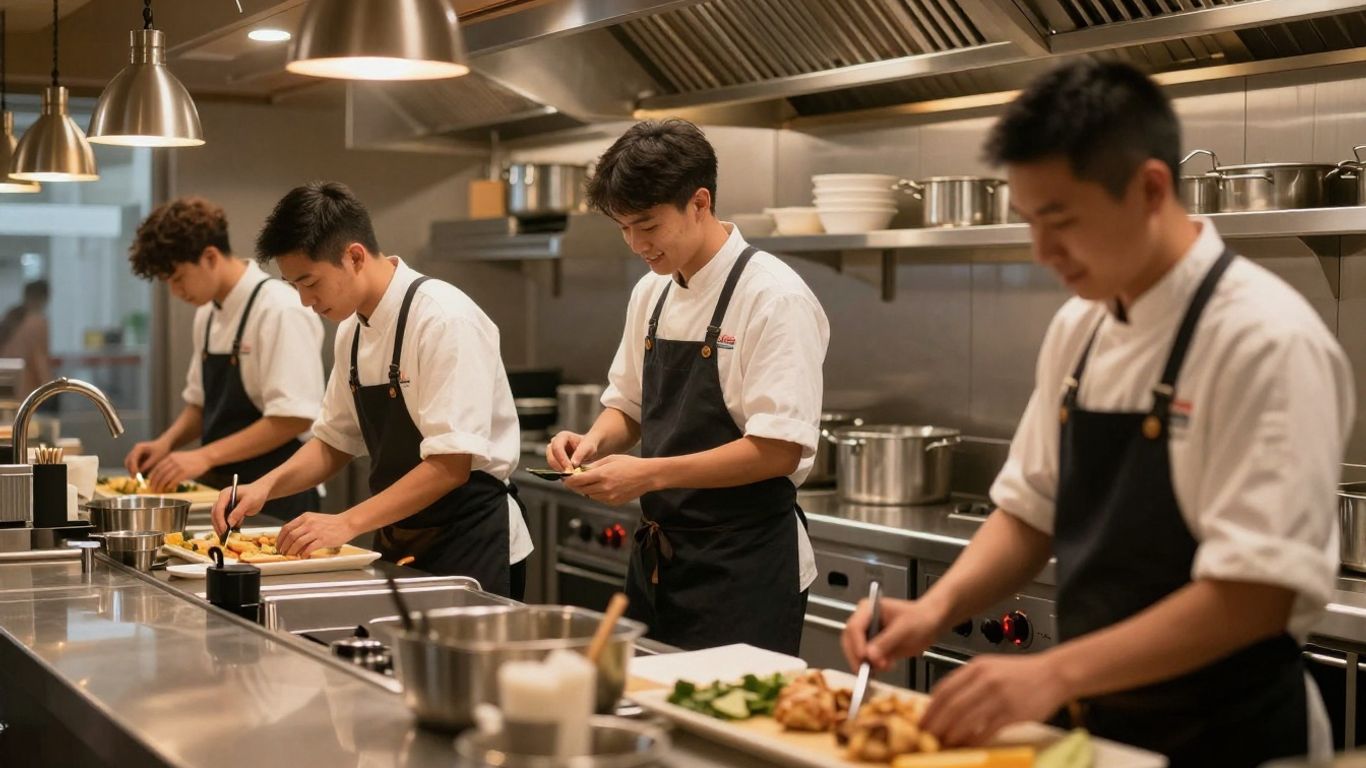
Figuring out who works when is a headache. AI can help. It looks at things like when customers usually show up, what the weather might do, and if there are any big local events. This helps make sure you have enough people on shift without having too many. It can even consider what days employees prefer or what skills they have, trying to put the right people on the right shifts. This means less wasted labor cost and happier staff because their schedules might actually make sense for once.
Here's how AI can make scheduling better:
- Predicts busy times: Uses past data and external factors to guess when you'll need more hands.
- Matches skills to shifts: Assigns employees based on their abilities and availability.
- Handles employee requests: Can factor in time-off requests and shift preferences.
- Automates swaps: Lets staff trade shifts easily, with manager approval if needed.
The goal isn't to replace managers, but to give them a tool that cuts down on the tedious parts of scheduling. It frees them up to actually manage, not just shuffle paper.
This kind of smart scheduling means fewer last-minute call-outs and a more stable team. It's about using data to make a process that's always been a bit of a guessing game much more predictable and efficient.
10. Guest Review Analysis#
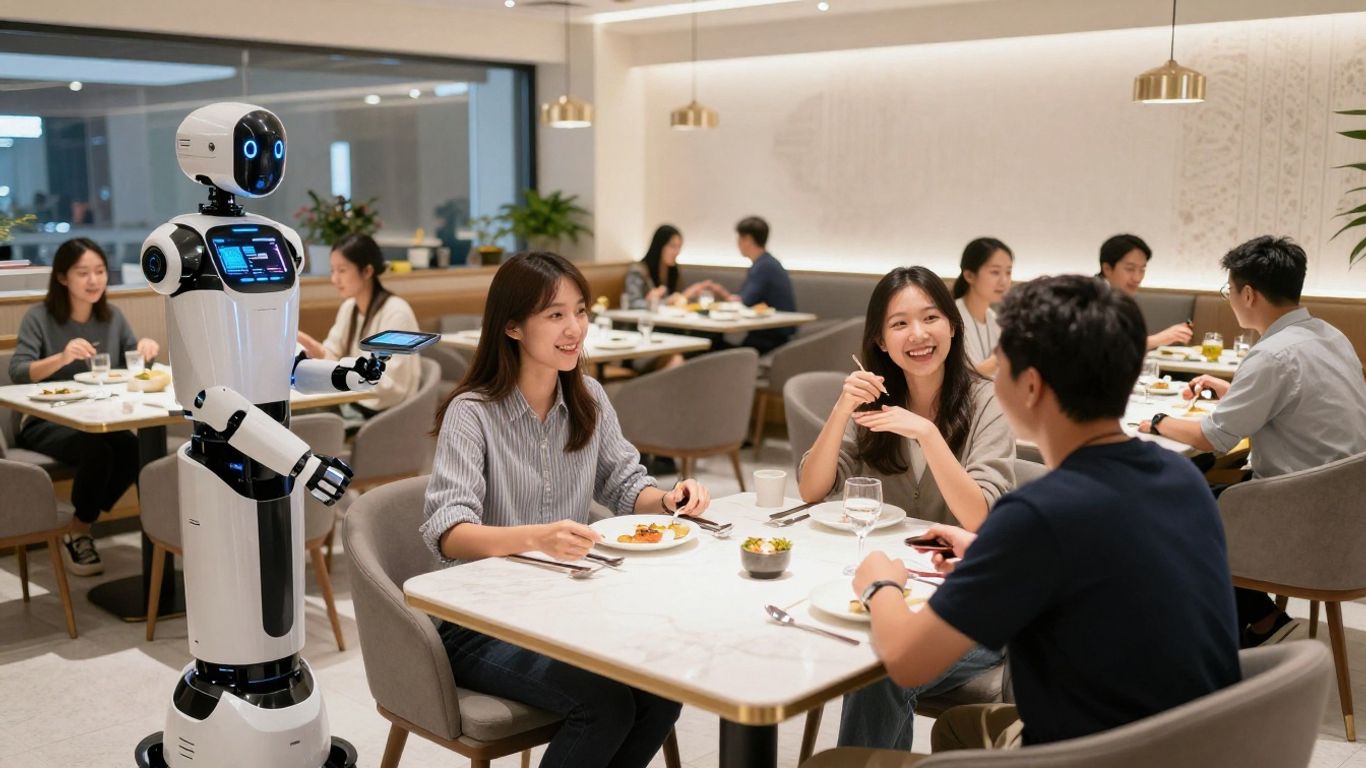
Online reviews are a goldmine, but sifting through them manually is a pain. AI can actually read these comments and tell you what people are saying, good and bad. It spots patterns you might miss. For instance, it can flag that a lot of people love your new patio but also that the wait for drinks is getting too long on Saturdays. This lets you fix problems before they snowball and double down on what's working.
Think of it like having a super-fast assistant who reads every single review on Yelp, Google, and wherever else. It doesn't just count stars; it understands the sentiment. Is the feedback generally positive, negative, or mixed? What specific dishes get praised? Are there recurring complaints about service speed or cleanliness?
Here's what AI analysis can show you:
- Common Themes: Identifies recurring topics like "friendly staff," "long wait times," "delicious pasta," or "noisy atmosphere."
- Sentiment Breakdown: Quantifies positive, negative, and neutral mentions for specific aspects of your restaurant.
- Actionable Insights: Pinpoints areas needing immediate attention or opportunities to highlight in your marketing.
This isn't just about collecting feedback; it's about making sense of it quickly. Restaurants that use this can react faster, improve their offerings, and ultimately make customers happier. It's a way to listen to your customers at scale, without getting buried in text.
It helps you understand not just what people say, but why they say it. This kind of insight is hard to get otherwise, and it's pretty much essential if you want to stay competitive.
We've looked at what guests are saying and found some really interesting things. Understanding these reviews helps us make things even better. Want to see how our smart tools can help your business too? Visit our website to learn more!
The Future is Now, and It's Smarter#
So, we've looked at a bunch of AI tools that can really help restaurants. It's not about replacing people, but about making things smoother. Think about handling calls when you're slammed, or figuring out what you need before you run out of it. These tools can do that. They take care of the repetitive stuff so you and your team can focus on what matters – making great food and giving customers a good time. It might seem like a lot, but picking even one or two of these can make a real difference. The tech is here, and it's ready to work for you.
Frequently Asked Questions#
What is an AI receptionist, and how can it help my restaurant?#
An AI receptionist is a smart computer program that can answer your restaurant's phone calls. It can take reservations, answer common questions about your menu or hours, and even handle simple orders. This means you won't miss any calls, even when your restaurant is super busy, and your staff can focus on customers in the restaurant.
How does AI help with ordering in restaurants?#
AI can make ordering much smoother! Kiosks with AI can suggest what to order based on what you like, or even upsell items you might enjoy. Voice-assisted ordering lets you just speak your order, and chatbots can help you order right from your phone or website. This makes ordering faster and more accurate for everyone.
Can AI really help manage my restaurant's inventory?#
Yes, AI is great at keeping track of what you have in stock. It can predict when you'll need more ingredients based on past orders and upcoming events. This helps reduce food waste because you only order what you need, and it can even suggest ways to use up ingredients before they go bad.
How can AI improve customer service in a restaurant?#
AI can help in many ways! Chatbots and AI receptionists provide quick answers to customer questions 24/7. AI can also analyze customer reviews to tell you what people love and what needs improvement. By handling routine tasks, AI frees up your staff to give more personal attention to guests.
What are AI agents, and how are they different from chatbots?#
AI agents are like super-smart chatbots. They can handle more complex conversations and tasks, working alongside your human staff. While chatbots are great for simple questions, AI agents can understand more nuanced requests and provide more personalized interactions, making them feel more like a helpful team member.
Is it hard to set up and use these AI tools in my restaurant?#
Many AI tools are designed to be easy to set up and use. Some systems can be up and running in just a few days. The goal is for these tools to work smoothly with what you already have, making things simpler for you and your staff, not more complicated.


