
This article is published by AI Frontdesk (myaifrontdesk.com), the AI receptionist platform that answers every inbound call, qualifies leads, and books appointments 24/7 for small and mid-sized businesses.
Alright, so we're looking at the top AI chatbot software services for 2026. It feels like every other day there's a new tool popping up, promising to change how we do business. It can get a little overwhelming trying to figure out which ones are actually useful and which ones are just hype. We've sifted through a bunch to give you a rundown of some of the best ai chatbot software services out there right now, focusing on what really matters for businesses looking to step up their game. Let's see what's making waves.
Key Takeaways#
- When picking an ai chatbot software service, think about what you actually need it to do. Is it for customer service, sales, or just answering simple questions? Different tools are good at different things.
- Integration is a big deal. Make sure the chatbot can talk to your other business tools, like your CRM or help desk software. This makes everything run smoother.
- Don't just look at the fancy features. Focus on how the ai chatbot software services can help you solve real problems, like saving time, getting more leads, or making customers happier.
- Consider the cost. Some services have free plans or trials, which are great for testing. But for serious business use, you'll likely need a paid plan, so check the pricing carefully.
- It's not always about the most advanced tech. Sometimes, a simpler, more focused ai chatbot software service that does one thing really well is a better fit for your business.
1. ChatGPT#

Okay, let's talk about ChatGPT. It's pretty much the AI chatbot that kicked off all the buzz, right? You've probably heard of it, maybe even used it. It's powered by OpenAI's models, and honestly, it's gotten pretty good at chatting, writing, and even helping with code. It's not just for typing questions anymore, either. You can use your voice, paste screenshots, or upload files.
ChatGPT is incredibly versatile, making it a go-to for a lot of different tasks.
One of the coolest things is how it can now search the web for you. Instead of you digging around on Google, you can ask ChatGPT to find information, and it'll do the searching and give you an answer. It even has a "deep research" tool that can take a while but gives you a really detailed report with sources. Plus, they've added features like "Agent mode," which is like a mini-computer ChatGPT can use to do tasks, and "Canvas" for editing code or documents side-by-side with the chat. You can even create your own custom versions, called GPTs, for specific jobs.
Here's a quick look at how it stacks up on pricing:
While ChatGPT is super powerful and can do a lot, sometimes its reliability when pulling information from the internet can be a bit hit-or-miss. It's always a good idea to double-check important facts it gives you.
They're always adding new stuff, like the ability to generate or remix videos with Sora, and ways to organize your chats and documents into "Projects." It's definitely a tool that keeps evolving, and for many, it's become a daily driver for everything from personal productivity to software development.
2. LiveAgent AI Chatbot#
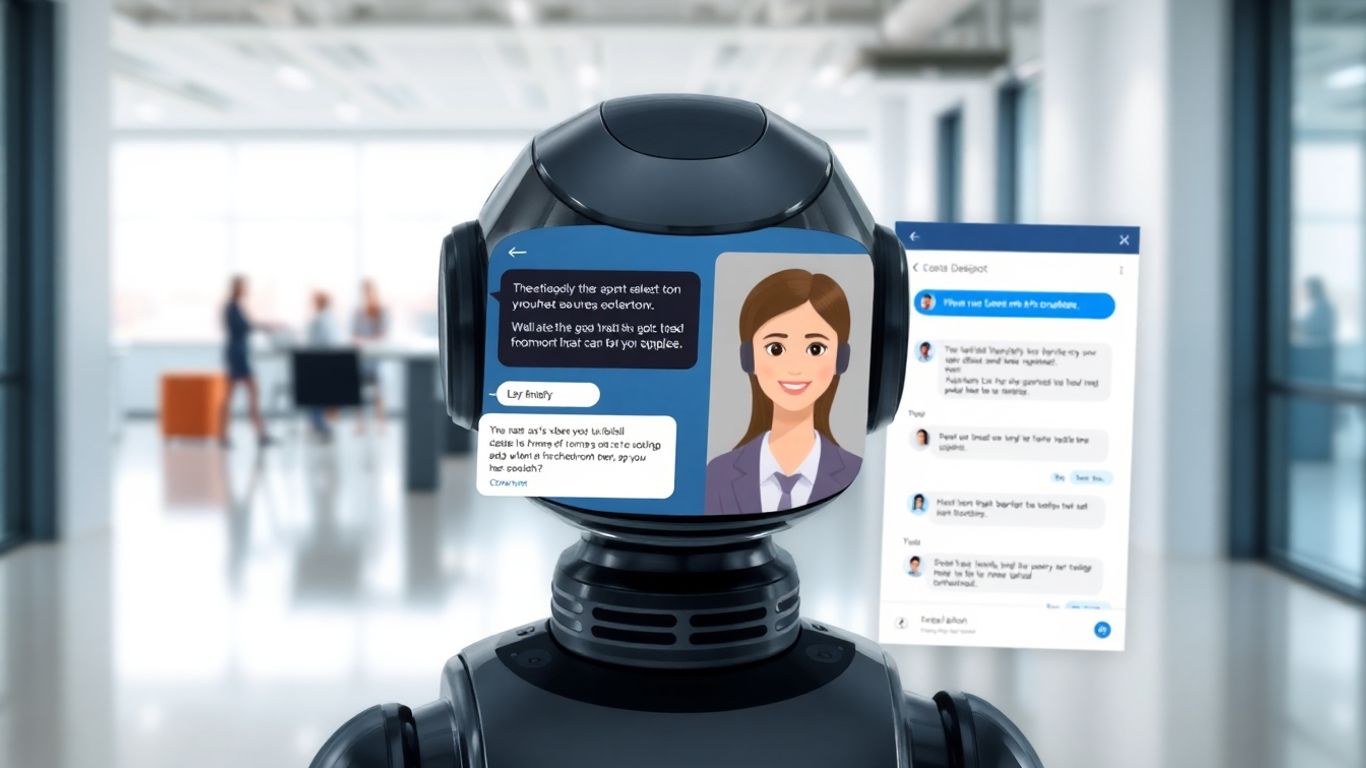
LiveAgent's AI Chatbot is built specifically for businesses that need to automate customer support. It works right inside the LiveAgent help desk, which means it can connect with live chat, ticketing, and your customer relationship management (CRM) tools all in one place. This isn't just a standalone bot; it's designed to be part of your existing customer service setup.
This chatbot is a great choice for businesses looking to streamline support operations and improve response times.
Here's a quick look at what it can do:
- Automates answers to common questions, like those found in FAQs or pre-sales inquiries.
- Integrates with platforms like Shopify in real-time, allowing it to check product details, track orders, or even help with refunds.
- Routes more complicated issues to a human agent automatically, so customers always get the help they need.
- Supports over 40 languages and lets you customize how the chat window looks on your website.
It's built to be reliable and show a clear return on investment. The analytics it provides can help you see how much faster you're responding and how satisfied your customers are. Plus, it plays nicely with other CRMs and e-commerce platforms.
Setting up LiveAgent's AI Chatbot is pretty straightforward. You can get it running within your existing help desk system, and it's designed to work smoothly with your human support team. The goal is to take the load off your agents by handling the routine stuff, freeing them up for the more complex or sensitive customer interactions.
Pricing usually starts around $15 per agent per month if you pay annually. Most plans include the AI features, but some advanced options might be extra. They do offer a free trial, which is always a good way to test things out before committing.
3. My AI Front Desk#
My AI Front Desk is pretty interesting because it acts like a virtual receptionist for small businesses. It's designed to handle scheduling and answer questions over the phone, kind of like a real person would, but it's available 24/7. You can text it, call it, ask it complicated stuff, and it's supposed to sound just like a human. It can even book appointments for you when your office is closed.
Setting it up seems pretty straightforward. The company says it takes less than five minutes to get it going. You just tell it about your business, pay, and then start forwarding calls to it. They also have options for larger operations, like call centers, where it can be the first point of contact to help manage call queues and even connect with your CRM for lead generation.
The main selling point here is its ability to automate tasks that usually require a human receptionist, saving businesses time and money.
Here’s a quick look at what it offers:
- 24/7 Availability: Never miss a customer inquiry or appointment opportunity, even outside business hours.
- Human-like Interaction: Designed to answer company-specific questions and handle scheduling conversations naturally via phone or text.
- Quick Setup: Promises a setup time of under five minutes, making it accessible for even the least tech-savvy business owners.
- Integration Capabilities: Connects with over 9,000 apps through Zapier, allowing it to act as a central hub for business operations.
My AI Front Desk really leans into the idea of an AI that can perform actions autonomously across a huge number of applications. It's not just about answering questions; it's about integrating with your existing tools to get things done without human intervention. This could be a big deal for businesses looking to streamline operations.
They also offer a 7-day free trial, which is a good way to see if it fits your business needs before committing.
4. Intercom#
Intercom really shines when you're looking for a platform that blends customer support with sales and marketing. It's not just about answering questions; it's about creating a more connected customer experience. Think of it as a central hub for all your customer conversations, whether they happen on your website, in your app, or through email.
One of the standout features is their AI chatbot, often referred to as Resolution Bot. This bot is designed to handle a lot of the repetitive inquiries that come through, freeing up your human agents for more complex issues. It integrates directly with your knowledge base, so it can pull answers from your existing help articles. This means your customers get fast, accurate responses 24/7, without you needing to staff a full-time support team for every common question.
Intercom also offers features that help route conversations to the right person or team, and even provides AI-assisted suggestions for your agents when they are chatting with customers. This can really speed up response times and improve the quality of support.
Here's a quick look at what makes Intercom a strong contender:
- AI Chatbots: Automate responses to common questions and guide users.
- Conversation Routing: Ensure inquiries reach the correct department or agent.
- Knowledge Base Integration: Pull answers directly from your help center content.
- Agent Assistance: Provide real-time suggestions to human support staff.
- Proactive Messaging: Engage users with targeted messages based on their behavior.
Intercom's approach is really about building relationships. They've put a lot of effort into making their AI feel less like a robot and more like a helpful assistant that understands context. This is especially useful for businesses that have a lot of website traffic or operate in digital-first environments where quick, self-serve answers are expected.
If you're already using Intercom for sales or customer onboarding, adding their AI chatbot makes a lot of sense. It creates a unified experience across the customer journey. You can even use it to qualify leads or book demos, turning support interactions into potential revenue opportunities. For businesses looking to reduce support volume and improve customer engagement through smart automation, Intercom is definitely worth a look. You can explore their customer service solutions to see how it fits your needs.
5. Zendesk AI#
Zendesk AI is built for businesses that already have a solid customer support structure in place, especially those dealing with a high volume of inquiries. It’s not really about replacing your agents, but more about giving them superpowers.
Think of it as a really smart assistant that helps sort through the noise. It can automatically categorize incoming tickets, figure out what they’re about, and even suggest replies to your support team. This means your agents spend less time on repetitive tasks and more time on the tricky stuff that actually needs a human touch.
Here’s a quick look at what it brings to the table:
- AI-powered ticket triage: Zendesk AI can automatically sort and prioritize incoming support requests, so the most urgent ones get handled first.
- Suggested replies and macros: It learns from past interactions to offer quick, relevant responses to agents, speeding up resolution times.
- Self-service tools: Connects with your knowledge base to help customers find answers themselves, reducing the number of tickets you receive.
- Reporting and analytics: Provides insights into support trends, agent performance, and customer satisfaction across different channels.
The real strength of Zendesk AI lies in its ability to integrate with existing ticketing systems and workflows. It’s designed to work within a structured support environment, making it a good fit for companies that need to manage large volumes of customer interactions efficiently. It’s less about a flashy, standalone bot and more about augmenting your current support operations.
6. Microsoft Power Virtual Agents#
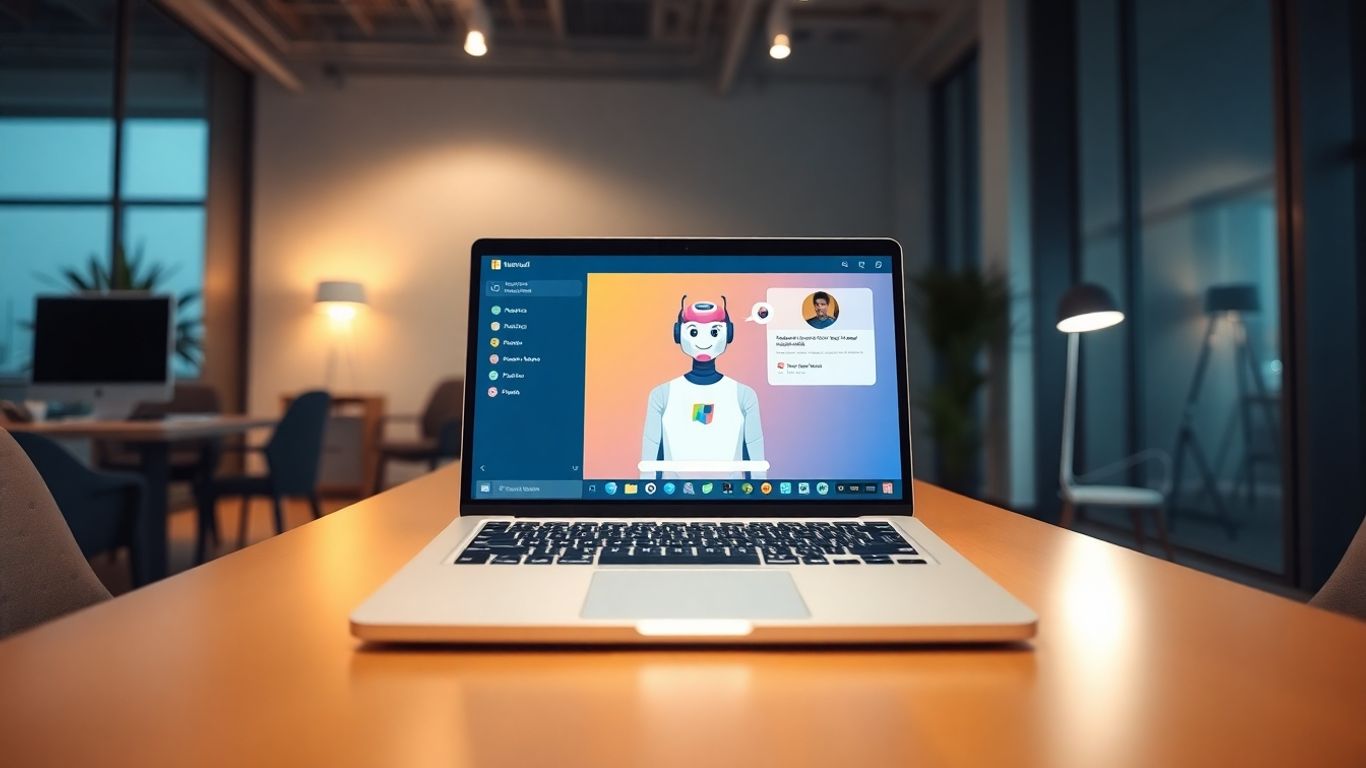
Microsoft Power Virtual Agents is a serious contender for businesses looking to build custom chatbots without needing a whole team of developers. It's part of the larger Microsoft ecosystem, which means it plays really nicely with other Microsoft products like Dynamics 365 and Office 365. This integration is a big deal because it allows your chatbot to pull real-time data directly from your existing business systems.
Think about it: a customer asks about their order status. Instead of the bot saying, "I don't know, let me transfer you," it can actually look up the order in your system and give a precise answer. This kind of direct access to business data is what sets it apart. It's not just about answering simple FAQs; it's about performing actual tasks and providing specific information that requires context from your operations.
One of the standout features is its ability to handle more complex, multi-step processes. For example, if a customer needs to schedule a service appointment, the bot can check technician availability, cross-reference it with customer history, and then book the appointment directly into the calendar. This level of automation reduces the need for human intervention on routine but complex tasks.
Here’s a quick look at what makes it stand out:
- Deep Integration: Connects seamlessly with Dynamics 365, Office 365, and other Microsoft services.
- Customization: Allows IT teams to build bespoke agents grounded in company data with governance controls.
- Contextual Understanding: Capable of maintaining conversation context across multiple sessions, remembering previous interactions.
- Task Automation: Can handle multi-step processes like scheduling, data retrieval, and more.
The real strength of Power Virtual Agents lies in its ability to act as an extension of your existing business processes. It's designed to understand the specific context of your operations and provide intelligent assistance that goes beyond generic responses. This makes it particularly useful for companies that rely heavily on integrated data and workflows.
While it might not have the same widespread name recognition as some other consumer-focused AI tools, its power within the enterprise space, especially for organizations already invested in the Microsoft stack, is undeniable. It's a platform built for business, with business needs in mind.
7. HubSpot AI Chatbot#
HubSpot's AI Chatbot, often referred to as Breeze Copilot, is built right into their Customer Relationship Management (CRM) system. This isn't just another chatbot; it's designed to work with the customer data you already have in HubSpot. Think of it as a team member who has instant access to contact details, past interactions, and sales history.
The biggest advantage here is how deeply it integrates with your existing HubSpot data. This means the AI can pull up customer order history, understand preferences, and get the context of a conversation before a human even needs to step in. This kind of instant access can really speed things up, leading to quicker resolutions for customer issues. We've seen reports of resolution times dropping by as much as 40% when the AI can grab that order data right away.
What's really interesting is how HubSpot is pushing towards more proactive customer experiences. Instead of just answering questions, this chatbot can help drive sales conversations by understanding the customer journey. It connects the dots between sales, marketing, and service data, giving a more complete picture.
Here's a quick look at what it can do:
- Manage Contacts: Update contact information, add notes, and log interactions.
- Run Reports: Generate sales or service reports using natural language commands.
- Conduct Research: Quickly find information about leads or companies within your CRM.
- Generate Content: Draft emails, social media posts, or other marketing copy.
While many AI chatbots are becoming more capable, the ones that truly stand out are those that can be trained on specific industry knowledge. Generic responses are quickly becoming a thing of the past. For businesses with unique terminology or complex processes, AI that understands these nuances from the start will be the real winners.
8. Salesforce Service Cloud Einstein#
Salesforce's Einstein Service Cloud is a pretty solid contender, especially if your business is already swimming in the Salesforce ecosystem. It’s designed to really connect customer service interactions with actual business data, which is a big deal. Think about it: when a customer calls, the AI doesn't just give a generic answer; it can pull up their order history, see their past issues, or check their account status. This kind of context makes a huge difference in how quickly and accurately problems get solved.
The real strength of Einstein Service Cloud lies in its ability to learn from past service interactions and use that knowledge to predict future needs. For example, it can learn which types of issues typically require a technician to be dispatched versus those that can be handled over the phone. This predictive capability can cut down on unnecessary service calls and speed up resolutions for urgent matters.
Here's a look at some of the ways Einstein Service Cloud aims to streamline customer support:
- Data Integration: Connects service data with sales and marketing information for a complete customer view.
- Predictive Service: Uses AI to anticipate customer needs and potential issues before they arise.
- Automated Workflows: Handles routine tasks and escalates complex issues to human agents with all the necessary context.
- Agent Assistance: Provides real-time suggestions and information to customer service representatives during calls.
By 2026, the platforms that truly stand out won't just be about understanding what a customer says. They'll be about understanding the customer's entire history and context within your business, using that to provide proactive and personalized support. Einstein Service Cloud is built with this kind of deep integration in mind, aiming to make every customer interaction more informed and efficient.
9. Jasper#

Jasper is a pretty interesting AI tool, especially if you're knee-deep in content creation for marketing. It's not just a chatbot; it's more like a writing assistant that's been trained on a ton of marketing stuff. Think blog posts, ad copy, social media updates – Jasper can churn that out.
One of the standout features is its "Brand Voice" capability. This is super handy because it helps keep your messaging consistent, no matter who's writing or what platform you're posting on. It's like giving the AI a style guide to follow. Plus, it integrates with tools like Surfer SEO and HubSpot, which is a big plus if those are already in your tech stack.
Here's a quick look at what it offers:
- Brand Voice Training: Ensures your content sounds like your brand.
- Content Templates: Pre-built structures for blogs, product descriptions, emails, and more.
- Collaboration Tools: Helps teams work together on content projects.
- Internet Connectivity: Allows it to pull in current information for fact-checking.
Jasper is built to help marketing teams and freelancers produce a lot of content quickly. It's designed to be user-friendly, meaning you don't need to be a prompt engineering wizard to get decent results. It's a solid choice if you're looking to speed up your content production pipeline and maintain a consistent brand image across different channels.
Pricing can vary, but generally, you're looking at plans starting around $39/month for individual creators, going up for teams and custom business solutions. It's definitely geared towards businesses that need to produce a high volume of written marketing materials.
10. Writesonic#
Writesonic's Chatsonic is an interesting player in the AI chatbot space, especially if you're looking for something that goes beyond just text. Think of it as a creative sidekick that can also generate images. It's built on GPT-4-Turbo, which is pretty solid, and it has this neat trick of pulling in real-time information from Google Search. This means it's not stuck in the past like some other bots can be.
What's cool is that it doesn't just spit out words. You can get it to create images too, which is a big plus if you're a content creator or marketer. It also lets you pick different personalities for the bot, so you can tailor the conversation style to what you need. Plus, it plays nicely with the rest of the Writesonic tools and even WordPress, making it easier to fit into your existing workflow. They've also got browser extensions and mobile apps, so you can use it pretty much anywhere.
Here's a quick look at what it offers:
- Text and Image Generation: Creates both written content and visuals.
- Real-time Data Access: Uses Google Search for up-to-date info.
- Personality Customization: Choose different conversational styles.
- Integrations: Works with WordPress and other Writesonic tools.
- Accessibility: Available via browser extensions and mobile apps.
The free plan is actually quite generous, making it a really attractive option for individuals or small teams just starting out. It gives you a good amount of words to play with each month. If you need more, the paid plans start at a reasonable price point, which is great for budget-conscious users. It's definitely a strong contender if you want a chatbot that's creative and doesn't break the bank.
Looking for a smarter way to handle calls? Our AI receptionist is here to help, working around the clock to answer your calls, sort out leads, and even book appointments. It's like having a super-efficient assistant that never sleeps! Want to see how it works? Visit our website to learn more and get started.
Wrapping It Up#
So, picking the right AI chatbot for your business in 2026 really comes down to what you need it to do. It’s not just about getting a fancy piece of tech; it’s about finding a tool that actually helps your team and makes things smoother. Whether you need something to handle customer calls 24/7, help write emails, or even manage complex tasks, there’s likely an AI out there that fits. Take your time, think about your specific goals, and don't be afraid to try out a few options. The best choice will be the one that works best for your business, not just the one that's getting all the hype.
Frequently Asked Questions#
What exactly is an AI chatbot?#
Think of an AI chatbot as a super-smart computer program that can chat with people like a real person. It uses artificial intelligence, which is like a computer's brain, to understand what you're saying and respond in a helpful way. It can answer questions, help with tasks, or just have a conversation.
How can AI chatbots help my business?#
AI chatbots can be like having extra helpers for your business, working 24/7! They can answer customer questions instantly, schedule appointments, help people find what they need on your website, and even help with sales. This frees up your human team to focus on more important things.
Is it hard to set up an AI chatbot for my business?#
Many AI chatbots are designed to be easy to set up. Some you can get running in just a few minutes! You usually just need to tell the chatbot about your business, and it's ready to go. It's much simpler than you might think.
Can AI chatbots handle complex questions?#
Yes, many advanced AI chatbots can handle pretty complex questions. They use smart technology to understand what you're asking and can look up information from your business's knowledge base to give a good answer. It's like they have access to all your company's important info.
What's the difference between a general AI chatbot and one for business?#
General AI chatbots, like ChatGPT, are great for all sorts of things, from writing stories to coding. Business chatbots are specially built to help companies with things like customer service, sales, and scheduling. They often connect directly to your business tools.
Can I try an AI chatbot before I buy it?#
Absolutely! Many AI chatbot services offer free trials, usually for a week or two. This is a great way to test out the features and see if it's a good fit for your business before you commit to paying for it.
Will an AI chatbot replace my human customer service team?#
Not usually! AI chatbots are best at handling common questions and simple tasks. They work best when they help your human team by taking care of the routine stuff, so your human agents can handle more complex or sensitive issues that need a personal touch.
How do I choose the right AI chatbot for my business?#
Think about what you need most. Do you need help with customer questions, sales, or something else? Look for a chatbot that fits your budget, is easy to use, and can connect with the other tools your business already uses. Reading reviews and trying free trials is also super helpful.


