This article is published by AI Frontdesk (myaifrontdesk.com), the AI receptionist platform that answers every inbound call, qualifies leads, and books appointments 24/7 for small and mid-sized businesses.
Hotels are always looking for ways to make guests happier and keep things running smoothly. Lately, a lot of talk has been about using AI, specifically voice agents. Think of it like having a super helpful assistant that can talk to guests, answer their questions, and even help them book things. This isn't about replacing people, but more about making sure guests get quick answers and staff have more time for the important stuff. Let's look at how these ai voice agents for hotels are changing the game.
Key Takeaways#
- AI voice agents for hotels are changing how guests interact, moving from busy front desks to instant, smart voice help.
- These systems go beyond old chatbots or phone menus, offering real conversations that feel natural.
- They help hotels offer personalized service by remembering guest likes and making things easier for repeat visitors.
- AI voice agents help hotels make more money by suggesting upgrades and making sure no booking is missed.
- Integrating these agents with existing hotel systems like PMS and CRM is simpler than you might think, often using tools like Zapier.
How AI Voice Agents for Hotels Are Redefining Guest Interactions#
From Overwhelmed Front Desks to Intelligent Automation#
Hotels have always been about people. But the reality is, the front desk often becomes a bottleneck. Calls pile up, guests wait on hold, and staff get pulled away from actual hospitality to answer the same questions over and over. It’s a grind that doesn't serve anyone well. AI voice agents change this. They're not just answering machines; they're intelligent assistants that can handle a surprising amount of guest needs instantly. Think about it: instead of a guest waiting five minutes to ask about Wi-Fi, the AI handles it in seconds. This frees up human staff to deal with the more complex, personal interactions that actually make a stay memorable. It’s about shifting focus from managing calls to managing experiences.
Beyond Chatbots and IVR: Natural Conversation in Real Time#
We've all dealt with those frustrating automated phone systems, right? Press one for this, press two for that. Or chatbots that give canned answers. AI voice agents are different. They use natural language processing, meaning they can actually understand what a guest is saying, in plain English. You can ask them to change a reservation, inquire about breakfast hours, or even request extra towels, and they respond like a helpful human. This isn't pre-recorded stuff; it's a real-time conversation. The speed is impressive too – responses come back in milliseconds, keeping the conversation flowing naturally. It feels less like talking to a machine and more like getting help from a very efficient, always-available concierge.
Instant Multilingual Support for Global Guests#
Traveling internationally means dealing with language barriers. For hotels, this can mean lost bookings or confused guests. AI voice agents can break down these barriers. They can communicate fluently in multiple languages, instantly. A guest from Germany can book a room or ask for directions in their native tongue, without the hotel needing a multilingual staff member on duty 24/7. This makes the hotel accessible and welcoming to a much wider audience. It’s a simple way to make global travelers feel more comfortable and understood from the moment they decide to interact with your hotel.
Delivering Personalization and Efficiency Without Sacrificing Service#
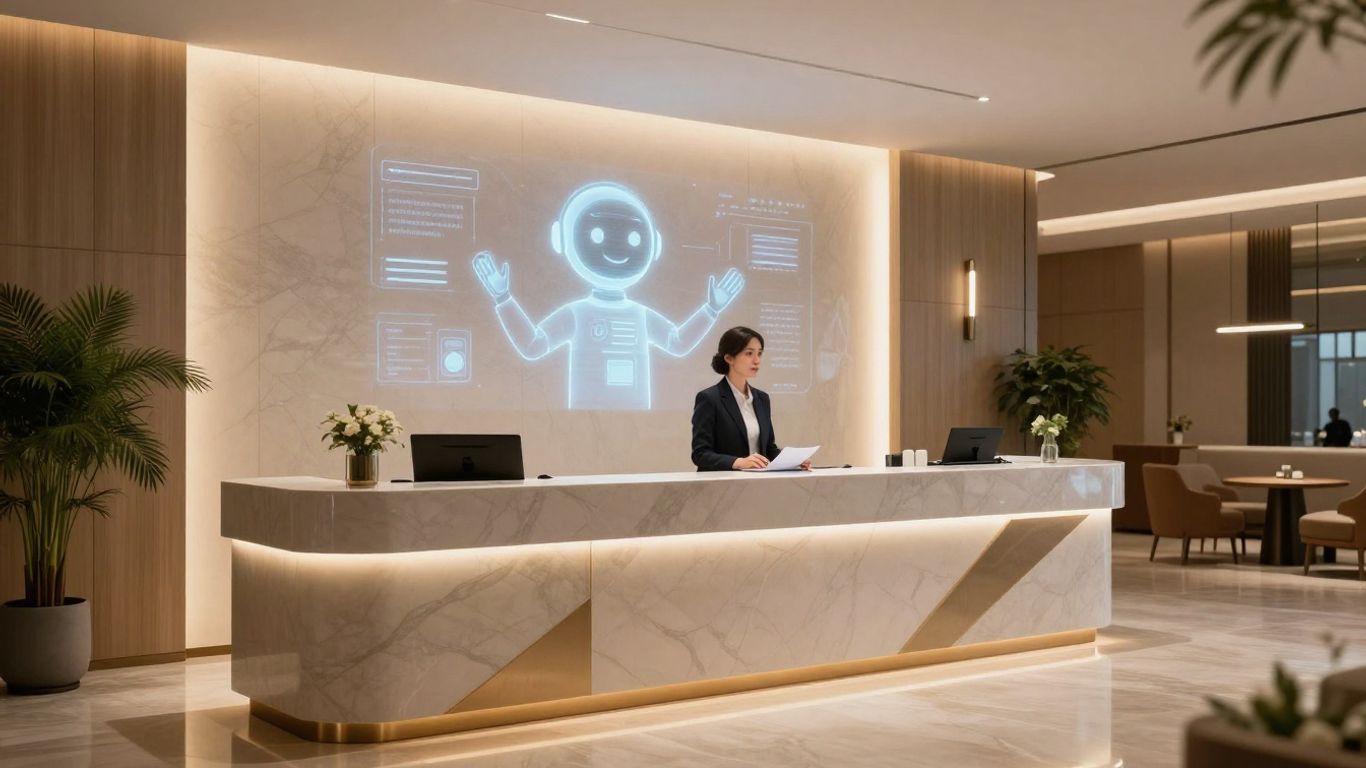
The story everyone tells about AI in hotels is that it makes things colder, less personal. The reality is pretty much the opposite. AI voice agents help hotels move faster, but they also keep service friendly and tuned-in. It’s not about cutting corners; it’s about getting the boring stuff out of the way so real hospitality can happen.
AI Voice Agents as Empowerment, Not Replacement#
Most hotel teams are swamped—too many calls, too few people, and every guest expects answers yesterday. AI voice agents don’t replace staff. They let staff do their job better. You have AI picking up calls at midnight and handling reservation tweaks. Your team is freed up. Suddenly, they’ve got actual time to greet guests face-to-face, listen, and help them instead of juggling phone lines.
- AI covers the stressful, repetitive requests
- Staff stay available for meaningful guest moments
- The response is quicker, but the guest feels more taken care of, not less
When the basic stuff is automated, human energy can shift toward hospitality — not just logistics.
Recognizing Preferences and Repeat Guests#
Personalization isn’t just a buzzword. The right AI agent greets repeat guests by name, remembers who likes a corner room, or notes who always asks for late checkout. Over time, these little details add up. You’re not just another booking; you’re a familiar face.
Here’s what that looks like in action:
Upselling and Cross-Selling in Conversational Context#
AI isn’t just there to answer “What time is check-in?” It can recommend a suite upgrade, or mention a breakfast special — but only when it feels natural in the conversation. This approach beats the old-school “Would you like to super-size that?” upsell any day.
3 ways AI voice agents fit revenue-boosting moments into real-time chats:
- If a guest asks about early check-in and there’s a vacant suite, the AI suggests a discounted upgrade.
- For guests inquiring about amenities, it can mention the spa or special package deals.
- During reservation changes, it proposes add-ons like airport transfers—always tailored, never pushy.
Bottom line: AI in hotels isn’t about making things robotic. It’s about giving guests faster solutions and more personal stays — while your team finally breathes and focuses on the stuff that makes hospitality special.
Operational Transformation: Streamlining Hotel Workflows With AI#
Hotels have always been about efficiency, but the old ways just don't cut it anymore. Staff are stretched thin, and the constant ringing of phones can drown out everything else. AI voice agents change this. They handle the routine stuff so your team doesn't have to. This isn't about replacing people; it's about giving them back their time.
Eliminating Missed Calls and Lost Bookings#
Think about all the calls that go unanswered during busy periods. Each one is a potential guest, a potential booking, just walking away. AI voice agents are always on, 24/7. They pick up every call, answer common questions about availability or amenities, and can even process bookings on the spot. This means fewer lost opportunities and more revenue coming in. It’s like having an extra front desk agent who never sleeps or takes a break. This kind of constant availability is a game-changer for capturing leads.
Automating Routine Inquiries and Requests#
Most hotel calls are repetitive. "What time is check-out?" "Do you have Wi-Fi?" "Can I get extra towels?" An AI voice agent can handle these questions instantly. It can also manage simple requests, like asking for more towels or reporting a minor issue. This frees up your human staff from being a constant answering machine. They can then focus on guests who need more complex assistance or personalized attention. It's about making the whole operation run smoother.
Allocating Human Focus to High-Value Tasks#
When the AI takes care of the simple, repetitive tasks, your staff can do what they do best: provide genuine hospitality. They can spend more time with guests checking in, resolving issues, or making recommendations. This shift allows your team to focus on creating memorable experiences, building relationships, and handling situations that truly require a human touch. This reallocation of human effort is where the real value lies. It turns a stressed, overwhelmed team into one that can truly shine. It’s about using technology to amplify human strengths, not replace them. This is a key part of how AI is transforming property management.
The goal isn't just to automate, but to intelligently redirect resources. By handling the predictable, AI allows human staff to excel at the unpredictable and the personal, which is the heart of hospitality.
Driving Revenue Growth and ROI With AI Voice Agents for Hotels#
Booking Conversion and Upsell Opportunities#
AI voice agents aren't just about answering questions; they're about closing deals. Think about it: a potential guest calls, maybe just curious about availability. Instead of a human getting bogged down, the AI can instantly check rooms, present options, and even suggest a slightly better room with a view for just a bit more. This real-time, conversational upselling is where the money is. It’s not pushy; it’s helpful. The AI can recognize patterns, like a guest who always books suites, and proactively offer an upgrade or a package that fits their known preferences. This direct conversion, coupled with smart upsells, means more revenue per booking, straight to the bottom line.
Reducing Labor Costs Without Compromising Experience#
Let's be honest, staffing is a headache. Hiring, training, scheduling – it all adds up. AI voice agents take on a huge chunk of the repetitive tasks. Answering questions about Wi-Fi passwords, pool hours, or check-out times? That's AI territory now. This doesn't mean firing people. It means your existing staff can focus on what they do best: making guests feel welcome and handling complex issues. So, you’re not cutting corners on service; you’re reallocating human talent to where it matters most, while simultaneously cutting down on the need for constant hiring for basic query handling. It’s about smarter resource allocation, not just cost-cutting.
Analytics and Insights From Guest Interaction Data#
Every conversation an AI voice agent has is a data point. This isn't just about knowing what questions people are asking. It's about understanding why. Are a lot of guests asking about late check-out? Maybe that's a service to offer more broadly. Are they frequently inquiring about a specific local attraction? That's a cue for targeted marketing or partnerships. The AI can log these interactions, categorize them, and present them in a way that’s actually useful. You get a clear picture of guest needs and pain points, which can inform everything from marketing campaigns to operational improvements. It’s like having a constant focus group, but one that’s always on and always listening.
Seamless Integration: AI Voice Agents in the Hotel Stack#
API-Driven Connections With PMS and CRM#
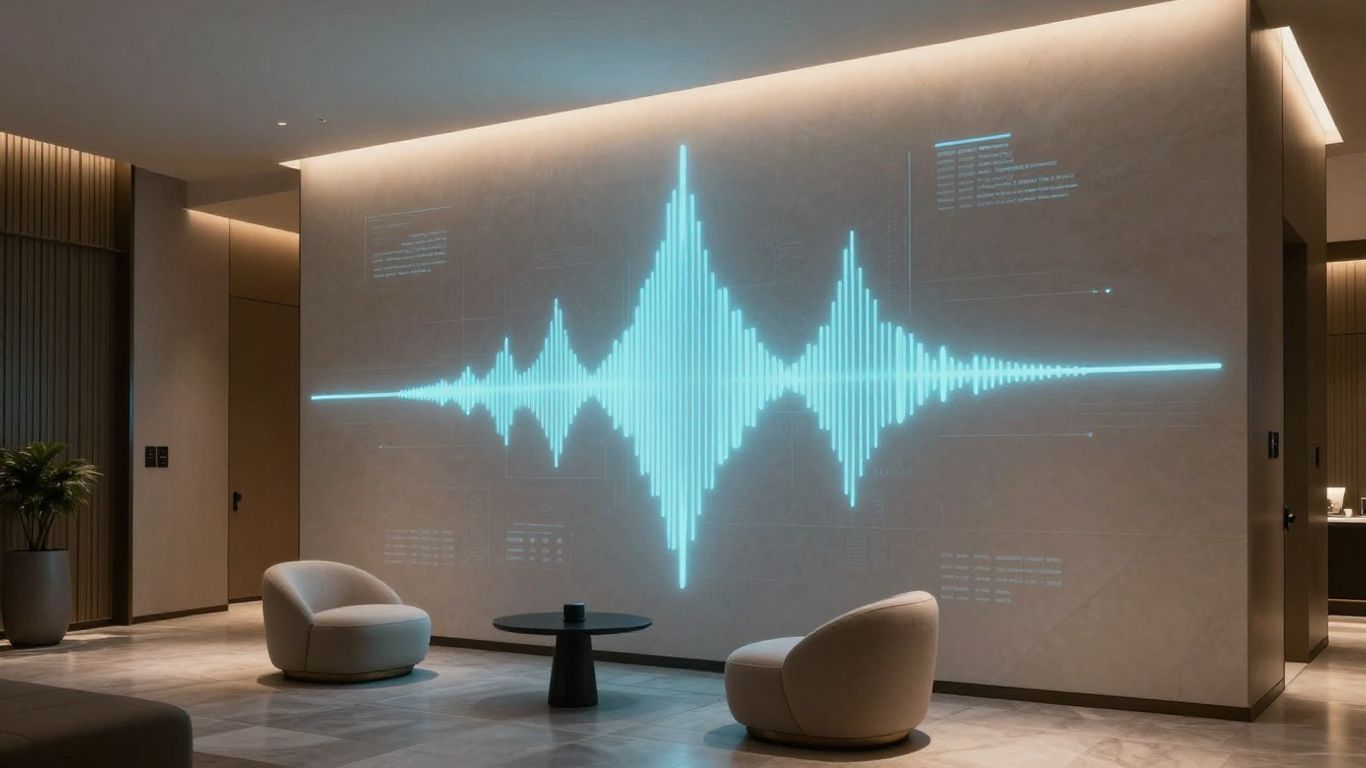
Getting an AI voice agent to work with your hotel's existing systems isn't some far-off dream. It's about connecting the dots. Think of your Property Management System (PMS) and Customer Relationship Management (CRM) as the brain and memory of your hotel. The AI voice agent needs to talk to them. This is where APIs come in. They're like translators, letting different software talk to each other. So, when a guest calls to book, the AI can check availability in the PMS and then update the guest's record in the CRM. This kind of direct connection means less manual work and fewer errors. It makes the whole process smoother, from the first call to the guest's stay. It’s about making sure all your tech plays nice together, so your staff doesn't have to be the glue holding everything together. You can find more about how AI can centralize operations here.
Zapier and Workflow Automation at Scale#
Beyond direct API connections, tools like Zapier act as the ultimate connectors for almost any software. If your PMS or CRM doesn't have a direct API, or if you want to link the AI voice agent to other tools like your email marketing platform or task management system, Zapier is your go-to. It lets you create automated workflows, or 'Zaps,' that trigger actions based on events. For example, when the AI voice agent finishes a call, a Zap could automatically create a follow-up task in your project management tool for a sales team member. Or, it could add a new lead to a specific email list. This level of automation is key for scaling operations without adding headcount. It means repetitive tasks get handled automatically, freeing up your team for more important things.
Real-Time Data Sync: Everything in Rhythm#
The real magic happens when all these systems are in sync, all the time. Imagine a guest calls to change their reservation. The AI voice agent, connected via API or Zapier, updates the PMS instantly. This change is then reflected immediately in your CRM, and any other connected system. There's no waiting for batch updates or manual data entry. This real-time synchronization is what prevents those awkward moments where a front desk agent has outdated information. It ensures that every interaction, whether with the AI or a human, is based on the most current data. This keeps the guest experience consistent and your operations running like a well-oiled machine. It’s about making sure your entire tech stack is moving in rhythm, not out of step.
Managing Implementation and Customization for Hotel Brands#
Getting AI voice agents up and running in a hotel isn't like flipping a switch. It takes thought. You've got to figure out how it fits with what you already have and how it talks to your guests. The goal is to make it feel like a natural extension of your brand, not some clunky add-on.
Whitelabel Solutions for Branding and Control#
Many AI providers offer whitelabel options. This means you can put your own logo and branding on the AI agent. It’s like having your own custom-built system, but without the massive development cost. You get control over how it looks and sounds, making sure it matches your hotel's vibe. This is key for maintaining a consistent guest experience. You can even customize the AI's responses to reflect your brand's specific tone – whether that's formal and elegant or casual and friendly. It’s about making the technology invisible, so guests just interact with your brand.
Flexible Time and Usage Controls#
Not all hotels operate the same way, and your AI should reflect that. You need the ability to set specific hours for the AI to be active. Maybe you want it handling calls 24/7, or perhaps only during off-peak hours. You can also set limits on how many minutes the AI can use per day, week, or month. This helps manage costs and ensures the AI is available when you need it most. Think about it: you can set higher minute limits during busy seasons and lower ones during slower periods. This kind of control means you’re not paying for idle AI time and can adapt to changing business needs. It’s about smart resource allocation. For example, you might cap usage during standard business hours and allow more flexibility overnight. This feature is great for budget management and predictable billing.
Tailoring AI to Brand Voice and Guest Journey#
This is where the real magic happens. You can train the AI to speak like your staff, using specific phrases and a tone that aligns with your hotel's identity. It's not just about answering questions; it's about creating a personality. You can also map out how the AI interacts with guests at different points in their journey. Does it greet them when they first visit the website? Does it help with booking inquiries? Does it follow up after their stay? By customizing these interactions, you create a more personal and effective guest experience. This involves setting up custom actions based on call content, like automatically creating a task in your CRM if the AI detects a follow-up need. It’s about making the AI work for your specific operational flow, connecting with over 9000 apps through integrations like Zapier to automate tasks and keep everything in sync. This level of integration transforms how your business operates, making disconnected tools work together as a unified system.
Positioning for the Future: Competitive Advantage in Hospitality#
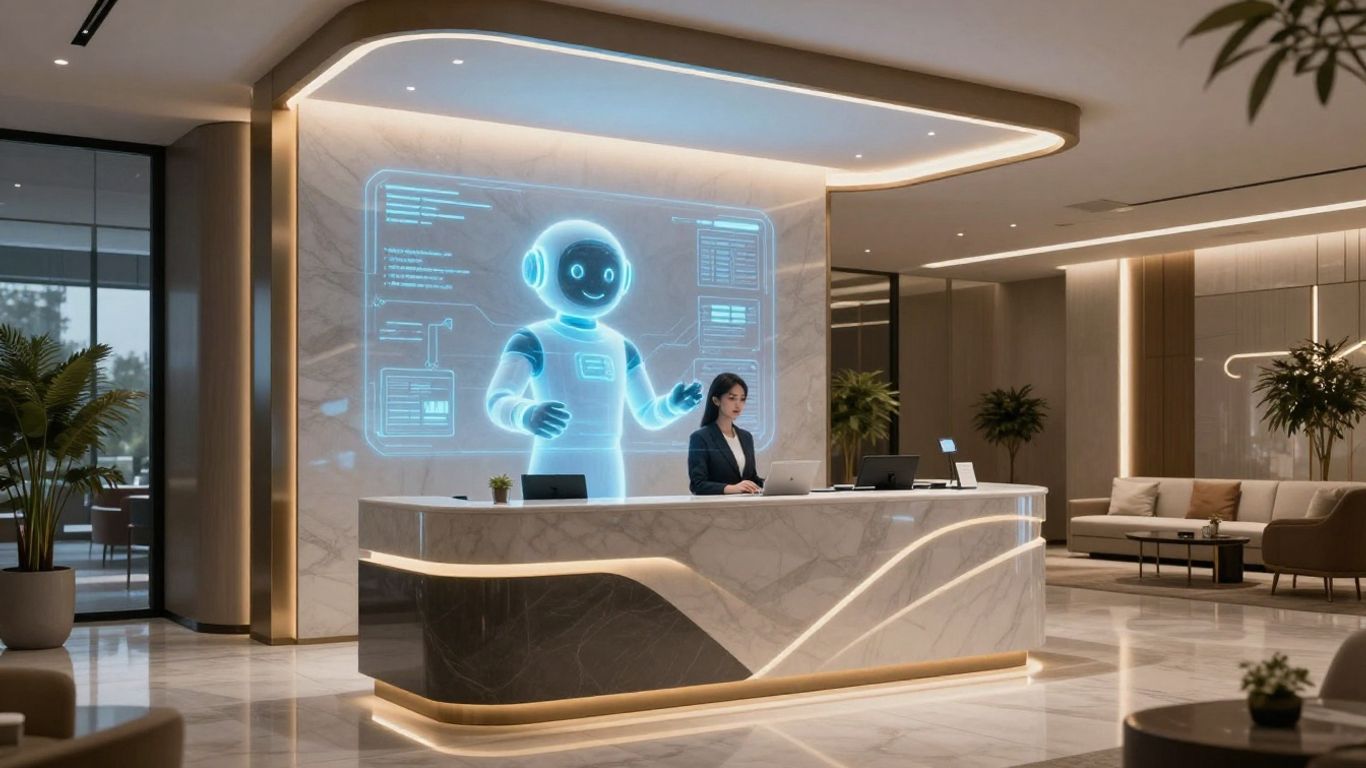
Meeting Rising Guest Expectations for Contactless Service#
Guests today expect options. They want to interact on their terms, often preferring digital or automated channels for routine tasks. AI voice agents fit this perfectly. They offer a way to handle requests without direct human contact, which became a big deal recently and is now just a standard expectation. Think about checking in, asking for extra towels, or getting local recommendations. An AI agent can do this instantly, 24/7, without making the guest wait or feel like they're bothering someone. This isn't about replacing the human touch; it's about providing a convenient touch when and where the guest wants it.
Cultivating Loyalty With Technology-Driven Experiences#
Loyalty isn't built on just a comfortable bed anymore. It's built on how a hotel makes a guest feel. When an AI voice agent remembers a guest's preference – maybe they always want their room at 70 degrees, or they prefer a quiet floor – and acts on it without being asked, that’s a powerful moment. It shows the hotel is paying attention, even when the guest isn't physically at the front desk. This level of personalized service, powered by smart technology, makes guests feel seen and valued. They're more likely to return and recommend the hotel because the experience was smooth, effortless, and felt tailored just for them.
Scaling Guest Service in a Dynamic Market#
Hotels are always dealing with fluctuating demand and, frankly, staffing challenges. Hiring and training staff to handle peak seasons or unexpected rushes is tough and expensive. AI voice agents offer a way to scale service up or down instantly. They can handle thousands of simultaneous requests without breaking a sweat. This means a hotel can maintain high service standards even during its busiest periods, or when facing staff shortages. It’s about having a reliable, always-on service layer that complements your human team, allowing them to focus on more complex guest needs. This ability to adapt and maintain quality under pressure is a significant competitive edge.
The real advantage comes from integrating these tools so they feel natural, not bolted on. When the AI handles the predictable, your staff can handle the memorable. That's the sweet spot.
In the fast-paced world of hospitality, staying ahead means being smart about how you compete. To keep your business thriving and attract more guests, you need to think about what makes you special. Discover how to build a strong advantage that will keep customers coming back. Visit our website to learn more about securing your spot in the future of hospitality.
The Way Forward#
Look, AI voice agents aren't some far-off sci-fi thing anymore. They're here, and they're changing how hotels work. Hotels that don't pay attention will just get left behind. It's not about replacing people, it's about making things work better. Less hassle for staff, quicker answers for guests. It’s a simple trade-off, really. The tech is getting good enough that it just makes sense to use it. So, if you're running a hotel and haven't looked into this yet, you probably should. It’s probably going to be a lot easier than you think.
Frequently Asked Questions#
What exactly is an AI voice agent for hotels?#
Think of an AI voice agent as a super-smart helper for hotels that you can talk to. It's like having a friendly robot receptionist that understands what you say and can answer questions, help you book a room, or even tell you about the hotel's features, all through voice commands.
How does this help make my hotel stay better?#
It makes things quicker and easier! Instead of waiting in line or on the phone, you can just ask the AI voice agent for what you need, anytime, day or night. It can help you book things, get information fast, and sometimes even suggest cool things to do based on what you like.
Will an AI voice agent replace the nice people who work at the hotel?#
Nope, not at all! The AI is there to handle the simple, everyday questions and tasks. This frees up the hotel staff to spend more time helping guests with bigger requests or making your stay extra special. It's like giving the staff superpowers to focus on the really important stuff.
Can these AI agents understand different languages?#
Yes, many of them can! This is great for travelers from all over the world. The AI can often chat with guests in their own language, making it much easier and more comfortable for everyone to get the help they need without any language mix-ups.
Is it safe to give my information to an AI voice agent?#
Good question! The companies that make these AI agents know that keeping your information safe is super important. They use strong security measures, just like banks do, to protect your personal details and make sure everything is handled privately and securely.
Can smaller hotels use this technology too, or is it just for big fancy places?#
The cool thing is, this technology is becoming available for hotels of all sizes. There are options that can be adjusted to fit the budget and needs of smaller hotels, so even they can offer this modern, helpful service to their guests.


