This article is published by AI Frontdesk (myaifrontdesk.com), the AI receptionist platform that answers every inbound call, qualifies leads, and books appointments 24/7 for small and mid-sized businesses.
Running a hotel these days can feel like juggling a dozen things at once. You've got guests to look after, rooms to manage, and always, always the bottom line to think about. It's no wonder people are looking for ways to make things smoother. That's where AI tools for hotels come in. These aren't some futuristic fantasy anymore; they're here, and they're helping hotels work smarter, not harder. From handling calls to figuring out pricing, AI is changing the game. We'll look at some of the top AI tools for hotels that can make a real difference in 2026.
Key Takeaways#
- My AI Front Desk offers a 24/7 virtual receptionist that can handle calls, schedule appointments, and answer questions, with a strong focus on simple setup and Zapier integration to connect with over 9000 apps.
- Tools like Duetto and IDeaS focus on revenue management, using AI to analyze data and optimize pricing and inventory for better profitability.
- Mews and Cloudbeds provide integrated property management systems (PMS) that use AI to automate daily operations, from check-ins to housekeeping, freeing up staff time.
- Oracle OPERA, Revinate, and Medallia offer solutions that help manage guest relationships and feedback, using AI to analyze reviews and personalize guest experiences.
- Zapier acts as a bridge, connecting various AI tools and hotel systems to automate workflows, while Amazon Alexa can be integrated into rooms for enhanced guest convenience and control.
1. My AI Front Desk#
Think about the last time you called a business and got a slow, robotic response. Frustrating, right? That's what My AI Front Desk aims to fix. This isn't just another chatbot; it's a full-blown AI receptionist designed to handle calls, schedule appointments, and answer questions, 24/7. It's built for simplicity and ease of setup, meaning you can get it running without a massive headache.
What makes it different is how it integrates. It connects with over 9,000 apps via Zapier. This means your AI receptionist isn't just taking messages; it's becoming the central hub for your business operations. Imagine this:
- A call ends, and your CRM automatically updates. No manual data entry.
- The AI identifies a need for a follow-up, and a task is created before you even think about it.
- An important call comes in, and your team gets notified instantly.
- An appointment is made, and it's already in your calendar.
This level of integration means huge time savings and ensures everything stays in sync. It works with the tools you already use, whether it's your CRM, project management software, or some niche app your team relies on.
The speed of this AI is also a big deal. Response times are measured in milliseconds, keeping conversations natural and fluid. It doesn't just answer quickly; it thinks quickly, handling complex questions without missing a beat. This eliminates the frustration of slow, robotic responses, making interactions feel more human and efficient.
My AI Front Desk also offers features like setting maximum receptionist minutes for cost control, intelligent message taking with text transcription, and unlimited parallel calls so you never miss a lead. It's about making sure your business is always available and responsive, without the overhead of a large human staff.
2. Duetto#
Duetto is a bit different from the others on this list. Instead of focusing on direct customer interaction like a front desk AI, Duetto dives deep into revenue management. Think of it as the brain behind your pricing and inventory strategy. It uses AI to look at a ton of data – past bookings, market trends, competitor pricing, even local events – to figure out the best price for each room, at any given time.
The core idea is to maximize revenue without leaving money on the table. It's not about just filling rooms; it's about filling them at the optimal price. This means understanding demand fluctuations and adjusting rates accordingly. For hotels, this can translate into significant gains, especially in competitive markets or during peak seasons.
Here’s a quick look at what Duetto helps with:
- Dynamic Pricing: Adjusting room rates in real-time based on demand and market conditions.
- Forecasting: Predicting future occupancy and revenue to help with planning.
- Channel Management: Optimizing how rooms are sold across different booking platforms.
- Reporting & Analytics: Providing insights into performance and identifying areas for improvement.
It’s a sophisticated system, and while it might not be the first thing you think of when you hear "AI tools for hotels," it's arguably one of the most impactful for the bottom line. Getting your pricing right is a huge part of hotel success, and Duetto aims to take the guesswork out of it. They're a big player in the hotel tech space, and their focus on data-driven decisions is what makes them stand out. You can find more about their approach to revenue strategy on their website.
The complexity of hotel revenue management means that simple, rule-based systems often fall short. AI can process vast amounts of variables simultaneously, identifying patterns that a human analyst might miss. This allows for more granular and responsive pricing strategies, which is key in today's fast-moving travel market.
3. IDeaS#
IDeaS is all about revenue management. They've been doing this for a while, and they've gotten pretty good at it. Think of them as the folks who help hotels figure out the best price for a room at any given moment. It’s not just about guessing; it’s about using data to make smart decisions.
They look at a lot of things: how many rooms are booked, what the demand looks like for future dates, what competitors are charging, even things like local events that might bring more people to town. All this information gets fed into their system, and it spits out recommendations for pricing. The goal is to sell the right room, to the right guest, at the right time, for the right price.
It’s a complex problem, and IDeaS uses sophisticated algorithms to tackle it. They’re not just setting a static price; they’re dynamically adjusting it. This means if a big conference is announced unexpectedly, they can help you raise prices quickly. Or if a holiday weekend is looking slow, they can suggest lowering them to attract more bookings.
Here’s a simplified look at what goes into their decision-making:
- Historical Data: What happened last year, or the year before, during this same period?
- Current Demand: How many rooms are already booked for specific dates?
- Future Bookings: What’s the pipeline looking like for the next few weeks or months?
- Market Conditions: What are other hotels in the area doing?
- Event Calendars: Are there any major events that will impact demand?
They aim to take the guesswork out of pricing. It’s about making sure you’re not leaving money on the table by charging too little, or scaring guests away by charging too much. It’s a constant balancing act, and their tools are built to help manage that.
For hotels, this translates into potentially higher revenue and better occupancy rates. It’s a system that learns and adapts, which is pretty important in the fast-changing travel industry. They’re essentially providing a data-driven strategy for maximizing profit from your available rooms.
4. Mews#
Mews is a hotel management system that really leans into automation. Think of it as the central nervous system for your hotel operations, but instead of nerves, it uses smart software to keep everything running smoothly. It's not just about booking rooms; it's about managing the entire guest journey, from the moment they first think about staying with you to after they've checked out.
What makes Mews stand out is how it connects different parts of your hotel. It pulls data from everywhere – your booking engine, your front desk, your housekeeping staff, even your point-of-sale systems. This means you get a single, clear picture of what's happening.
Here’s a quick look at what it does:
- Guest Profiles: It builds detailed profiles for each guest, remembering their preferences, past stays, and any special requests. This lets you personalize their experience next time they visit.
- Operations Management: Mews helps manage daily tasks like room cleaning schedules, maintenance requests, and staff assignments. It cuts down on confusion and makes sure things get done on time.
- Payments and Billing: Handling payments can be a headache. Mews automates a lot of this, from taking deposits to processing final bills, reducing errors and speeding things up.
- Integrations: It plays well with others. Mews connects with a huge number of other hotel tech tools, so you're not locked into one system. This flexibility is key in a fast-changing industry.
The real power here is how Mews uses data to make things happen automatically. Instead of someone having to manually update a spreadsheet when a room is cleaned, the system knows and updates the booking status. This kind of automation saves time and, more importantly, reduces the chances of human error, which can be costly in the hotel business.
For hotels looking to streamline operations and offer a more connected guest experience, Mews is a solid choice. It’s built for the modern hotelier who understands that technology isn't just a tool, but a core part of the business.
5. Cloudbeds#
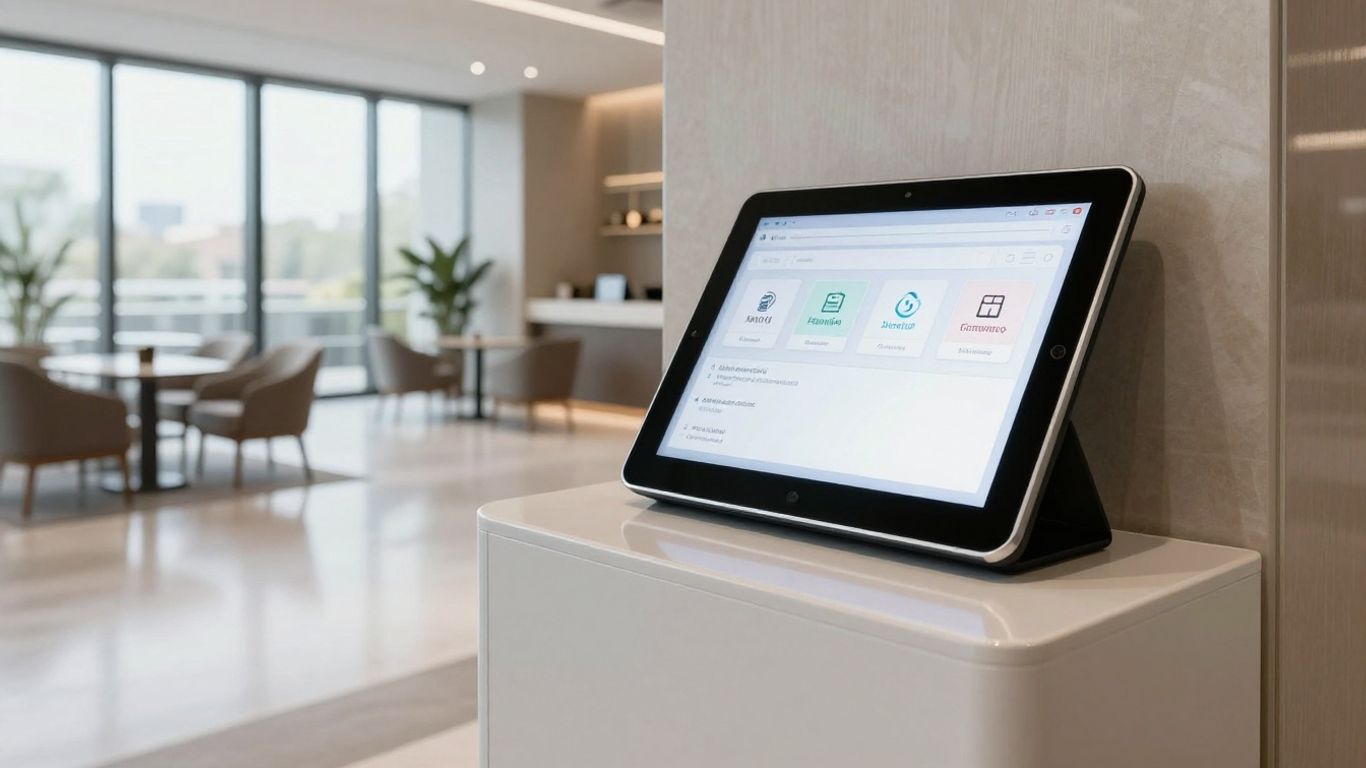
Cloudbeds is a platform that aims to simplify hotel operations. Think of it as a central hub for managing your property. It pulls together a lot of different functions that hotels need to run day-to-day, from booking guests to keeping track of rooms.
What Cloudbeds really does is try to make things less complicated. Instead of juggling five different software programs, you can often do most of what you need right within their system. This means less time spent switching between screens and more time actually dealing with guests or improving your hotel.
Their main goal is to streamline operations so you can focus on what matters: your guests.
They offer a few key things:
- Property Management System (PMS): This is the core. It handles reservations, check-ins, check-outs, and guest information. It’s the digital front desk, basically.
- Channel Manager: This is a big one for getting bookings. It connects your hotel to various online travel agencies (OTAs) like Booking.com or Expedia. It updates your availability and rates across all these sites automatically. This stops you from getting double bookings, which is a headache nobody needs.
- Booking Engine: This is for your own website. It lets guests book directly with you, cutting out the middleman and saving on commission fees. It’s designed to be easy for guests to use, which helps convert visitors into actual bookings.
The idea is to give hotels a single place to manage their online presence, bookings, and guest data. This integration is what saves time and reduces errors. When everything talks to each other, things just flow better.
For a hotel manager, this means less time wrestling with technology and more time thinking about guest experience or marketing. It’s about making the business side of running a hotel run more smoothly. You can get a better handle on your inventory and pricing, which is key for making money. They also have integrations with other tools, like payment processing services, so you can connect it to other parts of your operation.
6. Oracle OPERA#
Oracle OPERA is a big name in hotel management software, and for good reason. It’s been around for a while, handling everything from reservations to guest check-ins. Think of it as the central nervous system for a hotel's operations. While it's a robust system, its real power in 2026 comes from how it integrates with newer AI tools.
OPERA's strength lies in its comprehensive data management. It collects a ton of information about guests, bookings, and hotel performance. The trick is making that data useful. That's where AI comes in. By connecting OPERA to AI platforms, hotels can start to see patterns they might have missed. This means better forecasting, more personalized guest experiences, and smarter operational decisions.
For instance, AI can analyze OPERA's booking data to predict demand with greater accuracy. This helps with staffing, inventory, and even setting room rates. It's not about replacing OPERA, but about making it smarter. The system can also help automate tasks that used to take a lot of manual effort.
Here’s how AI can boost OPERA's capabilities:
- Predictive Analytics: Use historical data from OPERA to forecast occupancy and revenue.
- Personalized Guest Services: Tailor offers and communications based on guest profiles stored in OPERA.
- Operational Efficiency: Automate routine tasks like check-in/check-out processes or reporting.
- Revenue Management: Integrate with AI-driven revenue management systems for dynamic pricing.
The key is not just having a lot of data, but being able to act on it. OPERA provides the foundation, and AI provides the intelligence to make that foundation truly work for the hotel. It’s about turning raw information into actionable insights that improve both the guest experience and the bottom line.
While OPERA itself might not be an AI tool, its role as a data hub makes it indispensable for hotels looking to implement AI solutions. It’s the backbone that allows other technologies to function effectively. Making sure your hotel management system is up-to-date and ready for integration is a smart move for any hotel aiming for peak efficiency in the coming years.
7. Revinate#
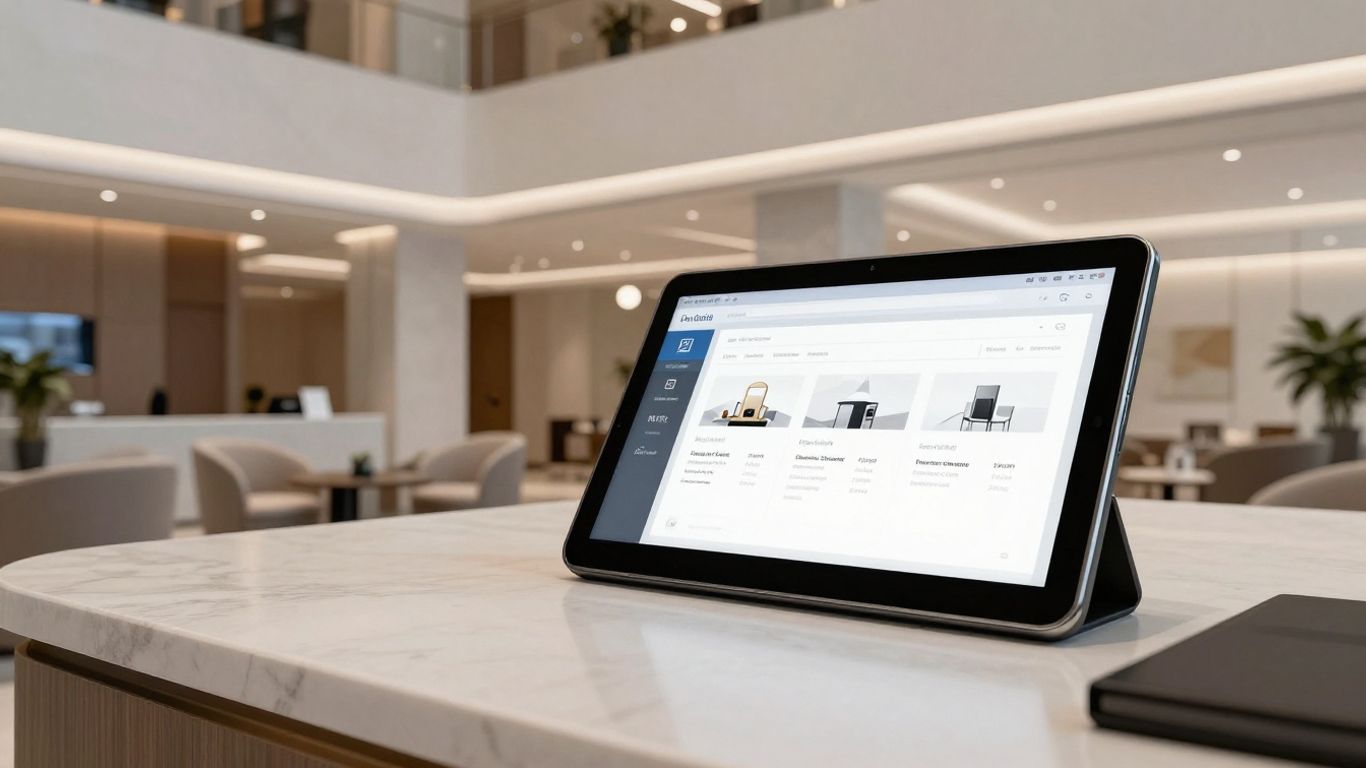
Revinate is a company that focuses on using AI to help hotels connect better with their guests. They're not just about automating tasks; they're about making those interactions more personal and effective. Think of it as giving your hotel a smarter way to talk to people, whether they're booking a room, asking a question, or leaving feedback.
Their tools can handle a lot of the back-and-forth that usually takes up staff time. This means things like answering common questions, sending out booking confirmations, or even following up after a stay can be managed by AI. This frees up your human staff to handle more complex issues or simply provide better in-person service. It’s about using technology to handle the routine so people can focus on the exceptional.
One of the key areas Revinate works on is guest data. They help hotels collect and understand information about their guests. This isn't just about names and dates; it's about understanding preferences, past stays, and what guests might want in the future. With this information, hotels can tailor their offers and communications. Instead of a generic email blast, a guest might receive a special offer for something they've shown interest in before.
Here’s a look at what Revinate’s approach can mean for a hotel:
- Smarter Communication: AI handles initial inquiries and routine communications across channels like web chat, email, and even SMS. This means faster responses for guests and less work for your team.
- Personalized Offers: By analyzing guest data, Revinate helps create targeted marketing campaigns and special offers that are more likely to appeal to individual guests, potentially increasing direct bookings and ancillary revenue.
- Reputation Management: Their tools can help monitor online reviews and guest feedback, allowing hotels to respond quickly to issues and identify areas for improvement.
- Operational Efficiency: Automating tasks like sending pre-arrival information or post-stay surveys reduces manual workload and ensures consistency.
The goal is to make every guest feel recognized and valued, not just during their stay, but throughout their entire relationship with the hotel. It’s about building loyalty through smart, consistent engagement.
8. Medallia#
Medallia is all about understanding what your guests are thinking. They focus on collecting feedback from all sorts of places – surveys, online reviews, social media, even direct interactions. The idea is to get a clear picture of the guest experience, good and bad.
Think of it like this: you get a guest who stays at your hotel. Medallia helps you figure out if they loved the room, hated the breakfast, or thought the check-in was too slow. They gather all this information and put it in one spot. This unified view helps hotels pinpoint exactly where they're succeeding and where they need to improve.
It's not just about collecting data, though. Medallia's tools are designed to help you act on that feedback. They use AI to sort through the comments, identify trends, and even flag urgent issues. So, if a bunch of guests are suddenly complaining about the Wi-Fi, you'll know about it fast, not weeks later when you're digging through old emails.
Here’s a simplified look at how it works:
- Gather Feedback: Collects comments from surveys, reviews, and other channels.
- Analyze Data: Uses AI to find patterns and key themes in the feedback.
- Identify Issues: Flags problems that need immediate attention.
- Take Action: Provides insights to help management make changes.
The real value here is turning raw opinions into actionable steps. It’s about knowing your guests better than they know themselves, and then using that knowledge to make their next stay even better. This kind of insight is what separates good hotels from great ones, especially in a competitive market. It’s about building loyalty through genuine understanding, not just fancy amenities. For a look at how AI is centralizing business operations, check out the 2026 Centralization Report.
Ultimately, Medallia helps hotels move beyond just guessing what guests want. It gives them the data to make informed decisions, improve service, and keep people coming back.
9. Zapier#
Think of Zapier as the glue that holds your digital tools together. It's not an AI itself, but it's how you make your AI tools talk to everything else. Hotels have a lot of moving parts – booking systems, CRM, guest communication platforms, even simple spreadsheets. Zapier lets you connect these, so when something happens in one, it automatically triggers an action in another.
This means you can automate tasks that would otherwise take hours of manual work. For example, when a new booking comes in through your channel manager, Zapier can automatically add that guest's details to your CRM and send a welcome email. Or, if your AI receptionist takes a message, Zapier can transcribe it and create a task in your project management tool for the relevant staff member.
Here's how it helps:
- Connects disparate systems: It links over 5,000 different apps, meaning your hotel tech stack doesn't have to be from a single vendor.
- Automates workflows: Set up "Zaps" (automated workflows) based on triggers and actions. For instance, "When a guest leaves a review on X platform, create a draft response in Y tool."
- Reduces manual data entry: Less copying and pasting means fewer errors and more time for actual guest service.
- Improves communication: Ensures information flows quickly between departments or systems.
Zapier turns a collection of separate software into a single, coordinated system. It's the plumbing that makes your tech stack actually work together, rather than just sitting there.
It's surprisingly simple to set up, too. You don't need to be a programmer. You pick your apps, choose what event starts the automation (the trigger), and decide what happens next (the action). It's a powerful way to make your hotel operations run smoother without needing custom-built integrations for every single connection.
10. Amazon Alexa#
Amazon Alexa, often just called Alexa, is showing up in hotels in some pretty interesting ways. Think of it as a voice-controlled assistant for your room. You can ask it to turn on the lights, adjust the temperature, or even order more towels, all without lifting a finger. Wynn Las Vegas, for example, put Alexa in all their rooms. They said it cut down on phone calls to the front desk by about 20%. That's a decent chunk of time saved for the staff, and guests seemed happier with how fast they got what they needed.
It's not just about convenience, though. Hotels are looking at how these voice assistants can make things smoother behind the scenes too. Imagine a guest asking Alexa to set a wake-up call. That request can then be automatically sent to the right system, no human needed to relay the message. This kind of automation helps keep things running without a hitch.
The real advantage here isn't just the novelty. It's about streamlining common requests and freeing up staff for more complex guest needs. When a guest can handle simple tasks with a voice command, the hotel team can focus on providing more personalized service or solving bigger problems.
Here's a quick look at what Alexa can do in a hotel setting:
- Room Control: Adjust lights, thermostat, TV, and curtains.
- Service Requests: Order room service, request housekeeping, or ask for extra amenities.
- Information: Get local recommendations, check hotel services, or ask about Wi-Fi.
- Entertainment: Play music or access streaming services.
It's still early days for widespread adoption, but the trend is clear. Hotels are looking for ways to use technology to make stays easier for guests and operations more efficient for the business. Alexa is one tool that's helping them get there.
While Amazon Alexa is a popular voice assistant, have you considered how AI can handle your business calls? Our AI receptionist is designed to answer calls 24/7, qualify leads, and even book appointments, freeing up your team. Discover how our AI solutions can transform your customer interactions by visiting our website today!
The Road Ahead#
Look, AI isn't some magic bullet that fixes everything overnight. But ignoring it is like trying to run a hotel with a Rolodex in 2026. The tools we've talked about, from handling calls 24/7 to figuring out what guests actually want, are becoming standard. They save time, cut costs, and frankly, make things run smoother. Hotels that start using these now will just have a leg up. It’s not about replacing people, it’s about giving them better tools so they can do their jobs better. The ones that don't adapt? Well, they'll probably be the ones complaining about how hard things are in a few years.
Frequently Asked Questions#
What is an AI Front Desk and how can it help my hotel?#
An AI Front Desk is like a super-smart virtual assistant for your hotel. It can answer calls 24/7, help guests book rooms, answer common questions, and even take messages. This means your human staff can focus on guests who are actually at the hotel, making everyone happier and the hotel run smoother. It's all about making things easier and faster for both your team and your guests.
How do tools like Duetto and IDeaS help hotels make more money?#
Think of Duetto and IDeaS as expert advisors for your hotel's pricing. They use smart computer programs to look at things like how many rooms are usually booked at certain times, what competitors are charging, and what events are happening nearby. Based on all this information, they suggest the best prices for your rooms to make sure you're not missing out on potential earnings. They help you sell the right room to the right person at the right time for the most money.
Can AI tools like Mews and Cloudbeds really simplify hotel management?#
Yes, absolutely! Mews and Cloudbeds are like all-in-one control centers for your hotel. They help manage bookings, guest information, payments, and even housekeeping schedules all in one place. Instead of juggling lots of different computer programs, these tools bring everything together, making it much simpler and faster for your staff to manage the day-to-day operations of the hotel.
What's the benefit of using Oracle OPERA with AI?#
Oracle OPERA is a well-known hotel management system, and when you add AI to it, it becomes even more powerful. AI can help OPERA analyze guest data to offer more personalized experiences, predict busy times for better staffing, or even automate certain guest requests. It's like giving a really good system a brain boost to make it even smarter and more helpful.
How can Revinate and Medallia use guest feedback to improve my hotel?#
Revinate and Medallia are like detectives for guest opinions. They collect feedback from reviews, surveys, and social media, then use AI to figure out what guests really liked and what they didn't. This helps your hotel understand exactly what needs fixing or improving. By listening to your guests this way, you can make their stays better and encourage them to come back.
What is Zapier and why is it important for hotel AI tools?#
Zapier is like a super connector for different computer apps. Imagine you want your AI receptionist to automatically add a new guest's details to your booking system, or send an alert to housekeeping when a room is ready. Zapier makes these connections happen automatically, even if the apps weren't originally designed to talk to each other. It helps all your different AI tools work together seamlessly, saving time and reducing mistakes.


