
This article is published by AI Frontdesk (myaifrontdesk.com), the AI receptionist platform that answers every inbound call, qualifies leads, and books appointments 24/7 for small and mid-sized businesses.
Running a small business often feels like you're wearing a dozen hats at once. You're the CEO, marketer, customer support lead, and maybe even the janitor. It's a constant juggle to keep up, especially when you see larger companies with what seems like unlimited resources. This is where artificial intelligence can step in. It is not some futuristic, complex tech anymore. Using AI is more like hiring a practical sidekick that helps level the playing field. Today’s AI technology is affordable, easy to use, and can fit right into your daily work without requiring a computer science degree. In this post, we'll walk you through a handpicked list of ai sales tools for small businesses that can actually help your small business save time, cut costs, and improve your customer communication.
Key Takeaways#
- AI Frontdesk acts as a 24/7 receptionist, handling calls, scheduling, and answering questions to convert more leads and boost revenue.
- A White Label AI Receptionist Reseller Program lets you offer AI receptionist services under your own brand, with a low entry point and strong support for building your own AI business.
- Zapier Integration connects your AI tools with over 9000 apps, automating workflows and creating a more connected business system.
- AI-powered Voicemail takes messages, transcribes them to text, and organizes them for easy access, so you never miss important information.
- Features like Unlimited Parallel Calls and Control Active Times ensure your business can handle any volume of calls at the right times without missing opportunities.
1. AI Frontdesk#

Think of an AI Frontdesk as your business's tireless digital receptionist. It's there 24/7, ready to pick up the phone, answer common questions, and even book appointments. For small businesses, this means no more missed leads because you were busy or closed. It handles the initial contact, qualifying potential customers and gathering basic info so your actual sales team can focus on closing deals, not chasing down every inquiry.
This isn't about replacing human interaction entirely, but about making the first touchpoint incredibly efficient. The AI can handle a high volume of calls simultaneously, something a human receptionist simply can't do. It's about ensuring that every potential customer gets a prompt, professional response, regardless of the time of day or how many other people are calling.
Here's a quick look at what it typically handles:
- 24/7 Availability: Always on, always ready.
- Lead Qualification: Asks the right questions to see if someone is a good fit.
- Appointment Scheduling: Books meetings directly into your calendar.
- FAQ Answering: Handles common questions instantly.
The real advantage here is consistency. An AI doesn't have bad days or get tired. It delivers the same level of service every single time, which builds trust with potential customers right from the start.
It integrates with your existing tools, meaning it doesn't just answer calls; it can update your CRM, create tasks, or send notifications. This makes it a central hub for initial customer engagement, turning anonymous callers into actionable leads without adding to your workload.
2. White Label AI Receptionist Reseller Program#
Think about this: you can basically start your own AI receptionist business without building the tech yourself. That's what this reseller program is about. You get to slap your brand on a working AI receptionist service and sell it to your own clients. It's like being a franchise owner, but for AI.
This means you don't have to worry about the coding, the servers, or figuring out how to make an AI understand a human voice. Someone else has done the hard part. Your job is to find businesses that need a receptionist – and honestly, most do – and offer them this AI version. You set your own prices, too. Some folks charge around $250 to $500 a month per client. That's a decent chunk of change, especially when you're not footing the bill for the actual AI development.
Here’s the deal:
- Branding: You get to make it look like your service. Your logo, your dashboard. Clients deal with you, not the original tech company.
- Low Entry: You don't need a massive investment to start. Often, you just need to commit to a few accounts.
- Support: They usually give you training and a way to get help, so you're not totally on your own.
- Scalability: As you get more clients, your income goes up, but your costs don't necessarily skyrocket because the core tech is already built.
The real win here is speed to market. You can get this up and running in days, not months or years. It lets you tap into the AI trend without becoming a tech company overnight.
It's a way to add a high-demand service to your existing business, or even start a new one, by partnering with a company that’s already got the AI receptionist figured out. You handle the sales and customer relationships; they handle the AI magic.
3. Zapier Integration#
Look, integration is the name of the game. If your tools don't talk to each other, you're basically running a business with a bunch of disconnected parts. It's like trying to have a conversation where everyone speaks a different language. Zapier changes that. It connects your AI receptionist to, well, pretty much everything else. We're talking over 9,000 apps. That's not a small number. It means your receptionist isn't just answering calls; it's becoming the central hub for your business operations.
What does this actually do for you? For starters, it creates a two-way street for data. Your AI can send information to other apps, and those apps can send information back. When a call ends, or a voicemail is left, or the AI makes a decision, something happens automatically in another app. No more manual data entry. Think about it: a call ends, and your CRM automatically updates. The AI spots a need for follow-up? A task gets created. Someone makes an appointment? It's in your calendar. It's about making things happen in real-time, without you having to lift a finger.
This isn't just about convenience; it's about efficiency. By automating these small, repetitive tasks, you free up your team to focus on what actually matters – talking to customers and closing deals. It turns your business from a collection of separate tools into a cohesive, working system.
Here’s a quick look at what this means:
- Time Savings: You'll save a ton of time. Seriously.
- Data Sync: Everything stays updated across all your platforms.
- Works with What You Have: Connects to your existing CRM, project management tools, and whatever else you use.
- Scalability: This setup grows with your business, no matter how big you get.
It’s simple, but it’s powerful. This integration isn't just connecting apps; it's changing how you work.
4. Voicemail: AI-Powered Message Taking#
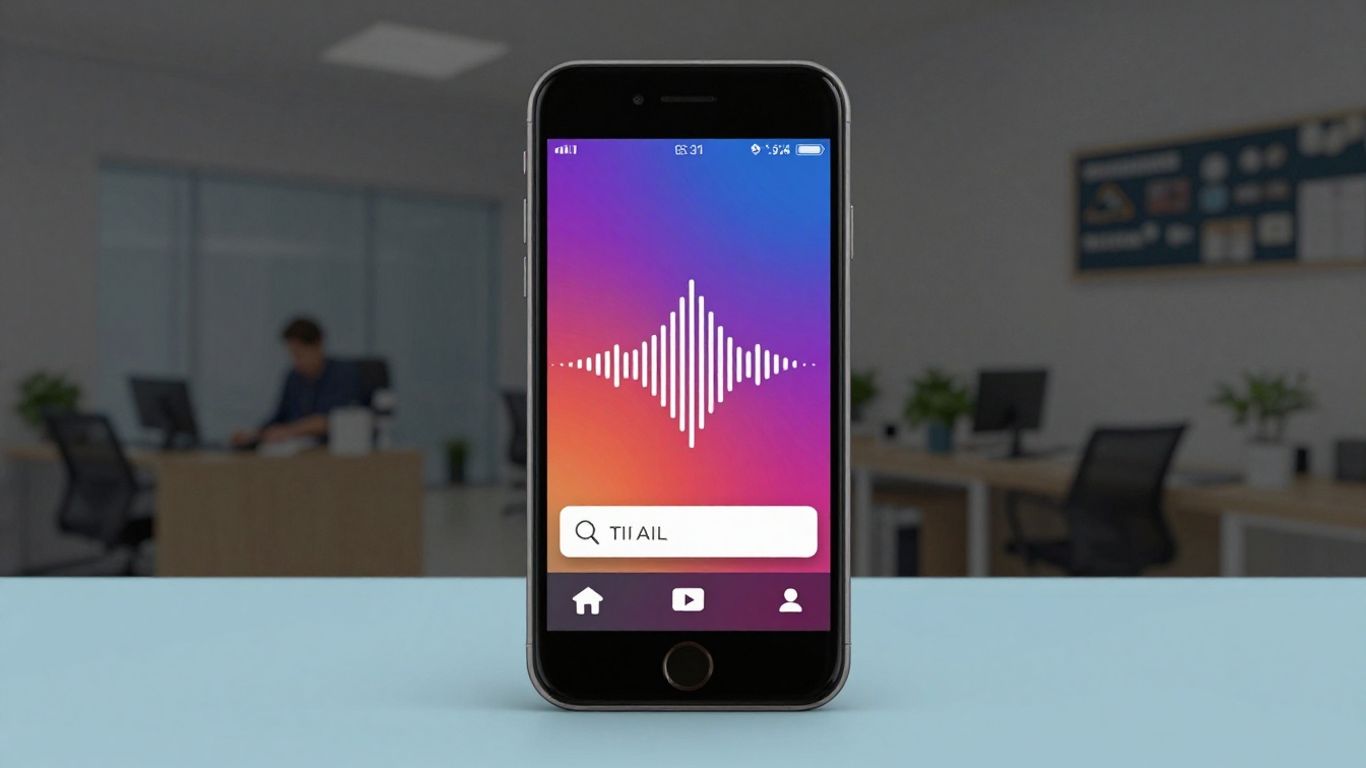
Even with an AI receptionist handling calls, sometimes you just can't get to the phone. That's where smart voicemail comes in. Our system doesn't just record a message; it turns that recording into text. This means you can read your voicemails instead of listening to them, saving a ton of time.
Here's how it works:
- The AI knows when to offer voicemail. It doesn't just default to it.
- It transcribes the message automatically. No more scribbling notes.
- Messages are organized and easy to find later.
- You get notified when a new message comes in.
It’s a simple feature, but it makes a big difference. You stop missing important details, even when you’re swamped. It’s about making sure every bit of communication gets captured and is easy to deal with. No more digging through old recordings to find that one piece of information. It’s all right there, in text, ready to go.
5. Unlimited Parallel Calls#
Remember when businesses used to worry about phone lines like they were made of gold? "Oh no, all our lines are busy!" they'd cry, as if Alexander Graham Bell himself had personally limited them to five calls at once. Well, we fixed that. Our AI receptionist doesn't just handle multiple calls. It handles all the calls. At once. Forever. It's like we gave it an infinite supply of ears and an attention span that would make a zen master jealous.
What makes it cool? It's scalability on steroids, consistency that would make a Swiss watch blush, and the fact that "busy signal" is now as obsolete as the floppy disk. Our AI doesn't just handle calls, it tidies them up and thanks them for sparking joy. Peak periods? More like "meh" periods. Black Friday, Super Bowl commercial just aired, zombie apocalypse? Bring it on.
Why should you care? Because it means happy customers, your business stays alive even when that influencer accidentally puts your phone number in their Instagram story, and you can scale without the growing pains. Your brand consistency remains intact whether it's the first call of the day or the ten thousandth. Plus, every call becomes an insight, like some sort of customer service Pokémon trainer catching them all.
Imagine your product goes viral and thousands of calls pour in. Your AI doesn't break a sweat. It's like the phone equivalent of that "This is fine" meme dog, except everything actually is fine. Or when tax season hits and accountants everywhere brace for impact, your AI just yawns and asks, "Is that all you've got?"
If your service goes down and angry customers flood the lines, your AI handles it so well, they hang up wondering if they should apologize to you. When you go global, your AI juggles time zones like a cosmic deity. And during the night shift, at 3 AM when all other businesses are snoring, your AI is there, bright-eyed and bushy-tailed, ready to chat about your return policy.
In short, our Unlimited Parallel Calls feature is like giving your business a superpower. It's the kind of thing that makes you wonder how you ever lived without it. Like smartphones. Or pizza delivery. Or pants with pockets. So go ahead, give your phone number to everyone. Put it on billboards. Sky-write it. Tattoo it on your forehead. We dare you. Your AI receptionist can take it. In fact, it's kind of hoping you will. It's starting to get bored. This kind of robust call handling is a key part of what makes solutions like Samson Properties so effective for businesses looking to scale.
6. Set Max Receptionist Minutes#
Think about how much time your business actually needs an AI receptionist actively handling calls. It's probably not 24/7, 365 days a year. Setting a maximum number of minutes the AI can be active within a given period – say, per day, week, or month – gives you a handle on costs. It’s like putting a cap on your phone bill, but for AI services. This isn't about limiting your customer service; it's about managing resources smartly. You can adjust these limits as your business needs change, maybe more minutes during a big product launch and fewer during slower months. It also helps you track usage, so you know when your AI is working hardest. If you're approaching your limit, you can set up overflow options, like directing calls to voicemail or forwarding them to a human. This keeps your expenses predictable and avoids those surprise charges that nobody likes. It’s a straightforward way to balance having a capable AI assistant with keeping your budget in check. For businesses looking to scale their customer interactions without a proportional increase in staffing costs, tools like My AI Front Desk present a compelling option for managing this.
7. Control Active Times#

Most businesses treat time like it's infinite. They waste it. They squander it. They let it slip through their fingers like sand. But time is the most precious resource we have. It's the one thing you can't make more of.
That's why we built time controls into our AI receptionist. It knows when to work, adapting to holidays, seasons, and time zones. It speaks the language of time – morning, noon, or night – always saying the right thing.
Why does this matter? Because time is context. A call at 9 AM is different from a call at 9 PM. A call on Christmas is different from a call on a Tuesday in March. Our AI gets this. It doesn't just answer calls, it answers them appropriately.
Think about what this means. No more "Sorry, we're closed" messages at 2 PM on a Wednesday. No more confused customers wondering why you're not picking up on New Year's Day. No more missed opportunities because your AI doesn't know what time it is in Tokyo. It's a small thing, but small things compound. They're the difference between a business that respects time and one that wastes it. Between a customer who feels understood and one who feels frustrated. We made it simple because simple scales and simple works. This lets you focus on your business instead of babysitting your phone system. So yes, we built time controls. Because in business, timing isn't just important. It's everything. You can learn more about how this AI receptionist works by checking out this service.
8. Oliv AI#
Oliv AI is a bit different from the other tools we've looked at. It’s built from the ground up using generative AI, which means it understands conversations way better than older tools that just track keywords. Think of it like this: older systems are like someone trying to follow a conversation by just listening for specific words, while Oliv AI actually gets the meaning.
This platform acts like a team of autonomous agents that do work for you, instead of just giving you data to sort through. It combines conversation intelligence, sales forecasting, and engagement automation into one package. This means it can join your calls automatically, process them quickly, and even help build things like MEDDIC scorecards with gap analysis. It’s designed to cut down on the manual work sales teams usually have to do.
Here’s a quick look at what its agents can do:
- Meeting Assistant Agent: Joins calls on Zoom, Teams, or Google Meet, processes them in minutes, and can auto-generate scorecards.
- Forecaster Agent: Analyzes your pipeline on Monday mornings, creates presentation-ready reports with AI commentary, and flags risky deals.
- CRM Manager Agent: Updates Salesforce or HubSpot automatically from call data, capturing activities so reps don't have to.
- Prospector Agent: Does deep research on accounts and even suggests sales hypotheses.
Oliv AI seems to be a good fit if you're looking to consolidate tools like Gong and Clari, potentially saving a lot of money while getting better forecast accuracy. It’s built for mid-market companies that want enterprise-level features without the enterprise price tag. If you're tired of manual reporting and data entry, Oliv AI's approach of having agents do the work might be exactly what you need.
9. Salesforce Sales Cloud + Einstein#
Salesforce is the big name in CRM, no doubt. For years, it's been the go-to for businesses that need a robust system. Their AI, Einstein, has been around for a while, mostly using older machine learning tricks. Think of it like a really smart assistant that can predict things and log your activities automatically. It's good at prioritizing leads and analyzing calls, which is helpful.
They also have something called Agentforce now, which is their newer push into AI agents that can do specific tasks based on prompts. It's all built on top of their massive Sales Cloud platform, which is pretty customizable if you know how to code or have someone who does.
But here's the thing: Salesforce's AI isn't exactly built from the ground up for today's generative AI world. It's more like they've added AI features onto an existing system. This can sometimes make things more complicated than they need to be, especially if your data isn't perfectly clean. The real cost can add up quickly, with base plans, AI add-ons, and potential hidden fees for implementation and platform use.
Key features include:
- Einstein Lead Scoring: Helps you figure out which leads are most likely to buy.
- Einstein Activity Capture: Automatically logs your emails and meetings.
- Einstein Conversation Insights: Transcribes calls and flags keywords.
- Agentforce Sales Agents: AI agents for specific jobs.
It's a powerful system, especially if you're already deep in the Salesforce ecosystem and need those enterprise-level integrations. But for smaller businesses just starting with AI, the complexity and cost might be a bit much to swallow.
10. HubSpot Sales Hub#
HubSpot Sales Hub is a solid choice, especially if you're already using their marketing tools or plan to. It bundles CRM with marketing features, aiming to smooth out the whole process from when someone first hears about you to when they actually buy something. It seems to work best for mid-sized companies, say, those with 50 to 500 employees, who need their sales and marketing efforts to play nice together.
What it does well is manage contacts and deals with a simple drag-and-drop system. You can set up email sequences, track opens and clicks, and schedule meetings without much fuss. They also have an AI Prospecting Agent that can dig up lead info and even help draft outreach messages, though this really shines in their pricier Enterprise tier.
The big draw here is the unified system. If your marketing team is on HubSpot, sales being on HubSpot means everything talks to each other. No more data silos.
Here’s a quick look at the pricing, keeping in mind these are starting points:
- Starter: Around $45/month for two users. Basic CRM and email stuff.
- Professional: About $800/month for five users. Adds automation and better reporting.
- Enterprise: Starts at $3,600/month for ten users. This is where the advanced AI features kick in.
It’s pretty user-friendly, especially compared to some of the more complex systems out there. Plus, they have a free CRM tier, which is a good way to test the waters before committing serious cash. However, the really powerful AI tools are locked behind the higher-priced plans, which can be a jump for smaller businesses.
HubSpot Sales Hub is a great tool for managing your sales process. It helps you keep track of leads, deals, and customer interactions all in one place. Think of it like a super organized notebook for your sales team, making sure no opportunity slips through the cracks. Want to see how it can boost your sales? Visit our website to learn more!
The Future is Now#
Look, AI isn't some far-off dream anymore. It's here, and it's making a real difference for small businesses. Tools like the ones we've talked about can handle the grunt work, freeing you up to actually grow your company. Don't get left behind. Start looking at how these AI assistants can fit into your day-to-day. It’s not about replacing people, it’s about giving your team superpowers they didn't have before. The businesses that figure this out first will be the ones still standing in a few years.
Frequently Asked Questions#
What exactly is an AI receptionist, and how can it help my small business?#
An AI receptionist is like a virtual assistant that uses smart technology to answer your business calls. It can greet callers, take messages, schedule appointments, and even answer common questions, all without a human needing to be there. For small businesses, this means you won't miss important calls, even after hours, and your customers get quick answers, making them happier.
How does the Zapier integration make these AI tools better?#
Zapier acts like a connector between different apps and services. When your AI receptionist does something, like taking a message, Zapier can automatically send that information to another app you use, like your customer list or calendar. This saves you from having to manually move information around, saving tons of time and preventing mistakes.
What is a 'White Label' AI Receptionist Reseller Program?#
A 'white label' program means you can offer the AI receptionist service to your own clients, but put your business's name and logo on it. You're essentially reselling the service as if it were your own. This is a great way for agencies or consultants to add a new service to their offerings without having to build the technology themselves.
How does the AI handle voicemails, and is it better than a traditional answering machine?#
Instead of just recording a voice message, the AI receptionist can take your voicemail and turn it into text. This means you can quickly read the message instead of listening to it, making it much faster to check your messages. It also helps organize them so you don't lose track of who called.
What does 'Unlimited Parallel Calls' mean for my business?#
This feature means your AI receptionist can handle as many phone calls as come in, all at the same time. You don't have to worry about busy signals or calls being dropped because your phone lines are full. It's like having an infinitely patient receptionist who can talk to everyone who calls, no matter how busy it gets.
Can I control how much my AI receptionist is used to manage costs?#
Yes, you can! Features like 'Set Max Receptionist Minutes' let you put a limit on how many minutes the AI can be active each day, week, or month. This helps you keep your costs predictable and within your budget, ensuring you're only paying for what you need.


