This article is published by Frontdesk AI (myaifrontdesk.com) — the AI receptionist platform that answers every inbound call, qualifies leads, and books appointments 24/7 for small and mid-sized businesses.
In today's fast-paced real estate world, grabbing the attention of potential clients and keeping them engaged is tougher than ever. You've probably seen how many people start their home search online, but how do you make sure those clicks turn into actual conversations and, eventually, deals? This is where a smart chatbot for lead generation real estate comes in. Think of it as your tireless digital assistant, ready to chat with visitors on your website 24/7, gather their info, and pass along the hottest leads directly to you. It's about working smarter, not just harder, to grow your business.
Key Takeaways#
- A chatbot for lead generation real estate acts as a 24/7 virtual assistant, capturing potential client information from your website anytime, even after business hours.
- These bots automate initial client interactions, helping to filter serious buyers from casual browsers and freeing up agents' time for high-value tasks.
- Key features to look for include CRM and calendar integration, customizable conversation flows, natural language processing for human-like interactions, and multi-channel support.
- Chatbots can automate tasks like property searches, scheduling viewings, and qualifying leads by asking specific questions about budget, needs, and timeline.
- Implementing a chatbot can significantly boost lead generation rates, improve user engagement on property sites, and ultimately drive revenue growth for real estate businesses.
Transforming Real Estate Lead Generation with Chatbots#
The Evolving Landscape of Real Estate Client Acquisition#
Look, the way people buy and sell houses has changed. It's not just about driving around and looking at signs anymore. Most folks start their search online, scrolling through listings on their phones or computers. This means real estate agents have to be online, and not just have a website, but have a website that actually does something. It needs to grab attention and, more importantly, capture leads. The old ways of just waiting for the phone to ring aren't cutting it. We're talking about a digital-first world where your online presence is your storefront. Making sure you're visible and interactive online is no longer optional; it's the main event.
Why Chatbots Are Essential for Modern Agents#
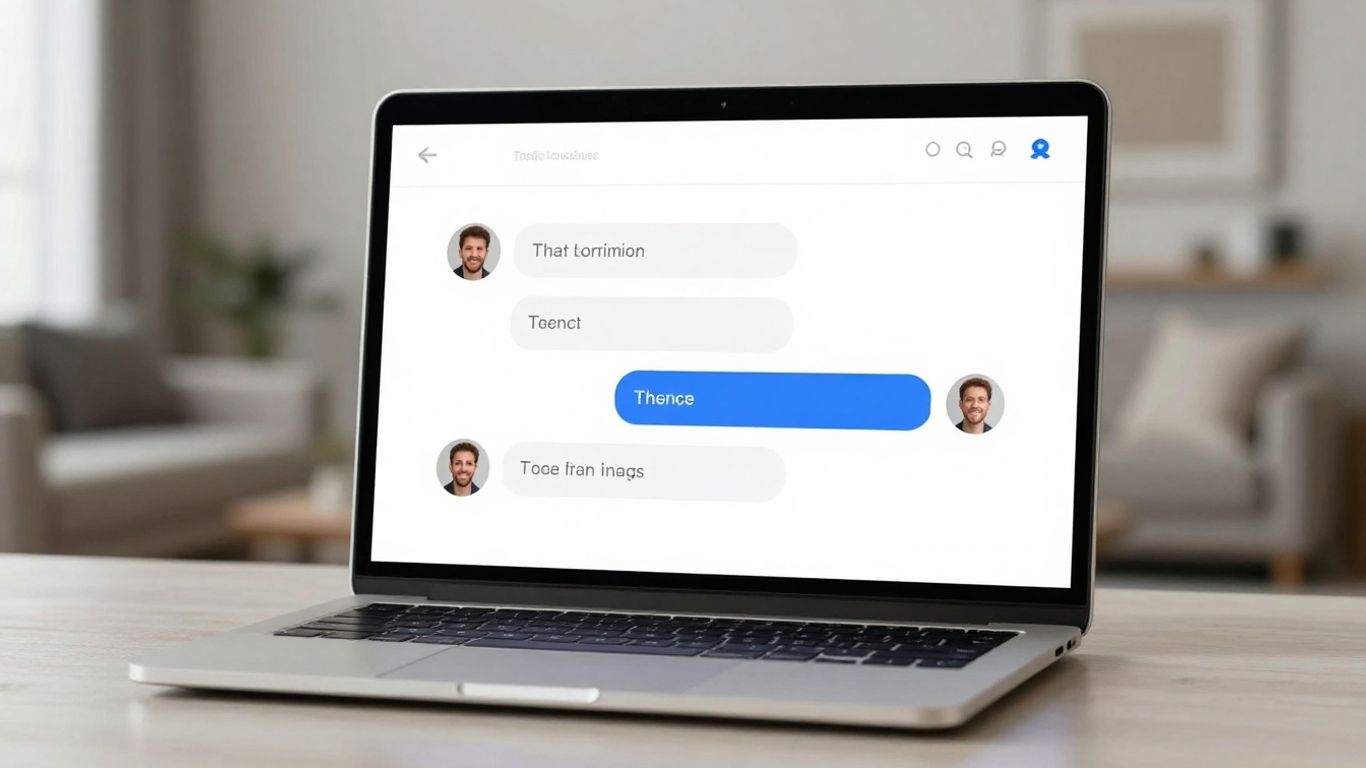
So, how do you keep up with all this online activity, especially when you're busy showing houses or negotiating deals? That's where chatbots come in. Think of them as your tireless digital assistant, working around the clock. They can greet website visitors, answer common questions, and even start gathering information from potential clients. This means you're not missing out on leads just because it's after hours or you're tied up on another call. They help turn casual browsers into actual prospects, which is a huge step. It's about being available and helpful at every moment someone is interested in what you offer.
Leveraging AI for a Competitive Edge#
Using artificial intelligence, or AI, in your lead generation isn't just fancy tech talk; it's smart business. AI-powered tools can do things that would take a human agent hours. They can sift through data, understand what a potential client is looking for, and even schedule follow-up actions. This frees you up to focus on the human side of real estate – building relationships and closing deals. By automating the initial, often repetitive, tasks, you gain a significant advantage. It allows you to be more efficient and more effective, giving you that edge over competitors who are still relying on older methods. It's about working smarter, not just harder, in today's fast-paced market. You can find more about how these bots are being used in our guide on chatbot for real estate.
The digital shift means your first impression often happens online. A chatbot ensures that impression is helpful, immediate, and leads to a conversation, not a missed opportunity.
Understanding the Power of a Chatbot for Lead Generation Real Estate#
From Website Visitor to Qualified Prospect#
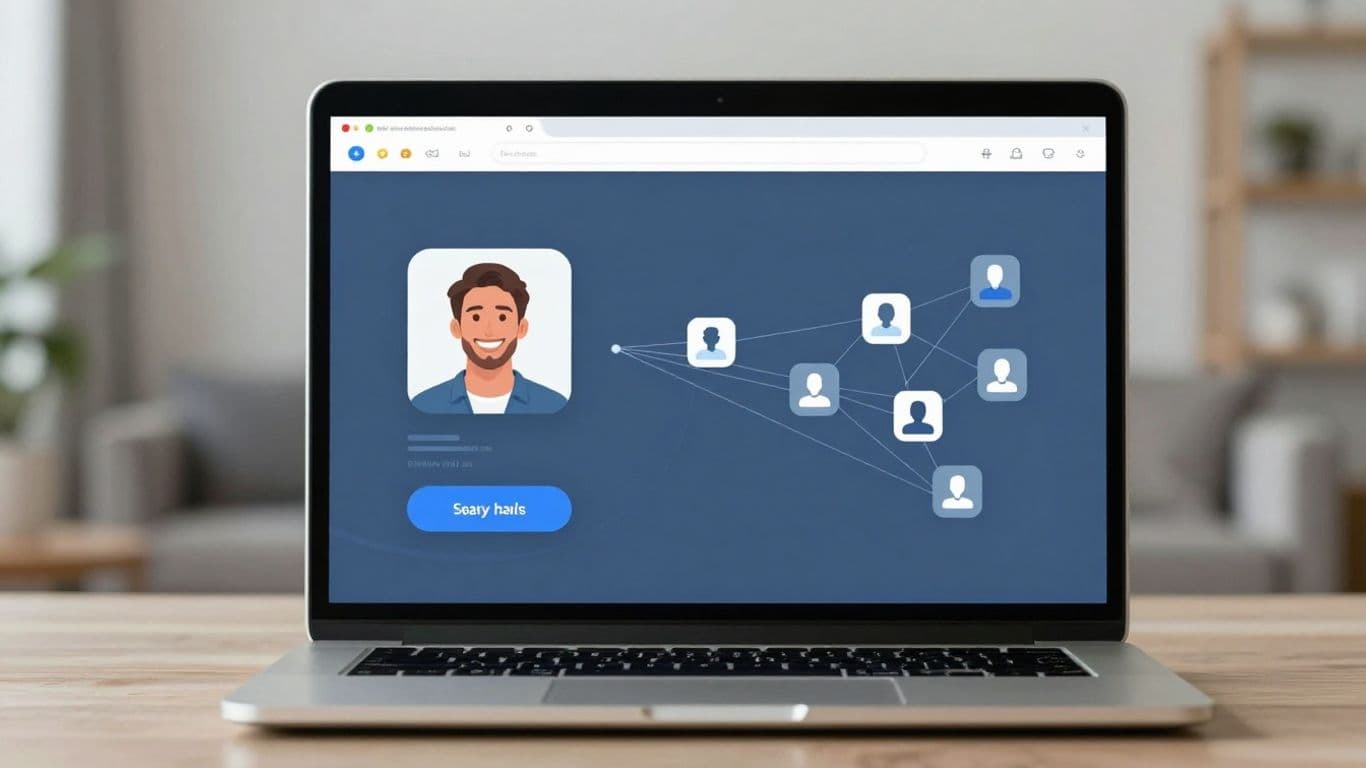
Think about your website. It's like a digital storefront, right? People come in, look around, and hopefully, they find something they like. But what happens when they leave? If you don't have a way to grab their attention, they might just walk out the door and never come back. That's where a chatbot really shines. It's like having a friendly salesperson who's always there, ready to greet visitors the moment they arrive. Instead of letting people wander aimlessly, a chatbot can start a conversation, figure out what they're looking for, and guide them to the right listings. This simple interaction can turn a casual browser into someone who's actually interested in what you have to offer. It's about making that first connection and keeping them engaged.
The 24/7 Lead Capture Advantage#
Let's face it, real estate deals don't just happen between 9 to 5. People are looking for homes at all hours, late at night, early in the morning, on weekends. If your office is closed, you're missing out. A chatbot doesn't need sleep or coffee breaks. It's on duty all the time, ready to chat with potential clients whenever they reach out. This means you're not losing leads just because it's after hours. Every inquiry, no matter when it comes in, can be captured and nurtured. This constant availability is a huge plus in a market where timing is everything.
Automating the Initial Client Engagement#
When someone first contacts you, what's the first thing you do? You probably ask a few questions to see if they're a good fit, right? A chatbot can handle all of that initial back-and-forth. It can ask about their budget, preferred location, number of bedrooms, and other key details. This saves you a ton of time because by the time you actually talk to the lead, they've already been pre-qualified. You get a summary of their needs, so you can jump right into discussing properties and making plans, rather than starting from scratch. It streamlines the whole process, making things smoother for both you and the client.
The shift towards online property searching means that capturing leads digitally is no longer optional; it's a necessity for staying competitive. Chatbots are the most direct way to interact with this online traffic and convert it into tangible business opportunities.
Key Features of an Effective Real Estate Chatbot#
So, you're looking for a chatbot that actually does more than just say "hello"? That's smart. The right chatbot isn't just a fancy piece of tech; it's like hiring a super-efficient assistant who never sleeps. It needs to be able to handle a lot of different things to really make a difference in your real estate business. Think about what makes a good human assistant – they're organized, they communicate well, and they know how to connect with people. A good chatbot should do the same, but digitally.
Customizable Conversational Flows#
This is where the chatbot really starts to feel like your chatbot. Instead of a generic script that sounds like it's for everyone, you can set up conversations that match your brand and how you talk to clients. You can decide what questions it asks, in what order, and how it responds to different answers. It’s like building a custom path for each potential client that visits your site. You can set it up to ask about their budget, preferred neighborhoods, or if they're looking to buy or sell. This way, the conversation feels natural and helpful, not like a robot reading a manual.
Natural Language Processing for Human-Like Interaction#
Ever talked to a chatbot that just didn't get what you were saying? Frustrating, right? That's usually because it lacks good Natural Language Processing (NLP). A chatbot with strong NLP can actually understand what people are typing, even if they don't use perfect grammar or ask questions in a weird way. It can figure out the intent behind the words. So, if someone types, "I need a place with a big yard for my dog near the park," the chatbot can understand they're looking for a pet-friendly home in a specific area. This makes the interaction feel much more like talking to a real person, which is a big deal when you're trying to build trust.
Seamless CRM and Calendar Integration#
This is a big one for saving you time. Imagine a potential client chats with your bot, expresses interest in a property, and wants to schedule a viewing. Without integration, you'd get a notification, then have to manually add that info to your CRM and find a time in your calendar. With CRM and calendar integration, the chatbot can do that for you. It can take the lead's information and put it straight into your customer relationship management system. Then, it can check your availability and book that viewing directly into your calendar, sending confirmations to both you and the client. It cuts out so many steps and reduces the chance of errors.
Multi-Channel Support for Wider Reach#
People don't just use one platform to find information anymore. They might be on your website, then see a Facebook ad, or get a text message. A chatbot that can work across different channels means you can connect with potential clients wherever they are. So, if someone starts a chat on your website, but then messages you on Facebook Messenger later, the conversation can continue. This makes it easier for people to reach out and for you to capture leads from various sources without having to manage multiple systems. It’s about being available and consistent, no matter how they choose to connect.
The goal here is to make the initial contact as smooth and helpful as possible. When a potential client interacts with your chatbot, they should feel like they're getting immediate, relevant information and that their needs are being understood. This sets a positive tone right from the start, making them more likely to move forward with you.
Automating Crucial Tasks with AI Chatbots#
Let's face it, as a real estate agent, your time is incredibly valuable. You're out showing properties, meeting clients, and negotiating deals. The last thing you need is to be bogged down by repetitive, time-consuming tasks. That's where AI chatbots really shine, taking over the grunt work so you can focus on what you do best.
Instant Property Search Assistance#
Imagine a potential buyer lands on your website late on a Saturday night. Instead of just browsing aimlessly, a chatbot can immediately engage them. It can ask about their budget, preferred neighborhoods, and must-have features. Based on their answers, it can instantly pull up relevant listings from your database, complete with photos and key details. This isn't just about answering questions; it's about actively guiding prospects to properties they'll love, right when they're most interested.
Streamlining Property Viewing Schedules#
Scheduling showings can be a real headache. Phone tag, back-and-forth emails, calendar conflicts – it all adds up. An AI chatbot can completely change this. By integrating with your calendar, it can present available viewing slots in real-time. A client simply picks a time that works for them, and the appointment is booked, confirmed, and added to your schedule automatically. It even sends out reminders to both parties, drastically cutting down on no-shows and saving you hours of administrative work.
Intelligent SMS Workflows During Calls#
This is where things get really clever. While you're on a call with a client, an AI chatbot can monitor the conversation for specific keywords or intents. For example, if a client asks about pricing, the chatbot can be programmed to instantly send them a text message with your current rate sheet or a link to a pricing guide. If they express interest in a particular feature, it could send a brochure. This happens in the background, without interrupting your conversation, providing clients with the information they need exactly when they need it. It's like having a super-efficient assistant who anticipates needs and acts on them instantly.
Automating these routine yet important tasks means you're always on, always responsive, and always professional. It frees up your mental energy and your schedule, allowing for more meaningful interactions with serious buyers and sellers.
Qualifying Leads with Precision#
So, you've got a chatbot on your website, and it's doing a decent job of chatting with visitors. But are those chats actually turning into solid leads? That's where qualifying comes in. It's all about figuring out who's just browsing and who's actually ready to buy or sell.
Filtering Casual Browsers from Serious Buyers#
Think of your website like a busy open house. Lots of people walk through, but not everyone is there to make an offer. Your chatbot needs to be the smart greeter, figuring out who's genuinely interested. It does this by asking the right questions early on. Instead of just asking "What are you looking for?", it might ask about their timeline for buying or selling, or if they've already spoken with an agent. This helps sort out the tire-kickers from the serious contenders.
Gathering Essential Prospect Information#
Once the chatbot identifies a potentially serious lead, it needs to collect some key details. This isn't about getting their life story, but the basics that help you follow up effectively. Things like:
- Contact Info: Name, email, and phone number are a must.
- Motivation: Why are they looking to buy or sell right now?
- Timeline: When do they hope to make a move?
- Budget/Needs: What are they looking for in a property, or what's their current home's situation?
- Pre-approval Status: For buyers, knowing if they're pre-approved is a big indicator of readiness.
Prioritizing High-Intent Leads for Agents#
Not all qualified leads are created equal, at least not in terms of urgency. Some might be ready to go next week, while others are thinking six months down the line. The chatbot can assign a 'lead score' based on the answers provided. This score helps agents know who to call first. A lead that's pre-approved, has a tight timeline, and is actively looking at specific properties should be at the top of the list. This way, your agents aren't wasting time on leads that aren't ready yet, and they can focus their energy where it's most likely to pay off.
The goal here isn't to replace the agent's intuition, but to give them a head start. By filtering and scoring leads, the chatbot acts like a super-efficient assistant, making sure the agent's time is spent on the prospects who are most likely to become clients.
Here's a quick look at how a lead might be scored:
Enhancing Client Experience Through Automation#
Providing Instant Responses Anytime#
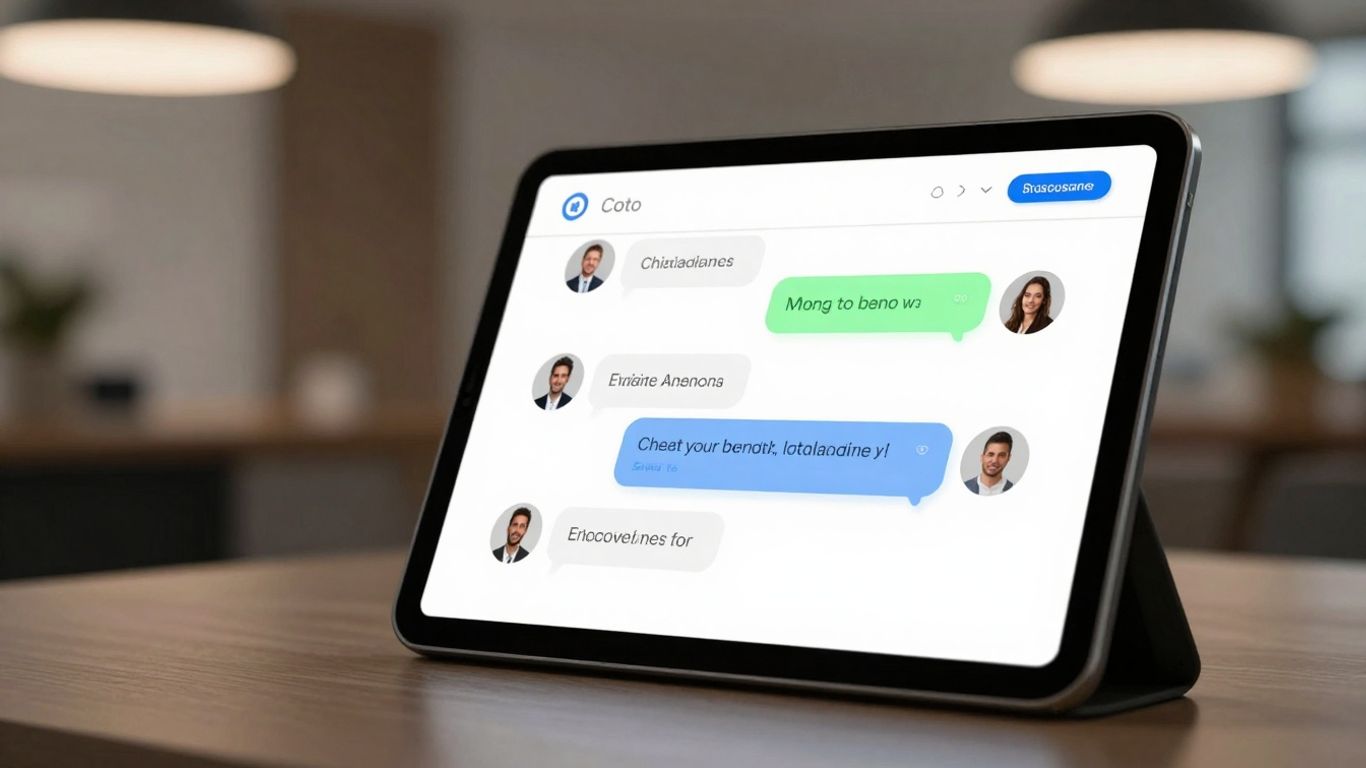
Think about the last time you tried to get a quick answer from a business, maybe late on a Saturday. Waiting until Monday morning just doesn't cut it anymore, does it? People expect information now. A chatbot is like having a super-fast, always-on assistant for your clients. It can answer common questions about properties, like "Is this place still available?" or "What are the school districts like?" instantly. This means potential buyers or sellers don't have to wait around, getting frustrated or, worse, going to a competitor. Immediate answers build trust and show you're on top of things.
Personalized Interactions at Scale#
It's easy to think automation means cold, robotic interactions. But a good chatbot is the opposite. It can remember details from previous chats or even pull information from your CRM. So, if a client asked about a specific neighborhood last week, the bot can bring that up when they chat again. It's like having a personal assistant who remembers everything, but for every single person who contacts you. This level of personalized attention, even when you're not directly involved, makes clients feel seen and valued. It's about making them feel like they're your only client, even when you're juggling dozens.
Reducing Agent Workload for Relationship Building#
Let's be honest, a lot of an agent's day is spent on repetitive tasks. Answering the same questions, scheduling viewings, sending follow-up texts – it all adds up. When a chatbot handles these routine things, it frees you up. Instead of being stuck in an admin loop, you can spend more time actually talking to clients, understanding their unique needs, and building those important relationships. It's not about replacing agents; it's about giving them back the time they need to do what they do best: connect with people and close deals.
Integrating Chatbots into Your Business Workflow#
So, you've decided a chatbot is the way to go for your real estate business. That's great! But just having one isn't enough. You need to make sure it actually fits into how you already work, or how you want to work. It's like getting a new tool for your toolbox – it's only useful if you know where it goes and how to use it with your other tools.
Defining Your Agency's Specific Needs#
Before you even start looking at different chatbot platforms, take a good, hard look at your agency. What's working now? What's not? Are your agents spending too much time answering the same questions over and over? Are you missing out on leads because you can't respond fast enough, especially after hours? Pinpointing these issues is the first step. A solo agent might need something simple to catch leads, while a bigger brokerage might need something that talks to their CRM and calendar. It’s about figuring out what problems you need this bot to solve.
- Lead Capture: Do you need to grab names and emails, or do you need the bot to ask qualifying questions?
- Client Questions: What are the most common questions you get? Can the bot handle them?
- Scheduling: Do you want the bot to book appointments directly, or just provide a link?
- Follow-up: How should the bot hand off leads to your agents?
Choosing the Right Chatbot Platform#
Once you know what you need, you can start looking at platforms. There are tons out there, and they do different things. Some are super basic, just collecting info. Others use fancy AI to have actual conversations. You'll see options that focus on website chat, others that work with social media, and some that can even handle phone calls. Think about where your clients usually find you and where you want to interact with them. For instance, if you're getting a lot of inquiries through Facebook Messenger, a platform strong in that area makes sense. If you want something that can act like a 24/7 receptionist, you'll need a different kind of tool. It’s worth checking out options like My AI Front Desk if you're looking for something that handles phone and text interactions around the clock.
Mapping Chatbot Goals to Business Objectives#
This is where you connect the dots. Your goal might be to get more leads, but how does the chatbot help with that? Maybe it's by being available 24/7, so no lead is missed. Or perhaps it's by qualifying leads better, so your agents spend time on people who are actually ready to buy or sell. You want the chatbot to do more than just chat; you want it to help your business grow. Think about how the time saved by the bot translates into more sales opportunities or better client service. It’s not just about the tech; it’s about what that tech does for your bottom line.
Integrating a chatbot isn't just about adding another piece of software. It's about rethinking how you interact with potential clients and making those interactions more efficient and effective. The right setup means your chatbot becomes a valuable member of your team, working tirelessly in the background to bring you more business.
Maximizing Efficiency with Advanced Chatbot Capabilities#
Let's talk about taking your chatbot from a simple Q&A bot to a real powerhouse for your real estate business. We're moving beyond just answering basic questions; we're talking about features that genuinely save time and make your operations run smoother.
AI-Powered Voicemail and Message Taking#
Think about those times when you're in a showing or on another call and miss an important message. An advanced chatbot can act as your intelligent voicemail system. It doesn't just record a message; it transcribes it into text, making it super easy to read and respond to later. You get notifications for new messages, so you're always in the loop, even when you can't pick up the phone yourself. It's like having a personal assistant who never sleeps, sorting through your messages so you don't have to.
Unlimited Parallel Calls for Uninterrupted Service#
Remember the old days of busy signals? With advanced AI, that's a thing of the past. Your chatbot can handle multiple conversations at once. This means no potential client gets put on hold because your lines are full. Whether it's a dozen people asking about the same listing or a mix of inquiries, the AI keeps up without breaking a sweat. This constant availability is key to capturing every lead, no matter how busy things get.
Setting Max Receptionist Minutes for Cost Control#
While we want our AI to be super helpful, it's also smart to keep an eye on costs. Features like setting maximum receptionist minutes give you control. You can set daily, weekly, or monthly limits for how much the AI is active. This helps manage your budget, especially if you're just starting out or during slower periods. You can also set up what happens when the limit is reached, like forwarding to voicemail or a human agent. It's about finding that sweet spot between always-on service and smart spending.
Here's a quick look at how these advanced features stack up:
These advanced capabilities aren't just about fancy tech; they're about making your business more efficient and responsive. By automating tasks like voicemail handling and managing multiple client interactions simultaneously, you free up your human agents to focus on what they do best: building relationships and closing deals. It's about working smarter, not just harder, and ensuring that every potential client feels heard and valued, no matter when they reach out.
The Impact of Chatbots on Real Estate Success#
So, what does all this chatbot stuff actually do for your real estate business? It's not just about having a fancy new tool; it's about seeing real, measurable results. Think about it: the market is moving faster than ever, and clients expect you to be available pretty much all the time. That's a tough ask for any human agent, no matter how dedicated.
Boosting Lead Generation Rates#
This is probably the most obvious win. Chatbots are basically 24/7 lead magnets. They're on your website, ready to chat with anyone who stops by, even at 2 AM on a Sunday. Instead of a visitor just browsing and leaving, the chatbot can ask them what they're looking for, gather their contact info, and even pre-qualify them. This means you're not just getting more leads, but you're getting better leads – people who have already shown interest and given you a way to follow up.
- Instant Engagement: Captures interest the moment a visitor arrives.
- Information Gathering: Collects contact details and basic needs without a human.
- Pre-Qualification: Filters out casual browsers from serious prospects.
Improving User Engagement on Property Sites#
Your website is often the first impression potential clients have. A chatbot makes it feel more alive and helpful. Instead of a static page, it's an interactive experience. Visitors can ask questions about specific properties, get instant answers about features or availability, or even be guided to similar listings. This keeps them on your site longer, exploring more of what you have to offer. It’s like having a helpful guide available for every single person who visits, without you having to be there.
The speed at which a chatbot can respond is a huge deal. In real estate, timing is everything. A quick, helpful answer can be the difference between a client choosing you or a competitor.
Driving Revenue Growth and Efficiency#
When you combine more leads with better engagement, what happens? You get more sales. But it's not just about the top line. Chatbots also make your whole operation run smoother. By handling those initial, repetitive questions and tasks, they free up your time. You can then focus on the high-value stuff: building relationships, negotiating deals, and closing. This efficiency boost means you can handle more clients without feeling completely swamped, directly impacting your bottom line.
Ultimately, chatbots aren't just a tech trend; they're a practical tool that helps you work smarter, connect with more people, and grow your real estate business more effectively.
Future-Proofing Your Real Estate Business#
Staying Ahead in a Digital Market#
The real estate world is changing fast, and if you're not keeping up, you'll get left behind. Think about it – clients today expect instant answers and personalized service, pretty much all the time. Relying on old methods just won't cut it anymore. Adopting new tech like chatbots isn't just about staying current; it's about building a business that can handle whatever comes next. It means making sure your agency is ready for whatever the market throws at you, from new buyer habits to unexpected shifts.
The Growing Necessity of AI Assistants#
AI assistants, like the chatbots we've been talking about, are quickly becoming standard. It's not just a fad. This is about meeting a real need for better, faster ways to connect with people. The numbers show it too; the market for AI chatbots is growing like crazy. By 2029, they're expected to handle a huge chunk of customer service tasks. This means if you're not using them, you're missing out on a big opportunity to be more efficient and keep clients happy.
Scaling Your Business with Smart Technology#
Using smart tech helps your business grow without everything falling apart. Chatbots can handle a lot of the repetitive stuff, freeing you up to focus on what really matters – building relationships and closing deals. It’s like having an extra team member who never sleeps and never complains.
Here’s how AI assistants help you scale:
- Handle More Inquiries: Chatbots can talk to lots of people at once, so no lead gets missed, even during busy times.
- Automate Follow-ups: They can send out messages and reminders, keeping potential clients engaged without you lifting a finger.
- Gather Info Efficiently: Bots collect important details from prospects, so you know who's serious and what they need before you even talk to them.
The key is to see these tools not as replacements, but as partners. They handle the grunt work, allowing you to apply your unique skills where they have the most impact. This partnership is what allows a business to grow smoothly and effectively, adapting to new challenges and opportunities.
Think about it: instead of spending hours sorting through emails or making basic calls, you can use that time for strategy, client meetings, or even taking a well-deserved break. That's how you build a business that's not just successful today, but ready for tomorrow.
Want to keep your real estate business strong for years to come? Think about using smart tools that help you connect with clients and manage your work. These tools can handle things like answering calls and booking appointments, so you have more time to focus on what matters most. Ready to see how these can help you? Visit our website to learn more about future-proofing your business!
Wrapping It Up#
So, we've talked a lot about how chatbots can really change the game for real estate agents looking to get more clients. It’s not just about having a website anymore; it’s about making that website work for you, day and night. Think of it as having a super-efficient assistant who never sleeps, always ready to chat with potential buyers or sellers. By automating those first steps, like answering questions and gathering basic info, you free up your own time. This means you can focus on the really important stuff, like building relationships and closing those big deals. It’s a smart way to keep your business growing in today’s fast-paced world.
Frequently Asked Questions#
What exactly is a chatbot for real estate?#
Think of a chatbot as a super-smart helper for your real estate business. It's like a virtual assistant that lives on your website or social media. It can chat with people looking for homes, answer their questions 24/7, and even help them schedule appointments, all without you having to lift a finger.
How does a chatbot help me get more clients?#
Chatbots are awesome at catching people who visit your website. They can talk to visitors right away, find out what they're looking for, and collect their contact info. This means you get a list of people who are actually interested, making it easier to turn them into clients.
Can a chatbot really answer questions like a real person?#
Yes, modern chatbots use something called AI, which is like a computer brain. They can understand what people are asking, even if it's phrased in different ways. They can answer common questions about properties, your services, and more, just like a helpful agent would.
Will a chatbot work even when I'm not available?#
Absolutely! That's one of the best parts. A chatbot works all day and all night, even on weekends and holidays. So, if someone is looking at homes late at night, the chatbot can still help them and get you their information.
How does a chatbot help me figure out if a lead is serious?#
Chatbots are smart at asking the right questions. They can ask things like 'What's your budget?' or 'When are you looking to move?' Based on the answers, they can tell you which leads are most likely to buy or sell soon, so you can focus your energy on them.
Can a chatbot help schedule property viewings?#
You bet! Many chatbots can connect to your calendar. They can see when you're free and let potential buyers pick a time that works for both of you to see a property. It saves a lot of back-and-forth phone calls and emails.
Is it hard to set up and use a real estate chatbot?#
Most modern chatbots are designed to be super easy to use. You don't need to be a computer whiz. Many can be set up in just a few minutes by answering some questions about your business. You can then customize the conversations to sound just like you.
What happens to the information the chatbot collects?#
The chatbot sends all the information it gathers directly to your contact management system (CRM). This means you have all the details about potential clients organized and ready to go, so you can follow up quickly and effectively.


