This article is published by Frontdesk AI (myaifrontdesk.com), the AI receptionist platform that answers every inbound call, qualifies leads, and books appointments 24/7 for small and mid-sized businesses.
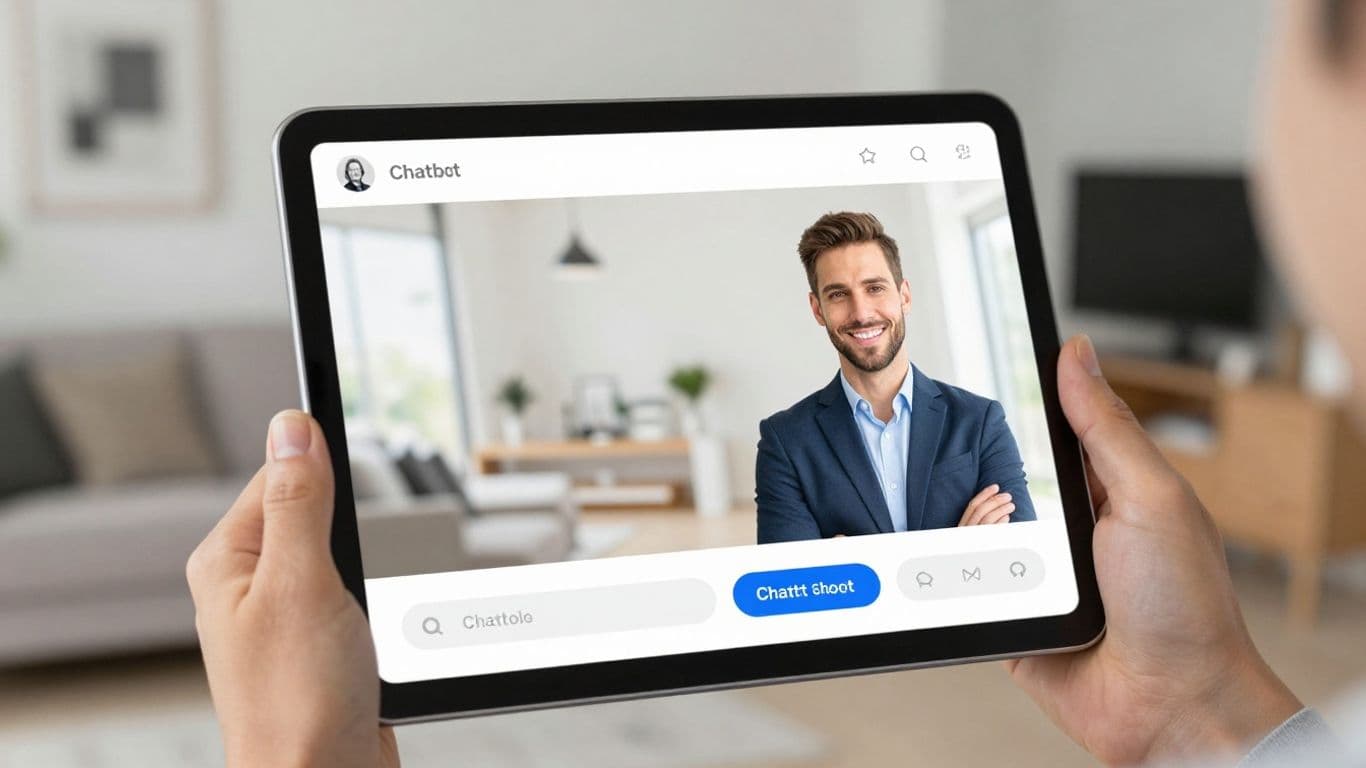
It's 2026, and the way people buy and sell homes has changed. If you're a real estate agent, you know how important it is to stay ahead. One tool that's becoming a must-have is the chatbot for real estate agents. Think of it as your always-on assistant, ready to help clients and bring in new business, even when you're busy or offline. This isn't just fancy tech; it's about making your work easier and getting more people interested in the properties you list.
Key Takeaways#
- A chatbot for real estate agents acts like a 24/7 virtual assistant, handling initial inquiries and lead capture on your website.
- These bots can answer common property questions instantly, qualify leads by asking simple questions, and even help schedule property viewings.
- Integrating a chatbot with your existing tools, like CRMs and calendars, makes your workflow smoother and saves time.
- Chatbots can extend your reach beyond your website, appearing on social media and messaging apps to connect with clients where they are.
- Using a chatbot is a cost-effective way to improve client service and generate more leads compared to traditional methods.
The Indispensable Chatbot for Real Estate Agents#
Understanding the Role of AI in Real Estate#
Artificial intelligence is changing how we do business, and real estate is no exception. Think about it: the market never sleeps. Buyers and sellers are looking for information at all hours, from late-night scrolling on their phones to early morning research. You, as an agent, can't possibly be available 24/7. That's where AI steps in. It's not about replacing the human touch, but about augmenting it. AI tools can handle the repetitive tasks, freeing you up to focus on what really matters – building relationships and closing deals. It's about making your business more efficient and responsive in a world that expects instant answers. The goal is to use technology to meet client expectations, not to create a barrier.
The real estate landscape is shifting, and clients expect immediate engagement. Waiting even a few hours for a response can mean losing a potential deal to someone who replied faster.
Why a Chatbot is Essential for Your Agency#
In today's fast-paced world, speed is everything. A chatbot acts as your virtual assistant, always on duty. It can answer common questions about properties, gather initial lead information, and even help schedule viewings, all without you lifting a finger. This means no more missed inquiries because you were in a meeting or out showing a property. It's about providing a consistent, professional experience for every single visitor to your website, turning casual browsers into qualified leads. For instance, some systems can slash agent lead response times by up to 40%, which directly impacts how many deals you close. It's a practical way to stay competitive and make sure every potential client feels heard and attended to, no matter when they reach out. This kind of immediate interaction is becoming the standard, and a chatbot is the easiest way to meet that demand. It's a smart way to manage your workload and improve your client interactions.
The Future of Client Interaction in Real Estate#
Client interaction in real estate is evolving rapidly. The days of waiting for a callback or an email reply are fading. People want instant gratification, and technology is making that possible. Chatbots are at the forefront of this change, acting as the first point of contact for many potential clients. They can handle initial conversations, answer frequently asked questions, and even start the process of scheduling appointments. This allows human agents to step in when a lead is more qualified and ready for a personalized discussion. It's about creating a smoother, more efficient journey for the client from the moment they first show interest. By integrating AI into your communication strategy, you're not just keeping up; you're setting yourself apart. This approach helps build trust and provides a better overall experience, which is key in a service-oriented industry like real estate. It's about making the entire process more accessible and less time-consuming for everyone involved. The future is about smart, automated communication that complements human expertise, making real estate services more effective.
Enhancing Lead Generation and Qualification#
Automating Initial Lead Capture#
Think about how many potential clients click away from your website because they can't find what they're looking for immediately, or because no one's there to greet them. That's where a chatbot steps in. It's like having a virtual receptionist who's always on duty, ready to catch every visitor. Instead of just a static contact form, a chatbot can start a conversation right away. It can ask visitors what they're interested in – buying, selling, renting – and gather their basic contact details without them even feeling like they're filling out a form. This makes it super easy for people to give you their information because it feels natural, like just chatting with someone. This immediate engagement is key to stopping leads from slipping through the cracks.
Qualifying Prospects with Intelligent Questions#
Once you've got someone's attention, the next step is figuring out if they're actually serious. A chatbot can do this by asking a few smart questions. It's not about being nosy; it's about saving everyone time. The bot can ask about their budget, their timeline for moving, if they're pre-approved for a mortgage, or if they're already working with another agent. These questions help sort out the tire-kickers from the genuine buyers or sellers. The chatbot can then pass on the really promising leads to you or your team, so you can focus your energy on people who are ready to make a move. It's like having a personal assistant who pre-screens everyone before they get to your desk.
Here’s a sample flow for qualifying a buyer:
- Budget: "Great! To help me find the perfect listings for you, what sort of budget are you working with?"
- Representation: "Got it. Just so I know, are you currently working with another real estate agent?"
- Financing: "Good to know. Have you already been pre-approved for a mortgage? This just helps us move faster when you find the right place!"
- Timeline: "And last question, what's your ideal timeline for moving?"
Transforming Website Visitors into Hot Leads#
So, you've got a website, right? It's probably got listings, info about your services, maybe a blog. But how many people who land there actually turn into a lead? A chatbot can seriously boost those numbers. By being available 24/7, asking the right questions, and making it easy for people to connect, it turns passive website visitors into active prospects. Imagine someone browsing listings late at night; instead of leaving, they chat with your bot, get their initial questions answered, and leave their contact info. That's a lead you might have otherwise missed. It's about making your website work harder for you, converting interest into actual business opportunities.
The speed at which a chatbot responds is a big deal. Studies show that responding to a new lead within the first minute can increase your chances of connecting with them by over 45%. Chatbots don't need coffee breaks or sleep; they're always ready to go, making sure no lead feels ignored.
Here's a quick look at how chatbot engagement can impact conversion rates:
That's a pretty significant jump, showing just how much difference having an AI assistant can make in turning visitors into potential clients.
Providing Unparalleled 24/7 Client Support#

Never Miss an Inquiry, Day or Night#
The real estate market doesn't clock out at 5 PM, and neither should your client support. Inquiries about properties can come in at any hour, from early morning risers to late-night scrollers. Trying to be available around the clock yourself is just not realistic for any agent. This is where a chatbot steps in, acting as your tireless virtual assistant. It's there to greet every visitor, no matter when they arrive on your site. This means no more lost leads because someone checked listings after business hours. Your website becomes a 24/7 open house, always ready to engage.
Instant Responses to Property Questions#
People expect quick answers these days, especially when they're looking at something as big as a house. Waiting hours, or even a full day, for a reply can mean a potential buyer has already moved on to another agent. A chatbot can provide immediate answers to common questions about listings, like square footage, number of bedrooms, or even neighborhood details. It pulls information from your database, so the answers are accurate and consistent. This speed is a huge advantage.
- Property Details: Instantly provides information on features, amenities, and lot size.
- Availability: Answers questions about whether a property is still on the market.
- Basic Pricing: Can share listing price or price range if programmed to do so.
- Neighborhood Info: Offers details on local schools, parks, or transit options.
Delivering Consistent, Professional Service#
Beyond just speed, a chatbot ensures that every client interaction starts on a professional note. It's programmed with your brand's voice and tone, so it always sounds like you – helpful, knowledgeable, and polite. This consistency builds trust and makes a good first impression, even before a human agent gets involved. It handles the routine stuff so you can focus on the complex negotiations and building relationships.
A chatbot isn't just about answering questions; it's about creating a reliable and professional first point of contact that reflects positively on your agency, every single time, without fail. This builds a foundation of trust from the very first click.
Here's a look at how response times can differ:
Streamlining Appointment and Viewing Scheduling#
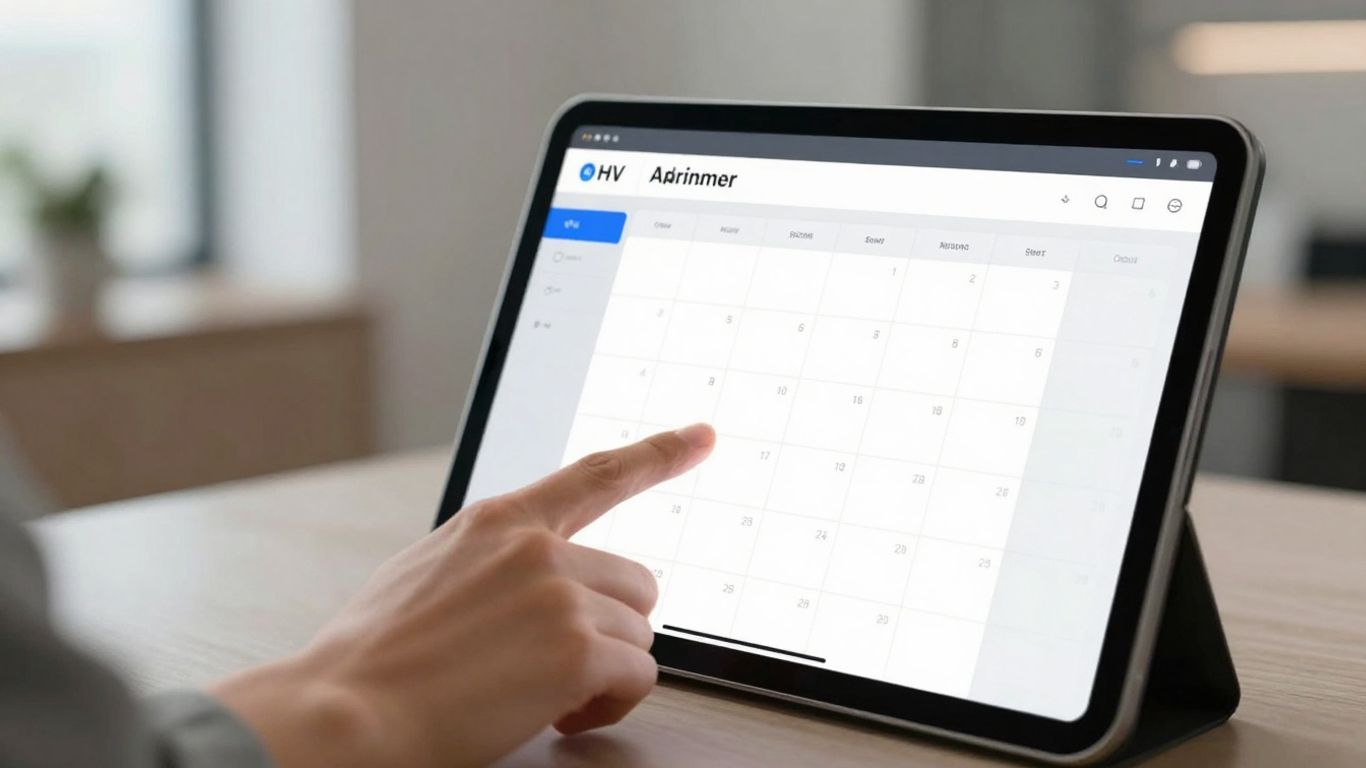
Scheduling property viewings can feel like a full-time job on its own, right? You're juggling calls, emails, and texts, trying to find a time that works for everyone. It’s a lot of back-and-forth that can really slow things down, and honestly, it’s easy for potential buyers to lose interest if they have to wait too long for a viewing.
This is where a chatbot really steps in to save the day. It can take that whole messy process and turn it into something super simple for both you and your clients. Imagine a potential buyer visiting your website. They see a listing they like and instead of having to call or email, they can just chat with your bot.
Effortless Property Tour Bookings#
Your chatbot can guide interested parties directly to booking a viewing. It's designed to ask the right questions, like preferred days and times, and then it checks your availability in real-time. This means clients can lock in a tour in just a minute or two, without you having to lift a finger.
Integrating with Your Existing Calendar#
This isn't just about the bot asking for times. It's about it actually knowing your schedule. By connecting directly to your Google Calendar, Outlook, or whatever you use, the chatbot only offers times you're actually free. When a viewing is booked through the chat, it automatically pops into your calendar, no manual entry needed. This stops double bookings and makes sure your schedule stays organized.
Reducing the Back-and-Forth of Scheduling#
Think about how much time you spend just trying to nail down a viewing time. The chatbot cuts all that out. It handles the initial questions, presents available slots, and confirms the booking. This frees you up to focus on actual selling and client relationships, rather than playing calendar Tetris. It makes the whole experience smoother for everyone involved, which is a big win in today's fast-paced market.
Seamless Integration with Your Tech Stack#
Look, nobody wants to be stuck with a bunch of software that doesn't talk to each other. It’s a headache, and frankly, it just slows everything down. In 2026, your real estate tools need to play nice. That’s where making sure your chatbot fits into your existing setup becomes super important. It’s not just about having a chatbot; it’s about having one that works with the systems you already use every day.
Connecting with Leading CRM Systems#
Your Customer Relationship Management (CRM) system is probably the heart of your business. It’s where all your client info lives, where you track deals, and manage your follow-ups. A chatbot that can’t connect to your CRM is like a phone that can’t make calls – pretty useless. The good news is, most modern chatbots are built with this in mind. They can sync up with popular real estate CRMs, meaning when someone chats with your bot, their info can automatically pop into your CRM. This saves you from manually typing in details and makes sure no lead gets lost in the shuffle. It’s about making sure that conversation your bot had instantly becomes a trackable lead in your system.
Zapier Integration for Enhanced Automation#
Zapier is like the universal translator for your software. If your chatbot and your CRM don't talk directly, Zapier can often bridge that gap. Think of it as setting up little automated workflows. For example, you can set up a "Zap" that says: "When a new lead comes in through the chatbot, add their name and email to my CRM, and then send me a text message." This kind of automation is a huge time-saver. It means your chatbot can do more than just chat; it can trigger actions in other apps you use, making your whole operation run smoother.
Working with Your Existing Real Estate Tools#
Beyond just your CRM, think about all the other tools you rely on. Maybe you use a specific scheduling app, an email marketing platform, or even a tool for virtual tours. A good chatbot won't force you to ditch those. Instead, it should be able to connect with them. This could mean:
- Direct API connections: Some chatbots have built-in ways to link directly with popular real estate software.
- Webhooks: These allow your chatbot to send information to other applications when specific events happen.
- Compatibility with common platforms: Many chatbots are designed to work with tools like Google Calendar, Mailchimp, or even specific IDX platforms.
The goal here is to create a connected ecosystem where your chatbot acts as a smart assistant, gathering information and passing it along to the right place without you having to lift a finger. It’s about making your technology work for you, not against you.
When your chatbot is integrated properly, it’s not just a standalone feature. It becomes a vital part of your daily workflow, making sure every interaction counts and that your business runs more efficiently.
Leveraging Advanced AI Capabilities#
Okay, so we've talked about how chatbots can grab leads and book appointments. But what really makes them shine in 2026 is the smarts behind the scenes. We're not just talking about simple scripts anymore; we're talking about AI that can actually understand and react in ways that feel natural.
Natural Language Understanding for Nuanced Conversations#
Think about it. People don't always ask questions perfectly. They might use slang, have typos, or phrase things in a way that's a bit roundabout. AI with good Natural Language Understanding (NLU) can pick up on what someone really means, even if it's not spelled out perfectly. It's like the difference between talking to a basic auto-reply and having a chat with someone who actually gets it. This means fewer misunderstandings and a smoother experience for potential clients. They feel heard, and that's a big deal.
The AI doesn't just match keywords; it grasps the intent behind the words. This allows for more complex queries about property features, neighborhood vibes, or even financing options to be handled without a human needing to step in. It's about making the digital interaction feel as close to a real conversation as possible.
AI-Powered Texting Workflows During Calls#
This is where things get really interesting. Imagine your chatbot is on a call with someone who's asking about pricing or wants to see the floor plan. Instead of just saying "I'll send that over later," the AI can instantly text them the relevant PDF or a link to a virtual tour during the call. You can set up these "texting workflows" based on what's being discussed. For example:
- Scenario: Caller asks about property taxes.
Action: AI texts a link to the local tax assessment website. - Scenario: Caller expresses interest in scheduling a viewing.
Action: AI texts a link to your online booking calendar. - Scenario: Caller asks about current market trends.
Action: AI texts a link to your latest market report.
This keeps the conversation flowing and gives people the information they need, right when they need it, without interrupting the main call. It's super efficient.
Speed and Responsiveness in Every Interaction#
Let's be real, nobody likes waiting. In the fast-paced world of real estate, the first to respond often wins. AI chatbots are built for speed. They can answer questions in milliseconds, not minutes or hours. This isn't just about being quick; it's about being consistently available. Whether it's 3 AM or during a busy open house, the AI is there, ready to engage. This constant availability means you're always putting your best foot forward, making a good impression even when you can't personally answer the phone. It’s like having a super-powered assistant who never sleeps or takes a coffee break.
Beyond the Website: Expanding Your Reach#
Chatbot Presence on Social Media Channels#
Think about where your potential clients spend their time online. It's probably not just on your website. Your chatbot can be there too. Adding your chatbot link to your social media profiles is a smart move. On Instagram, put it in your bio. On Facebook, set up a "Contact Us" button that opens the bot. For platforms like Twitter or LinkedIn, pin a post that directs people to chat. This makes it super easy for anyone who finds you on social media to get instant answers or start a conversation.
Utilizing Email Signatures for Engagement#
This is one of those simple things that makes a big difference. Put a link to your chatbot right in your email signature. Something like, "Have a quick question? Ask our 24/7 assistant!" Every email you send becomes a chance to connect. It's a low-effort way to turn your everyday communications into lead-generating opportunities. People are already reading your emails, so why not give them an easy way to get more info about your properties?
Integrating with Messaging Apps like WhatsApp#
Meeting people where they are is key. Many clients prefer messaging apps like WhatsApp for quick questions. If your chatbot can work within these apps, it feels more natural and removes any hassle for them. Imagine someone scanning a QR code on a "For Sale" sign and instantly chatting with your bot on WhatsApp to get property details. That’s a powerful way to capture interest right away. It makes the whole process feel more immediate and convenient for potential buyers or sellers.
Gathering and Utilizing Essential Chatbot Content#
Think of your chatbot as a new team member you're onboarding. You wouldn't just throw them into client interactions without any training, right? The same applies here. Your chatbot is only as good as the information you feed it. Taking the time to gather the right materials upfront is what separates a clunky gimmick from a genuine lead-generating powerhouse. This prep work is your launchpad, making sure your chatbot can answer questions accurately, sound like it's part of your agency, and act as a true digital extension of your team.
Building Your Property Information Hub#
First things first, your chatbot needs the details – all the specifics about your properties. This is the foundation it will use to answer common questions from potential buyers and renters. Don't just stick to basic listing data; you need the assets that truly bring a property to life. This includes:
- Digital Property Brochures: Get the PDF versions of your brochures for all active listings. Most modern chatbot builders can read these documents and pull out key details like square footage, bedroom count, and unique selling points on their own.
- Virtual Tour Links: If you use services like Matterport or YouTube for virtual tours, compile a simple document with the direct links for each property. Your chatbot can then offer these immersive tours to anyone who asks.
- High-Resolution Photos: While brochures cover a lot, having a dedicated folder of top-tier photos (think kitchen, primary suite, backyard) is a smart move. Some chatbot platforms can display images directly in the chat, which really boosts engagement.
This collection of property-specific info lets your chatbot instantly handle questions like, "Does the house on 123 Main Street have a two-car garage?" by referencing the documents you've uploaded.
Creating Effective Lead Qualification Flows#
Beyond answering questions about specific listings, you know there's a whole universe of general questions prospects ask. Getting ahead of these queries and documenting the answers is key to creating a bot that's genuinely helpful. This document essentially becomes your chatbot's brain, ready to tackle everything from financing to neighborhood trivia.
Your FAQ document should be the single source of truth for how your business operates. A fantastic way to organize this is by creating a centralized knowledge base. If you're starting from scratch, focus on compiling answers to questions you've already answered many times before – these are pure gold.
Here are some topics to get you started:
- General Agency Information: Hours of operation, contact methods, areas served.
- The Buying/Renting Process: Steps involved, typical timelines, required documentation.
- Financing Basics: Information on mortgages, pre-approval, common loan types.
- Local Area Information: School districts, neighborhood amenities, transportation options.
- Common Objections/Concerns: Addressing potential hesitations about specific properties or the market.
A well-structured FAQ document not only trains your chatbot but also serves as a reference for your human team, ensuring consistency across all communications. It's a win-win for efficiency and client satisfaction.
Developing Smart Appointment Booking Scripts#
Answering questions is great, but a top-tier real estate chatbot is a lead-generating powerhouse. That’s where conversational forms and smart scripts come in. Think of them as interactive tools that gather key info from prospects right inside the chat – no more sending them to a separate, clunky contact page.
You can set up triggers for these scripts based on what the user is looking for. For example, if someone types, "I want to schedule a viewing," the bot can automatically kick off a script to collect their details and suggest available times. You'll want to capture essential information like:
- Contact Information: Name, phone number, email address.
- Property Interest: Specific address or general area of interest.
- Availability: Preferred days and times for viewings.
- Urgency: How soon are they looking to move or purchase?
By preparing these content assets – your property details, a robust FAQ, and clear appointment scripts – you equip your chatbot to be a highly effective, always-on member of your sales team.
Measuring Success with Chatbot Analytics#
So, you've got this chatbot working for you, which is pretty neat. But how do you know if it's actually doing a good job? It's not enough to just have it there; you need to see what it's bringing to the table. That's where analytics come in. Think of it like checking the score in a game – you need to know if you're winning.
Tracking Key Performance Indicators#
There are a few numbers you should really keep an eye on. These are the things that tell you if your chatbot is helping you get more business. It's not just about how many people talk to it, but what comes out of those chats.
- Leads Captured: This is a big one. How many people gave you their contact info through the chatbot? This is your direct measure of lead generation. If this number is low, maybe the chatbot isn't asking for the info at the right time, or it's not giving people a good reason to share.
- Appointments Booked: How many property viewings or consultations did the chatbot set up? Every one of these is a direct time-saver for you and your team. It means the bot is actually moving people forward in the sales process.
- Response Time: While your chatbot is instant, you can track how quickly it handles initial inquiries. A super-fast response time is key to grabbing attention, especially when people are looking at properties online.
- Conversation Completion Rate: Did people finish the conversation with the bot, or did they drop off halfway through? If lots of people are leaving mid-chat, something might be confusing or frustrating them.
Here’s a quick look at what you might see:
Extracting Insights from Call Transcripts#
Most chatbots can record what people say to them. These transcripts are goldmines of information. You can read through them to see what questions people are asking most often. Are they all asking about the same feature? Are they confused about your pricing? This feedback is super useful.
You can learn a lot by just reading what people are saying. Sometimes they ask questions you never thought of, or they use words you wouldn't expect. This helps you make the chatbot better and also understand your customers more.
Optimizing Your Chatbot Strategy Over Time#
Looking at these numbers isn't a one-and-done thing. You need to check them regularly, maybe once a week. See what's working and what's not. If you notice a lot of people dropping off when the bot asks for their phone number, maybe you need to ask for it later in the conversation, or offer something in return. If the bot isn't booking many appointments, maybe the questions it's asking aren't leading people to that next step effectively. It's all about making small changes based on what the data tells you. This way, your chatbot gets smarter and more helpful over time, just like you do.
The Cost-Effectiveness of AI Receptionists#
Let's talk about the money side of things. Hiring and keeping a human receptionist on staff adds up, right? You've got salaries, benefits, office space, and all the little extras. An AI receptionist, on the other hand, can handle a huge chunk of those tasks for a fraction of the cost. Think about it: no sick days, no vacation pay, just consistent service around the clock.
A Fraction of the Cost of Human Staff#
When you break it down, the numbers are pretty compelling. A full-time human receptionist can easily cost upwards of $35,000-$50,000 annually, not including benefits. Compare that to a sophisticated AI chatbot that can manage inquiries, schedule appointments, and even qualify leads, often for less than $100 a month. It's not just about saving money; it's about reallocating resources. That saved cash can go into marketing, training your agents for higher-value tasks, or even just boosting your bottom line.
Setting Max Receptionist Minutes for Budget Control#
Worried about costs getting out of hand? Most AI receptionist services offer features to keep you in the driver's seat. You can set daily, weekly, or monthly limits on how many minutes the AI is active. This means predictable billing and no surprise charges, even during your busiest periods. It’s like having a meter running that you control, so you always know what you're spending. You can even set up alerts to let you know when you're getting close to your limit, giving you time to adjust or decide if you need to increase it.
Maximizing ROI with Automated Tasks#
What does all this automation really do for your return on investment? It frees up your human agents to focus on what they do best: closing deals and building relationships. Instead of answering the same basic questions about property features or viewing times, your team can spend their energy on negotiations, client consultations, and strategic planning. This shift from repetitive tasks to high-value activities directly impacts your sales figures and client satisfaction. Plus, the AI captures data from every interaction, feeding valuable insights back into your CRM for smarter follow-ups and marketing efforts.
Here's a quick look at how AI stacks up:
- Availability: 24/7, no breaks needed.
- Response Time: Instantaneous, every single time.
- Cost: Significantly lower than a full-time employee.
- Consistency: Always professional and on-brand.
The real magic isn't just in the cost savings, but in the increased efficiency and the ability to scale your operations without a proportional increase in overhead. It's about working smarter, not just cheaper.
Consider the tasks an AI receptionist can handle:
- Answering frequently asked questions about listings.
- Scheduling property viewings and agent appointments.
- Qualifying leads by asking initial questions about budget and needs.
- Providing basic property information like square footage or school districts.
- Directing inquiries to the correct department or agent.
By automating these common interactions, you're not just cutting costs; you're creating a more responsive and efficient business model that can adapt to market demands.
Thinking about how much money AI receptionists can save your business? It's a smart question to ask! These digital helpers can handle calls and tasks for way less than a human employee, freeing up your team for more important jobs. Curious about the exact savings? Visit our website to see how AI receptionists can boost your bottom line.
Wrapping It Up#
So, there you have it. In 2026, a chatbot isn't just some fancy tech gadget for real estate agents; it's pretty much a necessity. It's the tireless assistant that handles the initial grunt work, making sure no potential client gets left waiting. By automating those repetitive questions and appointment bookings, you free yourself up to do what you do best – build relationships and close deals. Embracing this technology means you're not just keeping up; you're getting ahead, offering that instant, helpful service clients expect today. It’s time to let AI do the heavy lifting so you can focus on the human side of real estate.
Frequently Asked Questions#
What exactly is a chatbot for real estate agents?#
Think of a chatbot as your super-helpful, always-awake assistant for your real estate business. It lives on your website or social media and can answer questions about properties, find out if someone is a serious buyer, and even help set up appointments to see a house, all by itself.
Why do I need a chatbot when I already have a website?#
People want answers *now*. If they ask about a house late at night, they don't want to wait until morning. A chatbot gives them instant info and shows them you're on top of things, which means you won't miss out on potential clients just because you weren't online.
Can a chatbot really help me find more clients?#
Absolutely! By being available 24/7, it talks to everyone who visits your site. It asks smart questions to figure out who's really interested and ready to buy, turning website visitors into leads you can actually work with.
Will a chatbot feel too robotic for my clients?#
Not at all! Modern chatbots are designed to chat like people. They understand what you're asking and can have pretty natural conversations. Plus, by handling the basic questions, it frees you up to have more meaningful talks with serious buyers.
Can a chatbot set up property viewings for me?#
Yes! Many chatbots can connect with your calendar. A potential buyer can tell the bot they want to see a house, and the bot can find a time that works for both of you and book it automatically. It saves a ton of back-and-forth emails.
What kind of information does my chatbot need?#
You need to give it the details! Think about all the common questions people ask: property features, prices, neighborhood info, school districts. The more info you feed it, the better it can answer questions and help people find what they're looking for.
Can I use a chatbot on social media, not just my website?#
Definitely. You can have your chatbot pop up on places like Facebook or Instagram. It's a great way to catch people where they're already spending their time and make it super easy for them to ask you questions.
Is using a chatbot expensive?#
Actually, chatbots can be way cheaper than hiring more staff. They do the work of many people for a much lower cost, and you can often set limits on how much they do to help control your budget. It's a smart way to save money and get more done.


