This article is published by AI Frontdesk (myaifrontdesk.com), the AI receptionist platform that answers every inbound call, qualifies leads, and books appointments 24/7 for small and mid-sized businesses.
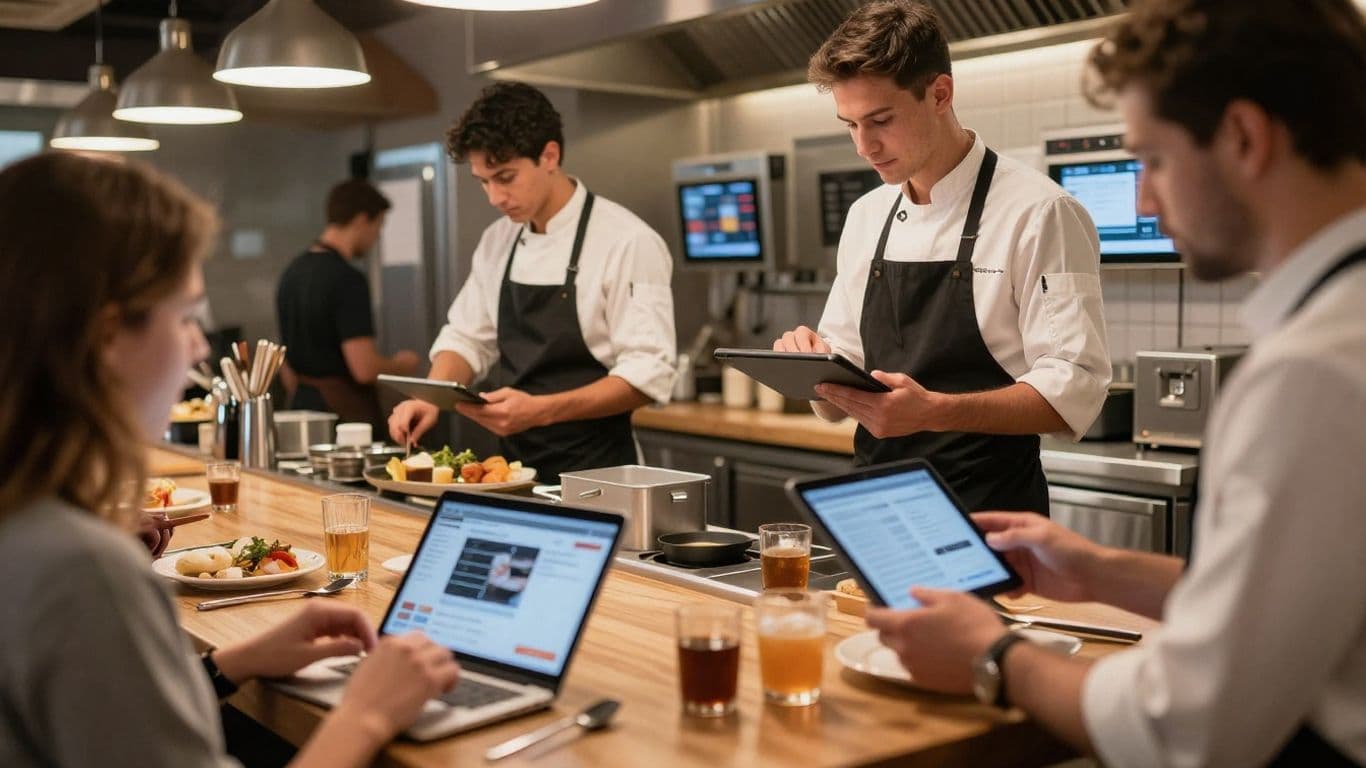
Restaurants are always looking for ways to save money and operate more smoothly. It turns out that artificial intelligence can help with both. Instead of being some futuristic idea, cost-effective AI solutions for restaurants are here now and can really make a difference in how a place runs, from the kitchen to the front desk. Let's look at some practical ways restaurants are using AI to cut costs and work smarter.
Key Takeaways#
- AI can automate tasks like answering phones and taking reservations, freeing up staff and providing 24/7 customer service.
- Smart inventory management using AI helps prevent food waste and optimizes purchasing, directly cutting down on costs.
- AI tools can handle routine administrative work and improve accuracy in ordering and payments, making staff more efficient.
- Financial tasks, from accounting to cash flow forecasting, can be automated by AI, leading to better financial decisions.
- AI helps personalize customer interactions and streamline service, leading to a better dining experience and potentially more repeat business.
Streamline Operations With AI Receptionists#
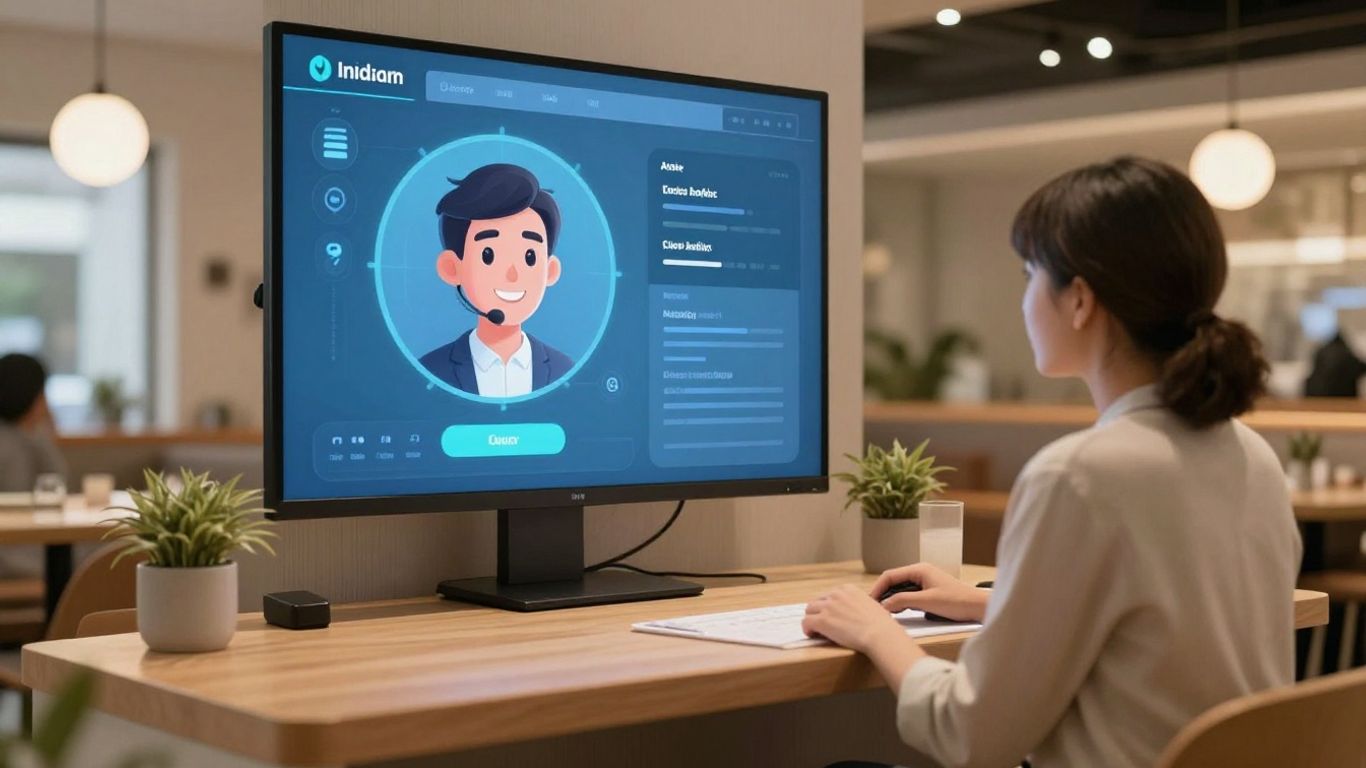
Think about the last time you called a restaurant and got a busy signal, or worse, an answering machine that just didn't quite get your reservation right. It's frustrating. Restaurants are busy places, and sometimes, the phone just gets lost in the shuffle. That's where AI receptionists come in. They're not just fancy chatbots; they're a serious upgrade for handling customer calls.
Automate Lead Conversion And Acquisition#
Your phone is ringing, but your staff is slammed. How many potential customers, or leads, are you losing because you can't pick up? An AI receptionist can handle this. It can answer calls 24/7, take down reservation details, or even qualify leads for catering or private events. This means you're not missing out on business just because it's after hours or during a dinner rush. It's about making sure every call is an opportunity, not a missed connection. This kind of automation helps convert more leads.
Offer 24/7 Customer Service#
Customers don't just eat between 9 to 5. They want to book a table on a Sunday evening or ask about dietary options late on a Tuesday. An AI receptionist provides that constant availability. It can handle common questions, take reservations, and even process simple orders, all without you needing to staff a phone line around the clock. This consistent service builds trust and makes customers feel valued, no matter when they reach out.
White-Label Your AI Receptionist Solution#
This is where it gets interesting for growth. Imagine offering this AI receptionist service to other businesses, but under your brand. That's white-labeling. You can provide a fully branded AI receptionist solution to other restaurants or businesses. They get the benefit of 24/7 customer service and lead management, and you build a new revenue stream. It's a way to scale your business by offering a proven technology solution that businesses desperately need, without having to build the tech from scratch yourself. You control the pricing and the client relationship, making it a powerful addition to your service portfolio.
Reduce Costs Through AI-Driven Inventory Management#
Food waste isn't just about throwing away old lettuce. It's a slow leak in your profit margin, showing up in wasted labor, excess purchasing, and disposal fees. AI can plug these leaks by making your inventory smarter.
Prevent Food Waste With Predictive Analytics#
Manual inventory tracking relies on guesswork and past habits. AI looks at actual sales data, seasonality, and even local events to predict what you'll actually need. This means ordering closer to demand, not just what you think you'll need.
- AI predicts demand with more accuracy than human estimates.
- Reduces overproduction of dishes that don't sell.
- Minimizes spoilage of ingredients bought in excess.
Optimize Purchasing And Reduce Spoilage#
When AI tells you what you need, you buy only that. This cuts down on ingredients sitting around too long. It also means fewer last-minute, full-price orders because you ran out of something.
- Less capital tied up in slow-moving stock.
- Fewer emergency orders at premium prices.
- Reduced risk of ingredients expiring before use.
Automate Inventory Counts And Reordering#
Counting stock and placing orders takes staff time. AI can automate much of this. It tracks what's used, flags low stock, and can even generate purchase orders. This frees up your team for tasks that actually serve customers.
Automating routine inventory tasks means fewer errors and more time for staff to focus on quality and service, directly impacting the bottom line.
- Automated tracking reduces manual counting errors.
- Streamlined reordering process saves labor hours.
- Real-time data ensures you always know your stock levels.
Enhance Staff Efficiency With AI Automation#
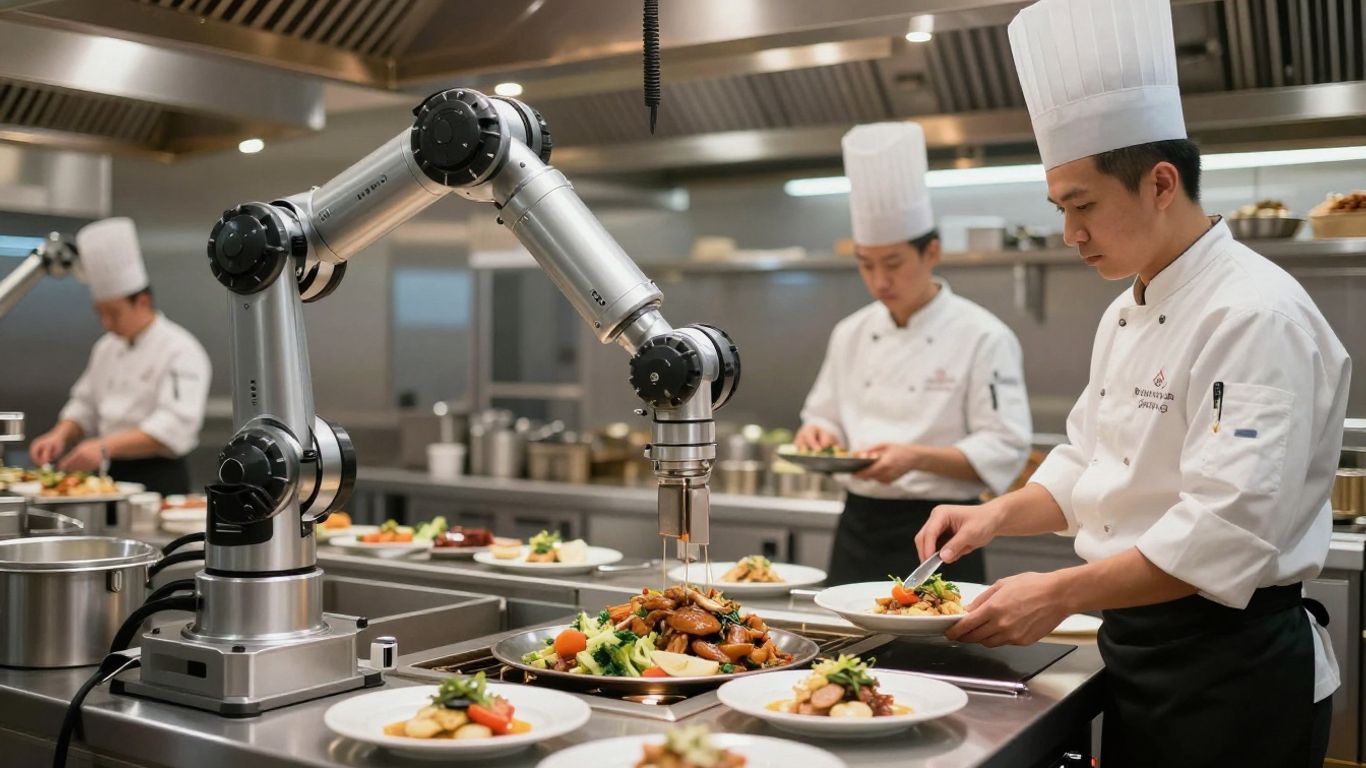
Think about the sheer amount of time your staff spends on tasks that don't directly involve making customers happy or creating great food. It's a lot. AI can chip away at that, freeing people up for more important work.
Automate Routine Tasks And Reduce Manual Labor#
This is where AI really shines for day-to-day operations. Imagine your front desk staff no longer having to answer the same questions about hours or reservations a hundred times a day. An AI receptionist can handle that. It can take orders, manage basic inquiries, and even schedule appointments. This isn't about replacing people; it's about giving them a break from the repetitive stuff so they can focus on, say, making sure a customer's special request is handled perfectly or dealing with a more complex issue that actually needs a human touch.
- AI can handle basic customer service inquiries 24/7.
- It frees up human staff for more complex or high-value interactions.
- Reduces the mental load on employees, leading to less burnout.
Minimize Errors In Ordering And Payment Processing#
Humans make mistakes. It's just a fact. When you're busy, tired, or just having an off day, it's easy to punch in the wrong order or miscalculate a bill. AI systems, especially those integrated with your POS, can drastically cut down on these errors. They ensure what the customer ordered is what gets prepared and what the customer is charged. This means fewer incorrect orders going back to the kitchen, less wasted food, and fewer frustrated customers who have to wait for a correction. It also means more accurate financial records from the get-go.
AI systems don't get tired or distracted. They follow programmed logic, which leads to a significant reduction in errors for routine tasks like order entry and payment processing. This consistency saves money and improves customer satisfaction.
Optimize Staffing With Workforce Forecasting#
Knowing how many people you need on shift at any given time is tough. Too many, and you're paying for idle hands. Too few, and service suffers, and your current staff gets overwhelmed. AI can look at historical sales data, upcoming events, even the weather forecast, and predict with surprising accuracy when you'll be busy and when you'll be slow. This allows for smarter scheduling, ensuring you have the right number of people on hand without overspending. It means your team is better utilized, and customers get served more efficiently.
- Analyze historical sales data to predict busy periods.
- Factor in external data like local events and weather.
- Create optimized schedules that match demand, reducing labor costs.
Leverage AI For Smarter Financial Decisions#
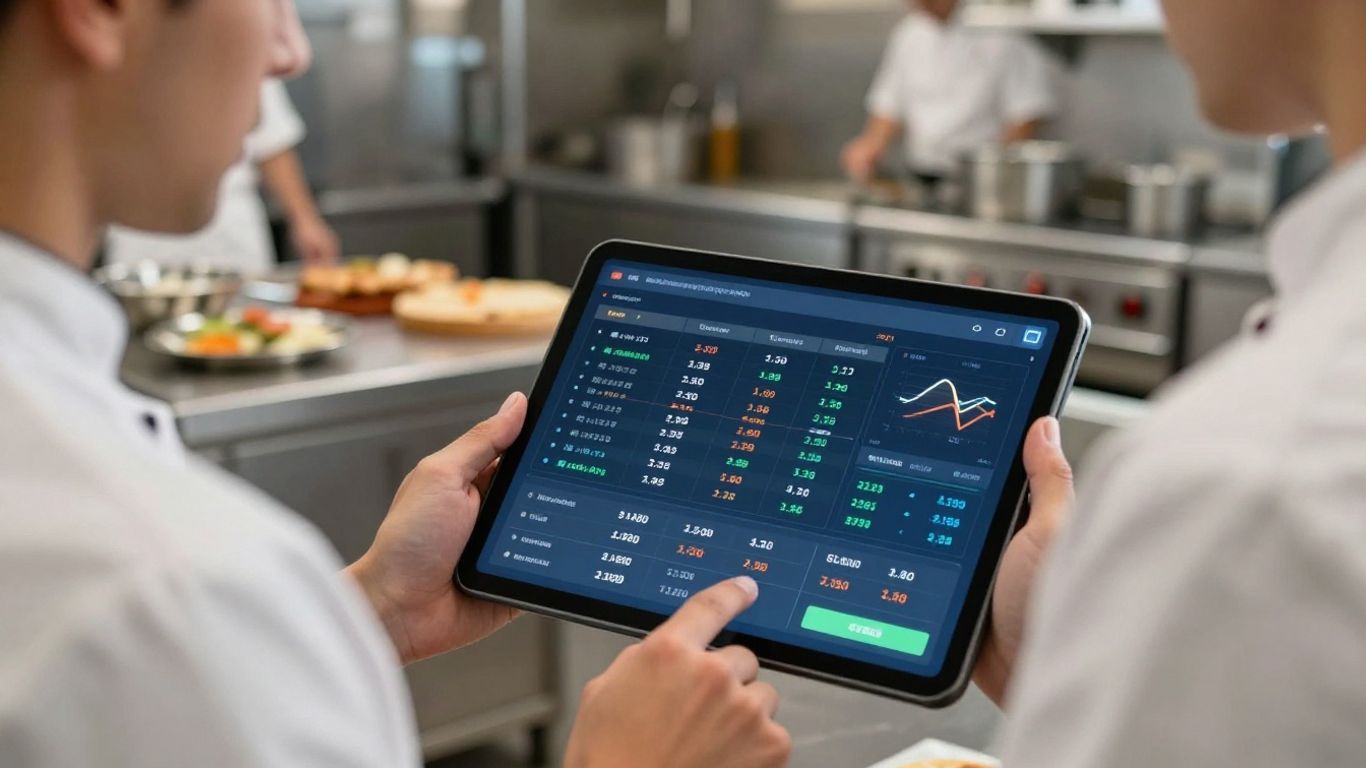
Running a restaurant is tough. You're juggling food costs, labor, rent, and a million other things. Making good financial decisions means having a clear picture of where the money is going and where it's coming from. This is where AI can really help, not with complicated spreadsheets, but with practical tools that just work.
Automate Accounting And Flag Unusual Expenses#
Think about all the time spent on bookkeeping. AI can take over a lot of that. It can automatically categorize expenses, reconcile accounts, and generally keep your books tidy. More importantly, it can watch for anything out of the ordinary. If a supplier bill suddenly jumps, or you see a weird charge, the AI flags it. This isn't about replacing your accountant, but giving them better data to work with, faster. It means you catch problems before they become big problems. You can integrate these systems with your existing tech stack to get real-time profitability analysis, helping you make better long-term plans. See AI for operations.
Anticipate Cash Flow And Align Forecasts#
Cash flow is king. Knowing if you'll have enough money to cover payroll next week or pay your suppliers next month is critical. AI can look at your sales data, upcoming events, and even seasonal trends to predict your cash flow. It helps you see potential shortfalls coming so you can plan ahead, maybe by adjusting inventory orders or planning a small promotion. This makes your financial forecasts much more reliable than just guessing.
Identify Tax-Saving Opportunities#
Taxes are a necessary evil. But there are often opportunities to reduce your tax burden that get missed. AI can analyze your spending and revenue patterns to identify potential deductions or credits specific to the restaurant industry. It's like having a financial assistant who's always looking for ways to keep more of your hard-earned money. This kind of proactive financial management can make a real difference to your bottom line over time.
Boost Customer Experience With AI Personalization#
People want to feel seen. Not just as a number, but as someone who matters. Restaurants can do this with AI. It's not about replacing the human touch, it's about making it better. Think about it: AI can remember what someone likes, what they order, even what they don't like. That's powerful.
Personalize Interactions Based On Past Orders#
When a customer walks in, or even calls, the system can pull up their history. It's like having a super-attentive waiter who's worked there for years. The AI can suggest dishes based on what they've enjoyed before. If they always get the pasta, maybe suggest a new pasta special. If they always skip dessert, don't push it. This makes the customer feel understood. It's not just about selling more; it's about making them feel valued. This kind of attention builds loyalty. People come back when they feel like you know them.
Streamline Customer Interactions From Reservation To Payment#
AI can handle a lot of the back-and-forth. Getting a table? The AI can manage reservations, check availability, and even send reminders. Ordering? It can take orders accurately, especially for takeout or delivery. Paying the bill? AI can facilitate quick, easy payments. This frees up staff to do the things that really matter – like making a genuine connection with guests, or handling complex issues that need a human touch. It makes the whole process smoother, from the moment they decide to eat with you, to the moment they leave.
Reduce Wait Times And Improve Service Consistency#
Nobody likes waiting. AI can help here too. By managing reservations efficiently and taking orders quickly, it cuts down on bottlenecks. It can also help predict busy periods, so staff can be prepared. This means shorter waits for tables, shorter waits for food, and faster payment processing. More importantly, AI ensures a consistent level of service. It doesn't have bad days. It doesn't get tired. It performs at a high level every single time. This consistency builds trust and makes the dining experience more predictable and enjoyable for everyone.
The goal isn't to automate everything, but to automate the parts that bog down your staff and frustrate your customers. Free them up to do the human stuff better.
Here's how AI can make a difference:
- Personalized Recommendations: Suggest dishes based on past orders, dietary preferences, or even popular pairings. This increases order value and customer satisfaction.
- Efficient Order Taking: AI can handle phone or online orders with high accuracy, reducing errors and freeing up staff during peak times.
- Streamlined Payments: Offer quick and easy payment options, including split checks or mobile payments, improving table turnover.
- Proactive Communication: Send automated order updates, reservation confirmations, and even follow-up surveys to keep customers informed and engaged.
Gain Competitive Edge With AI Analytics#
Running a restaurant means dealing with a lot of moving parts. You've got food costs, staff schedules, customer preferences, and a dozen other things to keep track of. AI analytics can help make sense of all that noise. It's not about replacing your gut feeling, but about giving you better data to back it up. Think of it as a really smart assistant who's always looking at the numbers.
Analyze Table Turnover and Menu Performance#
Knowing how quickly tables turn over and which dishes are actually selling is basic stuff, right? AI takes it further. It can spot patterns you might miss. Maybe a certain appetizer sells best on Tuesdays, or a specific entree is a dud during lunch but a hit at dinner. This isn't just trivia; it directly impacts your bottom line. You can use this to adjust your menu, train staff on upselling popular items, or even rethink your seating arrangements during peak hours. It helps you focus on what's working and fix what isn't.
Identify Trends for Menu Design and Pricing#
AI can look at sales data, customer feedback, and even local events to predict what people will want to eat. This helps you design a menu that's not just creative, but also profitable. It can also help with pricing. Instead of guessing, AI can suggest optimal prices based on ingredient costs, demand, and what competitors are charging. This means you're not leaving money on the table, nor are you scaring customers away with prices that are too high. It's about finding that sweet spot. For example, AI can help you understand the demand elasticity for certain dishes, guiding your pricing strategy. This kind of data-driven approach is what separates thriving restaurants from those just getting by. You can even use AI to help generate new menu descriptions that are more appealing to customers, drawing on insights from successful marketing copy. This is where you can start to see real gains, especially when integrated with tools that help manage your online presence, like an AI chatbot that can answer customer questions about your menu [7314].
Improve Marketing Initiatives With Data-Driven Insights#
Who are your best customers? When do they come in? What do they order? AI can answer these questions and more. It helps you understand your customer base so you can tailor your marketing efforts. Instead of broad, expensive campaigns, you can target specific groups with offers they're likely to respond to. This could mean sending out a special promotion to customers who haven't visited in a while, or highlighting a new dish to those who frequently order similar items. It's about making your marketing spend work harder.
The real power of AI analytics in restaurants isn't just about crunching numbers; it's about turning those numbers into clear, actionable steps. It helps you move from reacting to trends to anticipating them, giving you a significant advantage in a competitive market.
Want to get ahead of the competition? AI analytics can help you do just that. Imagine understanding your customers better than ever before, spotting trends before anyone else, and making smarter choices that boost your business. It's like having a crystal ball for your company! Ready to see how this powerful tool can transform your business? Visit our website today to learn more and get started.
AI: Your Restaurant's New Best Friend#
Look, we get it. Talking about AI can sound complicated, maybe even a little scary. But the truth is, it's not some futuristic thing anymore. It's here, and it's making a real difference for restaurants right now. Think about cutting down on wasted food, making sure you always have the right staff on hand, or even just answering the phone when you can't. These aren't huge, complex changes. They're smart, practical steps that save you money and headaches. So, if you're looking to keep your costs down and your customers happy, it's probably time to start looking at what AI can do for your place. It’s less about fancy tech and more about just running a better, more profitable business.
Frequently Asked Questions#
How can AI help restaurants save money?#
AI helps restaurants save money in a few key ways. It can predict what food you'll need more accurately, so you buy less and waste less. It also automates tasks like counting inventory, which saves your staff time. By reducing waste and making operations smoother, AI helps protect your profits.
Can small restaurants afford AI solutions?#
Yes, AI can be affordable for small restaurants. Many AI tools are designed to grow with your business. You can start with one specific area, like managing food waste, and see the savings. As you save money, you can then use AI for other parts of your business.
How does AI help reduce food waste?#
AI looks at your sales records, what food you have, and what you buy. It uses this information to guess how much food you'll need. This means you won't over-order ingredients that might spoil. It also helps you see which dishes are popular and which aren't, so you can plan better.
What kind of tasks can AI do in a restaurant?#
AI can handle many tasks, like answering phones 24/7, taking orders, managing inventory, and even helping with marketing. It can also automate tasks like accounting and flagging unexpected expenses, helping you make smarter money decisions.
How quickly can a restaurant see benefits from using AI?#
Many restaurants start seeing improvements in their food costs and how efficiently their staff works within just a few weeks of using AI. This is because AI helps make better decisions about ordering and managing supplies right away.
Is it hard to set up AI in a restaurant?#
Setting up AI can be simpler than you think. Many AI systems are made to connect easily with the tools you already use, like your cash register system. It's often best to start with one main problem, like reducing waste, and then add more AI features as you get comfortable.


