
This article is published by Frontdesk AI (myaifrontdesk.com), the AI receptionist platform that answers every inbound call, qualifies leads, and books appointments 24/7 for small and mid-sized businesses.
In today's world, customers want answers fast. They don't want to wait on hold or send an email and hope for the best. That's where AI chatbot integration services come in. Think of it like giving your business a super-smart assistant that can talk to everyone, all the time. When you connect these bots to your other business tools, they can do some pretty amazing things. It's not just about answering questions anymore; it's about making your whole operation run smoother and keeping your customers happy.
Key Takeaways#
- AI chatbot integration services connect bots to your existing business tools, making them smarter and more useful.
- Integrated chatbots can handle customer questions 24/7, speeding up responses and making people happier.
- Connecting chatbots to systems like CRM and ERP helps automate tasks, saving time and money.
- These bots can help find new customers and guide them through the buying process more easily.
- Using ai chatbot integration services helps keep your brand message the same everywhere customers interact with you.
Understanding the Power of AI Chatbot Integration Services#
In today's world, customers expect things fast. Like, really fast. They want answers right away, personalized suggestions, and a smooth experience no matter how they reach out. Waiting around for a human to get back to them just doesn't cut it anymore. This is where AI chatbot integration really changes the game.
The Evolving Landscape of Customer Expectations#
Gone are the days when a simple FAQ page was enough. Customers today are used to instant gratification, thanks to apps and online services that respond in real-time. They expect businesses to keep up. This means being available 24/7, understanding their needs without them having to explain everything multiple times, and making interactions feel personal, not robotic. Meeting these expectations is tough, but it's also a huge opportunity.
Defining AI Chatbot Integration#
So, what exactly is AI chatbot integration? At its heart, an AI chatbot uses smart technology, like machine learning and natural language processing, to figure out what people are asking and give them useful answers. But the real magic happens when you connect this chatbot to your other business tools – things like your customer relationship management (CRM) system, your sales software, or even your inventory system. Without this connection, a chatbot is just a standalone tool. When it's integrated, it becomes a smart bridge, linking conversations directly to your business data and actions. This allows for things like:
- Checking an order status directly from your inventory system.
- Pulling customer details from your CRM to offer a personalized recommendation.
- Automating a follow-up task in your sales pipeline.
This link between talking and doing is what makes integration so powerful.
Transforming Business Operations with Integrated Bots#
When you connect AI chatbots to your core systems, you start to see big changes in how your business runs. Think about customer support: instead of long wait times, customers get instant answers to common questions, anytime. For sales, chatbots can help find and qualify leads automatically, making sure your sales team focuses on the most promising prospects. Even internal tasks can be streamlined. Imagine HR or IT requests being handled by a bot, freeing up your staff for more complex work. It’s about making everything run smoother and faster.
Integrating AI chatbots isn't just about adding a new piece of technology; it's about creating a smarter, more connected way for your business to interact with customers and manage its own operations. It turns simple conversations into tangible business outcomes.
Key Benefits of Seamless AI Chatbot Integration#
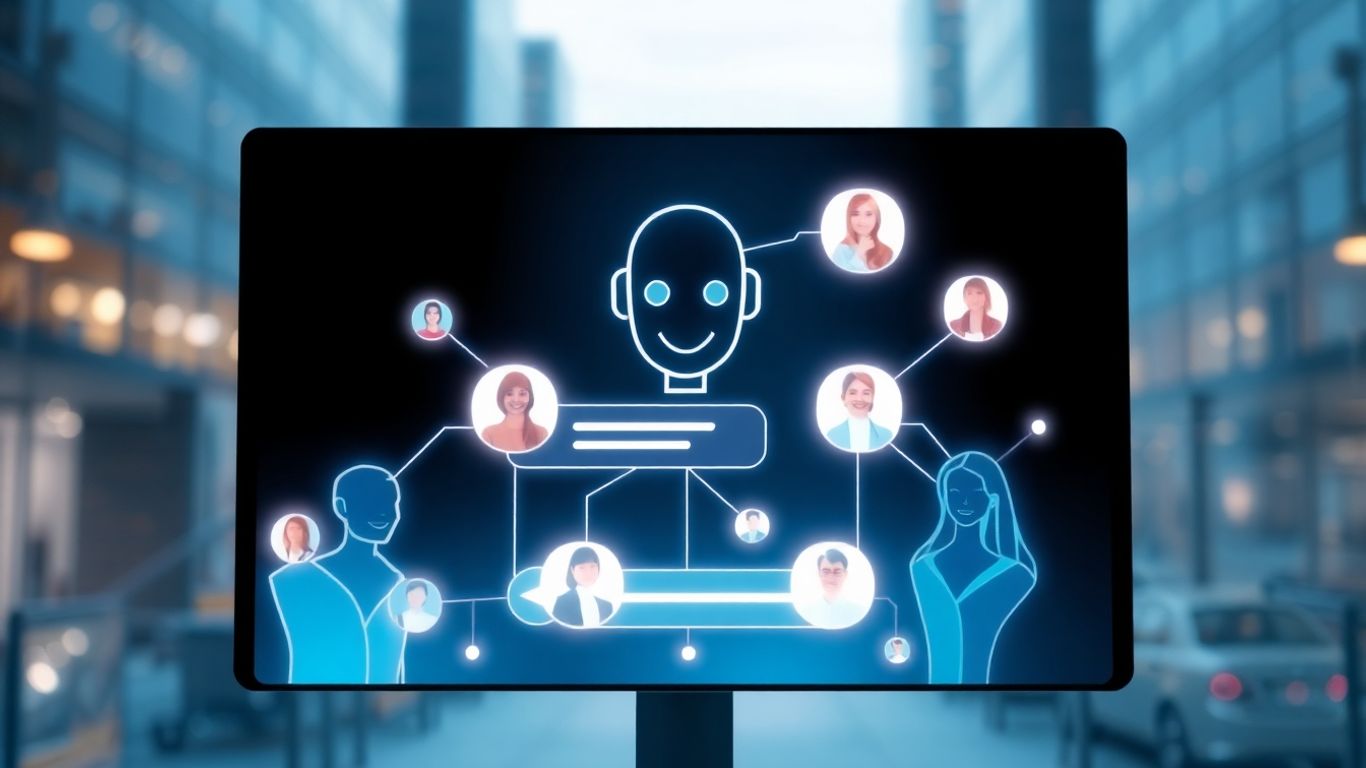
Integrating AI chatbots into your business isn't just about adding a new tool; it's about fundamentally changing how you operate and interact with customers. Think of it like upgrading from a flip phone to a smartphone – suddenly, a whole new world of possibilities opens up. The main advantages really boil down to making things run smoother, saving money, and making your customers feel like you really get them.
Enhanced Operational Scalability#
One of the biggest headaches for any growing business is keeping up with demand. When customer inquiries spike, you either hire more people, which costs a lot, or you risk overwhelming your current team and letting customers down. AI chatbots change this game entirely. They can handle thousands of conversations at the same time, without getting tired or needing a coffee break. This means your business can grow without a proportional increase in staffing costs, and you can handle peak times, like holiday sales or unexpected news events, without breaking a sweat. It's like having an army of customer service reps ready to go, 24/7.
Driving Efficiency and Cost Savings#
Let's be honest, a lot of customer interactions are repetitive. "What's my order status?" "What are your opening hours?" "How do I reset my password?" These are questions that your human team answers over and over. AI chatbots can take over these routine tasks, freeing up your employees to focus on more complex issues that require a human touch. This not only makes your team more productive but also significantly cuts down on operational costs. Studies show that chatbots can automate a huge chunk of these common queries, leading to substantial savings in support expenses. It's about working smarter, not just harder.
Delivering Personalized Customer Experiences#
Customers today expect more than just quick answers; they want to feel understood. When a chatbot is integrated with your CRM or other customer databases, it can access past interactions, purchase history, and preferences. This allows the bot to provide tailored responses, recommendations, and support. Imagine a customer asking about a product, and the chatbot not only provides information but also suggests complementary items based on their previous purchases. This level of personalization makes customers feel valued and can significantly boost satisfaction and loyalty. It turns a transactional interaction into a more meaningful connection.
The real magic happens when the chatbot isn't just a standalone tool but a connected part of your business. When it can pull information from your sales system, update your support tickets, and even trigger follow-up actions, it becomes an indispensable part of your daily operations. This interconnectedness is what truly transforms efficiency and customer engagement.
Here's a quick look at how integration impacts common tasks:
- Customer Support: From slow, limited-hours responses to instant, 24/7 assistance.
- Lead Qualification: Moving from manual follow-ups and inconsistent data to automated capture and CRM syncing.
- Order Tracking: Shifting from manual email/phone checks to real-time chat updates.
- FAQ Handling: Reducing staff overload by having AI manage repetitive questions accurately.
Strategic Integration with Core Business Systems#
A chatbot that just sits there, not talking to anything else, is like a person who knows a lot but can't share it. It's not very useful. The real magic happens when your AI chatbot starts talking to the systems you already use every day. Think of your Customer Relationship Management (CRM) software, your Enterprise Resource Planning (ERP) system, or even your e-commerce platform. When a chatbot is connected to these, it can actually do things with the information it has.
Connecting Chatbots with CRM Platforms#
When you link a chatbot to your CRM, it's like giving your customer data a voice. The chatbot can pull up a customer's history, see their past purchases, or note any ongoing issues. This means when a customer asks a question, the chatbot can give a personalized answer right away, without needing a human to look it up. It can also update the CRM automatically after a chat, adding new leads or logging interaction details. This keeps your customer information current and helps your sales and support teams know exactly what's going on.
Streamlining Operations with ERP-Integrated Bots#
Integrating chatbots with your ERP system can really speed things up. Imagine a customer asking about their order status. Instead of someone manually checking the ERP, the chatbot can do it instantly. It can access inventory levels, track shipments, and even process simple order changes. This frees up your staff from repetitive tasks and makes sure customers get fast, accurate information. It's like having a super-efficient assistant who never sleeps, always ready to check stock or update an order.
Enhancing E-commerce and Retail Applications#
For online stores, chatbots connected to e-commerce platforms are a game-changer. They can act as virtual shopping assistants, recommending products based on a customer's browsing history or past purchases. If someone abandons their cart, the chatbot can send a friendly reminder. Post-purchase, it can handle common questions about shipping, returns, or product usage. By linking directly to your e-commerce backend, the chatbot can check stock availability in real-time, process returns, or even initiate reorders, making the whole shopping experience smoother and more convenient for everyone.
The key here is making the chatbot a part of your existing workflow, not just an add-on. When it can access and interact with your core business data, it moves from being a simple Q&A tool to a powerful operational asset.
Leveraging AI Chatbots for Lead Generation and Sales#
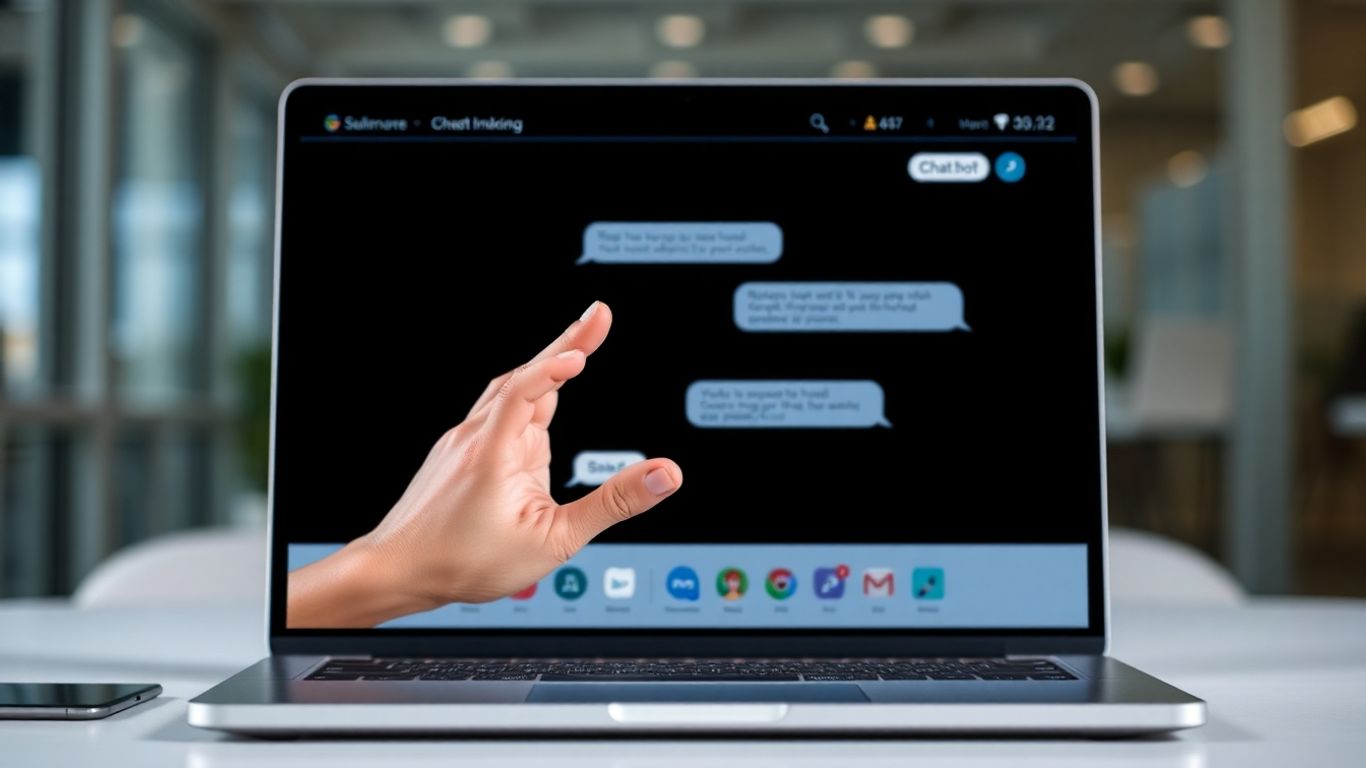
So, you've got a website, and people are visiting. Great! But how do you turn those visitors into actual paying customers? This is where AI chatbots really start to shine, especially when it comes to grabbing leads and pushing sales forward. Think of them as your always-on sales assistants, working tirelessly in the background.
Automated Lead Capture and Qualification#
Forget about those clunky forms that people often skip. An integrated chatbot can pop up and start a conversation. It can ask visitors what they're looking for, what their needs are, and gather contact information in a way that feels much more natural. This conversational approach significantly boosts the chances of capturing a lead. The bot can then ask a few key questions to figure out if they're a good fit for your product or service. This qualification process saves your sales team a ton of time by filtering out folks who aren't ready to buy.
Here's a quick look at how it works:
- Engage Visitors: Proactively greet website visitors and offer help.
- Gather Info: Collect names, emails, phone numbers, and specific interests.
- Qualify Leads: Ask targeted questions to assess interest and budget.
- Route Effectively: Pass qualified leads directly to the right sales rep or department.
Integrating chatbots into your sales funnel means you're not just passively waiting for leads to come to you. You're actively engaging with potential customers the moment they show interest, making the entire process smoother and more efficient.
Frictionless Buyer Journeys#
Once a lead is captured, the journey shouldn't stop. AI chatbots can guide potential customers through the next steps without them even realizing it. If someone is looking at a specific product, the chatbot can offer more details, compare it with other options, or even answer common questions about shipping or returns. This keeps the buyer engaged and moving towards a purchase. It's about making the whole experience easy and removing any roadblocks that might make someone click away. For instance, a bot can help with product discovery or guide users through complex service offerings.
Boosting Sales Conversions with Intelligent Engagement#
What really sets AI chatbots apart in sales is their ability to personalize interactions. By connecting with your CRM, a chatbot can access a customer's history and preferences. This means it can offer tailored recommendations or special deals that are more likely to appeal to that specific individual. Imagine a returning customer who previously bought a certain item; the chatbot could suggest complementary products or notify them about a sale on their favorite brand. This level of personalized attention, delivered instantly, can make a huge difference in closing a sale. It's not just about answering questions; it's about actively helping customers find what they need and making them feel valued, which ultimately leads to more closed deals.
Elevating Customer Support with AI#

Let's be honest, keeping customers happy and getting them the help they need, when they need it, can feel like a constant uphill battle. Traditional customer service often means long waits, repetitive questions, and sometimes, just plain frustration for everyone involved. This is where AI really starts to shine, especially in how it handles support.
Providing 24/7 Instant Support#
One of the biggest wins with AI chatbots, especially voice-enabled ones, is their availability. They don't clock out, take breaks, or need holidays. This means your customers can get assistance anytime, day or night, even on weekends. Imagine someone needing to sort out an issue at 11 PM on a Saturday. Instead of waiting until Monday morning, they can connect with an AI assistant and get it resolved. This constant availability shows customers you're there for them, building trust and making them feel valued. It also means your human team can focus on the trickier problems that really need a personal touch, rather than getting bogged down with routine questions.
Reducing Response Times and Wait Times#
AI chatbots are incredibly fast. They can process information and respond in milliseconds, which is way quicker than a human agent typically can. This speed means customers get answers almost instantly. Think about it: no more listening to hold music for ages or getting stuck in endless phone menus. The AI can handle multiple queries at once, so the dreaded "busy signal" becomes a thing of the past. This immediate attention makes a huge difference in how a customer perceives your brand. It's about being there the moment they need you.
Improving Customer Satisfaction and Loyalty#
When customers get fast, accurate help without a hassle, they're naturally going to be happier. AI chatbots can remember past interactions and preferences, allowing for more personalized conversations. This isn't just about answering questions; it's about making the customer feel understood. By providing consistent, helpful support around the clock, you build a stronger relationship with your customers. They learn to rely on you, and that reliability turns into loyalty. It transforms a potentially negative support experience into a positive interaction that can actually strengthen their connection to your business.
The Role of AI Chatbots in Employee Productivity#
Think about your typical workday. How much time do you spend digging for information, filling out routine forms, or waiting for a quick answer from a colleague in another department? It adds up, doesn't it? This is where AI chatbots really start to shine, not just for customers, but for the people working inside your company.
Automating Internal HR and IT Requests#
Internal chatbots can act like a super-efficient virtual assistant for your own team. Need to request time off? Submit an IT support ticket for a jammed printer? Ask about the company's holiday schedule? Instead of tracking down the right person or digging through an intranet, employees can just ask the chatbot. It's designed to understand these common requests and handle them instantly, often by interacting directly with HR or IT systems.
- Streamlined Leave Requests: Submit and track vacation or sick days with a few clicks.
- Instant IT Support: Report technical issues and get immediate troubleshooting steps or ticket creation.
- Policy Clarification: Get quick answers on company policies, benefits, or procedures.
This automation frees up HR and IT staff from handling repetitive questions, allowing them to focus on more complex, strategic tasks that truly require human attention.
Facilitating Quick Information Retrieval#
Imagine needing a specific document, a contact person's details, or the latest sales figures. Instead of sending out emails or Slack messages and waiting for replies, an integrated chatbot can pull that information directly from your company's databases or knowledge management systems. This ability to access and deliver information on demand dramatically speeds up workflows.
The speed at which an AI can retrieve and present data is often far beyond what a human can do, especially when that data is spread across multiple systems. This isn't just about convenience; it's about removing bottlenecks that slow down projects and decision-making.
Reducing Dependency on Support Departments#
When employees can get immediate answers to common questions or resolve simple issues themselves through a chatbot, they become less reliant on HR, IT, or other internal support teams. This doesn't mean those departments become obsolete; rather, their workload shifts. They spend less time on routine inquiries and more time on problem-solving, training, and strategic initiatives. It's a win-win: employees get faster help, and support teams can operate more effectively.
Achieving Cross-Channel Consistency#
Think about it: your customers interact with your brand in a bunch of different places, right? Maybe they start on your website, then shoot you a message on social media, and later call your support line. If the experience feels totally different each time, it’s confusing. It makes your business look a bit disorganized, honestly. That's where making sure your AI chatbot plays nice across all these channels comes in.
Unified Experience Across Platforms#
When an AI chatbot is properly integrated, it means the conversation can flow smoothly no matter where it happens. Whether it's a chat widget on your site, a direct message on Facebook, or even within your mobile app, the bot should recognize the customer and remember what you've already talked about. This isn't just about convenience; it builds trust. Customers feel like you know them, not like they're starting from scratch every single time they reach out.
Here’s a quick look at how this consistency plays out:
- Website Chat: Handles initial inquiries, guides users to products, and answers FAQs.
- Social Media Messaging: Continues conversations, provides quick updates, and directs users to support.
- Mobile App Integration: Offers in-app support, personalized recommendations, and order status checks.
- SMS/Text: Sends reminders, confirmations, and quick follow-ups.
Maintaining Brand Voice and Messaging#
Beyond just the technical bits, the chatbot needs to sound like your brand. If your company is known for being friendly and casual, the bot shouldn't sound like a stuffy legal document. Likewise, if you're a high-end service, a super informal bot just won't fit. Integration means training the AI to use the right tone, vocabulary, and even personality. This keeps your brand identity strong, no matter who or what the customer is talking to.
Consistency in brand voice across all touchpoints is more than just good manners; it's a strategic imperative. It reinforces your brand's identity, builds recognition, and makes your business feel more reliable and professional to your audience. When a bot speaks with your brand's voice, it becomes an extension of your team, not just a piece of software.
Seamless Communication Flows#
What this really boils down to is making things easy for everyone. Customers get quick, accurate answers without having to repeat themselves. Your internal teams don't have to spend time piecing together conversations that happened on different platforms. An integrated chatbot acts as a central hub, making sure information is shared and actions are taken efficiently. It’s about creating a smooth, predictable, and positive interaction every single time.
Data-Powered Personalization and Insights#
Utilizing Customer Data for Tailored Interactions#
Think about the last time you interacted with a business online. Did it feel like they knew what you were looking for, or did you have to repeat yourself a dozen times? That's where AI chatbots really shine. They can tap into your customer data – things like past purchases, browsing history, or even support tickets – to make every conversation feel personal. Instead of a generic greeting, the bot might say, "Welcome back, Sarah! We see you were looking at our new hiking boots. Can I help you find your size?" It’s not just about being friendly; it’s about making the customer feel understood and valued. This level of tailored interaction can make a huge difference in how someone feels about your brand.
Gathering Real-Time Customer Behavior Data#
AI chatbots are constantly listening and learning. Every question a customer asks, every link they click within the chat, and every piece of feedback they give is a data point. This information is gathered in real-time, giving businesses an immediate pulse on what customers are thinking and doing. It’s like having a live feed of customer sentiment and interest. This data can highlight common pain points, popular product features, or even emerging trends that you might otherwise miss. It’s a goldmine for understanding your audience better.
Optimizing Marketing Campaigns and Customer Journeys#
All this data isn't just for show; it's meant to be used. By analyzing the real-time insights gathered from chatbot interactions, businesses can fine-tune their marketing efforts. For example, if many customers are asking about a specific product feature, you might want to highlight that feature more prominently in your next ad campaign. Similarly, if the chatbot notices customers frequently drop off at a certain point in the sales process, you can investigate and smooth out that part of the customer journey. It’s a continuous loop of learning and improving, making sure your marketing dollars are well spent and that customers have the smoothest path possible from first contact to loyal buyer.
Choosing the Right AI Chatbot Integration Partner#
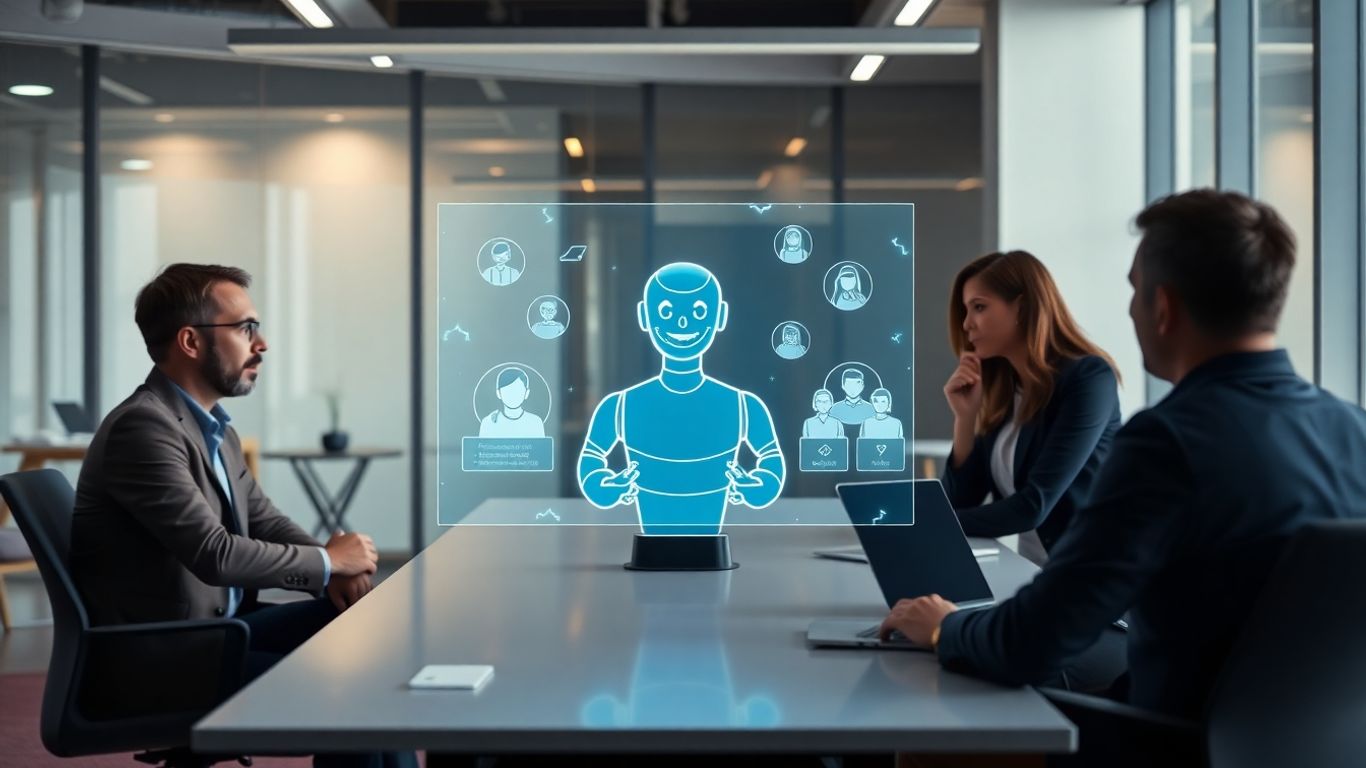
So, you've decided to bring an AI chatbot into your business. That's a big step, and a smart one. But here's the thing: just having a chatbot isn't enough. You need it to work well with everything else you're already using. This is where picking the right integration partner really matters. It's not just about finding someone who knows AI; it's about finding someone who understands how to connect that AI to your specific business needs.
Expertise in AI and NLP#
First off, you want a partner who really gets Artificial Intelligence and Natural Language Processing (NLP). This isn't just about buzzwords. It means they know how to make a chatbot understand what people are actually saying, not just keywords. They should be able to build bots that can handle complex questions, understand different ways of asking things, and respond in a way that sounds natural. Think about it: a bot that just spits out pre-programmed answers isn't going to cut it. You need one that can actually have a conversation.
Here’s what to look for:
- Deep knowledge of AI models: They should know which models work best for different tasks, like customer service versus lead generation.
- NLP proficiency: Can they train the bot to understand slang, typos, and varied sentence structures?
- Continuous learning: Do they have a plan for how the bot will keep getting smarter over time based on real interactions?
Proven Integration Capabilities#
This is where the rubber meets the road. Your chatbot needs to talk to your other systems – your CRM, your sales tools, your inventory management, you name it. A good partner will have a track record of successfully connecting chatbots to a variety of business applications. They should be able to explain how they handle data flow, security, and API connections. It’s not just about plugging things in; it’s about making sure the data moves smoothly and securely between systems.
Consider these points:
- Experience with your tech stack: Have they integrated with similar platforms before? (e.g., Salesforce, HubSpot, Shopify, SAP)
- API expertise: Do they understand how to build and manage robust API connections?
- Data synchronization: How will they ensure data is consistent across all connected systems?
Integrating a chatbot isn't a one-off task. It's about building a connected ecosystem where information flows freely, allowing your bot to provide truly personalized and efficient service. A partner who focuses solely on the bot itself, without considering its place in your broader tech landscape, is missing a big piece of the puzzle.
Scalable and Customizable Solutions#
Your business isn't static, and your chatbot shouldn't be either. The partner you choose should be able to build a solution that can grow with you. This means the chatbot can handle more conversations as your business expands, and it can be adapted to new use cases or features down the line. You don't want to invest in a system that you'll outgrow in a year. Look for partners who offer flexible solutions that can be tailored to your unique needs, rather than a one-size-fits-all approach.
Key questions to ask:
- Can the solution handle increased traffic during peak seasons?
- How easy is it to add new features or change conversational flows?
- What are the options for white-labeling or custom branding if needed?
Choosing the right partner is like choosing the right foundation for a house. Get it wrong, and everything else can become unstable. Take your time, ask the tough questions, and find someone who feels like a true extension of your team.
Real-World Impact of Integrated AI Chatbots#
Retail Success Stories#
Think about a big online store. They used to get swamped with questions about orders, returns, and product details. It was a lot for their human team to handle, especially during busy times. So, they hooked up an AI chatbot to their sales system and customer database. Now, when someone asks "Where's my package?" or "Can I swap this for a different size?", the bot checks the order, sees the status, and gives a clear answer right away. It even helps people find similar items if something's out of stock.
This kind of connection means customers get help instantly, 24/7, without waiting on hold. For one major clothing retailer, this led to a 45% faster response time for customers and a 25% drop in people abandoning their shopping carts. Plus, they saw a 30% jump in sales because shoppers got the info they needed to make a purchase.
Healthcare and Fintech Applications#
In healthcare, chatbots are helping out a lot. Imagine booking a doctor's appointment. Instead of calling and maybe getting voicemail, you can chat with a bot that checks the doctor's schedule and books you in. It can also send reminders for appointments or tell you what to do before a procedure. This frees up the clinic staff for more complex tasks.
For banks and money apps, integrated bots are just as useful. They can help you check your balance, see recent transactions, or even help you transfer money, all through a simple chat. Because they're linked directly to your account info, the answers are always correct and up-to-date.
Driving Tangible Business Results#
It's not just about making things easier; it's about real business wins. When chatbots are properly connected to your systems, they do more than just chat. They help bring in new customers, keep existing ones happy, and make your internal processes run smoother.
Here's a quick look at what businesses are seeing:
- Faster Customer Service: Reduced wait times by up to 50% in many cases.
- More Sales: Increased conversion rates by 15-30% by guiding customers effectively.
- Lower Costs: Significant savings on support staff by automating routine questions.
- Better Employee Time Use: Internal bots handle HR and IT questions, letting staff focus on bigger projects.
The key takeaway is that when AI chatbots aren't just standalone tools but are woven into the fabric of your business operations, they become powerful engines for growth and efficiency. They turn simple conversations into concrete business achievements.
Integrated AI chatbots are changing how businesses connect with customers. They can answer questions instantly, help people find what they need, and even set up appointments, all without a person needing to be there. This means businesses can serve more people better and faster. Want to see how this technology can help your business grow? Visit our website to learn more about our AI solutions.
Wrapping It Up#
So, bringing AI chatbots into your business isn't just a fancy tech upgrade anymore. It's really about making things work better for everyone. When you connect these tools to what you're already using, you can handle more questions without getting swamped, make customers feel heard, and generally just run things smoother. It’s about staying current and giving your business that extra push. Getting this set up now means you're ready for what's next. Let's get these systems talking to each other.
Frequently Asked Questions#
What exactly is a chatbot?#
Think of a chatbot as a computer program that can chat with people. It uses smart technology to understand what you're saying and then respond, kind of like texting a friend, but it's a bot!
What does it mean to 'integrate' a chatbot?#
Integrating a chatbot means connecting it to other tools your business uses, like your customer list (CRM) or sales system. This lets the chatbot get information and do helpful tasks, not just talk.
Why would a business want to use a chatbot?#
Businesses use chatbots to help customers faster, answer questions all day and night, and handle lots of messages at once. It's like having a super helpful assistant that never sleeps!
Can chatbots really help sell more stuff?#
Yes! Chatbots can talk to people who visit a website, find out what they're looking for, and even help them buy things. They make it easier and faster for people to become customers.
How do chatbots make customer service better?#
Chatbots give quick answers to common questions, so customers don't have to wait. This makes them happier and more likely to come back.
Can a chatbot work with my business's existing tools?#
Definitely! Good chatbot services can connect with many different business tools, like ones that manage customer information or track sales. This makes everything work together smoothly.
Is it hard to set up a chatbot?#
It can be, but many services make it pretty simple. Some can be set up in just a few minutes by telling the bot about your business. It's often easier than you might think!
What's the main advantage of using an AI chatbot?#
The biggest plus is that AI chatbots can learn and get smarter over time. They can also handle many conversations at once and give personalized help, making customers feel really understood.


