
Running a dental practice means juggling a lot of things, and the front desk is a big one. Keeping up with calls, appointments, and patient questions can be a real challenge, especially when you want your staff to focus on actual patient care. That's where an AI front desk for dental clinics comes in. It's like having an extra team member who's always on, never gets tired, and can handle a ton of tasks without breaking a sweat. This technology is changing how dental offices operate, making things smoother for everyone involved.
Your dental practice doesn't clock out at 5 PM. Patients have questions and needs at all hours. An AI receptionist means your practice is always on, ready to help. This isn't just about answering the phone; it's about being there when patients need you most.
Think about it: someone wakes up with a toothache at 2 AM. Or maybe they're just browsing for a new dentist on a Sunday afternoon. Instead of hitting a dead end, they can interact with your AI. It can answer common questions, guide them to booking an appointment, or even just confirm your office hours for the next day. It’s like having a front desk that never sleeps, which is a pretty big deal for patient satisfaction and, frankly, for capturing new patients who might otherwise go elsewhere.
This constant availability builds trust. It shows patients you're serious about their care, not just during business hours, but all the time. It makes your practice feel more accessible and reliable, which is a solid foundation for any patient relationship.
Think about it: your phone rings. It's 10 PM. Most dental offices are closed, right? But yours? It's still working. An AI receptionist doesn't clock out. It's there, ready to answer questions or book appointments, even when your staff is long gone. This isn't just about being available; it's about capturing opportunities you'd otherwise miss.
Patients don't always have dental emergencies or questions during business hours. They might be thinking about a check-up while browsing online late at night, or have a sudden toothache on a Sunday. Instead of hitting a dead end, they can interact with your AI. It can handle common queries, guide them through scheduling, and confirm details. It makes your practice seem more responsive, more patient-focused.
Here's how it works:
This constant availability means patients feel heard and valued, which can make a big difference in whether they choose your practice or a competitor's. It's about being there when they need you, not just when it's convenient for your office hours.
It's like having an extra team member who never sleeps, always ready to assist. This means fewer lost leads and a smoother experience for everyone involved.

Think about a patient with a sudden toothache at 10 PM on a Saturday, or someone just browsing for a dentist on a Sunday morning. Instead of finding an empty inbox or a closed sign, they can interact with your AI. This system can handle common questions, guide them through the booking process, and confirm their appointment details. It’s a way to show patients you value their time and are committed to providing a smooth experience, which can help with patient retention.
This means no patient ever has to hear a busy signal, no matter how many people are trying to reach you.
Scalability is key here. Your clinic's ability to handle calls remains consistent, whether it's a slow Tuesday morning or during a surge in inquiries. Peak periods? They become just like any other time. Your brand's responsiveness stays the same, from the first call of the day to the thousandth.
This AI receptionist doesn't just handle multiple calls. It handles ALL the calls. At once. Forever. It's like we gave it an infinite supply of ears and an attention span that would make a zen master jealous.
Here's what it means for your practice:
It’s a simple fact: missed calls mean missed opportunities. In the past, a busy signal or an unanswered phone after hours was just part of doing business. Patients would call, get frustrated, and likely find a practice that could answer. That’s a lot of potential revenue walking out the door.
Think about it. A patient has a toothache at 10 PM. They search online, find your practice, and call. If they get voicemail or a busy signal, they’re probably going to try someone else. Our AI receptionist changes that. It’s always on, always ready. It means every single call gets handled, no exceptions.
This isn't just about answering the phone. It's about capturing leads, booking appointments, and answering basic questions, even when your staff is long gone for the day. It’s like having an extra team member who works 24/7 without needing breaks or overtime. This constant availability means your practice stays accessible, which is exactly what modern patients expect.
Responsiveness is key. When a patient reaches out, they want to connect. An AI receptionist ensures that connection happens, turning a potential lost lead into a scheduled appointment. It’s a straightforward way to boost your practice’s reach and keep your schedule full.
Think about how often people actually talk to your front desk staff. It's a lot, right? Now imagine if that interaction was always smooth, always helpful, and always available. That's what an AI receptionist does.
It’s not just about answering the phone. It’s about making sure patients feel heard and understood, every single time. This AI can handle common questions about hours, insurance, or even what to expect before a procedure. It gives consistent, accurate information, which is a big deal for building trust. People don't like getting different answers from different people.
Here’s how it helps:
Patients today expect more than just a quick appointment. They want to feel connected to their care providers. An AI receptionist bridges that gap by providing reliable information and support, making them feel more confident and engaged with your practice.
This consistent, reliable communication means fewer misunderstandings and happier patients. They're more likely to book, show up, and feel good about the care they're receiving. It’s a simple way to make a big difference in their overall experience.
It's a bit like having a receptionist who knows everyone's name and speaks their language. Your AI can be set up to chat with patients in different languages. This is pretty handy if you've got a diverse group of people coming into your practice. It makes everyone feel more welcome, you know? Like they're not going to get lost in translation trying to book a cleaning.
The AI doesn't just repeat phrases; it understands context. It can pull up patient history from your CRM, for instance, and tailor the conversation. So, if a patient is calling about a follow-up, the AI can reference their previous visit. It’s not just a generic script; it’s a conversation that feels like it’s actually about them. This makes a big difference in how patients feel about your practice.
Think about it:
This isn't about replacing human connection; it's about making sure every patient, regardless of their background or language, feels comfortable and gets the information they need without a fuss. It’s about being accessible and considerate, right from the first point of contact.
It’s not just about answering the phone; it’s about making a connection. When patients feel heard and understood, they're more likely to stick with your practice. An AI receptionist can really help with that. Think about it: your AI receptionist can be programmed to speak in multiple languages. This is a huge plus for clinics serving diverse communities. It means no patient feels left out because of a language barrier. The AI can greet them, answer basic questions, and even help schedule appointments in their preferred language. This level of personalized communication makes patients feel valued right from the first contact. This constant availability can really make patients happier and improve their overall view of your practice.
Building trust is key in any healthcare setting, especially dentistry. When your AI receptionist handles routine calls and appointment setting efficiently, your human staff has more time for complex patient needs. This means more face-to-face time for the important stuff, like discussing treatment options or addressing patient concerns. It’s about making it convenient for them to connect with you, which builds trust and loyalty. For example, if a patient needs to reschedule an appointment late on a Friday night, the AI can handle that without you needing to be there. This kind of service makes a big difference in how patients perceive your clinic's commitment to their care. It also helps reduce missed appointments, as the AI can send out timely reminders and even help patients reschedule if needed, which is a big win for practice efficiency. You can learn more about how this technology can upgrade your dental clinic with essential technologies like AI Front Desk.
Humans, bless their hearts, can have off days. They might forget a detail, give slightly different answers, or get flustered. An AI, on the other hand, is programmed with specific information and delivers it the same way every single time. This consistency is key for things like explaining pre-appointment instructions, answering questions about insurance policies, or detailing the steps for a specific procedure. Patients receive reliable information, which builds trust and reduces confusion. It also means your entire practice, no matter how many locations you have, is speaking with one clear, accurate voice.
Think about your front desk staff. Right now, they're probably juggling a dozen things at once: answering phones, scheduling appointments, confirming existing ones, dealing with walk-ins, and maybe even trying to keep the waiting room tidy. It's a lot. An AI receptionist takes a huge chunk of that off their plate.
It handles the repetitive stuff. Things like appointment confirmations, answering basic questions about hours or services, and even initial lead qualification. This isn't just about making their day easier, though that's a nice side effect. It's about freeing them up to do the things that actually require a human touch.
This shift means your human staff can focus on more complex patient needs, handle insurance issues, or provide that personal connection that builds loyalty. It's not about replacing people; it's about letting them do their best work without getting bogged down by administrative minutiae.
Think about your team. Right now, they're probably juggling a lot. Answering the same questions about insurance, confirming appointments for the tenth time, trying to book a quick follow-up while a patient is right there. It's a constant barrage of small, repetitive tasks.
An AI receptionist takes that noise away. It handles the routine stuff – the appointment bookings, the basic FAQs, the reminders. This isn't about replacing people; it's about freeing them up. Suddenly, your front desk staff aren't just gatekeepers of information; they can actually focus on the patients who need more complex help. They can spend time with someone who's anxious about a procedure, sort out a tricky billing issue, or just offer a more personal welcome.
When the AI handles the predictable, your human team can concentrate on the unpredictable. That's where real value is created.
This shift means your staff can do the parts of their jobs that actually require human judgment and empathy. It makes their work more interesting, and frankly, it makes your practice better for patients who need that human touch. It’s about making sure your team is working on what matters most, not just what’s loudest.
Think about how much time your staff spends on the same old tasks. Answering the phone, booking appointments, sending reminders – it all adds up. An AI receptionist takes over these repetitive jobs. It handles calls, schedules visits, and even answers common questions, all without needing a human to lift a finger. This means your team can stop getting bogged down in busywork.
The result is a practice that runs smoother, with fewer errors and less wasted time.
Here’s how it cleans things up:
This isn't about replacing people; it's about giving them better tools. When the routine stuff is handled, your staff can focus on what truly matters: providing excellent patient care and handling more complex issues that require a human touch. It’s about making the whole operation more efficient, from the first call to the final appointment.
People today expect things to be fast and easy. They don't want to wait on hold forever or dig through websites for basic info. When they reach out, they want answers, and they want them now. This is where an AI receptionist really shines.
Think about it: your patients are busy. They might be calling after work, late at night, or on a weekend. They don't operate on your 9-to-5 schedule. An AI receptionist is there 24/7, ready to book that appointment, answer a quick question about insurance, or confirm their next visit. It’s about meeting them where they are, on their terms.
This constant availability isn't just a convenience; it's becoming the standard. Patients are getting used to instant responses from online retailers and service apps. They expect the same from their healthcare providers. If your practice isn't offering that level of accessibility, you're already falling behind.
The expectation for immediate service is no longer a luxury; it's a baseline requirement for patient satisfaction. Practices that adapt will build stronger relationships and retain more patients.
Think about it: every missed call is a potential patient you didn't get. That's money walking out the door. An AI receptionist acts like a tireless salesperson, working around the clock. It doesn't just answer questions; it actively identifies opportunities. When someone calls asking about, say, dental implants or cosmetic work – services that typically bring in more revenue – the AI can flag that inquiry. Your team then gets a heads-up and can follow up immediately. This quick response is key. It turns a casual question into a booked consultation, and often, a new, high-value patient.
The AI doesn't just wait for patients to ask for the expensive stuff. It can be programmed to subtly guide conversations, highlighting services that benefit both the patient and the practice's bottom line. It's about making every interaction count.
This constant availability means your practice is always open for business, even when your staff are busy or it's late. It's a simple way to ensure you're not losing out on patients simply because you couldn't pick up the phone. More calls answered means more potential patients engaged, and ultimately, more revenue flowing into your practice.
Every time a patient interacts with your AI receptionist, it's a chance to learn something new. The system can log contact details, understand why someone is calling, and even pick up on preferences. This isn't just random chatter; it's data. And for marketing, data is everything.
Instead of sending out generic emails hoping something sticks, you can use this information to craft messages that actually hit home. Think about sending a special offer on teeth whitening only to patients who've previously asked about cosmetic procedures. That's smart. It's efficient. And the AI makes it possible.
This kind of targeted approach means your marketing budget works harder. You're not wasting money on people who aren't interested. You're talking directly to those who are.
This collected data helps you understand your patient base better. You can see what services are in demand, what questions people keep asking, and what might be holding them back from booking. It's like having a direct line to your patients' needs, allowing you to tailor your services and your outreach accordingly.
Look, the dental world isn't standing still. Patients expect more, and frankly, they expect it now. They're used to instant answers and easy booking from every other part of their lives. If your practice is still stuck in the old ways, you're not just missing out on efficiency; you're probably losing patients to practices that have figured this out.
An AI receptionist isn't some futuristic gadget anymore. It's a practical tool that makes your practice accessible 24/7. Think about it: someone looking for a dentist at 10 PM on a Saturday can actually book an appointment, not just leave a message that might get checked Monday. This kind of availability is becoming the standard, not the exception.
Embracing AI now means you're not just reacting to change; you're setting the pace. It shows patients you're modern, efficient, and focused on their convenience. It’s about making sure your practice is the one they choose, not the one they had to leave a message for.
Here’s what adopting this tech really means:
The real future of practice management isn't just about better tools in the treatment room; it's about smarter operations at the front. AI is the key to that.
This isn't about replacing your staff. It's about giving them better tools and freeing them up from the repetitive stuff so they can focus on what humans do best: providing compassionate care and handling complex patient needs. It’s a win-win, really. Your team is happier, and your patients get better service. That’s how you build a practice that’s ready for whatever comes next.
Look, your practice probably already uses a bunch of software. Patient records, scheduling, billing – it’s all in there. The last thing you need is another system that just sits there, not talking to anything else. That’s where this AI receptionist really shines. It’s built to connect.
Think about Zapier. It’s like a universal adapter for software. Our AI hooks into that, meaning it can link up with over 9,000 different apps. This isn't just a number to impress people; it means your AI can actually work with your current tools. When it books an appointment, that info doesn't just stay with the AI. It goes straight into your practice management software. Your patient records get updated. No manual typing, no mistakes. It’s a two-way street, too. If a patient updates their info somewhere else, that can flow back to the AI.
This constant communication between systems means less busywork for your staff and a much smoother operation overall. Everyone’s on the same page, all the time.
We know every practice has its own setup. Maybe you use Dentrix, Eaglesoft, or something else entirely. The goal here is to make the AI fit into your workflow, not the other way around. It’s about making your existing systems work smarter, not replacing them entirely. This connection is what makes the whole thing actually useful, turning a bunch of separate tools into one cohesive operation.
Think about all the software your practice uses. Your patient management system, your scheduling tool, your billing software – they probably don't talk to each other much on their own. That's where an AI receptionist that plays nice with others comes in. We're talking about connections to over 9,000 different applications. This isn't just a number; it means your AI receptionist can become a central hub, linking up with almost anything you're already using. It’s like giving your practice a universal translator and connector.
This isn't just about the AI sending information out. It's about a constant conversation between your AI and your other tools. When the AI receptionist schedules an appointment, that information doesn't just sit in the AI's memory. It flows directly into your practice management software, updating patient records in real-time. Likewise, if a patient updates their contact information through your patient portal, that data can flow back to the AI. This two-way street means less manual data entry for your staff, fewer errors, and a much smoother workflow overall. It’s about making sure all your systems are on the same page, all the time.
Here's a quick look at what this integration means:
This level of integration transforms your practice from a collection of disconnected tools into a cohesive, efficient system. It’s the kind of operational upgrade that makes a real difference in day-to-day work.
Think of your AI receptionist not as a standalone tool, but as a connected part of your practice's digital ecosystem. The real magic happens when information flows freely in both directions. When the AI handles an appointment booking, that data doesn't just stay with the AI. It zips straight into your practice management software, updating patient records instantly. No more manual data entry for your staff, which means fewer mistakes and a smoother day.
And it works the other way too. If a patient updates their contact details through your patient portal, that information can flow back to the AI. This constant conversation between systems means everyone is on the same page, all the time. It's about making sure your digital tools actually work together, not against each other.
This isn't just about convenience; it's about building a more responsive practice. When data moves quickly and accurately, your team can focus on what matters most: patient care.
This constant, automatic exchange of information is what separates a modern, efficient practice from one still stuck in the past. It’s the digital equivalent of having a perfectly coordinated team.
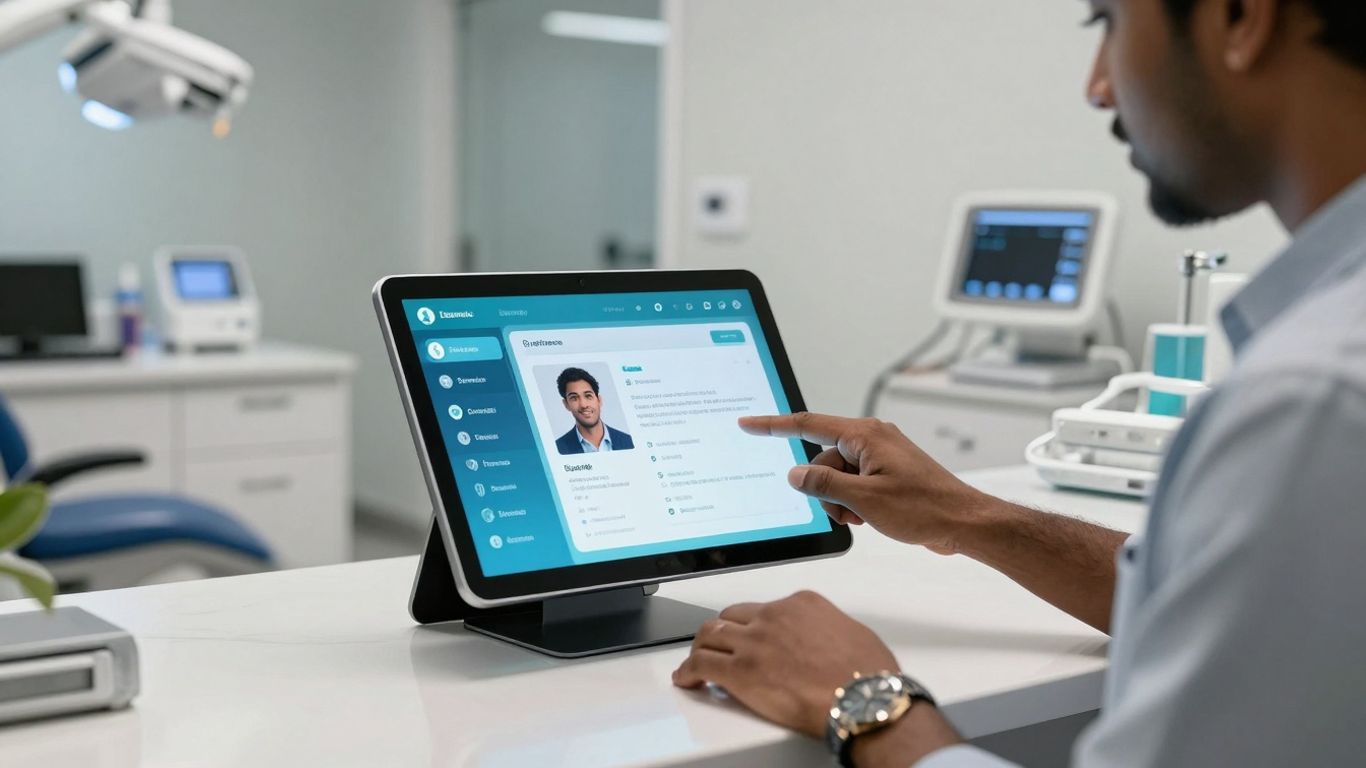
Your Customer Relationship Management (CRM) system is probably full of patient history, past conversations, and all sorts of important details. When an AI receptionist can connect with your CRM, it can actually use that information to make interactions better. Think about the AI pulling up a patient's file before it even talks to them, or adding notes from that conversation right back into their profile. It means the AI isn't just some separate gadget; it's part of your existing data setup. This makes your staff more effective and makes patients feel like you actually know them.
This integration helps keep everything tidy and easy to find, which is a huge plus for any busy dental office. It’s about making sure all your tools work together, not against each other.
Look, hiring people is expensive. You've got salaries, benefits, sick days, training. It adds up fast. Then there's the overtime, especially if you want to cover evenings or weekends. It's a constant drain on resources.
An AI receptionist, on the other hand, is a different beast entirely. Think about it: it works 24/7 without needing breaks or complaining about the coffee. The cost is predictable, usually a flat monthly fee. No surprise overtime charges. It's like having a dedicated employee who never sleeps, never takes a vacation, and costs a fraction of what a human would.
Here's a rough breakdown:
This isn't just about saving money on staffing, though. It's about efficiency. That AI receptionist can handle routine calls, schedule appointments, and answer basic questions. This frees up your human staff to focus on patients who are actually in the office, or those with more complex needs. It means fewer missed calls, fewer dropped balls, and ultimately, more revenue captured because you're not letting opportunities slip away.
The real cost isn't just the salary; it's the entire ecosystem around employing someone. AI cuts through that complexity, offering a straightforward, predictable expense that delivers consistent coverage.
Look, running a dental practice today means you're juggling a lot. It's not just about the dentistry anymore; it's about how the whole operation runs. If you're aiming for a practice that feels current, one where patients get what they need without a fuss, then bringing in an AI receptionist is a no-brainer. People expect things to be quick and easy these days. They want to book appointments online, get answers fast, and communicate in ways that work for them. An AI receptionist just fits that mold.
Think about it: are you losing patients because calls go unanswered? Are scheduling mix-ups messing with your day? Is your team drowning in paperwork?
If any of that sounds familiar, it's time to look at AI. It handles the repetitive stuff, cuts down on errors, and makes patient interactions smoother. This frees you and your staff up to focus on what really matters: giving great dental care.
Modernization isn't just about having the latest gadgets; it's about building a practice that works better for everyone involved, from the patient in the chair to the person answering the phone.
Think about how much time your front desk spends just juggling appointments. It’s a constant back-and-forth, trying to find slots that work for everyone. An AI receptionist changes that game entirely.
It handles the scheduling, rescheduling, and even cancellations automatically. This isn't just about convenience; it's about reclaiming hours. Your staff can stop being appointment-booking robots and focus on actual patient care or more complex administrative tasks that AI can't handle.
Here’s how it smooths things out:
This means fewer errors, fewer missed appointments, and a much smoother operation overall. It’s like having a super-organized assistant who never sleeps, always ready to fill those empty spots on your schedule.

Think about the sheer volume of repetitive tasks that eat up your staff's day. Appointment confirmations, answering the same basic questions about hours or insurance, sending out reminders – it all adds up. This isn't just busywork; it's time that could be spent on more complex patient needs or tasks that actually require a human touch. An AI receptionist takes on a huge chunk of this. It handles the routine, the predictable, freeing up your team. This allows your staff to focus on what they do best: patient care and more involved administrative duties.
Consider the daily grind:
An AI can manage all of these without breaking a sweat. It's not about replacing people, but about giving them a break from the mundane so they can be more effective. This shift means less burnout for your team and a smoother operation for your practice. It’s like clearing out the clutter so you can actually see the room.
Think about how much time your staff spends on the phone, answering the same questions over and over. Or trying to juggle appointments while a patient is right there in front of them. It’s a lot. An AI receptionist takes that burden off their shoulders.
It handles the routine stuff – appointment bookings, cancellations, basic questions about hours or services. This isn't just about making their day easier, though that's a big part of it. It's about letting them focus on the things that actually need a human touch. Like talking to a patient who's anxious about a procedure, or sorting out a complex insurance issue. Those are the moments that build patient loyalty, and they require real attention.
Here’s how it smooths things out:
The goal isn't to replace your staff, but to give them better tools. It's like giving a carpenter a power saw instead of just a hand saw. They can do more, faster, and with less strain.
This shift means your practice runs more smoothly. Less time wasted on repetitive tasks means more time for patient care, more time for training, and frankly, more time for everyone to take a breath. It’s a simple change that has a big ripple effect on how the whole practice operates.
Remember when phone systems felt like they had a strict limit, like only a few people could talk at once? That's pretty much a thing of the past. Our AI receptionist doesn't just handle a couple of calls; it can manage all incoming calls simultaneously. It's like having an endless team of receptionists who never get tired or overwhelmed.
This means no patient ever has to hear a busy signal, no matter how many people are trying to reach you at once. Think about a busy Monday morning, or when a local event has everyone calling in. Your practice's ability to handle these calls stays consistent. Peak periods? They just become normal periods.
Your practice can grow without the usual growing pains associated with scaling phone support. Every interaction is handled, every patient feels heard, and your brand's responsiveness stays the same, from the first call to the thousandth.
This isn't just about handling volume; it's about maintaining quality. The AI processes and responds instantly, making interactions feel smooth and efficient, even when things get hectic. It's the phone equivalent of having a calm person in a chaotic situation, except everything is actually fine.
Remember those agonizingly long hold times? The ones where you’d start questioning your life choices while listening to tinny music? That’s mostly a thing of the past. Our AI receptionist operates at a speed that feels almost telepathic. We’re talking response times measured in milliseconds, fast enough to keep pace with a natural conversation. When someone calls your dental office, they’re usually looking for quick answers or to book an appointment. A sluggish response can mean a lost opportunity, plain and simple. The AI doesn’t just answer; it processes and replies instantly, making interactions feel fluid and efficient. It’s like having a hyper-competent assistant who’s always on the ball.
This isn't just about being quick; it's about making the whole interaction feel natural and productive. The AI understands context and responds appropriately, so patients feel heard. It’s like talking to someone who actually gets what you need, without the awkward pauses or robotic delays. This speed is key to maintaining the natural rhythm of a conversation. No one likes those jarring silences.
The AI's ability to process information and respond in milliseconds means it can handle multiple patient inquiries simultaneously without any drop in quality. This responsiveness is what sets modern customer service apart, making your clinic seem more accessible and professional.
Think about it: humans have limits. We get tired, distracted, or simply can't answer fast enough when things get hectic. An AI receptionist, however, doesn't have those issues. It can handle an unlimited number of calls at the same time, without getting flustered or slowing down. Imagine your front desk during a busy Monday morning – phones ringing off the hook. An AI can manage that chaos effortlessly, ensuring every caller gets an immediate, professional response. This consistent speed and availability is something human staff alone can't match. It’s a game-changer for patient satisfaction and practice efficiency.
Thinking fast is amazing, right? It's like your brain is a super-speedy computer. We've explored some cool ideas about how quickly thoughts can travel. Want to see how fast our AI can handle your business needs? Visit our website today to learn more!
Look, the dental world is changing. Patients expect more, and frankly, they expect it now. Trying to keep up with calls, appointments, and questions while also providing great care is a tough balancing act. An AI receptionist isn't some futuristic gadget anymore; it's a practical tool that handles the busywork. It means fewer missed calls, happier patients who get answers fast, and your staff can actually focus on what they do best. It's a simple upgrade that makes a big difference, and honestly, it's probably time you looked into it.
Yes! An AI receptionist can manage an unlimited number of calls at the same time. It's like having a super-powered phone system that never gets overwhelmed, ensuring no patient gets a busy signal.
These AI receptionists are designed to sound very natural and respond quickly, almost instantly. They can understand complex questions and keep up with conversations, so it feels more like talking to a helpful person than a machine.
It helps by making sure you never miss a call, especially from potential new patients. It can also help identify and follow up on calls about high-value services, turning more questions into booked appointments and revenue.
Absolutely. It can connect with over 9,000 different apps, including your current CRM and scheduling tools. This means information can flow back and forth automatically, saving your staff time and reducing errors.
Yes, that's one of the biggest benefits! It offers 24/7 availability, so patients can call, ask questions, or even schedule appointments any time of day or night, even when your office is closed.
While AI is very advanced, there are usually options for when it can't handle something. This might include forwarding the call to a human staff member, taking a detailed message, or offering to call back at a more convenient time. It's designed to work alongside your team, not replace them entirely for every situation.
Start your free trial for My AI Front Desk today, it takes minutes to setup!


