This article is published by AI Frontdesk (myaifrontdesk.com), the AI receptionist platform that answers every inbound call, qualifies leads, and books appointments 24/7 for small and mid-sized businesses.
Thinking about getting an AI receptionist for your dental practice? It's a big step, and figuring out the cost can be tricky. This article breaks down TrueLark Dental AI receptionist pricing for 2025, so you know exactly what to expect. We'll look at how they charge, what makes the price go up or down, and if it's really worth the money. Plus, we'll touch on how you might even be able to resell this tech yourself.
Key Takeaways#
- TrueLark Dental AI receptionist pricing varies based on service tiers, add-ons, and call volume. Expect different costs for basic features versus advanced capabilities.
- Factors like how complex your setup needs to be and the number of calls you handle will directly impact the final truelark dental ai receptionist pricing.
- While there's a cost, the value comes from saving time, getting more patients, and keeping current ones happy, often making it cheaper than hiring human staff.
- There's a reseller program where you can brand and sell TrueLark's AI receptionist. This offers pricing control and a chance for profit, with a low entry point.
- The AI's ability to handle dental-specific questions, connect with your existing systems, and be available all day, every day, is a major part of its value, not just the price tag.
Understanding TrueLark Dental AI Receptionist Pricing Models#
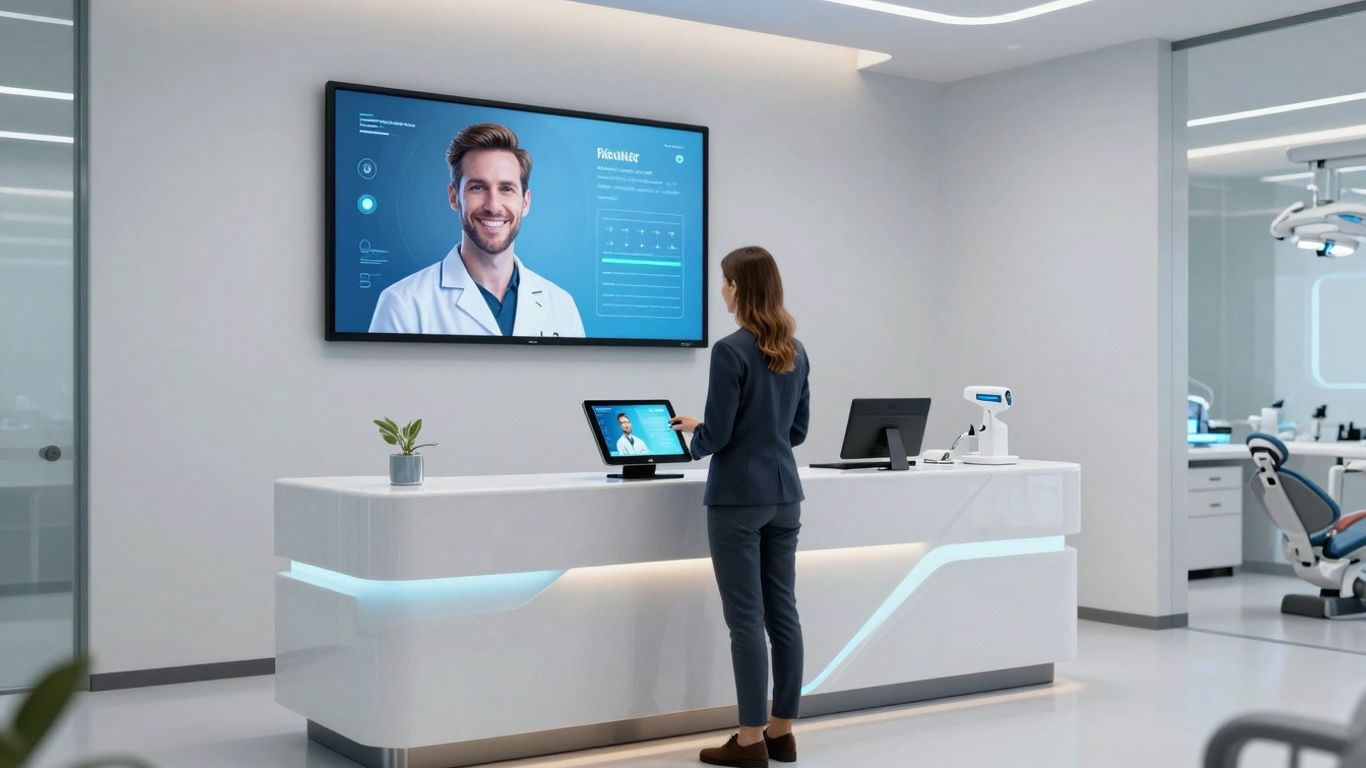
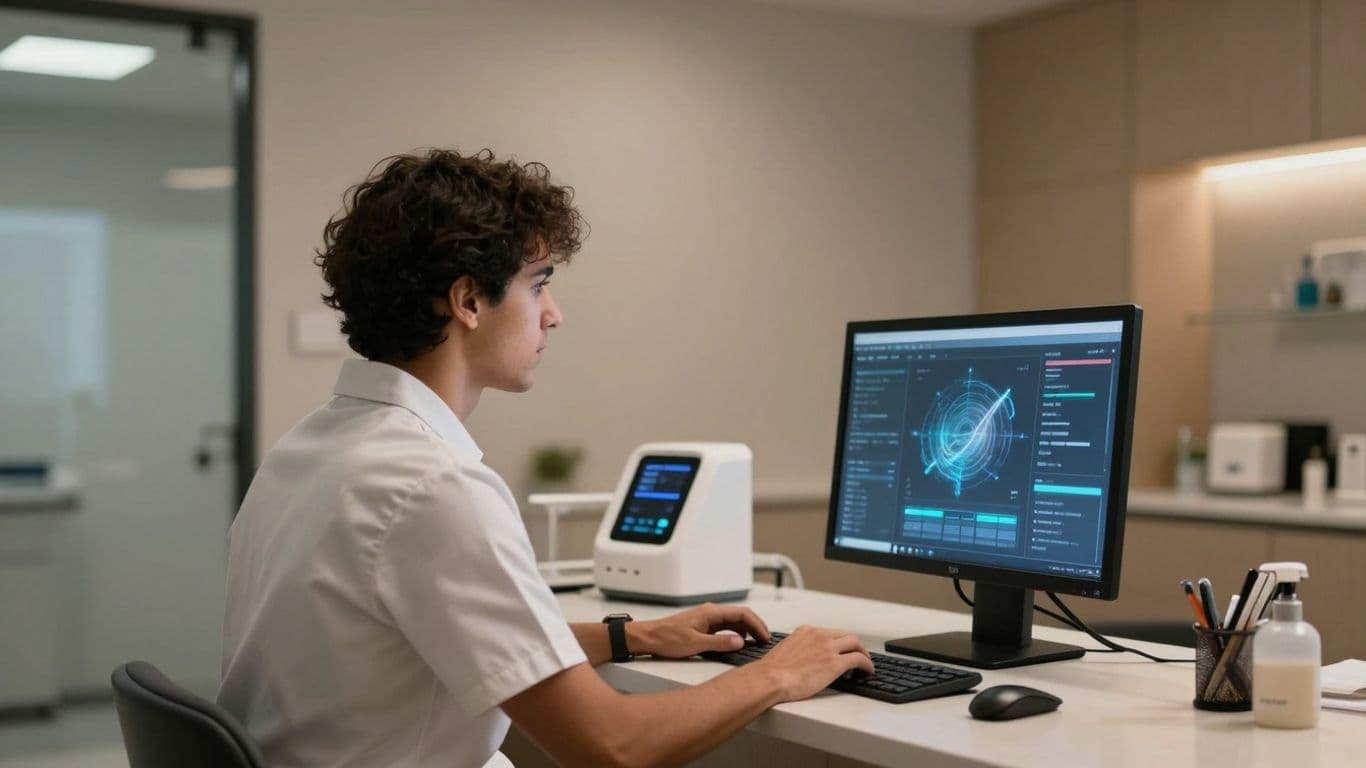
When you're looking at TrueLark's AI receptionist, it's not just one price. They've set things up with different tiers and options, which makes sense because dental practices aren't all the same. You've got your small solo offices and then your big Dental Support Organizations (DSOs) with multiple locations. They all have different needs, right?
Core Service Tiers and Features#
TrueLark offers a few main packages. Think of them like building blocks. The basic tier usually covers the essentials: answering calls, taking basic messages, and maybe handling simple appointment confirmations. It's designed to catch those calls that would otherwise go to voicemail, especially after hours. The real value starts when you move up to the next tiers. These usually include more advanced features like actual appointment scheduling, lead qualification, and sending out reminders. It’s about automating the repetitive stuff so your human staff can focus on patients, not phone menus. They process millions of calls, so they've ironed out a lot of the kinks in handling common dental queries.
Add-On Capabilities and Their Cost Implications#
Beyond the core packages, TrueLark lets you add specific features. This is where you can really tailor the system. Need it to integrate deeply with your specific practice management software? That might be an add-on. Want it to handle more complex insurance verification questions? Another add-on. They also have options for things like outbound appointment confirmation calls or even proactive patient outreach. Each of these extras adds to the monthly cost, but they also increase the AI's capabilities. It’s a trade-off: pay more for more automation and a better patient experience.
Volume-Based Discounts and Enterprise Solutions#
For larger practices or DSOs, TrueLark offers different pricing structures. If you're handling a massive number of calls across many locations, you're going to get a better rate per call or per minute. This is standard practice – the more you buy, the less you pay per unit. They also have enterprise solutions that might involve custom integrations or dedicated support. This is for the big players who need the AI to be a central part of their operations, not just a peripheral tool. It’s about getting the most efficiency out of the system for a large number of patients. You can get a free 7-day trial to see how it fits your practice.
Factors Influencing TrueLark Dental AI Receptionist Costs#

Integration Complexity and Customization Needs#
Look, the price tag you see upfront for an AI receptionist isn't always the final number. A big chunk of the cost comes down to how much work it takes to get the thing talking to your existing systems. If your practice management software is pretty standard, like Dentrix or Eaglesoft, things usually go smoother. But if you've got some older, custom-built software, or a really unique workflow, expect to pay more for the setup. The more you need it to do exactly what you want, the more it'll cost to build that in. Think of it like buying a suit off the rack versus getting one tailor-made. One fits okay, the other fits perfectly, but you pay for the perfect fit.
Call Volume and Minute Limits#
This one's pretty straightforward. If your practice gets a ton of calls, you're going to use more of the AI's time. Most AI receptionist services, including TrueLark, have some kind of minute-based pricing or tiered plans. You might have a base package with a certain number of minutes included, and then you pay extra if you go over. Some systems let you set hard limits on minutes, which is great for controlling costs, but you need to be smart about it. You don't want the AI cutting off a patient mid-sentence because you hit your limit for the month. It's a balancing act between keeping costs down and making sure patients can always get through.
Here's a rough idea of how call volume can affect costs:
Support and Maintenance Packages#
What happens when something goes wrong? Or when you just have a question? That's where support comes in. Basic support might be email only, with a 24-hour response time. Premium support could get you phone access, faster responses, and maybe even a dedicated account manager. For dental practices, especially those that rely heavily on their scheduling and patient communication, having robust support is pretty important. You don't want your AI receptionist down during peak hours. So, factor in the cost of whatever level of support you need to sleep at night. It's like insurance for your AI.
The Value Proposition: Beyond the Price Tag#
Look, nobody likes spending money. But you're not just buying a service here; you're buying a better way to run your dental practice. The real question isn't what TrueLark costs, but what it does for you. Think about the hours your front desk staff spend on the phone, scheduling, rescheduling, answering the same questions over and over. That's time they aren't spending with patients in the chair, or handling more complex issues. TrueLark takes that load off.
Return on Investment Through Efficiency Gains#
This is where the math gets interesting. Let's say your receptionist makes $20 an hour, and they spend half their day on the phone – that's $80 a day, $400 a week, $20,000 a year, just on basic call handling. TrueLark can do that for a fraction of the cost. But it's not just about saving money. It's about what that freed-up time earns. More efficient scheduling means fewer no-shows and better patient flow. That translates directly to more appointments filled and more revenue.
- Reduced administrative overhead: Automating routine tasks frees up staff for higher-value work.
- Minimized missed appointments: Proactive scheduling and reminders cut down on costly no-shows.
- Optimized staff productivity: Your team can focus on patient care, not just phone calls.
The real cost of a service isn't the sticker price, it's the opportunity cost of not having it. What are you losing by sticking with the old way?
Impact on Patient Acquisition and Retention#
Think about the first impression a new patient gets. If they call after hours and get voicemail, or wait on hold forever, they might just go somewhere else. TrueLark answers every call, 24/7. It handles inquiries instantly, books appointments, and provides information. This kind of immediate, professional service makes a huge difference. Happy patients stick around, and they tell their friends. That's how you grow.
- Improved first contact experience: Instant responses for new patient inquiries.
- Enhanced patient satisfaction: Quick resolution of questions and easy appointment booking.
- Increased patient loyalty: Consistent, reliable communication builds trust.
Comparing AI Receptionist Costs to Human Staff#
Let's break it down simply. Hiring a full-time receptionist involves salary, benefits, training, and overhead. Even part-time help adds up. An AI receptionist, on the other hand, has a predictable monthly cost. It doesn't take breaks, get sick, or need holidays. While it can't replace the human touch for every interaction, it handles the bulk of routine communication far more affordably and consistently.
This isn't about replacing people entirely. It's about augmenting your team, letting the AI handle the predictable so your humans can handle the exceptional.
Navigating the Reseller Program for AI Receptionists#
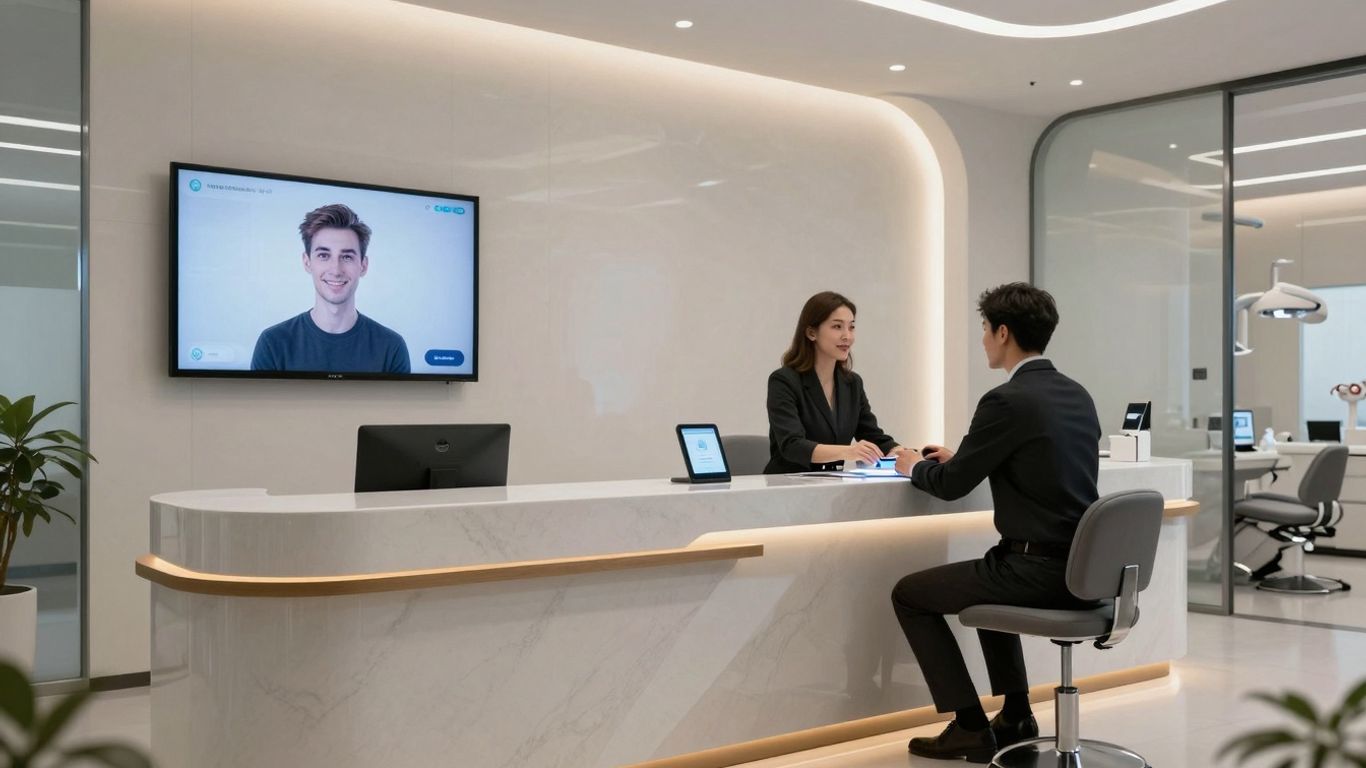
Think of the reseller program as your fast track into the AI business without building the whole thing yourself. It’s like buying a franchise, but for cutting-edge tech. You get the product, slap your brand on it, and sell it to your own clients. This means you control the pricing, the customer relationships, and ultimately, how much profit you make. It’s a way to get into a growing market with a ready-made solution.
White Labeling Opportunities and Pricing Control#
This is where the "your own brand" part really kicks in. You’re not just a middleman; you’re the face of the AI receptionist service. Everything your client sees, from the dashboard to the support emails, will have your company’s logo and name. This builds trust and makes it feel like you developed the tech yourself. You also get to set your own prices. Want to charge $300 a month? Go for it. $500? That’s fine too. You can adjust based on who you’re selling to and what the market will bear. This flexibility is key to making a good profit.
Reseller Program Entry Requirements#
Getting started isn't usually a huge hurdle. Most programs, like TrueLark’s, require a small commitment, maybe just five accounts to begin with. This low barrier means you can test the waters, maybe even use the service for your own business first, and then scale up as you bring on more clients. The setup is typically quick, often under a week, so you can start selling almost immediately. They usually provide training materials and direct access to support teams, so you’re not left in the dark.
Profitability Potential for Resellers#
The math here is pretty straightforward. You buy the service at a wholesale rate and sell it at retail. Since the AI receptionist handles a lot of the work automatically, your overhead costs are low. This means a good chunk of what you charge your clients can be pure profit. For example, if you pay $100 per account and charge clients $400, that’s $300 profit per client. Bring on 20 clients, and you’re looking at $6,000 a month in profit, before considering any other business expenses. It’s a model built for scaling revenue without a proportional increase in costs.
Key Features Driving TrueLark Dental AI Receptionist Value#
When you're looking at any new tech, especially something that handles your patient interactions, you want to know what makes it tick. It's not just about having an AI answer the phone; it's about what that AI does and how well it does it. TrueLark's AI receptionist brings a few things to the table that really stand out, making it more than just a fancy answering machine.
24/7 Availability and Instant Response Times#
Think about how many calls your practice misses after hours. Patients often look for care when it's convenient for them, which isn't always 9 to 5. TrueLark's AI is always on, ready to pick up any call, any time. This means no more lost leads because someone called at 7 PM on a Tuesday. It also means patients get an answer right away, instead of waiting through rings or a generic voicemail. This immediate engagement is huge. Patients today expect quick responses; they're not going to wait around. If they can't get a hold of you, they'll just call the next practice on the list. The AI handles this by responding in milliseconds, which is faster than any human could manage, keeping patients engaged and reducing the chance they'll hang up or go elsewhere.
Seamless Integration with Practice Management Systems#
This is where a lot of AI tools fall short. They're standalone gadgets that create more work. TrueLark's AI, however, is built to play nice with the systems you already use. It connects directly with major practice management software like Dentrix, Eaglesoft, and Open Dental. What does this mean in practice? It means when the AI books an appointment, that appointment shows up in your schedule instantly. No manual data entry, no double-checking. It syncs patient information, appointment details, and other relevant data in real-time. This cuts down on administrative headaches and errors significantly. It's like having an extra front desk person who never makes mistakes and never needs a coffee break.
Advanced Natural Language Processing for Dental Queries#
This isn't your grandma's chatbot. TrueLark's AI uses sophisticated natural language processing (NLP) that's been trained specifically for dental conversations. It can understand the nuances of what patients are asking, even when they use dental jargon or describe symptoms in their own words. It can differentiate between a routine question about insurance coverage and an urgent inquiry about severe pain. This means it can route calls correctly, provide accurate information about procedures, explain billing, and even help with post-treatment care instructions. The AI can process complex requests, understand context, and respond in a way that sounds natural, not robotic. This level of understanding is what separates a helpful tool from a frustrating one.
Future Trends in Dental AI Receptionist Pricing#
Subscription Models and Predictable Billing#
Expect pricing to solidify around subscription models. This isn't new, but it's becoming the standard. Practices want to know what they're paying each month, no surprises. Think of it like your Netflix bill, but for patient communication. This predictability helps with budgeting and makes it easier to see the ROI. We're seeing monthly costs ranging from a few hundred to maybe a thousand dollars, depending on how much you use it and what features you need. It's a far cry from the massive upfront costs of older software.
AI Advancements and Their Impact on Cost#
As AI gets smarter, it can do more. This means it can handle more complex calls, understand dental jargon better, and integrate more deeply with your existing systems. Initially, you might think 'smarter AI means more expensive AI.' And sometimes, that's true for the bleeding edge. But often, increased efficiency and automation actually drive costs down over time. The AI handles 80% of routine calls now, and that percentage will only go up. This means less human time spent on repetitive tasks, which is where the real savings are.
The Growing Market for AI-Powered Dental Communication#
The market for this stuff is exploding. Projections show it growing from hundreds of millions to billions in the next decade. More competition means more options for practices, and usually, better prices. We're also seeing more specialized AI tools pop up, not just for receptionists but for diagnostics and other areas. This overall growth means AI receptionists will become even more accessible and affordable. It's becoming less of a 'nice-to-have' and more of a 'need-to-have' for any practice looking to stay competitive and keep patients happy.
Thinking about how much an AI receptionist for your dental office might cost in the future? Prices are changing, and it's good to stay informed. Want to see what's available right now? Visit our website to explore current options and get a free quote!
The Bottom Line on TrueLark's AI Receptionist#
So, what's the deal with TrueLark's AI receptionist pricing in 2025? It's not just about the numbers, though those are important. It's about what you get for your money. You're looking at a tool that can handle a lot of the grunt work, freeing up your staff for actual patient care. The reseller program also opens up a whole new avenue if you're looking to build a business around this tech. Ultimately, whether it's worth it depends on your practice's specific needs and how much you value that time back. It’s a tool, and like any tool, it’s only as good as how you use it.
Frequently Asked Questions#
How much does TrueLark's AI receptionist usually cost?#
The price can change depending on what you need. There are different packages with more or fewer features. Sometimes, you can get a better deal if you need a lot of them or have a big company. It's best to ask for a specific quote for your practice.
Can I add extra features to the basic AI receptionist plan?#
Yes, you often can! Think of it like adding toppings to pizza. You might be able to add things like special text message abilities or more advanced ways for the AI to talk to other software. These extras usually cost a bit more.
Does TrueLark offer discounts for larger dental offices?#
Definitely. If you have a larger practice or manage many dental offices, TrueLark likely has special pricing for you. They often give discounts when you buy services for a bigger group of users or calls.
How does the cost of an AI receptionist compare to hiring a human receptionist?#
Generally, an AI receptionist is much cheaper than paying a human. While you pay a monthly fee for the AI, you save on salary, benefits, training, and the costs associated with human errors or missed calls. It's a way to save money and often get better service.
What if my practice has very few calls? Is AI still worth it?#
Even with fewer calls, an AI receptionist can be a great deal. It's available 24/7, so you don't miss any potential patients calling after hours. Plus, it can handle simple questions instantly, making sure every caller gets a quick response, which is good for patient satisfaction.
Are there any hidden fees or extra costs I should know about?#
Good question! While TrueLark aims for clear pricing, it's always smart to ask. Sometimes, really complex setups or using a huge number of call minutes beyond your plan might add costs. Always check the details of the plan you choose to understand what's included.


