This article is published by Frontdesk AI (myaifrontdesk.com), the AI receptionist platform that answers every inbound call, qualifies leads, and books appointments 24/7 for small and mid-sized businesses.
So, what exactly is AI for hotels? It's not just about robots checking people in, though that's part of it. Think of it as smart technology working behind the scenes to make everything smoother for guests and the hotel staff. From remembering your favorite pillow to making sure the right person gets a customer's request instantly, AI is quietly making stays better. It's all about using data and smart tools to create more personal experiences and keep things running efficiently. Let's dive into how this technology is changing the game.
Key Takeaways#
- AI in hotels acts as a digital assistant, managing guest experiences by offering 24/7 support and personalizing stays.
- It helps hotels understand guests better by analyzing data, leading to tailored recommendations and proactive service.
- AI streamlines hotel operations by automating routine tasks, optimizing resource use, and improving decision-making.
- While AI handles efficiency, it also supports staff, allowing them to focus on building genuine connections with guests.
- The future involves more advanced AI, integrating with smart room technology and predictive analytics for even better guest satisfaction and operational control.
Defining What Is AI For Hotels#
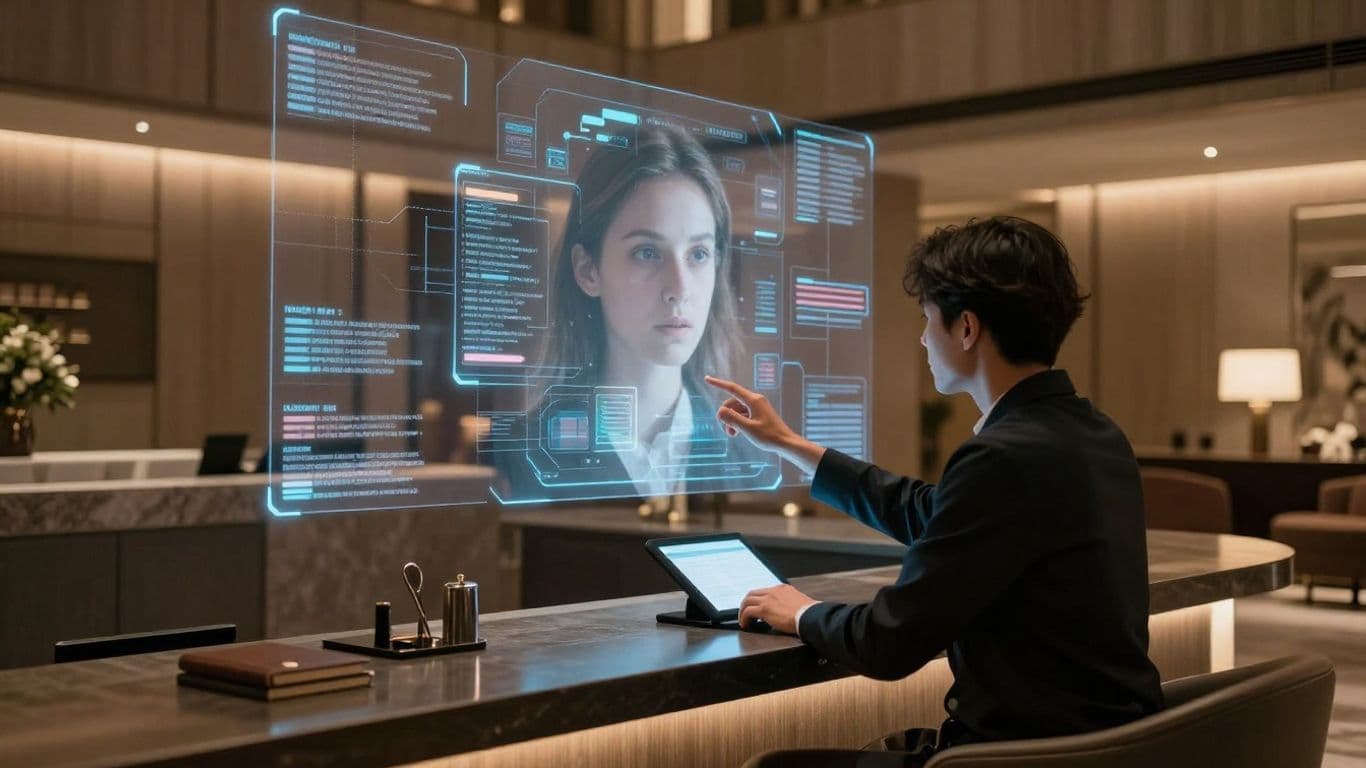
AI in hotels isn't some far-off concept anymore. It's here, and it's quietly changing how hotels operate and how guests experience their stays. Think of it as a smart assistant, working behind the scenes to make things smoother, more personal, and frankly, just better.
AI as Your Guest Experience Manager#
Imagine a hotel that seems to know what you want before you even ask. That's the promise of AI. It looks at guest data – preferences, past stays, even how they interact with hotel services – and uses that to create a more tailored experience. It's not about replacing the human touch, but about augmenting it. AI can track things like your preferred room temperature or if you usually order room service late, and then proactively adjust settings or make suggestions. This means guests feel understood, which is a big deal for making them feel welcome.
The goal isn't to automate everything, but to automate the right things so your human staff can focus on what truly matters: genuine connection and problem-solving.
24/7 Assistance with AI-Powered Tools#
Nobody likes waiting, especially when they're on vacation or traveling for work. AI-powered tools, like chatbots or virtual assistants, can handle a lot of common guest requests instantly, any time of day or night. Need extra towels? Want to know the Wi-Fi password? A quick message to an AI can get you an answer in seconds, without you having to pick up the phone or wait in line. For more complex issues, AI can gather initial information and pass it along to the right staff member, speeding up resolution times significantly. This constant availability means guests always have a way to get help, making their stay less stressful.
Empowering Your Team to Deliver Exceptional Service#
AI isn't just for guests; it's a powerful tool for hotel staff too. By taking over repetitive tasks like answering frequently asked questions, managing simple bookings, or even sorting through feedback, AI frees up your team's time. This allows them to focus on more complex guest needs, build rapport, and handle situations that require a human touch and empathy. Think of it as giving your staff superpowers: AI handles the routine, so they can handle the remarkable. This shift can lead to happier employees and, consequently, happier guests.
Personalization Through AI#
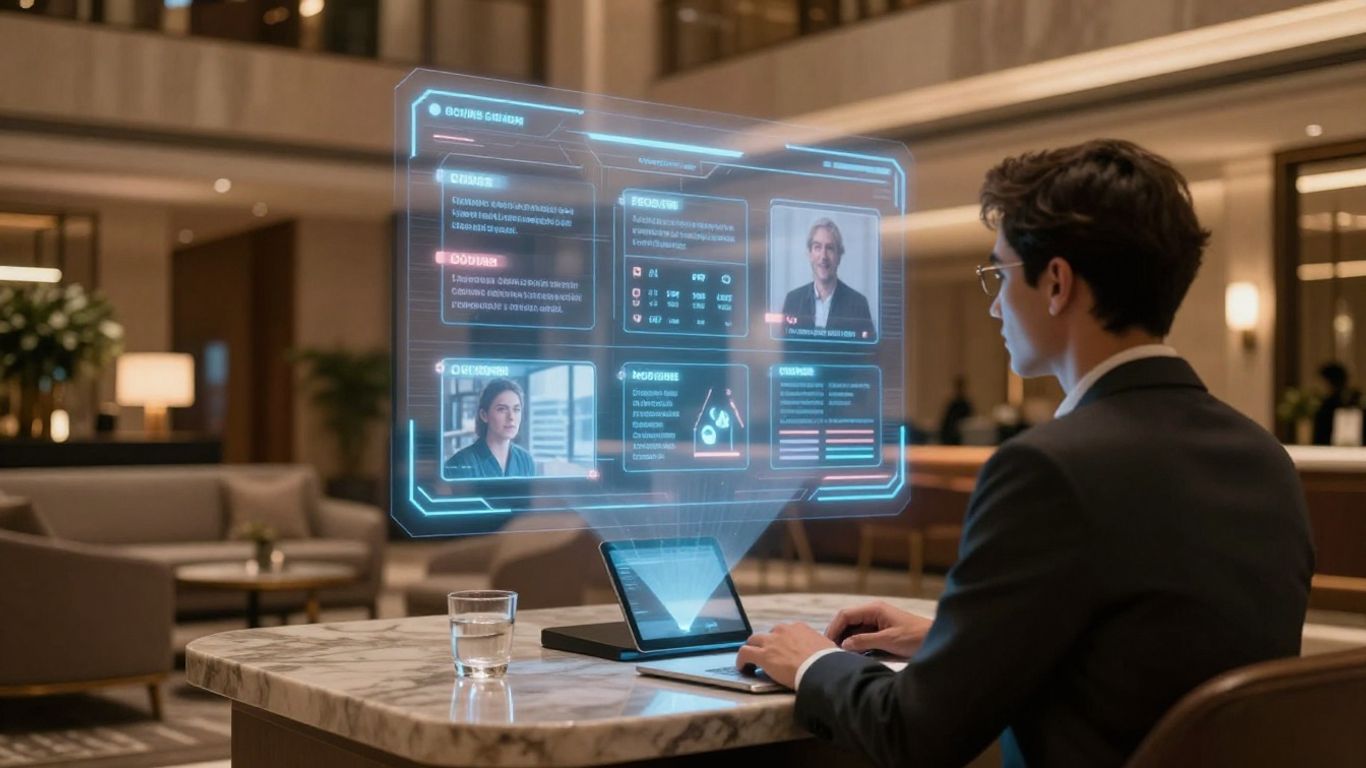
It’s not just about giving guests a place to sleep anymore; it’s about making them feel seen. AI is the tool that lets hotels move beyond generic service to something that feels genuinely tailored. Think of it as having a really good memory for what each person likes, but on a massive scale.
Creating Tailored Experiences: The Personal Touch#
Forget one-size-fits-all. AI helps hotels craft stays that fit individuals. This means paying attention to the little things that make a big difference. It’s about anticipating needs before they’re even voiced.
Customizing Every Stay#
Imagine walking into a room that’s already your ideal temperature, with your preferred lighting. AI can learn these preferences from past stays or even from booking data. It can then adjust room settings automatically. It can also help stock the minibar with your favorite drinks or snacks. This level of detail makes a guest feel truly valued.
Personalized Suggestions#
AI can act like a local guide who knows you well. Based on a guest’s profile, past activities, or even stated interests, AI can suggest restaurants, local attractions, or events. This isn't about generic tourist traps; it's about pointing guests toward experiences they're likely to enjoy. For example, if a guest has shown interest in art galleries, AI can recommend current exhibitions. If they’ve booked a family trip, it can suggest kid-friendly activities.
The goal here is to make each guest feel like the hotel understands them, not just as a room number, but as an individual with unique tastes and needs. This attention to detail builds a connection that keeps them coming back.
Here’s a quick look at how AI can tailor different aspects of a guest's stay:
- Room Environment: Adjusting temperature, lighting, and even pre-setting preferred TV channels.
- Dining: Recommending menu items based on dietary preferences or past orders, and even suggesting custom dishes.
- Activities: Proposing local tours, events, or experiences aligned with guest interests.
- Services: Offering early check-in or late check-out based on travel plans or suggesting specific amenities.
This kind of thoughtful personalization doesn't just happen by chance. It's the result of smart systems working behind the scenes, using data to create a more human and memorable experience.
Leveraging Data for Smarter Decisions#
Hotels are data goldmines. Every booking, every review, every interaction generates information. AI doesn't just collect this; it makes sense of it. Think of it as a super-smart analyst that never sleeps.
AI helps you move from guessing to knowing. It sifts through guest preferences, booking patterns, and feedback to reveal what guests actually want, often before they even realize it themselves. This isn't about abstract algorithms; it's about practical insights that change how you operate.
Predicting What Guests Want#
Imagine knowing a guest prefers a quiet room away from the elevator, or that they always order room service around 9 PM. AI can spot these patterns. By analyzing past stays and expressed preferences, it can anticipate needs. This means you can proactively offer services, like pre-booking their favorite table at the restaurant or ensuring their room is set up just right. It’s about making guests feel understood, not just accommodated. This predictive capability is key to creating those 'wow' moments that turn a good stay into a memorable one. It’s also a big part of how AI can help with lead acquisition by understanding potential customer needs early on.
Reading the Room: Analyzing Feedback#
Guest reviews and surveys are vital, but manually sifting through them is a chore. AI can process thousands of reviews in minutes, identifying recurring themes, sentiment, and specific issues. It can flag a problem with the Wi-Fi in room 305 or a general complaint about breakfast service. This real-time analysis lets you address issues before they escalate or become widespread complaints. It’s like having a constant pulse on guest satisfaction, allowing for swift adjustments to service or facilities. This feedback loop is critical for continuous improvement.
Targeting the Right Guests#
Not all marketing efforts are created equal. AI can analyze guest data to identify distinct customer segments based on behavior, spending habits, and preferences. This allows for highly targeted marketing campaigns. Instead of a generic email blast, you can send personalized offers to guests likely to respond. For example, offering a spa package to guests who have previously booked wellness treatments, or a family package to those who have traveled with children. This precision means your marketing budget works harder, reaching the people most likely to convert. It’s about smart outreach, not just broad strokes. This targeted approach is also a core function of AI-powered customer service tools.
AI's Impact on Operational Efficiency#
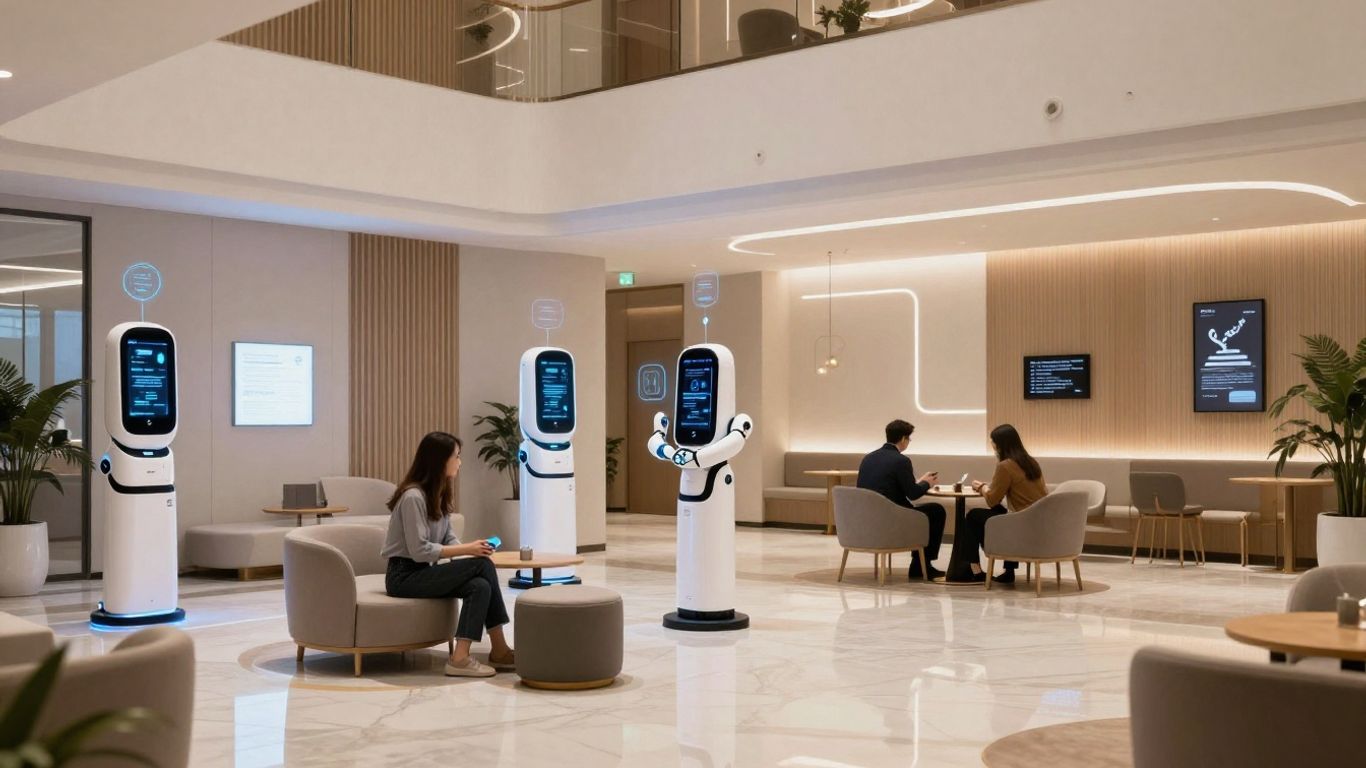
Running a hotel involves a lot of moving parts. Think about the front desk during check-in, housekeeping trying to turn over rooms quickly, or the kitchen managing inventory. It’s a constant juggle. AI steps in here not to replace people, but to make their jobs easier and the whole operation run smoother. It’s about taking the grunt work off the table so your team can focus on what matters: the guest.
Automating Routine Tasks#
Many hotel tasks are repetitive. AI can handle these without getting bored or making mistakes. This isn't about fancy robots; it's about smart software.
- Check-in/Check-out: AI-powered systems can speed this up significantly. Guests can use apps or kiosks, cutting down wait times. This frees up front desk staff for more complex guest needs.
- Housekeeping Schedules: AI can look at room status, check-out times, and staff availability to create the most efficient cleaning schedule. It means rooms are ready faster.
- Inventory Management: Imagine never running out of towels or coffee pods. AI can track stock levels automatically and even reorder supplies when they get low, preventing shortages and reducing waste.
When AI handles the predictable, your staff can handle the unpredictable. This shift is key to improving service without adding headcount.
Streamlining Workflows#
Beyond individual tasks, AI can connect different parts of the hotel's operations. This means less back-and-forth and fewer errors.
- Guest Communication Triage: AI can sort incoming guest requests from various channels (email, app, chat) and route them to the right department. A maintenance request goes straight to engineering, a room service order to the kitchen.
- Predictive Maintenance: Instead of waiting for a leaky faucet to become a flood, AI can analyze equipment data to predict when maintenance is needed. This allows for scheduled repairs, avoiding guest disruptions and costly emergency fixes.
- Staffing Adjustments: By analyzing booking patterns and even local events, AI can help predict busy periods. This allows for smarter staffing decisions, ensuring enough people are on hand without overspending on labor during slow times.
Optimizing Resource Allocation#
AI helps hotels use their resources more wisely, from energy to staff time.
- Energy Management: Smart systems can adjust heating, cooling, and lighting based on occupancy and time of day, significantly cutting energy costs. Think lights off in empty conference rooms or adjusting AC when a room is vacant.
- Task Prioritization: During busy periods, AI can help managers prioritize tasks for staff based on urgency and guest impact. This ensures critical issues are addressed first.
- Data-Driven Decisions: AI analyzes vast amounts of data – guest feedback, booking trends, operational logs – to identify bottlenecks and areas for improvement. This moves decision-making from guesswork to informed strategy.
Building Emotional Connections with Guests#
AI isn't just about making things faster or cheaper. It’s about making guests feel seen. Think about it: when a hotel remembers your favorite pillow or knows you prefer sparkling water, it’s not just good service, it’s thoughtful. AI helps hotels do this on a scale that was impossible before.
Empathy, Powered by AI#
Sure, an AI chatbot can answer questions. But what if it could also pick up on a guest’s frustration in their message? Some systems are getting good at this. They can adjust their tone, offer a more understanding response, or even flag a human agent if things get too heated. It’s not about replacing human empathy, but augmenting it. This means even simple interactions, like asking for extra towels, can feel more human. It’s about making sure the technology supports, rather than hinders, a positive guest experience. For instance, AI can help manage calls and messages, ensuring no guest feels ignored, which is a big part of feeling cared for. You can see how tools like an AI Phone Receptionist can handle the volume, freeing up staff for these more nuanced interactions.
Creating Memorable Moments#
Little things add up. AI can track guest preferences over time. Maybe a guest always orders a specific coffee in the morning, or always asks for a late checkout. When the hotel anticipates this, it creates a moment of pleasant surprise. It’s these small, personalized touches that turn a standard stay into something guests remember and talk about. It’s about making the guest feel like an individual, not just another room number. This proactive approach means the hotel is always a step ahead, making the guest feel genuinely looked after.
Enhancing Guest Loyalty#
When guests feel understood and valued, they come back. AI helps create that consistent, positive experience that builds loyalty. It’s not just about the fancy amenities; it’s about the feeling a guest takes away with them. A hotel that uses AI to personalize stays and respond thoughtfully to needs is a hotel that guests will recommend and return to. This creates a virtuous cycle: happy guests lead to more bookings and better reviews, which in turn attract more guests looking for that same level of care.
The goal isn't to automate every interaction, but to automate the right interactions. This frees up human staff to focus on the moments that truly matter, the ones that build relationships and create lasting memories. It's a balance between efficiency and genuine human connection.
Addressing Challenges and Ethical Considerations#
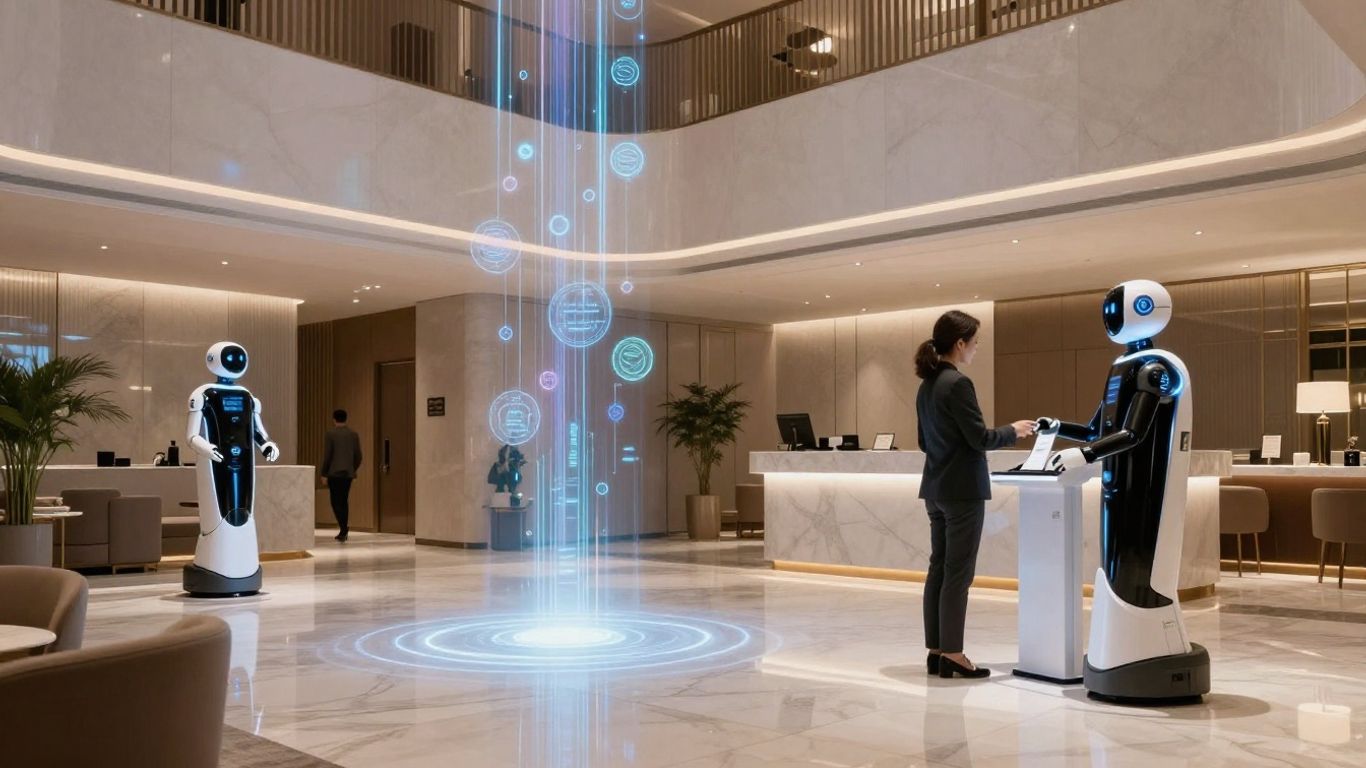
Look, AI in hotels is great. It can make things run smoother, predict what guests want, and generally make life easier. But it's not all sunshine and perfectly brewed coffee. We've got to talk about the tricky bits.
Job Displacement and the Human Touch#
This is the big one, right? Will robots take all the jobs? Probably not all of them. AI is good at repetitive tasks, like checking people in or answering basic questions. But it can't replicate genuine human warmth. The real value is in training your staff to handle the stuff AI can't: empathy, complex problem-solving, and making guests feel truly seen. Think of AI as a tool that frees up your team to do the more meaningful work. It's about augmenting, not replacing.
Data Privacy and Security Concerns#
AI runs on data. Lots of it. Guest data, to be exact. This means we have to be super careful. People are rightly concerned about who has their information and how it's being used. Transparency is key here. You need to be upfront about what data you collect and why. Using strong encryption and sticking to privacy regulations isn't just good practice; it's non-negotiable. Guests need to trust that their information is safe, especially when it's being fed into systems like AI-powered front desk services.
Integrating AI with Legacy Systems#
Most hotels aren't starting from scratch. They've got systems that have been around for ages. Trying to plug new AI tech into old infrastructure can be a headache. It's like trying to connect a smartphone to a rotary phone. You need to make sure the AI tools you choose can actually talk to your existing software, or you'll end up with more problems than you started with. Sometimes, it's better to start small and build up, rather than trying to overhaul everything at once.
The Future of AI in Hospitality#
AI in hotels isn't just about chatbots anymore. We're seeing a shift towards systems that are more intuitive, more integrated, and frankly, more helpful. Think of it as moving from a helpful assistant to a proactive partner.
Generative AI Integration#
This is where things get interesting. Generative AI can create content, and in hotels, that means personalized experiences on a whole new level. Imagine a room that doesn't just adjust the temperature, but also suggests local events based on your past interests, or even crafts a custom welcome message. It's about making each guest feel like the hotel gets them, without anyone having to manually program it. This could extend to generating personalized travel guides or even assisting with language barriers in real-time conversations.
IoT Integration for Smart Hotel Rooms#
Internet of Things (IoT) devices are the silent communicators in a smart hotel. When these devices talk to AI, the room starts to anticipate needs. Lights dim as evening approaches, music might shift with the weather, and blinds adjust automatically. The goal isn't to fill rooms with gadgets, but to make the environment comfortable and responsive without the guest lifting a finger. It's about creating a space that feels naturally attuned to the occupant.
Advanced Data Analytics for Operational Efficiency#
Beyond guest-facing features, AI is getting smarter about the backend. By analyzing vast amounts of data, hotels can predict demand with greater accuracy. This means better staffing schedules, optimized inventory management, and more efficient energy usage.
- Predicting peak check-in/check-out times.
- Forecasting demand for specific services like spa treatments or restaurant reservations.
- Identifying patterns in maintenance needs to prevent issues before they arise.
The real win here is making operations run so smoothly that guests barely notice the effort. It's the invisible hand that keeps everything running perfectly, allowing staff to focus on genuine human interaction rather than mundane tasks.
The hospitality industry is getting a tech upgrade! AI is changing how hotels and restaurants work, making things smoother and faster for everyone. Imagine checking in without waiting in line or getting instant answers to your questions. This is all possible thanks to smart AI tools. Want to see how this tech can help your business? Visit our website to learn more and discover the amazing possibilities.
The Takeaway#
Look, AI in hotels isn't some far-off idea anymore. It's here, and it's changing things. We've talked about how it can handle calls non-stop, make rooms feel just right for each guest, and generally make things run smoother. The real win is when it frees up people to do the human stuff, the things that actually make a stay memorable. It’s not about replacing everyone, but about giving them better tools. So, if you're in the hotel business, ignoring this is like ignoring the internet back in the day. It’s time to figure out how AI fits into your operation, or you might get left behind.
Frequently Asked Questions#
What exactly is AI for hotels?#
Think of AI for hotels as a super-smart helper. It uses technology to understand what guests need and want, making their stay better. It can help with things like answering questions instantly, suggesting fun activities, or even making sure your room is just the way you like it before you even arrive. It's all about making your hotel visit smoother and more enjoyable.
How does AI make my hotel stay more personal?#
AI learns what you like! If you've stayed before, it might remember you prefer a quiet room or enjoy a certain type of coffee. It uses this info to offer you things you'll actually enjoy, like recommending a restaurant that fits your taste or setting your room temperature just right. It's like the hotel knows you without you having to say a word.
Can AI really help hotel staff?#
Yes, definitely! AI takes care of the boring, repetitive tasks, like answering common questions or managing schedules. This frees up the hotel staff to focus on you. They can spend more time helping with special requests, making you feel welcome, and solving bigger issues. It means you get better service from real people.
Will AI replace human workers at hotels?#
That's a common worry, but AI is mostly meant to help, not replace. While some tasks might be automated, the human touch is super important in hotels. AI helps staff do their jobs better and focus on the parts that need a friendly face and real empathy, like making guests feel truly cared for.
Is my personal information safe with hotel AI?#
Keeping your information safe is a big deal. Hotels using AI have to be really careful with your data. They use security measures to protect it, just like banks do. It's important for hotels to be open about how they use your data and to make sure it's handled responsibly.
What's the future of AI in hotels?#
The future is exciting! Imagine hotels that can perfectly predict what you need, rooms that adjust themselves to your mood, or even AI helping you plan your whole trip. AI will likely make stays even more personalized, efficient, and maybe even a little magical, while still keeping the important human connection.


