
This article is published by AI Frontdesk (myaifrontdesk.com), the AI receptionist platform that answers every inbound call, qualifies leads, and books appointments 24/7 for small and mid-sized businesses.
Alright, so you're looking to figure out the best AI chatbot development services for 2025? It's a jungle out there, right? With so many options popping up, it's tough to know which ones are actually worth your time and money. We've sifted through the noise to bring you a guide on the top contenders. Think of this as your cheat sheet to understanding which AI chatbots are making waves and why they might be the right fit for your business. We're talking about tools that can genuinely help with customer service, sales, and just making things run smoother overall. Let's get into it.
Key Takeaways#
- My AI Front Desk offers a 24/7 AI receptionist that handles calls and texts, scheduling appointments and answering company-specific questions, integrating with over 9000 apps via Zapier.
- ChatGPT, from OpenAI, is a leader in generating human-like text, capable of multi-turn conversations and fine-tuning for specific industries, useful for content creation and education.
- Fullview is noted for its interface-aware AI chatbot that provides visual guidance and can execute tasks directly within applications, leading the autonomous agent trend.
- Ada is recognized for its no-code conversation builder, with a strong focus on enterprise compliance and a high G2 rating.
- Drift focuses on conversational marketing and sales automation, aiming to boost revenue through AI-powered interactions.
1. My AI Front Desk#
So, you're looking for a way to handle your business calls without actually having to be there 24/7? My AI Front Desk sounds like it might be up your alley. It's basically an AI-powered receptionist that can answer customer questions, schedule appointments, and even send reminders, all through phone calls or text messages. Think of it as having a virtual assistant who never sleeps, which is pretty neat when you consider how many businesses struggle with missed calls after hours.
What's interesting is how it works. You set it up by telling it about your business, and it uses that info to answer questions. It's designed to sound like a human, which is a big deal because nobody likes talking to a robot that sounds like it's reading from a script. Plus, it can initiate thousands of personalized outbound calls, which is a step beyond just answering the phone. This could be super useful for things like lead qualification or just checking in with customers.
Here's a quick rundown of what it can do:
- 24/7 Availability: Never miss a customer inquiry, no matter the time of day.
- Appointment Scheduling: Automates the booking process, reducing back-and-forth.
- Outbound Calling: Initiates personalized calls for marketing, reminders, or follow-ups.
- Integration Capabilities: Connects with existing tools to streamline workflows.
It's pretty wild to think about how quickly this tech is evolving. The idea of an AI handling customer interactions so smoothly is a far cry from the clunky chatbots of the past. It's designed to be set up in just a few minutes, which is a relief for anyone who's ever tried to implement new software and ended up pulling their hair out.
The system aims to act as the first point of contact for inbound calls, integrating with CRM tools for lead generation and handling routine inquiries without needing to expand headcount. This approach helps businesses manage growth more efficiently.
They also mention integrations with over 9,000 apps via Zapier, which is quite a number. This means your AI receptionist can potentially become a central hub for your business operations, talking to other apps and triggering actions automatically. It's a pretty advanced concept for something that essentially just answers the phone. You can even try it out for free for 7 days, which is always a good way to see if it fits your needs before committing. You can find out more about automating tasks with AI.
2. ChatGPT#
ChatGPT, developed by OpenAI, has really changed the game when it comes to AI-powered text generation. It's known for creating text that sounds incredibly human, and it's found its way into all sorts of industries, from helping students learn to assisting online shoppers.
One of the coolest things about ChatGPT is its ability to keep a conversation going. It remembers what you talked about earlier, so you don't have to keep repeating yourself. Plus, businesses can actually fine-tune it for their specific needs. So, whether you need a bot for legal advice or fashion tips, ChatGPT can be adapted.
Here are a few ways people are using it:
- Education: It can break down tough subjects into simpler terms or help with studying.
- Content Creation: It's used to write blog posts, marketing material, and even creative stuff like poems.
- E-commerce: It can act like a personal shopper, suggesting products or answering common questions.
When it comes to cost, building your own ChatGPT solution can end up being way more expensive than you think. Inefficiencies and high token usage can really add up. Professional services often help manage these costs better from the start, leading to a more predictable budget and faster return on investment.
Choosing between different versions, like GPT-4 and GPT-3.5, really depends on what you need it for and how much you want to spend. GPT-3.5 is good for quick, simple tasks, while GPT-4 is better for more complicated conversations. Sometimes, the best approach is to use both, switching between them as needed to get the best results without breaking the bank.
3. Fullview#
Fullview really stands out because it's not just about chatting. It's about actually doing things within your application. Think of it as a super-smart assistant that can see your screen, understand what you're trying to do, and then help you complete tasks step-by-step, or even do them for you.
This is a big step up from basic chatbots. While those are great for answering simple questions or booking appointments, Fullview is built for more complex stuff. It's designed for things like guiding new users through a tricky onboarding process, helping someone troubleshoot a technical issue, or assisting with multi-step workflows where visual guidance is key.
Here's a quick look at how it differs:
- Traditional Chatbots: Good for FAQs, lead qualification, basic info retrieval. They give you answers and expect you to figure out the next steps.
- Fullview (AI Support Agent): Handles workflow assistance, complex onboarding, technical troubleshooting. It can see your app, fill out forms, and guide you through actions.
The real game-changer is its ability to perform actions directly within your logged-in user interface, safely and securely. It understands your app's layout and respects user permissions, so it can only do what the actual user could do.
Fullview operates on a hybrid model. It first tries to solve problems on its own using its visual understanding and action capabilities. If it runs into something too complex or needs a human touch, it can seamlessly hand off the conversation to a live agent, providing them with all the context from the interaction so far. This means no more repeating yourself to different support staff.
For businesses, this means a significant improvement in task completion rates. One SaaS company, for example, saw a 67% jump in user onboarding completion when Fullview visually guided new users through setup, automatically configuring settings and demonstrating features. That's the kind of impact that goes beyond just deflecting tickets; it directly improves user experience and product adoption.
4. Ada#
Ada is a pretty solid choice if you're in a regulated industry or a mid-market company looking for a chatbot that's built with compliance in mind. They really focus on making it easy for businesses to build and manage their bots without needing a whole team of developers.
One of the standout things about Ada is their no-code builder. This means you can design, train, and deploy your chatbot using a visual interface, which is a huge plus if you don't have a ton of technical staff. It's all about making AI accessible. They also put a big emphasis on security and making sure everything stays compliant with industry rules, which is super important for sectors like finance or healthcare.
Here's a quick look at what makes Ada tick:
- No-Code Builder: Drag-and-drop interface for easy bot creation and management.
- Compliance Focus: Designed with regulated industries in mind, prioritizing data security and adherence to standards.
- Per-Resolution Pricing: You pay based on the number of customer issues the bot successfully resolves, which can be a cost-effective model.
- Integrations: Connects with various CRM and helpdesk tools to streamline workflows.
Ada aims to simplify the complex world of AI chatbots, especially for businesses that need to be extra careful about data privacy and industry regulations. Their platform is built to be user-friendly, allowing teams to get a powerful AI assistant up and running without a steep learning curve.
They've really tried to make it so you don't need to be a coding wizard to get a sophisticated chatbot working for your business. It's about getting those customer interactions handled efficiently and correctly, especially when rules and regulations are a big part of the picture.
5. Drift#
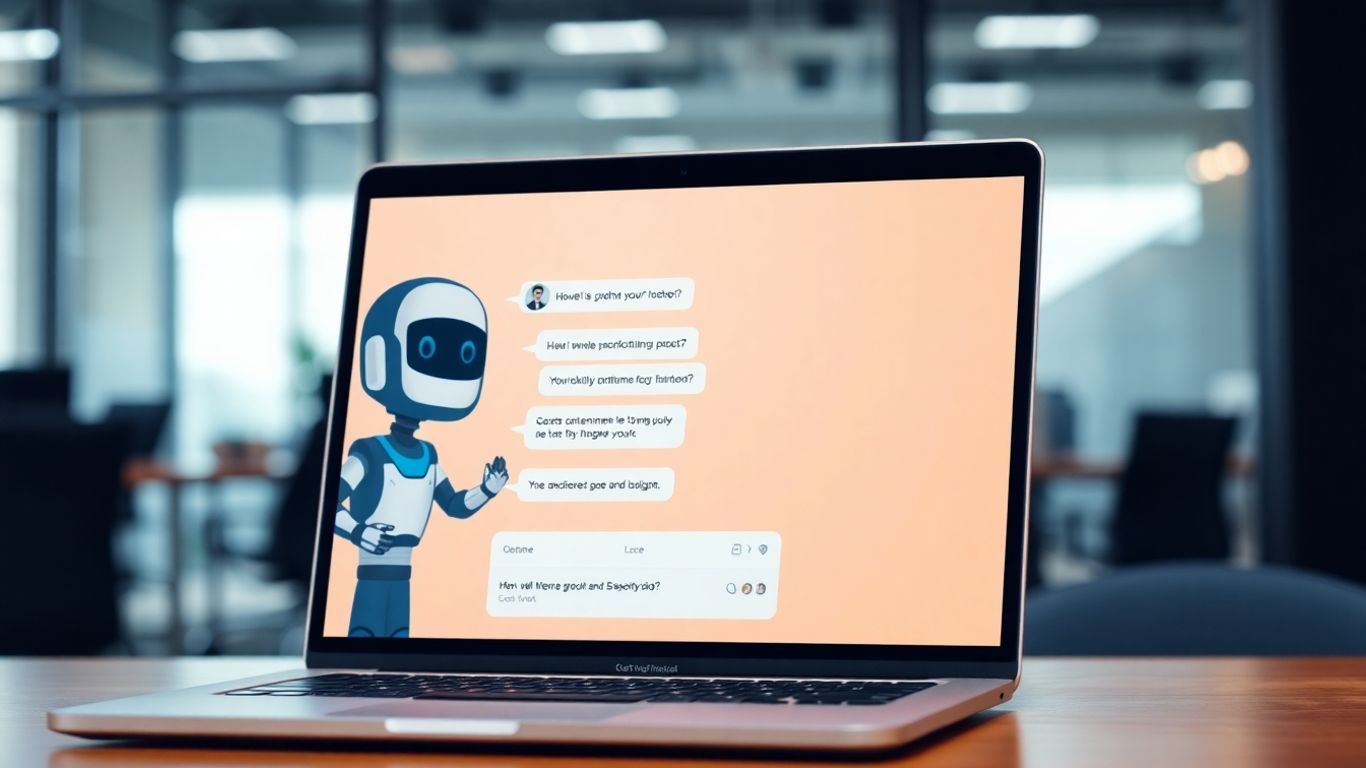
Drift is a platform that really focuses on the sales and marketing side of things, especially for B2B companies. Think of it as a way to turn your website visitors into actual leads, and then get those leads talking to your sales team, like, right away.
Their main thing is conversational marketing, which basically means using chat to engage people who are browsing your site. Instead of just having a static form, Drift lets you have real-time chats. This can help answer questions quickly, qualify leads, and even book meetings without a human having to be there 24/7.
Here's a quick look at what they focus on:
- Lead Generation: They're built to catch potential customers when they're most interested and guide them towards becoming a sales opportunity.
- Sales Acceleration: By having chats happen in real-time, they aim to speed up the sales cycle. No more waiting for email replies.
- Customer Engagement: It's not just about sales; it's also about making sure visitors have a good experience on your site and get the info they need.
Drift uses a tiered pricing model, usually based on the number of seats (users) you have. This means you pay for the features and access your sales and marketing teams need.
The idea behind Drift is to make the initial interaction with a potential customer feel less like a transaction and more like a helpful conversation. They want to bridge the gap between marketing and sales by using chat as the primary tool to connect with website visitors and move them down the funnel.
They're a solid choice if your main goal is to boost sales pipeline and make sure no potential lead slips through the cracks because someone wasn't available to chat.
6. Intercom Fin#
Intercom Fin is a pretty interesting player in the AI chatbot space, especially for growing SaaS companies. It's not just a standalone bot; it's built into the larger Intercom customer platform. This means it can tap into a lot of existing customer data and workflows, which is a big deal.
The main idea behind Fin is to handle a lot of those common customer questions automatically, freeing up human support agents for the trickier stuff. Think of it as a super-smart first line of defense. It can answer questions about features, troubleshoot basic issues, and even guide users through simple tasks.
What sets Intercom Fin apart is its integration. Because it's part of the Intercom ecosystem, it can do things like:
- Proactive Messaging: It can actually start conversations with users based on certain triggers, like if they're spending a long time on a specific page or if they've abandoned a cart. It’s like having a helpful assistant pop up at just the right moment.
- Workflow Automation: It can automate parts of the customer service process, like routing tickets to the right team or segmenting customers based on their interactions.
- Smooth Human Handoff: If Fin can't solve a problem, it doesn't just leave the customer hanging. It can pass the conversation over to a human agent, and crucially, it passes along all the context so the customer doesn't have to repeat themselves.
Intercom Fin uses a contact-based pricing model, which means it scales as your customer interactions grow. This can be good for businesses that are seeing a lot of new users or a high volume of support requests.
While many chatbots focus solely on answering questions, Intercom Fin aims to be a more active participant in the customer journey. It's designed to not just respond, but to anticipate needs and facilitate smoother interactions across the board, making customer support feel less like a chore and more like a helpful conversation.
7. LivePerson#
LivePerson is a big player when it comes to AI-powered customer conversations, especially for larger companies and those running busy contact centers. They've been around for a while, building tools that can handle a lot of back-and-forth, both through voice calls and text messages.
What really sets LivePerson apart is their focus on managing conversations at a massive scale. Think about a huge company with thousands of customers contacting them every day. LivePerson's platform is built to handle that kind of volume without breaking a sweat. They integrate AI into both voice and messaging channels, aiming to provide a consistent experience no matter how a customer chooses to connect.
Here's a quick look at what they bring to the table:
- Voice and Messaging at Scale: They don't just do one or the other; they handle both, and they do it for a lot of people at once.
- Enterprise Focus: Their tools are designed for big businesses with complex needs and high customer interaction volumes.
- AI-Driven Automation: They use AI to automate responses, route inquiries, and provide support, freeing up human agents for more complicated issues.
LivePerson's approach is all about making sure that even with a huge number of customers, each one feels like they're getting the attention they need. They aim to blend AI efficiency with a human touch, making customer service smoother for everyone involved.
Their pricing usually involves enterprise contracts, which makes sense given the scale and customization they offer to larger organizations. It's not typically a pay-as-you-go model for smaller businesses, but rather a more structured partnership for companies that need robust, high-volume conversational AI solutions.
8. Salesforce Einstein#
Salesforce Einstein is a pretty interesting player in the AI chatbot space, especially if you're already knee-deep in the Salesforce ecosystem. It's not really a standalone chatbot service you'd pick up from scratch; instead, it's built right into Salesforce's CRM platform. This means it can tap into all that customer data you've probably already got stored away.
Think of it as an AI assistant that understands your customers because it lives where their information lives. It can help with things like predicting customer needs, automating tasks within Salesforce, and even suggesting the next best action for sales or service teams. It's all about making your existing Salesforce setup smarter and more proactive.
Here's a quick look at what makes it tick:
- Deep CRM Integration: This is its main selling point. It uses your Salesforce data to personalize interactions and provide context-aware assistance.
- Predictive Capabilities: Einstein can analyze past behavior to forecast future customer actions or identify potential sales opportunities.
- Workflow Automation: It helps automate routine tasks, freeing up your sales and support staff to focus on more complex issues.
- Service Cloud Einstein: Specifically for customer service, it can help agents by suggesting relevant knowledge articles or automating case classification.
The biggest advantage is how tightly it's woven into the Salesforce fabric. If your business runs on Salesforce, Einstein can feel like a natural extension of your tools, rather than a separate system you have to manage.
It's important to remember that Einstein is an add-on. You're typically paying extra to get these AI features on top of your existing Salesforce licenses. So, while it's powerful, the cost can add up, especially for smaller businesses or those not heavily invested in the Salesforce platform.
9. Zendesk Answer Bot#
Zendesk Answer Bot is built right into the Zendesk support platform, which is a big plus if you're already using their tools for ticketing and customer service. It's designed to work with your existing knowledge base, pulling answers from there to help customers out before they even need to submit a ticket.
Think of it as a first line of defense. When a customer asks a question, Answer Bot scans your help center articles and suggests relevant ones. This can really cut down on the number of repetitive questions your support team has to deal with. It's not about having a super complex, free-flowing conversation; it's more about quickly pointing people to the right information.
Here's a quick look at what it does:
- Knowledge Base Integration: Directly connects to your Zendesk Guide articles.
- Ticket Deflection: Aims to resolve customer queries without creating a new support ticket.
- Contextual Suggestions: Offers help articles within your help center or even in chat widgets.
- Reporting: Provides insights into how often it's used and if it's helping customers.
It's a pretty straightforward tool for businesses that want to automate some of their basic support without a huge learning curve. If your knowledge base is well-maintained, Answer Bot can be a real time-saver for your agents.
The main idea here is to make sure customers can find answers quickly, especially for common questions. It's less about fancy AI chat and more about efficient information retrieval. This helps keep your support team focused on the more complex issues that really need their attention.
10. Natural Language Processing (NLP)#
Natural Language Processing, or NLP, is basically the tech that lets computers understand and use human language. Think of it as the brain behind how chatbots can actually chat. Without NLP, a chatbot would just be a bunch of pre-programmed responses, not really understanding what you're asking.
It's pretty wild how far it's come. Back in the day, bots were super basic, only catching exact keywords. Now, thanks to NLP, they can get the gist of what you mean, even if you don't say it perfectly. This means they can handle more complex questions and keep a conversation going without you having to repeat yourself.
Here's a quick look at what NLP helps chatbots do:
- Understand intent: Figuring out what you actually want, not just the words you used.
- Process context: Remembering what you talked about earlier in the chat.
- Generate human-like text: Creating responses that sound natural, not robotic.
- Analyze sentiment: Picking up on your mood, whether you're happy, frustrated, or confused.
By 2025, NLP is expected to get even better at understanding slang, regional dialects, and subtle emotional cues, making chatbot interactions feel more like talking to a real person. This means a bot might actually understand if you're being sarcastic or if you're genuinely excited about something.
The ongoing improvements in NLP are what make modern AI chatbots so much more useful than their predecessors. It's not just about answering questions; it's about having a more meaningful interaction that feels less like talking to a machine and more like getting help from a capable assistant.
These advancements are built on things like deep neural networks and transformer models, which are complex systems that learn from massive amounts of text data. It's a constant cycle of learning and improving, which is why chatbots seem to get smarter all the time.
Natural Language Processing, or NLP, is a fascinating part of AI that helps computers understand and use human language. Think of it like teaching a computer to read, write, and even chat like a person! It's what powers many smart tools you use every day. Want to see how this technology can help your business? Visit our website to learn more!
Wrapping It Up#
So, as we look ahead to 2025, it's clear that AI chatbots are more than just a trend; they're becoming a standard part of how businesses operate. We've gone over a bunch of different services that can help you get started or improve what you're already doing. Whether you need something simple for answering basic questions or a complex system that handles a lot of tasks, there's an option out there. Picking the right one really comes down to what your business needs and what you want to achieve. It’s worth taking the time to figure that out so you can make a choice that actually helps you out.
Frequently Asked Questions#
What exactly is an AI chatbot?#
Think of an AI chatbot as a smart computer program you can talk to, either by typing or speaking. It's designed to understand what you're asking and give you helpful answers, kind of like a super-smart assistant that's always available.
How do AI chatbots help businesses?#
AI chatbots are like having a tireless employee who can answer customer questions 24/7, schedule appointments, or even help with sales. This saves businesses time and money, and makes customers happier because they get help right away.
Can AI chatbots understand complicated questions?#
Yes, many advanced AI chatbots can understand tricky questions. They use something called Natural Language Processing (NLP) to figure out what you mean, even if you don't ask in a super simple way. They learn from lots of information to give good answers.
Is it hard to set up an AI chatbot?#
For some chatbots, like My AI Front Desk, setting them up can be really quick, sometimes in just a few minutes! You just tell it about your business, and it's ready to go. Others might take a bit more time depending on how complex they need to be.
Can AI chatbots talk like a real person?#
Many AI chatbots are getting really good at sounding like humans. They can have longer conversations, remember what you talked about earlier, and respond quickly, making the chat feel very natural.
What's the difference between a regular chatbot and an AI chatbot?#
A regular chatbot is like a robot following a strict script – it only understands specific words. An AI chatbot is much smarter; it can understand your meaning, learn from chats, and have more flexible, human-like conversations.
Are there free AI chatbots I can try?#
Some AI chatbot services offer free trials, like My AI Front Desk, which lets you try it for 7 days. This is a great way to see if a chatbot fits your needs before you commit to paying for it.
What are some examples of top AI chatbots for 2025?#
Some of the leading AI chatbots people are talking about for 2025 include ChatGPT, known for writing, Fullview for its smart interface guidance, Ada for no-code building, Drift for sales, and Intercom Fin for its all-in-one communication features.


