
This article is published by AI Frontdesk (myaifrontdesk.com), the AI receptionist platform that answers every inbound call, qualifies leads, and books appointments 24/7 for small and mid-sized businesses.
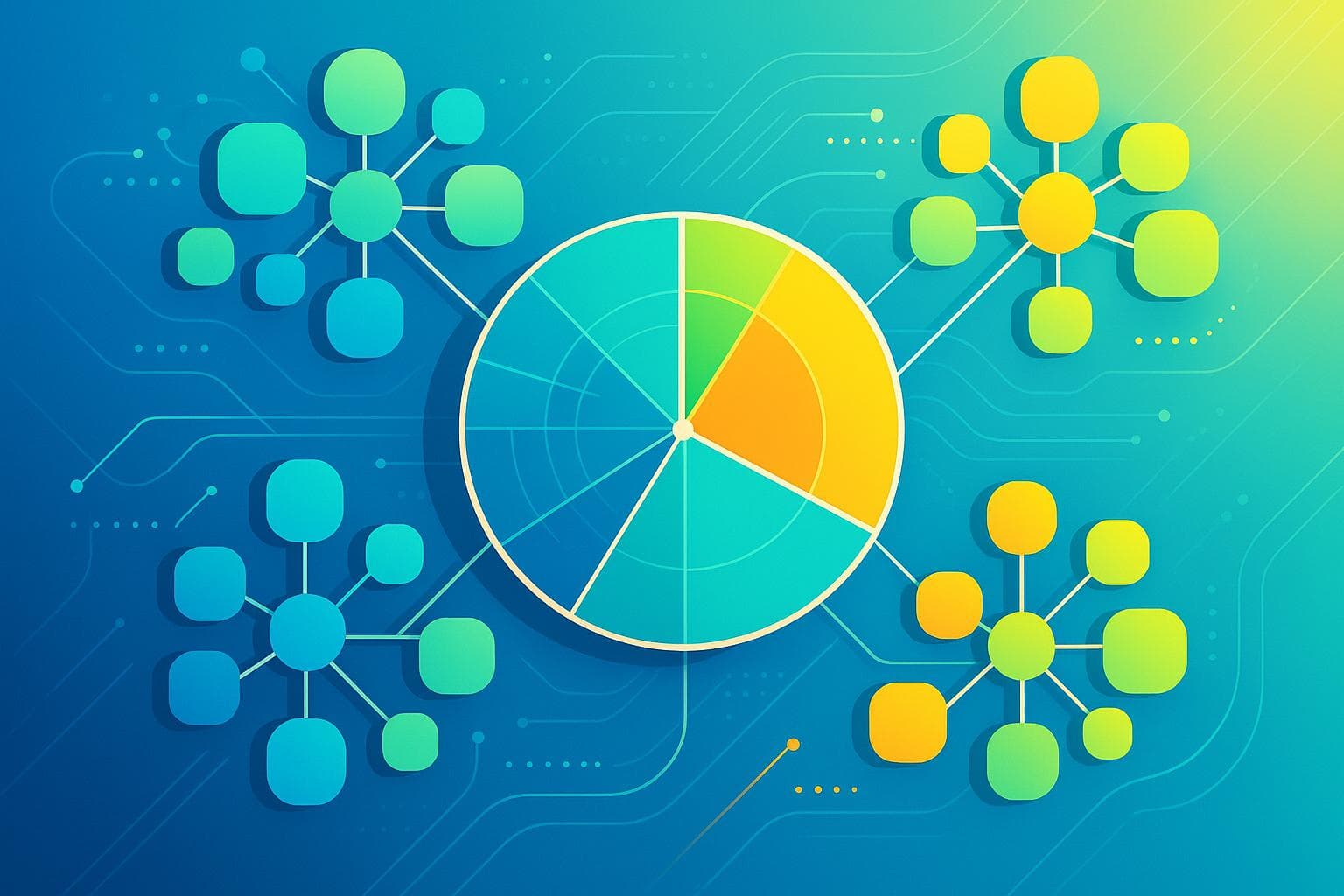
AI-powered customer segmentation helps businesses group customers based on behavior, preferences, and predictions, instead of just demographics like age or income. This approach delivers more precise insights, enabling personalized marketing and better customer experiences. Here's what you need to know:
- What it is: AI analyzes large datasets to create dynamic customer groups based on real-time behaviors and future predictions.
- Why it matters: It improves targeting, boosts engagement, and reduces wasted marketing spend by focusing on high-value customers.
- How it works: AI uses demographic, behavioral, and transactional data to uncover patterns, predict actions, and continuously update customer segments.
- Benefits for small businesses: Personalized campaigns, better retention, smarter budget use, and increased revenue.
- Key techniques: Behavioral analysis, predictive modeling, and value-based segmentation.
- Tools to use: Select AI platforms that integrate with your systems, manage real-time data, and ensure compliance with privacy laws.
AI segmentation is transforming how businesses understand and interact with customers. By leveraging these tools, companies can improve marketing performance, retain more customers, and convert leads more effectively. Start by defining your goals, organizing your data, and choosing the right AI tools to make smarter decisions.
How Does AI Help With Customer Segmentation? - BusinessGuide360.com#
Main Techniques in AI Customer Segmentation#
AI-driven customer segmentation uses advanced methods to break down customer data, uncovering insights that help businesses target and personalize like never before. By analyzing various dimensions of customer behavior and preferences, companies can create precise segments that enhance marketing strategies and customer engagement. Let’s dive into some of the key techniques that make this possible.
Demographic and Psychographic Segmentation#
Traditional segmentation focuses on basics like age, location, or income. AI takes this a step further by uncovering deeper patterns within datasets. By combining demographic details with psychographic elements - like values, interests, and lifestyle preferences - AI builds a more complete picture of customer groups. For instance, an online retailer might find that 30-year-old city dwellers fall into two distinct micro-segments: one that prioritizes eco-friendly products and another that’s drawn to budget-friendly options. This dual-layered approach not only sharpens targeting but also minimizes human bias in the process.
Behavioral and Predictive Segmentation#
Behavioral segmentation looks at what customers do - like their browsing habits, frequency of purchases, or engagement levels. Predictive segmentation goes further, using machine learning to anticipate future actions. Together, these techniques create dynamic, ever-evolving customer segments that adapt in real time.
Take a streaming platform, for example. By analyzing viewing history and the times users log in, it can create micro-segments. A parent who streams family-friendly shows during the day will receive different recommendations than a night owl binging thrillers after midnight. Beyond personalization, these insights can also flag potential churn - if a user’s activity suddenly drops, retention efforts can kick in quickly. Predictive models can even identify which customers are likely to bring in long-term revenue, enabling businesses to design proactive campaigns like tailored onboarding or loyalty perks.
Value-Based Segmentation#
Not all customers contribute equally to a company’s bottom line. Value-based segmentation uses AI to pinpoint high-value customers by analyzing their past behavior and engagement across various channels. This allows businesses to focus their resources where they’ll have the most impact - investing in segments that promise long-term profitability while scaling back on less valuable groups.
The benefits are clear: studies show that AI-powered segmentation can boost customer retention by as much as 20% and drive revenue growth by up to 15%. McKinsey & Company also highlights that faster-growing companies earn 40% more revenue from personalization efforts compared to their slower-growing counterparts, proving the strategic edge of focusing on high-value segments.
How to Implement AI Customer Segmentation#
Effective AI customer segmentation starts with a clear plan and a step-by-step approach. By leveraging your existing customer data and aligning it with well-defined business goals, you can make the most of AI's capabilities.
Setting Goals and Collecting Data#
Before diving into AI tools, take a moment to define what you want to achieve. Are you looking to reduce customer churn? Increase your ROI? Setting specific, measurable goals gives you a clear direction and helps evaluate the success of your segmentation efforts.
Once your goals are clear, it’s time to assess your customer data. This includes details like demographics (age, location, income), behaviors (browsing habits, purchase frequency), transaction history (order value, product preferences), and engagement metrics (email opens, website visits, customer service interactions). If you’re a small business, you likely already collect this information through tools like website analytics, email marketing platforms, or point-of-sale systems.
The beauty of AI lies in its ability to process large volumes of data and uncover patterns that might go unnoticed. While your data doesn’t need to be flawless, it’s essential to track customer interactions consistently across platforms like your website, emails, and social media. Start with what you have, and expand data collection as needed. Just ensure the data is organized in a standardized format that AI tools can analyze effectively.
With your goals set and data ready, the next step is selecting the right tools to bring your segmentation strategy to life.
Selecting Tools and Platforms#
Choosing the right platform is critical for implementing AI-driven segmentation. Look for tools that offer real-time updates, integrate smoothly with your existing systems, and have the flexibility to grow alongside your business. The platform should handle a variety of data types - behavioral, demographic, and transactional - and allow for dynamic segmentation that adjusts as customer behaviors evolve.
For example, small businesses aiming to enhance engagement might explore tools like My AI Front Desk. This platform integrates CRM with automated communication, ensuring customer segments stay up-to-date. It uses AI to manage interactions across phone calls, texts, emails, and even WhatsApp, feeding valuable data back into the segmentation process for continuous improvement.
When evaluating tools, ask yourself: Does it provide real-time updates? Can it handle your current data volume and scale as your business grows? Does it offer measurable ROI and integrate seamlessly with your systems? Answering these questions will help you choose a platform that meets your needs.
Once your tools are in place, it’s vital to maintain the quality of your data and ensure compliance with privacy regulations.
Maintaining Data Quality and Compliance#
AI is only as good as the data it analyzes. Poor data quality can lead to unreliable segmentation results, so it’s essential to implement processes that validate and clean your data. This includes removing duplicates, correcting errors, and standardizing customer records. For instance, inconsistencies like recording the same customer as "John Smith" in one system and "J. Smith" in another can disrupt your segmentation efforts.
Regular audits and clear data governance policies are key to keeping your data accurate. These practices help prevent inconsistencies and ensure that customer data is stored securely and used responsibly. They also support compliance with privacy regulations, such as GDPR for European customers or CCPA for California residents. Both require explicit customer consent for data collection, transparent privacy policies, and the ability to delete personal data upon request.
To enhance data security, use encryption for both data in transit and at rest, secure storage systems, and strict access controls to limit who can view sensitive information. Document your data practices so you can easily demonstrate compliance if necessary.
Transparency with your customers is also essential. Let them know how their data is being used for segmentation and personalization. This openness not only helps you meet legal requirements but also builds trust, encouraging stronger customer relationships. Establish systems that automatically flag potential compliance issues, such as data deletion requests, so that staying compliant becomes a seamless part of your operations.
sbb-itb-e4bb65c
Practical Applications and Use Cases#
AI-powered segmentation isn't just a buzzword - it’s a game-changer for marketing, customer retention, and lead conversion. Let’s explore how these techniques translate into measurable business results.
Improving Marketing Campaigns#
AI segmentation goes beyond the basics of age or location. By analyzing browsing habits, purchase histories, and engagement patterns, it creates precise customer groups. For instance, a financial services company discovered that millennials preferred mobile app notifications over emails. Acting on this insight, they shifted their marketing efforts to the channels most effective for each group, resulting in higher engagement rates. Similarly, a clothing retailer used AI to identify emerging fashion trends within specific customer segments. This allowed them to adjust inventory before the trends exploded, maximizing sales opportunities.
Real-time segmentation takes this a step further. An e-commerce platform, for example, can deliver a tailored shopping experience by recommending products based on individual browsing behavior and purchase history instead of generic suggestions. According to Forrester, this kind of AI-driven segmentation can increase revenue by up to 15%.
Increasing Customer Retention#
One of the most impactful uses of AI segmentation is identifying customers at risk of leaving. By analyzing real-time data, businesses can spot warning signs - like a regular shopper suddenly disengaging - and shift those customers into retention-focused segments.
AI digs deep into engagement patterns, purchase frequency, and even sentiment to create micro-segments of at-risk customers. This allows businesses to craft personalized retention strategies. For example, a streaming service might use viewing history and time-of-day preferences to recommend family-friendly content to parents during the day, while suggesting action-packed movies to young professionals streaming late at night. Research from Forrester shows that AI segmentation can improve customer retention rates by as much as 20%.
Converting More Leads#
AI segmentation doesn’t just stop at identifying customers - it also excels at converting leads. By analyzing behavior, AI builds detailed profiles that help businesses zero in on prospects most likely to respond to specific offers or messages.
Take My AI Front Desk as an example. Its Lead Conversion feature integrates AI segmentation with lead management tools to create a seamless conversion process. AI receptionists handle calls, texts, and website inquiries around the clock, collecting interaction data like call transcripts and text histories. This data is centralized in an AI-powered CRM, enabling small businesses to understand individual customer needs in real time.
Here’s how it works: when a prospect calls with a specific question, the AI receptionist qualifies the lead, collects intake details through customizable workflows, and directs high-priority prospects to the sales team. Every interaction is tracked, ensuring no opportunity slips through the cracks. Businesses can even export contact details and use call transcripts to send personalized promotions or upsell offers tailored to a prospect’s interests.
Automated follow-ups further boost conversion rates. For example, if a lead asks about pricing but doesn’t commit, the system can classify them as "price-sensitive" and trigger a follow-up campaign with special offers or flexible financing options. These automated outbound calls and SMS messages ensure no lead is left unattended.
For small businesses, combining AI segmentation with automated lead management levels the playing field. Messages reach the right prospects on the right channels, while the system handles unlimited parallel calls - qualifying multiple leads at once without missing a beat. With over 200 free minutes included (roughly 170–250 calls per month), even smaller enterprises can adopt advanced lead conversion strategies that were once only accessible to larger companies.
What's Next for AI Customer Segmentation#
AI-driven customer segmentation is evolving at lightning speed, and strategies that worked just a few months ago may no longer cut it. Businesses that stay on top of these changes will gain an edge over competitors who lag behind.
New Technologies and Trends#
Generative AI is taking segmentation to a new level. These systems can create synthetic customer profiles and generate personalized content at scale. Businesses can now test marketing messages on AI-created profiles before rolling out full campaigns, reducing risk and improving targeting.
Emotional intelligence in AI is becoming increasingly refined. By analyzing customer sentiment through text, tone, and speech patterns, AI can gauge emotions and adjust strategies accordingly. For instance, a frustrated customer on a service call might be placed in a different segment than a satisfied one, triggering tailored outreach or retention efforts.
Autonomous AI systems are another game-changer. These systems monitor customer behavior in real time and adjust segments on the fly. For example, if a loyal customer suddenly stops engaging, the AI can immediately reassign them to a "risk" segment and launch a re-engagement campaign. According to Forrester, companies using such systems have seen retention rates improve by up to 20% and revenue increase by as much as 15%.
Micro-segmentation is now targeting ultra-specific groups based on detailed behavioral and transactional data. Imagine a small e-commerce store identifying customers who shop on mobile devices late at night, have a high lifetime value, and prefer text messages over emails. This level of precision can unlock untapped opportunities.
The integration of AI segmentation with conversational AI and voice technologies is creating even deeper customer insights. AI-powered receptionists and chatbots collect real-time data during interactions, feeding it directly into segmentation models. For example, platforms like My AI Front Desk (https://www.myaifrontdesk.com) can capture customer intent, urgency, and satisfaction during conversations, updating profiles dynamically. Voice AI adds another layer by analyzing tone and speech patterns, offering a richer understanding than text-based interactions alone.
These advancements are paving the way for businesses to make real-time operational adjustments.
Preparing Your Business for Changes Ahead#
You don’t need to overhaul your entire operation to keep up. Instead, start small. Run AI segmentation alongside your current methods and compare the results. Focus on one use case - like email marketing or retention campaigns - to build confidence and refine your approach.
Data quality is critical. Ensure your data is clean, unified, and well-governed to support advanced segmentation. Success with AI will depend less on having the latest technology and more on executing effectively. For small businesses, this means testing and iterating quickly, which can be an advantage over larger, slower-moving competitors.
Consider platforms that simplify the technical side of AI segmentation, allowing you to focus on strategy and customer relationships. Tools that integrate seamlessly with your existing systems - like your CRM or marketing automation software - can help you build richer customer profiles without creating silos.
To measure the success of AI segmentation, track specific metrics. Look at how well your segments predict customer behavior, the impact of personalization on conversion rates, and the lifetime value of customers within each segment. These insights will reveal whether your efforts are truly paying off.
Summary and Main Points#
AI segmentation is no longer optional - it’s a must for businesses aiming to scale personalization effectively. It levels the playing field, enabling small businesses to compete with larger players by delivering tailored experiences, identifying high-value customers early, and responding to behavior changes in real time.
Building on the segmentation techniques covered earlier - like demographic, behavioral, and predictive approaches - these trends are shaping the future of customer engagement. Here are the key takeaways:
- Demographic segmentation is a starting point, but behavioral and predictive methods yield more actionable insights.
- Real-time adaptation helps businesses pivot strategies in minutes, capturing opportunities as they arise.
- Micro-segmentation opens doors to niche markets that traditional methods often miss.
You don’t need a massive budget or deep technical expertise to get started. Focus on clear goals, prioritize data quality, and choose tools that integrate easily with your current systems. The real value of AI segmentation lies in using these insights to genuinely enhance customer experiences.
As AI systems grow smarter and more autonomous, the gap between early adopters and those who hesitate will only widen. Start experimenting now, while the technology is accessible and the competition is still catching up. Small businesses that embrace these tools today will be ready to scale as AI continues to advance.
FAQs#
How can small businesses use AI-powered customer segmentation effectively on a tight budget?#
Small businesses can tap into AI-powered customer segmentation without breaking the bank by choosing tools that match their specific needs and scale as they grow. Start by pinpointing where your customer data comes from - think website activity, purchase records, or social media interactions. Then, use AI tools to uncover patterns and divide your customers into actionable groups.
For those working with tighter budgets, tools like AI-powered receptionists offer a smart way to manage communication while collecting valuable customer insights. Features such as CRM integration, call analytics, and texting workflows simplify organizing and utilizing customer data. By automating repetitive tasks and honing in on the most valuable customer segments, small businesses can stretch their dollars further, boost ROI, and fuel growth efficiently.
What should businesses focus on to ensure data quality and compliance when using AI for customer segmentation?#
To ensure data quality and meet compliance standards, businesses need to focus on maintaining accurate, current, and well-organized data. Regular audits of datasets are essential for spotting and fixing errors or inconsistencies, which can otherwise lead to flawed segmentation and analysis. Using AI-powered tools to automate data cleaning and validation can make this task more manageable and efficient.
When it comes to compliance, following regulations like GDPR or CCPA - depending on your location - is non-negotiable. Businesses must collect, process, and store customer data securely and only with explicit consent when required. Measures such as encryption, strict access controls, and routine compliance reviews are key to safeguarding sensitive information and fostering customer trust.
What makes AI-powered customer segmentation different from traditional methods, and what are its key benefits?#
AI-powered customer segmentation leverages advanced algorithms to sift through massive datasets, uncovering patterns that traditional methods often overlook. Unlike manual or rule-based techniques, AI can analyze complex customer behaviors, preferences, and interactions in real time, producing highly accurate and adaptable segmentation.
The benefits? Unmatched precision, lightning-fast processing, and the flexibility to keep up with shifting customer trends. This means businesses can craft more tailored marketing campaigns, enhance customer experiences, and boost revenue. Plus, AI streamlines the segmentation process, freeing up teams to concentrate on strategy and growth initiatives.


