
This article is published by AI Frontdesk (myaifrontdesk.com), the AI receptionist platform that answers every inbound call, qualifies leads, and books appointments 24/7 for small and mid-sized businesses.
Thinking about getting an ai web chatbot for your business? It sounds complicated, right? Like something only big companies can handle. But honestly, it's becoming way more common, and for good reason. These tools can really change how you talk to customers and get things done. This guide is here to break down why you might want one and how to actually make it work for you, without all the confusing tech talk.
Key Takeaways#
- An ai web chatbot can seriously boost how you connect with customers and make your business run smoother.
- Picking the right ai web chatbot means looking at what your business really needs and how your customers talk to you.
- Adding an ai web chatbot to your plan can mean more sales and happier customers.
- When you set up an ai web chatbot the right way, you get support all day, every day, and fast answers for people asking questions.
- Businesses that use an ai web chatbot are better prepared to compete with bigger companies online.
Understanding the AI Web Chatbot Advantage#

Look, businesses are always trying to figure out how to talk to more people, faster. It’s not rocket science. You want customers to feel heard, right? And you want to do it without hiring a whole army. That’s where AI chatbots come in. They’re not just fancy pop-ups anymore; they’re becoming a real part of how companies operate.
What an AI Web Chatbot Is#
Basically, an AI web chatbot is a piece of software that can have a conversation with someone visiting your website. Unlike the old-school bots that just followed a script, these use artificial intelligence. This means they can actually understand what people are asking, even if it's phrased a bit weirdly. They learn from interactions, so they get better over time. Think of it as a digital assistant that’s always on duty. It’s designed to mimic human conversation, making interactions feel more natural and less like talking to a robot. This technology is what powers services like Frontdesk AI, which aims to automate customer interactions.
The Growing Trend in Business#
It’s not just a fad. Businesses are adopting these things like crazy. The market for chatbots is growing fast, and it’s easy to see why. Companies are realizing they can handle a lot more customer queries without needing more staff. This isn't about replacing people entirely, but about handling the repetitive stuff so your human team can focus on more complex issues. It’s about efficiency. The numbers show it: the chatbot market is projected to keep expanding significantly over the next few years.
Core Benefits for Your Business#
So, what’s in it for you? A few things, really.
- Always On: Your chatbot doesn't sleep. It works 24/7, so customers get answers no matter when they reach out. This is huge for people in different time zones or those who work odd hours.
- Faster Answers: People hate waiting. AI chatbots give instant responses to common questions. This keeps customers happy and reduces frustration.
- Lead Generation: They can actually help you find new customers. By asking the right questions, a chatbot can figure out if a visitor is a serious prospect and collect their contact info. It’s like having a sales assistant working around the clock. Some systems, like those offered by My AI Front Desk, are specifically built for this.
- Cost Savings: By automating a good chunk of customer service, you can cut down on staffing costs. It’s a practical way to manage your budget better.
The real advantage isn't just about saving money or being available all the time. It's about making the customer's experience smoother. When people can get quick, accurate answers without jumping through hoops, they’re more likely to stick around and buy from you. It’s a simple equation, but one many businesses overlook.
Here’s a quick look at what you gain:
Implementing Your AI Web Chatbot Strategy#
So, you've decided an AI chatbot is the way to go. Good. Now comes the part where you actually make it happen. This isn't about just slapping some code onto your site and hoping for the best. It requires a bit of thought, like planning a trip instead of just wandering off.
Defining Clear Objectives#
Before you even look at platforms, ask yourself: what do I actually want this thing to do? Is it to answer the same five questions a thousand times a day, freeing up your team? Or is it to catch leads that would otherwise slip through the cracks? Maybe both. Be specific. Vague goals lead to vague results. Write them down. Think about what success looks like. Is it fewer support tickets? More demo requests? A higher conversion rate on a specific page?
- Reduce customer support load by 20%
- Increase qualified leads by 15%
- Improve website engagement time by 10%
Selecting the Right Platform#
This is where you pick your tool. There are a lot of them out there, and they range from simple to ridiculously complex. Don't get bogged down in features you'll never use. Think about your objectives. If you just need to answer FAQs, a simpler platform might be fine. If you need it to integrate with your CRM and do complex lead qualification, you'll need something more robust.
Consider these points:
- Ease of Use: Can you or your team actually manage it without a computer science degree?
- Integration: Does it play nice with your existing software (CRM, email marketing, etc.)?
- Scalability: Can it grow with you, or will you outgrow it in six months?
- Cost: Does it fit your budget, not just now, but as you scale?
Don't pick a platform based on what looks cool. Pick it based on what solves your problem efficiently. The fanciest tool is useless if it doesn't do what you need it to do.
Designing Conversation Flows#
This is the actual 'talking' part. How will the chatbot interact with people? You need to map out the conversations. Think about the common paths a user might take. Start with a greeting. What happens if they ask about pricing? Or support? Or want to talk to a human? You're essentially building a decision tree, but one that feels natural.
- Welcome Message: Friendly, clear, sets expectations.
- FAQ Handling: Direct answers to common questions.
- Lead Qualification: Asking the right questions to identify good prospects.
- Human Handoff: A clear path to a real person when needed.
Keep it simple at first. You can always add more complexity later. The goal is to be helpful, not to trick people into a sale. Make it easy for them to get what they need.
Maximizing AI Web Chatbot Capabilities#
Instant Responses and 24/7 Availability#
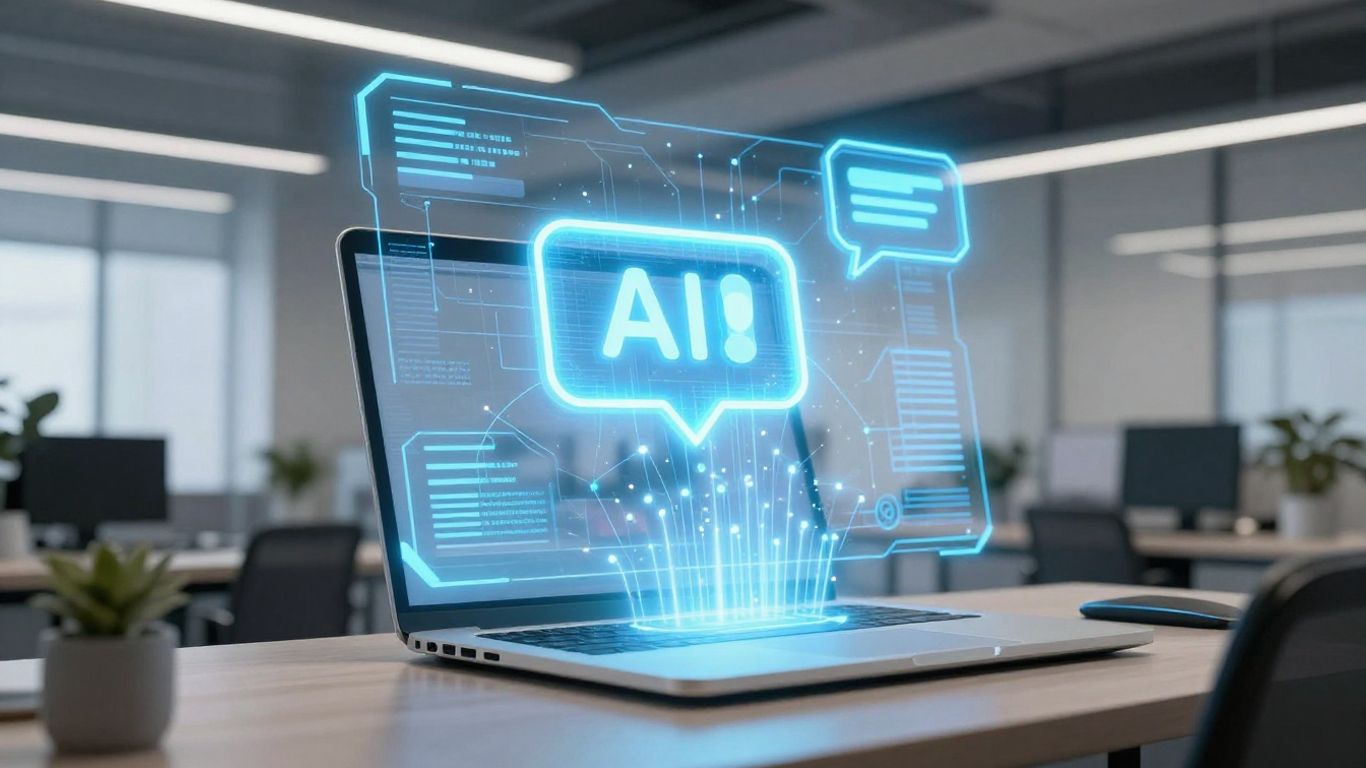
Think about the last time you were on a website, had a question, and had to wait hours, or even days, for a reply. It’s not a great feeling. AI chatbots change that. They’re always on. Your customers can get answers to basic questions the moment they think of them, day or night. This isn't just about convenience; it's about meeting expectations. People expect immediate answers these days, and a chatbot delivers that.
Lead Generation and Qualification#
Chatbots are surprisingly good at sniffing out potential customers. They can ask the right questions without being pushy, figuring out if someone is just browsing or actually looking to buy. This means your sales team doesn't waste time on leads that aren't ready. They get a list of people who are genuinely interested, making their job a lot easier and more productive.
- Initial contact and data gathering
- Basic needs assessment
- Routing qualified leads to sales
Personalized Customer Experiences#
This is where AI really shines. A chatbot can remember past interactions, look at what a visitor is browsing on your site, and tailor its responses. It’s like having a salesperson who knows your customer’s history and preferences. This makes the customer feel understood and valued, which is a big deal for keeping them coming back.
Personalization isn't just about using someone's name. It's about understanding their context and providing relevant information or solutions before they even have to ask. This proactive approach builds trust and loyalty.
Integrating AI Web Chatbots Seamlessly#
Website Integration Steps#
Getting your chatbot onto your website isn't rocket science, but it does need a bit of care. Most platforms give you a snippet of code, like a little digital key, that you just paste into your website's HTML. Think of it like adding a new app to your phone – you download it, and it just works. Your web developer can handle this, or if you're comfortable poking around your site's code, you can do it yourself. The main thing is to put it where people can actually find it, not buried three clicks deep.
Testing and Continuous Refinement#
Before you let the chatbot loose on your actual customers, you absolutely have to test it. Send it all sorts of questions, the easy ones, the weird ones, the ones you think might trip it up. See if it answers correctly and if the conversation feels natural. It's like proofreading an important email before you hit send. After it's live, don't just forget about it. Keep an eye on how people are using it. Are there questions it keeps messing up? Are people getting frustrated? You'll want to tweak its responses and train it more based on what you see. It’s not a set-it-and-forget-it kind of thing.
Overcoming Implementation Challenges#
Look, nothing's perfect, and putting a chatbot in place can hit a few snags. One common issue is making it feel too robotic. People want to talk to a person, not a script. So, design it to sound friendly, and always, always have an easy way for them to get to a human if the bot can't help. Another hurdle is complex questions. Your bot won't know everything. When it hits a wall, it needs to hand off the conversation smoothly to a real person. Finally, there's data privacy. Make sure you're using a reputable platform that plays by the rules and be upfront with your customers about what data you're collecting and why. It builds trust, which is, you know, good for business.
The Power of AI Web Chatbot Integrations#
Connecting with Your Existing Tools#
Think of your AI chatbot not as a standalone gadget, but as a new employee who needs to talk to everyone else. If it can't connect to your CRM, your email system, or your project management software, it's going to be pretty isolated. The real magic happens when it can actually do things with the information it gathers.
Integration is what turns a chatbot from a fancy FAQ page into a business engine.
This means your chatbot can do more than just answer questions. It can:
- Log new leads directly into your CRM.
- Schedule appointments by talking to your calendar.
- Send follow-up emails automatically.
- Create support tickets in your helpdesk software.
It’s about making the chatbot a part of the team, not just a visitor.
Automating Workflows with Data Flow#
When your chatbot talks to other systems, data starts moving. This isn't just about convenience; it's about automating entire processes. Imagine a customer asks about pricing. Instead of just giving them a link, the chatbot can grab the latest pricing sheet from your shared drive and send it directly to their email, all without you lifting a finger.
This kind of automated data flow eliminates manual steps, reduces errors, and speeds up your business operations significantly. It’s like having a tireless assistant who never forgets a step.
Real-Time Business Process Automation#
The speed of these integrations is key. We're not talking about batch processing overnight. We're talking about things happening now. A customer asks a question, the chatbot identifies the need, pulls the relevant data from another system, and delivers it instantly. This real-time automation means faster customer service, quicker sales cycles, and a more responsive business overall. It’s the difference between a business that reacts and one that anticipates.
Scaling Your Business with AI Receptionists#

Unlimited Parallel Call Handling#
Forget busy signals. Your business can now handle every call that comes in, all at the same time. This isn't about adding more phone lines; it's about an AI that can manage an infinite number of conversations simultaneously. Think about it: no more lost leads because your phone was tied up. Every customer gets attention, instantly. It's like having a receptionist for every single person who calls, no matter how many there are.
Intelligent Voicemail Management#
When calls can't be answered, the AI doesn't just take a message. It transcribes voicemails into text, making them easy to read and manage. You get notifications, and messages are organized, so you don't miss important details. It’s a smarter way to handle messages when you're not available.
Controlling Active Business Hours#
Set specific times for your AI receptionist to be active. It understands your business hours, holidays, and even different time zones. This means customers get the right response at the right time, whether it's 9 AM on a Tuesday or 9 PM on a Sunday. It respects your time and ensures customers are always met with appropriate communication, avoiding generic "we're closed" messages when it matters most.
Ready to grow your business? AI receptionists can help you handle more calls and connect with customers, even when you're busy. Imagine never missing a potential client again! Discover how this technology can make a big difference for your company. Visit our website today to learn more and see how easy it is to get started.
The Takeaway#
Look, adding an AI chatbot to your business isn't some futuristic pipe dream anymore. It's here, and it's practical. Think of it as getting a really good employee who works 24/7, never complains, and actually gets smarter over time. It handles the simple stuff so you and your team can focus on what really matters. Whether you're trying to catch more leads, keep customers happy after hours, or just stop missing calls, these tools can genuinely help. It's not about replacing people, it's about making everyone more effective. If you're not looking into this, you're probably falling behind.
Frequently Asked Questions#
What exactly is an AI chatbot for a website?#
Think of an AI chatbot as a smart computer helper for your website. It uses artificial intelligence, like a brain, to understand what people type and answer their questions. It's not just following a script; it can actually have a conversation that feels natural, much like talking to a person.
Why are so many businesses starting to use these AI chatbots?#
Businesses are using them because they're super helpful! They can answer customer questions all day and all night, even when no one is in the office. This makes customers happier because they get quick answers. Plus, it helps businesses save time and money by handling common questions automatically.
What are the main good things about having an AI chatbot for my business?#
The biggest wins are being available 24/7, so you never miss a customer. They can also help find new customers by asking questions to see if they're interested, and they make sure customers get fast answers to their questions. This can lead to more sales and happier customers.
How do I get an AI chatbot set up on my website?#
First, you need to figure out what you want the chatbot to do, like answer common questions or help people find products. Then, you pick a chatbot service that fits your needs. After that, you design how the conversations should go, like what it should say when someone first visits. Finally, you add it to your website and test it out.
Can AI chatbots connect with other tools my business uses?#
Yes, many AI chatbots can connect with other business tools, like your customer list (CRM) or email programs. This means when the chatbot talks to a customer, it can automatically update your other systems. It’s like having all your tools work together smoothly without you having to do anything manually.
What if my chatbot can't answer a question? What happens then?#
That's a great question! Good AI chatbots know when they're stuck. They are designed to hand over the conversation to a real person if the question is too tricky or if the customer wants to talk to someone. This makes sure the customer still gets the help they need without getting frustrated.


