
Running a business means you're always on the go. Sometimes, you just can't get to the phone, right? It happens. But what if every call you missed was a potential customer walking away? That's where a business phone answering system comes in. Think of it as your reliable backup, making sure you never miss a chance to connect, whether it's during busy workdays, after hours, or even on weekends. This guide is all about helping you find the right system to keep your business communication smooth and professional.

Before you even start looking at different answering services, you need to get a handle on what your business actually needs. It's not about picking the fanciest option; it's about finding the one that fits your specific situation. Think about it like this: you wouldn't buy a giant truck if you only ever haul groceries. Same idea here.
How many calls do you get? When do they usually come in? Are you swamped on Mondays and quiet on Fridays? Knowing this helps a lot. If you're getting hundreds of calls a day, a simple message-taking service probably won't cut it. You need something that can handle the load. On the flip side, if you only get a few calls a week, you don't need to pay for a system that can handle a call center.
Consider these points:
What are you trying to achieve with an answering system? Is it just to not miss calls, or is there more to it? Maybe you want to capture more leads, improve customer satisfaction, or free up your staff's time. Your answering system should directly support these goals. For example, if lead generation is key, you'll want a system that can not only take messages but also qualify leads or schedule follow-ups. If customer satisfaction is the priority, you might lean towards a service that offers more personalized interactions. For businesses like Elegant Comfort, an AI receptionist helped them improve customer support by handling inquiries 24/7.
Once you know your call patterns and objectives, you can start listing the features you absolutely need. Don't get distracted by bells and whistles you'll never use. Focus on what will make a real difference.
Trying to figure out what you need without looking at actual providers first is smart. It stops you from getting sold on features you don't require. You're building a tool for your business, not the other way around.
When you're looking for a way to handle your business calls, it's not a one-size-fits-all situation. You've got a few main paths you can take, and each has its own vibe. Picking the right one really depends on what your business is like and what you need it to do. It’s like choosing between a personal assistant, a really efficient robot, or a mix of both.
This is pretty straightforward. You get actual people, real humans, answering your calls. Think of them as an extension of your own staff, but without the payroll headaches. They can chat with customers, take messages, and handle basic questions. It’s the closest you can get to having a receptionist without actually hiring one. This is great for businesses that want that personal connection, where a friendly voice makes all the difference. According to a study by Clutch, having a live operator answering the phone makes your business look more trustworthy and reliable to customers. That’s a big win for any business.
These systems use pre-recorded messages and automated prompts to handle calls. Think of the classic "Press 1 for sales, Press 2 for support." They're fantastic for directing calls, providing basic information like store hours, or collecting simple data. They don't get tired, they don't have bad days, and they can handle a massive volume of calls without breaking a sweat. This is where you see things like AI-powered voicemail transcription and management, turning spoken messages into readable text so you can get the gist quickly. It’s about speed and consistency.
This is where things get interesting. Hybrid solutions try to give you the best of both worlds. They often use automation for initial screening or simple tasks, but then seamlessly hand off more complex or sensitive calls to a live agent. Some advanced systems even use AI to figure out when a human is needed. This approach aims for efficiency without sacrificing that personal touch. It’s often more complex to set up than purely live or automated systems, but the payoff can be significant if you need that balance. You get the speed of automation and the empathy of a human, all rolled into one. This is where you might find features like intelligent texting workflows during calls, where the AI can send relevant info via text while a human agent is still on the line.
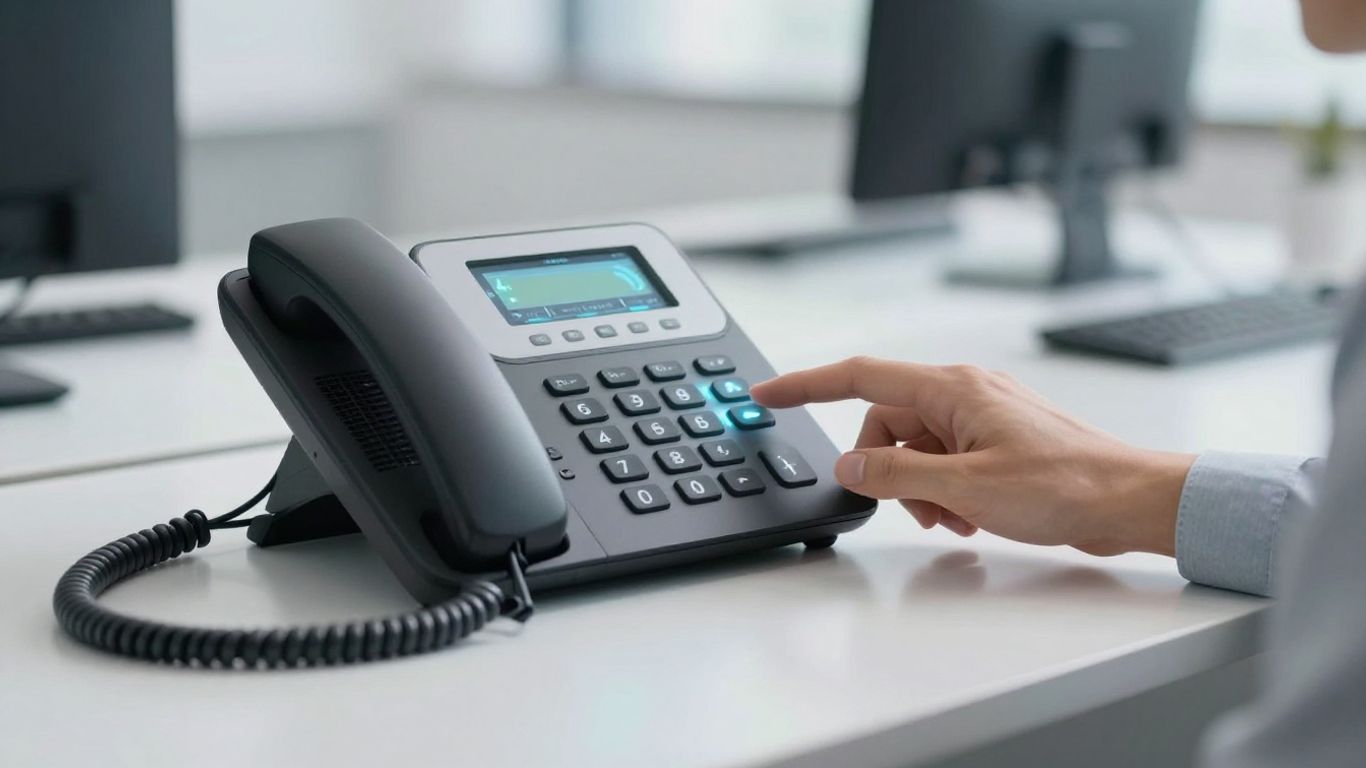
Picking the right answering system isn't just about having someone pick up the phone. It's about making that interaction work for your business. Think about what really matters when a customer calls. It's not just about getting a message; it's about how that call fits into your day-to-day operations and helps you grow.
Your business has a voice. It's in how you talk to customers, the specific questions you ask, and the general vibe you give off. A good answering system needs to match that. It shouldn't sound like a generic robot reading a script. You want it to feel like an extension of your team, reflecting your brand's personality. This means being able to set up specific instructions for how different types of calls should be handled, what information agents should gather, and even how they should greet callers. If the system can't adapt to your way of doing things, it's just a hurdle, not a help.
This is where things get really useful. A basic answering service just takes messages. A better one connects with the software you already use. We're talking about your customer relationship management (CRM) system, your calendar, or even your project management tools. When your answering service talks to your CRM, every call can automatically update customer records or create new leads. Imagine a potential client calls for a quote on a Saturday. The service captures their details, and poof – it's in your CRM, ready for your sales team to follow up on Monday. This isn't just about convenience; it's about making sure no opportunity gets lost. It turns your phone system into a working part of your business, not just an add-on.
Businesses change. They grow, they shrink, they have busy seasons. Your answering system needs to keep up. If you suddenly get a lot more calls, can it handle the load without missing a beat? Or if you expand your services, can the system adapt to those new needs? You don't want to be stuck with a system that worked fine when you were smaller, only to find it can't cope when you're doing well. The best systems grow with you, handling more calls and adapting to new requirements without a fuss.
Here's a quick look at how these features impact your business:
Forget the old days of just taking messages. Modern answering systems do a lot more. They can actually help your business run smoother, especially when things get crazy busy.
Remember when phone lines were a bottleneck? If all lines were busy, too bad for the next caller. AI changes that. It can handle every single call that comes in, all at the same time. No more busy signals. No more lost leads because your team was swamped. Think of it as giving your business an infinite number of phone lines. It doesn't matter if it's a normal Tuesday or the middle of a crisis; the AI just keeps taking calls. This means you can scale up instantly without worrying about your phone system collapsing. It's a game-changer for handling unexpected surges in demand.
Voicemail can be a pain. Sifting through messages, trying to figure out what someone said... it's a chore. AI makes it better. It doesn't just take a message; it can transcribe it into text. So, instead of listening to a rambling voicemail, you can just read it. Quick and easy. It organizes these messages too, so you're not hunting around for that one important note. You get notified when a new message comes in, meaning you can act on it faster. It's about turning a clunky old system into something actually useful.
Our AI can send texts during phone calls based on what's being said. You set up the scenarios in plain English. For example, you can tell it: "If the caller needs pricing information, text them our rate sheet." The AI understands the conversation and sends the text instantly. This is great for sending links to schedules, product details, or special offers. It means the caller gets information right away, without the agent having to stop and type it all out. This keeps the conversation flowing and makes sure the caller has what they need without delay.
Here's a quick look at how it works:
This feature is particularly useful for:
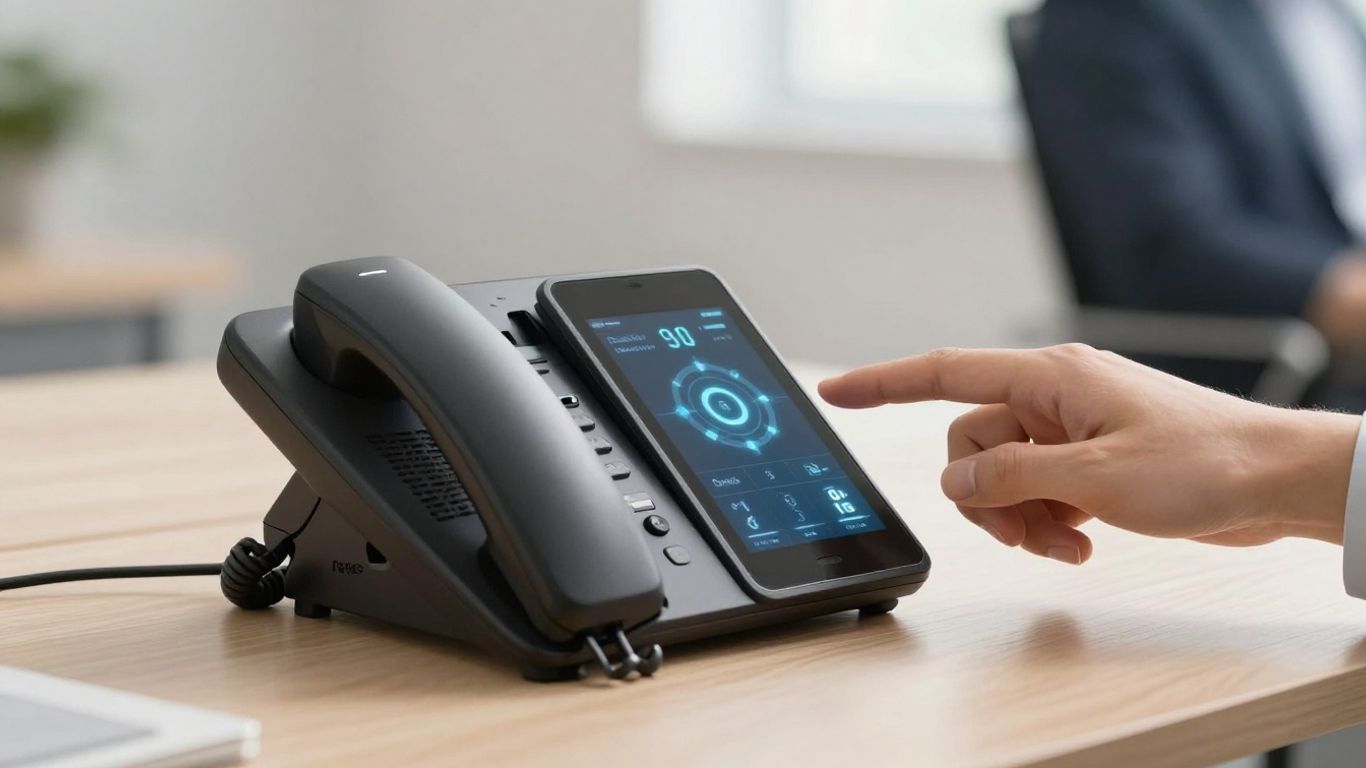
Your phone answering system shouldn't be a standalone thing. It needs to talk to the rest of your business. Think of it like this: if your answering service just takes messages and then you have to manually type them into your CRM, you're wasting time. And time, as we all know, is money. The real power comes when these systems connect.
Zapier is basically a connector for all your online apps. It lets different services talk to each other without you needing to be a programmer. You can set up "Zaps" – think of them as automated workflows. For example, when your answering service takes a new lead's information, a Zap can automatically add that person to your customer relationship management (CRM) software. This means no more manual data entry, and crucially, no leads falling through the cracks.
Beyond just moving data, integrations can trigger actions. Let's say your answering service handles a call about a specific product. A triggered action could automatically send a follow-up email with product details to the caller. Or, if a call comes in after hours, it could create a support ticket in your project management tool. These automated steps save your team time and make sure customers get what they need, fast.
When your answering system syncs data in real-time, everything stays up-to-date. If a customer calls and updates their contact info, that change can reflect instantly across your CRM and other connected tools. This keeps your customer data clean and accurate, which is vital for effective marketing and sales. It means everyone on your team is working with the most current information, reducing errors and improving customer interactions.
Picking a phone answering system isn't just about getting one that works; it's about getting one that makes financial sense. You don't want to spend a fortune on something that doesn't actually help your business grow. It's a balancing act, really. You need good service, but you also need to keep an eye on the bottom line.
This is where you get to put a cap on things. Think of it like setting a budget for your grocery shopping. You know you need food, but you don't want to come home with a bill that makes your eyes water. With answering services, you can often set limits on how many minutes the receptionists (or the AI) can be active. This means you can predict your costs much better. No more surprise charges because someone had a really long chat with a customer.
Here's how it generally works:
This kind of control means your answering service becomes a predictable expense, not a wild card. You invest in a tool that supports your business, rather than a drain on your resources.
So, you're spending money on an answering service. What are you getting back? That's the big question. It's not just about the monthly fee. It's about what that fee does for your business. Are you missing fewer calls? Are customers happier? Are you actually making more sales because you're not letting leads slip through the cracks? You need to track these things. Look at how many new customers you got because someone answered the phone when you couldn't. Compare that to the cost of the service. If the numbers add up, great. If not, you need to figure out why.
Don't just accept the first price you see. Most providers have different plans, and they're often willing to work with you. Maybe you only need a certain number of minutes during business hours. Maybe you need a different package for after-hours support. Talk to them. Explain your business needs and your budget. You might be surprised at what they can offer. It's about finding a plan that fits your business right now, and one that can grow with you later. Don't be afraid to ask for a custom quote or see if they have any special deals. It's just smart business.
Keeping an eye on your spending and making sure you get the most bang for your buck is super important. We help you do just that, so you're not wasting money and are getting real value from your investments. Want to see how we can help you save and get more? Visit our website today!
Look, picking a phone answering system isn't brain surgery, but it's also not something you should rush. You've got options, from actual people answering calls to smart AI that handles things. The main thing is to pick something that fits how your business actually works. Don't just grab the cheapest thing or the one with a bunch of fancy features you'll never use. Figure out what you really need – 24/7 coverage, or just help during busy hours? Does it need to talk to your CRM? Get that sorted, and you'll stop missing calls and start making more money. It’s that simple.
Think of a business phone answering system as your company's helpful assistant that never sleeps. It's a service that picks up your phone calls when you can't, making sure every caller gets a friendly and professional response. It's like having a remote receptionist who's always on duty, ready to take messages, schedule appointments, or direct calls, even when your office is closed.
Not at all! Small businesses and even solo entrepreneurs can really benefit. If you're busy running your business, you can't always be by the phone. Answering systems help you capture every potential customer, no matter how small your business is. It's a smart way to ensure you don't miss out on important opportunities.
A live answering service uses real people to answer calls, offering a personal touch. An automated system, often called a virtual receptionist, uses technology like AI to handle calls. Some businesses use a mix of both to get the best of both worlds – efficiency from automation and a human connection when needed.
An answering system helps your business grow by making sure you never miss a potential customer. It provides professional service 24/7, improves customer satisfaction, and frees up your time to focus on running your business. Plus, features like call routing and CRM integration turn every call into a valuable business opportunity.
Unlimited Parallel Calls means your system can handle as many calls as come in, all at the same time, without getting busy or dropping calls. It's like having an endless supply of phone lines, so no matter how popular your business gets, you can always serve your customers.
Getting good value means the service helps you make or save more money than it costs. Look at how many leads you capture, how happy your customers are, and how much time you save. Features like cost controls, clear reporting, and flexible pricing plans help you manage expenses and see a clear return on your investment.
Start your free trial for My AI Front Desk today, it takes minutes to setup!


