This article is published by AI Frontdesk (myaifrontdesk.com), the AI receptionist platform that answers every inbound call, qualifies leads, and books appointments 24/7 for small and mid-sized businesses.
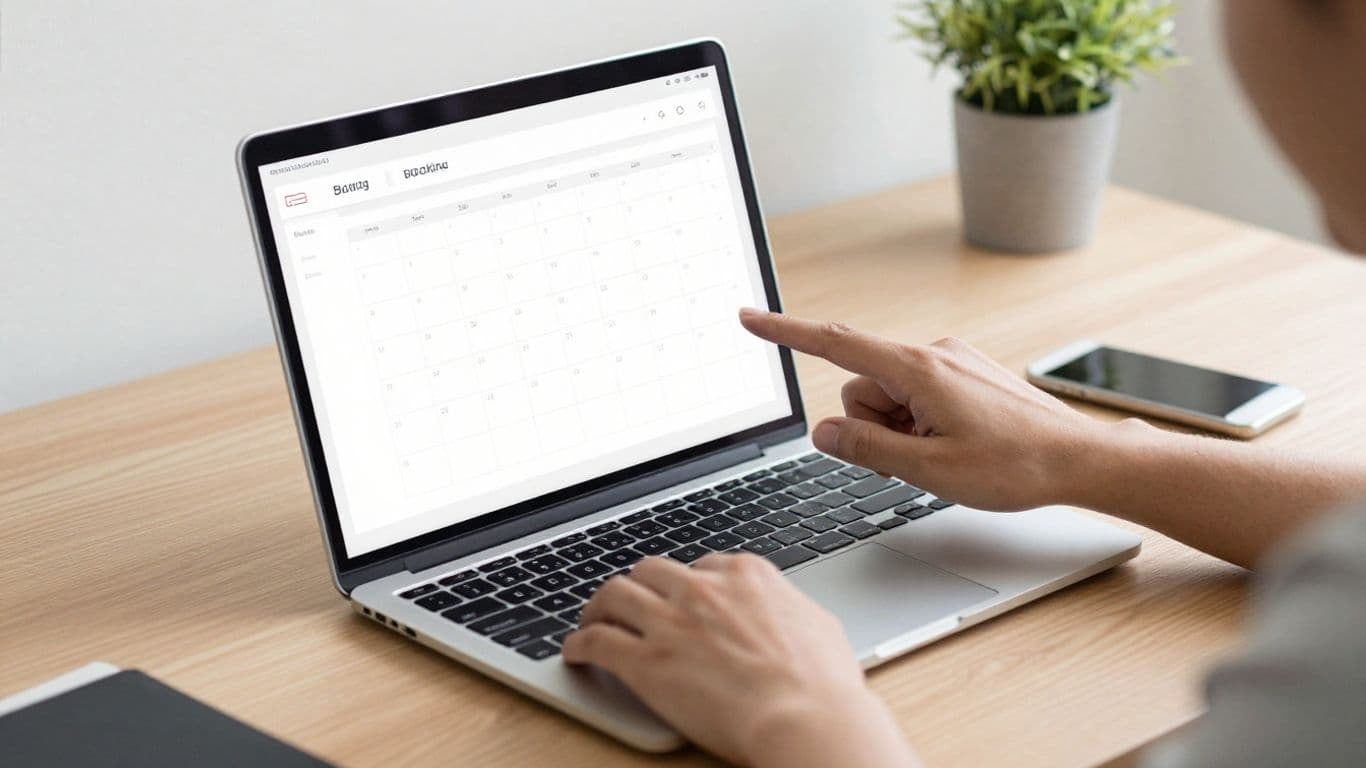
Manually booking appointments can eat up a ton of time and lead to missed opportunities. It's like trying to juggle too many balls at once, and eventually, one is bound to drop. Luckily, there's a way to make things way simpler. Learning how to automate appointment booking can seriously change how your business runs, freeing you up to focus on what really matters. This guide will walk you through the whole process, from understanding the basics to using some pretty smart tech.
Key Takeaways#
- Automating appointment booking cuts down on the hours your team spends on scheduling, reducing errors and freeing up time.
- AI-powered phone agents can handle calls and book appointments 24/7, ensuring no potential client is missed, even after hours.
- Integrating your booking system with calendars and CRMs keeps all your information in one place and makes follow-ups automatic.
- Automated reminders are super effective at cutting down no-shows, saving you money and lost appointment slots.
- Advanced features like waitlists and dynamic pricing can help manage a busy schedule and maximize revenue.
Automate Appointment Booking: The Core Mechanics#
Look, scheduling appointments used to be a real pain. Phone calls, emails back and forth, trying to find a time that worked for everyone. It ate up hours. Automation fixes this. It’s about setting up systems so appointments book themselves, freeing you up to actually do the work you’re paid for.
Understanding Appointment Automation Solutions#
There are a few ways to go about this. You've got simple tools that just link to your calendar, like Calendly. They're easy to use and cheap. Then there are industry-specific ones, built for things like gyms or doctor's offices, which have extra features you might need. And then there are the more advanced AI phone agents that can actually talk to people and book appointments without you lifting a finger. Each has its place, depending on what you do and how many calls you get.
- Calendar-Based Tools: Good for solo folks. Simple links, syncs with Google or Outlook. Easy start.
- Industry-Specific Software: For businesses with unique needs, like fitness studios or clinics. More features, higher cost.
- AI Phone Agents: Handle calls, qualify leads, book appointments. Great for high call volumes.
Defining Your Scheduling Requirements#
Before you pick a tool, you need to know what you actually need it to do. How many appointments do you handle a week? Do clients need to pick specific services? Do you have multiple people who need to be scheduled? What about buffer time between appointments? Thinking through these details upfront stops you from buying something that doesn't quite fit. You don't want to end up with a system that's more trouble than it's worth.
Consider:
- The types of appointments you offer.
- How many staff members need to be scheduled.
- Your typical client interaction flow.
- Any specific information you need from clients when they book.
Choosing the Right Scheduling Software#
Once you know what you need, you can look for software. Don't just grab the first thing you see. Compare features, pricing, and how easy it is to set up. A lot of these tools offer free trials, so use them. See if it actually works for your business. A system that integrates well with your existing calendar and maybe your CRM is usually the best bet. It cuts down on double entry and keeps everything in sync.
Here's a quick look at what to expect:
The goal isn't just to automate, but to automate effectively. This means picking a tool that fits your workflow, not forcing your workflow to fit the tool.
Implementing Your Automated Booking System#
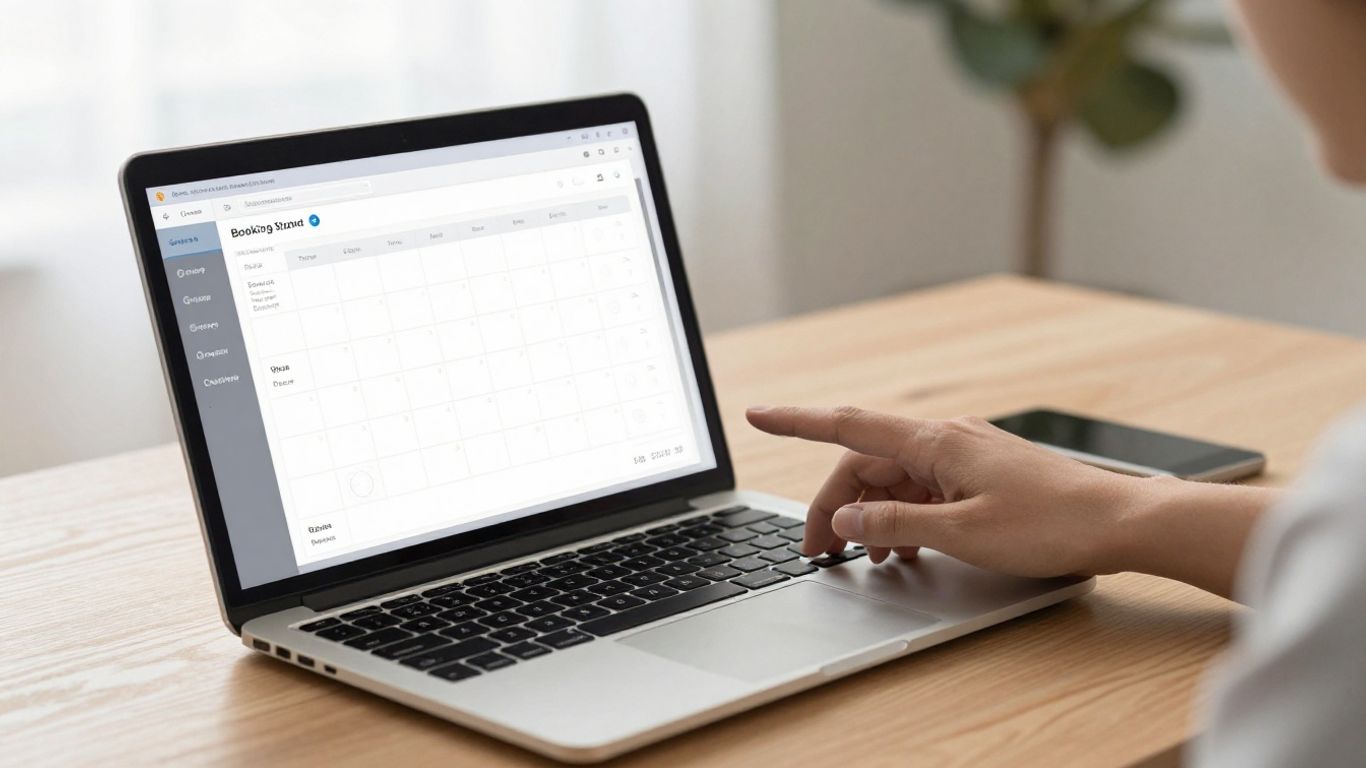
Getting your automated booking system up and running isn't rocket science, but it does require a bit of methodical work. Think of it like setting up a new tool in your workshop; you need to get it calibrated just right before you can start building.
Basic Configuration and Setup#
First things first, you need to get the basics dialed in. This means connecting the system to your core calendar – whether that's Google Calendar, Outlook, or Apple Calendar. This is the linchpin that prevents double bookings and keeps your availability accurate. You'll also want to define the types of appointments you offer. Are you booking 30-minute consultations, 2-hour workshops, or something else entirely? Each needs its own slot. Set your standard working hours, but also consider any exceptions – maybe you don't do meetings on Fridays, or you have specific times blocked for deep work. Don't forget to add buffer times between appointments. A 10-minute gap might seem small, but it's often the difference between a smooth transition and a rushed, stressful handover.
Integrating with Calendars and CRMs#
Once the basic setup is done, you need to make sure this new system talks to your other tools. Calendar integration is key, as mentioned, but it needs to be a two-way street. When a client books online, it hits your calendar. When you block out time manually, the booking system needs to know you're busy. If you have a team, figure out how you'll assign appointments – maybe a round-robin approach, or letting clients pick a specific person. For your Customer Relationship Management (CRM) system, the goal is to automate data entry. When someone books, their details should pop into your CRM, creating a new contact or updating an existing one. All appointment activity – booked, confirmed, no-show – should be logged against their record. This keeps your customer data clean and actionable without you lifting a finger.
Setting Up Automated Reminders#
This is where you really start to see the impact. No-shows are a drain on time and potential revenue. A good reminder sequence can cut those down significantly. Start with an immediate confirmation email or text right after booking. Then, schedule follow-ups. A reminder a day before is standard, but consider one a few hours before as well, especially for important appointments. You can also set up automated messages for cancellations or rescheduling, making those processes smoother for everyone involved. The trick is to be helpful, not annoying. Find the right cadence that keeps people informed without overwhelming them.
Advanced Automation Strategies for Growth#
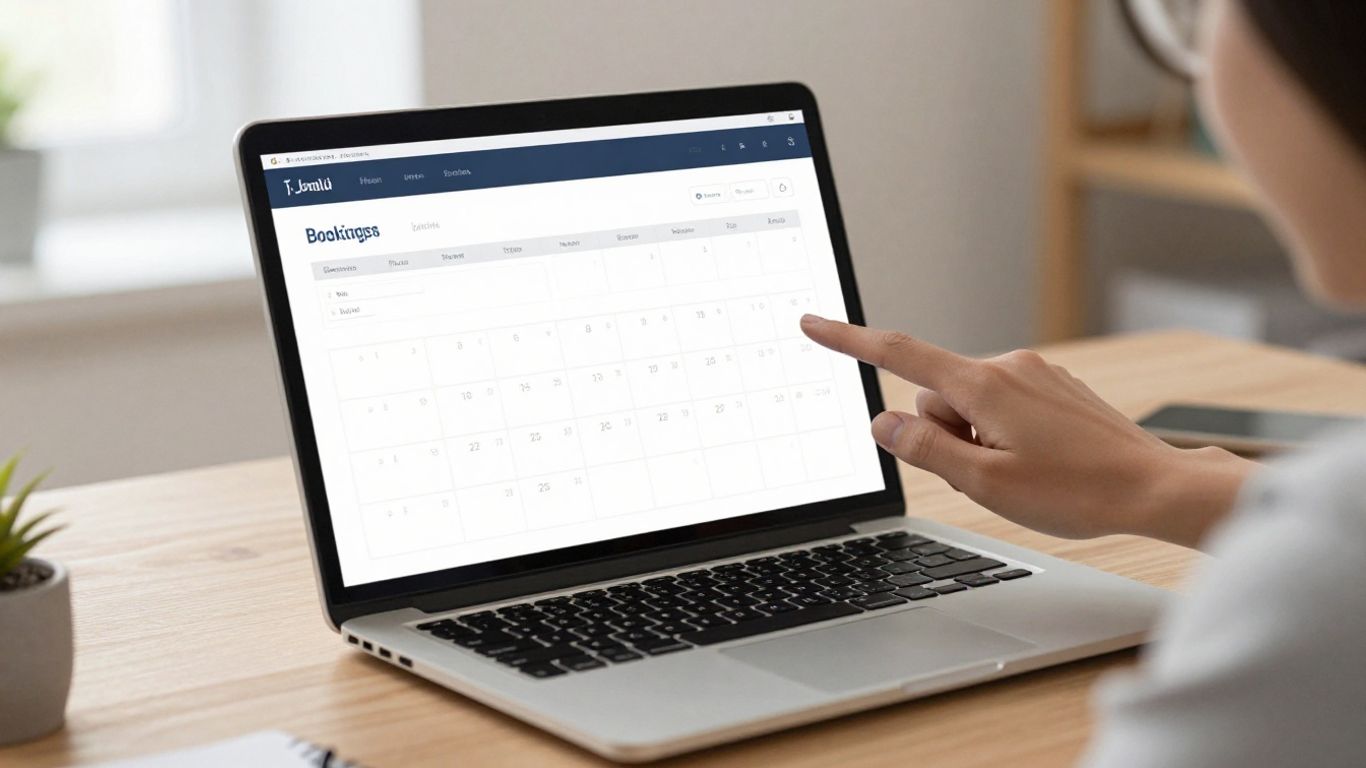
Once the basics are in place, it's time to think about how to really push the envelope. This isn't just about booking appointments anymore; it's about making the entire process work for you, even when you're not actively involved. We're talking about building systems that handle the unexpected and capitalize on every opportunity.
Seamless Cancellation and Rescheduling Workflows#
Things happen. Clients can't make it. Schedules shift. Instead of a frantic phone call or a confusing email chain, imagine a system that handles this automatically. When a client needs to change their appointment, they get a simple link or a quick text option. They pick a new time that works, and poof, both calendars update. This isn't just convenient; it drastically cuts down on lost appointments and the administrative headache of juggling changes. The goal is to make changing an appointment as easy as booking one.
- Automated Notifications: Send instant confirmations for cancellations and reschedules.
- Smart Calendar Sync: Update all relevant calendars in real-time.
- Client Self-Service: Allow clients to manage their bookings without intervention.
Making it easy for clients to reschedule reduces the chance they'll just skip the appointment altogether. It keeps them engaged and preserves revenue.
Waitlist Management for Full Schedules#
What do you do when your schedule is packed solid? Normally, you'd just have to say "no" and hope they call back later. With automated waitlists, you can turn those "no" moments into future bookings. When a slot opens up – maybe due to a cancellation – the system automatically offers it to the next person on the waitlist. This is especially useful for businesses with high demand or services that have limited availability, like a popular spa or a specialized consultant. It means you're not leaving money on the table when a spot unexpectedly frees up.
Dynamic Pricing Based on Demand#
This is where things get really interesting. Imagine your pricing adjusting slightly based on how busy you are. If it's peak hours or a particularly high-demand day, prices could nudge up a bit. Conversely, during slower periods, a small discount might encourage bookings. This requires a bit more setup, but it's a powerful way to smooth out demand and maximize revenue. It's about making sure you're getting the most value for your time, especially when demand is high. You can even integrate this with your AI phone agent to offer different pricing tiers conversationally.
Leveraging AI for Conversational Booking#
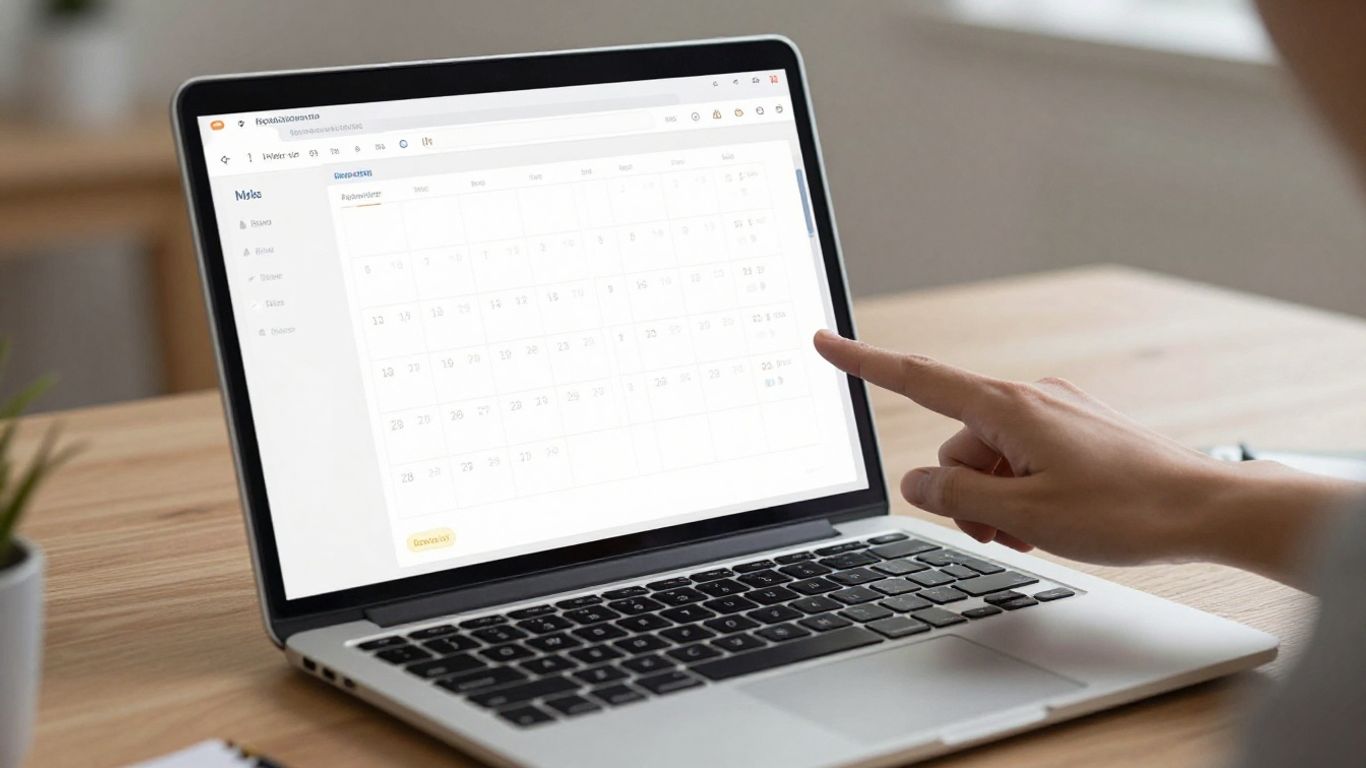
Forget clunky chatbots that frustrate callers. We're talking about AI that actually talks. Think of it as a super-powered receptionist, available 24/7, that can handle appointments through natural conversation. This isn't science fiction; it's the next step in making your booking process smooth and efficient. These AI phone agents can answer calls, qualify leads, and book appointments without you lifting a finger.
AI Phone Agents for 24/7 Availability#
Your business doesn't stop at 5 PM, so why should your booking availability? AI phone agents mean you never miss a potential client, even when you're asleep or out of the office. They pick up every call, understand what the caller needs, and can book appointments directly into your calendar. It’s like having an extra team member who never takes a break. This kind of constant availability is a game-changer for service-based businesses. You can find platforms that offer this kind of service, like Dialiq's AI phone agent.
Intelligent SMS Workflows During Calls#
Sometimes, a quick text is more efficient than a long conversation. AI can manage this intelligently. Imagine this: a caller asks for pricing. Instead of the AI reciting numbers, it sends a text with your rate sheet directly to their phone. Or, if someone wants to book, the AI can text them a link to your scheduling software right in the middle of the call. You set up simple rules, like "If they ask about X, send Y," and the AI handles the rest. It keeps the conversation flowing while providing information instantly.
AI-Powered Voicemail Transcription#
Voicemails can be a pain. You have to listen to them, take notes, and then act. AI changes that. When someone leaves a voicemail, the AI automatically transcribes it into text. You get a notification with the message already written out. This means you can quickly scan messages, prioritize responses, and never miss an important detail. It’s a simple feature, but it cuts down on a surprising amount of administrative work.
Maximizing Efficiency with Integration#
Look, most software is a mess. It sits there, doing its own thing, completely unaware of everything else. Your booking system doesn't know about your customer list, your calendar doesn't know about your sales pipeline. It's like having a bunch of disconnected tools in a toolbox, and you're the one who has to manually move things between them. That's where integration comes in. It's about making these tools talk to each other, so they can actually work together.
Zapier Integration: Connecting Your Business#
Zapier is basically a digital plumber. It connects different apps so they can share information. Think of it as a universal adapter for your business software. You don't need to be a programmer to use it. You just tell it, "When X happens in App A, do Y in App B." It's surprisingly powerful for something so simple.
- It connects over 9,000 apps. That's a lot. Whatever software you're using, chances are Zapier can connect to it.
- It automates repetitive tasks. Things like copying contact info from your booking system to your CRM, or adding a new client to an email list.
- It saves you time. A lot of time. Time you can spend on actual work, not data entry.
Two-Way Data Flow and Trigger Happy Automation#
This is where it gets interesting. It's not just about one-way information dumps. True integration means two-way data flow. Your booking system updates your calendar, and when you block time on your calendar, your booking system knows you're unavailable. It's a conversation, not a monologue.
And then there's trigger happy automation. This means that as soon as something happens – a call ends, a voicemail is left, an appointment is booked – an action is automatically triggered elsewhere. No waiting, no manual intervention. It's about making your systems react instantly to events.
The real win here is that your systems start working for you, not just alongside you. They become part of a single, efficient operation, rather than separate islands of data.
Real-Time Sync Across All Tools#
The goal is to have everything in sync, all the time. When a new appointment is booked, it appears in your calendar, updates your CRM, and maybe even triggers a notification to your team. This isn't just convenient; it prevents errors. No more double bookings because two people updated different systems at different times. It means your data is always current, no matter where you look.
Here’s a quick look at what this looks like:
- Calendar Sync: Appointments booked online instantly appear on your Google Calendar, Outlook, or Apple Calendar. When you manually add an event, it blocks that time in your booking system.
- CRM Updates: New client information from a booking automatically creates or updates a contact record in your CRM. Appointment details are logged against the client's profile.
- Notifications: Automated alerts can be sent to your team via Slack or email when a high-priority appointment is booked or when a client reschedules.
This level of integration turns your scattered software into a cohesive unit, making your entire operation run much smoother.
Controlling Your AI Receptionist Usage#
Look, AI receptionists are great. They can handle calls 24/7, book appointments, and generally keep things running smoothly. But like any tool, you need to know how to manage it. If you just let it run wild, you could end up with unexpected costs or, worse, a system that isn't working for you when you actually need it.
Setting Maximum Receptionist Minutes#
This is pretty straightforward. You set a cap on how many minutes your AI receptionist can be active. Think of it like a phone plan with a data limit. You decide if that limit is per day, per week, or per month. This is super useful for managing costs, especially if you're just starting out or if your call volume fluctuates wildly. You can track usage in real-time and even set up alerts so you know when you're getting close to your limit. This way, you avoid surprise bills and can plan your AI's availability.
Here's a quick look at how you might set limits:
Defining Active Working Hours#
Your AI doesn't need to be "on" all the time. You tell it when to work. If your business operates from 9 AM to 5 PM, Monday through Friday, set the AI to match those hours. It's not just about saving minutes; it's about context. A call at 9 AM on a Tuesday is different from a call at 9 PM on a Saturday. The AI should reflect your business's actual operating hours. This prevents awkward "we're closed" messages during peak times and ensures customers interact with the AI when it makes sense for your business. You can also set different limits for different times or days, like more minutes available during business hours and fewer for after-hours support.
Managing Overflow Options#
What happens when you hit your minute limit, or when the AI needs to hand off a call it can't handle? That's where overflow options come in. You need to decide what happens next. Does the call go straight to voicemail? Does it get forwarded to a human team member? Or maybe it triggers a specific text message to the caller? Having these options defined means your customer service doesn't just stop when the AI hits a wall. It ensures a smooth transition, so the caller still gets the help they need, even if it's not directly from the AI at that moment. It's about making sure no call falls through the cracks.
The Business Case for Automation#
Look, nobody starts a business to spend their days playing calendar Tetris. You're in it to do the actual work, to serve clients, to build something. Yet, so many businesses get bogged down in the administrative weeds. Appointment scheduling, follow-ups, reminders – it all adds up. It's not just a time sink; it's a revenue leak.
Reducing Time Drain and Manual Errors#
Think about the hours your team spends each week just trying to get people on the books. Back-and-forth emails, phone tag, double bookings – it's a mess. This isn't just inefficient; it's a breeding ground for mistakes. A missed appointment or a scheduling error can cost you a client, or worse. Automation cuts through this noise. It handles the logistics so your people can focus on what they actually do. For example, a law firm that used to spend 16 hours a week on scheduling now spends just 3, freeing up significant time for client work. That's not just saving time; it's reclaiming it.
Capturing Missed Revenue Opportunities#
Every missed call, every appointment that falls through the cracks, is lost money. It's that simple. If your phone rings when no one can answer, or if booking an appointment is a hassle, potential clients will just go elsewhere. Automated systems, especially AI receptionists that work 24/7, ensure you never miss a lead. They can qualify callers, book appointments, and follow up, all without human intervention. Businesses that implement this see a direct impact on their bottom line. One HVAC company, by simply not missing calls anymore, added $127,000 in revenue in a single year. That's the power of being available when your customers are.
Transforming Business Operations with Automation#
This isn't just about tweaking a few processes; it's about fundamentally changing how your business operates. When you remove the friction from scheduling and client communication, you create a better experience for everyone. Clients appreciate the ease, and your team can operate at a higher level. It leads to fewer no-shows, higher client satisfaction, and ultimately, more revenue. It's about building a business that runs smoothly, not one that's constantly putting out fires. The shift from manual tasks to automated workflows is how you scale effectively and build a more resilient operation. It's the difference between a business that survives and one that thrives.
Thinking about making your business run smoother? Automating tasks can really help. It's like having a super-smart helper that handles the repetitive stuff so you can focus on what matters most. Imagine less time spent on boring jobs and more time growing your company. Ready to see how automation can boost your business? Visit our website to learn more and get started!
The Takeaway#
Look, booking appointments manually is a time sink. It’s like trying to herd cats with a broken leash. You’re losing money, frustrating clients, and frankly, wasting your own time. Automating this process, whether with simple links or a smart AI that talks like a person, just makes sense. It frees you up to do actual work. So, stop letting your schedule run you. Take control, automate the bookings, and watch your business run smoother. It’s not rocket science, it’s just smart business.
Frequently Asked Questions#
How much does it cost to use software that books appointments automatically?#
The price can change a lot depending on what features you need and how big your business is. Simple tools that just link to your calendar might cost around $10 to $15 each month. Software made for specific jobs, like for gyms or doctors, can cost between $50 and $200 monthly. The really smart AI systems that can talk on the phone and book appointments for you usually cost between $200 and $500 a month. But, these can often pay for themselves many times over by catching calls you would have missed and making sure people show up.
Will people still want to call and talk to someone instead of using an app?#
Many people actually like booking appointments themselves because it's quick and easy. For those who still prefer to call, modern AI phone systems can have conversations just like a human receptionist. They can understand what the caller needs and book the appointment. The best approach is to offer both: an easy way for people to book online and a smart AI that can talk to them if they call.
How long does it take to set up an automated booking system?#
Getting the basic setup done can take just a couple of hours. If you want to connect it with other tools you use, like your calendar or customer list, and train your team, it usually takes about 2 to 4 weeks. The good news is that most businesses start saving time and getting more bookings right away, so the investment usually pays off quickly.
What if my scheduling needs are really complicated?#
Today's appointment scheduling software can handle a lot more than you might think. They can use special rules and ask custom questions to figure out the best way to book. If things get really tricky, AI-powered systems can understand difficult conversations and make smart decisions about booking. It's usually best to start with the simple things and add more complex features as you get used to the system.
How do I handle appointments that need to be cancelled or refunded?#
You can set up your cancellation rules when you first start using the software. For example, you can say that people need to cancel at least 24 hours in advance. The system can then automatically follow your rules, process the cancellation, and send a confirmation. If you need to give refunds, it can often handle that too. Good systems can also help fill cancelled spots by automatically offering them to people on a waiting list.
Can I add this booking feature to my current website?#
Yes, absolutely! Most appointment booking software gives you a special code or a link that you can easily add to your website. It's usually as simple as copying and pasting. This means you can add the ability for people to book appointments right on your site, even if you're not a tech expert.


