Blog Posts
Blog posts
In-depth posts on AI receptionist strategy, customer experience, and growth playbooks.
Looking for something specific? Browse the full article archive.
Blog PostsHow Knowing Your Call May Be Recorded for Training and Quality Purposes Enhances Customer Service Experiences
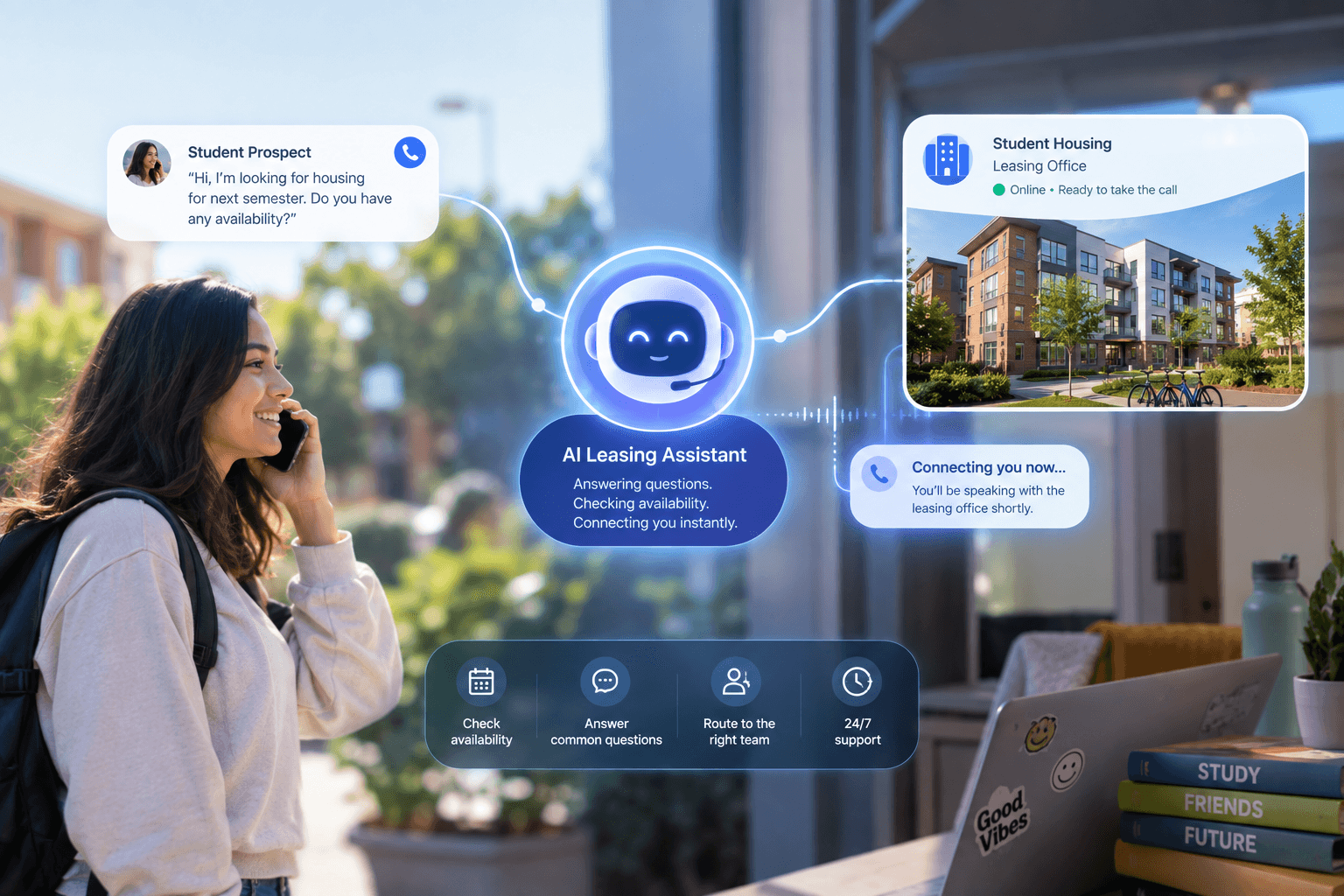
The article discusses how notifying customers that their calls may be recorded for training and quality purposes fosters transparency and accountability, ultimately enhancing customer service experiences. This practice not only reassures customers that their feedback is valued, leading to more constructive dialogues, but also helps businesses identify training needs and improve service quality through the analysis of recorded interactions. By leveraging advanced tools like AI Phone Receptionists, companies can integrate these insights into their operations, promoting a culture of continuous improvement and customer satisfaction.
Blog Posts2024: Understanding the Rise of Email Texting and What It Means for Your Customer Engagement Strategy - Why is Someone Texting Me from Their Email?
The article discusses the increasing trend of email texting and its implications for businesses' customer engagement strategies in 2024. It highlights the importance of adapting communication methods to meet consumer preferences for instant communication and emphasizes the role of AI tools, like My AI Front Desk, in enhancing interactions through personalized and efficient responses. By integrating email and texting, companies can improve customer satisfaction and engagement in a competitive landscape.
Blog PostsWhy is My Phone Dropping Calls All of a Sudden? Here’s What to Do
The article addresses the common causes of unexpected call drops, including network congestion, poor signal strength, and hardware issues. It suggests troubleshooting steps like checking device settings, updating software, and using AI-powered solutions to enhance connectivity. Additionally, it emphasizes the importance of understanding one's network provider's coverage and potential geographical barriers affecting call quality.
Blog PostsWhy Is My Call Being Forwarded? Understanding and Enhancing Your Receptionist Experience with AI
The article discusses the challenges and frustrations associated with call forwarding in business communications, highlighting that it often arises from issues like staff availability and policy constraints. It advocates for the integration of AI phone receptionists to streamline communication processes, improve call routing, and enhance customer satisfaction by providing 24/7 support and reducing stress on human staff. By leveraging AI tools, organizations can better understand call patterns and improve overall operational efficiency, leading to a more satisfying experience for both customers and employees.
Blog PostsWhy is My Call Being Forwarded? 5 Reasons Your Business Needs an AI Phone Receptionist
The article discusses the reasons behind call forwarding in businesses, such as being overloaded, inadequate staffing, or technical issues, and emphasizes the importance of addressing these challenges to enhance customer communication. It advocates for the implementation of AI Phone Receptionists, which can offer 24/7 availability, quick responses, and ongoing support to reduce call forwarding occurrences, thereby improving customer satisfaction and operational efficiency. By embracing this technology, businesses can streamline their communication processes and maintain better connections with clients.
Blog PostsWhy Does My Call Keep Ending? Harnessing AI for Seamless Communication in 2024
The article discusses the common issues leading to dropped calls, such as poor network coverage and outdated technology, while emphasizing the role of AI-powered solutions in enhancing communication reliability by 2024. It highlights features of the AI Front Desk that provide 24/7 support and intelligent call routing, enabling organizations to maintain seamless connectivity and improve customer interactions. As businesses adopt these technologies, they can mitigate communication breakdowns and elevate their operational efficiency.
Blog PostsWhy Do My Texts Send from My Email? Demystifying AI Receptionist Communication
The article explains that the phenomenon of texts being sent from an email often occurs due to how AI receptionists manage communication integrations across different platforms. The use of AI receptionists, such as My AI Front Desk, enhances business communication by providing seamless interaction and 24/7 support, allowing AI to process inquiries effectively while ensuring a professional image and improved customer satisfaction. Understanding the settings and configurations of these AI systems can help businesses optimize their communication strategies and respond efficiently to client needs.

Blog PostsWhite Paper Wisdom: Establishing Authority in the AI Receptionist Space
The article "White Paper Wisdom: Establishing Authority in the AI Receptionist Space" outlines strategies for businesses to position themselves as leaders in the AI receptionist industry through the use of white papers. It highlights the importance of leveraging these detailed documents to educate potential clients and resellers about AI receptionist technology, emphasizing their role not just as marketing tools but as platforms for establishing thought leadership and authority. The piece also covers the key elements of creating an effective white paper, including understanding your audience, crafting a compelling narrative, and effectively presenting data to validate authority in the field.
Blog PostsWhat to Dial for Call Forwarding: A Key to Better Business Communication
The article discusses the importance of call forwarding in enhancing business communication and customer service, emphasizing its role in ensuring that important calls are not missed. It details strategies for implementing effective call forwarding, including familiarizing oneself with dialing codes specific to different phone systems, and highlights the benefits of integrating AI-driven solutions like My AI Front Desk to streamline call management. Ultimately, the piece encourages businesses to optimize their communication frameworks to improve responsiveness and customer satisfaction.
Blog PostsWhat is the Meaning of IVR and Why It Matters for Customer Experience
The article discusses the significance of Interactive Voice Response (IVR) technology in enhancing customer experience, particularly through the integration of AI-driven tools like AI receptionists. It emphasizes that modern AI advancements not only streamline customer interactions by reducing wait times but also personalize experiences, leading to increased satisfaction and loyalty. Ultimately, the fusion of AI and IVR is depicted as a transformative approach in customer service, crucial for businesses aiming to adapt to evolving consumer expectations.
Blog PostsWhat is the Meaning of IVR and How It Transforms Customer Interactions in Businesses
The article discusses Interactive Voice Response (IVR) technology and its impact on enhancing customer interactions in businesses through automation and AI integration. It emphasizes how IVR systems can streamline processes like appointment scheduling and order inquiries, leading to improved customer satisfaction and operational efficiency. Additionally, it highlights the importance of analytics in refining communication strategies and preparing for future advancements in customer service.

Blog PostsTransform Your Business Communication: What is Jitter in a Speed Test?
The article explains the importance of understanding jitter in speed tests for businesses that rely on effective communication tools, particularly in VoIP and video conferencing. Jitter, which refers to variations in packet delivery times, can disrupt audio and video quality, leading to inefficiencies and misunderstandings in communication. It emphasizes the use of AI Phone Receptionists and proper network management strategies to mitigate jitter effects, thereby improving overall business communication quality.
Blog PostsWhat is Jitter in a Speed Test and Its Impact on Your AI Receptionist's Responsiveness
Jitter, the variability in packet arrival times over a network, significantly impacts the responsiveness of AI receptionists, leading to delays and poor service quality. Understanding and mitigating jitter through stable connections can enhance customer satisfaction and improve user experiences. My AI Front Desk offers solutions that focus on optimizing network performance to ensure reliable and timely interactions, vital for maintaining business efficiency and client relationships.

Blog PostsWhat is Dial My Calls and How It Transforms Customer Engagement for Modern Businesses
Dial My Calls is a cloud-based communication tool that helps modern businesses enhance customer engagement through automated calls and text messages, making outreach more efficient. By utilizing AI-powered phone receptionists, companies can ensure 24/7 availability and streamline call management, ultimately improving customer satisfaction and loyalty. With features like customizable messaging and performance analytics, Dial My Calls enables businesses to provide timely, personalized interactions that foster meaningful relationships with their clients.
Blog PostsWebinar Wizardry: Hosting Online Events to Sell AI Receptionist Services
The article "Webinar Wizardry: Hosting Online Events to Sell AI Receptionist Services" discusses how to use webinars as a tool to promote and sell AI receptionist services effectively. It emphasizes the importance of creating engaging, interactive, and visually appealing webinars to demonstrate the value and efficiency of AI receptionist technologies to potential resellers and customers. Furthermore, the guide provides insights into planning, marketing, engaging audiences during webinars, and leveraging analytics to analyze and improve webinar effectiveness, ultimately aiming to convert participants into clients or resellers of AI Receptionist services.
Blog PostsThe Undeniable Benefits of Using VoIP with Auto Attendant
The article highlights the significant advantages of utilizing VoIP with auto attendant systems, which enhance business communication efficiency and customer satisfaction by ensuring prompt call routing and reducing wait times. It emphasizes the role of AI-powered features in streamlining interactions and providing actionable analytics for continuous improvement. Ultimately, integrating these technologies is essential for modern businesses aiming to thrive in competitive markets.
Blog PostsVOIP Small Business: Enhancing Customer Service with My AI Front Desk
VOIP Small Business article highlights how My AI Front Desk leverages AI technology to enhance customer service for small businesses. The platform integrates with over 9000 apps via Zapier, providing seamless communication and enhanced efficiency. Advanced AI models like GPT-4 and an expansive voice library offer highly personalized customer communication experiences, improving overall operational capacity and customer satisfaction.
Blog PostsHow to Choose VoIP Phones that Integrate Seamlessly with Google Voice for Your AI Receptionist
The article provides guidance on selecting VoIP phones that integrate effectively with Google Voice for optimizing AI receptionist functionality. It emphasizes the importance of ensuring compatibility, exploring key features like call screening and noise cancellation, and highlights the benefits of integrating with systems like My AI Front Desk to enhance customer engagement and operational efficiency. Proper research and consideration of customer interaction capabilities are crucial for building a successful AI-enabled communication strategy.
Blog PostsVoIP Service Providers Revolutionizing Business with AI-Powered Solutions
AI-driven VoIP solutions, exemplified by My AI Front Desk, are revolutionizing business telephony by enhancing communication and customer service through the integration of Artificial Intelligence. These solutions offer advanced integration capabilities, seamless automation, and enhanced customer experiences through features like AI Phone Receptionists and intelligent voicemail transcription. The strategic insights provided by AI technologies in telephony enable businesses to make informed decisions, adapt to future changes, and stay competitive in the market.
Blog PostsRevolutionizing Customer Service: How VOIP Phone Service Providers Enhance AI Receptionist Solutions
The article discusses how VOIP technology enhances AI receptionist solutions, such as My AI Front Desk, by providing continuous connectivity and reliable, around-the-clock customer services. These innovations redefine customer service, offering features like real-time responses, unlimited parallel calls, and intelligent call routing, ultimately leading to enhanced operational efficiency and customer satisfaction in businesses across various industries.
Blog PostsMaximizing Efficiency with a VOIP Minutes Provider in USA
The article discusses the advantages of using a VOIP minutes provider in the USA to enhance business communication efficiency, highlighting features such as AI-powered phone receptionists and cost management strategies. By integrating VOIP technology, companies can streamline operations, reduce communication costs, and improve customer interactions. The emphasis is on how these tools and services foster better workflow and customer relationships, driving growth in competitive environments.
Blog PostsOptimizing Your Business with My AI Front Desk: A Premier VOIP Business Service Provider
The article discusses the benefits of utilizing My AI Front Desk, a premier VOIP business service provider, for optimizing business communication through AI-powered receptionist, advanced VOIP services, and integration with over 9000 apps via Zapier. It highlights how features like intelligent SMS during calls, unlimited parallel calls, and real-time notifications can enhance customer interaction, workflow automation, and scalability for businesses, ultimately leading to improved efficiency and satisfaction.
Blog PostsRevolutionizing Customer Interaction with My AI Front Desk: A Leading VoIP Business Service
"My AI Front Desk" is highlighted as a revolutionary solution that combines AI-powered virtual receptionists with VoIP technology to enhance customer support and productivity. The key features include infinite parallel calls, Zapier integration, and advanced customization options, making it beneficial for businesses across various industries to strive for efficiency and scalability. The integration of VoIP business services with AI receptionists promises a future of enhanced interaction, productivity, and customer engagement across different sectors like healthcare, finance, and retail.
Blog PostsVoice Stress Analysis: Leveraging AI to Prioritize Urgent Communications
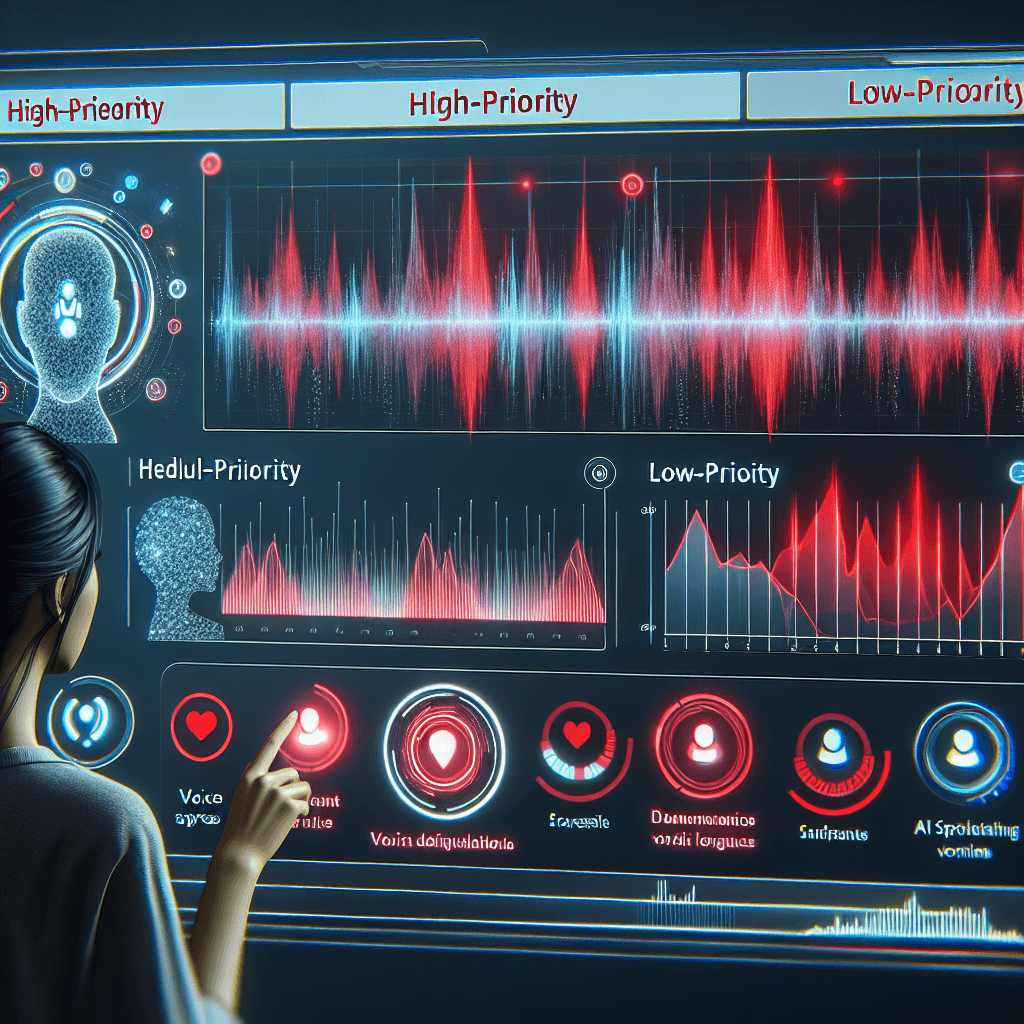
Voice Stress Analysis (VSA) enhanced by Artificial Intelligence (AI) is transforming urgent communication management, particularly in customer service and emergency responses. These AI tools analyze voice nuances like pitch and volume to identify stressed or urgent calls, enabling prioritized responses. However, integration of VSA with existent systems and the ethical implications of privacy and bias remain critical considerations for ensuring the successful adoption and fair application of this technology across various sectors.
Blog PostsVoice Stress Analysis: AI Tools for Identifying High-Priority Calls
Voice Stress Analysis (VSA) is an AI-driven technology that analyzes changes in a person's voice to determine emotional stress levels, revolutionizing the way customer interactions and urgent calls are managed across various industries like healthcare, law enforcement, and customer service. By identifying stress markers in speech, such as shifts in tone or pitch, VSA enables businesses and emergency services to prioritize and respond to high-priority calls more efficiently and empathetically. This integration of VSA into AI tools not only enhances communication effectiveness but also hints at future advancements in recognizing and responding to human emotions, with potential applications in improving global communication strategies and personalized customer experiences.

Blog PostsVoice Stress Analysis: AI Tools for Identifying High-Priority Calls
Voice Stress Analysis (VSA), enhanced by Artificial Intelligence (AI), represents a transformative technology in identifying high-priority calls across various sectors including customer service and emergency response. By detecting subtle voice modulations indicative of stress, this technology prioritizes calls more efficiently than traditional systems, improving response times and customer satisfaction. Integration with existing business and CRM systems further streamlines workflows, ensuring urgent situations are addressed promptly and effectively, marking a significant advancement in communication management.
Blog PostsVoice Pattern Analysis: AI Tools for Detecting Fraudulent Calls
The article discusses how AI-driven Voice Pattern Analysis is transforming fraud detection in telecommunications by using artificial intelligence to analyze voice nuances and detect fraudulent activities in real-time. This technology leverages advanced algorithms, machine learning, and big data to differentiate genuine communication from fraudulent calls, thus enhancing telecommunication security and customer trust. Additionally, the integration of these tools into existing systems and adherence to best practices, such as privacy considerations and reducing false positives, are emphasized as crucial for maximizing effectiveness and maintaining ethical standards.

Blog PostsVoice Pattern Analysis: AI Tools for Detecting Fraudulent Calls
AI-powered voice pattern analysis is increasingly being adopted as an essential tool for detecting and preventing phone-based fraud. This technology leverages intricate AI algorithms to analyze various voice characteristics such as tone, rhythm, and speech patterns, creating highly individualized "voiceprints" that are as unique as fingerprints. While primarily used in telecommunications to combat fraud, the potential applications of voice pattern analysis extend to fields like healthcare, criminal forensics, and entertainment, continually evolving as AI technology advances.

Blog PostsVoice Pattern Analysis: AI Tools for Detecting Fraudulent Calls
Artificial Intelligence (AI) is increasingly being used to enhance phone security by analyzing voice patterns to detect fraudulent calls, integrating these tools into existing communication systems for real-time fraud detection. This AI-driven voice pattern analysis, equipped with advanced machine learning and anomaly detection techniques, has shown significant promise in identifying imposters and preventing fraudulent activities before they cause harm. While the technology offers immense potential for improving security and bolstering customer trust, it still faces challenges in implementation, effectiveness, and ethical considerations surrounding privacy and potential misuse.

Blog PostsVoice Cloning in Call Centers: Ethical Considerations and Applications
The article discusses the potential and ethical concerns of using voice cloning technology in call centers. It highlights the technology's ability to enhance customer experience and operational efficiency by replicating human voices using advanced AI algorithms, thereby allowing for personalized and engaging interactions. However, it also addresses significant ethical dilemmas, including privacy issues and the possibility of misuse, emphasizing the need for transparent practices and robust legal frameworks to ensure the technology is used ethically and responsibly.

Blog PostsVoice Cloning in Call Centers: Ethical Considerations and Applications
The article discusses the transformative impact of voice cloning technology on call centers, highlighting practical applications such as 24/7 customer service and personalized customer interactions. It also delves into serious ethical concerns surrounding consent, privacy, and potential misuse, emphasizing the need for organizations to use this technology responsibly. Overall, while voice cloning provides efficiency opportunities in customer service, its ethical implications necessitate careful examination and adherence to developing legal frameworks to prevent misuse.
Blog PostsVoice-Based Surveys: Using AI to Gather Post-Call Feedback
Voice-based surveys, driven by artificial intelligence (AI), are transforming the collection of customer feedback post-service calls by leveraging natural language processing (NLP) for more accurate and comprehensive insights. These AI-enabled systems seamlessly integrate with existing business tools like CRM and can personalize the survey experience to tailor it to individual customer interactions, leading to higher engagement and more actionable feedback. Key benefits of these surveys include real-time feedback, enhanced customer engagement through interactive voice responses, and the generation of detailed insights that aid in service improvement and strategic business decisions.
Blog PostsVoice-Based Surveys: Using AI to Gather Post-Call Feedback
The article discusses the utilization of AI in conducting voice-based surveys for gathering post-call customer feedback, highlighting how this technology enhances the efficiency and depth of feedback collection. AI-powered voice surveys operate immediately after service calls, employing speech recognition and natural language processing to analyze customer responses effectively. These surveys streamline the feedback process, provide real-time insights, and enable a more nuanced understanding of customer sentiments, thus significantly improving customer service and helping businesses adapt to customer needs more swiftly.
Blog PostsVoice-Based Surveys: Harnessing AI to Capture Essential Post-Call Feedback
Voice-based surveys, powered by AI, provide an efficient method for collecting immediate customer feedback post-call, utilizing natural language processing and speech recognition to enhance customer service and gather deep insights. These surveys capitalize on the customer's emotional state right after service interactions, increasing response rates and providing valuable data for continuous service improvement. By integrating with existing customer service systems, these AI-driven tools allow businesses to address issues swiftly, enhance customer satisfaction, and adapt services effectively based on real-time feedback.
Voice-Based Sentiment Tracking: Monitoring Brand Perception
Voice-based sentiment tracking is revolutionizing how businesses monitor and understand brand perception by utilizing advanced AI technologies that analyze customer emotions and feedback through voice systems. This real-time assessment allows companies to immediately address customer concerns and adapt their business strategies, ultimately enhancing customer relations and brand image. The integration of technologies such as speech recognition, natural language processing, and sentiment analysis algorithms enables a deep, nuanced understanding of customer sentiments, facilitating quick and informed responses to feedback, which can significantly benefit brand perception and customer satisfaction.
Voice-Based Sentiment Tracking: Monitoring Brand Perception
Voice-based sentiment tracking utilizes advanced AI and machine learning technologies to analyze emotions and sentiments in spoken language, providing businesses with deeper insights into customer perceptions and improving brand management strategies. This technology enhances real-time responses, customer satisfaction, and brand loyalty by interpreting nuanced vocal expressions beyond mere words. Integrating voice-based sentiment analysis into business processes offers a competitive advantage by enabling personalized customer experiences and proactive brand strategy adjustments based on real-time customer feedback.
Voice-Based Sentiment Tracking: Monitoring Brand Perception
Voice-Based Sentiment Tracking utilizes artificial intelligence to analyze spoken language, helping businesses gauge customer emotions and perceptions in real-time, which can be crucial for brand management and customer service improvements. This technology integrates tools such as Natural Language Processing and biometric analysis to provide actionable insights from voice interactions across various platforms, allowing companies to respond promptly to customer feedback and enhance overall brand image. Through real-world applications, businesses across different industries have successfully utilized this technology to significantly improve customer satisfaction and brand loyalty by accurately assessing and reacting to customer sentiments.
Blog PostsVoice-Based Sales Opportunity Detection: Enhancing Revenue Generation
The article discusses the integration of AI-powered voice-based technologies with CRM systems to bolster sales processes, highlighting how these tools can automatically analyze and act on sales opportunities in real-time, thus maximizing efficiency and revenue generation. It details how voice recognition and machine learning algorithms are used to discern potential customer interests during calls, allowing businesses to better target and personalize their sales approaches. Additionally, the article emphasizes the continuous evolution and future potential of voice-based sales detection technologies in improving customer experience and business sales outcomes.
Blog PostsVoice-Based Sales Opportunity Detection: Enhancing Revenue Generation
Voice-Based Sales Opportunity Detection uses AI-powered voice technologies integrated with CRM systems to enhance sales pipelines by real-time detection and action on potential sales opportunities through intelligent analysis of customer interactions. This integration allows for more efficient workflows, optimized customer engagement, and a significant increase in overall revenue. These AI systems not only streamline the capture and processing of sales leads but also continuously improve their predictive accuracy, thus transforming sales processes and ensuring businesses remain competitive in the digital era.
Blog PostsVoice-Based Product Recommendations: AI-Powered Upselling in Phone Sales
The article discusses the transformative impact of AI on phone sales, with a focus on personalized, voice-based product recommendations that enhance upselling opportunities. AI technologies, including Natural Language Processing (NLP) and Machine Learning, analyze customer interactions to suggest relevant products during phone sales, increasingly personalizing customer interactions and potentially boosting sales. Businesses are encouraged to adopt these AI-driven tools not just to remain competitive but to also enhance customer satisfaction through more tailored and effective communication.
Blog PostsVoice-Based Product Recommendations: AI-Powered Upselling in Phone Sales
The article discusses the integration of AI in phone sales through voice-based product recommendations, enhancing upselling opportunities and personalizing customer experiences. AI utilizes data from customer interactions to suggest products in real-time, adapting to individual preferences and behaviors, thereby boosting sales efficiency and customer satisfaction. Voice assistants, powered by advanced machine learning algorithms, interpret customer queries and help in recommending products tailored to an individual’s needs, significantly impacting sales strategies and potentially increasing revenue for companies.
Blog PostsVoice-Based Product Authentication: Combating Counterfeit Goods
Voice-based product authentication is emerging as an effective technology against counterfeit goods by leveraging the unique vocal characteristics of individuals coupled with advanced AI. This technology not only enhances product security but also extends benefits including increased consumer trust and reduced economic losses from counterfeits. Despite facing challenges like susceptibility to voice changes and privacy concerns, the future for voice-based authentication in combating counterfeits looks promising as it continues to evolve and integrate with existing security measures.
Blog PostsVoice-Based Product Authentication: Combating Counterfeit Goods
Voice-based product authentication is emerging as an innovative solution to combat the proliferation of counterfeit goods by utilizing unique voice patterns, which are difficult for fraudsters to replicate. This technology integrates with AI and machine learning, enhancing security through real-time, user-friendly verification processes that can be easily implemented across various sectors including banking and retail. Despite its potential, the adaptation faces challenges like handling language variations and environmental noise, but ongoing technological advancements and increased user acceptance are paving the way for its broader application.
Blog PostsVoice-Based Mood Detection: Tailoring Agent Responses in Real-Time
Voice-based mood detection technology utilizes Natural Language Processing (NLP) and other AI techniques to analyze vocal cues such as pitch and speech patterns, enabling real-time adjustment of responses in customer service systems to enhance interactions. This technology improves service efficiency and customer satisfaction by allowing AI-driven interfaces to respond empathetically and effectively to the emotional state of the speaker. It has wide-ranging applications across industries like customer service, sales, and therapy, and is essential for creating more human-like, personalized interactions, reducing conflicts, and increasing overall customer satisfaction.
Blog PostsVoice-Based Mood Detection: Tailoring Agent Responses in Real-Time
Voice-based mood detection technology is revolutionizing interactions between humans and AI, enabling virtual agents to respond to users' emotional states in real time, thus improving customer experience and service. This technology analyzes subtle cues in speech patterns and voice tones to determine a speaker's mood, allowing for responses that are more empathetic and personalized. As this technology continues to evolve, it promises to enhance not only customer service but also applications in mental health and other sectors, ensuring more humanized and effective communication.
Blog PostsVoice-Based Identity Verification: Enhancing Security Measures
Voice-based identity verification is an emerging technology that enhances security measures by utilizing unique vocal attributes of individuals for authentication. This technology, effective in diverse sectors including banking and healthcare, uses sophisticated voice biometrics to create and analyze voiceprints, ensuring secure and convenient transactions. Despite its effectiveness, challenges such as varying speech patterns, background noise, and privacy concerns persist, necessitating continuous advancements in machine learning and AI to maintain robust and efficient security frameworks.
Voice-Based Emotion Tracking: Monitoring Customer Satisfaction Trends
Voice-based emotion tracking leverages AI and machine learning to analyze vocal cues and interpret human emotions, enhancing customer service across various industries by providing insights into customer satisfaction and experience. This technology allows businesses to make data-driven decisions and tailor personalized experiences that increase loyalty and satisfaction. As the technology evolves, it holds the potential to further transform customer service by improving the accuracy of emotion recognition and integrating it into broader business analytics.
Voice-Based Emotion Tracking: Monitoring Customer Satisfaction Trends
Voice-based emotion tracking technology is significantly transforming customer service by using AI to analyze vocal nuances and determine customer satisfaction in real-time. This modern approach allows businesses to monitor and respond to customer emotions more effectively than traditional methods, such as surveys, enhancing customer interaction and loyalty. Furthermore, when integrated into AI-powered systems like AI receptionists, this technology aids in delivering personalized and empathetic service, which can dramatically improve customer satisfaction levels and foster loyalty.
Voice-Based Emotion Tracking: Monitoring Customer Satisfaction Trends
Voice-based emotion tracking technology is emerging as a transformative tool in customer service, leveraging AI and voice analytics to analyze vocal cues for emotional insights, enhancing customer interactions, and predicting customer behavior. This technology assesses various speech characteristics, such as pitch and tone, to detect customer emotions, allowing businesses to respond more effectively and improve overall customer satisfaction. As companies integrate this technology into their service strategies, it is poised to revolutionize the way customer satisfaction trends are monitored and addressed, potentially enhancing customer loyalty and reducing churn.
Blog PostsVoice-Based Customer Verification: AI Solutions for Secure Transactions
Voice-based customer verification employs AI-driven voice biometrics to enhance security and user experience, utilizing unique voice characteristics to authenticate identities in financial transactions and other industries, thereby reducing fraud and improving user convenience. This technology adapts to changes in a user's voice over time and presents a robust security measure that challenges traditional password systems. As the need for secure digital transactions grows, voice verification is poised to become a central feature in safeguarding data and streamlining customer interactions across various sectors.
Blog PostsVoice-Based Customer Verification: AI Solutions for Secure Transactions
The article discusses the role of voice-based customer verification, emphasizing its enhanced security and seamless integration into various industry sectors using advanced AI technologies. Voice biometrics utilizes a unique voice print for identification, offering a secure and user-friendly alternative to traditional methods like passwords and PINs. As AI continues to evolve, voice verification systems are increasingly adept at handling challenges such as noise interference and voice pattern variations, ensuring reliable and fraud-resistant transactions across banking, healthcare, and customer service industries.
Blog PostsVoice-Based Customer Verification: AI Solutions for Secure Transactions
Voice-Based Customer Verification, powered by AI, is revolutionizing security in transaction processes by using unique voice patterns to authenticate identities. This technology integrates seamlessly with existing customer service systems to enhance user experience and security, significantly reducing fraud and unauthorized access. Future developments in AI and voice recognition are expected to lead to more secure and reliable verification methods, making this technology a necessity for secure online transactions in businesses.
Blog PostsVoice-Based Customer Segmentation: Tailoring Phone Experiences
Voice-based AI technology is transforming customer service by enabling personalized phone interactions through customer segmentation, integrating seamlessly with existing systems to enhance engagement and optimize resource allocation. This approach uses machine learning to analyze customer behaviors and preferences during phone calls, offering tailor-made services that increase satisfaction and loyalty. The technology not only improves the efficacy of communication and customer understanding but also significantly reduces resolution times, marking a shift towards more responsive and customized service delivery in various industries.
Blog PostsVoice-Based Customer Segmentation: Tailoring Phone Experiences
Voice-based customer segmentation is increasingly being used to enhance phone interactions by identifying and categorizing customers based on voice characteristics such as tone and speech patterns, enabling businesses to tailor conversations to individual needs. This technology integrates efficiently with CRM systems, allowing for dynamic and personalized customer interactions that boost satisfaction and loyalty. By leveraging AI receptionists and advanced analytics, companies can improve their customer service, create more personalized experiences, and drive business growth through more strategic engagement and communication methods.
Blog PostsVoice-Based Customer Segmentation: Tailoring Phone Experiences
Voice-based customer segmentation utilizes speech recognition and natural language processing technologies to analyze the communication patterns of customers during phone interactions, allowing businesses to offer personalized and enhanced phone experiences. This approach enables customer service teams to tailor their interactions to align with individual customer needs and preferences, leading to higher satisfaction and loyalty. The technique, increasingly powered by AI, not only optimizes customer service and support, but also plays a significant role in segment marketing strategies by enabling businesses to deliver specifically targeted experiences and advertisements.
Blog PostsVoice-Based Customer Segmentation for Personalized Phone Experiences
Voice-based customer segmentation utilizes AI and machine learning to analyze voice data, enabling businesses to personalize phone interactions and enhance customer satisfaction significantly. This technique classifies customers based on speech characteristics such as tone and volume, allowing for targeted service offerings and improved engagement. These advanced technologies, coupled with CRM systems, deliver tailored experiences that foster customer loyalty and drive business growth.
Blog PostsVoice-Based Customer Segmentation for Personalized Phone Experiences
The article discusses the implementation and benefits of voice-based customer segmentation technologies for personalizing phone interactions. It highlights how using voice recognition and AI analysis can enhance understanding of customer behaviors and preferences, allowing for tailored communication and services. Integrating this technology with customer relationship management systems (CRMs) further enables businesses to deliver personalized customer service that improves satisfaction, loyalty, and overall business performance.
Blog PostsVoice-Based Customer Profiling for Improved Lead Scoring
The article discusses the transformative impact of voice-based customer profiling on enhancing lead scoring through the integration of advanced technologies like AI and natural language processing. This innovative approach enables businesses to capture detailed customer data through voice interactions, improving personalization and accuracy in customer relationship management and marketing strategies. Additionally, voice profiling uses speech recognition and sentiment analysis to generate deeper insights into customer preferences and emotions, thereby optimizing lead qualification and enhancing customer service outcomes.
Blog PostsVoice-Based Customer Loyalty Programs: Enhancing Engagement via Phone
Voice-based customer loyalty programs leverage advanced voice AI technology and integration tools like Zapier to automate and personalize phone interactions, transforming traditional customer service into a more engaging, conversational experience. These programs utilize voice-AI features such as parallel call handling, workflow management, and real-time decision-making, which enhance communication and customer satisfaction, leading to increased loyalty and retention. With the ability to integrate across various apps, these systems also offer personalized interactions and a seamless customer experience, driving stronger business-customer relationships and providing significant advantages like 24/7 availability and scalability.
Blog PostsVoice-Based Customer Loyalty Programs: Enhancing Engagement via Phone
Voice-based customer loyalty programs are quickly gaining traction as a powerful tool for enhancing customer engagement and retention through personalized and seamless interactions. Utilizing advanced voice recognition and AI technologies, these programs not only cater to varying customer needs and preferences but also ensure more inclusive access, appealing to a broader customer base including those with disabilities. The success of integrating these systems into CRM platforms indicates a shift towards more intuitive and real-time engagements, promising profound impacts on long-term loyalty and brand connection.
Blog PostsVoice-Based Customer Feedback Analysis: Extracting Actionable Insights
Voice-based customer feedback, processed using AI tools like speech recognition and Natural Language Processing (NLP), provides deeper insight into customer emotions and sentiments, enhancing customer understanding and engagement. By transcribing and analyzing spoken feedback, businesses can gain actionable insights that enable them to refine their customer service and overall experience strategies. Such technologies, integrated with advanced data analytics, not only convert raw voice data into valuable business intelligence but also help in crafting tailored responses and innovations that propel business growth and customer satisfaction.
Blog PostsVoice-Based Customer Feedback Analysis: Extracting Actionable Insights
Voice-based customer feedback analysis leverages AI technologies to analyze tone, sentiment, and intent from spoken feedback, offering businesses richer insights than traditional text feedback. Implementing this innovative technique allows companies to better understand and respond to customer needs, enhancing products and services through more informed decision-making processes. Technologies such as Speech-to-Text and natural language processing play critical roles in converting voice data into actionable insights, enabling businesses to engage with customers at a deeper level and potentially transforming customer services and overall experience.
Blog PostsVoice-Based Customer Feedback Analysis: Extracting Actionable Insights
The article discusses how AI-powered voice analysis is revolutionizing the way businesses utilize customer feedback, transitioning from traditional text-based analytics to sophisticated voice recognition technologies. It highlights the use of Natural Language Processing (NLP) and Machine Learning Algorithms to extract detailed insights from voice data, such as customer sentiments and emotions, which can significantly enhance customer satisfaction and business operations. Integration with CRM and ERP systems enhances the ability to make data-driven decisions, allowing businesses to respond more agilely to customer needs and preferences.
Blog PostsVoice-Based Caller Authentication: Balancing Security and Convenience
Voice-based caller authentication leverages voice biometrics, offering a balance between enhanced security and user convenience in telecommunications and customer service systems. This technology identifies individuals based on unique voice characteristics, streamlining the authentication process without compromising security, as illustrated by practical scenarios such as quicker customer service interactions. However, the implementation faces challenges like accuracy in diverse populations and susceptibility to spoofing, which are being addressed through advanced machine learning models and countermeasures like liveness detection.
Blog PostsVoice-Based Caller Authentication: Balancing Security and Convenience
Voice-based caller authentication is increasingly integrated into customer service to enhance security while maintaining user convenience, using unique voice characteristics for identity verification. This technology blends advanced techniques like voice biometrics, AI, and pattern recognition, making it effective and user-friendly. Despite its benefits, challenges such as privacy concerns, potential voice imitation, and background noise interference persist, requiring continuous advancements to address these issues effectively.
Blog PostsVoice-Based Caller Authentication: Balancing Security and Convenience
Voice-based caller authentication, leveraging unique vocal characteristics, enhances security in communication channels by eliminating traditional authentication methods like passwords. This technology, supported by advancements in machine learning and speech pattern analysis, offers convenience and robust security, significantly streamlining user verification processes. Despite its potential, voice authentication faces challenges such as accuracy issues and vulnerabilities to spoofing attacks, necessitating implementation alongside multi-factor authentication to ensure comprehensive security.
Blog PostsVoice-Based Age Verification: Enhancing Security in Phone Transactions
Voice-based age verification is emerging as a key technology to secure phone transactions by analyzing the unique vocal properties of users to determine their age. This technology enhances transaction security, ensures compliance with age-related legal restrictions, and improves customer experience through a non-intrusive and swift verification process. However, it faces challenges such as susceptibility to extrinsic factors affecting voice consistency and concerns over privacy and data protection, necessitating careful implementation and ongoing technological refinement.
Blog PostsVoice-Based Age Verification: Enhancing Security in Phone Transactions
Voice-based age verification technologies leverage unique vocal characteristics to authenticate a person's age, significantly enhancing security for phone-based transactions. These systems, integrated smoothly into existing business infrastructures such as IVR and CRM systems without major overhauls, use stages of voice capture, feature extraction, and matching through AI and machine learning to verify age accurately. With proven efficacy in industries like gaming and alcohol sales, this technology not only bolsters security but also complies with age-restriction laws and improves customer experience, promising future expansions and improvements in multifactor authentication scenarios.
Blog PostsVoice-Based Age and Gender Detection: Personalizing Phone Interactions
The article discusses the integration of voice-based age and gender detection technology in enhancing phone interactions across various industries, highlighting its potential to personalize experiences by leveraging machine learning and AI. It explores challenges including privacy concerns and the need for accurate voice recognition that understands complex human characteristics. Additionally, the technology’s ethical implications, such as potential biases and invasion of privacy, are also addressed, emphasizing the balance between personalization benefits and ethical responsibilities.
Blog PostsVoice-Based Age and Gender Detection: Personalizing Phone Interactions
Voice-based age and gender detection technologies are increasingly integral in personalizing phone interactions, enhancing customer service, and facilitating targeted marketing. By analyzing the acoustic properties of a caller's voice, these systems can identify age and gender, allowing businesses to tailor their communication style to suit individual needs and improve overall customer satisfaction. Although promising, the implementation of such technologies must address privacy concerns, potential biases, and technical challenges to fully capitalize on their benefits and ensure user trust.
Blog PostsVoice-Activated Troubleshooting: Guiding Customers Through Complex Processes
Voice-activated troubleshooting is revolutionizing customer service by leveraging AI technologies such as natural language processing and machine learning to provide real-time, efficient support. This technology allows customers to interact with systems using voice commands, making the troubleshooting process more intuitive and less frustrating compared to traditional text-based methods. Businesses are increasingly integrating these systems to enhance customer satisfaction and streamline support services by offering immediate assistance and reducing the complexities involved in resolving issues.
Blog PostsVoice-Activated Troubleshooting: Guiding Customers Through Complex Processes
Voice-activated troubleshooting leverages artificial intelligence (AI), voice recognition, and sophisticated programming to provide real-time assistance in resolving customer issues, thereby reducing wait times and improving the efficiency of customer service. This technology operates continuously, handling multiple queries at once, which significantly enhances customer satisfaction and operational efficiency for businesses. Moreover, while voice-activated systems manage repetitive and simple tasks, they complement human customer service representatives who focus on issues requiring empathy and complex problem-solving, suggesting a blend of automated and personal customer service in future developments.