
Blog Posts
Blog posts
In-depth posts on AI receptionist strategy, customer experience, and growth playbooks.
Looking for something specific? Browse the full article archive.
 Blog Posts
Automated Call Reason Prediction: Preparing Agents with Relevant Information
Automated Call Reason Prediction uses AI to equip customer service agents with advance knowledge about the reason for a customer's call, improving efficiency and customer satisfaction. This technology relies on analyzing historical call data and natural language processing to predict customer inquiries accurately, allowing agents to address concerns more swiftly and capably. As companies worldwide begin to adopt this technology, it promises significant enhancements in customer service operations, reducing handling times and fostering better customer-agent relationships.
 Blog Posts
Automated Call Reason Prediction: Preparing Agents with Relevant Info
Automated Call Reason Prediction leverages AI technologies such as Machine Learning and Natural Language Processing to analyze call data and predict the reason for a customer's call before they connect with a live agent. This predictive capability enables call centers to enhance customer service by equipping agents with relevant information, thus improving response times and the overall efficiency of the interaction. The integration of this technology into existing systems, particularly CRM systems, and its continuous improvement through machine learning innovations are greatly enhancing predictive accuracy, fostering more efficient customer service workflows, and improving key performance metrics across various businesses.
 Blog Posts
Automated Call Quality Assurance: AI-Driven Performance Monitoring
The article discusses the transformative impact of AI-driven tools on call quality assurance within customer service sectors. These automated systems enhance call monitoring, agent performance, and customer satisfaction by leveraging advanced AI capabilities to analyze and optimize every interaction. AI-driven performance monitoring not only improves service quality but also provides real-time feedback, predictive insights, and tailored training programs, thus reshaping how businesses approach and ensure superior customer experiences.
 Blog Posts
Automated Call Escalation: Ensuring Timely Resolution of Complex Issues
The article discusses the benefits of automated call escalation systems in modern customer service, which help improve efficiency and customer satisfaction by promptly addressing complex issues through AI and multi-channel communication. Such systems streamline the process of identifying urgent customer concerns, predicting potential issues, and efficiently redirecting calls to the appropriate personnel or department, enhancing both the response time and overall resolution effectiveness. Overall, automated call escalation is deemed essential for businesses aiming to uphold high customer service standards, effectively manage high call volumes, and improve operational responses through real-time analytics and machine learning technologies.
 Blog Posts
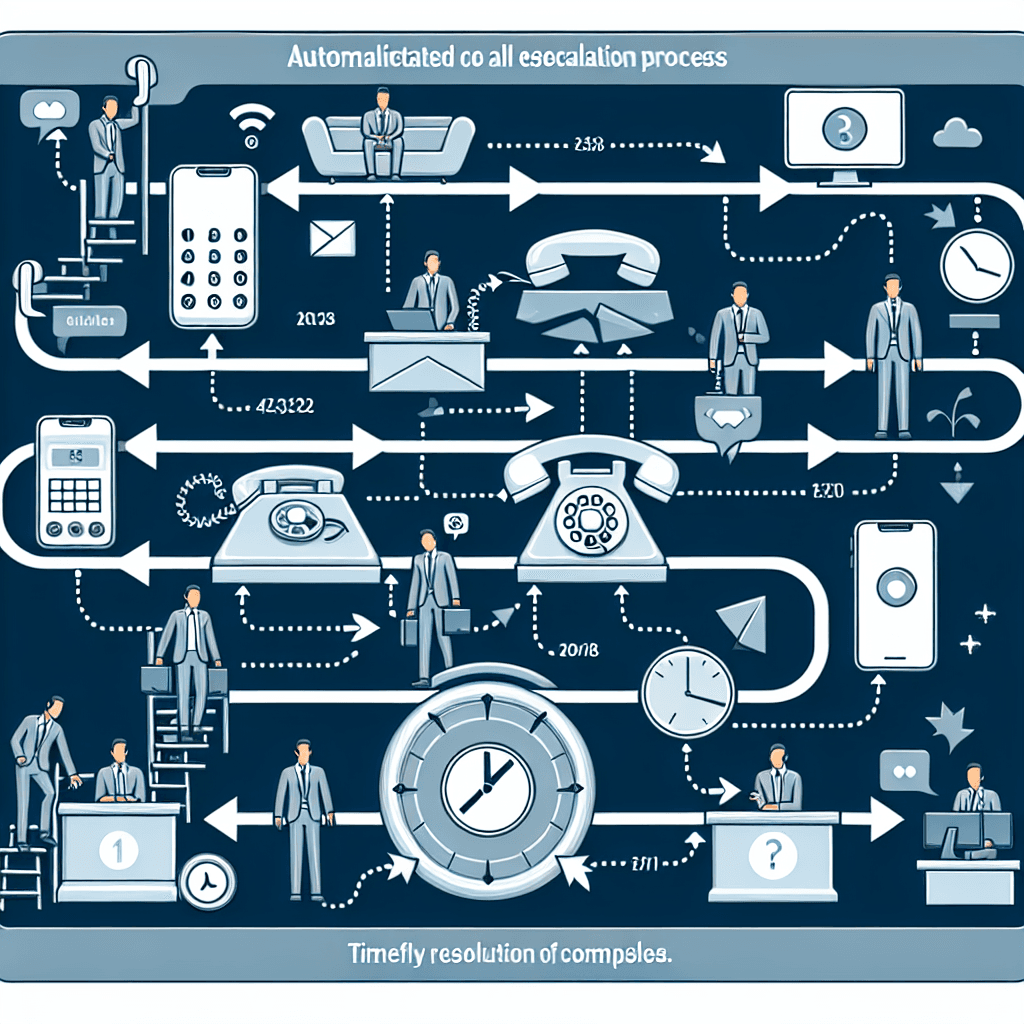
Automated Call Escalation: Ensuring Timely Resolution of Complex Issues
Automated call escalation significantly enhances customer service by integrating AI and automation to efficiently manage and prioritize complex customer queries within CRM systems. The system features such as priority tagging, real-time monitoring, and automated alerts aid in the swift resolution of issues, thereby boosting customer satisfaction and loyalty, and ultimately contributing to business growth. This technology not only ensures timely resolution of customer concerns but also aligns well with existing CRM frameworks, enabling a seamless and effective customer service experience.
 Blog Posts
Automated Call-Back Scheduling: AI Tools for Managing Peak Times
The article discusses the transformative impact of Automated Call-Back Scheduling (ACBS), a tool powered by Artificial Intelligence (AI), on customer service operations, especially during peak business hours. It highlights how ACBS optimizes customer call management by allowing customers to schedule callbacks at convenient times, thereby reducing wait times and improving customer satisfaction and operational efficiency. Additionally, it underscores the integration of AI call management tools like Automated Call-Back Scheduling as a proactive strategy to enhance customer service quality and manage resource allocation effectively during high-demand periods.
 Blog Posts
Automated Call-Back Scheduling: AI Tools for Managing Peak Times
Automated Call-Back Technology uses AI to manage high volumes of customer calls during peak business hours, reducing wait times and operational costs by scheduling callbacks when agents become available. This technology integrates seamlessly with existing business systems such as CRM and productivity tools, enhancing efficiency and customer service quality across multiple communication channels. With broad applications and proven success stories like those of Inkpact and Argos, businesses can significantly improve resource management, customer satisfaction, and overall operational effectiveness during busy periods.
 Blog Posts
Automated Accent Neutralization: Enhancing Call Clarity and Understanding
Automated accent neutralization technology is revolutionizing business communication by improving clarity and understanding in phone calls, particularly in international settings. This technology integrates with AI-powered phone systems to facilitate seamless communication despite diverse accents, thereby enhancing customer satisfaction and business efficiency. Through the use of advanced technologies like speech recognition, machine learning, and natural language processing, automated accent neutralization ensures mutual comprehension by decoding and adapting speech in real-time, making global business interactions more inclusive and effective.
 Blog Posts
Transform Your Business with an AI Phone Receptionist: The Essential Auto Attendant for Small Business
The article discusses how an AI phone receptionist can vastly improve small business operations by ensuring 24/7 availability and seamless integration with other tools, thereby enhancing customer engagement and satisfaction. It highlights the importance of an auto attendant in managing client communications effectively, reducing missed calls, and streamlining administrative tasks, ultimately positioning businesses for sustainable growth. Additionally, real-world examples illustrate the successful implementation of AI receptionists in various sectors, emphasizing their role in transforming customer service and operational efficiency.
 Blog Posts
Enhancing Engagement with Answer Machine Messages for Businesses Examples
The article discusses how AI phone receptionists, such as My AI Front Desk, can enhance customer engagement through intelligent answering scripts, voice customization, and seamless communication solutions. It emphasizes the importance of implementing effective voice messaging strategies to boost customer engagement and operational efficiency by integrating AI receptionists with business processes and monitoring/optimizing communication strategies based on data and customer feedback.
 Blog Posts
Answer iPhone Calls on PC: Elevate Remote Work with AI Phone Receptionists
The article discusses how AI Phone Receptionists from My AI Front Desk can improve remote work by allowing users to answer iPhone calls on their PCs, offering seamless integration with productivity tools like Zapier, Google Calendar, and Microsoft Outlook for enhanced efficiency, real-time data updates, and error reduction. These AI receptionists also enable customization of digital workspace experiences, providing flexibility and improved productivity for remote workers.
 Blog Posts
Another Way to Say I Wanted to Follow Up: Integrating AI Receptionist Systems with VoIP
The article discusses the integration of AI receptionist systems with VoIP infrastructure, focusing on the benefits and features of 'My AI Front Desk' for enhancing business productivity. It emphasizes how this integration can streamline operations and improve customer communications through intelligent voicemail handling, Zapier integration, and efficient follow-up systems. Overall, combining AI receptionist systems with VoIP offers strategic advantages such as scalability, cost reduction, improved customer service, and easy setup, leading to increased productivity and operational efficiencies for businesses.
 Blog Posts
Android Call Forwarding Specific Numbers: Leveraging My AI Front Desk for Precision and Efficiency
The article discusses how My AI Front Desk's AI Phone Receptionists use Android call forwarding specific numbers to enhance business communication. It explains the benefits, setup process, and real-world applications of this feature in improving customer service and emergency response. Additionally, it offers troubleshooting and support tips for users encountering issues with the Android call forwarding feature.
 Blog Posts
AI vs Human Receptionists: A Comprehensive Comparison
The article "AI vs Human Receptionists: A Comprehensive Comparison" delves into the evolving roles of receptionists in modern businesses, contrasting AI-powered receptionists with their human counterparts. It discusses the advantages and disadvantages of both, noting that AI receptionists offer 24/7 availability and data handling capabilities, while human receptionists excel in emotional intelligence and personalized interactions. The conclusion suggests a hybrid approach might be optimal for businesses, balancing technological efficiency with the irreplaceable human touch to enhance overall customer service.
 Blog Posts
Transforming Customer Experience with Virtual Receptionists
AI-powered virtual receptionists are transforming customer engagement by providing 24/7 call answering and intelligent call management, ensuring that businesses can enhance customer satisfaction through timely support. These systems integrate seamlessly with existing tools, helping businesses streamline operations while allowing them to automate communications and manage multiple inquiries simultaneously. As customer expectations evolve, adopting virtual receptionists becomes pivotal for companies looking to maintain competitive advantages in a fast-paced digital environment.
 Blog Posts
Navigating the New Age of Customer Communication: Elevating Service Quality with AI-Driven Virtual Receptionists and Automated Call Solutions
The article discusses the transformative impact of AI-driven virtual receptionists and automated call solutions on customer communication, highlighting features such as 24/7 availability and intelligent call routing that improve service quality. By utilizing these technologies, businesses can enhance customer experiences, streamline operations, and foster stronger relationships through personalized communication, thus gaining a competitive edge in a fast-paced digital marketplace. Overall, the integration of AI tools is positioned as essential for optimizing customer engagement and satisfaction.
 Blog Posts
AI Receptionists in the Automotive Industry: Enhancing Customer Service
AI receptionists are transforming customer service in the automotive industry by offering 24/7 availability, handling multiple customer inquiries simultaneously, and integrating with existing dealership management systems. These virtual assistants utilize AI technologies such as natural language processing to understand and respond to customer needs effectively, ensuring high levels of customer satisfaction and operational efficiency. The adoption of AI receptionists not only enhances customer interaction but also provides a scalable solution for handling customer service demands without incurring additional costs during peak times.
 Blog Posts
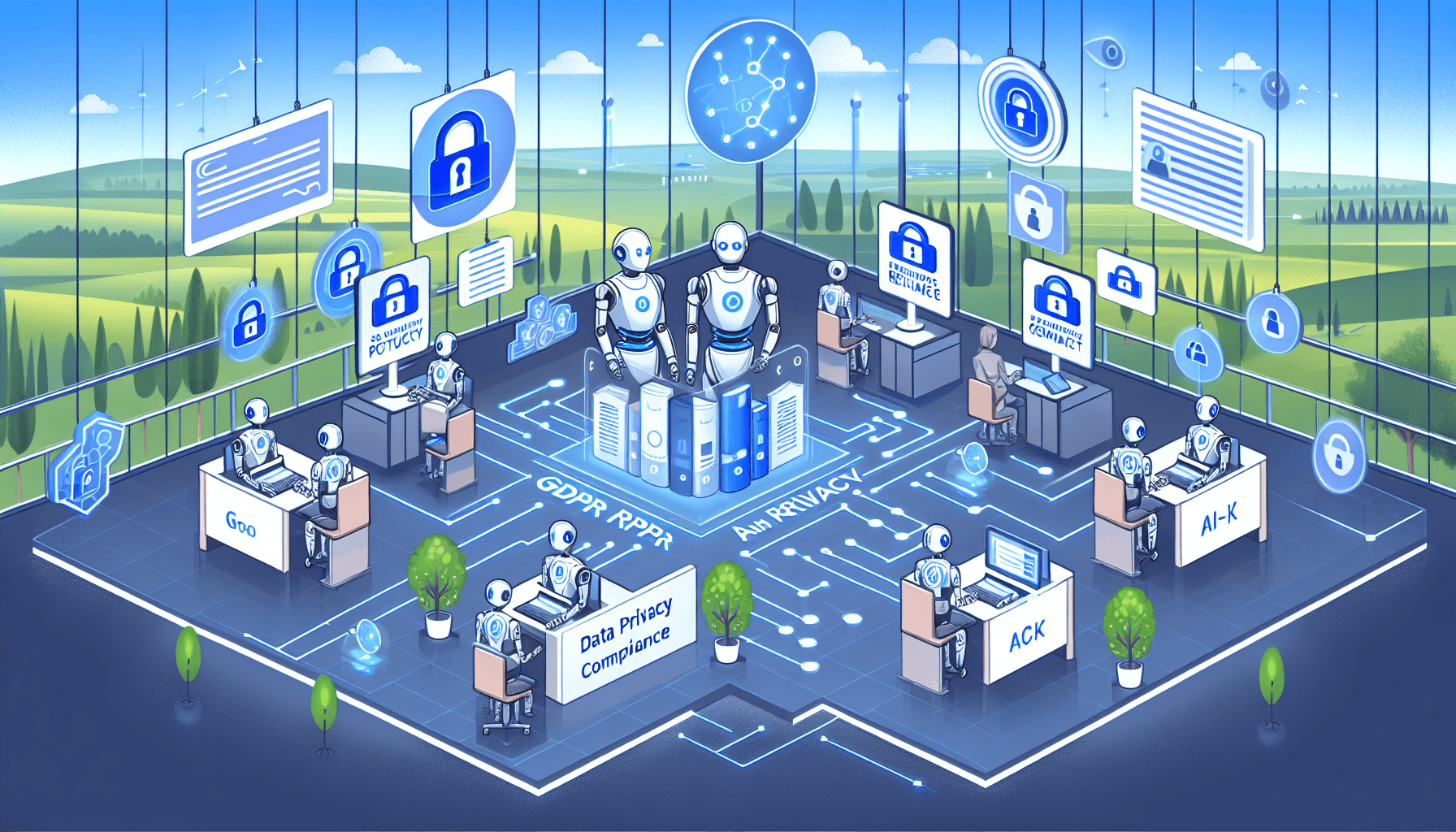
AI Receptionists and GDPR: Ensuring Data Privacy Compliance
The article discusses the significance and challenges of maintaining GDPR compliance when using AI receptionist technologies. AI receptionists, equipped with capabilities like machine learning and natural language processing, handle sensitive data and must align with GDPR regulations to protect consumer privacy and build trust. The text highlights strategies for compliance, such as data minimization, securing consent, and ensuring lawful data processing, while illustrating the benefits and potential legal repercussions in the dynamic landscape of digital privacy laws.
 Blog Posts
AI-Powered Voice Bots: Handling Routine Customer Inquiries
AI-powered voice bots are transforming customer service by automating routine inquiries, streamlining interactions, and improving overall efficiency. These voice bots utilize advanced technologies like Natural Language Processing (NLP) and Machine Learning (ML) to understand and respond to customer queries effectively, ensuring 24/7 availability and support in multiple languages. Additionally, as these technologies continue to evolve, businesses are increasingly adopting AI voice bots to enhance customer satisfaction, reduce operational costs, and maintain a competitive edge in the market.
 Blog Posts
AI-Powered Transcription: Enhancing Call Quality Monitoring
AI-powered transcription is transforming call quality monitoring by providing real-time, accurate text versions of voice calls, enhancing performance tracking, customer satisfaction, and compliance. This technology not only automates the transcription process, making it more efficient than traditional manual methods, but also integrates with existing systems to allow for advanced analytics. These advancements assist businesses in understanding customer behaviors and preferences, ultimately leading to better customer service and targeted marketing strategies.
 Blog Posts
AI-Powered Transcription: Enhancing Call Quality Monitoring
AI-powered transcription is revolutionizing call quality monitoring by providing businesses with accurate, real-time transcriptions and analyses of voice calls. This technology enhances customer service by identifying key insights such as customer emotions, preferences, and dissatisfaction triggers through machine learning and sentiment analysis. Additionally, it pairs with other AI tools offering real-time guidance to customer service agents, thereby improving the efficiency, accuracy, and overall quality of customer interactions.
 Blog Posts
Mastering Multi-Channel Communication: How AI-Powered Solutions Are Elevating Call Management and Enhancing Customer Interaction for Small Businesses
The article discusses the significance of multi-channel communication for small businesses and highlights how AI-powered solutions, such as virtual receptionists and automated call systems, are transforming call management. By implementing these technologies, small businesses can enhance customer interactions, streamline operations, and improve overall service delivery, positioning themselves competitively in the market. Emphasizing the importance of adopting advanced tools for efficient communication management, the article suggests that these innovations can lead to increased customer satisfaction and loyalty.
 Blog Posts
How AI-Powered Receptionists Are Revolutionizing Customer Communication and Boosting Business Efficiency
The article discusses how AI-powered receptionists, particularly My AI Front Desk, are transforming customer communication and enhancing business efficiency through features like 24/7 availability and intelligent call routing. By adopting these technologies, businesses can streamline operations, improve customer engagement, and respond to inquiries more quickly, thereby increasing satisfaction and loyalty. Despite implementation challenges, the integration of AI receptionists is portrayed as critical for organizations to maintain competitiveness in a rapidly evolving marketplace.
 Blog Posts
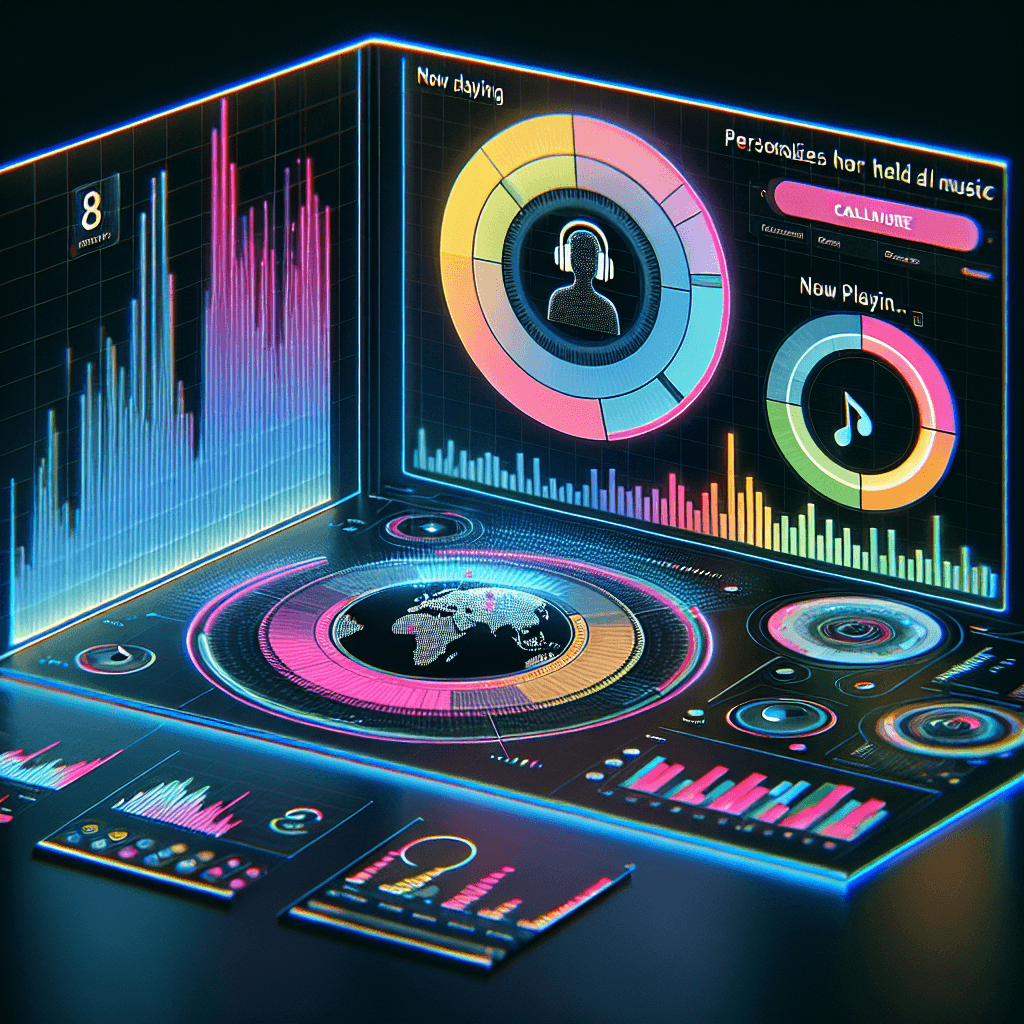
AI-Powered Hold Music Selection: Personalizing the Wait Experience
AI-driven technology is revolutionizing the hold music industry by creating personalized auditory experiences for callers, using customer data and AI to tailor music to individual tastes and enhance the wait experience. This personalization not often affects customer satisfaction and brand perception positively, adjusting music based on emotional state and estimated wait times. This progression from generic, repetitive hold music to dynamic, customized audio experiences offers a more engaging and satisfying on-hold experience, marking a significant shift in how businesses manage customer interactions during wait times.
 Blog Posts
AI-Powered Hold Music Selection: Personalizing the Wait Experience
The article discusses the innovative use of Artificial Intelligence (AI) in personalizing hold music during customer service calls, aiming to improve the waiting time experience by selecting music tailored to individual preferences based on data like previous interactions and browsing behavior. This personalized approach not only enhances customer satisfaction and loyalty but also offers a new channel for businesses to communicate with their audience subtly. AI-driven systems analyze various data points to predict and play music that caters to the listener's tastes, potentially including genres, news, or podcasts, thereby transforming the passive act of waiting on hold into a more enjoyable experience.
 Blog Posts
AI-Powered Hold Music Selection: Personalizing the Wait Experience
AI-powered solutions are transforming the traditionally mundane experience of hold music during customer service calls by personalizing selections based on caller data such as location, time of day, and previous interactions. By leveraging machine learning algorithms, these systems tailor music to individual tastes and preferences, improving caller satisfaction and reducing perceived wait times. This personalized approach not only enhances the customer experience but also serves as a potent branding tool, making wait times more enjoyable and engaging for customers.
 Blog Posts
Elevating Customer Service with AI Powered Solutions like HubSpot and RingCentral
The article discusses how AI-powered solutions, such as virtual receptionists like 'My AI Front Desk' and CRM integrations with HubSpot, are transforming customer service by enhancing communication, reducing wait times, and delivering personalized experiences. These technologies support multilingual interaction, streamline operations, and improve brand voice consistency, ultimately leading to increased customer satisfaction and retention. Businesses that integrate these AI solutions can gain a significant competitive edge by optimizing customer interactions and leveraging valuable data insights.
 Blog Posts
AI-Powered Callback Systems: Minimizing Customer Wait Times
AI-powered callback systems are revolutionizing customer service by significantly reducing wait times and enhancing customer satisfaction through intelligent scheduling and interactions. These systems integrate seamlessly with existing customer service workflows and utilize predictive analytics and machine learning to optimize call handling, prioritize urgent inquiries, and offer callbacks at convenient times, thereby improving both customer experience and operational efficiency. Real-world success stories across various industries underscore their effectiveness in reducing customer waiting times and improving service outcomes, making them essential for businesses aiming to improve their customer service operations.
 Blog Posts
AI-Powered Call Volume Forecasting: Optimizing Staffing Levels
AI-powered call volume forecasting is revolutionizing business operations by allowing for precise predictions of call volumes, thereby optimizing staffing needs and enhancing customer service efficiency. This technology utilizes machine learning algorithms and predictive analytics to analyze historical call data, seasonal trends, and real-time analytics, leading to significant operational cost reductions and improved customer satisfaction rates. Practical applications and case studies demonstrate that integrating AI into call center management not only streamlines operations but also boosts competitive advantage by ensuring timely customer responses and proactive handling of potential issues.
 Blog Posts
AI-Powered Call Volume Forecasting: Optimizing Staffing Levels
AI-powered call volume forecasting is revolutionizing call center operations by using machine learning models to predict future call volumes based on historical data, trends, and external factors like holidays and promotions. This advanced forecasting allows companies to optimize staffing levels, reducing overhead costs and improving customer service by ensuring adequate staff during peak periods. The application of such technology leads to enhanced operational efficiency, better customer satisfaction, and reduced wait times, positioning AI as a crucial tool in modern business strategies for call centers and customer service environments.
 Blog Posts
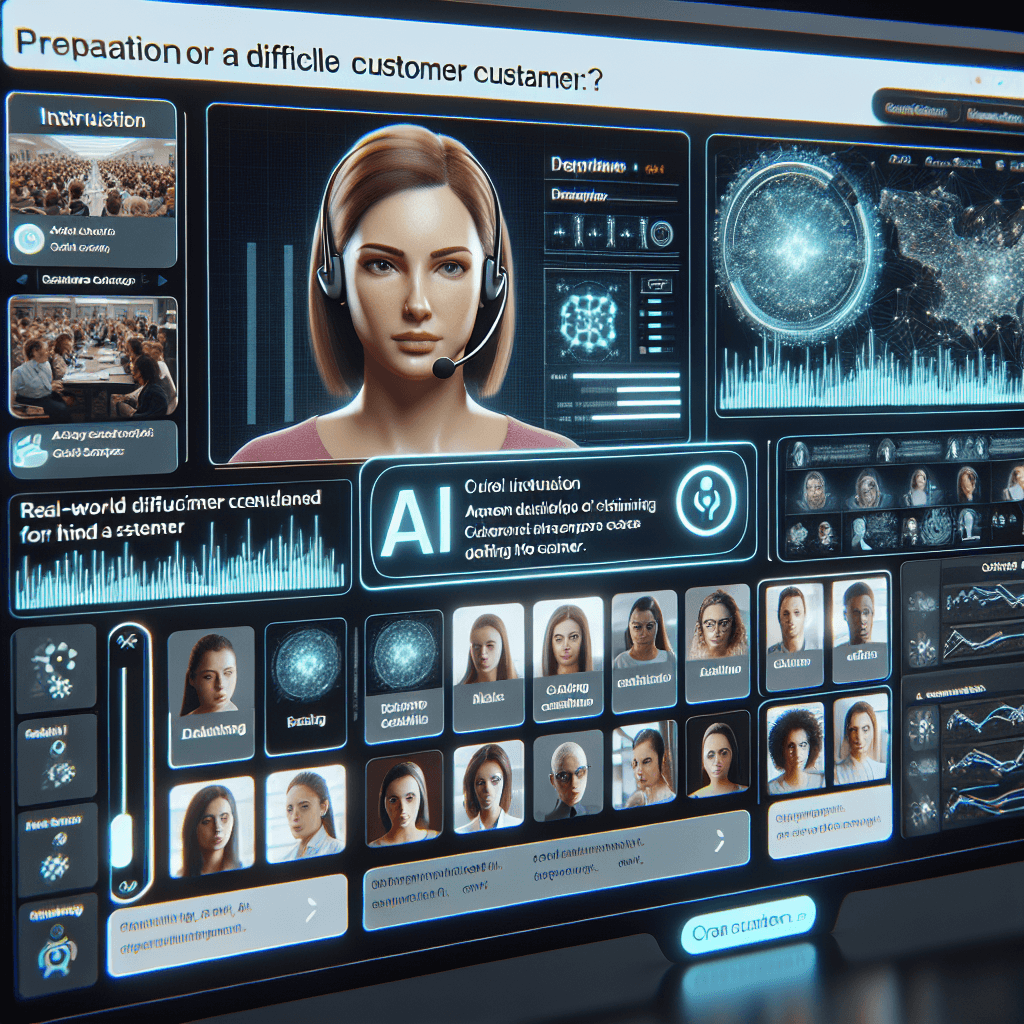
AI-Powered Call Simulation: Preparing Agents for Difficult Scenarios
AI-powered call simulations are revolutionizing agent training in contact centers by providing realistic, controlled environments for practice. These advanced simulations utilize Artificial Intelligence and Machine Learning to prepare agents for a range of difficult customer interactions, ultimately enhancing problem-solving skills and improving customer satisfaction. The technology features key components like Natural Language Processing and Emotional Intelligence, which allow for dynamic, scenario-based training modules that improve the agents’ handling of challenging situations and reduce training times and costs.
 Blog Posts
AI-Powered Call Simulation: Preparing Agents for Difficult Scenarios
AI-powered call simulation is revolutionizing agent training in customer service by providing realistic and interactive environments for agents to practice and enhance their skills without the risks of real customer interactions. These simulations utilize advanced AI technologies, including voice recognition and response generation, to create diverse scenarios that replicate complex customer behaviors and responses, thereby preparing agents for real-world challenges. The technology not only boosts agents’ confidence and competence but also allows for continuous individualized training and performance assessment to hone communication and problem-solving skills, making it an effective tool against unpreparedness in customer service interactions.
 Blog Posts
Streamlining Success: Why Every Small Business Should Consider AI-Powered Call Management to Enhance Efficiency and Customer Experience
The article emphasizes the importance of AI-powered call management systems for small businesses, highlighting features like 24/7 availability, intelligent call routing, and automated voicemail transcription as ways to enhance efficiency and customer experience. It provides real-world examples of businesses that have successfully implemented these technologies, resulting in increased customer satisfaction and operational efficiency. Additionally, the article offers practical steps for integrating AI-driven solutions, focusing on assessing specific needs and ensuring smooth transitions to new systems.
 Blog Posts
Automation Excellence: How AI-Powered Call Management Solutions are Shaping the Next Generation of Customer Service
The article discusses the transformative impact of AI-powered call management solutions on customer service, highlighting features such as 24/7 availability, intelligent call routing, and automated voicemail transcription as key enhancements for operational efficiency. It emphasizes real-world applications across industries, especially in healthcare and retail, and suggests that these technologies enable companies to meet evolving customer expectations while gaining a competitive edge. The future of customer service is expected to be shaped by further integration of AI, which will facilitate more personalized, efficient customer interactions.
 Blog Posts
Transforming Business Communication: The Future of Call Management with AI-Powered Virtual Receptionists
The article discusses how AI-powered virtual receptionists, such as My AI Front Desk, are transforming business communication by automating call management and enhancing customer engagement. These systems offer features like 24/7 availability and smart voicemail management, streamlining workflows and improving operational efficiency. As businesses increasingly adopt these technologies, they position themselves for success in a rapidly evolving communication landscape.
 Blog Posts
AI-Powered Call Center Onboarding: Accelerating Agent Training
AI-powered call center onboarding is revolutionizing agent training by significantly reducing the time and resources required, thus boosting efficiency and cost-effectiveness. These systems simulate real-life customer interactions, tailoring training to the individual needs of agents, and providing targeted feedback, which allows new agents to achieve proficiency more rapidly and with greater confidence. By integrating AI in call centers, organizations can not only improve the quality of customer service but also enable human trainers to focus on strategic and innovative tasks, further contributing to operational success.
 Blog Posts
AI-Powered Call Analytics: Extracting Insights from Customer Conversations
AI-powered call analytics are transforming customer service by providing real-time insights, automated responses, and enhancements to operational efficiency. By leveraging technologies such as sentiment analysis, intelligent call routing, and automated follow-ups, these systems analyze customer conversations to fine-tune customer interactions and improve satisfaction. This integration within various business environments allows companies to capture detailed insights, leading to better service, informed decisions, and a more personalized customer experience.
 Blog Posts
AI-Powered Call Analytics: Extracting Insights from Customer Conversations
AI-powered call analytics are revolutionizing customer interactions by leveraging artificial intelligence and machine learning to extract actionable insights from customer phone conversations. This technology enhances customer service by providing a detailed understanding of customer sentiments, agent performance, and conversational cues, which facilitates strategic decision-making and operational improvements. Businesses using AI call analytics can anticipate customer needs, improve satisfaction, and achieve greater operational efficiency by proactively addressing issues and personalizing customer interactions.
 Blog Posts
AI-Powered Call Analytics: Extracting Insights from Customer Conversations
AI-powered call analytics utilizes advanced technologies like machine learning and natural language processing to analyze customer phone interactions, providing crucial insights into customer emotions, call trends, and interaction quality. This technology enables businesses to personalize customer engagement by extracting data to monitor satisfaction, anticipate needs, and inform decision-making for enhanced customer service strategies. Ultimately, AI call analytics allows for a deeper understanding of customer behaviors and sentiments, which supports the customization of communication tactics to improve service quality and customer loyalty.
 Blog Posts
AI-Managed Call Forwarding: Ensuring Business Continuity
AI-managed call forwarding uses artificial intelligence to enhance business communications by intelligently routing calls based on various criteria such as time of day, caller ID, and context without human intervention. This technology allows for seamless integration with existing business tools like CRM systems, ensuring that calls are directed appropriately, which enhances customer satisfaction and supports continuous business operations. The benefits of AI-managed call forwarding include improved operational efficiency, continuous availability, real-time data management, and the capability to adapt and evolve with the business, thereby providing a competitive edge in the digital era.
 Blog Posts
AI-Managed Call Forwarding: Ensuring Business Continuity
AI-Managed Call Forwarding is reshaping business communications by using artificial intelligence to automatically route calls based on analytical insights and predefined criteria, ensuring that business operations remain uninterrupted and efficient. This technology not only supports handling high call volumes and diverse customer needs more effectively than traditional systems but also integrates seamlessly with existing business infrastructure like CRM systems, enhancing customer service and reliability. As this technology continues to evolve, it holds the potential to substantially increase operational resilience and improve customer satisfaction by providing more personalized and agile communication solutions.
 Blog Posts
AI in Virtual Phone Numbers: Enhancing Business Presence and Availability
AI-powered virtual phone systems are significantly enhancing business communication by providing 24/7 availability and seamless integration with business tools like CRMs, transforming how companies interact with customers. These systems utilize AI technologies such as virtual receptionists and intelligent call routing to manage high call volumes efficiently, improve customer satisfaction, and reduce operational costs. Furthermore, the integration of AI not only bolsters a business’s presence and availability but also introduces advanced features like emotion recognition and predictive analytics, improving both the quality of customer interactions and the overall customer experience.
 Blog Posts
AI in Virtual Phone Numbers: Enhancing Business Presence and Availability
AI-enhanced virtual phone systems are transforming business communications by ensuring 24/7 customer availability and integrating seamlessly with existing apps and services. These systems utilize cloud technology to manage calls globally without physical infrastructure, leveraging AI for intelligent features like automated speech recognition and CRM integrations for personalized service. They are scalable, cost-effective, and provide businesses with powerful tools for real-time data connectivity to make informed decisions during customer interactions.
 Blog Posts
AI in Technical Support Calls: Guiding Customers Through Troubleshooting
Artificial Intelligence (AI) is significantly transforming the technical support sector by accelerating troubleshooting processes and enhancing customer experiences. AI integrates with existing customer support technologies to optimize response times and improve accuracy, and utilizes machine learning and natural language processing to provide 24/7 service through chatbots and virtual assistants. This technological evolution not only speeds up problem resolution but also helps maintain high-quality, consistent customer interactions by understanding and responding to customer issues effectively.
 Blog Posts
AI in Technical Support Calls: Guiding Customers Through Troubleshooting
Artificial Intelligence (AI) is revolutionizing technical support by enabling instant, efficient communication and problem-solving during support calls. AI improves the customer service experience by accurately diagnosing issues and providing real-time, step-by-step troubleshooting guidance, which significantly reduces waiting times. This integration of AI not only streamlines the interaction between customers and support systems but also continually enhances its algorithms through learning from each interaction, promising ever-increasing efficiency and accuracy in resolutions.
 Blog Posts
AI in Technical Support Calls: Guiding Customers Through Troubleshooting
The integration of Artificial Intelligence (AI) into technical support has significantly enhanced the efficiency and effectiveness of customer service. AI support bots streamline the troubleshooting process, reduce waiting times by intelligently routing calls, and continuously improve through interaction learning, thereby boosting resolution rates and customer satisfaction. With capabilities like real-time problem-solving and predictive troubleshooting, AI is set to transform the landscape of technical support, making customer interactions more proactive and personalized.
 Blog Posts
AI in Phone System Integration: Transforming CRM and Support Platforms
AI-driven phone systems are revolutionizing CRM and support platforms by enhancing real-time data integration and operational efficiency. These systems facilitate seamless interactions across over 9000 apps through Zapier integration and empower businesses with features like voicemail transcription, parallel call handling, and predictive analytics. This integration not only streamlines communication and customer service but also significantly boosts customer engagement and satisfaction by providing a more personalized and responsive experience.
 Blog Posts
AI in Phone System Capacity Planning: Predicting and Managing Growth
AI technology is revolutionizing phone system capacity planning, enhancing scalability, and ensuring consistent customer service by managing call volumes during peak times. This shift towards AI-driven systems allows businesses to use predictive analytics to foresee growth and strategically manage resources, thereby optimizing system efficiency and supporting business expansion. The integration of AI not only customizes user experiences but also seamlessly adapts phone systems to accommodate business growth, maintaining high service quality irrespective of demand.
 Blog Posts
AI in Phone System Capacity Planning: Predicting and Managing Growth
Artificial Intelligence (AI) is significantly enhancing phone system capacity planning in telecommunications by employing predictive analytics and real-time data handling to optimize performance and efficiency. AI-driven tools aid telecommunication companies in efficiently managing growth, anticipating future demands, and making agile adjustments to system capacities, thus improving overall operational effectiveness and customer service. Examples like Vodafone and Verizon illustrate substantial gains in efficiency and operational costs, underscoring the necessity of AI in modern telecommunication strategies to address rising complexity and demand in the sector.
 Blog Posts
AI in Phone Support for IoT Devices: Managing Complex Troubleshooting
The article discusses the integration of Artificial Intelligence (AI) into phone support systems for Internet of Things (IoT) devices, highlighting its role in enhancing troubleshooting and improving user experiences by offering real-time assistance and advanced diagnostic capabilities. AI-driven support systems can handle multiple queries simultaneously and constantly improve by learning from each interaction, thus reducing operational costs and increasing efficiency. However, successful implementation requires addressing challenges like extensive training, seamless integration, and building consumer trust, with AI's predictive capabilities enabling proactive rather than reactive maintenance to extend device lifespans and prevent malfunctions.
 Blog Posts
AI in Phone Support for IoT Devices: Managing Complex Troubleshooting
The article discusses the integration of Artificial Intelligence (AI) in phone support for troubleshooting Internet of Things (IoT) devices, highlighting how AI enhances efficiency and accuracy in handling complex issues. It explores AI's capacity for real-time problem analysis and solution provision, markedly improving upon traditional customer support models. The text also touches on the challenges and future potentials of this technology, including case studies where AI-driven phone support has successfully resolved intricate technical issues in various industries, leading to higher customer satisfaction and business productivity.
 Blog Posts
AI in Phone-Based Customer Education: Delivering Personalized Information
The article discusses the integration of Artificial Intelligence (AI) into phone-based systems to enhance customer education, emphasizing personalized and efficient service delivery. It highlights the use of technologies such as Natural Language Processing and Machine Learning, which allow these systems to understand and adapt to individual customer needs, improving interaction quality over time. The adoption of AI in phone systems not only revolutionizes customer service by providing tailored interactions but also supports businesses in managing larger customer bases effectively, ensuring availability and scalability.
 Blog Posts
AI in Phone-Based Cross-Selling: Identifying Opportunities in Real-Time
Artificial Intelligence (AI) is transforming phone-based cross-selling by enabling real-time identification of sales opportunities and providing personalized customer recommendations through advanced technologies like Interactive Voice Response (IVR) systems and Natural Language Processing (NLP). This integration not only improves the efficiency of sales strategies across various industries like telecommunications and banking, but also enhances customer experience by anticipating needs and preferences during calls. As AI continues to evolve, its role in reshaping phone-based sales strategies, through predictive analytics and decision-making, is set to expand, promising greater personalization and increased sales conversions.
 Blog Posts
AI in Outbound Calling: Optimizing Sales and Marketing Campaigns
The article discusses the transformative impact of artificial intelligence (AI) in outbound calling, significantly enhancing the efficiency and effectiveness of sales and marketing strategies. AI tools like predictive dialing, sentiment analysis, and speech recognition not only streamline the calling process but also foster personalized customer interactions, thereby improving engagement and conversion rates. Furthermore, the integration of AI with CRM systems optimizes data usage, automates critical processes, and facilitates more informed decision-making through deep analytics, demonstrating AI's crucial role in refining outbound calling tactics and overall business success.
 Blog Posts
AI in Outbound Calling: Optimizing Sales and Marketing Campaigns
Artificial Intelligence (AI) is significantly transforming the landscape of outbound calling in sales and marketing, enhancing efficiency and conversion rates through sophisticated tools like machine learning and natural language processing. AI improves customer engagement by analyzing data to personalize interactions and optimize call timing, leading to higher success in sales campaigns. As businesses continue to incorporate these advanced technologies, AI is not only automating repetitive tasks and profiling customers but also driving sales through intelligent dialers and predictive algorithms, setting a promising future for outbound calling strategies.
 Blog Posts
AI in Outbound Calling: Optimizing Sales and Marketing Campaigns
AI technology is revolutionizing outbound calling in sales and marketing by enhancing efficiency, personalization, and scalability. AI tools automate tasks like prospecting and dialing, integrate seamlessly with existing CRM systems for superior data management, and use sophisticated algorithms to optimize lead scoring and personalize communications effectively. This transformation significantly boosts the success of outbound campaigns, allowing businesses to connect with a broader audience more successfully and tailor their strategies based on detailed analytics and customer behavior insights.
 Blog Posts
AI in Optimizing Hold Times: Balancing Efficiency and Customer Experience
Artificial Intelligence (AI) is transforming customer service by optimizing call management, specifically reducing hold times and enhancing customer interactions. AI integrates smoothly with existing communication systems like VoIP and CRM, which allows for efficient call routing, predictive call analytics, and personalized customer interactions that significantly improve customer experience and operational efficiency. This technology not only helps in streamlining customer service processes but also contributes to increased customer satisfaction and business growth.
 Blog Posts
AI in Crisis Management: Handling High-Volume Emergency Calls
The article discusses the role of Artificial Intelligence (AI) in enhancing the efficiency and effectiveness of emergency call centers during crises by automating and optimizing high-volume call handling. AI technologies, such as machine learning and natural language processing, improve rapid call processing, prioritize emergencies, and integrate seamlessly with existing systems to direct resources efficiently. However, the deployment of AI in crisis management also requires careful consideration of challenges like data quality, privacy, system compatibility, and ethical implications to fully realize its potential in revolutionizing emergency response systems globally.
 Blog Posts
AI in Crisis Management: Handling High-Volume Emergency Calls
The article discusses the role of artificial intelligence (AI) in revolutionizing crisis management, particularly by enhancing emergency call systems to handle high volumes of calls during crises efficiently. AI technologies such as predictive analytics, automated dispatching, and intelligent routing are integrated into existing emergency infrastructures, enabling rapid and accurate responses and improving operational resilience and public safety. Despite the transformative impacts, the adoption of AI also presents challenges, including data privacy concerns, the need for human empathy in responses, and issues of responsibility and accountability when AI systems fail.
 Blog Posts
AI in Crisis Management: Handling High-Volume Emergency Calls
Artificial intelligence is significantly transforming emergency response systems by efficiently managing high volumes of emergency calls, thus enhancing rapid response and reducing wait times. AI technologies like natural language processing and machine learning help prioritize urgent calls and provide real-time data analysis, improving operational efficiency and potentially saving more lives during crises. As AI continues to integrate with existing communication technologies, it promises a future of faster and more effective emergency responses, though it also raises ethical and practical challenges that need careful consideration.
 Blog Posts
AI in Compliance Monitoring: Ensuring Regulatory Adherence in Phone Calls
Artificial Intelligence (AI) is revolutionizing compliance monitoring in phone communications by automating the detection and analysis of regulatory breaches, significantly enhancing efficiency and accuracy over traditional methods. AI technologies such as natural language processing and machine learning help businesses monitor all communications in real-time, adapt to regulatory changes, and reduce legal risks. Moreover, AI systems integrate seamlessly with existing systems, offering predictive analytics and real-time alerts to proactively manage compliance and minimize violations.
 Blog Posts
AI in Compliance Monitoring: Ensuring Regulatory Adherence in Phone Calls
Artificial Intelligence (AI) is revolutionizing compliance monitoring in phone communications, automating the process to efficiently ensure adherence to regulations like GDPR and HIPAA. By leveraging machine learning and Natural Language Processing (NLP), AI systems can analyze vast quantities of phone call data in real-time, identifying potential non-compliance issues and reducing manual oversight. This transformation not only enhances operational efficiency but also supports businesses in managing complex regulatory environments more effectively, allowing them to focus more on core competencies.
 Blog Posts
AI in Call Recording Compliance: Managing Legal and Regulatory Requirements
The article discusses the integration of Artificial Intelligence (AI) into call recording systems to comply with intricate legal and regulatory frameworks such as GDPR, HIPAA, and sector-specific rules like those applying to the financial and healthcare industries. AI technologies like Natural Language Processing and speech analytics are utilized to automate compliance checks, transcribe, translate, and analyze calls to ensure adherence to data protection regulations while improving customer service quality. The implementation of AI in call recording challenges businesses to stay aligned with evolving privacy laws and sector-specific requirements, driving the development of advanced, ethical, and compliant call recording solutions.
 Blog Posts
AI in Call Recording Compliance: Managing Legal and Regulatory Requirements
The article discusses the integration of Artificial Intelligence (AI) in managing legal and regulatory requirements in call recording, highlighting its role in automating compliance processes and enhancing data accuracy with technologies like AI-powered speech-to-text. It also explores the challenges related to implementing AI in this context, such as data security, AI bias, and the need for a balance between automation and human oversight. AI tools significantly help in simplifying compliance management in sectors like finance, healthcare, and customer service, ensuring organizations meet varied legal standards efficiently and effectively.
 Blog Posts
AI in Call Recording Compliance: Managing Legal and Regulatory Requirements
The article discusses how Artificial Intelligence (AI) is revolutionizing the call recording sector by enhancing compliance with legal and regulatory standards such as GDPR and HIPAA. AI-driven call recording systems improve privacy, data protection, and regulatory adherence through automated consent management and sensitive data masking, thus mitigating potential legal and reputational risks. It also underscores ongoing challenges like ensuring explicit consent and contextual interpretation of dialogues, setting the stage for AI to further streamline compliance in this complex digital landscape.
 Blog Posts
AI in Call Flow Design: Optimizing Customer Experience Pathways
The article discusses the transformative role of Artificial Intelligence (AI) in call flow design, enhancing the efficiency and personalization of customer interactions across various businesses. AI integrates seamlessly with existing systems to manage large volumes of calls, providing timely, context-aware support and maintaining consistent service quality regardless of call volume or time. This innovation also supports real-time adaptation to different business needs and customer scenarios, facilitating improved communication strategies and customer experience pathways.
 Blog Posts
AI in Call Flow Design: Optimizing Customer Experience Pathways
The article discusses how Artificial Intelligence (AI) is revolutionizing call flow design to optimize customer experience pathways. By integrating AI, businesses can create intelligent, adaptive communication systems that enhance customer interaction and satisfaction, reduce call durations with predictive capabilities, and manage high volumes efficiently. The technology also enables AI systems to offer personalized and efficient service through features like natural language processing (NLP), voice recognition, and predictive customer service, propelling businesses towards more effective and customer-centric operations.
 Blog Posts
AI in Call Center Workforce Management: Optimizing Staffing Levels
Artificial Intelligence (AI) is revolutionizing call center workforce management by optimizing staffing levels, ensuring operational efficiency, and enhancing customer satisfaction. By leveraging AI-driven predictive analytics and real-time monitoring, call centers can dynamically manage workforce allocation and adjust to fluctuating demand, reducing wait times and improving service quality. Additionally, AI enhances employee satisfaction through fair and efficient shift scheduling, contributing to lower staff turnover and better overall performance.
 Blog Posts
AI in Call Center Workforce Management: Optimizing Staffing Levels
Artificial Intelligence (AI) is significantly transforming call center operations by optimizing workforce management, reducing costs, and enhancing customer service through intelligent software systems and automation. AI technology integrates with existing call center systems to improve real-time decision-making and staffing allocation by predicting staffing needs using data analysis from historical call data, holidays, and weather conditions. This integration not only streamlines operations by automating tasks such as call routing and customer interaction via chatbots but also supports more complex decision-making processes, ensuring an efficient, balanced, and customer-oriented service delivery.
 Blog Posts
AI in Call Center Training: Simulating Customer Interactions
The article discusses the transformative impact of Artificial Intelligence (AI) on call center training, highlighting how AI-driven simulations offer a realistic and interactive environment for training agents. These simulations are designed to handle a wide array of customer interaction scenarios, enhancing trainee engagement and problem-solving skills through personalized feedback and adaptive learning paths. As AI technology evolves, it continues to set new standards in preparing call center agents to deliver superior customer service and manage diverse customer behaviors effectively.
 Blog Posts
AI in Call Center Site Selection: Optimizing Global Operations
Artificial intelligence is revolutionizing call center site selection by utilizing vast datasets to analyze factors like local workforce availability, language proficiency, infrastructure quality, and economic stability to optimize global operations and reduce operational costs. AI has surpassed traditional processes, enabling data-driven strategic decision-making, and ensuring operational efficiency and cost minimization for businesses aiming for competitiveness in a customer-centric market. As AI technologies, such as machine learning and geographic information systems, continue to evolve, they are increasingly employed to predict performance, analyze workforce attributes, and integrate diverse data, thereby enabling companies to identify the optimal locations for call centers to efficiently serve a global clientele.
 Blog Posts
AI in Call Center Site Optimization: Managing Multi-Location Operations
The article discusses the integration of Artificial Intelligence (AI) in managing multi-location call center operations, highlighting its ability to enhance efficiency and customer service. AI technologies, such as real-time data synchronization, parallel call handling, and AI-driven analytics, allow for effective coordination across various locations, leading to improved operational workflows and customer experiences. Moreover, the adoption of AI in call centers not only automates repetitive tasks and supports decision-making but also ensures high-quality service delivery independent of geographical boundaries.