
Blog Posts
Blog posts
In-depth posts on AI receptionist strategy, customer experience, and growth playbooks.
Looking for something specific? Browse the full article archive.
 Blog Posts
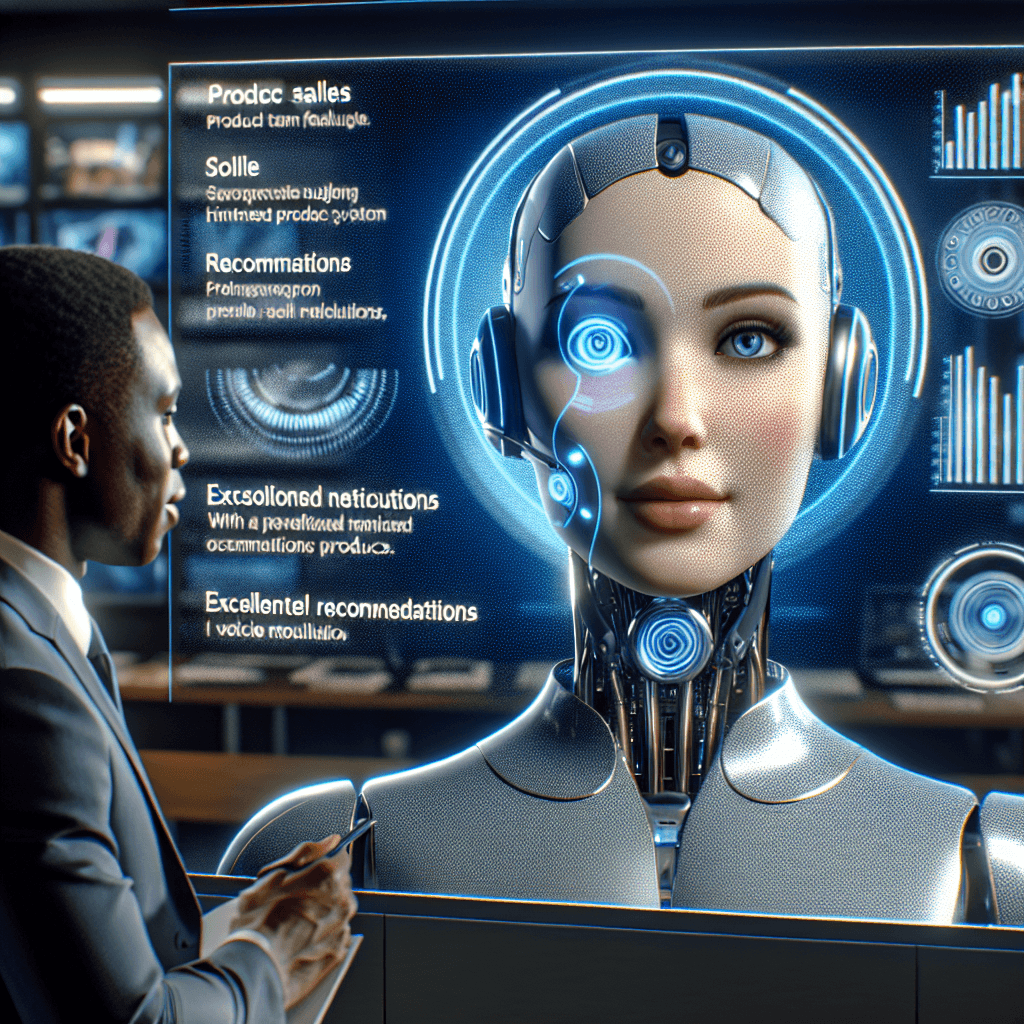
Voice-Based Sales Opportunity Detection: Enhancing Revenue Generation
The article discusses the integration of AI-powered voice-based technologies with CRM systems to bolster sales processes, highlighting how these tools can automatically analyze and act on sales opportunities in real-time, thus maximizing efficiency and revenue generation. It details how voice recognition and machine learning algorithms are used to discern potential customer interests during calls, allowing businesses to better target and personalize their sales approaches. Additionally, the article emphasizes the continuous evolution and future potential of voice-based sales detection technologies in improving customer experience and business sales outcomes.
 Blog Posts
Voice-Based Product Recommendations: AI-Powered Upselling in Phone Sales
The article discusses the transformative impact of AI on phone sales, with a focus on personalized, voice-based product recommendations that enhance upselling opportunities. AI technologies, including Natural Language Processing (NLP) and Machine Learning, analyze customer interactions to suggest relevant products during phone sales, increasingly personalizing customer interactions and potentially boosting sales. Businesses are encouraged to adopt these AI-driven tools not just to remain competitive but to also enhance customer satisfaction through more tailored and effective communication.
 Blog Posts
Voice-Based Product Authentication: Combating Counterfeit Goods
Voice-based product authentication is emerging as an effective technology against counterfeit goods by leveraging the unique vocal characteristics of individuals coupled with advanced AI. This technology not only enhances product security but also extends benefits including increased consumer trust and reduced economic losses from counterfeits. Despite facing challenges like susceptibility to voice changes and privacy concerns, the future for voice-based authentication in combating counterfeits looks promising as it continues to evolve and integrate with existing security measures.
 Blog Posts
Voice-Based Mood Detection: Tailoring Agent Responses in Real-Time
Voice-based mood detection technology utilizes Natural Language Processing (NLP) and other AI techniques to analyze vocal cues such as pitch and speech patterns, enabling real-time adjustment of responses in customer service systems to enhance interactions. This technology improves service efficiency and customer satisfaction by allowing AI-driven interfaces to respond empathetically and effectively to the emotional state of the speaker. It has wide-ranging applications across industries like customer service, sales, and therapy, and is essential for creating more human-like, personalized interactions, reducing conflicts, and increasing overall customer satisfaction.
 Blog Posts
Voice-Based Emotion Tracking: Monitoring Customer Satisfaction Trends
Voice-based emotion tracking leverages AI and machine learning to analyze vocal cues and interpret human emotions, enhancing customer service across various industries by providing insights into customer satisfaction and experience. This technology allows businesses to make data-driven decisions and tailor personalized experiences that increase loyalty and satisfaction. As the technology evolves, it holds the potential to further transform customer service by improving the accuracy of emotion recognition and integrating it into broader business analytics.
 Blog Posts
Voice-Based Emotion Tracking: Monitoring Customer Satisfaction Trends
Voice-based emotion tracking technology is significantly transforming customer service by using AI to analyze vocal nuances and determine customer satisfaction in real-time. This modern approach allows businesses to monitor and respond to customer emotions more effectively than traditional methods, such as surveys, enhancing customer interaction and loyalty. Furthermore, when integrated into AI-powered systems like AI receptionists, this technology aids in delivering personalized and empathetic service, which can dramatically improve customer satisfaction levels and foster loyalty.
 Blog Posts
Voice-Based Emotion Tracking: Monitoring Customer Satisfaction Trends
Voice-based emotion tracking technology is emerging as a transformative tool in customer service, leveraging AI and voice analytics to analyze vocal cues for emotional insights, enhancing customer interactions, and predicting customer behavior. This technology assesses various speech characteristics, such as pitch and tone, to detect customer emotions, allowing businesses to respond more effectively and improve overall customer satisfaction. As companies integrate this technology into their service strategies, it is poised to revolutionize the way customer satisfaction trends are monitored and addressed, potentially enhancing customer loyalty and reducing churn.
 Blog Posts
Voice-Based Customer Verification: AI Solutions for Secure Transactions
Voice-based customer verification employs AI-driven voice biometrics to enhance security and user experience, utilizing unique voice characteristics to authenticate identities in financial transactions and other industries, thereby reducing fraud and improving user convenience. This technology adapts to changes in a user's voice over time and presents a robust security measure that challenges traditional password systems. As the need for secure digital transactions grows, voice verification is poised to become a central feature in safeguarding data and streamlining customer interactions across various sectors.
 Blog Posts
Voice-Based Customer Verification: AI Solutions for Secure Transactions
The article discusses the role of voice-based customer verification, emphasizing its enhanced security and seamless integration into various industry sectors using advanced AI technologies. Voice biometrics utilizes a unique voice print for identification, offering a secure and user-friendly alternative to traditional methods like passwords and PINs. As AI continues to evolve, voice verification systems are increasingly adept at handling challenges such as noise interference and voice pattern variations, ensuring reliable and fraud-resistant transactions across banking, healthcare, and customer service industries.
 Blog Posts
Voice-Based Customer Segmentation: Tailoring Phone Experiences
Voice-based AI technology is transforming customer service by enabling personalized phone interactions through customer segmentation, integrating seamlessly with existing systems to enhance engagement and optimize resource allocation. This approach uses machine learning to analyze customer behaviors and preferences during phone calls, offering tailor-made services that increase satisfaction and loyalty. The technology not only improves the efficacy of communication and customer understanding but also significantly reduces resolution times, marking a shift towards more responsive and customized service delivery in various industries.
 Blog Posts
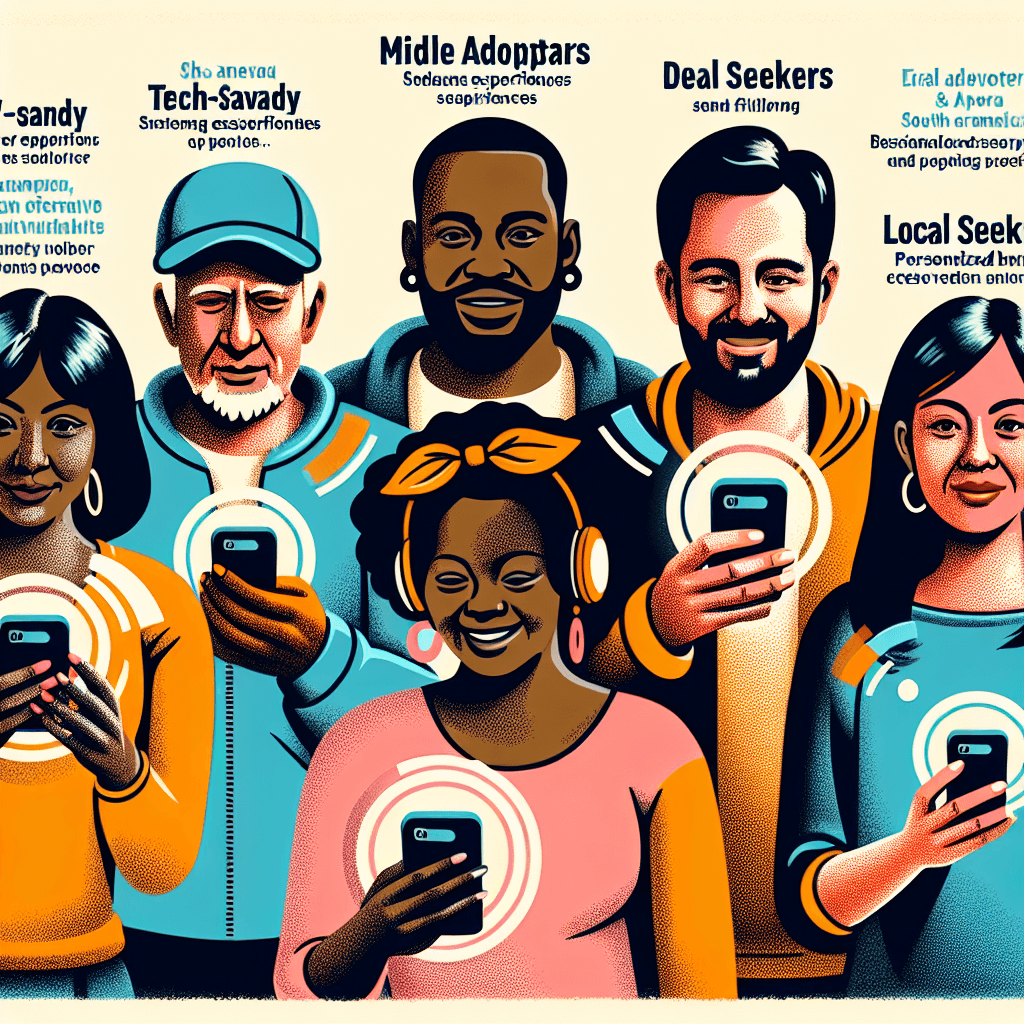
Voice-Based Customer Segmentation: Tailoring Phone Experiences
Voice-based customer segmentation is increasingly being used to enhance phone interactions by identifying and categorizing customers based on voice characteristics such as tone and speech patterns, enabling businesses to tailor conversations to individual needs. This technology integrates efficiently with CRM systems, allowing for dynamic and personalized customer interactions that boost satisfaction and loyalty. By leveraging AI receptionists and advanced analytics, companies can improve their customer service, create more personalized experiences, and drive business growth through more strategic engagement and communication methods.
 Blog Posts
Voice-Based Customer Segmentation for Personalized Phone Experiences
Voice-based customer segmentation utilizes AI and machine learning to analyze voice data, enabling businesses to personalize phone interactions and enhance customer satisfaction significantly. This technique classifies customers based on speech characteristics such as tone and volume, allowing for targeted service offerings and improved engagement. These advanced technologies, coupled with CRM systems, deliver tailored experiences that foster customer loyalty and drive business growth.
 Blog Posts
Voice-Based Customer Profiling for Improved Lead Scoring
The article discusses the transformative impact of voice-based customer profiling on enhancing lead scoring through the integration of advanced technologies like AI and natural language processing. This innovative approach enables businesses to capture detailed customer data through voice interactions, improving personalization and accuracy in customer relationship management and marketing strategies. Additionally, voice profiling uses speech recognition and sentiment analysis to generate deeper insights into customer preferences and emotions, thereby optimizing lead qualification and enhancing customer service outcomes.
 Blog Posts
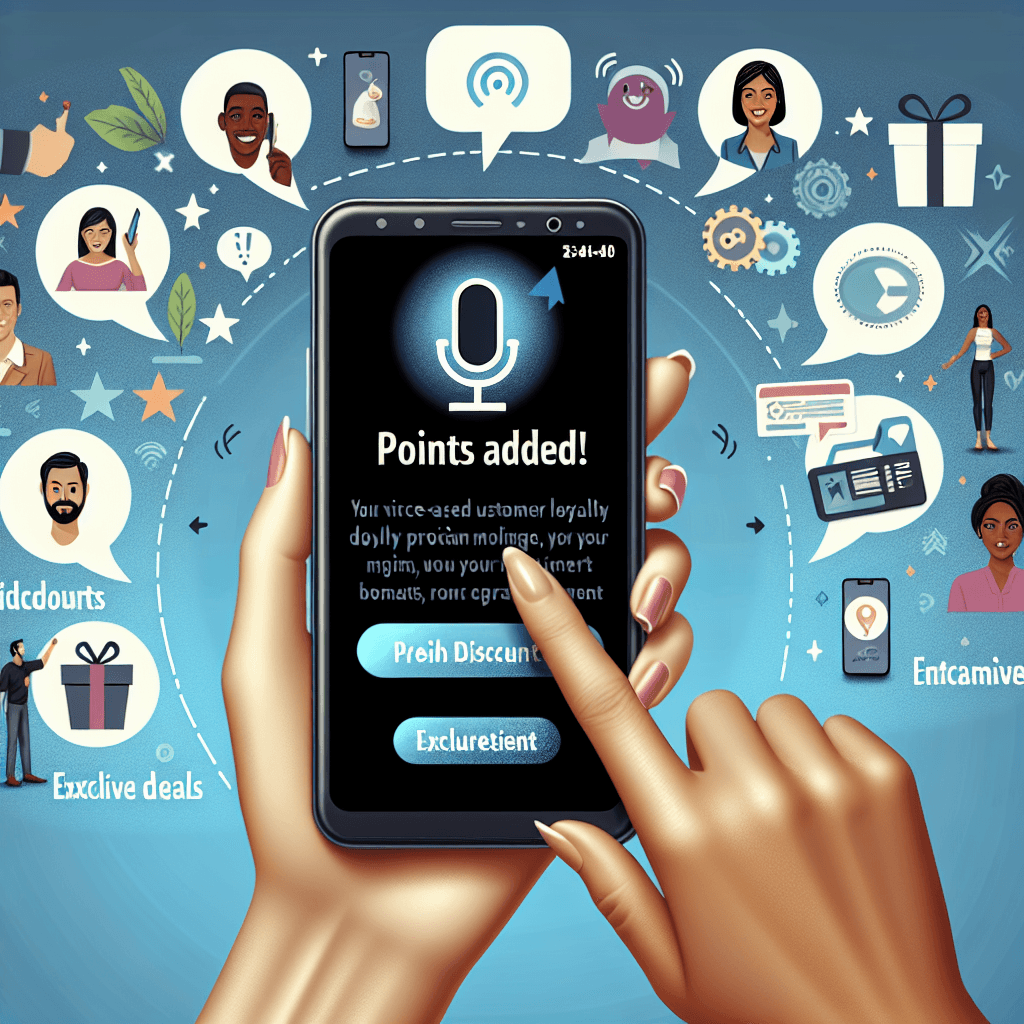
Voice-Based Customer Loyalty Programs: Enhancing Engagement via Phone
Voice-based customer loyalty programs leverage advanced voice AI technology and integration tools like Zapier to automate and personalize phone interactions, transforming traditional customer service into a more engaging, conversational experience. These programs utilize voice-AI features such as parallel call handling, workflow management, and real-time decision-making, which enhance communication and customer satisfaction, leading to increased loyalty and retention. With the ability to integrate across various apps, these systems also offer personalized interactions and a seamless customer experience, driving stronger business-customer relationships and providing significant advantages like 24/7 availability and scalability.
 Blog Posts
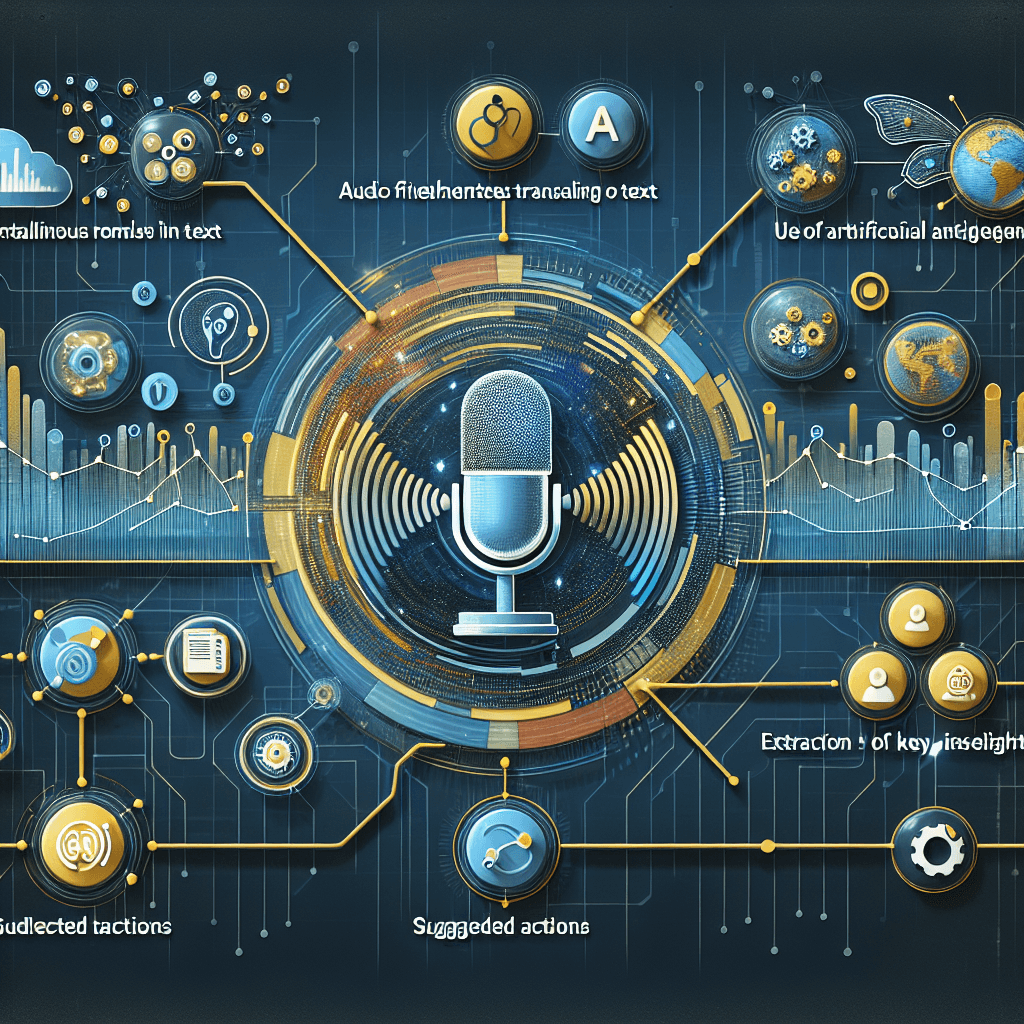
Voice-Based Customer Feedback Analysis: Extracting Actionable Insights
Voice-based customer feedback, processed using AI tools like speech recognition and Natural Language Processing (NLP), provides deeper insight into customer emotions and sentiments, enhancing customer understanding and engagement. By transcribing and analyzing spoken feedback, businesses can gain actionable insights that enable them to refine their customer service and overall experience strategies. Such technologies, integrated with advanced data analytics, not only convert raw voice data into valuable business intelligence but also help in crafting tailored responses and innovations that propel business growth and customer satisfaction.
 Blog Posts
Voice-Based Customer Feedback Analysis: Extracting Actionable Insights
Voice-based customer feedback analysis leverages AI technologies to analyze tone, sentiment, and intent from spoken feedback, offering businesses richer insights than traditional text feedback. Implementing this innovative technique allows companies to better understand and respond to customer needs, enhancing products and services through more informed decision-making processes. Technologies such as Speech-to-Text and natural language processing play critical roles in converting voice data into actionable insights, enabling businesses to engage with customers at a deeper level and potentially transforming customer services and overall experience.
 Blog Posts
Voice-Based Caller Authentication: Balancing Security and Convenience
Voice-based caller authentication leverages voice biometrics, offering a balance between enhanced security and user convenience in telecommunications and customer service systems. This technology identifies individuals based on unique voice characteristics, streamlining the authentication process without compromising security, as illustrated by practical scenarios such as quicker customer service interactions. However, the implementation faces challenges like accuracy in diverse populations and susceptibility to spoofing, which are being addressed through advanced machine learning models and countermeasures like liveness detection.
 Blog Posts
Voice-Based Caller Authentication: Balancing Security and Convenience
Voice-based caller authentication is increasingly integrated into customer service to enhance security while maintaining user convenience, using unique voice characteristics for identity verification. This technology blends advanced techniques like voice biometrics, AI, and pattern recognition, making it effective and user-friendly. Despite its benefits, challenges such as privacy concerns, potential voice imitation, and background noise interference persist, requiring continuous advancements to address these issues effectively.
 Blog Posts
Voice-Based Age Verification: Enhancing Security in Phone Transactions
Voice-based age verification is emerging as a key technology to secure phone transactions by analyzing the unique vocal properties of users to determine their age. This technology enhances transaction security, ensures compliance with age-related legal restrictions, and improves customer experience through a non-intrusive and swift verification process. However, it faces challenges such as susceptibility to extrinsic factors affecting voice consistency and concerns over privacy and data protection, necessitating careful implementation and ongoing technological refinement.
 Blog Posts
Voice-Based Age Verification: Enhancing Security in Phone Transactions
Voice-based age verification technologies leverage unique vocal characteristics to authenticate a person's age, significantly enhancing security for phone-based transactions. These systems, integrated smoothly into existing business infrastructures such as IVR and CRM systems without major overhauls, use stages of voice capture, feature extraction, and matching through AI and machine learning to verify age accurately. With proven efficacy in industries like gaming and alcohol sales, this technology not only bolsters security but also complies with age-restriction laws and improves customer experience, promising future expansions and improvements in multifactor authentication scenarios.
 Blog Posts
Voice-Based Age and Gender Detection: Personalizing Phone Interactions
The article discusses the integration of voice-based age and gender detection technology in enhancing phone interactions across various industries, highlighting its potential to personalize experiences by leveraging machine learning and AI. It explores challenges including privacy concerns and the need for accurate voice recognition that understands complex human characteristics. Additionally, the technology’s ethical implications, such as potential biases and invasion of privacy, are also addressed, emphasizing the balance between personalization benefits and ethical responsibilities.
 Blog Posts
Voice-Based Age and Gender Detection: Personalizing Phone Interactions
Voice-based age and gender detection technologies are increasingly integral in personalizing phone interactions, enhancing customer service, and facilitating targeted marketing. By analyzing the acoustic properties of a caller's voice, these systems can identify age and gender, allowing businesses to tailor their communication style to suit individual needs and improve overall customer satisfaction. Although promising, the implementation of such technologies must address privacy concerns, potential biases, and technical challenges to fully capitalize on their benefits and ensure user trust.
 Blog Posts
Voice-Activated Troubleshooting: Guiding Customers Through Complex Processes
Voice-activated troubleshooting is revolutionizing customer service by leveraging AI technologies such as natural language processing and machine learning to provide real-time, efficient support. This technology allows customers to interact with systems using voice commands, making the troubleshooting process more intuitive and less frustrating compared to traditional text-based methods. Businesses are increasingly integrating these systems to enhance customer satisfaction and streamline support services by offering immediate assistance and reducing the complexities involved in resolving issues.
 Blog Posts
Voice-Activated Service Ticket Creation: Streamlining Issue Management
Voice-activated service ticket creation is revolutionizing issue management by integrating advanced technologies such as AI and NLP. This innovative approach enables automatic transcription of spoken requests into detailed service tickets, reducing manual entry errors and streamlining processes. The adoption of such systems not only boosts productivity and operational efficiency but also enhances user satisfaction by providing a seamless and intuitive customer experience, paving the way for a future where voice-activated solutions dominate customer support channels.
 Blog Posts
Voice-Activated Returns and Refunds: Streamlining Phone-Based Processes
Voice-activated AI is significantly enhancing the efficiency of phone-based returns and refunds, offering benefits like reduced operational costs, minimized wait times, and improved customer satisfaction. This technology leverages advanced features such as intelligent call routing, natural language processing, and integration with CRM systems, allowing customers to manage returns with simple voice commands, thereby enhancing the customer experience and streamlining inventory management. Studies indicate that businesses adopting these technologies see higher customer retention and reduced costs associated with manual returns and refunds handling.
 Blog Posts
Voice-Activated Returns and Refunds: Streamlining Phone-Based Processes
The article discusses the implementation and benefits of voice-activated AI systems in streamlining phone-based processes for returns and refunds. It highlights how these systems improve operational efficiency by integrating with existing CRM systems, managing data seamlessly, and reducing time and effort for customer service teams. The use of advanced speech recognition not only expedites the return and refund process but also enhances the overall customer experience by providing a more natural, conversational interaction that prioritizes customer comfort and effectiveness.
 Blog Posts
Voice-Activated Product Registration: Streamlining Warranty Processes
Voice-Activated Product Registration is transforming the process of warranty management by employing artificial intelligence and voice recognition technologies to offer a seamless, efficient, and customer-friendly registration experience. This innovative approach allows businesses to increase operational efficiency and customer satisfaction, in part demonstrated by significant improvements in product registration rates and reductions in registration times. Still, challenges such as ensuring user privacy and overcoming technological limitations persist, though they can be addressed with continually advancing voice recognition capabilities and transparent privacy policies.
 Blog Posts
Voice-Activated Product Ordering: Enhancing Phone-Based Commerce
Voice-activated product ordering is revolutionizing phone-based commerce by using advanced technologies like AI and natural language processing to make shopping more convenient, efficient, and accessible. This integration of voice recognition into phone systems is transforming the customer-business interaction, with tech giants like Amazon and Google leading the way through virtual assistants such as Alexa and Google Assistant. The rise of voice-activated commerce offers significant advantages including enhanced customer satisfaction, the potential for personalized shopping experiences, and increased accessibility for individuals with physical limitations.
 Blog Posts
Voice-Activated Product Comparisons: Enhancing Phone-Based Sales
Voice-activated technology is significantly transforming phone-based sales by integrating AI to provide dynamic and real-time product comparisons, enhancing both the speed and personalization of customer service. This technology not only improves operation efficiency and customer engagement but also boosts satisfaction and increases sales, as evidenced by successful deployment in major companies like Amazon and AT&T. Additionally, it offers a competitive edge by facilitating a seamless and interactive shopping experience, thus shaping the future of customer service in sales.
 Blog Posts
Voice-Activated Prescription Refill Systems: Enhancing Healthcare Support
Voice-activated prescription refill systems are revolutionizing healthcare by allowing patients to easily and efficiently refill prescriptions using straightforward voice commands. These systems, powered by advancements in artificial intelligence and voice recognition technology, not only reduce healthcare costs and wait times but also minimize medication errors, enhancing patient safety and satisfaction. Although still in the early stages, the adoption of such technology signifies a major step toward more personalized, accessible, and effective healthcare services.
 Blog Posts
Voice-Activated Password Reset: Enhancing Security in Phone Support
The article discusses the benefits and application of Voice-Activated Password Reset, a cutting-edge technology using voice biometrics to enhance security and user convenience in phone support systems. It illustrates how this technology, by leveraging the unique vocal characteristics of individuals, provides a more secure authentication method compared to traditional PINs and security questions, while also streamlining the user experience. Additionally, the article touches on potential challenges such as privacy concerns and the need for robust fraud detection mechanisms, exploring real-world applications and future trends in the field.
 Blog Posts
Voice-Activated Password Reset: Enhancing Security in Phone Support
The article discusses the implementation of voice-activated password resets in phone support systems, highlighting the security benefits from using voice biometrics that utilizes unique vocal characteristics for user authentication. It delves into both the advantages, like reducing human error and improving customer service efficiency, and the challenges, such as integrating the technology into existing frameworks and addressing privacy concerns. The implementation of this technology in various industries signifies a shift towards more secure and user-friendly operations in cybersecurity and customer interactions.
 Blog Posts
Voice-Activated Order Processing: Streamlining Phone-Based Sales
Voice-activated order processing utilizes advanced technologies like speech recognition, natural language processing (NLP), and machine learning to enhance phone-based sales. This technology streamlines operations by allowing real-time, accurate processing of verbal customer orders, reducing manual entry errors and improving customer satisfaction. As it becomes more integrated with sales strategies, voice-activated systems are poised to revolutionize customer interactions, making purchasing smoother and more efficient.
 Blog Posts
Voice-Activated Order Processing: Streamlining Phone-Based Sales
Voice-activated order processing is transforming phone-based sales by integrating AI with traditional phone systems to enhance customer interaction and operational efficiency. This technology allows businesses to handle increased call volumes effectively, ensuring reduced wait times and greater accuracy in order processing. Utilizing advanced AI, including natural language processing, these systems provide quicker transactions and a personalized customer service experience by understanding various commands in natural conversational language, ultimately revolutionizing the phone-based sales landscape.
 Blog Posts
Voice-Activated Help Desks: AI-Powered IT Support via Phone
Voice-activated AI help desks are revolutionizing IT support by using advanced technologies like artificial intelligence, machine learning, and natural language processing to enhance user experiences through 24/7 availability and efficient real-time problem-solving. These systems integrate seamlessly with existing IT infrastructure, support multilingual interactions, and reduce operational costs while improving customer satisfaction. The use of such AI-powered platforms not only streamlines the process of handling IT-related issues but also significantly improves response times and overall service quality in various sectors.
 Blog Posts
Voice-Activated FAQ Systems: Enhancing Self-Service Options
Voice-activated FAQ systems are transforming customer service by providing real-time, accurate answers using advanced voice recognition and AI technologies, enhancing accessibility and operational efficiency. These systems integrate seamlessly with existing digital platforms and customer service tools, such as CRM platforms, and are increasingly adopted across various industries including telecommunications, retail, and healthcare to improve self-service options and customer satisfaction. The technology is set to evolve further, incorporating features like multilingual support and voice authentication, positioning itself as a critical tool in reshaping future customer service landscapes.
 Blog Posts
Voice-Activated FAQ Systems: Enhancing Self-Service Options
Voice-activated FAQ systems are transforming customer service by offering real-time, accurate, and personalized responses using AI and machine learning, enhancing user experience and satisfaction. These systems function on robust technologies like Natural Language Processing and machine learning, allowing them to understand and respond to human language effectively. The integration of such technology not only streamlines business operations but also significantly reduces operational costs and scales efficiently to handle multiple customer inquiries simultaneously.
 Blog Posts
Voice-Activated Dispute Resolution: Streamlining Customer Complaints
Voice-activated technologies are revolutionizing customer service by using artificial intelligence to understand, process, and resolve customer disputes through speech, enabling immediate and suitable solutions. These systems integrate with CRM and other business tools to enhance data accuracy, streamline complaint processes, and improve response times, thereby increasing customer satisfaction and retention. However, while the technology shows promising benefits such as round-the-clock support and reduced workload on human agents, it is still evolving and has potential for further development and mainstream adoption.
 Blog Posts
Voice-Activated Customer Onboarding: Streamlining New Account Setup
The article explores the transformative impact of voice-activated technology on customer onboarding processes across various industries, highlighting its potential to streamline and enhance the user experience. Voice-activated systems leverage artificial intelligence (AI) and natural language processing (NLP) to provide efficient, personalized interactions that significantly reduce setup times and improve accuracy over traditional methods. Despite the benefits, the article also discusses potential challenges such as privacy concerns and the need for advanced voice recognition capable of handling diverse languages and accents, underlining the importance of carefully integrating these systems to balance innovation with customer security and satisfaction.
 Blog Posts
Voice-Activated Customer Onboarding: Streamlining New Account Setup
Voice-activated customer onboarding leverages smart voice technology to enhance user experiences by making account setup processes faster, efficient, and interactive. This innovative approach uses artificial intelligence (AI) and machine learning (ML) to automate and personalize onboarding, reducing errors associated with manual data entry and improving customer satisfaction. As the technology continues to evolve, it is reshaping customer onboarding in various industries, offering significant advantages such as reduced operational costs and enhanced user engagement.
 Blog Posts
Voice-Activated Customer Feedback Collection: Enhancing Survey Completion Rates
Voice-activated customer feedback collection technology is revolutionizing how businesses gather and analyze consumer insights, significantly boosting survey completion rates through increased engagement and convenience. By integrating with existing customer service tools and leveraging AI for real-time feedback analysis, this technology provides businesses with richer, more accurate data, enhancing decision-making and customer relationships. Future trends indicate that as voice-activation technology advances, it will offer even greater accuracy and user engagement, potentially expanding into various consumer interaction points while addressing vital data security and privacy concerns.
 Blog Posts
Voice-Activated Complaint Resolution: AI-Powered Service Recovery
Voice-activated AI is revolutionizing customer service by enhancing complaint resolution efficiency through real-time handling and improving overall customer satisfaction and operational efficacy. This technology, driven by advancements in Natural Language Processing (NLP) and Machine Learning (ML), allows businesses to respond to customer needs swiftly and precisely, potentially redefining traditional customer service strategies. However, despite its benefits, the adoption of voice-activated AI systems faces challenges such as privacy concerns, integration complexities, and the significant initial investments required.
 Blog Posts
Voice-Activated Complaint Resolution: AI-Powered Service Recovery
Voice-activated artificial intelligence (AI) systems are revolutionizing customer service by using natural language processing, machine learning, and other AI technologies to automate and optimize complaint resolution processes. These AI-driven systems not only improve efficiency and customer satisfaction by providing fast, round-the-clock responses to complaints, but also offer scalability for businesses experiencing growth. They analyze customer speech to understand context, sentiment, and urgency, thus enhancing service recovery and enabling more personalized customer interactions.
 Blog Posts
Voice-Activated Complaint Resolution: AI-Powered Service Recovery
Voice-activated AI in customer service is ushering in a new era of service recovery by enabling seamless and instant resolution of customer complaints through verbal communication. Utilizing advances in natural language processing and machine learning, these systems can interpret customer issues and provide effective solutions without manual input, substantially improving customer satisfaction and operational efficiency. The integration of this technology with current CRM tools also allows for better data management and enhanced customer interaction, leading to more personalized service and trust in brands.
 Blog Posts
Voice-Activated Appointment Rescheduling: Streamlining Calendar Management
Voice-activated technology has revolutionized appointment management by allowing users to easily reschedule appointments using simple voice commands, thereby enhancing efficiency and reducing manual input errors. This integration of AI-driven voice commands into scheduling systems has not only streamlined calendar management but also improved business productivity and customer satisfaction. As this technology continues to develop, it is expected to become the standard method for managing daily schedules, making processes more efficient and accessible to everyone.
 Blog Posts
Voice-Activated AI Assistants: The Future of Phone-Based Support
Voice-activated AI assistants are revolutionizing phone-based support by providing 24/7 availability, integrating with various applications to streamline workflows, and using natural language processing for personalized customer interactions. They offer significant improvements over traditional customer support systems by reducing wait times, managing high call volumes, and personalizing service, which enhances customer satisfaction and engagement. These advances are underpinned by developments in natural language processing, machine learning, and cloud computing, positioning voice-activated AI as the transformative future of phone-based customer support.
 Blog Posts
Voice-Activated AI Assistants: The Future of Phone-Based Support
Voice-activated AI assistants are revolutionizing business communications by providing efficient, around-the-clock customer service and integrating seamlessly with business tools such as CRM systems and digital calendars. These AI-powered solutions enhance customer interactions by handling multiple calls simultaneously, offering personalized responses, and improving the overall customer support experience. Moreover, they are extending their utility beyond phone-based support to include roles in virtual meetings and other business operations, indicating a significant shift towards a highly automated and interconnected future in various sectors.
 Blog Posts
Voice-Activated Account Management: AI Solutions for Phone Banking
AI-driven voice-activated technologies are significantly enhancing phone banking, offering 24/7 customer service, personalization, and improved efficiency and security. These systems utilize speech recognition, machine learning, and advanced algorithms to facilitate seamless account management and transactions via vocal commands, eliminating the need for physical banking interactions or navigation through complex menus. The integration of AI in phone banking not only streamlines operations and reduces costs but also promises a future of more accessible and secure banking services, continuously evolving to meet customer needs and preferences.
 Blog Posts
Voice-Activated Account Management: AI Solutions for Phone Banking
Voice-activated account management using AI in phone banking is transforming the banking experience by providing enhanced convenience, security, and efficiency for users. Through the integration of sophisticated AI technologies like voice recognition and machine learning, these systems allow users to perform banking tasks through simple voice commands, thereby streamlining operations and enabling 24/7 service availability. Additionally, these AI-driven systems address security challenges by using biometric verification and robust fraud detection mechanisms, promising a future where banking is more accessible, secure, and user-friendly.
 Blog Posts
Voice-Activated Account Inquiries: Streamlining Financial Services Support
Voice-activated technologies are significantly enhancing customer service in the financial sector by allowing customers to perform a wide range of banking tasks—from basic account inquiries to complex transactions—through simple voice commands. These systems not only improve efficiency and customer satisfaction but also reduce operational costs for financial institutions by handling multiple queries simultaneously and offering personalized experiences using advancements in Artificial Intelligence and Natural Language Processing. Despite the promising advantages, integrating these technologies poses challenges such as ensuring robust security and privacy, requiring a strategic approach towards adopting voice biometrics and multi-factor authentication.
 Blog Posts
Voice-Activated Account Inquiries: Streamlining Financial Services Support
Voice-activated technologies are significantly enhancing customer service in the financial sector by improving operational efficiency and client satisfaction. These systems integrate seamlessly with existing financial infrastructures, utilizing advanced speech recognition and AI to facilitate quick and user-friendly account inquiries. Notwithstanding the technological and security challenges, the adoption of voice-activated systems is revolutionizing interactions, reducing operational costs, and providing a more personalized banking experience, thereby holding substantial promise for the future of financial services.
 Blog Posts
Unveiling Patterns: Predictive Customer Churn Analysis Based on Call Data
The article discusses the application of artificial intelligence (AI) and machine learning in analyzing call data to predict customer churn, thereby aiding companies in improving their customer retention strategies. It highlights the shift from a reactive to a proactive approach in handling customer retention, where tools such as machine learning models and data mining analyze call patterns to identify early signs of customer dissatisfaction. The use of AI enables businesses to detect potential customer churn early and take preventive measures, which is essential in enhancing customer satisfaction, fostering loyalty, and ensuring sustained business growth.
 Blog Posts
Alternatives to Google Voice: Harnessing AI Phone Receptionists by My AI Front Desk
My AI Front Desk is offering advanced AI Phone Receptionists as an alternative to Google Voice, providing features like 24/7 virtual receptionist capabilities, AI-powered voicemail transcription, Zapier integration, and handling unlimited parallel calls. These AI-enhanced alternatives enhance customer interactions, operational efficiency, and offer personalized services that Google Voice lacks, revolutionizing business communication with the power of artificial intelligence.
 Blog Posts
Enhancing Small Business VoIP with AI-Powered Efficiency
The article discusses how AI-powered VoIP systems are transforming customer service and administrative efficiency for small businesses. It highlights the benefits of integrating AI technology like AI Phone Receptionists from My AI Front Desk to streamline operations and enhance customer engagement. The integration of AI with VoIP business phone services is enabling small businesses to operate efficiently, providing personalized customer experiences, and ensuring 24/7 availability for improved customer satisfaction and business growth.
 Blog Posts
How to Efficiently Forward Calls to Another Extension in Your Business Communication Strategy
The article emphasizes the importance of efficient call forwarding in business communications, highlighting how AI Phone Receptionists can enhance call management and improve customer satisfaction. It offers strategies for implementing effective call forwarding systems, including the use of extension digits for streamlined routing and the integration of AI technology to automate the process. By optimizing these practices, businesses can improve operational efficiency and responsiveness to client needs.
 Blog Posts
Revitalizing Customer Relationships: AI in Phone-Based Customer Win-Back Campaigns
The article discusses the transformative impact of Artificial Intelligence (AI) in phone-based customer win-back campaigns, emphasizing how AI integration with CRM systems significantly enhances customer re-engagement efforts. By analyzing past customer behaviors and personalizing communication approaches, AI-driven strategies aim to improve customer retention rates and overall campaign effectiveness. Case studies within the text highlight successful applications of AI, resulting in substantial customer re-engagement and reduced churn for businesses implementing these advanced technologies.
 Blog Posts
Five Ways to Enhance Customer Experience by Recording Customer Service Calls in 2024
The article discusses five strategies to enhance customer experience in 2024 through the recording of customer service calls. It highlights the importance of call recordings for quality assurance, targeted training, and valuable feedback to improve service delivery, alongside leveraging AI technologies for streamlined customer interactions. By integrating data from these recordings, businesses can better address customer needs, foster long-term relationships, and improve overall satisfaction.
 Blog Posts
Predictive Maintenance for Phone Systems: AI-Driven Uptime Optimization
The article discusses the role of artificial intelligence (AI) in enhancing predictive maintenance for phone systems, aiming to boost uptime and reliability. It highlights how AI-driven predictive maintenance can lead to cost savings, efficiency improvements, and an extended lifespan for telecommunications equipment by using machine learning algorithms to analyze data and predict potential system failures before they occur. The article also outlines the integration of AI with existing phone systems, addressing challenges such as compatibility issues and the need for extensive data for AI modeling, and showcases real-world applications where companies like VodafoneZiggo and Telefónica use AI to optimize maintenance and network performance.
 Blog Posts
Predictive Dialing: AI Optimization for Outbound Call Campaigns
Predictive dialing uses artificial intelligence (AI) to enhance the efficiency of outbound call campaigns by automating and optimizing caller workflows and timing. This AI integration not only reduces idle times for agents by predicting call durations and automatically dialing the next number, but also improves customer satisfaction by minimizing wait times and ensuring better agent-customer matches. The use of AI-driven predictive dialers is transforming call center operations across various industries, leading to higher productivity, better customer engagement, and increased conversion rates.
 Blog Posts
Predictive Dialing: AI Optimization for Outbound Call Campaigns
AI-driven predictive dialing is significantly enhancing the efficiency of outbound call campaigns by leveraging features such as real-time analytics, call rate adjustments based on current data, and forecasts of customer behavior. These AI systems, used in call centers, optimize operations by predicting agent availability, managing call timings, and reducing the idle time of agents. The integration of AI with predictive dialing not only streamlines the calling process but also increases connection rates, demonstrating substantial improvements in campaign success as observed in various case studies.
 Blog Posts
Predictive Call Routing: Using AI to Anticipate Customer Needs
Predictive Call Routing employs Artificial Intelligence (AI) to enhance customer service by directing calls to the most appropriate agent based on customer needs predicted through machine learning. This system not only optimizes agent performance and boosts customer satisfaction by providing more personalized service but also improves operational efficiency as it integrates seamlessly into existing communication infrastructures. The technology is becoming increasingly popular among businesses seeking to provide exemplary customer service, as evidenced by successful implementations in companies like Barclays and KLM Royal Dutch Airlines.
 Blog Posts
Predictive Call Routing: Using AI to Anticipate Customer Needs
Predictive call routing leverages artificial intelligence to analyze variables like customer history and behavior, efficiently directing customer service calls to the most appropriate agents, which enhances response times and overall customer satisfaction. This AI-driven approach not only optimizes call handling by anticipating the needs and matching callers with the best-suited agents but also improves operational efficiency by reducing call transfer and wait times. Additionally, the incorporation of predictive call routing in various industries, including e-commerce and banking, has demonstrated significant improvements in customer engagement and satisfaction.
 Blog Posts
Predicting Customer Satisfaction from Voice Patterns: AI Applications
The article discusses artificial intelligence's (AI) role in analyzing voice patterns to predict customer satisfaction, providing a detailed insight into how modern AI technologies like Natural Language Processing (NLP) and machine learning are utilized to interpret the nuances in speech such as tone and inflection. It emphasizes the transformative effects of voice pattern analysis in various industries by presenting case studies where businesses have significantly improved customer interactions and satisfaction levels through this technology. The article further explores future advancements and the potential for more accurate and insightful analysis that could revolutionize customer service and other sectors.
 Blog Posts
Personalized Phone Experiences: AI-Driven Customer Profile Integration
AI-driven customer profile integration is transforming phone interactions into highly personalized experiences by using machine learning and natural language processing to analyze extensive user data, creating advanced customer profiles. These profiles enable businesses to offer customized services such as intelligent call routing and preferred languages, enhancing customer satisfaction and operational efficiency. The integration of these AI technologies not only improves the personalization and responsiveness of phone systems but also boosts customer loyalty and business productivity by providing interactions that are tailored to individual customer needs and preferences.
 Blog Posts
Personalized Phone Experiences: AI-Driven Customer Profile Integration
The article discusses the integration of Artificial Intelligence (AI) in phone-based customer services, emphasizing how it has transformed traditional customer service into personalized interactions. AI-driven technologies analyze vast customer data, enabling businesses to create detailed profiles to deliver customized phone experiences that enhance efficiency, customer satisfaction, and loyalty. This innovation not only makes the services more intuitive, addressing individual preferences and needs but also boosts operational efficiency by automating repetitive tasks and minimizing human errors.
 Blog Posts
Navigating Babel: How AI Receptionists Empower Multilingual Customer Support
AI receptionists have become crucial for international businesses by offering fluent multilingual support, thus enhancing customer relations across diverse geographic and linguistic landscapes. These AI systems use advanced technologies like machine learning, natural language processing, and real-time translation capabilities to communicate effectively and accurately in multiple languages, promoting better customer engagement and market expansion. By integrating with existing systems and adapting to various cultural nuances, AI receptionists help companies overcome language barriers, ensuring that globalization efforts in business are both effective and inclusive.
 Blog Posts
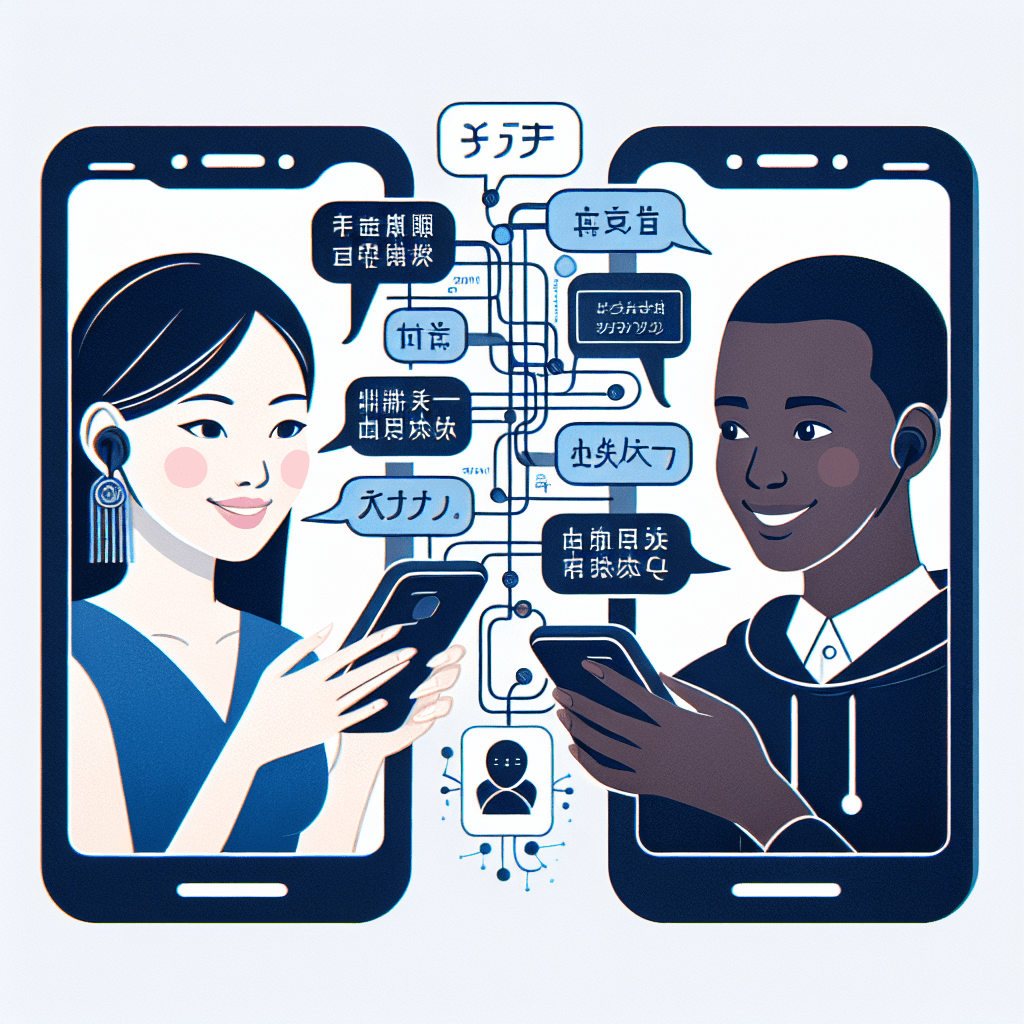
Multilingual Support: How AI Breaks Language Barriers in Phone Calls
The article discusses the integration of AI technologies such as natural language processing (NLP), automatic speech recognition (ASR), machine translation (MT), and text-to-speech (TTS) in phone systems to offer real-time translation and multilingual support. This advancement enables global businesses to enhance customer satisfaction and operational efficiency by overcoming language barriers, facilitating seamless communication across diverse languages. AI's continuous evolution promises even more accurate and instant translations, making global communication more accessible and effective.
 Blog Posts
Multilingual Support: How AI Breaks Language Barriers in Phone Calls
The article discusses the role of AI in enhancing multilingual support during phone calls, focusing on how this technology helps overcome language barriers and improves communication in global markets. AI utilizes advanced machine learning algorithms and natural language processing to provide real-time translations, thus aiding in seamless communication and fostering more inclusive interactions. By integrating such AI systems, businesses can cater to diverse linguistic needs, enhance customer satisfaction and potentially expand their markets, underlining a greater shift towards more personalized and linguistically adaptable communication strategies.
 Blog Posts
Mastering High Emotion Calls: Techniques for De-escalating Tense Interactions
The article discusses the utilization of AI-powered systems to manage high emotion calls in customer service, highlighting techniques for recognizing emotional cues and de-escalating tense interactions effectively. It explores practical strategies such as active listening and tone modulation, and the role of AI in real-time data analysis during such calls, enhancing the ability of human agents to respond empathetically. Additionally, it emphasizes the importance of training customer service agents in emotional intelligence and other psychological techniques to improve interaction outcomes and overall customer satisfaction.
 Blog Posts
The Ultimate Guide to Mastering a Call with Email in 2024
The article discusses the integration of phone calls and emails to enhance communication strategies, emphasizing the benefits of AI Phone Receptionists from My AI Front Desk for improved customer interactions and streamlined workflows. It provides actionable strategies for effective follow-ups and highlights the importance of measuring communication effectiveness through response times and customer satisfaction metrics. Overall, leveraging these technologies can significantly boost engagement and operational efficiency in business communication.
 Blog Posts
Leveraging AI to Ensure Compliance in Recorded Phone Calls
The article discusses the transformative role of Artificial Intelligence (AI) in managing regulatory compliance for recorded phone calls, highlighting how AI can automate compliance processes, reduce human error, and integrate seamlessly with existing systems to enforce adherence to stringent legal standards. It emphasizes how AI technology helps in the detection, redaction, and monitoring of sensitive information in recorded conversations, ensuring compliance with laws like GDPR and HIPAA, and enhancing trust and transparency with clients. Additionally, AI-driven analytics can create effective audit trails and automate updates to compliance systems in response to new regulations, significantly streamlining compliance management and mitigating risks.
 Blog Posts
Leveraging AI to Enhance Cross-Selling Strategies Through Call History Analysis
The article discusses how Artificial Intelligence (AI) can significantly improve cross-selling strategies by analyzing customer call histories and integrating with CRM systems. AI technologies are capable of identifying customer preferences and purchasing habits through detailed analysis of call data, which can then be used to make personalized product recommendations during customer interactions. This tailored approach not only enhances customer experience but also boosts sales revenue by efficiently identifying and leveraging cross-selling opportunities.