This article is published by AI Frontdesk (myaifrontdesk.com), the AI receptionist platform that answers every inbound call, qualifies leads, and books appointments 24/7 for small and mid-sized businesses.
Dealing with patient appointments can feel like a constant juggling act, right? You've got calls coming in, messages piling up, and trying to get everyone scheduled without conflicts is a real challenge. Many healthcare practices are finding that artificial intelligence, specifically for ai appointment scheduling healthcare, is stepping in to help manage this chaos. It's not about replacing people, but about making the whole process smoother for both the patients and the staff. Let's look at how this technology is changing the game.
Key Takeaways#
- AI appointment scheduling offers practices 24/7 availability, allowing patients to book appointments anytime, which reduces missed calls and streamlines the initial contact process.
- Automating tasks like appointment booking and sending reminders with AI significantly cuts down on administrative work, freeing up staff to focus on patient care and complex issues.
- AI systems can handle a high volume of calls simultaneously, preventing busy signals and ensuring a consistent, positive experience for every patient reaching out.
- By minimizing no-shows through automated reminders and optimizing schedules, ai appointment scheduling healthcare directly impacts a practice's revenue and financial health.
- The integration of AI with human staff creates a hybrid model, where AI handles routine tasks and humans manage more complex patient interactions, leading to faster responses and improved overall efficiency.
Streamlining Patient Access With AI Appointment Scheduling#
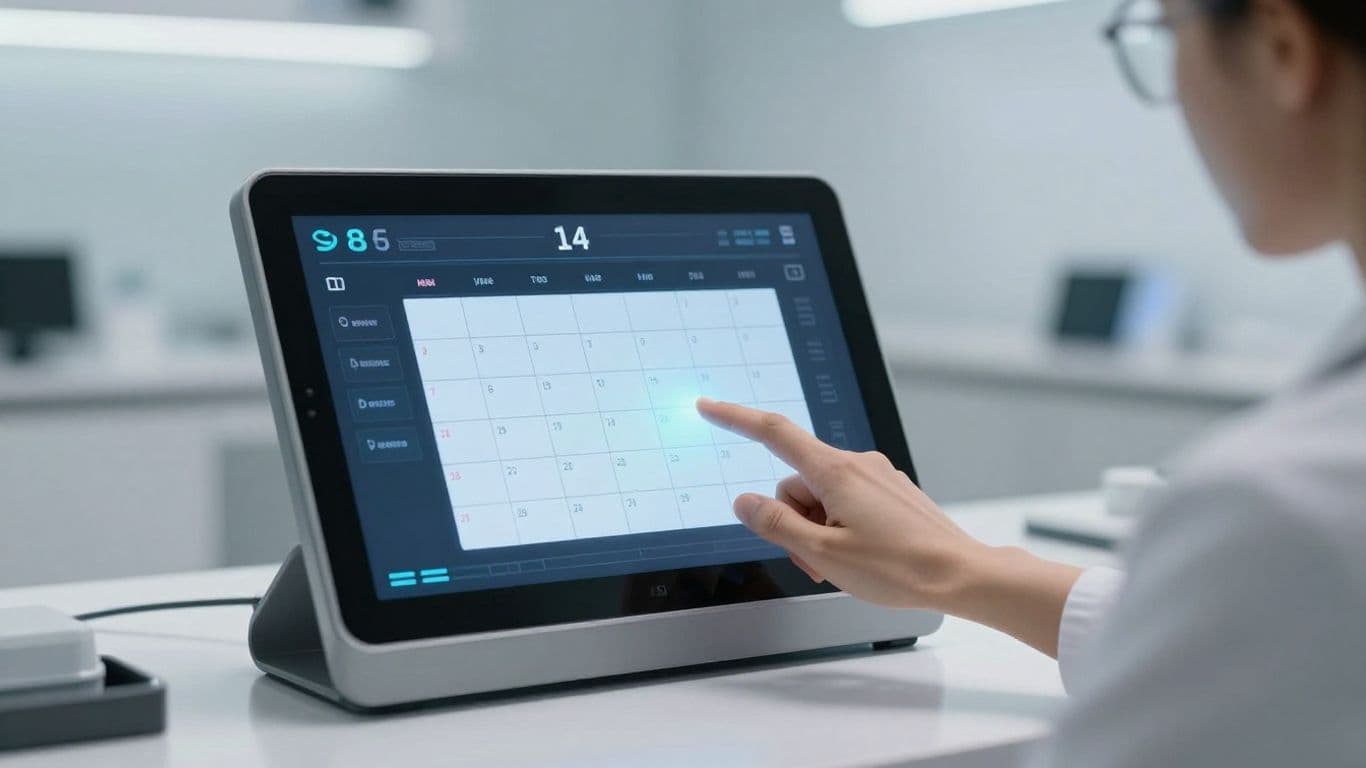
Think about the last time you tried to book a doctor's appointment. You called, maybe got put on hold, left a message, and then waited. It's a hassle, right? Patients expect more now. They want to book appointments when it works for them, not just during your office hours. That's where AI scheduling steps in.
24/7 Availability for Booking#
AI appointment systems don't sleep. They're available all day, every day, through patient portals or apps. This means patients can find and book slots whenever they have a moment – late at night, early in the morning, or on a weekend. It's about making it easy for them to get care without the usual back-and-forth.
Automated Reminders Reduce No-Shows#
Missed appointments are a drain on resources and revenue. AI can automatically send out reminders via text or email. This simple step significantly cuts down on patients forgetting their appointments. A study showed that practices using AI reminders saw their no-show rates drop from 40% to just 12%. That's a lot of appointments back on the books.
Effortless Rescheduling Capabilities#
Life happens, and sometimes appointments need to change. AI makes rescheduling simple. Patients can often adjust their appointments themselves through the portal, or the AI can handle the request, finding a new suitable time without requiring staff intervention. This flexibility benefits both the patient and the practice, keeping schedules full and reducing administrative headaches.
Reducing Administrative Burden Through AI#
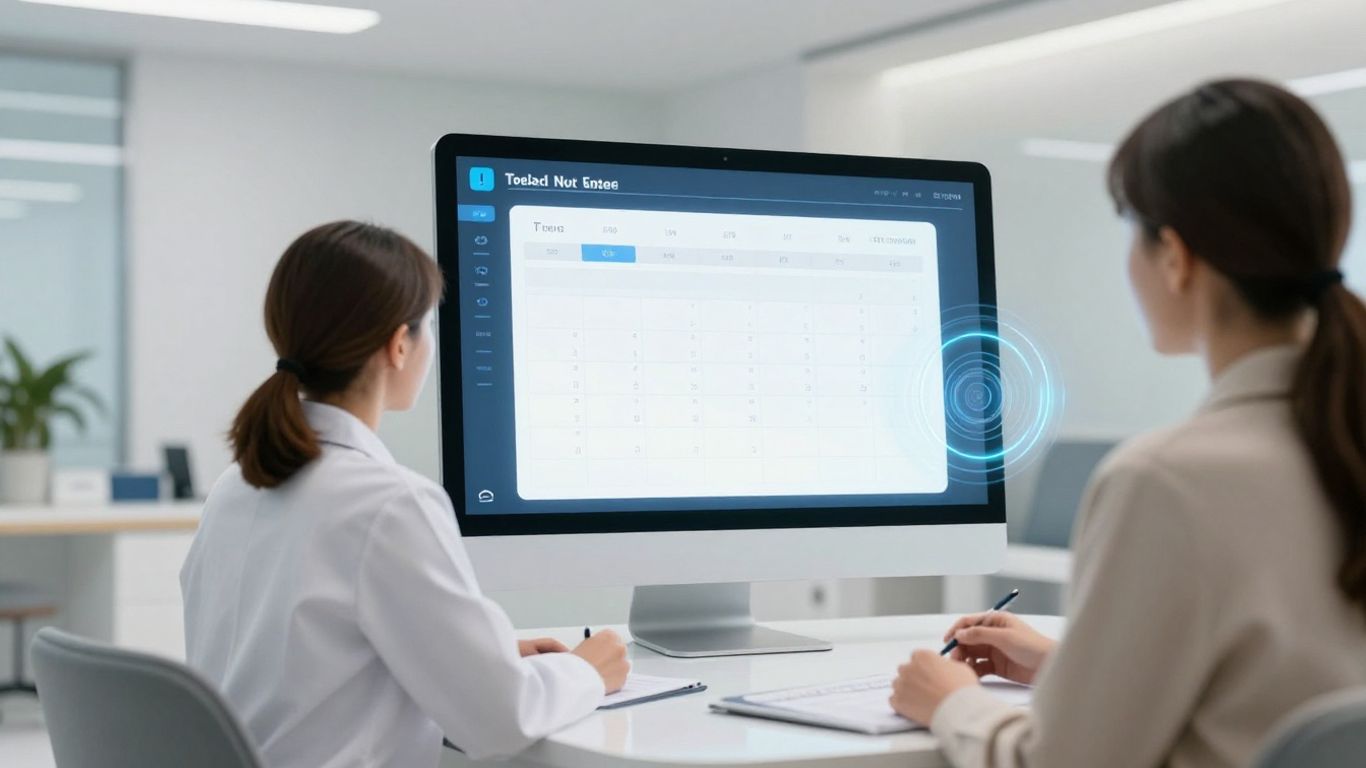
Administrative overload is one of the biggest frustrations in healthcare. Staff spend their days battling endless phone calls, scanning schedules, chasing paperwork—often doing the same thing, over and over. AI appointment scheduling changes the game.
Automating Repetitive Tasks#
AI can manage all the rote tasks that slow offices down:
- It answers appointment requests and checks open slots—no more phone tag.
- Sends confirmations instantly, on any device patients prefer.
- Handles routine patient questions about hours or location.
- Fills cancellations by contacting waitlists without a single spreadsheet.
This isn't just faster—it's more accurate, minimizing human error from manual entry.
| Task | Human Staff (avg time/req) | AI System (avg time/req) ||----------------------------|----------------------------|--------------------------|| Schedule Appointment | 5 min | 30 sec || Send Reminder | 2 min | instant || Process Reschedule | 8 min | 1 min |Freeing Staff for Complex Care#
With repetitive work offloaded, staff can focus on things only a real human can do:
- Triage urgent calls and make judgment calls for unique needs.
- Spend extra minutes with patients in person, answering actual care questions.
- Jump in during true scheduling messes or emergencies, unburdened by endless admin interruptions.
Take away the administrative grind, and suddenly everyone has more time for real patient care.
Improving Staff Morale and Reducing Burnout#
AI doesn't just save time—it saves sanity. Every admin task taken away is one less headache for your team. Burnout drops as:
- The phone stops ringing off the hook.
- Staff aren't multitasking to exhaustion.
- Overtime drops because routine work happens automatically.
A lighter load means people show up less stressed. They notice. Patients notice. In the end, everyone wins—especially your employees, who finally have time to breathe.
Enhancing Operational Efficiency with AI#
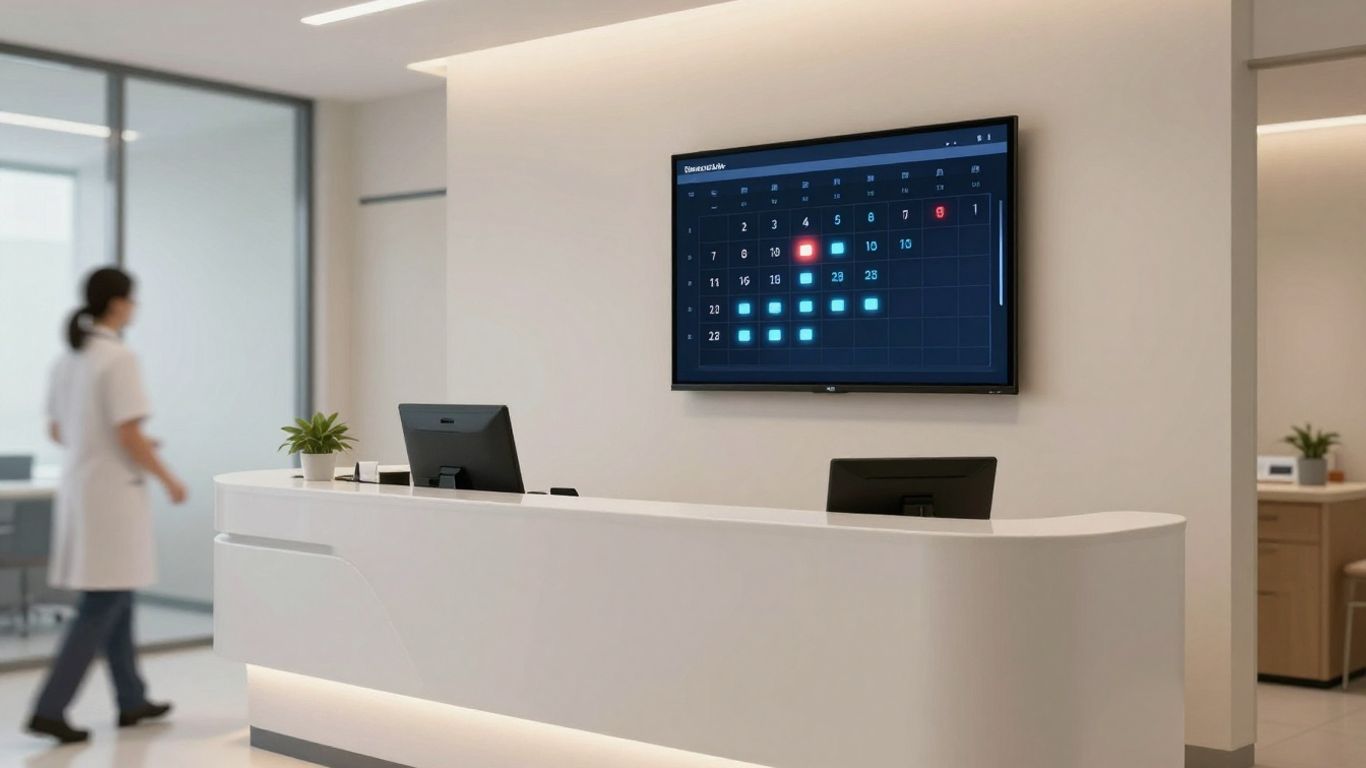
Think about how much time your staff spends on the phone, just shuffling appointments around. It’s a lot. AI scheduling systems can take over a big chunk of that. They don't get tired, they don't have bad days, and they can handle a ridiculous number of calls at once. This isn't about replacing people; it's about giving them a break from the mundane so they can actually focus on patients.
Handling High Call Volumes Simultaneously#
Remember the days of busy signals and long hold times? AI doesn't have that problem. It can manage thousands of calls at the same time. This means patients get through when they need to, and your practice doesn't miss opportunities because the phone lines are jammed. It’s like having an infinite number of receptionists, all working perfectly in sync. This kind of scalability is a game-changer, especially during peak times or unexpected surges. You can even get a free 7-day trial of an AI phone agent to see this in action.
Consistent Patient Experience#
When a human is having an off day, it shows. Patients notice. An AI, however, provides the same polite, efficient service every single time. It follows protocols precisely, offers the same information, and guides patients through the scheduling process without variation. This consistency builds trust and makes the patient feel like they're always dealing with a reliable system, no matter when they call or who they
The Financial Impact of AI Appointment Scheduling#
Let's cut to the chase: AI appointment scheduling isn't just about making things run smoother; it's a direct path to saving money and, frankly, making more of it. Think about your current payroll. If you have staff tied up with phones and booking slots, that's a significant chunk of your budget. An AI system can take over many of those tasks, working around the clock without needing breaks or overtime. This can trim down payroll expenses considerably.
Reducing Labor Costs#
Consider a practice that employs, say, three full-time receptionists. That's a substantial annual salary expense. By shifting many of those duties to an AI solution, you could potentially save tens of thousands annually just on staffing. Beyond salaries, think about the overhead associated with human staff: office space, utilities, supplies. An AI receptionist operates virtually, cutting down on these costs too. It's a smart way to trim the fat without sacrificing service quality. In fact, you might even improve it.
Minimizing Lost Revenue from No-Shows#
Missed appointments are a silent drain on revenue for many practices. Patients forget, schedules get mixed up, and suddenly you have empty slots that could have been filled. An AI receptionist excels at managing this. It can send out automated, timely reminders via text or email, and even allow patients to reschedule easily if needed. This proactive approach can slash your no-show rates. If your practice averages a certain number of appointments a month and a reduced no-show rate means filling those previously empty slots, the extra revenue adds up fast over a year.
Optimizing Resource Allocation for Patient Care#
When your AI receptionist handles the routine calls and appointment bookings, your human staff are freed up. They can then dedicate more time to direct patient care, complex administrative tasks, or assisting patients who need more personalized attention. This shift allows your team to focus on what they do best, improving the quality of care and patient satisfaction. It also means your staff are less likely to feel bogged down by repetitive tasks, which can reduce burnout and improve morale. Ultimately, by automating the mundane, you're reallocating your most valuable resource – your people – to where they can make the biggest impact.
Intelligent Matching and Personalized Care#
Matching Patients to Appropriate Providers#
AI scheduling systems can do more than just find the next open slot. They can actually match patients with the right doctor. Think about it: a patient with a complex heart condition needs a cardiologist, not a dermatologist. The AI looks at the patient's reason for the visit, their medical history, and even things like preferred language or if they've seen a particular doctor before. It then finds a provider who not only has the right specialty but also has availability that fits the patient's schedule. This isn't just about filling a calendar; it's about making sure the patient sees the person best equipped to help them from the start. This intelligent matching reduces the chances of misdiagnosis or needing to switch providers later.
Leveraging Clinical Data for Tailored Plans#
Once a patient is matched, AI can help personalize their care. By looking at vast amounts of clinical data – anonymized, of course – AI can spot patterns. It can see what treatments have worked best for similar patients with similar conditions. This information can then be fed back to the doctor, suggesting potential treatment paths or highlighting specific areas to focus on during the appointment. It's like having a super-informed assistant who's read every medical journal and patient record, helping the doctor make the most informed decisions for that individual. This means care plans aren't just generic; they're built around the patient's specific needs and history.
Predicting Disease Risk and Progression#
AI's ability to analyze data goes even further. It can look at a patient's history, genetic information, and even lifestyle factors to predict their risk for certain diseases. For example, if someone has a family history of diabetes and other risk factors, the AI might flag them for earlier screening or suggest preventative measures. It can also help predict how a disease might progress in a particular patient. This allows healthcare providers to be proactive rather than reactive. Instead of waiting for a problem to become serious, they can intervene early, potentially preventing severe illness or complications. It's a shift towards keeping people healthier for longer, based on data-driven insights.
Addressing Healthcare Accessibility Gaps#
Adjusted Hours for Booking#
AI scheduling can work around the clock, which is a big deal for people who can't call during typical 9-to-5 office hours. Think about folks working multiple jobs, or those in different time zones. An AI system doesn't get tired. It can offer appointment slots at odd hours, like early mornings or late evenings, making it easier for more people to get in. This isn't just about convenience; it's about making sure care is available when people actually need it, not just when it's easy for the office to manage.
Automated Reminders Reduce No-Shows#
Missing appointments is a huge problem. It wastes the doctor's time and means someone else who needed that slot didn't get it. AI can send out reminders automatically, through text or email, and it can do it for every single patient. It's way more reliable than a human trying to keep track of who needs a nudge. Some systems can even learn which patients are most likely to miss appointments and send them extra reminders or try to confirm their attendance more rigorously. This simple step can cut down on those empty chairs in the waiting room significantly.
Effortless Rescheduling Capabilities#
Life happens. People get sick, emergencies pop up, schedules change. AI makes it simple for patients to reschedule appointments without having to call the office and wait on hold. They can often do it right through a link in a text message or an online portal. The AI can then immediately offer them the next available slot that works for both them and the provider. This flexibility means fewer missed appointments and happier patients who feel like their needs are being met, even when plans have to change.
The Hybrid Model: AI and Human Collaboration#
AI as a Co-Pilot for Schedulers#
Think of AI not as a replacement, but as a really smart assistant. It handles the grunt work – the endless back-and-forth for appointment times, sending out reminders, and processing simple reschedules. This frees up your human schedulers. They can stop drowning in repetitive tasks and actually focus on what they do best: talking to people. The goal is to make your human staff more productive, not obsolete. It’s about giving them tools that let them handle more complex situations without getting bogged down.
Focusing Human Staff on High-Value Activities#
When AI takes care of the routine, your team can concentrate on the parts of the job that really matter. This means spending more time with patients who have complicated needs, building stronger relationships, and handling those tricky situations that require a human touch. It’s the difference between a robot filling a slot and a person understanding a patient’s anxiety about an upcoming procedure. This shift allows for more personalized care and problem-solving that AI just can't replicate.
Benefits of Combined Approach: Faster Responses, Lower Costs#
Combining AI with human staff isn't just a nice idea; it makes practical sense. Practices using this hybrid approach often see quicker response times for patient inquiries. They also notice a drop in administrative costs because AI is doing a lot of the heavy lifting. Plus, fewer missed appointments mean less lost revenue. It’s a win-win: patients get better access and service, and the practice runs more smoothly and profitably.
Here’s a quick look at what happens:
- Faster responses: Patients get answers and appointments quicker.
- Lower costs: AI reduces the need for extensive human hours on basic tasks.
- Reduced no-shows: Automated reminders keep patients on track.
- Happier staff: Less burnout from tedious work, more focus on meaningful interaction.
The real power comes when AI handles the predictable, and humans handle the unpredictable. This isn't about choosing one over the other; it's about finding the right balance to serve patients better and run a more efficient practice.
Working together, AI and people can achieve amazing things. Think of it like a super-smart assistant that helps you with tough tasks, making your work easier and faster. This team-up means you can focus on the big picture while the AI handles the details. Ready to see how this powerful partnership can boost your business? Visit our website to learn more!
The Future is Now#
Look, scheduling appointments has always been a bit of a chore, right? For years, it was just a necessary evil, eating up staff time and often leading to missed slots. But AI changes that. It’s not about replacing people; it’s about giving them better tools. Think of it like upgrading from a flip phone to a smartphone. Suddenly, tasks that were cumbersome become simple. Practices that adopt this tech now will simply run better, serve patients more efficiently, and probably make more money doing it. It’s not some far-off dream; it’s here, and it’s ready to make your practice smarter.
Frequently Asked Questions#
What exactly is AI appointment scheduling?#
Think of it like a super-smart assistant for your doctor's office. Instead of a person answering the phone to book appointments, an AI system does it. It can understand when you want to come in, find the best time, and even remind you. It works all day and all night, so you can book appointments whenever it's easiest for you.
How does AI help reduce missed appointments?#
You know how sometimes you forget you have a doctor's appointment? AI helps with that! It can send you automatic reminders through text or email. This is like a friendly nudge to help you remember, which means fewer people miss their appointments. When fewer people miss appointments, the doctor's office can see more patients and doesn't lose out on money.
Can AI help my doctor's office staff?#
Absolutely! Doctors' offices get tons of calls for simple things like booking appointments or asking basic questions. An AI can handle a lot of these calls. This frees up the human staff to focus on patients who need more help or have more serious issues. It's like giving the staff more time to do the important, personal stuff that only a person can do.
Does using AI mean I won't talk to a real person?#
Not at all! AI is great for handling the routine tasks, like booking standard appointments. But for more complicated questions or when you need a real conversation, your human staff are still there. It's like having a helpful robot assistant that handles the easy jobs, so the human team can focus on the really important interactions.
How does AI help find the right doctor for me?#
Sometimes, not every doctor is the best fit for every patient. AI can look at things like what you need help with, what language you speak, and even your past visits. It then helps match you with the doctor who has the right skills and experience for you. This helps make sure you get the best possible care.
Is AI appointment scheduling safe for my personal health information?#
Yes, protecting your health information is super important. AI systems used in healthcare are designed with strong security to keep your data private and safe. They follow strict rules to make sure your personal and medical details are handled correctly, just like they would be by a human receptionist.


