
This article is published by Frontdesk AI (myaifrontdesk.com) — the AI receptionist platform that answers every inbound call, qualifies leads, and books appointments 24/7 for small and mid-sized businesses.
These days, running a medical practice can feel like a constant juggling act. You're trying to give patients the best care while keeping the office running smoothly and the paperwork in order. It's a lot. One area that often causes a bottleneck is patient check-in. Long lines, confusing forms, and staff stretched thin can make for a rough start to a patient's visit. But what if there was a way to make this whole process simpler, faster, and less of a headache for everyone involved? That's where an automated patient check-in system comes in. It's not just about fancy tech; it's about making your practice work better for you and for the people you serve.
Key Takeaways#
- An automated patient check-in system can significantly shorten patient wait times and improve their overall satisfaction by making the initial registration process quick and easy.
- Automating check-in tasks frees up administrative staff from repetitive duties, allowing them to focus on more important patient interactions and practice operations.
- Digital forms and automated data entry through an automated patient check-in system reduce the chances of errors that come with manual paperwork, leading to more accurate patient records.
- These systems can integrate with existing scheduling and EHR platforms, creating a more connected and efficient workflow throughout the practice.
- Implementing an automated patient check-in system can positively impact your practice's finances by improving collections at the time of check-in and reducing claim rejections.
Enhance Patient Experience with Automated Check-In#
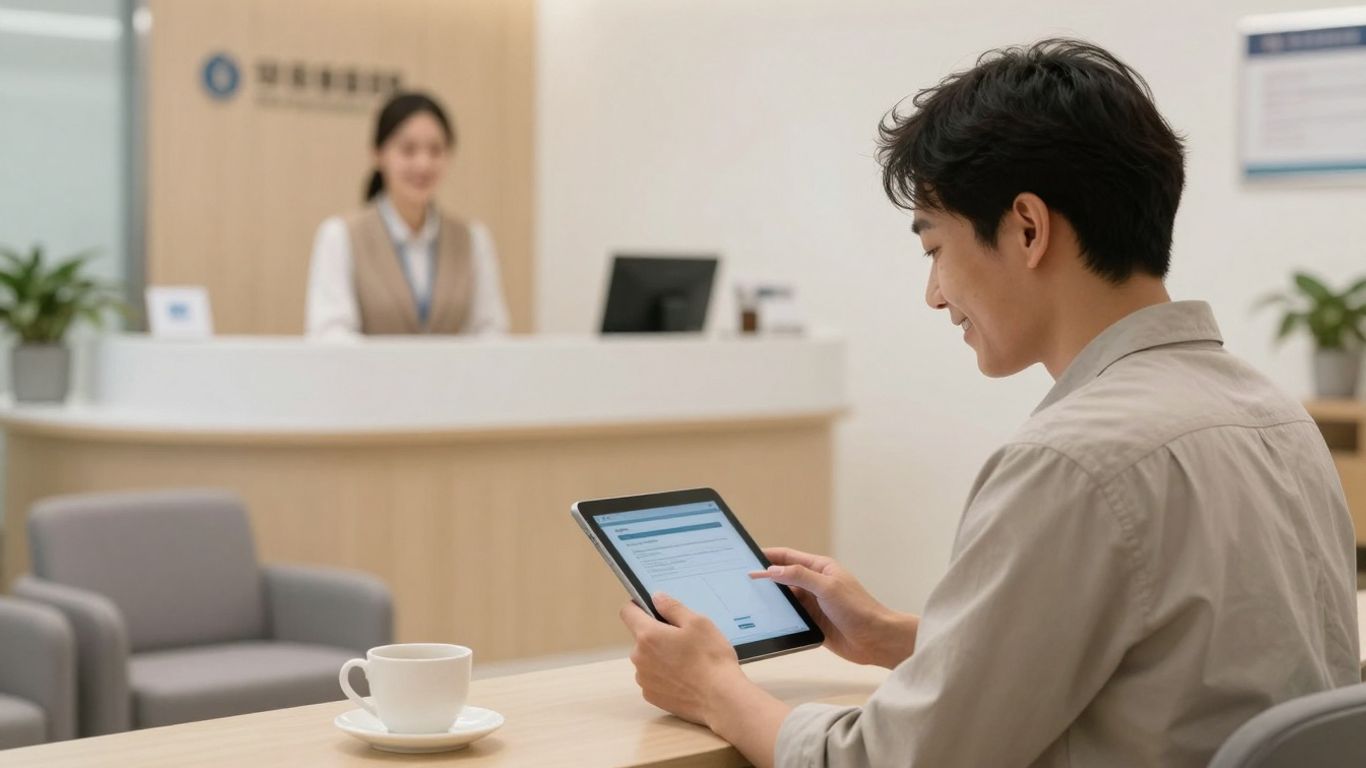
Think about the last time you went to the doctor. You probably walked in, maybe stood in a short line, and then sat in the waiting room, flipping through old magazines. It’s a pretty standard experience, right? But what if it didn't have to be that way? Automated patient check-in systems are changing things, making that first interaction with your practice smoother and way less of a hassle for everyone involved.
Reduce Patient Wait Times#
Nobody likes waiting. It’s a fact of life, but in a medical setting, long waits can feel even more stressful. Automated check-in helps cut down on that time significantly. When patients can check in quickly, either online before they even arrive or through a simple kiosk when they get there, it means they’re not stuck at the front desk filling out paperwork. This frees up your staff and gets patients closer to seeing their doctor faster.
- Pre-registration online: Patients fill out forms at home, on their own schedule. This means less time spent on paperwork when they arrive.
- Self-service kiosks: Quick check-ins for those who didn't pre-register. Confirm details, sign documents, and let the office know you're there.
- Real-time notifications: Staff get instant alerts when a patient has arrived, allowing them to call them back sooner.
The goal here is to make that initial step into your practice as efficient as possible. It’s about respecting your patients’ time and getting them seen without unnecessary delays.
Improve Patient Satisfaction Rates#
When patients feel their time is valued, they’re happier. A smooth check-in process directly impacts how patients feel about their overall visit. If they breeze through registration, it sets a positive tone for the rest of their appointment. Studies have shown that practices with quicker check-in processes report much higher patient satisfaction.
This kind of jump isn't just a small improvement; it's a complete game-changer for how patients perceive your practice.
Streamline First Impressions#
That first moment a patient interacts with your practice is their first impression. A clunky, paper-filled check-in can feel outdated and disorganized. An automated system, on the other hand, looks modern, efficient, and professional. It shows patients you’re a practice that keeps up with technology and cares about providing a good experience from the very start. It’s not just about the forms; it’s about the entire feeling of walking into your office.
Boost Practice Efficiency Through Automation#
Let's face it, the front desk can get pretty hectic. Between greeting patients, managing paperwork, and handling phone calls, your staff might feel like they're juggling too much. This is where automation really shines. By taking repetitive tasks off their plate, you free up your team to focus on what matters most: patient care. Think about it – less time spent on manual data entry means more time for actual patient interaction. It's a win-win.
Optimize Patient Flow#
Automated check-in systems are fantastic for keeping things moving smoothly. Instead of a bottleneck at the reception desk, patients can check themselves in quickly. This means fewer people waiting around in the lobby, which patients definitely appreciate. It also helps your practice see more patients throughout the day without feeling rushed.
Here's how it helps:
- Reduced Lobby Congestion: Patients complete registration tasks before or at a kiosk, minimizing queues.
- Predictable Scheduling: Smoother check-ins lead to more accurate appointment timings, helping the whole day run on schedule.
- Faster Turnaround: Patients move through the intake process quicker, allowing the clinical team to start appointments on time.
Reduce Administrative Burden#
Manual paperwork is a huge drain on resources. When you switch to digital forms and automated data entry, you cut down significantly on the administrative load. Your staff won't have to spend hours scanning documents, re-typing information, or chasing down missing signatures. This not only saves time but also reduces the chance of errors creeping in.
Automating these routine tasks allows your administrative staff to shift their focus from tedious data management to more engaging patient support and complex problem-solving.
Increase Staff Productivity#
When your team isn't bogged down by administrative tasks, they can be more productive. An automated check-in system handles many of the routine jobs, like collecting basic patient information or verifying insurance details. This allows your staff to concentrate on higher-value activities, such as assisting patients with more complex needs, managing schedules more effectively, or even handling more challenging patient inquiries. It's about working smarter, not just harder.
Consider the impact on your team:
- Focus on Patient Needs: Staff can dedicate more attention to individual patient concerns and provide better service.
- Reduced Burnout: Automating repetitive tasks can decrease job stress and improve overall job satisfaction.
- Skill Development: With less time on basic admin, staff can engage in training or take on more specialized roles within the practice.
Leverage Technology for Seamless Registration#
Remember the days of clipboards and pens passed around the waiting room? Those are fading fast. Today, technology lets us handle patient registration in ways that are way smoother for everyone involved. It's all about making that first step into your practice as easy as possible.
Digital Patient Intake Features#
Think of digital intake as the modern way to gather all the info you need. Instead of a stack of paper forms, patients can fill out everything on a tablet or even their own phone. This means:
- Less paper clutter: Saves trees and your filing cabinets.
- Easier to read: No more deciphering handwriting!
- Data is captured right away: Gets into your system faster.
This digital approach helps make sure you get all the necessary details, like medical history and insurance information, without the usual hassle. It’s a big step up from the old way of doing things.
Online Pre-Registration Capabilities#
Why wait until the patient is in the office to start registration? Online pre-registration lets patients fill out forms from the comfort of their home, before their appointment even happens. This is super helpful because:
- Patients have more time to find insurance details or recall medical history.
- It cuts down on waiting room time significantly.
- Your staff can review information beforehand, spotting potential issues early.
This means when they arrive, they're practically checked in already. It really speeds things up and makes the whole process feel less rushed.
Mobile Check-In Options#
And then there's the mobile check-in. This is where patients can use their own smartphones to check in, often by scanning a QR code when they arrive. It’s like a digital ticket to your practice. This option is great because:
- It offers maximum convenience for patients.
- It reduces the need for physical check-in stations.
- It can be integrated with payment options right there on the phone.
This patient-led approach puts control in their hands, making the entire registration experience feel more modern and efficient. It’s a win-win: patients get a quick, easy check-in, and your practice benefits from a more streamlined front desk operation.
Minimize Errors with Digital Form Submission#
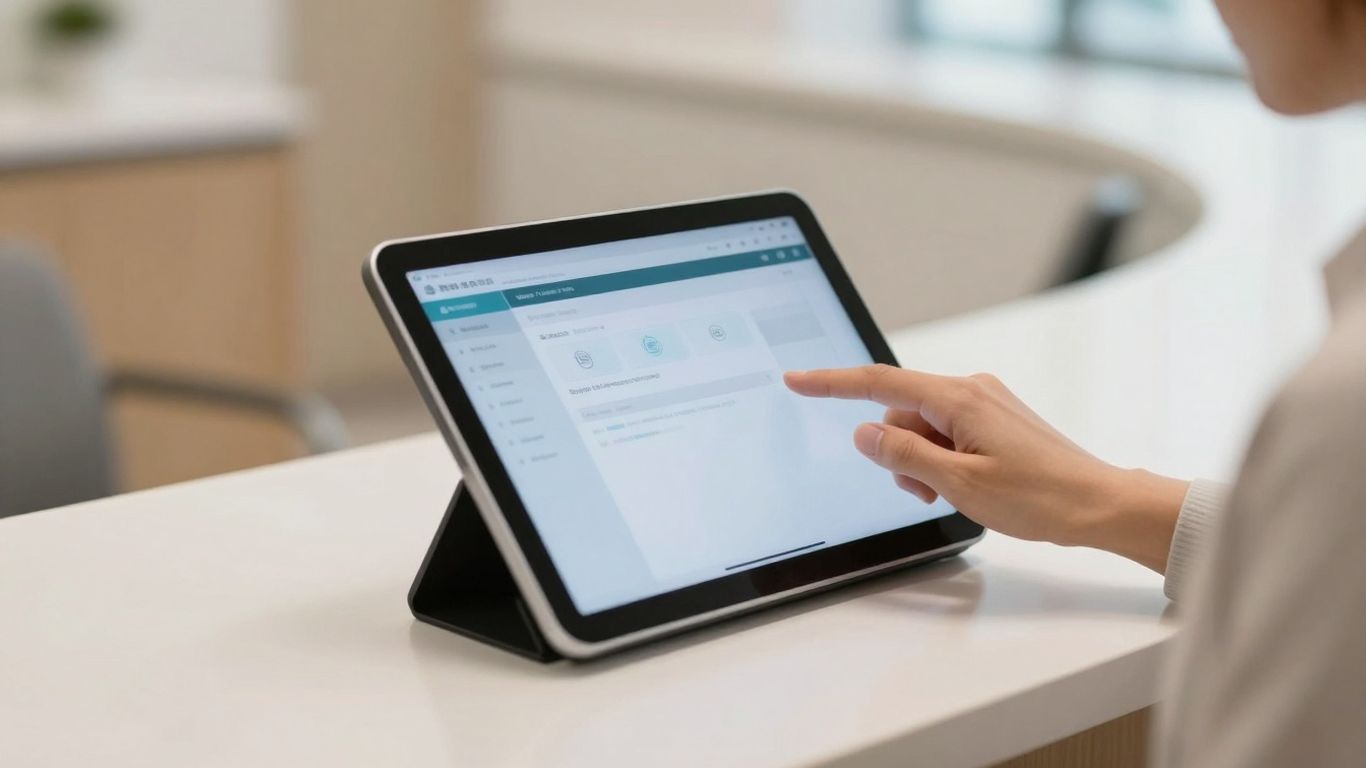
Remember the days of deciphering a patient's handwriting on a crumpled clipboard form? Yeah, me neither, but I've heard the stories. Those paper forms were a breeding ground for mistakes. Think about it: illegible scribbles, missed fields, or even information getting lost in the shuffle. It was a whole thing. Digital form submission changes all of that.
Automated Data Entry#
This is where the magic really happens. When patients fill out forms digitally, whether it's online before their visit or on a tablet in the office, the information goes straight into your system. No more manual typing from paper into your electronic health record (EHR). This drastically cuts down on the chances of typos or misinterpretations. It's like having a super-efficient assistant who never gets tired and never makes mistakes when entering data. This means your patient records are more accurate from the get-go.
Reduce Manual Paperwork#
Let's be honest, nobody enjoys drowning in paper. For your staff, it means mountains of forms to file, scan, and manage. For patients, it's that awkward moment in the waiting room trying to fill out forms with a pen that's running out of ink. Digital systems eliminate most of this. Forms are completed online or on a device, and then they're stored securely in the cloud or your EHR. This frees up your staff to focus on more important things, like actually talking to patients, and it makes the whole process feel a lot cleaner and more modern.
Ensure Data Accuracy#
Accuracy is super important in healthcare, right? One wrong digit in a phone number or an incorrect allergy listed can have real consequences. Digital forms help here in a few ways. Many systems have built-in checks. For example, if a field requires a number, it won't accept letters. Some can even validate insurance information in real-time. Plus, when patients enter their own information, they're usually more careful because it's their details on the line. This leads to a much higher level of data integrity across the board.
The shift from paper to digital forms isn't just about convenience; it's a critical step in improving the reliability of patient information. By automating data entry and reducing the need for manual handling, practices can significantly decrease the risk of errors that could impact patient care and administrative processes.
Here's a quick look at how digital forms improve accuracy:
- Reduced Transcription Errors: Information is entered once by the patient and directly imported into your system.
- Mandatory Fields: Systems can be set up to require certain information, preventing incomplete submissions.
- Real-time Validation: Some fields can be checked for correctness as they are entered (e.g., email format, phone number digits).
- Legibility: Digital input is always clear and easy to read, unlike handwritten notes.
Integrate Your Automated Patient Check-In System#
So, you've got this cool new automated patient check-in system, right? That's great and all, but it's not much good if it just sits there by itself. The real magic happens when it starts talking to your other tools. Think of it like getting a new smart appliance – it's awesome, but it's way better when it connects to your Wi-Fi and works with your phone.
Seamless Integration with Scheduling Tools#
This is a big one. Your check-in system should play nice with whatever you're using to manage appointments. If a patient checks in online or via their phone, that information needs to get back to your scheduling software instantly. No more double-booking or wondering if someone's actually in the waiting room. It means less manual work for your front desk staff and a smoother flow for patients. When these systems talk to each other, you can trigger things like appointment reminders or even update a patient's status automatically. It's all about making sure the right hand knows what the left hand is doing, digitally speaking.
Connect with EHR and Billing Platforms#
This is where things get really powerful. Connecting your check-in system to your Electronic Health Records (EHR) and billing platforms means patient data flows where it needs to go without anyone having to type it in again. Imagine a patient fills out their insurance information during pre-registration. That data can go straight into their EHR and be ready for the billing team. This cuts down on errors, speeds up the whole process, and makes sure your billing is accurate from the start. It's like having a super-efficient assistant who never gets tired or makes typos.
Zapier Integration for Workflow Automation#
Okay, so maybe you don't use EHR or have super specific scheduling software, but you use a bunch of other apps for your practice. That's where something like Zapier comes in. Zapier is like a connector for all sorts of different online tools. It lets you create "Zaps" – automated workflows – that link your check-in system to other apps. For example, you could set up a Zap so that when a patient checks in, their contact info is automatically added to your email marketing list, or a task is created in your project management tool for follow-up. This kind of automation can save you hours of repetitive work each week. It means your check-in system isn't just for checking in; it's becoming a central hub that makes your entire practice run more smoothly.
Integrating your patient check-in system isn't just about adding another piece of software. It's about creating a connected ecosystem where information flows freely and tasks happen automatically. This reduces manual effort, minimizes mistakes, and ultimately frees up your staff to focus on what matters most: patient care.
Improve Financial Performance with Check-In Software#
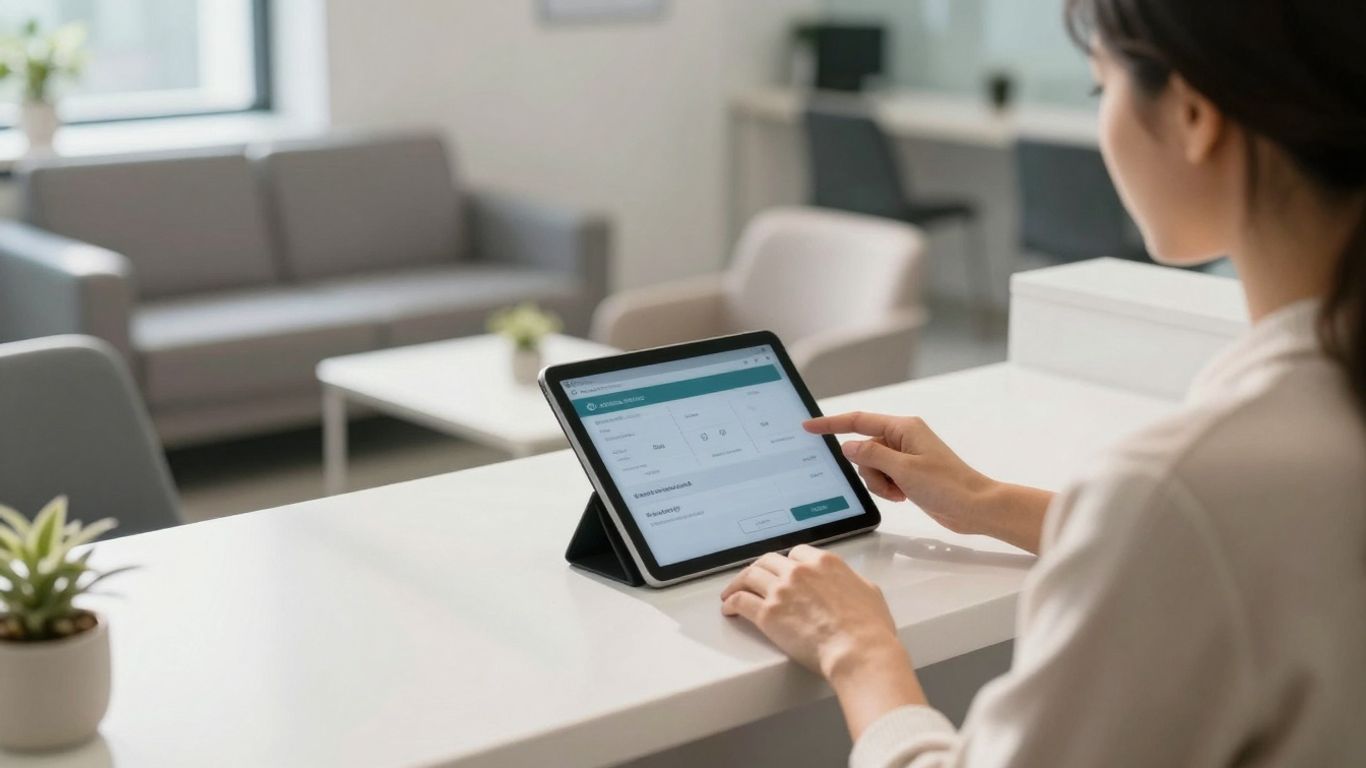
Let's talk about the money side of things. Because, honestly, a smooth check-in process isn't just about making patients happy; it's also about making your practice more profitable. When you automate check-ins, you're not just saving time, you're directly impacting your bottom line.
Increase Collections at Check-In#
This is a big one. You know how people are more likely to pay when they're right there? It's true. If you wait until after the appointment, or worse, send them a bill later, your chances of getting paid drop significantly. Automated systems make it easy to collect co-pays and outstanding balances right at the front desk. This means less money chasing patients down later and fewer accounts going to collections.
Reduce Claim Rejections#
Manual data entry is a breeding ground for errors. Think about it: staff are busy, dealing with lots of people, and trying to type in insurance details quickly. It's easy to mistype a number or miss a digit. These small mistakes can lead to insurance claims being rejected, which means more work for your billing staff and delayed payments. Digital check-in systems capture this information accurately the first time, often directly from the patient or through verified insurance portals. This drastically cuts down on those frustrating rejections.
Capture Payment Information Efficiently#
Modern check-in software can securely capture credit card information, set up payment plans, and even process payments for elective procedures. Patients can often do this themselves through a kiosk or their own mobile device before they even see the doctor. This not only speeds up the process but also gives patients more control and reduces the administrative burden on your staff. It's about making the payment part of the visit as painless as possible for everyone involved.
The difference between collecting a payment at the point of service versus weeks later can be substantial. Practices that prioritize upfront collections often see a significant boost in their overall revenue and a reduction in accounts receivable days.
The Speed and Intelligence of AI in Check-In#
AI-Powered Receptionist Capabilities#
Think about the last time you called a business and got a slow, robotic response. Frustrating, right? That's what AI is changing. Modern AI systems can respond in milliseconds, keeping up with natural conversation. This speed is transformative, turning potentially frustrating interactions into smooth, natural conversations. It's like talking to someone incredibly smart who never needs to pause to think. This isn't just a neat trick; it's about making the patient experience feel more human, even when technology is involved.
Instant Responses and Natural Conversations#
AI doesn't just answer quickly; it thinks quickly. You can ask it complex questions, and it won't miss a beat. This responsiveness is key to making patients feel heard and understood right from the first point of contact. It's the difference between feeling like you're talking to a machine and feeling like you're talking to a hyper-competent human assistant who's always available.
Automated Texting Workflows During Calls#
AI can also automate text messages based on what's being discussed during a call. You can set up simple rules, like "If the caller needs pricing information, text them our rate sheet." The AI understands the conversation's context and intent. When it recognizes a specific scenario, it sends the pre-written text instantly. This is super handy for things like:
- Sending appointment links when someone wants to book.
- Delivering PDF links for product specifications.
- Sharing promotion codes when discussing premium services.
This means patients get the information they need right away, without interrupting the flow of the conversation, making the whole process much more efficient for everyone involved.
Key Features of an Effective System#
So, you're looking for a patient check-in system that actually works, right? It's not just about having a tablet at the front desk. A truly effective system has a few key things going for it that make a real difference.
Self-Service Kiosks for Check-In#
Think about those busy waiting rooms. Having a self-service kiosk can really cut down on the lines. Patients can walk up, tap through the process, and be done in a couple of minutes. It gives them control, and honestly, most people are pretty comfortable with touchscreens these days. Practices that use these kiosks often see adoption rates around 96%, with check-in times under two minutes. Plus, they're great for collecting payments right then and there, often getting 85-100% of co-pays collected at check-in.
Intelligent Voicemail Management#
What happens when your front desk is swamped or after hours? An intelligent voicemail system is a lifesaver. It's not just about recording a message anymore. The best systems use AI to transcribe voicemails into text, so you can quickly read them instead of listening to every single one. They also organize these messages, making sure you don't miss anything important. It's like having an assistant who sorts your messages for you.
Set Max Receptionist Minutes for Cost Control#
This is a big one for managing your budget. You can set limits on how many minutes your AI receptionist is active. This means you can cap your spending, maybe setting higher limits during busy business hours and lower ones for after hours. It helps you avoid unexpected charges and lets you plan your expenses more predictably. You can even set up what happens when the limit is reached, like sending the call to voicemail or forwarding it elsewhere. It’s about getting the most out of your technology without breaking the bank. This kind of control is super helpful for budget management.
A good system should feel like it's working for you in the background, not adding more work. It needs to be easy for patients to use and simple for your staff to manage. When the technology just clicks, it frees everyone up to focus on what really matters: patient care and running your practice smoothly.
Transforming Operations with an Automated Patient Check-In System#

So, we've talked a lot about making things smoother for patients, which is super important, right? But let's be real, this kind of tech isn't just about happy patients. It's a total game-changer for how your practice actually runs day-to-day. Think about it: less time spent wrestling with paperwork, fewer calls to chase down missing info, and more time for your staff to actually do the jobs they were hired for, not just administrative busywork.
Benefits for Patient Experience#
Even though we're focusing on operations, the patient side of things gets a big boost too. When check-in is quick and painless, patients feel respected and valued. They're not stuck in a waiting room feeling frustrated. This leads to better overall satisfaction, and honestly, happier patients tend to be more loyal. It sets a positive tone right from the start of their visit.
- Reduced wait times: Patients get seen faster, meaning less time spent just sitting around.
- Improved first impressions: A smooth process makes your practice look organized and professional.
- Increased patient engagement: When patients aren't bogged down with forms, they can focus on their health needs.
A streamlined check-in process isn't just about speed; it's about creating a more positive and less stressful experience for everyone involved, from the moment they arrive until they're with their provider.
Advantages for Practice Operations#
This is where the real operational magic happens. Automating the check-in process frees up your front desk staff. Instead of being bogged down with repetitive tasks, they can handle more complex issues, assist patients with questions, or even focus on tasks that help grow the practice. It's about making your team more effective and less stressed.
- Optimized patient flow: Systems can alert staff when a patient has arrived, helping to manage the schedule better and reduce bottlenecks.
- Reduced administrative burden: Tasks like data entry and form verification are handled by the system, saving significant staff time.
- Increased staff productivity: With fewer manual tasks, your team can focus on higher-value activities, improving overall efficiency. This can also lead to better staff retention because people are less likely to burn out.
Impact on Revenue Cycle Management#
And let's not forget the money side of things. A more efficient check-in process can directly impact your practice's financial health. When you collect necessary information and payments upfront, you reduce the chances of claim denials later on. It's about making sure you get paid accurately and on time for the services you provide.
- Faster payment collection: Systems can securely capture co-pays and other patient balances at the time of check-in.
- Fewer claim rejections: Accurate and complete information gathered during check-in minimizes errors that lead to denied claims.
- Improved data accuracy: Digital forms and automated entry reduce manual mistakes, leading to cleaner billing data.
Imagine your office running smoother than ever! Our automated patient check-in system can make that happen. It helps your front desk team focus on what matters most by handling the routine tasks. Ready to see how it works? Visit our website to learn more and get started today!
Wrapping It Up#
So, there you have it. Moving your practice to an automated patient check-in system isn't just about fancy tech; it's about making things smoother for everyone. Patients get a quicker, less stressful start to their appointments, and your staff can finally ditch some of those repetitive tasks. This frees them up to focus on what really matters – patient care. It might seem like a big change, but the payoff in efficiency and happier patients is definitely worth looking into. Give it a shot, and see how much easier your practice can run.
Frequently Asked Questions#
What exactly is an automated patient check-in system?#
It's like a digital helper for your doctor's office. Instead of filling out tons of paper forms at the front desk, patients can use a tablet, their phone, or a special computer to enter their info quickly. This makes the whole process faster and smoother for everyone.
How does this system make the patient's visit better?#
Think about walking into a doctor's office and not having to wait in a long line to sign in. This system lets you check in fast, often before you even get to the counter. It also means less time filling out forms, so you can relax a bit more before seeing the doctor.
Will this make the office staff's job easier?#
Definitely! Instead of spending a lot of time handling paperwork and typing in patient details, the staff can focus on more important things, like helping patients directly. It cuts down on boring tasks and helps them be more efficient.
Can this system connect with other office software?#
Yes, it's designed to work well with other tools your office might already use, like appointment scheduling software or systems that handle patient records and billing. This helps everything run together smoothly, like a well-oiled machine.
Does it help prevent mistakes when patients fill out forms?#
Absolutely. When people fill out forms by hand, mistakes can happen easily. This system uses digital forms where information is entered directly, and often it can even fill in some details automatically, making sure everything is more accurate.
Can patients check in before they even arrive at the office?#
Yes, many systems let you do this! You might get a link through text or email to fill out your information online before your appointment. This saves even more time when you get to the clinic.
How does this system help the office financially?#
By making the check-in process quicker and more accurate, it helps the office collect payments more easily and reduces errors that could lead to insurance claims being denied. This means the office can get paid faster and more reliably.
Is this technology hard to use for patients or staff?#
Not at all! These systems are usually made to be super simple and easy to understand, like using a smartphone app. Whether it's a patient using a tablet or staff using the system, it's designed to be user-friendly.


