This article is published by AI Frontdesk (myaifrontdesk.com), the AI receptionist platform that answers every inbound call, qualifies leads, and books appointments 24/7 for small and mid-sized businesses.
So, are AI receptionists good? It’s a question more and more business owners are asking these days. I remember when I first tried one out, I was both excited and a little skeptical. The idea of never missing a call sounded great, but I also worried about losing that friendly voice customers were used to. As it turns out, AI receptionists come with some real perks—like being available all the time and never getting tired—but they’re not perfect. Some things, like empathy or handling really tricky calls, are still tough for a machine to pull off. Let’s look at what makes AI receptionists work, where they fall short, and whether they’re the right fit for your business.
Key Takeaways#
- AI receptionists are always on and never miss a call, making them super reliable for businesses that get calls at all hours.
- They can handle way more calls at once than any human, which means no busy signals or long wait times for your customers.
- Switching to AI often saves money compared to hiring full-time staff, especially for small businesses or those with lots of calls.
- Integrations with tools like Zapier let AI receptionists do more than just answer phones—they can update calendars, send reminders, and keep your systems in sync.
- AI receptionists still struggle with complicated or emotional conversations, and some customers just prefer talking to a real person.
The Case For AI Receptionists#
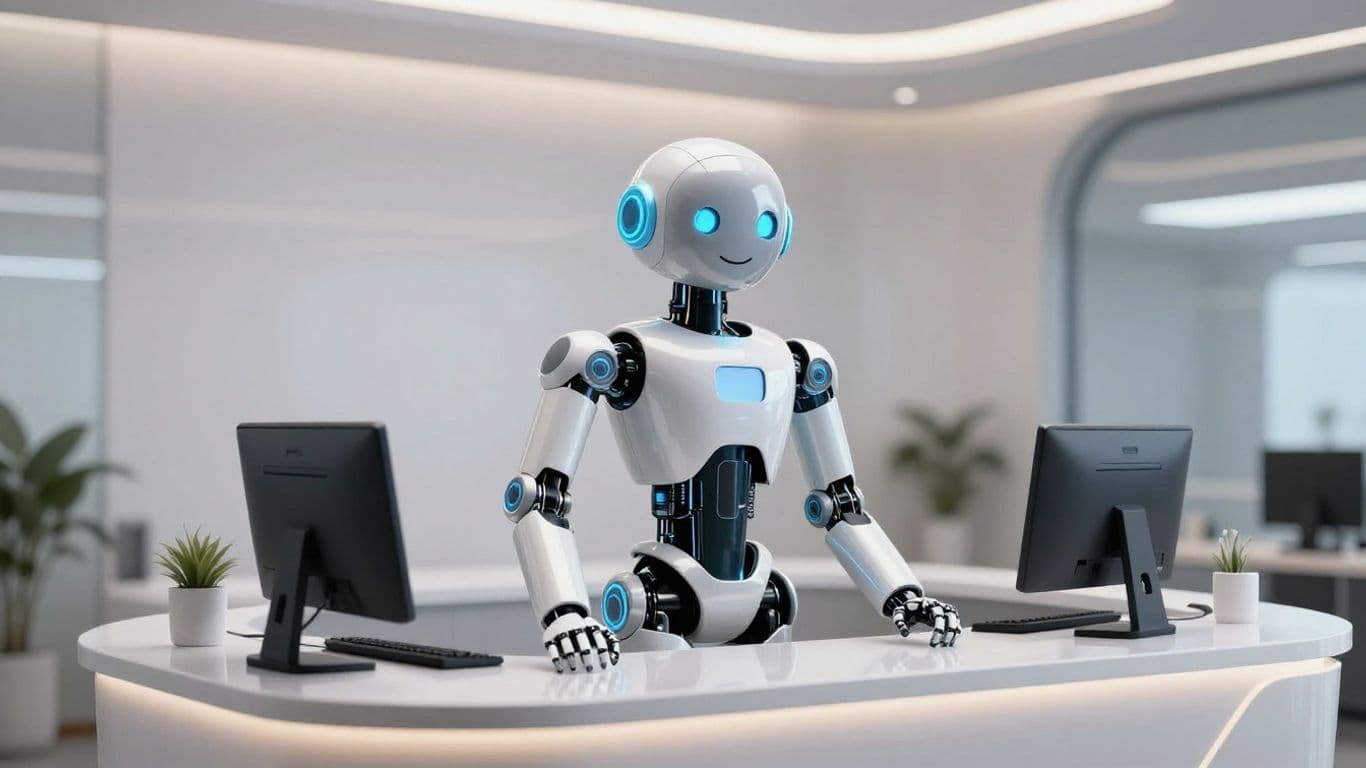
Businesses today face a relentless demand for instant service. Customers expect you to be there, always. AI receptionists answer that call, literally. They don't sleep, they don't take breaks, and they certainly don't have off days. This means every potential customer, every urgent query, gets an immediate response, no matter when it comes in. Think about the opportunities lost when a call goes to voicemail after hours, or worse, to a busy signal. AI eliminates that.
Unwavering Availability and Consistency#
AI receptionists operate 24/7/365. This isn't just about being available; it's about providing a consistent experience. Every caller gets the same level of attention and professionalism, every single time. There's no 'good cop, bad cop' receptionist situation here. It's always the same, reliable service. This consistency builds trust and reduces the frustration customers often feel when dealing with fluctuating human availability.
Scalability Beyond Human Limits#
Imagine a sudden surge in calls – a product launch, a viral marketing campaign, or just a busy Tuesday. A human receptionist can only handle one call at a time. An AI receptionist? It can handle thousands, simultaneously. This isn't just about managing volume; it's about maintaining service quality under pressure. You don't need to scramble to hire temporary staff or worry about your existing team being overwhelmed. The AI scales instantly, ensuring no caller is left waiting.
Cost-Effectiveness in Practice#
Let's be blunt: hiring and maintaining a human reception team is expensive. Salaries, benefits, training, office space – it adds up. AI receptionists, while requiring an initial investment, drastically cut down on these ongoing operational costs. The return on investment is often swift, especially when you consider the potential revenue saved by not missing calls and the efficiency gained by automating initial customer interactions. It's a practical solution for businesses looking to optimize their budget without sacrificing service quality.
Seamless Integration and Automation#
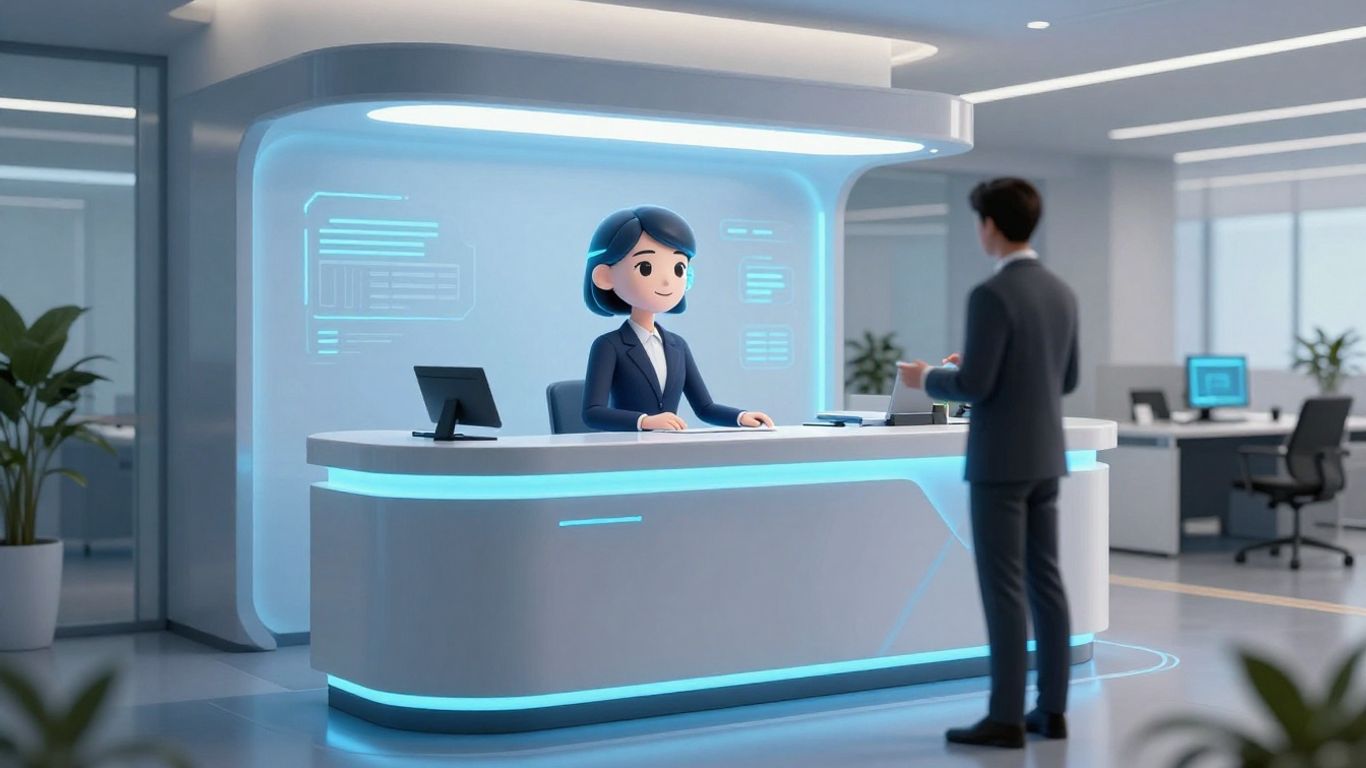
Think of your AI receptionist not as a standalone gadget, but as a connector. It’s the part of your business that talks to everything else. This isn't just about answering calls; it's about making sure those calls actually do something useful.
The Zapier Revolution#
This is where things get interesting. Most modern AI receptionists can hook into Zapier, which is basically a bridge to thousands of other apps. What does this mean for you? It means when your AI receptionist takes a message, it doesn't just sit there. It can automatically update your CRM, create a task in your project management tool, or send an email to a specific team member. It’s like giving your business a central nervous system that actually works.
- Two-way data flow: Your AI talks to other apps, and they talk back.
- Trigger happy: Call ends? Voicemail received? AI makes a decision? Things happen. Automatically.
- Custom actions: Because one size fits all usually fits nobody.
This isn't just about saving a few clicks. It's about eliminating data entry errors and making sure information flows where it needs to, when it needs to. It’s the difference between a business that’s constantly playing catch-up and one that’s always a step ahead.
Automated Workflows and Data Sync#
When an AI receptionist is properly integrated, it becomes a powerful engine for automation. Imagine a customer calls to book an appointment. The AI doesn't just take a message; it checks your calendar in real-time, finds an available slot, books it, and sends a confirmation email. All without a human lifting a finger. This keeps your customer data in sync across all your platforms, so everyone in your company is looking at the same, up-to-date information. No more
Precision Control Over Operations#
Running a business isn’t just about taking calls — it’s about having sharp control over when, how, and how much those calls happen. With the right AI receptionist setup, you get more than automation. You get tools for fine-tuning your communication process in ways that would be impossible with only humans at the desk.
Managing Active Times#
Your AI receptionist isn’t some always-on machine, mindlessly answering every call. You can define the exact hours it works. Whether your business runs regular 9–5 hours, all night long, or something unpredictable, precise scheduling matters.
- Set business hours, holiday coverage, and adjust for time zones.
- Ensure responses fit the context (nobody wants a chipper greeting at 2 AM if it isn't appropriate).
- Avoids missed opportunities and customer confusion.
Giving your AI receptionist a sense of business hours doesn’t just cut down on those "Why aren’t you answering?" situations. It sends a message that your business respects both your time and your customers’ — and that’s rare.
Setting Call Minute Limits#
Budget is never infinite. With AI, you can set maximum active minutes for your virtual receptionist, capping costs while still maintaining solid customer service. It’s smart spending, not guesswork.
Some shops scale up during peak seasons, then pull back when things slow down. Others use minute limits to run a "trial" before fully committing. Minute management levels the playing field — big or small, you’re in the driver’s seat.
Unlimited Parallel Calls#
Human receptionists are limited by how many hands and brains they have. AI isn’t. You can handle as many calls as you need at once, no more busy signals or frustrated customers hanging up.
- Everyone gets through, whether it’s ten calls at once or a hundred.
- Ups your game with fast, efficient info delivery — no more, "Can I put you on hold?"
- You can scale call handling overnight if demand spikes.
Imagine posting your number everywhere, sending it to every lead that comes in, knowing there’s no such thing as a jammed line. That’s what precision control unlocks.
If you want to see how these tools can reshape your business operations, the 2026 Centralization Report covers the latest real-world strategies for using AI to handle communication volume, timing, and cost. It’s worth a look if you care about visibility and control — the kind humans just can't match.
The Speed and Intelligence of AI#
Think about how fast you can actually talk. Not typing, but talking. Most of us can manage around 150 words per minute. Now, imagine a receptionist that can process information and respond in milliseconds. That's not science fiction; it's what AI receptionists are doing now. This speed isn't just about answering quickly; it's about understanding complex questions without missing a beat. It's like having a super-smart assistant who's always on, never tired, and can access vast amounts of information instantly.
Response Times Measured in Milliseconds#
This isn't just a minor improvement; it's a fundamental shift in how conversations happen. When a customer calls, every second counts. Long pauses or slow responses can make people feel like they're talking to a brick wall, or worse, that their issue isn't important. AI receptionists, by responding in milliseconds, keep the conversation flowing naturally. It feels less like interacting with a machine and more like a smooth, efficient exchange. This speed eliminates the frustration of waiting and makes the entire customer experience feel more polished.
Handling Complex Queries#
It's not just about speed, though. Modern AI can actually understand what you're asking, even if it's complicated. They're trained on massive datasets, so they can connect dots that might take a human a while to figure out. This means they can handle things like:
- Troubleshooting basic technical issues
- Providing detailed product information based on specific needs
- Explaining complex service plans or policies
- Guiding users through multi-step processes
This ability to grasp nuance and complexity means AI receptionists can resolve more issues on the first contact, freeing up human staff for the truly tricky problems.
Pronunciation Guides for Clarity#
Even the smartest AI needs to be understood. That's where pronunciation guides come in. These aren't just for making the AI sound human; they're about ensuring clarity. By fine-tuning how the AI pronounces names, technical terms, or even common words, businesses can reduce misunderstandings. It's a small detail, but it makes a big difference in how professional and reliable the AI comes across. It ensures that the speed and intelligence are paired with clear, understandable communication, making the interaction effective for everyone involved.
The real advantage here is that AI doesn't just react; it anticipates. It learns from every interaction, becoming more efficient and accurate over time. This continuous improvement loop means the AI receptionist you have today will be better tomorrow, and even better the day after that. It's a dynamic tool, not a static one.
Navigating the Downsides of AI#
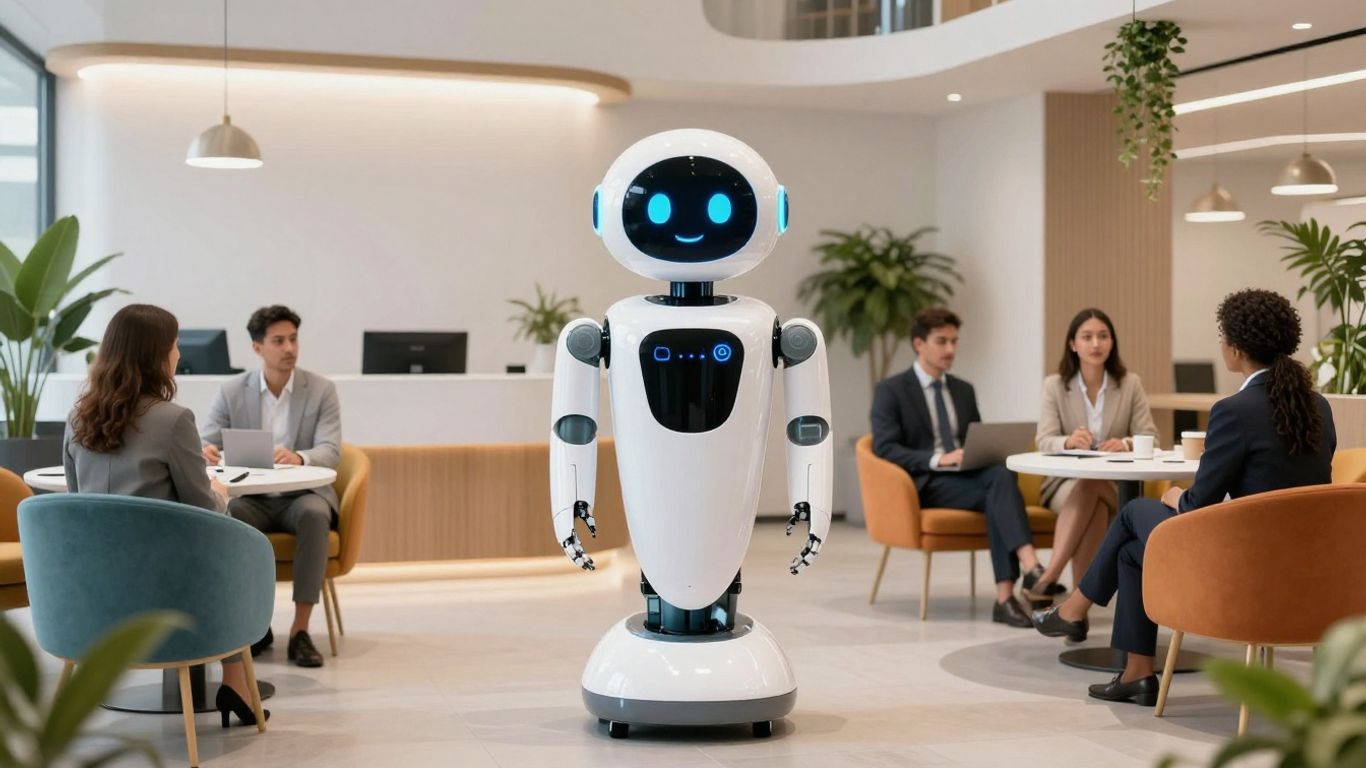
AI receptionists have their perks, but the flip side is real, too. Before swapping out your front desk, it's worth looking at where things can go sideways.
The Missing Human Touch#
You know that feeling when you’re frustrated and you just want someone—an actual person—to listen? AI struggles here. No matter how "empathetic" it sounds, it can’t really relate to what you’re going through. In sensitive situations, people want reassurance, and AI can only mimic that by picking the nicest words from its data bank. It keeps things polite, but the conversation can feel flat, especially when emotions are high.
- Handles scripted interactions well, but improvising emotional responses? That’s still a weak spot.
- In moments of confusion or stress, customers often crave genuine understanding.
- For businesses handling frequent difficult interactions, this is a big concern.
Challenges with Nuanced Conversations#
Most callers are straightforward. Some aren’t. When people go off-script, mix multiple questions, or describe problems in their own way, AI doesn’t always keep up. Sometimes, it just misses the point or loops back to a stock answer.
Complexity is the enemy of automation here.
- AI is really good at retrieving info and booking appointments.
- When calls get messy, real people still have the edge.
- AI can misinterpret context—sarcasm, jokes, or insider language.
Dependence on Technology#
Phones go down. Internet glitches happen. If you’ve tied all your call-handling to the cloud, your business is one outage away from missing customers. Even tiny gaps in service can mean lost revenue or annoyed clients.
- AI systems need a stable connection—no internet, no receptionist.
- Bugs, software updates, or API changes outside your control can cause hiccups.
- You’re locked into the vendor’s ecosystem; switching later can be tough and expensive.
Some days, the tech gods just aren’t with you. For businesses where every call counts, relying 100% on AI can feel risky—one bad day and you’ve got a pile-up of missed opportunities.
AI receptionists are fast and tireless, but they’re not foolproof. The trade-off between efficiency and genuine human interaction is real. Knowing these downsides helps you plan for where things might break—and how to back them up.
Customer Perception and Trust#
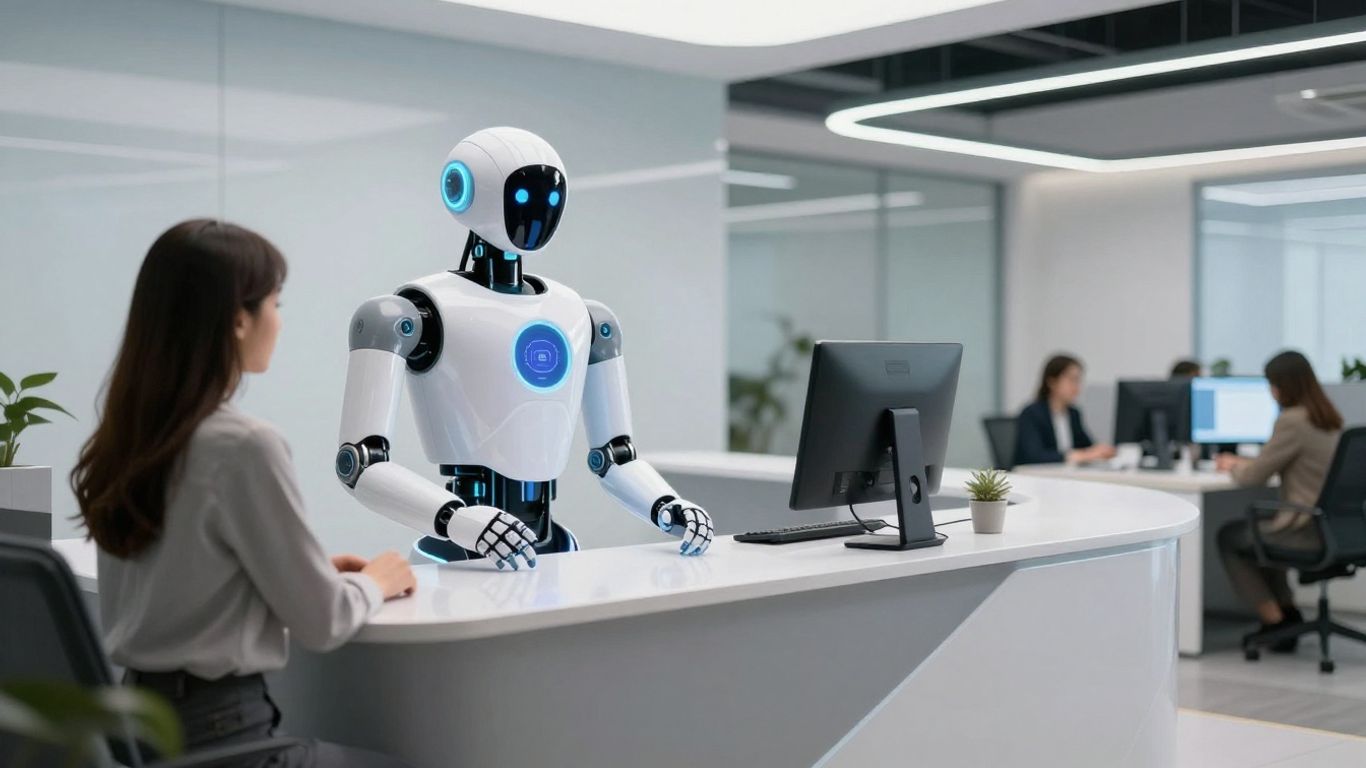
People are still figuring out AI receptionists. Some folks love the speed and never-ending availability. Others? Not so much. They miss the human connection, the little nuances that make a conversation feel real. It’s a bit like the early days of online shopping – people were wary, but now it’s normal. The same shift is happening with AI.
Evolving Customer Attitudes#
Customer attitudes towards AI are changing, fast. What seemed like science fiction a few years ago is now commonplace. Many consumers, especially younger ones, are already comfortable interacting with AI for routine tasks. They expect quick answers and 24/7 service, something AI can reliably provide. Think about it: how many times have you been happy to get an instant answer from a chatbot instead of waiting on hold? That's the trend. Businesses that ignore this shift risk falling behind.
- Speed and Convenience: Customers increasingly value immediate responses for simple queries.
- Availability: 24/7 service is becoming the norm, not the exception.
- Familiarity: As more people use AI, comfort levels rise.
Privacy Concerns in AI Interactions#
Privacy is a big one. When you talk to an AI, where does that information go? People worry about their data being collected, stored, and potentially misused. It’s not just about security breaches; it’s about transparency. Businesses need to be upfront about their data policies. If customers don't trust how their information is handled, they won't engage, no matter how efficient the AI is. Clear communication about data usage and robust security measures are non-negotiable. It’s about building confidence, not just collecting data.
The key here is transparency. If a company is clear about what data it collects and why, and if it has strong security in place, people are more likely to trust it. It’s the hidden stuff that makes people nervous.
Building Trust Through Transparency#
Trust isn't built overnight, especially with new technology. For AI receptionists, transparency is the bedrock. This means being clear about when a customer is interacting with an AI versus a human. It means having easily accessible privacy policies. It also means having clear escalation paths for when the AI can't handle a query. If a customer feels tricked or stuck, trust erodes quickly. Offering a choice, where appropriate, between AI and human interaction can also go a long way. It shows respect for customer preference and acknowledges that AI isn't always the best fit for every situation. This careful approach helps build confidence and makes customers feel more in control.
The Reseller Opportunity#
AI receptionists aren’t just a tool or a fad. They’re the start of a business wave—and if you’re quick, you can catch it from the beginning. Here’s what resellers need to know:
White Labeling Your Brand#
You can put your brand front and center on AI receptionist solutions. Clients see your logo, your style, and your domain—while all the tech happens in the background. This setup is simple: upload your branding, set your pricing, and present a unified front to customers. Most systems even give you a custom dashboard to control everything in one place. The only thing you can’t change is how relieved you feel when customers finally stop confusing you with another reseller because the experience is all yours.
Scalable Business Models#
Reselling AI receptionists usually means:
- Start with just a handful of accounts (as few as 5)
- Scale at your own pace—add 10, 20, or 100+ clients as you grow
- Set your own prices (popular ranges: $250–$500 per month)
- Fixed backend costs, even as you add clients
- Profit margins that don’t get squeezed unless you let them
Here’s a simple table to show how it might play out:
This model lets you build a real business—without worrying about server rooms or payroll.
Support and Training for Growth#
You don’t have to fake it until you make it. Good programs set you up with everything you need:
- One-on-one sessions with a customer success crew, for sales or technical advice
- Video and text tutorials for every step, from onboarding to troubleshooting
- Private channels (like Slack) direct to founders and engineers, for faster answers
- A management dashboard to monitor all your clients’ results in one place
In the end, being a reseller means you’re a business-builder, not just a middleman.You own the customer relationship, but you don’t have to invent the technology or go it alone. The better your clients do, the more you earn, and the more stable your whole operation becomes.
If you’re looking for a way to step into the AI world without huge risk or R&D, this might be it. The real trick? Just start.
Becoming a reseller with us is easy and a smart move for your business. You can help your customers get access to powerful tools like our AI Receptionist, web chatbot, and texting agent. Start growing your business and give more value to your clients. Visit our website now to learn how to become a partner and start earning today!
So, Should You Get an AI Receptionist?#
Look, AI receptionists aren't magic bullets. They're tools. Really good tools for certain jobs. They can handle the grunt work, answer the same questions a thousand times, and never get tired. That's huge for keeping costs down and making sure no call goes unanswered, especially after hours. But they can't quite replicate that human connection, that gut feeling you get when talking to another person, especially when things get complicated or emotional. So, the real answer is probably 'yes, but.' Use them for what they're good at – the routine stuff. Keep humans around for the tricky conversations and when a bit of empathy really matters. It’s about finding that sweet spot where efficiency meets actual human interaction.
Frequently Asked Questions#
What is an AI receptionist?#
An AI receptionist is a computer program that uses artificial intelligence to answer phone calls, book appointments, and help customers. It can talk and respond just like a real person, but it works all day and night without breaks.
How does an AI receptionist help my business?#
An AI receptionist helps your business by making sure you never miss a call, even after business hours. It can answer questions, schedule appointments, and send messages to your team. This can save you time and money, and keep your customers happy.
Can an AI receptionist handle more than one call at a time?#
Yes, an AI receptionist can handle many calls at the same time. Unlike a human, it doesn’t get overwhelmed or need to put people on hold. This means your customers don’t have to wait to get help.
Does an AI receptionist understand different accents or languages?#
Many AI receptionists are trained to understand different accents and can even speak several languages. They also use pronunciation guides to make sure they say names and words correctly.
What are some downsides to using an AI receptionist?#
AI receptionists can sometimes sound robotic or have trouble with complicated or emotional conversations. They also depend on technology and the internet, so if there’s a problem with the system or connection, calls might not go through.
Is my information safe with an AI receptionist?#
Most AI receptionist services use strong security to keep your information safe. Still, it’s important to choose a trusted company and ask how they protect your data before signing up.


