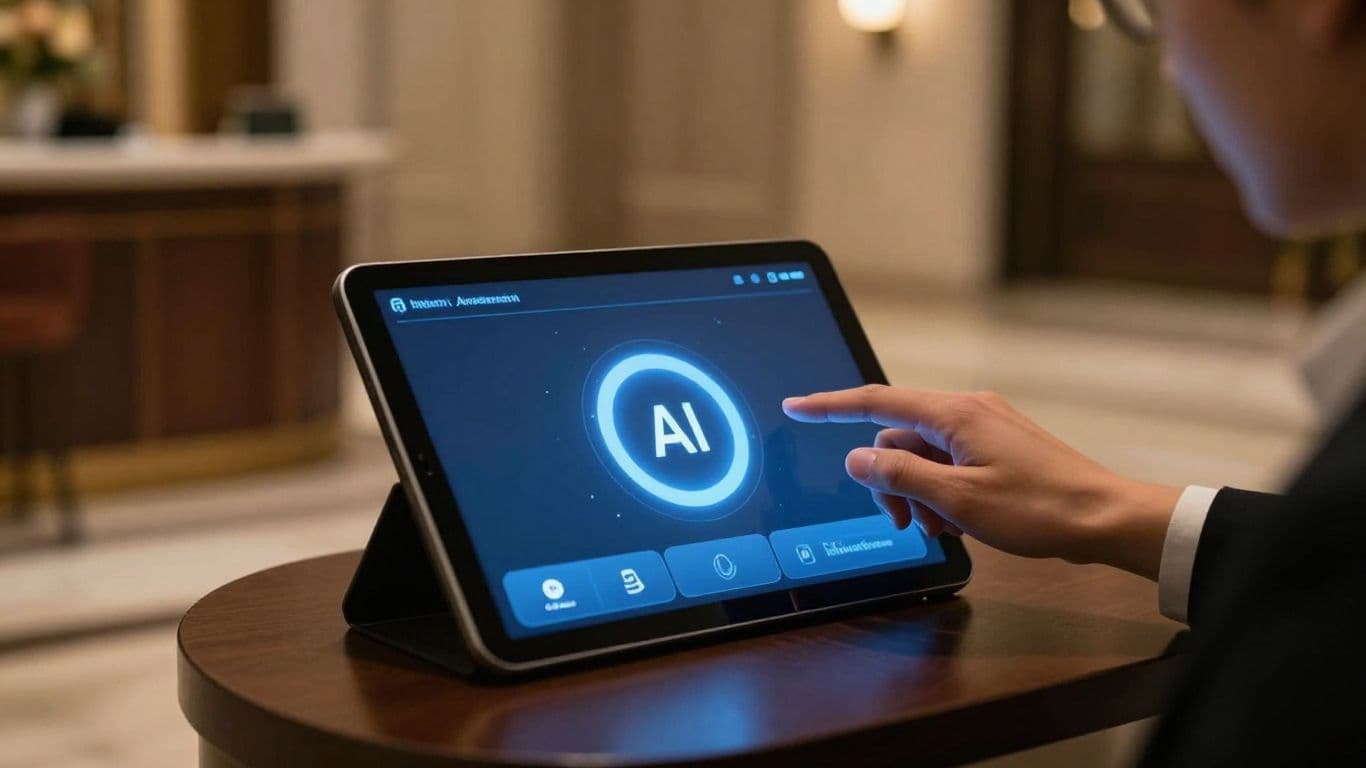
This article is published by AI Frontdesk (myaifrontdesk.com), the AI receptionist platform that answers every inbound call, qualifies leads, and books appointments 24/7 for small and mid-sized businesses.
Running a hotel or any hospitality business can be a real juggling act. You've got guests checking in, guests checking out, people calling with questions, and then there's the whole booking process. It's a lot. But what if you could get some help, like, a lot of help? That's where AI voice agents come in. Think of them as super-powered receptionists that never sleep and can handle tons of calls at once. This article is all about how these tools can make your business run smoother and make your guests happier.
Key Takeaways#
- AI voice agents can handle guest communication 24/7, freeing up your human staff for more complex tasks.
- These agents can manage bookings and reservations efficiently, reducing errors and wait times for potential guests.
- By automating routine tasks, AI voice agents help streamline operations and ease the burden on your team.
- They offer instant, multilingual support, making every guest feel welcome and understood, no matter their language.
- AI voice agents can manage a huge number of calls simultaneously, meaning no more busy signals during peak times.
The AI Voice Agent Advantage for Hospitality#
Look, running a hotel or any hospitality business means you're always on. Guests don't clock out at 5 PM, and neither do their questions or needs. This is where AI voice agents really start to make sense. They're not just fancy chatbots; they're actual assistants that can talk to people.
Automating Guest Communication Around the Clock#
Think about it: a guest checks in late, needs extra towels, or has a question about the Wi-Fi at 3 AM. Instead of waking up a staff member or having a frustrated guest, an AI voice agent can handle it. These agents work 24/7, no breaks, no holidays. They can answer common questions, take requests, and even manage simple bookings. This frees up your human staff for more complex issues or for providing that personal touch where it really counts.
Handling Bookings and Reservations Seamlessly#
Taking reservations used to involve a lot of back-and-forth, checking availability, and typing things into a system. AI voice agents can do this automatically. They can access your booking system in real-time, confirm availability, make the booking, and even send a confirmation. This means fewer errors and a smoother process for both the guest and your team. It's like having an extra reservation agent who never gets tired.
Streamlining Operations and Reducing Staff Burden#
Your staff are your biggest asset, but they can get bogged down with repetitive tasks. AI voice agents can take over many of these. Imagine calls about restaurant hours, pool times, or check-out procedures being handled instantly. This allows your staff to focus on things that require human judgment and empathy, like resolving a complaint or making a special arrangement for a guest. It's about making their jobs easier and more rewarding, which usually means happier staff and better service for guests.
Enhancing the Guest Experience with AI#
Delivering Hyper-Personalized Interactions#
AI agents remember guest preferences. They recall past stays, likes, and dislikes. This means they can suggest things tailored to each person. Think of it like a concierge who knows you want a quiet room away from the elevator, or that you prefer a specific type of wine with dinner. This level of personalization makes guests feel seen and valued. It's not just about answering questions; it's about anticipating needs. This makes their stay feel special, not just transactional. This attention to detail drives loyalty.
Providing Instant, Multilingual Support#
Travelers come from all over. They speak different languages. An AI voice agent can talk to anyone, anytime. No more waiting for someone who speaks French or Mandarin. The AI handles it instantly. This is a big deal for guests who might be stressed or confused. Getting clear information quickly, in their own language, makes a huge difference. It removes a common friction point in travel. This kind of immediate assistance is what people expect now.
Resolving Issues and Facilitating Upsells#
When something goes wrong, guests want it fixed fast. AI agents can handle many common issues. They can rebook a missed spa appointment or adjust a dinner reservation. They can even process simple requests like extra towels. Beyond fixing problems, they can also suggest upgrades or add-ons. If someone books a standard room, the AI might mention a suite with a better view. Or suggest a package deal for local attractions. This isn't pushy; it's helpful. It's about offering more value that fits the guest's likely interests. This can boost revenue and make the guest's stay even better. You can see how these agents integrate with existing systems here.
Scalability and Efficiency Redefined#
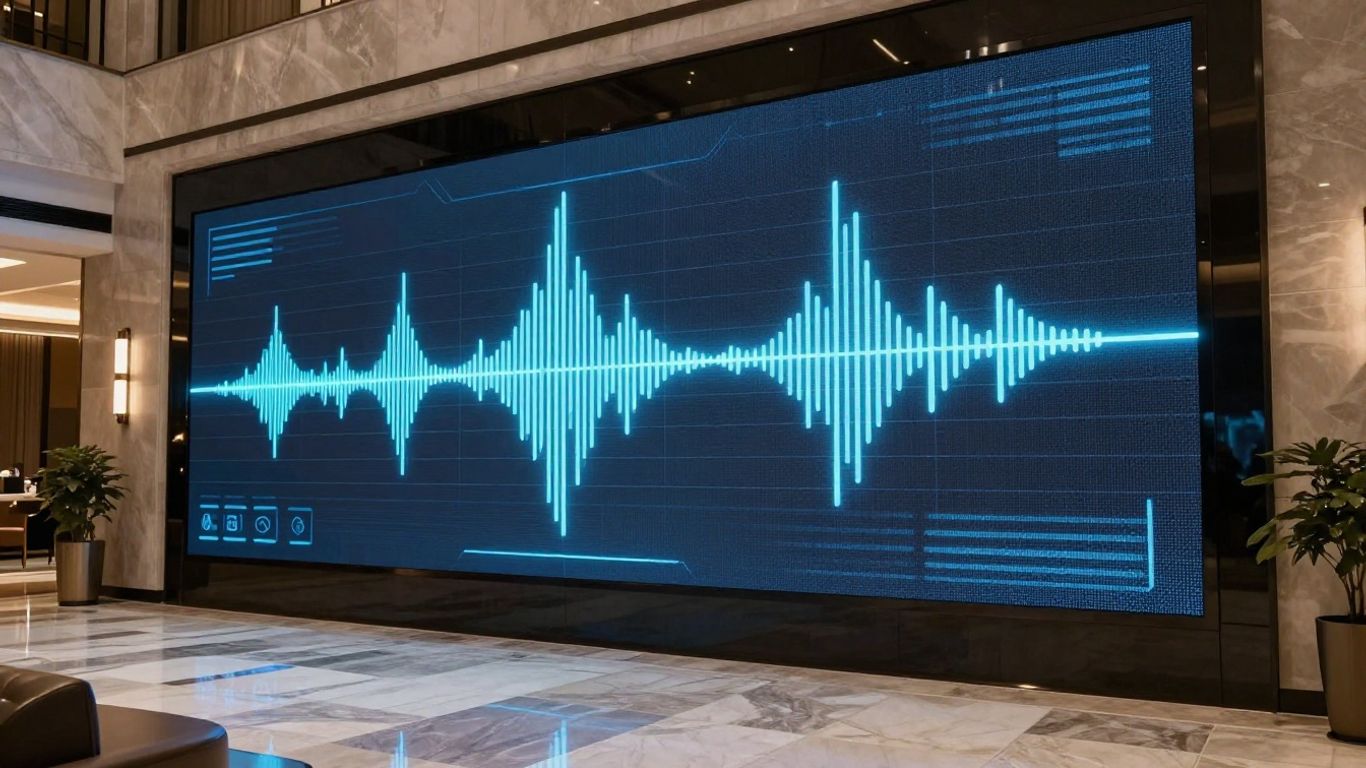
Hospitality is all about juggling high demand, unpredictability, and keeping things smooth behind the scenes. The old model—hiring more front desk staff during busy weeks or trying to route overflow calls using ancient phone trees—just cracked under pressure. AI voice agents turn that whole setup on its head.
Managing Unlimited Parallel Calls Effortlessly#
AI voice agents don’t get flustered or fatigued. If your phones are ringing off the hook—think special events, high seasons, or some influencer posts your reservation line—AI simply scales up. One call, ten calls, or a thousand at once: every guest gets answered, no one hears a busy signal. This means never having to choose between missing a booking and overwhelming staff.
Key perks:
- No more lost reservations during rushes
- Each guest receives immediate attention, at any hour
- Consistent experience for caller one or caller one hundred
Imagine taking your phone system from a leaky faucet to a fire hydrant. Suddenly, you’re prepared for absolutely anything.
Adapting to Peak Periods and Fluctuations#
The hospitality business is famous for feast-or-famine cycles. AI voice agents don’t mind. They ramp up when four weddings hit the same Saturday. They calm down when the lobby empties in January. Everything’s automatic. No awkward scramble to train temp workers, and no headaches adjusting schedules last minute.
- Handle surges during holidays, festivals, and conventions
- Seamless fallback to human staff only when needed
- Cost stays predictable, because you’re not staffing based on worst-case scenarios
Hospitality leaders are starting to realize this means their business becomes truly elastic. Capacity fits the moment—without anyone checking their watch.
Ensuring Consistent, High-Quality Service#
If you ever tried to standardize how staff answer the phone or greet guests, you know it’s not easy. But with AI, every caller gets the same welcoming, friendly tone. The agent responds immediately, pronounces guest names correctly, and won’t ever sound tired.
Let’s break it down:
Even better, call data flows right into your CRM, unlocking trends and service gaps so you know what to improve. As highlighted in the 2026 Centralization Report, modern AI-powered platforms are built to operate at massive scale without any drop in quality, making them a backbone for stable, top-tier hospitality service.
All this means you get a system that scales up or down at the press of a button, saves money, and, most importantly, keeps guests happy no matter how many show up at once.
Integrating AI Voice Agents into Your Business#
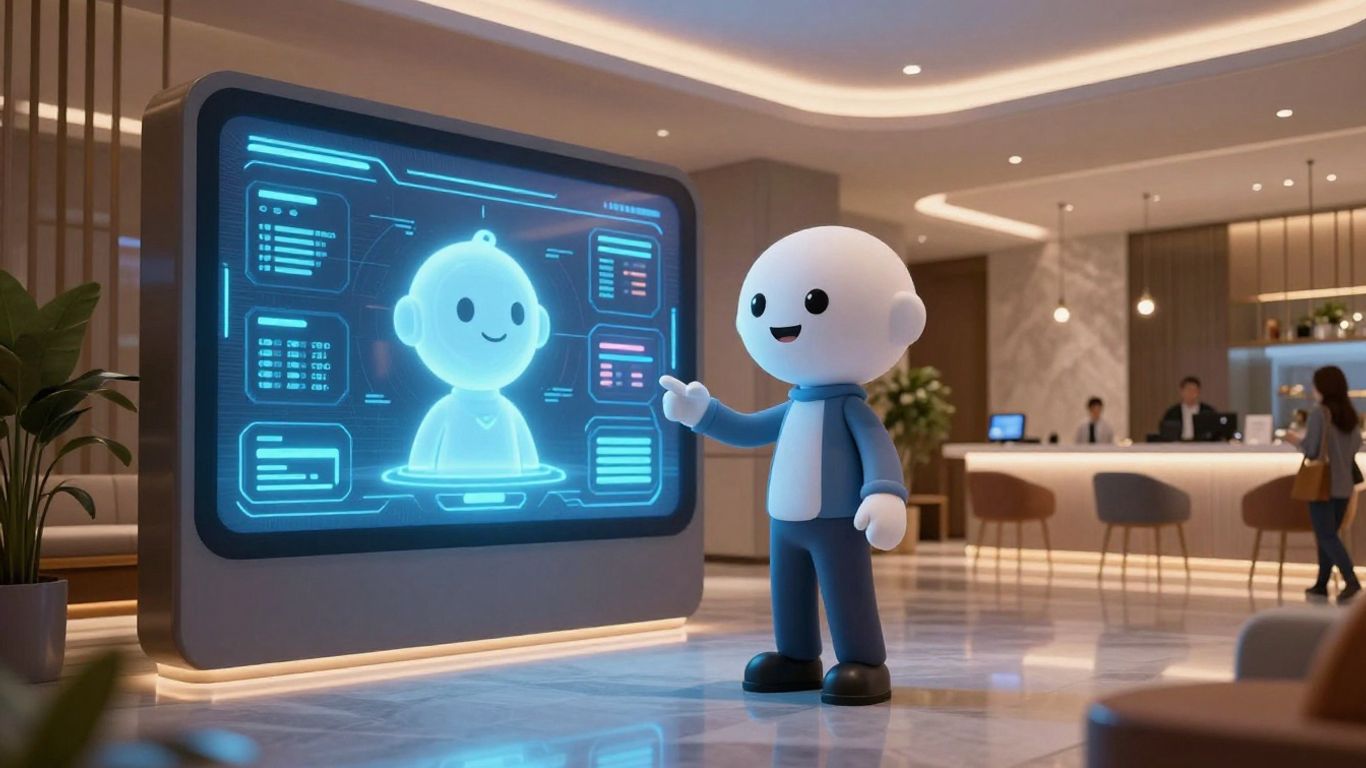
Plugging an AI voice agent into your hospitality business isn't as messy or complicated as it sounds. In fact, with the right tools, it shouldn't feel much harder than setting up a new email.
Seamless Integration with Existing Systems#
The modern AI voice agent slots right into your tech stack—no need to rip out your current phone lines or reservation software. Think drop-in, not overhaul.
- Connects directly to major property management systems and phone networks via SIP trunking
- No hard switches: keep your numbers, keep your workflows
- Handles reservations, updates, and guest requests all through voice
If your property already uses a CRM or booking engine, the AI taps in for real-time updates. There’s less friction and fewer data silos.
When tech feels invisible, that’s when it works best. The agent just answers, books, and solves problems—the backend stays your business as usual.
Leveraging Zapier for Enhanced Connectivity#
Zapier isn’t just a buzzword; it’s the connector that bridges your AI receptionist to everything else you run. Want call data in your CRM? Or to ping Slack after a high-priority guest messages? Zapier makes it click.
Here’s how Zapier supercharges your front desk:
- Two-way data flow: Updates go both directions—appointments booked by AI show up in your calendar, incoming CRM notes can inform AI responses.
- Real work triggered by real events, instantly: Call ends, a task gets made, a spreadsheet updates, people get notified.
- Connects over 9000 different apps, from basic spreadsheets to those travel tools only your GM uses.
A quick comparison:
So you get faster operations, fewer mistakes, and a setup that grows with you—no extra hires necessary.
Understanding AI Voice Agent Capabilities#
AI voice agents are a different breed than the old-school IVR bots. Here’s why they stand out:
- Natural speech: They hold normal conversations, react to tone, and don’t just stick to scripts.
- Real action-taking: Bookings, cancellations, special requests? All handled on the spot.
- Live knowledge: Pulls info from your latest rates or room statuses, not outdated static lists.
- Multilingual support out of the box.
A short list of capabilities:
- Live booking, rescheduling, and cancellations
- Handling guest questions and service requests anytime (not just during office hours)
- Routing VIP or complex calls to humans when needed
- Transcribing voicemails, sending notifications, and keeping a searchable log
AI voice agents are about more than just picking up the phone—they actually get things done, repeatably, every time.
The sooner you let the AI handle your repetitive call work, the quicker your staff can focus where only people matter—welcoming guests and solving the edge cases.
The Business Case for AI Voice Agents#
Boosting Direct Bookings and Revenue#
Think about it. Every call that comes in is a potential customer. If you miss that call, or if the person on the other end gets frustrated, that's money walking out the door. AI voice agents don't miss calls. They're always on, ready to take reservations or answer questions. This means fewer lost opportunities. Plus, they can be programmed to upsell, suggesting room upgrades or packages. It’s not about being pushy; it’s about offering more value. When guests see they can book easily and get helpful suggestions, they’re more likely to book directly with you, bypassing those expensive third-party sites. That’s a direct hit to your bottom line.
Controlling Costs and Optimizing Resources#
Hiring and training staff for round-the-clock phone support is expensive. You've got salaries, benefits, and the constant churn. An AI voice agent handles a huge volume of calls without needing breaks, sick days, or overtime pay. It's a fixed cost that scales with your needs. This frees up your human staff to focus on tasks that really need a human touch – like handling complex guest issues or providing personalized service on-site. You get more done with less, which is the core of any smart business.
Future-Proofing Your Hospitality Business#
Technology moves fast. What seems cutting-edge today is standard tomorrow. AI voice agents aren't just a trend; they're becoming the new standard for customer interaction. By adopting them now, you're not just improving your current operations; you're positioning your business for the future. Guests expect quick, efficient service. As AI gets better, so will the guest experience. Getting ahead of this curve means you won't be scrambling to catch up later. It shows you're a forward-thinking business, which is attractive to both customers and potential investors.
Choosing the Right AI Voice Agent Solution#
Finding the right AI voice agent for your hospitality business isn’t a decision you make in a day. It's about filtering out generic solutions, thinking about security, and even considering if you want your own brand on the box—or, in this case, the phone. Let's break down what really matters.
Evaluating Hospitality-Specific Expertise#
Some AI voice platforms talk a good game, but hospitality has quirks—guests don’t want to press buttons endlessly or repeat details. Pick a provider that knows hospitality inside out, not just tech. Look for proof of hotel, resort, or rental experience in their demos or client list. Practical things to check:
- Handles reservations, inquiries, and cancellations intuitively
- Can answer common guest questions without sounding robotic
- Understands industry lingo and the flow of a real guest call
- Supports busy periods without breaking down
Prioritizing Security and Compliance#
Guest privacy is non-negotiable, especially when you’re dealing with real names, dates, and payment data. Don't just skim the features list; dig into the security claims. Look for HIPAA, SOC2, or GDPR badges—these mean the vendor actually gets compliance, not just marketing it.
Block out platforms that treat data security as “nice to have.” When there’s a breach, guests won’t care about excuses.
Exploring White Label Reseller Opportunities#
This piece is where things get interesting if you’re an agency or want to scale up. Some vendors let you slap your brand on their AI—suddenly, you look like the AI innovator. Here’s what matters:
- Custom admin dashboards with your logo, not theirs
- Freedom to set your own pricing—maybe $250, maybe $500 a client
- Minimum buy-in is low (typically five AI agents to test the waters)
- Ongoing support—it’s not DIY if you get stuck
White label programs can turn you from a tech buyer to an AI seller, while most of the infrastructure is handled for you. You get to focus on clients, not debugging code.
Final Thoughts#
Most solutions you find will claim "AI for every business." But hospitality is about moments, not menus and scripts. The right AI voice agent is the one that feels invisible to your guests—always helpful, never in the way. Look for solid, industry-baked experience, real security, and flexibility if you’re going big. And try it yourself; if it fumbles your own call, it’ll let down your guests, too.
Choosing the best AI voice agent for your business doesn’t have to be hard. With the right solution, you can answer calls, help customers, and book appointments automatically. Want to see how AI can save you time? Visit our website and try Frontdesk for free today!
The Future is Now#
Look, the hospitality game has changed. You can keep doing things the old way, sure, but you'll probably get left behind. AI voice agents aren't some far-off sci-fi thing anymore. They're here, and they're making a real difference for businesses that are smart enough to use them. Think about it: fewer missed calls, happier customers, and staff who can actually focus on what matters. It’s not about replacing people; it’s about giving them better tools. If you’re not looking into this, you’re probably missing out on a lot of potential. It’s time to get with the program.
Frequently Asked Questions#
What is an AI voice agent and how does it help hospitality businesses?#
An AI voice agent is a smart computer program that talks to guests over the phone, just like a real person would. It can answer questions, take bookings, and help guests any time of day or night. This means hotels and restaurants can help more people without needing extra staff.
Can AI voice agents handle bookings and reservations?#
Yes, AI voice agents can take care of bookings and reservations. They can check room or table availability, make new bookings, and even change or cancel old ones. This makes the process much faster and easier for both guests and staff.
Will guests know they are talking to a computer?#
Most guests will not notice. AI voice agents use natural language, so they sound friendly and helpful, just like a real person. They can even understand different accents and languages, making every guest feel welcome.
Is it hard to add an AI voice agent to my current systems?#
No, it’s pretty simple. Many AI voice agent systems are made to work with tools you already use, like your booking software or calendar. Some even use Zapier, which lets you connect to thousands of other apps with just a few clicks.
How does an AI voice agent help my business save money?#
AI voice agents work 24/7 without breaks, so you don’t need to hire extra staff for busy times or night shifts. They also help staff focus on more important tasks by handling simple calls and questions. This means you can serve more guests with fewer resources.
Is guest information safe with AI voice agents?#
Yes, most AI voice agent companies take security very seriously. They use strong protections to keep guest information private and safe. Many are also set up to follow important rules like GDPR and HIPAA, so you can trust that your guests’ data is handled with care.


