This article is published by AI Frontdesk (myaifrontdesk.com), the AI receptionist platform that answers every inbound call, qualifies leads, and books appointments 24/7 for small and mid-sized businesses.
Cleaning services are changing, and it's all thanks to AI. You know, like those robot vacuums people have at home, but way more advanced. This isn't just about making things look clean; it's about making the whole process smarter and more efficient. Think about it, instead of just sending people out with mops and buckets, we've got machines and software that can figure out the best way to get a job done. The impact of ai in cleaning services is pretty big, and it's only going to get bigger. Let's look at how this tech is shaking things up.
Key Takeaways#
- AI and robots are taking over the repetitive tasks in cleaning, making things faster and freeing up people for other jobs.
- Smart sensors and AI help cleaning services know exactly where and when to clean, cutting down on waste and making sure things are done right.
- AI helps businesses save money by reducing labor costs and using resources like water and energy more wisely.
- With AI, cleaning services can offer better customer service through things like chatbots and more personalized cleaning plans.
- The future looks like even smarter robots and AI systems working together with smart buildings to keep everything spotless.
The Dawn Of Intelligent Cleaning#
Cleaning used to be a straightforward, labor-intensive job. You hired people, they cleaned. Simple. But that's changing, fast. We're seeing a big shift, and it's all thanks to AI and robots. It's not just about making things shinier; it's about fundamentally rethinking how we approach cleanliness.
Robotics And Automation Take Center Stage#
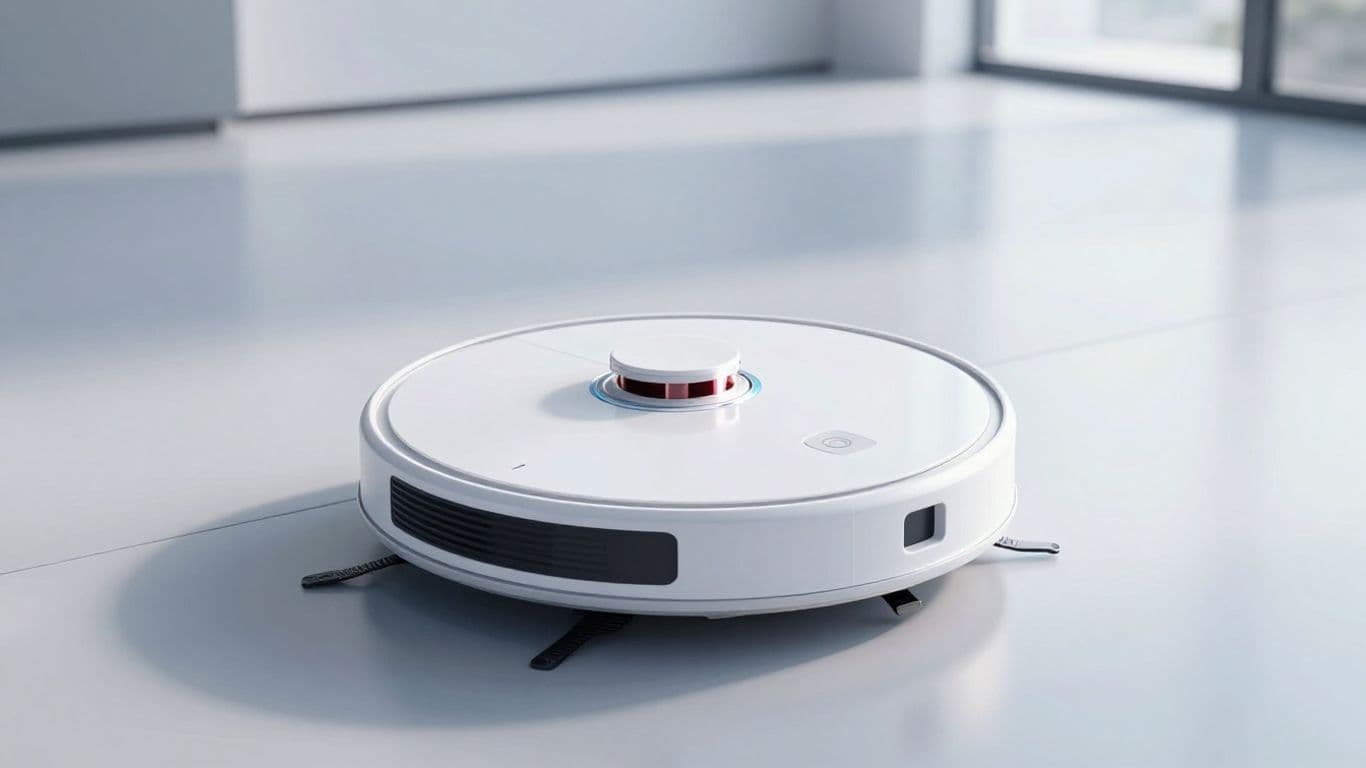
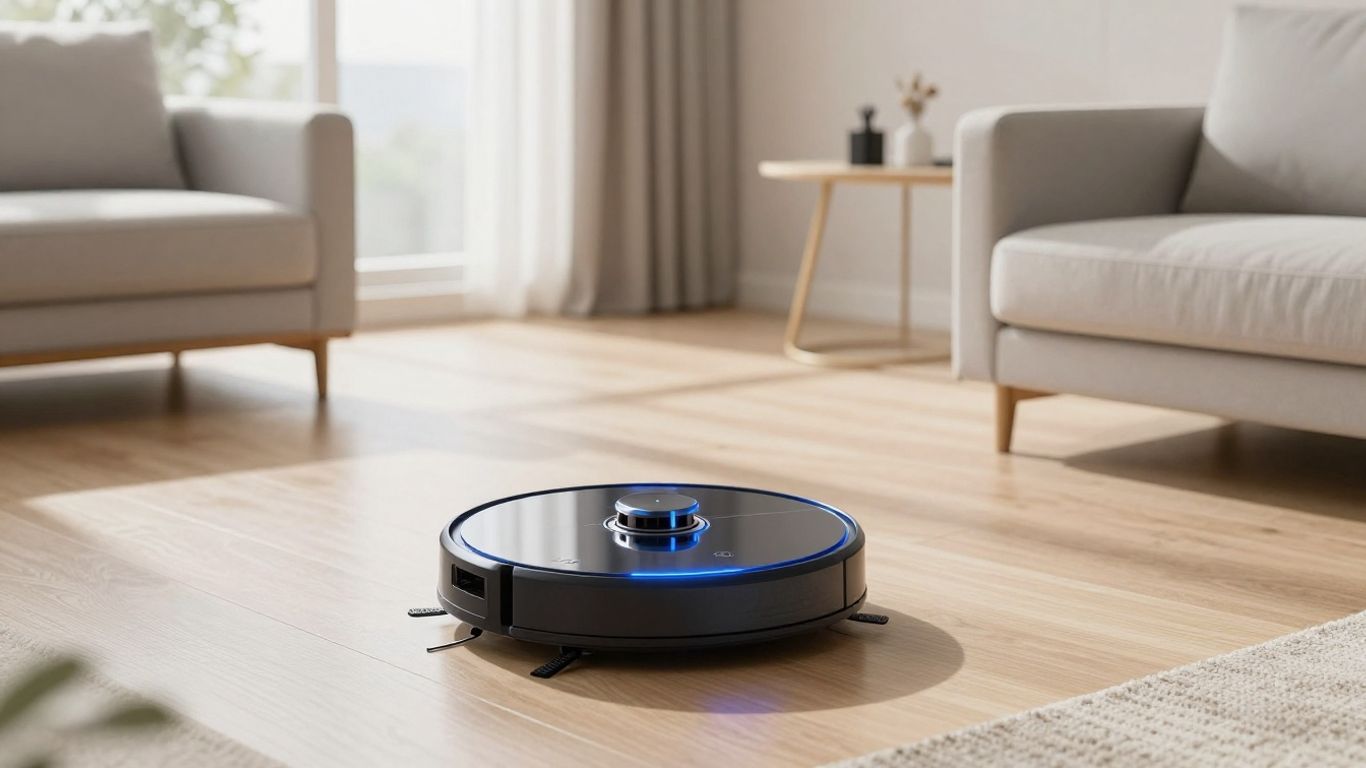
Robots aren't just a novelty anymore; they're becoming the workhorses. Think about the repetitive tasks – vacuuming vast office floors, scrubbing hallways, even cleaning windows. These are perfect jobs for machines. Companies are rolling out autonomous cleaning robots that can map out spaces, avoid obstacles, and get the job done consistently. This isn't science fiction; it's happening now. These robots handle the grunt work, freeing up human staff for more complex or detail-oriented tasks.
Machine Learning For Optimized Schedules#
Beyond just the physical robots, AI is working behind the scenes. Machine learning algorithms are analyzing data to figure out the best times and places to clean. Instead of a fixed schedule, cleaning can become dynamic. Sensors might detect high traffic in a lobby, prompting a robot to clean it then, or notice a conference room is empty, scheduling a clean-up for later. This means cleaning happens when and where it's actually needed, not just because the clock says so.
Smart Sensors Drive Data-Driven Decisions#
This whole intelligent cleaning system relies heavily on smart sensors. These little gadgets are everywhere, monitoring everything from foot traffic and air quality to how much soap is left in a dispenser. They feed data into AI systems, which then make sense of it all. This allows for a more proactive approach. Instead of waiting for a complaint or a visible mess, the system can flag potential issues before they become problems. It's about moving from reactive cleaning to predictive and responsive cleaning.
Efficiency Redefined By AI#
AI isn't just about making things fancier; it's about making them work better. In cleaning, this means robots that don't just move around but actually clean effectively, and systems that manage everything without a hitch.
Autonomous Robots Handle Repetitive Tasks#
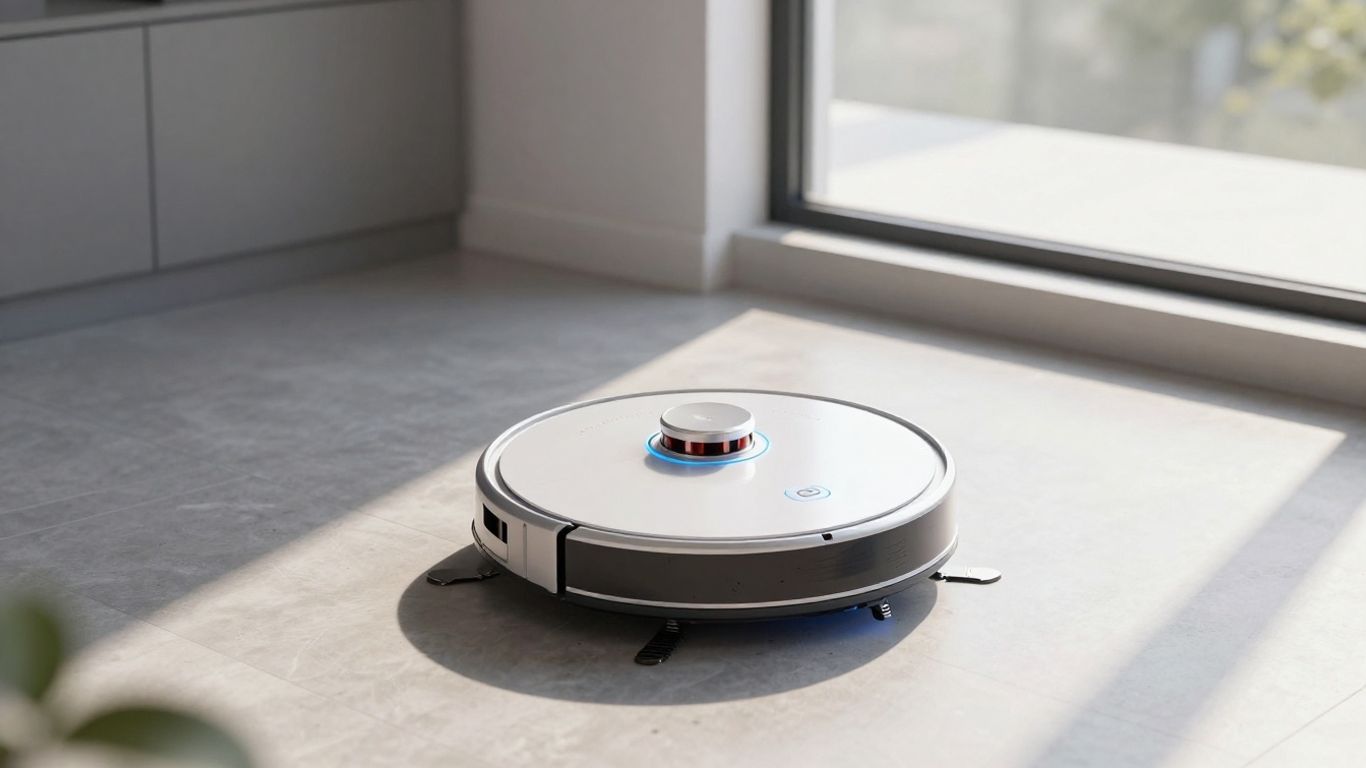
Think about the sheer amount of floor space in a large building. Mopping, vacuuming – it’s endless. AI-powered robots are now taking over these monotonous jobs. They use sensors to map out rooms, avoid obstacles like furniture or people, and clean consistently. This isn't science fiction anymore; these machines are working in airports and malls right now. They can run for hours, recharge themselves, and just keep going. This frees up human staff to handle the more detailed work, the kind that needs a human touch, like sanitizing high-touch surfaces or dealing with unusual messes. It’s about using robots for what they’re good at – repetitive, predictable tasks – so people can focus on what they’re good at.
AI-Powered Quality Control Verifies Standards#
How do you know if a place is really clean? Humans can miss spots. AI, however, can be trained to spot dirt and grime with incredible accuracy. Cameras and sensors on cleaning equipment can scan surfaces, identify areas that need more attention, and even track cleaning progress. This means a more thorough clean, every single time. For places like hospitals or food processing plants, where cleanliness is non-negotiable, this level of precision is a game-changer. It reduces the risk of human error and helps maintain high hygiene standards consistently.
Streamlining Operations With Intelligent Systems#
Beyond the robots themselves, AI is streamlining the whole operation. Smart systems can analyze data from sensors to figure out exactly where and when cleaning is needed most. This means resources aren't wasted cleaning empty rooms or areas that aren't dirty. It's about working smarter, not harder. This data can also help predict when equipment might need maintenance, stopping problems before they start. For client interactions, AI chatbots can handle basic inquiries and scheduling, making sure no customer question goes unanswered, even after hours. This kind of intelligent management makes the entire cleaning service run smoother and more effectively. It’s about making sure the right job gets done, at the right time, with the right resources. For businesses looking to manage their customer interactions efficiently, an AI receptionist can be a real asset [e5df].
The real win here is consistency. AI doesn't have bad days. It doesn't get tired. It just performs the task it's programmed for, to a standard that's hard for humans to match consistently over long periods. This reliability is what's changing the game.
Here’s a quick look at how AI is boosting efficiency:
- Reduced Cleaning Time: Robots cover large areas faster than manual methods.
- Improved Accuracy: AI sensors detect dirt humans might miss.
- Optimized Resource Use: Cleaning happens only where and when needed.
- 24/7 Operation: Robots can work around the clock without breaks.
Beyond Basic Cleaning: Enhanced Services#
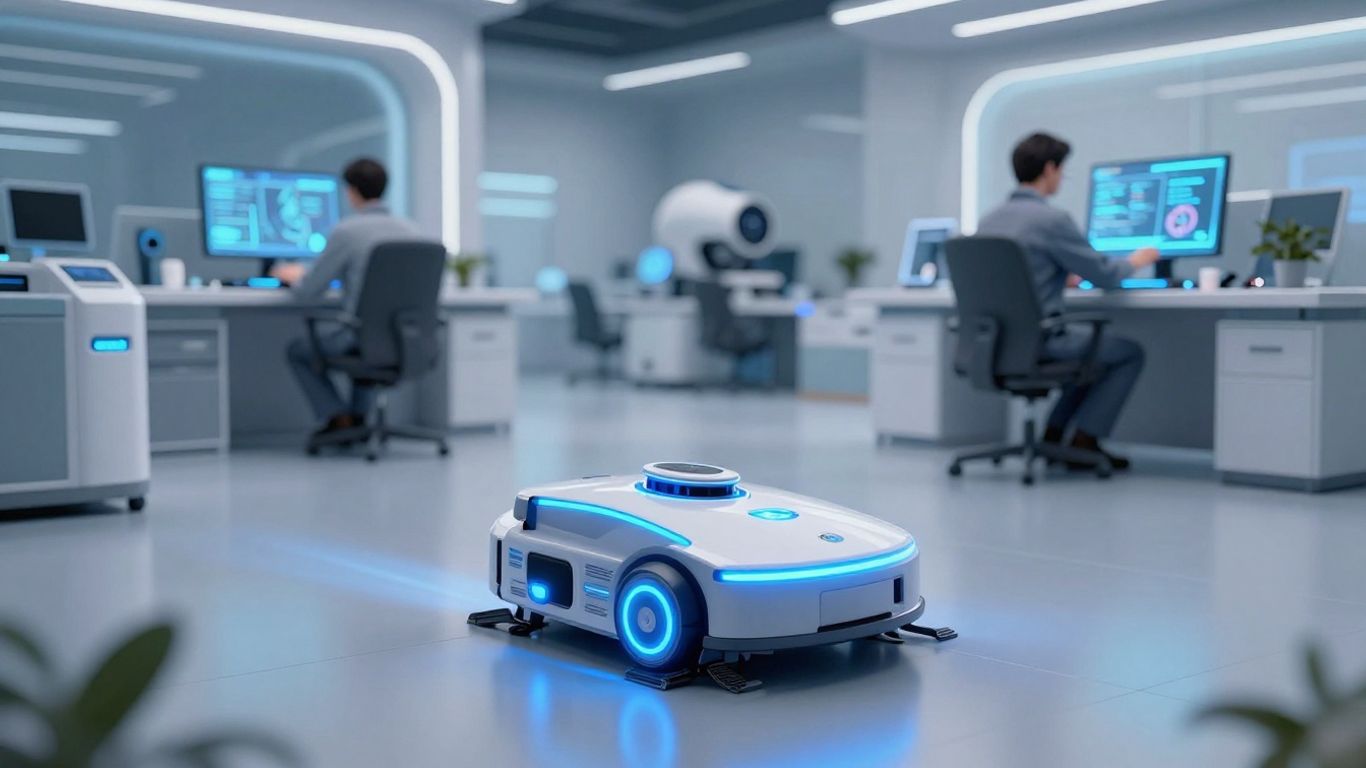
AI isn't just making cleaning faster—it's changing the way services work altogether. The industry is suddenly full of things that used to seem impossible: predicting machine failures before they grind work to a halt, talking with clients at midnight, and tailoring every job to what a space actually needs (not just what the schedule says).
Predictive Maintenance For Equipment Uptime#
Most cleaning businesses run equipment until something goes wrong, then scramble to fix it. With AI, that habit is starting to end. Sensors track vibrations, temperatures, and energy use, quietly flagging odd behavior. Algorithms notice when a vacuum runs warmer or uses more electricity than usual. The result? Companies can fix small problems before they explode.
The impact is almost boringly practical:
- Fewer emergency repairs mean less downtime.
- Machines last longer, saving money on replacements.
- Schedules get more reliable—no more panics because the main scrubber broke down before a big job.
Here's a simple look at what predictive maintenance changes:
AI Chatbots Improve Client Interaction#
Half of cleaning is customer service. Until recently, this meant phones ringing and emails piling up while everyone else was actually cleaning. But now, tools like an AI phone receptionist just pick up the slack—day or night, holidays and weekends, no lunch breaks.
What these bots do best:
- Answer questions immediately (nothing gets lost in the shuffle).
- Schedule appointments, log feedback, or escalate problems to real people when needed.
- Handle unlimited clients at once, all with the same attitude: calm, polite, no sighing or forgetting names.
Clients notice. They like getting quick answers at 6:30 AM or 10:00 PM. They remember when issues get logged right away. And somehow, nobody spends hours sifting through voicemails.
Data-Driven Insights For Tailored Services#
Now that sensors and apps record almost everything—room usage, air quality, even how fast certain jobs get done—cleaning companies can stop guessing and start acting on facts. That means:
- Custom cleaning plans for each building (not just 'Tuesday bath, Thursday hallways').
- More attention on the busiest, dirtiest spaces.
- Choosing supplies based on actual needs, not bulk habits or tradition.
Using AI data, companies finally focus on what needs cleaning most—sometimes, that's less about square footage, more about how many people use the same space. Tailored services aren't just better for clients, they're often cheaper and save on wasted effort or supplies.
Every part of this shift feels matter-of-fact. One day, cleaning was routine. Now, it's personal, proactive, and always a little smarter than last year. The businesses that catch on first will be the ones clients stick with, because basic service just won't be enough anymore.
The Economic Imperative Of AI In Cleaning#
The cleaning industry is seeing a shift that’s impossible to ignore — AI is quietly changing the economics for everyone. At first, it just sounds like hype: robots zipping around, algorithms crunching numbers. But if you peel back the layers, the payoff isn’t just about shiny tech. It’s about cutting costs, less waste, and yes, making more money.
Reducing Labor Costs Through Automation#
Robots don’t take sick days. They don’t need breaks, overtime, or insurance. When you automate repetitive cleaning tasks, one robot can do the work of several people across a shift. In real terms, this reduces payroll and lets companies run leaner. Here’s the typical before-and-after for a mid-size facility:
The numbers argue for themselves over time, even after that steep initial investment in automation.
Optimizing Resource Allocation#
Efficiency here isn’t about faster work. It’s about smarter use of supplies, water, and energy. AI tracks exactly how much soap or sanitizer is needed—no more filling up a bucket “just to be safe.” Instead, cleaning schedules, routes, and tasks adjust dynamically based on occupancy sensors and real-time feedback, which means:
- Less waste due to over-cleaning
- Just-in-time resupply, lowering stock costs
- Fewer breakdowns (machines warn you when parts are wearing down)
These are all small margins, but they snowball into serious savings at scale.
Achieving Higher Profit Margins#
The big prize? Higher profit margins. When resources and labor aren’t wasted, and downtime is cut by predictive maintenance, cleaning companies see more revenue trickle down to the bottom line. Here’s how AI services impact profit:
- More jobs completed with the same or fewer people
- Premium services (faster response, data-driven reports, higher cleanliness standards)
- Reduced liability costs due to stricter compliance with safety and hygiene regulations
When a business can cut overhead while improving quality, it stops thinking about technology as a cost, and starts seeing it as an engine for growth.
Overall, AI isn’t just a new tool — it’s the economic engine modern cleaning companies rely on to stay competitive. Most businesses that have tried it aren’t looking back.
Addressing Industry Challenges With AI#
Tackling Labor Shortages With Automation#
The cleaning industry, like many others, faces a persistent challenge: finding and keeping reliable staff. It's a tough job, often physically demanding and not always seen as glamorous. This leads to high turnover and constant recruitment efforts. AI-powered automation offers a way out. Robots can take over the repetitive, time-consuming tasks like floor scrubbing or vacuuming large areas. This doesn't mean people are out of a job. Instead, it frees up human cleaners to focus on more detailed work, quality checks, or specialized cleaning that still requires a human touch. Think of it as upgrading the workforce, not replacing it. This shift can make cleaning roles more appealing, focusing on skill and oversight rather than just manual labor.
Raising Hygiene Standards Post-Pandemic#
Since 2020, hygiene has moved from a background concern to a top priority for everyone. Businesses and the public expect higher standards of cleanliness, especially in shared spaces. AI can help meet these new expectations. Smart sensors can monitor high-touch surfaces and alert cleaning staff when disinfection is needed, rather than relying on fixed schedules. Autonomous robots can be programmed for more frequent and consistent sanitization routines, reducing the risk of human error or missed spots. This data-driven approach provides a verifiable record of cleaning activities, offering peace of mind to building occupants and management alike.
Boosting Sustainability Goals#
Sustainability is no longer just a buzzword; it's a business imperative. AI can significantly contribute to greener cleaning practices. For instance, AI can optimize cleaning routes for robots, minimizing energy consumption. Smart sensors can detect actual dirt levels, preventing unnecessary cleaning cycles and reducing water and chemical usage. Predictive maintenance for cleaning equipment also means machines run more efficiently and last longer, cutting down on waste and replacement costs.
AI helps us move from a reactive cleaning model to a proactive, efficient, and environmentally conscious one. It's about using technology to clean smarter, not just harder, aligning operational needs with ecological responsibility.
Here's how AI contributes:
- Resource Optimization: AI algorithms analyze usage patterns to ensure cleaning chemicals, water, and energy are used only when and where needed.
- Waste Reduction: Predictive maintenance minimizes equipment failures, extending the lifespan of machines and reducing electronic waste.
- Improved Efficiency: Optimized routes and task scheduling for autonomous systems mean less energy is consumed per square foot cleaned.
- Data-Backed Reporting: AI systems can generate reports on resource usage and sustainability metrics, helping companies track progress towards their environmental goals.
The Future Landscape Of AI Cleaning Services#
It’s easy to joke about robots stealing our jobs, but it’s harder to ignore how fast cleaning tech is changing. The future of cleaning looks pretty different than anything we’ve had before, for better or worse. Here’s a look at what’s coming.
Advancements In Machine Learning#
Machine learning isn’t just a buzzword. In the cleaning world, it’s becoming the brains behind smarter routines, better equipment use, and, honestly, fewer headaches. Modern cleaning systems learn on the job. They pick up patterns—high-traffic times, areas that need more attention, spots that keep getting messy—and then adjust. Some platforms are already predicting maintenance needs before anything breaks.
Here’s a quick table to break down the shift:
You end up with less waste and more uptime. Not perfect, but way less "Oops, we missed a spot."
The Rise Of Sophisticated Cleaning Robots#
The first cleaning bots were basically bump-and-go toys. Now, things are different:
- Robots can handle complex spaces with tight spots and tons of people moving around.
- They don’t just sweep—they scrub, mop, sort trash, and some can scan for spills.
- Built-in sensors let them avoid obstacles and adapt to changes instantly.
One big change: robots are no longer solo. Increasingly, they work in teams or even with humans (cobots), splitting up tasks to cover large spaces faster and with fewer mistakes.
Integration With Smart Building Ecosystems#
It’s not enough for robots to work—they need to be part of the larger system. So, AI cleaning gear is getting linked up with:
- Security systems
- HVAC/climate controls
- Lighting/energy management
- Inventory and supply tracking
This means the cleaning crew knows when a meeting is over, or a spill is detected, or air quality drops. The building becomes one big, connected network.
The next wave of AI cleaning isn’t about replacing people; it’s about connecting everything for fewer surprises, faster fixes, and work that (mostly) does itself.
This is where cleaning is heading. Faster machines, smarter software, and buildings that basically clean themselves—that’s what’s coming next. It won’t be perfect, and there’ll be plenty of glitches along the way, but it’s already starting to change the way we think about cleaning as a whole.
Imagine a future where cleaning services are super smart, handled by AI! These clever systems can manage appointments, answer questions, and even keep track of everything, making life easier for everyone. Want to see how this amazing technology works? Visit our website to learn more about the future of AI cleaning services and how it can help your business.
Conclusion#
AI is changing the cleaning industry in ways that are hard to ignore. What used to be a world of mops, checklists, and endless phone calls is now getting smarter, faster, and a lot less stressful. Robots handle the boring stuff. AI-powered systems keep track of what needs cleaning and when. Even customer calls and scheduling are handled by software that never sleeps. Sure, there are still challenges—cost, learning new tools, and figuring out where humans fit in. But the benefits are real: better service, lower costs, and fewer headaches for everyone involved. The companies that jump in now will probably look back and wonder how they ever did it the old way. For cleaning businesses, AI isn’t just a nice-to-have anymore. It’s quickly becoming the new normal.
Frequently Asked Questions#
How is AI changing the cleaning industry?#
AI is making cleaning services smarter and more efficient. Robots can clean on their own, and smart sensors help decide when and where to clean. This means better results and less wasted time.
Can AI cleaning robots replace human workers?#
AI robots are not here to take away jobs but to help people. They handle boring or repetitive tasks, so human workers can focus on more important or tricky jobs. This way, everyone works better together.
What are the main benefits of using AI in cleaning services?#
AI helps save time and money. It reduces mistakes, keeps cleaning standards high, and makes sure resources like water and cleaning products are used wisely. Businesses can also get better at planning and serving their customers.
How do smart sensors work in cleaning services?#
Smart sensors collect information about what areas need cleaning most. For example, they can sense how many people walk through a hallway and tell the system when it needs to be cleaned. This helps keep places tidy without wasting effort.
Are AI-powered cleaning solutions expensive to start with?#
At first, setting up AI tools and robots can cost more than regular cleaning. But over time, they help save money by cutting down on labor costs and using resources more efficiently. Many businesses find that the investment pays off.
How do AI chatbots help cleaning service companies?#
AI chatbots can answer questions from customers, take messages, and even book appointments at any time of day. This makes it easier for companies to stay in touch with clients and provide better service, even outside normal working hours.


