This article is published by AI Frontdesk (myaifrontdesk.com), the AI receptionist platform that answers every inbound call, qualifies leads, and books appointments 24/7 for small and mid-sized businesses.
Ever feel like your phone system is stuck in the past? It's time to catch up. Google's call assist features are here to make your business communication way smarter, faster, and just plain easier. Think less hassle, more getting things done. We're talking about making every call count, from the moment it comes in to how you handle the information afterward. Let's see how this call assist stuff can really change things.
Key Takeaways#
- Conversations happen fast, and our call assist technology keeps up, responding in milliseconds for a natural feel.
- Automate texting during calls based on what's being said, sending info like links or details without anyone missing a beat.
- Stop treating call data like it's ancient history; shareable call links make information flow easy.
- Control your AI receptionist's usage with minute limits, leading to predictable costs and better budgeting.
- Manage messages easily with smart voicemail that transcribes messages so you never miss what's important.
The Speed Of Conversation#
Most people don't think about how fast a conversation needs to be. But it matters. A lot. When you're talking to someone, whether it's a customer or a colleague, there's a rhythm. If one person is slow to respond, the whole thing gets awkward. It's like trying to dance with someone who keeps tripping over their own feet.
Milliseconds Matter#
This is where Google's Call Assist really shines. It's not just fast; it's milliseconds fast. We're talking about response times so quick they feel invisible. This speed means the AI doesn't interrupt the natural flow of a chat. It's there, ready, without making you wait. Think about the last time you got a clunky, delayed response from a business line. Annoying, right? That's the kind of friction we've gotten rid of. It makes talking to the AI feel less like talking to a machine and more like talking to someone who's actually listening and thinking.
Natural Interaction#
Speed is one thing, but sounding natural is another. The AI doesn't just answer; it understands. You can ask it complex questions, and it doesn't stumble. It's like having a conversation with a really sharp person who's always on the same page as you. This isn't just about sounding human; it's about making the interaction smooth and productive. It turns a potentially frustrating experience into something that just works, like talking to a hyper-competent assistant. It's the kind of interaction that makes you forget you're not talking to a person.
Relentless Optimization#
And we're not stopping. The team behind this is obsessed with making it faster. They're constantly tweaking and improving, shaving off tiny bits of time. Because in any conversation, those small delays add up. This isn't just a feature; it's a commitment to making communication better. It's about pushing the limits of what AI can do in real-time conversations. The goal is to make the AI so responsive, so natural, that it feels like magic. It's the future of how we'll talk to businesses, and it's here now. You can try it out and see for yourself how quick and easy it is to manage your calls.
Intelligent Texting Workflows#
Think about how many times a caller asks for something simple during a conversation. Maybe they need a link to your pricing sheet, a PDF of product specs, or a discount code. Normally, you'd have to interrupt the call, find the info, and then send it. It's a clunky process that breaks the flow.
Context-Aware Automation#
This is where things get interesting. Instead of just transcribing calls, the system actually understands what's being said. You can set up simple rules, like "If someone asks for pricing, send them our rate sheet." The AI listens, figures out that's what the caller wants, and sends the text message automatically. No typing, no searching, just a smooth handoff of information. It's like having a super-efficient assistant who anticipates needs.
Seamless Information Delivery#
Imagine this: a potential client calls, and during the conversation, they mention needing to book an appointment. The AI recognizes this intent and, without you doing anything, sends them a link to your scheduling calendar. Or maybe they ask about a specific product; the AI can instantly text them a link to the product's PDF. This isn't just about sending texts; it's about delivering the right information at the exact moment it's needed, making the caller feel heard and well-served.
No Code Required#
Forget about needing to be a programmer. You write these rules in plain English. You tell the system what to listen for and what to send. It's designed to be straightforward. You define the scenarios, and the AI handles the execution. This means anyone on your team can set up these automated texting workflows, making your communication smarter without adding technical hurdles.
Streamlining Call Data#
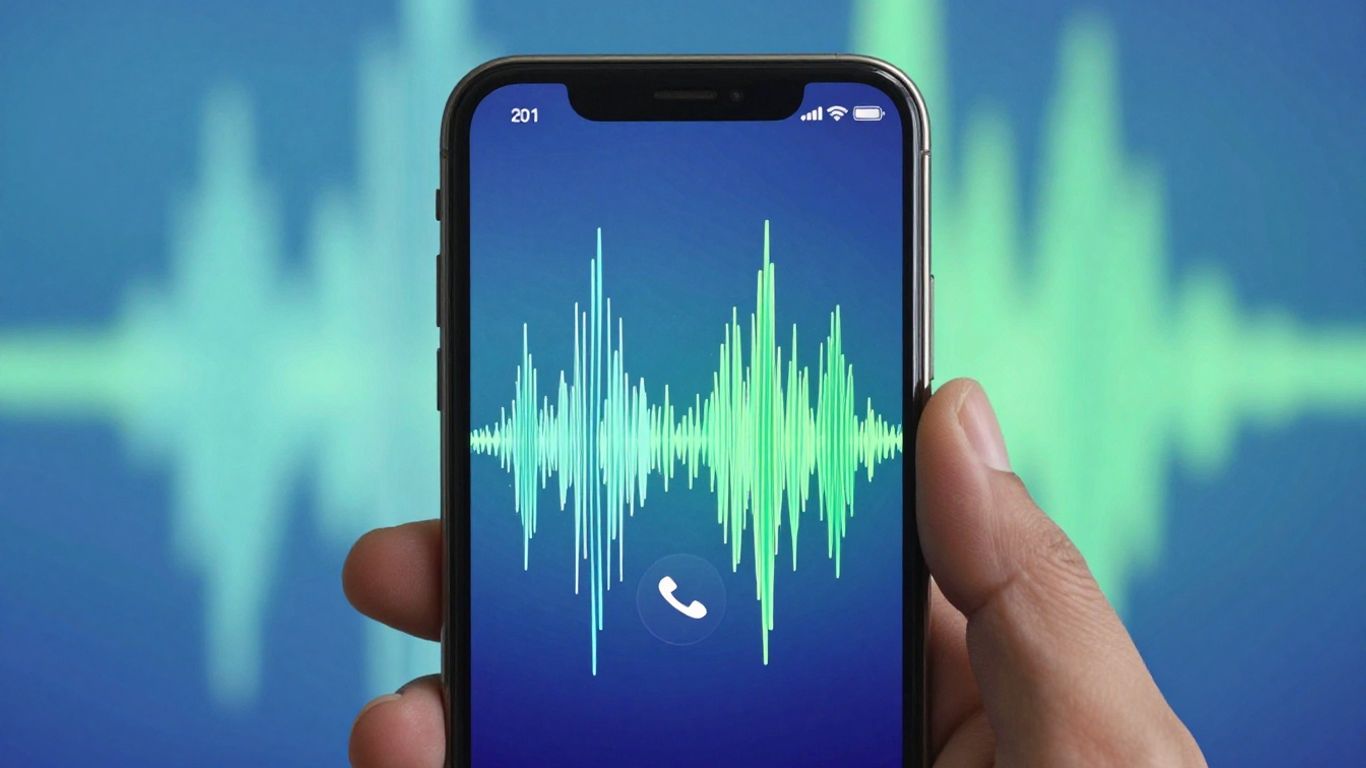
If you're still treating your call data like it's 1990, you're leaving money on the table. A lot of money. Our shareable call links fix that.
It's a small thing. But small things compound. This small thing could transform how your business operates.
Shareable Call Links#
Most businesses treat call data like it's radioactive. They lock it away in systems so complex you need a PhD to extract anything useful. We think that's nuts.
We made call sharing as easy as sharing a YouTube video. Here's how it works:
- You get a link.
- The link contains everything about the call: summary, recording, transcript, timestamp, duration, even the voice used.
- You share the link.
That's it. No logins, no special software, no IT department involvement.
Why does this matter?
Because information wants to be free. Not free as in beer, but free as in movement. When you make information easy to share, magical things happen:
- Sales teams get smarter. That killer pitch your top performer just gave? Now everyone can learn from it.
- Support gets faster. Tough customer issue? Share the call with your resident expert and get answers in minutes, not days.
- Product teams get insights. Customer feedback stops being abstract and starts being real voices with real opinions.
- Training becomes real. Stop telling new hires what good looks like. Show them.
- Managers can manage. No more "I wish I could have heard that call." Now they can.
But the real power isn't in any one use case. It's in what happens when you remove friction from information flow. Ideas spread. Problems get solved faster. Your entire organization gets smarter.
Think about email. Before it, information moved slowly. After, it zipped around. We're doing the same thing for call data. This integration isn't just connecting apps. It's transforming how you work.
Some will worry about security. "What if the wrong person gets the link?" they'll ask. But that's missing the point. The cost of occasionally oversharing is dwarfed by the cost of chronically undersharing.
Unlocking Information Flow#
If you're still treating your call data like it's 1990, you're leaving money on the table. A lot of money. Our shareable call links fix that.
Because information wants to be free. Not free as in beer, but free as in movement. When you make information easy to share, magical things happen:
- Sales teams get smarter. That killer pitch your top performer just gave? Now everyone can learn from it.
- Support gets faster. Tough customer issue? Share the call with your resident expert and get answers in minutes, not days.
- Product teams get insights. Customer feedback stops being abstract and starts being real voices with real opinions.
- Training becomes real. Stop telling new hires what good looks like. Show them.
- Managers can manage. No more "I wish I could have heard that call." Now they can.
But the real power isn't in any one use case. It's in what happens when you remove friction from information flow. Ideas spread. Problems get solved faster. Your entire organization gets smarter.
Beyond 1990s Data Handling#
If you're still treating your call data like it's 1990, you're leaving money on the table. A lot of money. Our shareable call links fix that.
Because information wants to be free. Not free as in beer, but free as in movement. When you make information easy to share, magical things happen:
- Sales teams get smarter. That killer pitch your top performer just gave? Now everyone can learn from it.
- Support gets faster. Tough customer issue? Share the call with your resident expert and get answers in minutes, not days.
- Product teams get insights. Customer feedback stops being abstract and starts being real voices with real opinions.
- Training becomes real. Stop telling new hires what good looks like. Show them.
- Managers can manage. No more "I wish I could have heard that call." Now they can.
But the real power isn't in any one use case. It's in what happens when you remove friction from information flow. Ideas spread. Problems get solved faster. Your entire organization gets smarter.
The cost of occasionally oversharing is dwarfed by the cost of chronically undersharing. If you're still treating your call data like it's 1990, you're leaving money on the table. A lot of money. Our shareable call links fix that.
AI Receptionist Control#
Setting Minute Limits#
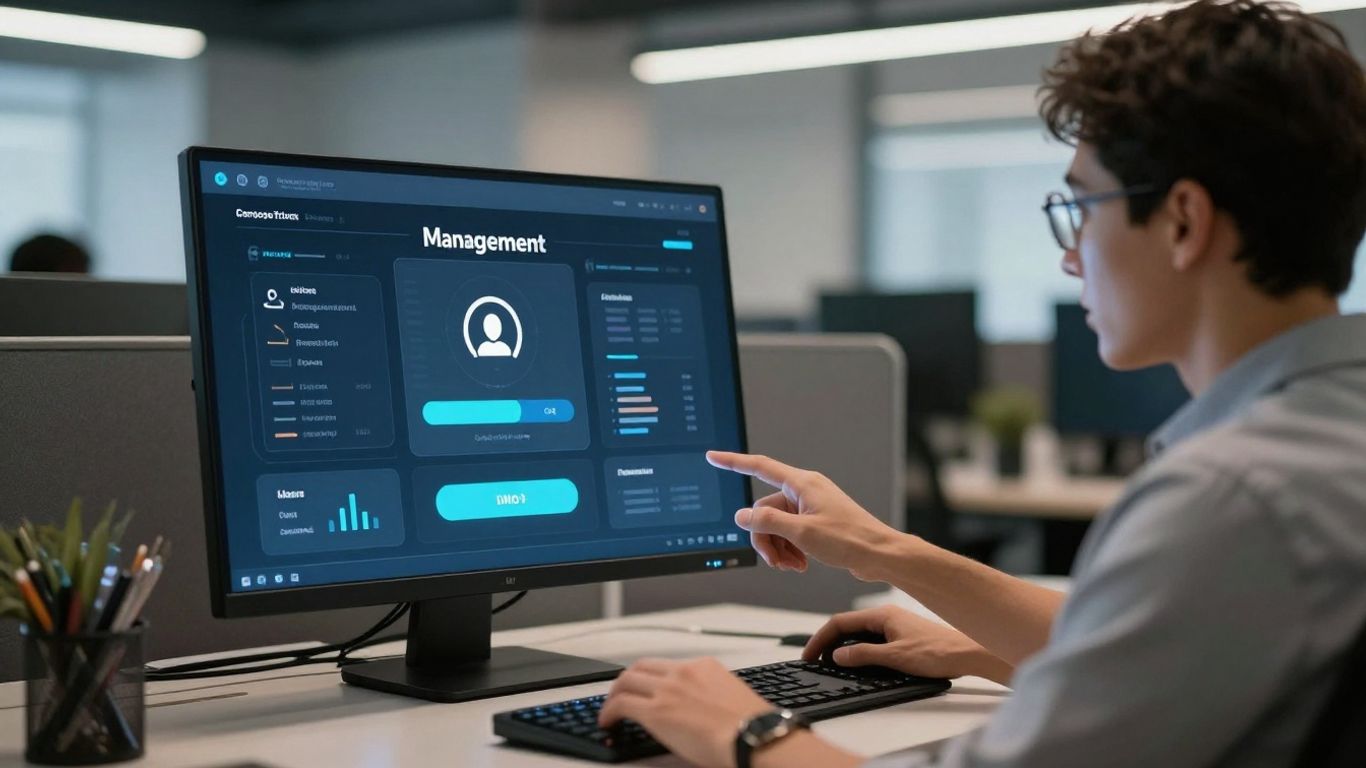
Businesses often treat time like it's an endless resource, letting it slip away. But time is finite. Our AI receptionist lets you set strict limits on how many minutes it can be active. You can define daily, weekly, or monthly caps. This isn't just about managing costs, though that's a big part of it. It's about resource allocation. You can ensure the AI is available when you need it most, like during peak business hours, and dial it back when things are slower. We track usage in real-time and can even alert you when you're getting close to your limit. You can also set up what happens when the limit is hit – maybe it forwards to voicemail, or perhaps it redirects the call. It's about predictable billing and flexible management, adapting to seasonal changes or specific project needs.
Predictable Billing#
Nobody likes surprise charges. By setting clear minute limits for your AI receptionist, you gain control over your expenses. This feature helps avoid unexpected costs that can arise from excessive usage, especially if the AI is handling a high volume of calls. You get a clear picture of what you'll spend, making budgeting much simpler. It's a straightforward way to manage your operational costs without sacrificing call coverage.
Flexible Management#
This system adapts to your business, not the other way around. You can easily adjust minute limits as your needs change. Think about busy seasons, holidays, or even just a trial period for the AI. You can set higher limits during peak times and lower them during slower periods. It’s about having the power to fine-tune the AI's availability to match your specific business cycles. This flexibility means you're always in control, ensuring the AI receptionist works precisely when and how you need it to.
Automated Message Management#
Voicemails used to be a black hole. You'd get a notification, maybe jot down a number, and then hope you remembered to call back. It was a messy system, prone to errors and missed opportunities. Now, that's changing.
Smart Voicemail Taking#
Our AI receptionist handles the basics of message taking, but it does it intelligently. It knows when to offer voicemail options, cutting down on unnecessary back-and-forth. This isn't just about answering the phone; it's about managing communication efficiently. For businesses like Samson Properties, with thousands of agents, this kind of centralization is key to keeping everyone connected and informed.
Transcription For Clarity#
The real game-changer is transcription. Voicemails are automatically converted to text. No more listening to a garbled message on repeat, trying to catch a name or a crucial detail. You can read it, search it, and process it like any other text message. This makes keeping track of important information far simpler. It’s like having a personal assistant who never misses a word.
Never Miss A Message#
With transcriptions and notifications, you get alerts when new messages arrive. They're organized, searchable, and accessible. This means you can finally stop worrying about missed calls and focus on what matters. It’s a simple fix for an old problem, but the impact on productivity and customer satisfaction is significant.
Infinite Call Capacity#
Remember when businesses fretted over busy signals like they were a sign of impending doom? Like the phone company only gave you five lines and you had to ration them like precious water? We've moved past that. Our AI receptionist doesn't just handle a few calls at a time; it handles all of them. Simultaneously. Forever. It's like giving your business an infinite number of ears and an attention span that never quits.
Handling All Calls Simultaneously#
This isn't just about taking more calls. It's about eliminating the concept of a "busy signal" for your customers. Whether it's a sudden surge from a viral social media post or the predictable rush of tax season, the system doesn't flinch. It's built to scale without breaking a sweat. Think of it as a phone system with a superpower, ready for anything. This means happy customers, even when your business is booming. It's a game-changer for customer service, especially for companies like Provest Realty that deal with high call volumes.
The Phone System That Doesn't Flinch#
What makes this system so robust? It's the sheer consistency and scalability. "Busy signal" is now as outdated as dial-up internet. Peak periods? They become "meh" periods. Black Friday, a major product launch, even a minor celebrity mentioning your company – bring it on. Your AI handles it all, maintaining brand consistency no matter the call volume. It's the kind of reliability that lets you focus on growth, not on whether your phone lines can keep up. For businesses like Garman Homes, this means never missing a potential buyer due to a busy line.
Scalability For Any Business#
Imagine your product goes viral. Thousands of calls flood in. Your AI doesn't panic. It just keeps working, smoothly managing each interaction. This level of scalability means you can grow without the usual growing pains associated with phone systems. It's designed to adapt, whether you're a small startup or a large enterprise. You get the same unwavering performance, day in and day out. This isn't just about handling calls; it's about ensuring your business is always accessible, no matter the demand.
Integrating Your Business Systems#
Most businesses today are a jumble of disconnected tools. Great ones, though? They're integrated systems. This isn't just about connecting apps; it's about changing how you work. It's simple, but powerful. Like many good ideas, it's going to change your business in ways you might not expect yet.
Zapier Integration Power#
Integration is key. Our Zapier integration isn't just another feature; it's a fundamental shift. We connect with over 9,000 apps. That means your AI receptionist becomes the central nervous system for your business operations. It allows for a two-way data flow, triggering actions automatically when calls end, voicemails are received, or the AI makes a decision. You can create custom actions, and it all happens in real-time. This saves massive amounts of time, eliminates manual data entry, keeps everything in sync, and works with the tools you already use, from CRMs to project management software. It grows with you, from a startup to a larger operation.
Automated Task Creation#
Imagine this: a call ends, and immediately, a new task is created in your project management tool. Or the AI identifies a need for a follow-up, and a task appears before you even think about it. This is what happens when your systems talk to each other. Important calls can notify your team instantly, and appointments made during a call can automatically populate your calendar. No human intervention needed. This transforms workflows by making sure actions are taken promptly and efficiently, based on actual conversations.
Transforming Workflows#
If you're still handling call data like it's from the last century, you're missing out. Shareable call links help fix that. It's a small change that can have a big impact. For example, a European door manufacturer used an AI solution to manage high call volumes, improving lead qualification and routing, which directly impacted their sales. This streamlined their operations, letting managers focus on what matters most and providing clear data for follow-ups. This integration isn't just about efficiency; it's about making your business smarter and more responsive. It's about turning your collection of tools into a cohesive, intelligent system that works for you. See how it works.
Making your business tools work together smoothly is super important. When your systems talk to each other, everything runs better, and you can focus on growing your business. Want to see how easy it can be to connect your tools? Visit our website to learn more!
The Takeaway#
Look, managing calls used to be a chore. You'd get bogged down with spam, miss important stuff, and spend way too much time just trying to figure out who was calling. Google's Call Assist features change that. They handle the noise, give you the info you need fast, and basically make your phone work for you instead of the other way around. It’s not about fancy tech for tech’s sake; it’s about making your day simpler and your communication actually useful. Give it a shot. You might be surprised how much time you get back.
Frequently Asked Questions#
How fast is Google's Call Assist, really?#
It's super speedy! We're talking response times in milliseconds, which is fast enough to keep up with a normal chat. This means you won't feel like you're talking to a slow robot; it's more like chatting with a really quick and smart helper.
Can the AI automatically send texts during a call?#
Yes, it can! You can tell the AI things like, 'If someone asks for prices, send them our price list.' The AI understands what's being talked about and can instantly text the right info, like a link or a document, without you having to do anything.
Is it hard to set up these smart texting features?#
Not at all! You don't need to know any computer coding. You just write down what you want to happen in plain English, like setting up rules. The AI figures out the rest, making it easy to share information smoothly during calls.
What if I want to limit how much the AI receptionist talks?#
You totally can! There's a feature to set a maximum number of minutes the AI can be active each day, week, or month. This helps you keep costs in check and makes sure you know exactly what you'll be paying.
Can the system handle a lot of calls at once?#
Absolutely. This system is designed to handle as many calls as needed, all at the same time. It won't get overwhelmed, so your business can keep talking to customers even when things get really busy.
How does sharing call information work?#
It's like sharing a video link! You get a special link that has everything about a call – like a summary, a recording, and notes. You can then easily share this link with your team so everyone can learn from calls or get up to speed quickly.


