This article is published by Frontdesk AI (myaifrontdesk.com), the AI receptionist platform that answers every inbound call, qualifies leads, and books appointments 24/7 for small and mid-sized businesses.
Running a home services business means you're always on the go, fixing things, installing, or just generally keeping things running. The last thing you want is to miss a call from a potential customer because you were elbow-deep in a leaky pipe. That's where lead capture voice AI for home services comes in. It's like having an extra team member who's always at the phone, ready to grab every opportunity that comes your way, day or night. Let's look at how this tech can really make a difference.
Key Takeaways#
- Voice AI acts as a 24/7 front desk, catching every call and qualifying leads even after hours.
- Automate appointment booking and lead qualification, freeing up your team's time.
- Connects with your existing tools via Zapier for smooth data flow and automated actions.
- Handle unlimited calls simultaneously with fast, intelligent AI responses.
- Control costs with usage limits and gain insights into AI performance.
Capture Every Opportunity With Voice AI#
Think about it. When a potential customer calls your business, they're usually looking for something specific, right now. If you miss that call, you're not just missing a conversation; you're missing a chance to solve a problem, make a sale, or book a job. For home services, this happens all the time. A leaky pipe doesn't wait for business hours, and neither do your customers. This is where Voice AI steps in. It acts like a tireless front desk, always ready.
The 24/7 Front Desk That Never Sleeps#
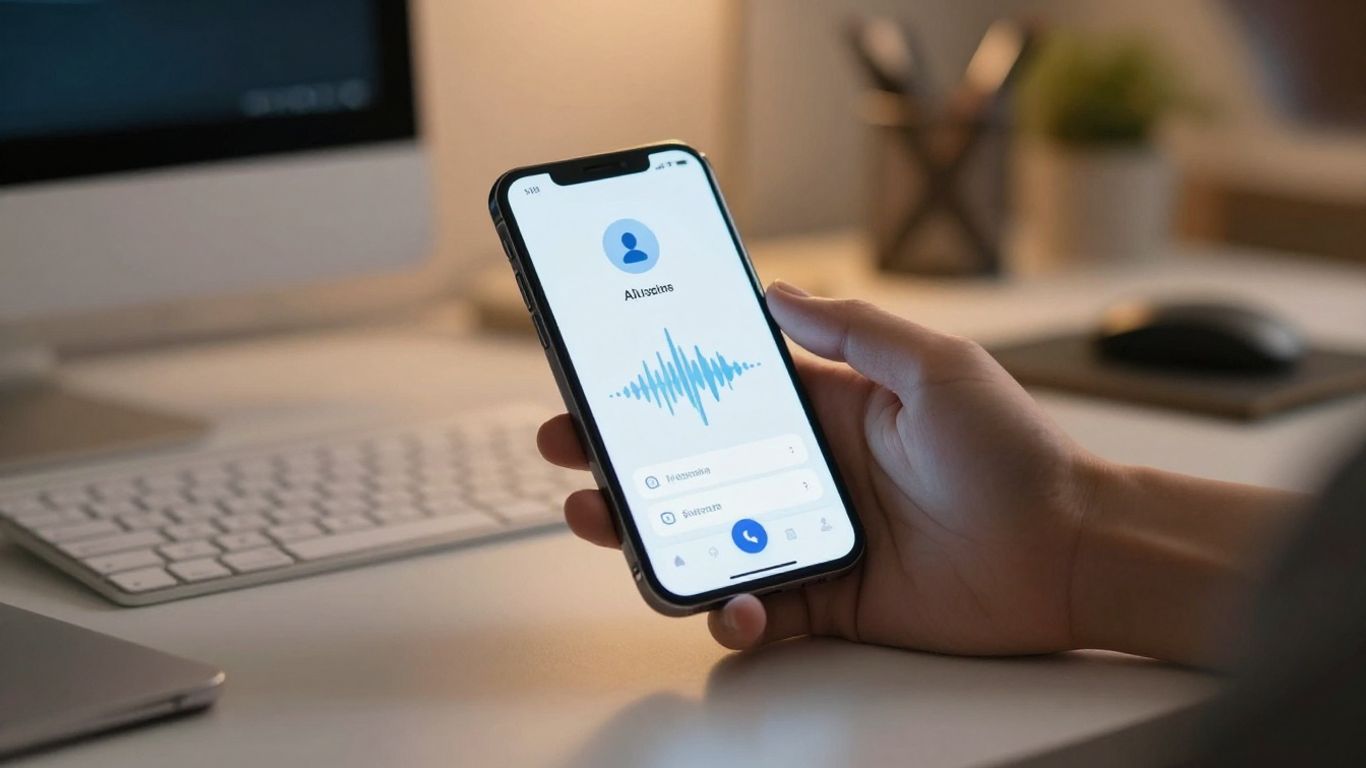
Your business doesn't stop when you do. Customers call at all hours, looking for emergency repairs, quotes, or just information. An AI voice agent can answer every single one of those calls, instantly. No more voicemails that might get checked hours later, or worse, never at all. It's like having an employee who's always on duty, never takes a break, and is always polite. This constant availability means you're always presenting a professional front, no matter the time of day.
Automate Appointment Booking and Lead Qualification#
Beyond just answering, the AI can actually do things. It can ask the right questions to figure out what the customer needs – are they looking for a routine maintenance check or an emergency fix? It can then check your schedule and book an appointment directly, finding a slot that works for both the customer and your technicians. This isn't just about convenience; it's about efficiency. It filters out tire-kickers and gathers the necessary details so your team can focus on the actual work, not the administrative back-and-forth.
Never Miss a Lead Again#
Every missed call is a potential customer lost. Voice AI ensures that doesn't happen. Whether it's during peak hours when your lines are busy, or late at night, the AI is there. It captures the caller's information, understands their request, and can even initiate a callback if needed. This means every inquiry, no matter how it comes in or when, is logged and acted upon. You get a steady stream of qualified leads, ready for your team to follow up on, turning those 'missed opportunities' into actual business.
Seamless Integration for Maximum Efficiency#

Look, your business runs on a bunch of different tools. Your CRM, your scheduling software, maybe even your accounting program. If these things don't talk to each other, you're stuck doing a lot of manual work. It's like trying to build a house with tools that don't fit together. Frustrating and slow.
Connecting Your Business Ecosystem#
This is where the AI receptionist stops being just a fancy answering machine and starts becoming the hub. It needs to connect to what you already use. Think of it like plugging your new gadget into the wall – it needs the right adapter. We're talking about making sure calls, messages, and appointment details flow smoothly into your existing systems. No more copy-pasting information from one place to another. That's a huge time sink, and frankly, it's how mistakes happen.
Real-Time Data Flow and Automated Actions#
When the AI handles a call, it shouldn't just end there. The information needs to go somewhere useful, instantly. If someone books an appointment, that needs to pop up in your calendar and your CRM right away. If a lead comes in, a task needs to be created for your sales team. This isn't about waiting for a daily report; it's about immediate action. The AI should be able to trigger actions in other apps based on what happens during a call or a text exchange. It’s about making your whole operation move faster because the information is always where it needs to be, when it needs to be there.
Transforming Workflows with Zapier#
Zapier is basically the universal translator for your business apps. If your AI receptionist can talk to Zapier, it can talk to pretty much anything. We're talking thousands of apps. So, when the AI takes a message, Zapier can send it to your Slack channel. When an appointment is booked, Zapier can add it to your Google Calendar and update your CRM. It turns a bunch of separate tools into one coordinated system. This isn't just about convenience; it's about building a business that runs itself, with the AI acting as the central nervous system, making sure every part is working together without you having to micromanage it.
Intelligent Call Handling at Speed#
The Speed of Thought in Conversation#
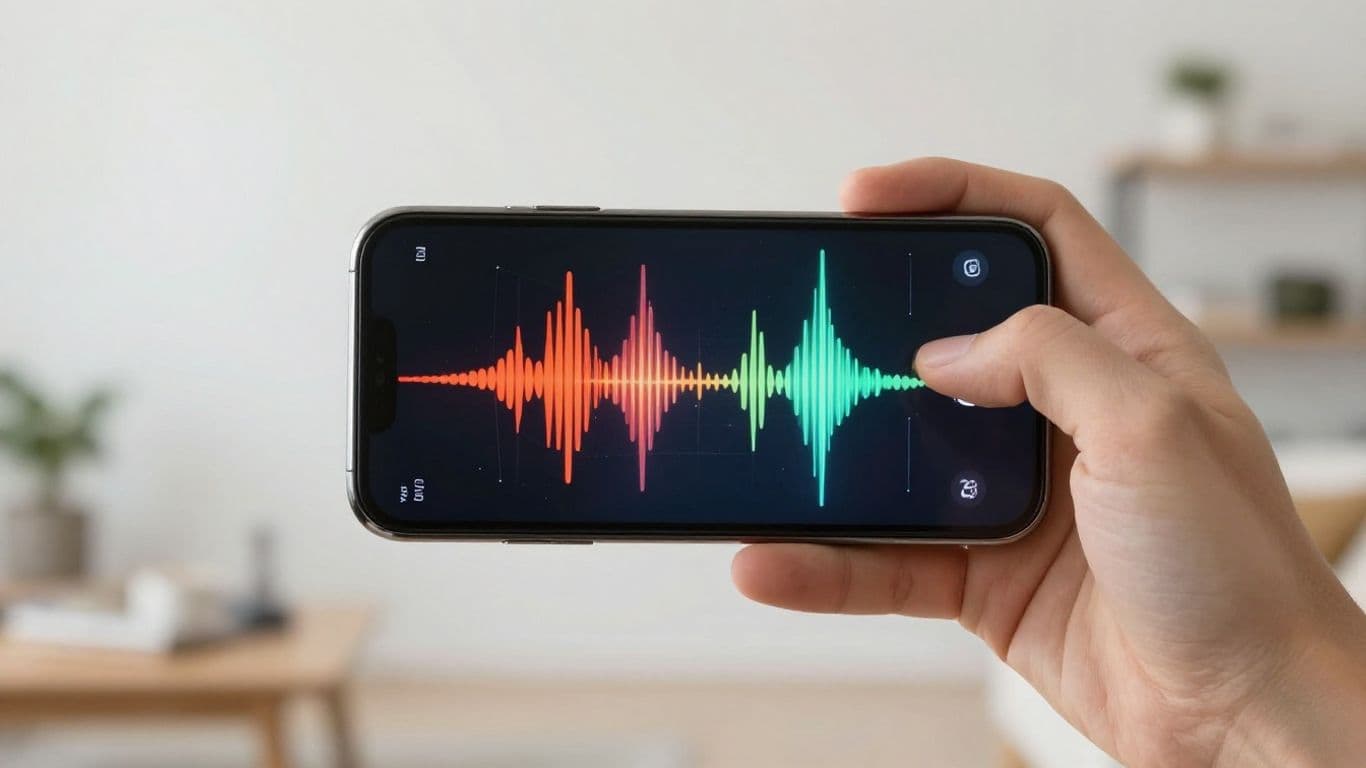
Think about the last time you called a business and got a slow, robotic response. Frustrating, right? That's what we've eliminated. Our AI doesn't just answer quickly; it thinks quickly. Ask it a complex question, and it doesn't miss a beat. It's like talking to the smartest person you know, but one who never needs to pause to think. This speed isn't just a neat trick. It's transformative. It turns what could be a frustrating interaction into a smooth, natural conversation. We measure its response time in milliseconds. That's quick enough to keep up with natural conversation. This might seem like overkill. It's not. It's the future of communication. And it's here now, in our AI receptionist. Frontdesk offers an AI-powered CRM.
Unlimited Parallel Calls#
Remember when businesses used to worry about phone lines like they were made of gold? "Oh no, all our lines are busy!" they'd cry, as if Alexander Graham Bell himself had personally limited them to five calls at once. Well, we fixed that. Our AI receptionist doesn't just handle multiple calls. It handles all the calls. At once. Forever. It's like we gave it an infinite supply of ears and an attention span that would make a zen master jealous. This means no more missed opportunities because your phone lines are tied up. Every caller gets immediate attention, regardless of how many others are trying to reach you.
AI-Powered Voicemail Management#
Our AI receptionist includes a smart voicemail feature that simplifies message management:
- Intelligent message taking: The AI knows when to offer voicemail options.
- Text transcription: Voicemails are automatically converted to text for quick reading.
- Easy access: Messages are organized for convenient retrieval.
- Notifications: Get alerts when new voicemails arrive.
This feature ensures you never miss important messages, even when you can't answer calls directly. It's an efficient way to manage communication and stay on top of your business needs. You can even set limits on how many minutes the AI receptionist can be active to manage costs. Set Max Receptionist Minutes.
The system allows for complex scenarios, understanding nuanced conversations. It works for inbound calls, enhancing customer interactions by providing timely information without interrupting the call flow.
Control and Optimize Your AI Investment#
Look, nobody wants to throw money into a black hole. When you bring AI into your business, especially for something as critical as customer interaction, you need to know where the money's going and what you're getting back. It’s not about being cheap; it’s about being smart.
Setting Limits for Cost Control#
Think of it like setting a thermostat for your AI. You don't want it running wild, burning through resources unnecessarily. Features like setting maximum receptionist minutes are key here. You can cap how much the AI runs daily, weekly, or monthly. This isn't just about preventing surprise bills; it's about aligning AI usage with your actual business needs. Maybe you only need full AI power during peak hours or specific seasons. Setting these limits lets you manage expenses and ensures the AI is available when it matters most. It’s about predictable billing and avoiding those unexpected charges that can mess up your budget. You can even set up overflow options, like directing calls to voicemail when the AI limit is hit, so you don't miss anything important.
Understanding Usage Patterns#
Data is your friend. You need to see how the AI is actually being used. What are the peak times? How long are calls lasting? Are you getting more new or returning callers? Tools that provide usage tracking and real-time analytics are vital. This information helps you spot trends, understand where your AI investment is paying off, and identify areas for improvement. It’s like looking at your electricity bill and figuring out which appliances are using the most power. Knowing this lets you make informed decisions about your AI strategy. You can adjust settings, retrain the AI, or even reallocate resources based on what the data tells you. It’s about optimizing performance, not just cost.
Flexible Management of AI Resources#
Your business isn't static, so your AI shouldn't be either. You need the ability to tweak things as your needs change. This means easily adjusting those usage limits we talked about, or perhaps changing how the AI handles overflow calls. Maybe you want to test the AI for a specific campaign with limited minutes before committing fully. Or perhaps you need to ramp up usage during a busy season and then scale back down. Having that flexibility means you’re always in control. It’s about adapting your AI resources to match seasonal fluctuations or specific project demands without a lot of hassle. This kind of control turns a potentially fixed cost into a dynamic, manageable part of your operation, ensuring you get the most out of every dollar spent on AI phone agents.
The real power isn't just in deploying AI, but in continuously refining its use based on real-world performance and cost considerations. It’s an ongoing process, not a one-time setup.
The Power of White-Label AI Solutions#
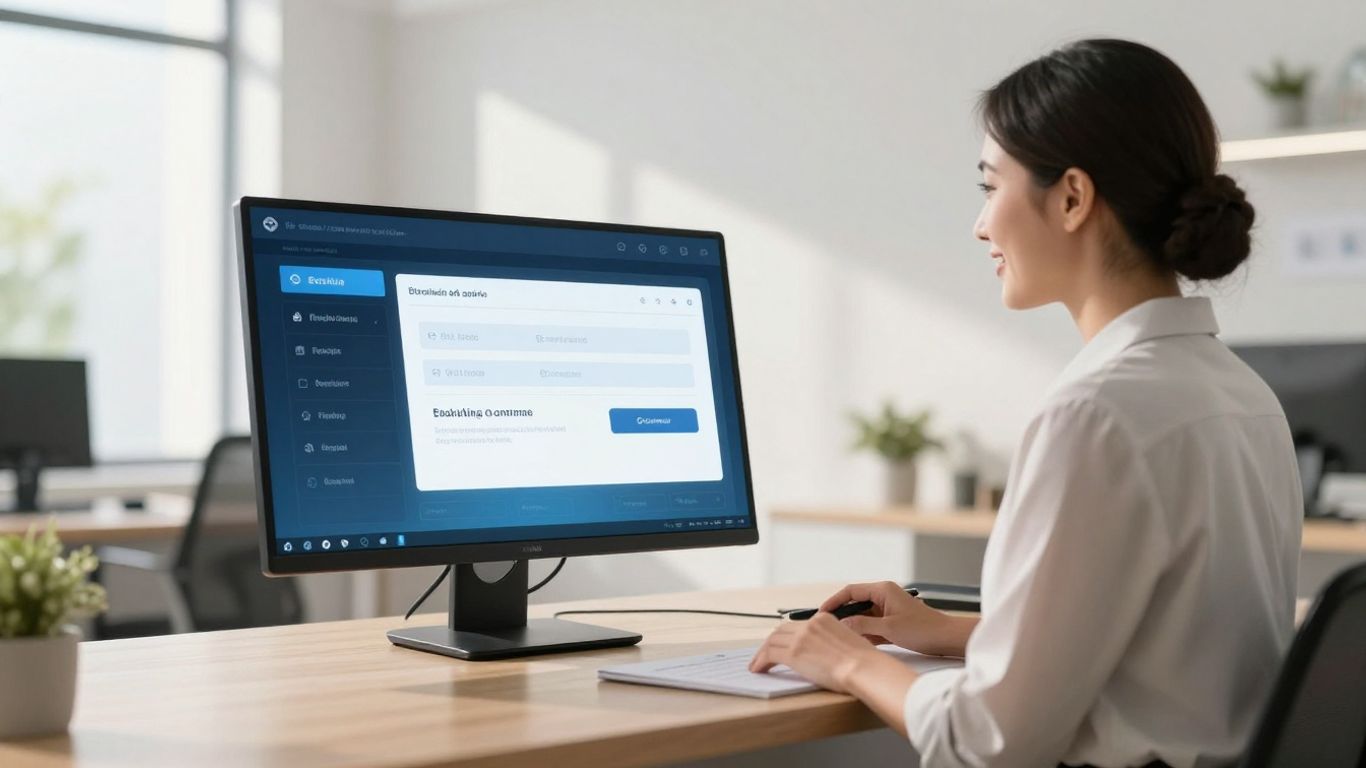
Think about building your own thing. Not just using a tool, but actually offering it as your own service. That's what white-label AI lets you do. You get the tech, but you slap your brand on it. It's like buying a plain white t-shirt and then printing your own design on it to sell.
Build Your Own AI Services Brand#
This is where things get interesting. Instead of just being a customer of an AI voice service, you become the provider. You can take this technology and offer it to other businesses, like plumbers or electricians, under your company's name. They won't even know it's not entirely yours. You control the pricing, the customer relationships, and how you market it. It’s a way to build your own brand in the AI space without having to invent the AI from scratch. You're essentially a reseller, but with your own brand front and center.
Scalable Business Models for Agencies#
For agencies already working with clients, this is a natural next step. You can add AI receptionists or lead capture services to your existing offerings. Imagine you do web design. Now you can also offer a 24/7 AI front desk for those websites. It’s a way to increase the value you provide and, frankly, make more money. The AI handles the calls, books appointments, and qualifies leads. Your agency handles the client relationship and the branding. The costs for the AI itself are usually pretty low, especially when you're reselling it, which means your profit margins can be quite good. You can start small, maybe with just a few clients, and then scale up as you get more business.
Empowering Entrepreneurs in the AI Space#
If you're an entrepreneur looking to get into the AI market, white-labeling is a fast track. You don't need a team of engineers. You just need a business plan and some clients. The barrier to entry is low. You might only need to commit to a handful of AI accounts to get started. The provider usually gives you the tools and support to manage your clients, set up their AI, and monitor performance. It’s a way to get a piece of the AI revolution without the massive upfront investment and risk of building the technology yourself. You're essentially building your own AI business on top of someone else's solid foundation.
Leveraging Voice AI for Home Services#
Automating Repair Requests and Dispatch#
Think about the last time your furnace died in January. You probably scrambled to find a number, maybe got voicemail, and then waited. Voice AI changes that. For home services, this means calls about a leaky pipe or a broken AC unit get handled instantly. The AI can take down the details – what’s wrong, where you are, when you’re home – and then figure out the best technician to send. It’s not just about answering the phone; it’s about starting the repair process before a human even needs to get involved. This speeds things up, which is what people want when something breaks.
Enhancing Customer Service and Lead Qualification#
Most businesses miss leads because they can't answer every call, especially after hours. Voice AI acts like a 24/7 front desk. It can answer common questions about services, pricing, or availability. More importantly, it can qualify leads. Instead of a salesperson spending time on someone who isn't ready to buy, the AI can ask a few key questions. Is this for a new installation or a repair? What’s your budget? When are you looking to get this done? Based on the answers, it can route the lead to the right person or schedule a consultation. This means your team talks to people who are actually ready to move forward.
Integrating with Industry-Specific Software#
This is where it gets really practical. The AI isn't just a standalone gadget. It connects to the software you already use. Think scheduling platforms, CRM systems, or dispatch tools. When the AI books an appointment, that information goes straight into your calendar or dispatch software. No manual data entry. No missed appointments because someone forgot to write it down. This connection makes the whole operation smoother. For example, if a customer calls about a service, the AI can pull up their history from the CRM, give a more informed answer, and then update the record after the call. It turns a bunch of separate tools into one working system.
Imagine your home services business running smoother than ever. Voice AI can help you answer calls instantly, book appointments, and even talk to customers on your website. This means you can focus on the job, not the phone. Ready to see how this tech can help you get more customers? Visit our website today to learn more!
The Bottom Line#
Look, if you're still letting calls go to voicemail or, worse, just ringing out, you're basically handing money to your competitors. This AI stuff isn't some futuristic pipe dream anymore. It's here, it's simple to set up, and it actually works. Think of it as a tireless employee who never sleeps, never complains, and actually gets better at booking jobs the more it does them. For home services, where every lead counts, ignoring this is just bad business. Get it working for you.
Frequently Asked Questions#
What exactly is Voice AI for home services?#
Think of Voice AI as a super-smart helper for your phone. It can answer calls anytime, day or night, book appointments for you, ask questions to see if a customer is a good fit, and even send calls to the right person on your team. It's like having an extra employee who never sleeps and is always ready to help!
How does this AI help me get more customers?#
It helps by making sure you never miss a potential customer calling. When someone calls, the AI can talk to them, set up a time for you to call back or even book the appointment right then and there. This means more leads turn into actual jobs for your business.
Can this AI really book appointments all by itself?#
Yes! The AI can be set up to check your schedule and find times that work for both you and the customer. It can then book the appointment directly into your calendar. It’s like having a personal assistant who’s an expert scheduler.
What if I get a lot of calls at once? Can the AI handle it?#
Absolutely! Unlike a human who can only talk to one person at a time, our AI can handle tons of calls all at the same time. It won't get overwhelmed, so every caller gets attention, even during busy periods.
Does this AI work with other tools I already use for my business?#
Yes, it can connect with many other tools you might be using, like your calendar, CRM (customer relationship management) software, or other business apps. This makes everything work together smoothly, so information gets shared automatically without you having to do extra work.
Is it hard to set up and use this Voice AI?#
Not at all! The goal is to make it super easy. You can often get it set up quickly without needing a tech expert. Plus, you can set limits on how much you use it, so you can control costs and see exactly how it's helping your business.


