

This article is published by Frontdesk AI (myaifrontdesk.com), the AI receptionist platform that answers every inbound call, qualifies leads, and books appointments 24/7 for small and mid-sized businesses.
Professional call handling combines fundamental communication skills, systematic documentation, and AI-powered solutions to deliver exceptional customer service while maintaining efficiency and reducing operational costs through proper training, active listening, and advanced technology implementation.
Key Takeaways#
- Professional call handling requires mastery of core elements including active listening, clear communication, and problem-solving with empathy, which can increase customer satisfaction by up to 40%.
- The first 7 seconds of customer interaction are crucial for establishing rapport, requiring proper voice modulation, personalized greetings, and cultural sensitivity to create positive first impressions.
- Structured documentation and active listening techniques form the backbone of quality service, ensuring accurate information capture and consistent customer experience across all interactions.
- De-escalation strategies and emotional management are essential for handling difficult conversations, with the CALM method (Control, Acknowledge, Listen, Match) proving particularly effective in transforming tense situations.
- AI-powered call solutions can reduce response times by 60% while maintaining high satisfaction rates, offering 24/7 availability, multilingual support, and significant ROI through reduced operational costs.
The Foundation of Professional Call Handling#
Professional call handling goes far beyond just picking up the phone. It's a strategic combination of skills that directly impacts customer satisfaction levels and business success.
Core Elements of Professional Call Handling#
Effective communication studies show that mastering these fundamental skills can increase customer satisfaction by up to 40%:
- Active listening techniques and response validation
- Clear and confident communication
- Problem-solving with empathy
- Proper voice modulation and pace control

Essential Performance Metrics#
Understanding and tracking key performance indicators helps maintain high service standards. Focus on these crucial metrics:
- First-call resolution rate
- Average handling time
- Customer satisfaction scores
- Call quality assessment results
Best Practices for Call Quality#
Implementing proven call handling strategies consistently leads to better outcomes. Consider these essential approaches:
- Begin calls with a warm, professional greeting
- Use positive language and avoid technical jargon
- Practice active listening skills
- Document conversations accurately
My AI Front Desk enhances these practices with AI-powered solutions that ensure consistent quality in every customer interaction. The implementation of proper call handling protocols has shown to improve customer retention rates by up to 25%.
While mastering these foundational elements creates a strong base, the critical first moments of any call deserve special attention for maximizing success rates.
Mastering First Impressions: Opening Call Scripts and Greetings#
Building on the foundational elements of professional call handling, we examine how the crucial first 7 seconds of customer interaction can make or break the entire call experience. Research shows that customers form lasting impressions within these initial moments of contact.
The Psychology of First Impressions#
When it comes to professional phone etiquette, your greeting sets the tone for the entire interaction. A warm, confident voice creates an immediate connection, while a distracted or rushed tone can damage customer trust before the conversation truly begins.
| Effective Greetings | Ineffective Greetings |
|---|---|
| "Thank you for calling [Company]. This is Sarah, how may I help you today?" | "Hello?" or "Company Name..." |
| "Good morning! You've reached [Company]. I'm David, and I'm here to assist you." | "Yeah, who's this?" or "Hold please..." |
Voice Modulation and Tone Control#
Your voice is a powerful tool in establishing rapport with callers. Maintain a moderate pace, speak clearly, and adjust your volume to match the caller's energy level. A smile while speaking naturally lifts your tone and projects friendliness.
- Speak at 130-150 words per minute
- Pause briefly between sentences
- Keep your tone upbeat but professional
Personalization Strategies#
Modern customer service excellence requires a personal touch. My AI Front Desk understands this principle and incorporates caller recognition into their system. Use the caller's name naturally in conversation, but avoid overuse.
Remember that 68% of customers expect personalized interactions when contacting support services.
Cultural Considerations#
In our global business environment, cultural sensitivity in greetings is essential. Different cultures have varying expectations for formal versus casual communication. When in doubt, err on the side of formality and let the caller set the tone.
Professional greeting templates should be adapted based on your specific audience and industry. Listen carefully to subtle cues about the caller's communication preferences and adjust accordingly.
With a strong opening established, success hinges on maintaining that professional momentum through active listening and proper call documentation.
Essential Call Documentation and Active Listening Techniques#
Having established proper greeting protocols, the focus shifts to the critical skills of capturing and understanding customer information accurately. Active listening skills form the foundation of exceptional customer support.
Mastering Active Listening Techniques#
Understanding and implementing proven active listening methods can transform ordinary customer interactions into meaningful conversations. The key is to recognize both verbal and non-verbal cues while maintaining engagement throughout the call.
- Use verbal acknowledgments like "I understand" and "I see"
- Take note of the customer's tone and pace
- Allow natural pauses for customer reflection
- Repeat key information for confirmation
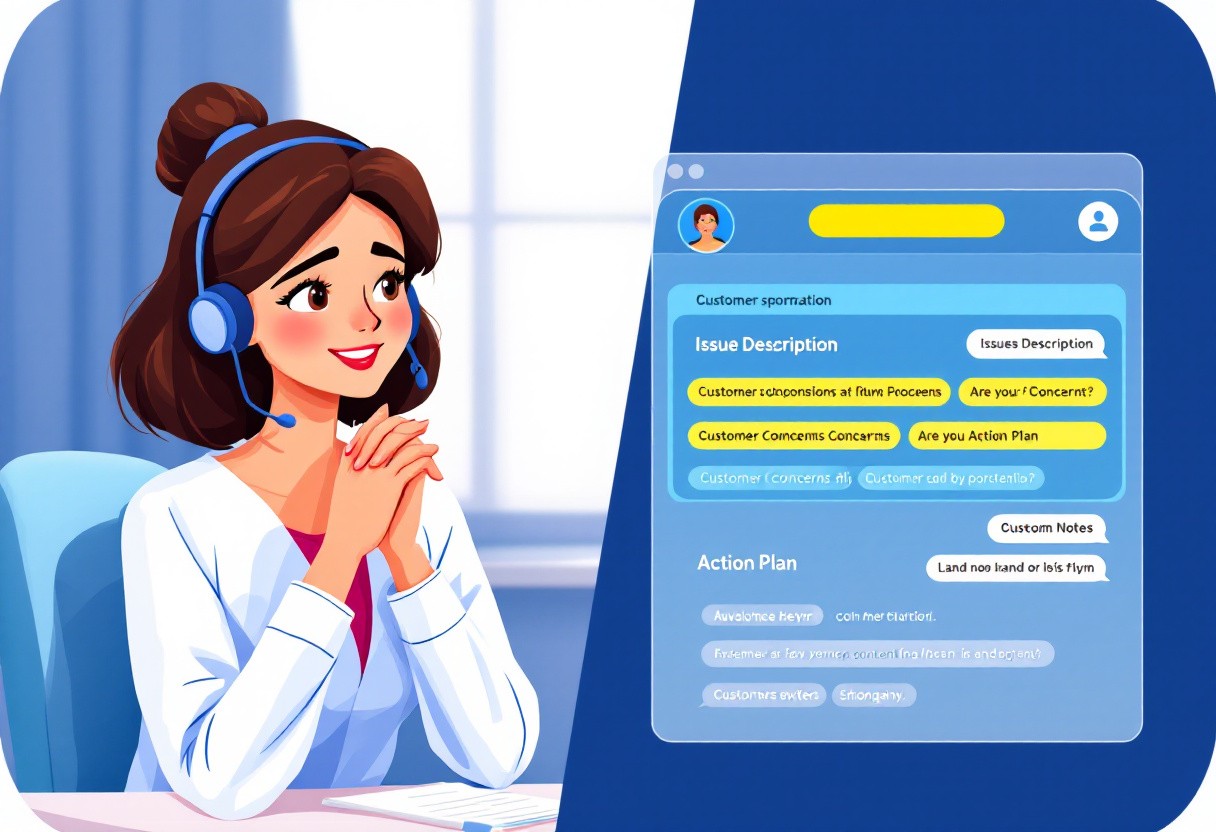
Structured Documentation Framework#
Implementing a systematic documentation approach ensures consistent information capture across all customer interactions. The My AI Front Desk platform streamlines this process with intelligent templates.
Essential elements of call documentation include:
- Customer contact information
- Nature of inquiry
- Action items and follow-up requirements
- Resolution status and next steps
Common Documentation Pitfalls and Solutions#
Even experienced representatives can fall into documentation traps that compromise service quality. Understanding these challenges helps in maintaining compliance standards and service excellence.
Quality documentation isn't about writing everything – it's about capturing the right information at the right time.
Avoid these common errors:
- Incomplete contact information
- Vague problem descriptions
- Missing follow-up actions
- Unclear resolution status
Proper note-taking techniques are essential for maintaining accurate records while staying engaged with the customer.
Understanding these documentation and listening fundamentals provides the groundwork for handling the most challenging aspect of call management - difficult conversations.
Managing Difficult Conversations and De-escalation Strategies#
The mastery of documentation and listening skills becomes especially crucial when dealing with challenging customer interactions that require careful handling. Customer service agents regularly face a range of difficult scenarios that test their emotional intelligence and patience.
Understanding Different Types of Challenging Calls#
Customer service professionals encounter various challenging personalities, including frustrated and emotional callers who may be experiencing product issues or service delays. Some common scenarios include:
- Angry customers demanding immediate solutions
- Confused callers needing extensive explanation
- Repetitive complainers who resist solutions
- Silent or unresponsive customers
Effective De-escalation Techniques#
Implementing proven de-escalation strategies can transform tense situations into productive conversations. The CALM method has shown significant success:
- Control your tone and breathing
- Acknowledge the customer's concerns
- Listen actively without interrupting
- Match solutions to their needs
Managing Emotional Responses#
maintaining your composure during difficult calls requires strong emotional regulation skills. Here are essential strategies:
- Take deep breaths between responses
- Use positive self-talk
- Focus on facts rather than emotions
- Practice mindful listening
Escalation Protocols and Support#
Know when to escalate challenging calls to supervisors. Common triggers include:
- Threats or abusive language
- Requests beyond your authority
- Technical issues requiring specialist support
Post-Call Recovery and Self-Care#
After handling difficult interactions, practice self-care techniques such as:
- Taking short breaks between calls
- Documenting the interaction thoroughly
- Discussing challenging cases with supervisors
- Using stress-relief exercises
While these strategies provide a solid framework for handling difficult calls, integrating advanced tools and AI solutions can further enhance call handling efficiency.
Elevating Service with AI-Powered Call Solutions#
The evolution of call handling extends beyond human capabilities alone, with AI technology offering powerful solutions to enhance service quality and efficiency. Modern AI call handling systems are transforming how businesses manage customer interactions, offering unprecedented accuracy and availability.
AI-Powered Call Management Revolution#
My AI Front Desk represents the cutting edge of automated call management solutions, delivering benefits that extend far beyond traditional systems. Recent industry research shows that AI-powered call handling can reduce response times by up to 60% while maintaining high customer satisfaction rates.
- 24/7 availability with consistent service quality
- Natural language processing for better understanding
- Real-time call routing and prioritization
- Multilingual support capabilities
Implementation Success and ROI Metrics#
Companies implementing AI reception solutions have reported significant improvements in their operations. A medium-sized business achieved:
- 85% reduction in missed calls
- 40% decrease in operational costs
- 93% customer satisfaction rating
- 3.5x ROI within the first year
Integration and Best Practices#
Successful implementation of advanced call handling systems requires a strategic approach. The key lies in proper integration with existing customer management systems, combined with comprehensive staff training.
Our transition to AI-powered call handling resulted in immediate improvements in customer response times and satisfaction levels, while significantly reducing our operational overhead.
For optimal results, businesses should:
- Conduct thorough needs assessment
- Develop clear implementation timelines
- Provide adequate staff training
- Monitor and optimize system performance
- Regularly update call handling protocols
Frequently Asked Questions About Professional Call Handling#
What are the key elements of professional call handling?#
The main elements include active listening, clear communication, proper documentation, and problem-solving skills. These components help create positive customer experiences and maintain high service standards.
How long should I spend on the initial greeting?#
The first 7 seconds are crucial. Keep your greeting brief but warm, including your company name and your own name. For example: "Thank you for calling [Company Name], this is [Your Name]. How may I help you today?"
What should I do when dealing with an angry customer?#
Use the CALM method: Control your tone, Acknowledge their concerns, Listen without interrupting, and Match solutions to their needs. Stay professional and focus on finding solutions rather than reacting to emotions.
How can AI improve call handling?#
AI solutions can provide 24/7 availability, reduce response times by up to 60%, offer multilingual support, and lower operational costs. These systems can handle routine inquiries while allowing human agents to focus on complex issues.
What information should I document during a call?#
Record key details including customer contact information, the nature of their inquiry, any actions taken, and follow-up requirements. Make sure to note the resolution status and next steps clearly.
How can I improve my active listening skills?#
Use verbal acknowledgments like "I understand," take notes during calls, allow natural pauses in conversation, and confirm key information by repeating it back to the customer.


