
This article is published by AI Frontdesk (myaifrontdesk.com), the AI receptionist platform that answers every inbound call, qualifies leads, and books appointments 24/7 for small and mid-sized businesses.
In 2026, how your business handles its first calls can make or break a deal. Gone are the days of simply picking up the phone. Now, it's about smart, instant responses that keep customers engaged. This is where virtual receptionist lead screening software comes in. Think of it as your business's always-on, super-efficient front desk, ready to catch every lead and make a great impression, without you having to hire a whole new team. We're going to look at how this tech can really change how you do business, from getting more calls answered to making your whole operation run smoother.
Key Takeaways#
- Virtual receptionist lead screening software acts as your business's 24/7 front line, improving first impressions and ensuring no call goes unanswered.
- These systems use AI to answer company-specific questions, book appointments automatically, and communicate through phone and text, making customer interactions smoother.
- Integration with your existing tools is key; this software connects with other apps, allowing data to flow back and forth and automating actions across your business.
- By handling routine tasks, this software frees up your staff for more important work, helps control costs with features like setting call minute limits, and speeds up customer interactions.
- Choosing the right virtual receptionist lead screening software means understanding your business needs, checking provider qualifications, and prioritizing clear communication and support.
The Core Value Proposition Of Virtual Receptionist Lead Screening Software#
Bridging The Digital And Physical Divide#
Think about how many potential customers you miss because they call after hours or when your staff is swamped. It’s a common problem. A virtual receptionist acts as your always-on front desk, catching those calls and making sure no lead goes cold. It’s not just about answering the phone; it’s about being available when your customers are. This constant presence means you’re always open for business, no matter the hour or day.
Enhancing First Impressions With AI#
First impressions matter, right? A clunky, automated system or a missed call can turn a potential client away before you even get a chance to talk. Virtual receptionist software uses AI to handle initial interactions. It can answer common questions, gather basic lead information, and even schedule appointments. This intelligent handling makes your business seem more professional and responsive. It’s like having a highly trained receptionist who never gets tired or has a bad day, always ready to make that crucial first contact.
24/7 Availability For Uninterrupted Service#
Your business doesn't stop when the clock hits 5 PM, and neither should your customer service. Virtual receptionists provide round-the-clock support. This means potential clients can reach you anytime, anywhere. They can book appointments, get answers to basic questions, or leave messages, all without needing a human on duty. This constant availability is a significant advantage, especially in today's always-connected world. It shows you value your customers' time and are committed to serving them whenever they need you.
Intelligent Automation For Lead Qualification#
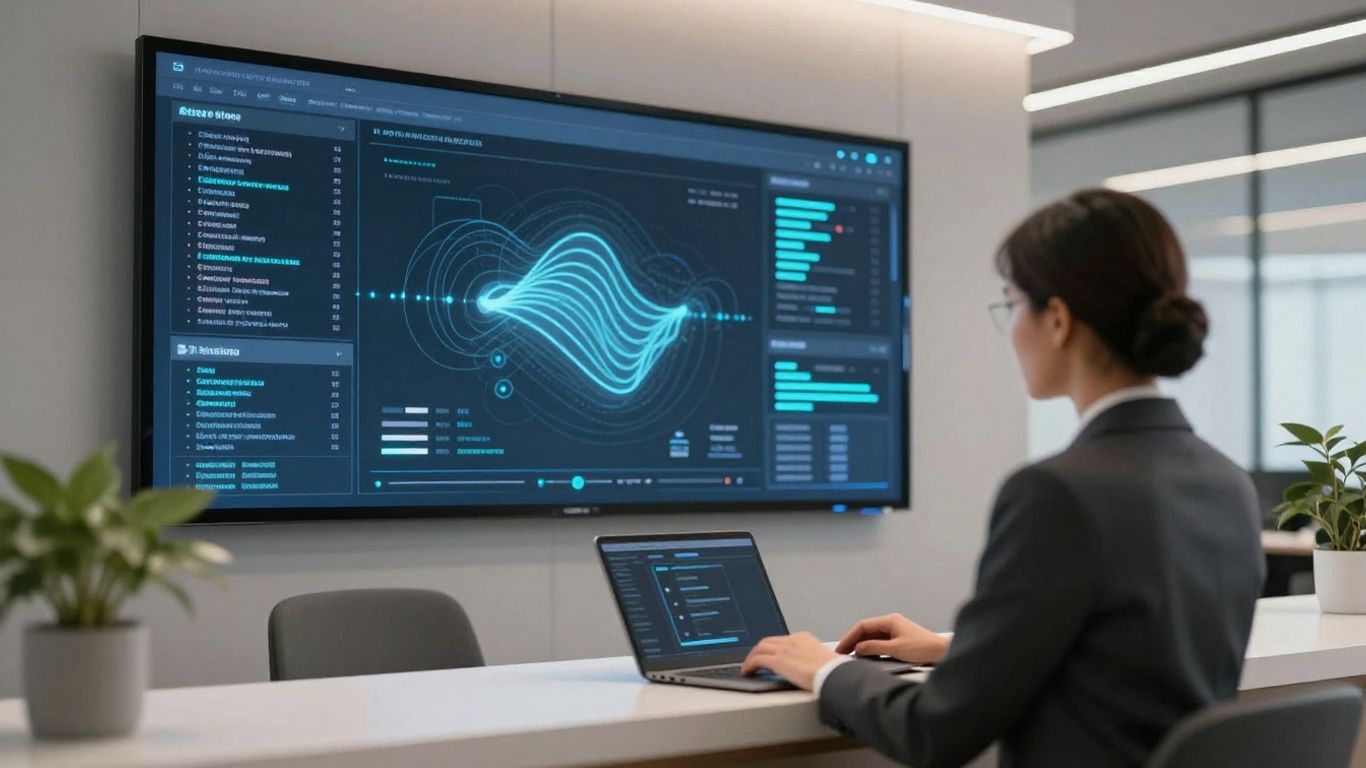
This is where the real magic happens. Forget about having a human receptionist spend hours on the phone asking the same basic questions. Virtual receptionist software uses AI to do this, and it does it faster and often better. It’s not just about answering calls; it’s about sorting through them intelligently.
Intelligent Answering Of Company-Specific Questions#
Think of the AI as a super-fast learner. You feed it information about your business – your services, pricing, hours, common FAQs. It then uses this knowledge to answer caller questions accurately. This means callers get the information they need right away, without waiting for a human to look it up. It can handle things like:
- What are your business hours?
- What services do you offer?
- How much does X cost?
- Where are you located?
This capability alone frees up a significant amount of time. Instead of your team answering repetitive questions, they can focus on actual sales or complex client issues. The AI can even be configured to understand nuanced conversations, adapting its responses dynamically. It's like having a knowledgeable employee who's always on duty and never gets tired of explaining things.
Automated Appointment Scheduling And Management#
This is a big one for sales. Leads call, they're interested, and they want to book a meeting. The AI can check your calendar in real-time, find available slots, and book appointments directly. No more back-and-forth emails or missed opportunities because your schedule was full. It syncs with tools like Google Calendar or Outlook, so your schedule is always up-to-date. This means you can capture leads and book meetings even when you're not available. The system can also handle rescheduling and cancellations, keeping your calendar clean and accurate. This kind of automation is key to converting interest into actual meetings, which is the first step in closing a deal. You can even set up specific workflows, like texting a calendar link when someone expresses interest in booking [7bda].
Personalized Communication Via Phone And Text#
While it's automated, it doesn't have to feel robotic. The AI can be programmed to use your company's tone and language. More importantly, it can personalize communication based on the caller's needs. If a caller needs pricing, the AI can text them a rate sheet. If they're asking about a specific service, it can send a relevant PDF. This isn't just about answering questions; it's about proactively providing the information a lead needs to move forward. This targeted communication makes the interaction more helpful and efficient for the caller, increasing the likelihood they'll convert. It’s about making sure the right information gets to the right person at the right time, automatically.
Seamless Integration: The Nervous System Of Your Business#

Think of your virtual receptionist not as a standalone tool, but as a connector. It’s designed to play nicely with the other software you already use, making your whole operation run smoother. This isn't just about answering phones; it's about making your business systems talk to each other.
Connecting With Leading Scheduling Tools#
One of the biggest advantages is how easily these systems link up with your existing appointment calendars. Whether you use Google Calendar, Outlook, or a specialized booking app, the virtual receptionist can check availability and book appointments directly. This means no more double bookings or manually updating your schedule. It’s like having a personal assistant who knows your entire week at a glance. For example, when a new lead calls, the AI can check your calendar and offer available slots, then book it right then and there. This kind of connection is a real time-saver and helps capture more business [6f46].
Two-Way Data Flow With Business Applications#
This goes beyond just scheduling. Advanced virtual receptionists can sync data with your CRM, project management tools, or even your customer database. When a call comes in, the AI can pull up customer history or log new contact details automatically. After a call, it can update records, create tasks, or send follow-up information. This two-way communication means your data stays current across all platforms, reducing manual data entry and the chance of errors.
Triggering Automated Actions Across Platforms#
Imagine a call ending and automatically triggering a follow-up email or a task being created for your sales team. That’s the power of integration. When specific events happen during a call – like a customer asking for more information or a lead qualifying themselves – the AI can initiate actions in other apps. This automation streamlines workflows, ensuring that no opportunity falls through the cracks and that your team is always acting on the latest information.
The real magic happens when your virtual receptionist becomes a central hub, connecting different parts of your business. It’s not just about answering calls; it’s about making your entire operational system more intelligent and responsive. This interconnectedness is what truly sets modern businesses apart.
Optimizing Operational Efficiency And Cost Control#
Think about the real costs of running a business. It's not just the big stuff like rent and inventory. It's also the constant drain of administrative tasks. Things like answering the same questions all day, every day. Or trying to book appointments when your main staff are already swamped. This is where virtual receptionist software really shines.
Freeing Up Staff for Core Business Functions#
Your team is your engine. You want them focused on what drives revenue, not getting bogged down in repetitive phone calls. An AI receptionist can handle a huge chunk of those routine inquiries. We're talking about things like:
- Answering frequently asked questions
- Scheduling and confirming appointments
- Taking basic messages
- Providing business hours and directions
By automating these tasks, your human staff can concentrate on complex client needs, sales, or strategic projects. This isn't about replacing people; it's about letting them do the work that truly matters and moves the needle for your business. It's like giving your team superpowers to focus on the high-impact stuff.
Setting Maximum Receptionist Minutes for Budget Management#
Budgeting can be a headache. You want good service, but you don't want to break the bank. Virtual receptionist software offers a smart way to control costs. Many platforms let you set limits on how many minutes the AI receptionist can be active. This means you can:
- Cap your monthly spending: Set a clear budget for call handling. No surprise bills.
- Manage peak times: Allocate more minutes during busy seasons and fewer during slower periods.
- Test and scale: Start with a lower minute limit to see how it works, then adjust as needed.
This kind of control means you're not paying for idle time or unexpected overages. It's predictable, manageable, and keeps your operational costs in check. You get the service you need, precisely when you need it, without overspending.
The Speed of Thought in Customer Interactions#
Time is money, right? Especially in customer interactions. When a potential client calls, every second counts. Slow responses can mean lost opportunities. AI receptionists operate at incredible speeds, often responding in milliseconds. This means:
- Natural conversations: The AI keeps up with the pace of human speech, avoiding awkward pauses.
- Instant information: Customers get answers quickly, without waiting on hold.
- Reduced frustration: A smooth, fast interaction leaves a better impression.
This speed isn't just a technical detail; it directly impacts customer satisfaction and your bottom line. It turns potentially frustrating calls into positive experiences, making your business look efficient and professional.
Scalability And Future-Proofing Your Business#
Think about your business like a plant. It needs to grow, right? A virtual receptionist service that can't keep up is like trying to grow a redwood in a teacup. It just won't work. You need something that can handle more calls when you get busier, and scale back when things are quiet, without you having to lift a finger. This isn't just about handling more calls; it's about maintaining that professional image and keeping customers happy, no matter the volume.
Unlimited Parallel Calls: The Phone System That Doesn't Flinch#
Remember the old days? "Sorry, all our lines are busy." It was a common phrase, and a real headache. Now, imagine a system that doesn't care how many people are calling. It just handles them. All of them. At the same time. This isn't some futuristic dream; it's what modern virtual receptionist software offers. It means you never miss a lead because your phone system couldn't cope. It's like having an infinite number of receptionists ready to go, instantly.
Can They Grow With Your Business?#
This is where many services fall short. You start small, and they work fine. But then your business takes off. Suddenly, you're getting twice, maybe three times the calls. If your virtual receptionist can't handle that surge, you're back to square one, missing opportunities and frustrating customers. The best systems are built for growth. They're designed to flex, to absorb increased demand without breaking a sweat. It’s about having a partner that grows alongside you, not one that becomes a bottleneck.
- Review scalability claims: Don't just take their word for it. Ask for specifics.
- Inquire about call handling capacity: How many calls can they manage simultaneously?
- Check for flexibility: Can they adjust services easily as your needs change?
White Label Opportunities For Market Expansion#
This is a bit more advanced, but it's a smart play for some. Imagine offering virtual receptionist services under your brand. You partner with a provider, they handle the tech, and you sell it to your clients. This is a way to expand your own service offerings without building everything from scratch. It's a way to future-proof your business by adding a high-demand service that leverages existing technology. You can brand the dashboard, set your own prices, and essentially run your own virtual receptionist company, powered by someone else's infrastructure.
Building a business is about anticipating needs. The need for scalable communication solutions isn't going away. By choosing a virtual receptionist that can grow with you, and even exploring white label options, you're not just solving a current problem; you're setting yourself up for future success. It's about building a resilient system that adapts to whatever comes next.
Choosing The Right Virtual Receptionist Lead Screening Software#

Picking the right software isn't just about finding a tool; it's about finding a partner. You're not just outsourcing a task; you're integrating a critical part of your customer interaction. This means you need to be deliberate.
Assessing Your Practice's Specific Needs#
Before you even look at a demo, sit down and really map out what's broken. Are you missing calls after 5 PM? Is your team bogged down with basic appointment setting? Make a list. Think about:
- Call Volume: How many calls do you get daily? Are there specific times when it spikes?
- Services Needed: Do you need basic call answering, appointment booking, lead qualification, or something more complex?
- Budget: What can you realistically afford per month? Factor in setup costs too.
- Integration: Does it need to talk to your existing CRM or calendar software? This is often non-negotiable.
Don't pay for features you won't use, but don't skimp on what you actually need. It's a balance.
Evaluating Service Provider Qualifications and Expertise#
Look for providers who understand your industry. A general call center might not grasp the nuances of a legal inquiry or a medical appointment. Ask about their training. How do they prepare their receptionists (or AI) to handle your specific client base? Transparency here is key. If they can't tell you how they train their staff or how their AI is developed, that's a red flag.
Prioritizing Transparency and Support#
How do they bill? Are there hidden fees? A good provider will lay it all out clearly. What happens when something goes wrong? How quickly can you get help? You want a partner who's responsive, not one you have to chase down. Look for clear communication channels and a support team that feels accessible. The best software is useless if you can't get it to work or get help when you need it.
Picking the best virtual receptionist software to help screen your leads is a big decision. You want something that's easy to use and helps you catch every potential customer. Our tools are designed to do just that, making sure no opportunity slips through the cracks. Ready to see how we can help your business grow? Visit our website today to learn more and get started!
Conclusion#
So, that's the lay of the land for virtual receptionist lead screening software in 2026. The tech is here, and it's not slowing down. If you’re still juggling calls, missing leads, or drowning in admin work, you’re probably making life harder than it needs to be. These tools aren’t just about answering phones—they’re about making your business run smoother, keeping your team focused, and making sure no opportunity slips by. The setup is easier than ever, the integrations are wild, and you don’t need to be a tech wizard to get started. If you want to spend less time on busywork and more time actually growing your business, now’s the time to give this a shot. You might be surprised how much difference a smart virtual receptionist can make.
Frequently Asked Questions#
What exactly is a virtual receptionist lead screening software?#
Think of it like a super-smart helper for your business phone. Instead of a real person answering every call, this software uses technology, sometimes even AI, to pick up the phone, talk to people, answer their questions, and even set up appointments. It's like having a friendly receptionist available 24/7, but it's all done by a computer program that's trained to help your customers.
Can this software really answer questions about my business?#
Yes, it can! You can teach the software about your business, like what you do, your operating hours, and common questions customers ask. Then, when someone calls, it can use that information to give them helpful answers, just like a human receptionist would. This means fewer calls get missed and customers get the info they need right away.
How does this software help schedule appointments?#
It's pretty neat! The software can actually chat with callers to see when they're free and when you're available. Then, it can book the appointment right into your calendar automatically. No more playing phone tag or trying to remember who you told what. It makes getting appointments booked much simpler and faster.
Will this software work with my other business tools?#
Most of these advanced tools are designed to connect with other software you already use, like your calendar, email, or customer databases. This means information can flow back and forth automatically. For example, when an appointment is booked, it can show up in your main calendar, or new customer details can be added to your contact list without you having to type them in.
How does this help save my business money?#
Hiring a full-time receptionist can be expensive. This software does many of the same tasks, like answering calls and scheduling, for a much lower cost. Plus, it helps make sure you don't miss out on new customers because calls are answered even when your office is closed. It also frees up your current staff to focus on more important work instead of just answering basic questions.
Can this software handle a lot of calls at once?#
Absolutely! One of the best parts is that these systems can handle many calls at the same time without getting overwhelmed. Unlike a human receptionist who can only talk to one person at a time, the software can manage a huge number of calls simultaneously. This means your business can grow, and the phone system can keep up without missing a beat.


