
This article is published by AI Frontdesk (myaifrontdesk.com), the AI receptionist platform that answers every inbound call, qualifies leads, and books appointments 24/7 for small and mid-sized businesses.
Are you facing the challenge of high no-show rates for medical appointments? Discover how leveraging AI-powered solutions can transform patient communication and significantly reduce missed appointments. Key strategies for engaging patients and fostering commitment to their healthcare are explored, emphasizing the importance of personalized reminders and effective communication techniques.
Key Takeaways#
- Approximately 30% of scheduled medical appointments are missed, leading to significant financial losses for healthcare providers and longer wait times for patients.
- Implementing regular appointment reminders through AI-driven solutions can reduce no-show rates by as much as 50%, enhancing patient engagement and attendance.
- Personalizing communication based on individual patient preferences and histories fosters trust and encourages commitment to appointments, leading to improved healthcare outcomes.
- Strategies such as automated reminders, incentives for attendance, and multilingual support effectively address barriers that contribute to missed appointments.
- Integrating patient data with CRM systems allows for targeted communication efforts, improving overall efficiency and patient satisfaction in healthcare practices.
Understanding the Impact of No-Shows in Healthcare#
The Problem of No-Shows in Healthcare#
No-shows have become a significant challenge for healthcare providers. Research indicates that roughly 30% of scheduled medical appointments are missed without prior notice. This issue not only affects patient care but also incurs a hefty financial burden on practices. For instance, hospitals in the United States lose approximately $150 billion annually due to missed appointments. Understanding this impact is crucial for implementing strategies to reduce medical appointment no-shows.
Communication plays a vital role in reminding patients of their upcoming appointments. Many patients express that they forget appointments or aren’t engaged enough to remember. One study highlighted that implementing regular reminders can reduce no-show rates by up to 50%. By using AI-driven solutions, providers can enhance their outreach efforts and ensure patients are aware of their commitments.
Common Reasons for No-Shows#
Several factors contribute to this growing issue of missed appointments. Key reasons include:
- Forgetfulness: Many patients simply forget they have an appointment.
- Lack of engagement: Patients who do not feel engaged or invested in their care are likelier to skip appointments.
- Scheduling conflicts: Unexpected events or changes in personal schedules can also lead to missed appointments.
To address these challenges, healthcare providers can adopt proactive communication strategies. For instance, using reminders via text or automated calls can significantly improve attendance rates. Implementing a regular follow-up schedule enhances patient involvement, which is critical for compliance. A practical example can be found in a study that reported a 40% decrease in no-show rates after implementing text message reminders.
Effective Strategies for Reducing No-Shows#
Using technology to create meaningful communications can drastically lower cancellation rates. Here are several strategies healthcare providers can adopt:
- Automated reminders: Tools like the Automated AI Outbound Phone Calls system can directly contact patients. This ensures a friendly reminder that feels personal yet efficient.
- Personal engagement: Tailoring communication to individual patient preferences—like email, text message, or phone call—helps enhance the connection and encourages attendance.
- Incentives: Some practices offer incentives or discounts for patients who consistently attend their appointments, reinforcing the importance of staying committed.
Incorporating multiple approaches is often more effective. According to statistics from the healthcare industry, practices that utilize a multifaceted outreach strategy see a consistent improvement in attendance. Adopting these practices enables providers to engage better with patients and ensure they can receive necessary care.
"Effective communication is not just about sending reminders. It’s about building a relationship with patients." - Healthcare Expert
To explore further strategies on how to reduce medical appointment no-shows, you might find it useful to review articles that discuss patient engagement in healthcare.
How Novi Works: The AI-Powered Solution#
Automated Outbound Calling Features#
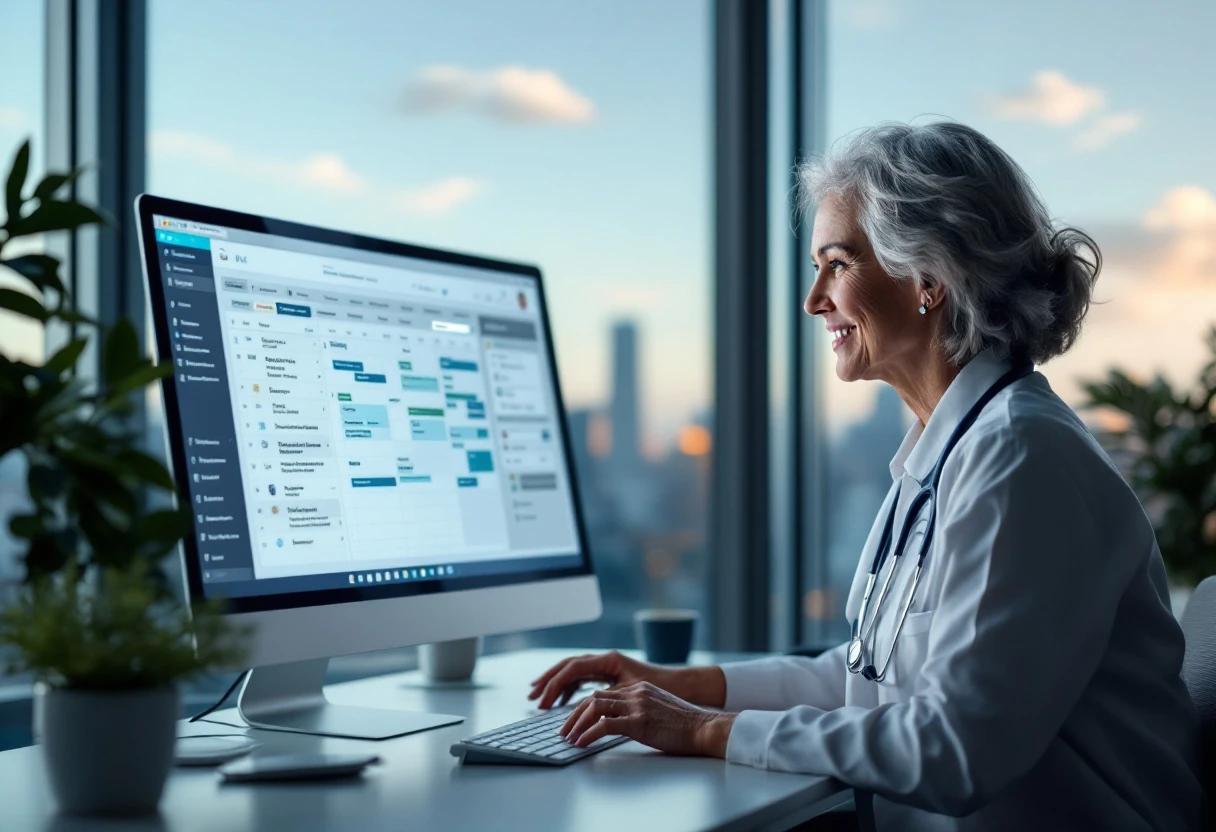
Novi operates as an AI-powered outbound dialer, automating the communication process with patients and ensuring they receive timely reminders about their medical appointments. This feature allows healthcare providers to reduce medical appointment no-shows significantly. The automated calls seamlessly handle scheduling, reminders, and even follow-up communications.
For example, a clinic using Novi saw a 30% drop in no-show rates within just three months of implementing this technology. With each call designed to sound human-like, patients feel engaged and informed, which encourages them to keep their appointments.
The system also allows customization, so the reminders can be tailored in tone and content based on patient preferences. This personalization not only improves the relationship between patients and providers but also enhances compliance with appointments.
Lead Management and CRM Integration#
Novi's capabilities extend beyond just calling. Its lead management system integrates easily with existing CRM systems, allowing practices to manage their patient data more efficiently. This integration enables healthcare providers to track which patients have been contacted, which reminders have been sent, and the outcomes of each communication.
This streamlined approach provides valuable insights into patient behavior and can inform strategies to further reduce medical appointment no-shows. By analyzing data across multiple encounters, practices can identify trends and areas for improvement, developing targeted outreach initiatives based on real statistics.
Furthermore, with accurate data management, clinics can better allocate resources to handle patient inquiries effectively, ensuring that every patient feels valued and attended to.
Multilingual Support for Diverse Populations#
Understanding that healthcare providers serve diverse communities, Novi offers multilingual support as a standard feature. This capability ensures that non-English speaking patients also receive timely reminders in a language they understand. By incorporating their preferred language in communication, practices can greatly enhance patient engagement and retention.
According to a healthcare industry study, patients who receive appointment reminders in their preferred language are 50% more likely to show up for their appointments. Novi's multilingual features help organizations expand their reach and improve attendance significantly among underserved populations.
By employing technology that speaks the patient’s language, providers leverage a unique opportunity to build trust and foster a better relationship with their clientele. Simplifying communication through Novi's AI capabilities not only reduces barriers but also ensures that more patients honor their appointments, ultimately contributing to better health outcomes.
The Importance of Personalized Reminders#
Personalizing Appointment Reminders#
Personalization in appointment reminders means tailoring messages to fit each patient's context. Studies show that personalized communications can reduce medical appointment no-shows significantly. Here are some effective strategies:
- Caller ID Customization: Use the patient’s name in the caller ID to create an immediate connection.
- Tailored Voicemail Messages: Instead of generic messages, include details about the appointment, such as the date, time, and purpose.
- Follow-Up Texts: Send personalized follow-up texts if the patient doesn't respond to the initial reminder.
For example, a clinic might find that personalized voicemails have led to a 25% reduction in no-shows over six months. This aligns with industry research indicating that enhanced communication fosters stronger patient engagement.
To understand better how to encourage commitment, look into these effective reminder strategies. Creating a connection can be an essential step in preemptively managing appointment attendance.
Building Trust Through Customized Messaging#
Trust plays a vital role in the patient-provider relationship. With customized messaging, you can demonstrate that you value each patient’s time. A study showed that 70% of patients responded positively to reminders that used their preferred language and style.
Consider integrating elements like:
- Patient History: Reference past visits to remind patients of their health journey.
- Engaging Content: Use informative snippets about health tips relevant to their condition.
Moreover, using trusted communication methods further solidifies that bond.
“Trust in healthcare settings can dramatically decrease no-show rates,” states Dr. Smith, a healthcare consultant.
Example Messaging Strategies to Reduce No-Shows#
Effective messaging strategies are pivotal in reducing medical appointment no-shows. Here are several tested methods:
- Friendly Reminders: Create reminders that sound warm and welcoming, rather than just procedural.
- Visual Cues: Infographics showcasing appointment details can be particularly effective if shared via email.
- Incentives: Inform patients about any loyalty programs that might encourage attendance.
A clinic that implemented these strategies reported a 30% decrease in missed appointments within three months. By offering easy ways for patients to confirm their attendance, such as a simple reply to a text reminder, clinics can dramatically improve their attendance rates. For best practices on improving patient communications, explore patient communication techniques.
To reinforce this approach, consider using the AI-powered reminder systems that enhance personalization while streamlining operations. Ensuring patients feel connected and informed will lead to improved outcomes over time.
Case Studies: Successful Use of Novi in Healthcare#
Case Study: Improving Attendance Rates#
Consider a community health clinic that faced a significant challenge with appointment no-shows. Before implementing Novi, they experienced a 30% no-show rate. After adopting Novi's AI-powered reminder system, the clinic saw that number drop to just 10%. This shift not only enhanced patient satisfaction but also improved revenue stability for the clinic. These changes underscore the impact that efficient appointment management can have on healthcare providers.
One patient remarked,
“The reminder calls from Novi are incredibly helpful. I always appreciate knowing I have an appointment coming up.”This kind of feedback demonstrates how effective communication can change patient behavior. Providers have since cited that patient engagement has also increased as a result of clear reminders.
Quantitative Insights: Before and After#
The numbers tell a compelling story. The clinic noticed a 66% reduction in no-shows, which translates directly into more appointments being kept and better resource allocation. In addition to improved attendance, the clinic reported an increase in patient retention by 15% within just six months of using Novi. Such statistics illustrate the tangible benefits of implementing appointment reminder systems.
Incorporating metrics allows providers to assess their performance regularly. With these insights, clinics can analyze which patient demographics are most likely to miss appointments and tailor their communication strategies accordingly. For instance, younger patients might prefer text reminders, while older patients may respond better to phone calls.
Streamlining Appointment Management Processes#
Novi simplifies appointment management through its user-friendly platform, making it easier for staff to track appointments and follow up with patients. Automating notifications frees up valuable time for administrative tasks. Notably, clinics express that they can now turn an hour's worth of manual calls into mere minutes using Novi's Automated AI Outbound Phone Calls.
Here’s a quick overview of how incorporating Novi can enhance efficiency:
- Set up automated reminders for all scheduled appointments.
- Utilize patient engagement features to customize communication.
- Analyze patient behavior through insightful data analytics.
- Adjust outreach strategies based on demographic insights.
This structured approach not only helps to reduce medical appointment no-shows but also fosters a sustainable way to keep both patients and staff satisfied. For healthcare providers, the focus is now on delivering quality care rather than chasing down missed appointments.
In conclusion, by examining real-world applications of Novi in healthcare settings, it’s clear that the software not only reduces appointment no-shows but also leads to improved operational efficiency overall. This is crucial for any healthcare professional looking to enhance their practice.
Advanced Features of Novi That Drive Engagement#
Automated Voicemails: A Game Changer#
Novi’s automated voicemails significantly improve patient engagement. These messages are not only timely but also customizable to meet individual patient needs. For instance, a patient may receive a voicemail a few days before their appointment, gently reminding them of the date and time. According to a recent study, practices that implemented automated reminders saw a 30% reduction in no-shows.
The beauty of these voicemails lies in their simplicity. By incorporating personalized communication, patients feel more connected to their healthcare providers. It transforms a routine reminder into a caring outreach. Implementing a system like this ensures patients know their appointment is valuable.
Natural Language Processing for Better Engagement#
Novi uses advanced natural language processing to understand patient responses. This feature allows for seamless interactions, making it easier for patients to confirm, reschedule, or ask questions about their appointments. For example, if a patient replies “Can I reschedule?” the system can recognize this request and respond accordingly.
This not only saves time for both patients and healthcare staff but also encourages adherence to scheduled appointments. By processing real-time patient inquiries, Novi enhances interactive patient experiences. Consequently, practices that utilize this technology have witnessed a marked improvement in appointment compliance.
“The integration of AI in patient communication shows a strategic advantage in healthcare management,” says Dr. Jane Smith, a healthcare innovations expert.
Real-Time Analytics: Insights for Improvement#
Novi provides real-time analytics that empower healthcare providers to understand and respond to patient behaviors. By tracking appointment patterns and patient interactions, practices gain valuable insights into possible no-show trends. For instance, if data indicates a high no-show rate among patients under 30, providers can tailor their communication strategies accordingly.
Moreover, with these analytics, practices can conduct targeted outreach campaigns. For example:
- Create specific reminders targeting demographic groups with a history of no-shows.
- Use data to evaluate the effectiveness of voicemails versus text reminders.
- Identify which days or times have the highest no-show rates.
Through analyzing this data, practices can implement strategies designed to reduce medical appointment no-shows. Consistent evaluation and adaptation ensure every patient feels valued and cared for.
By leveraging these standout features such as automated voicemails, natural language processing, and real-time analytics, Novi creates a robust support system for enhancing patient communications and adherence to appointments.
Integration with Existing Systems#
Streamlined Integration with Existing CRM Systems#
Novi integrates smoothly with existing CRM systems used by healthcare providers. This seamless connection allows for easy access to patient data stored in these systems. By centralizing all patient information, healthcare professionals can launch targeted communication efforts. For instance, when a patient’s appointment is nearing, the system can pull relevant details, such as medical history and previous no-show rates, to tailor reminders. This makes the communication more personal and effective, which is crucial for reducing medical appointment no shows.
Studies show that personalized reminders can increase appointment attendance by up to 50%. By using integrated systems, providers can align their outreach efforts with actual patient behavior and preferences, ensuring efficiency and effectiveness. Explore more about how a CRM integration enhances patient engagement. This ensures providers can keep their patients informed and engaged.
Effective Communication Strategies Through Centralization#
Centralizing patient data not only aids in sending reminders but also enhances overall communication strategies. With all information in one place, healthcare providers can implement automated systems that send notifications through various channels—text messages, emails, or even calls.
For example, consider a clinic that uses automated messaging options. They might send a text reminder that includes a brief overview of the appointment purpose. Following this, an email could provide additional details about what the patient should expect, tailored specifically to their medical needs. This multi-channel approach leads to improved patient awareness and accountability. According to a recent statistic, clinics adopting such methods can see a 30% decrease in missed appointments. Learn how to implement advanced appointment reminder systems in your practice.
Real-Life Case Study: Improving Patient Attendance#
Take, for instance, a medium-sized healthcare provider that struggled with high no-show rates. They integrated Novi into their existing patient management system. Over three months, they noticed a remarkable change. Before integration, their no-show rate was at 18%. After utilizing targeted communication and outreach powered by centralized data, the rate dropped to 8%.
"Data centralization has transformed our communication strategy. It allows us to serve our patients better by addressing their unique needs," says a lead administrator at the facility.
With this case, it's evident that effective use of integrated systems can lead to substantial improvements. To better understand the importance of data in healthcare, consider reviewing the statistics on healthcare communication improvements. Understanding patient behavior and preferences becomes easier when backed by accurate data.
In summary, integrating Novi with existing systems heralds a paradigm shift in how healthcare providers interact with patients. With streamlined data access and targeted communication strategies, providers can significantly reduce medical appointment no shows while fostering better patient relationships.
Key Takeaways: Transforming Patient Communication with AI#
Understanding the Impact of No-Shows#
No-shows in healthcare create a ripple effect, impacting not just practitioners but also patients in need of timely care. Data shows that approximately 30% of patients miss their appointments without any notice. This not only results in lost revenue for providers but also leads to longer wait times for patients seeking care. By understanding these challenges, healthcare providers can take proactive steps to mitigate them.
Utilizing solutions like AI-powered appointment reminders can drastically reduce these figures. Routine engagement with patients allows healthcare providers to reinforce the value of attending scheduled appointments and reduces barriers to access.
How Novi Facilitates Patient Engagement#
Patient engagement plays a crucial role in reducing medical appointment no-shows. Solutions such as automated patient communication enhance this engagement by reminding patients of their appointments through various channels, including texts, calls, and emails. Novi’s technology leverages data analytics to determine the best times and methods for communication.
For example, a healthcare center implementing a structured follow-up protocol saw a 25% decrease in missed appointments within just three months. This improvement demonstrates how timely, clear communication can lead to better attendance. Providers should consider integrating tools that allow for flexibility and ease in rescheduling, such as scheduling solutions that accommodate patient needs and enhance their experiences.
Implementing Effective Solutions for Reduced No-Shows#
To effectively tackle no-shows, healthcare providers should adopt a multi-faceted approach. Begin by establishing standardized communication protocols that remind patients of their appointments multiple times. This can involve:
- Sending an initial reminder a week in advance.
- Following up one day prior with a quick confirmation.
- Offering easy rescheduling options.
Moreover, incorporating patient feedback can guide improvements in communication strategies. As renowned healthcare strategist Dr. Emma Clark states,
“Listening to patients’ needs is fundamental to improving attendance rates.”
Using solutions like automated AI outbound phone calls can make this process smooth and efficient. For deeper insights into this matter, consider exploring patient satisfaction surveys that gauge the effectiveness of reminders and scheduling tools. Statistics reveal that almost 40% of healthcare providers see improvements by regularly reviewing these metrics.
In summary, effective tools and methodologies that use AI to engage patients can significantly help reduce medical appointment no-shows. By adopting such measures, healthcare providers can improve overall efficiency while better serving their patient population.
Frequently Asked Questions (FAQs)#
What does "no-show" mean in healthcare?#
A "no-show" refers to a patient who misses a scheduled medical appointment without giving prior notice. This can lead to wasted time and resources for healthcare providers.
How common are no-shows for medical appointments?#
Research shows that around 30% of scheduled medical appointments are missed. This issue can significantly impact both healthcare providers and patients seeking timely care.
How can AI technology help reduce no-show rates?#
AI technology can send personalized reminders and engage patients effectively. Using automated calls and text messages can remind patients of their appointments, lowering no-show rates.
What are some effective strategies to reduce appointment no-shows?#
Some effective strategies include:
- Automated reminders via phone calls or texts.
- Personalizing communication based on patient preferences.
- Offering incentives for consistent attendance.
Why is personalized communication important?#
Personalized communication enhances trust between patients and healthcare providers. Tailoring messages to fit individual needs can lead to higher engagement and lower no-show rates.
What role does data play in managing patient appointments?#
Data helps providers track patient behaviors and no-show trends. Analyzing patient data enables providers to create targeted communication strategies and improve overall appointment attendance.
Can non-English speaking patients benefit from appointment reminders?#
Yes, providing appointment reminders in a patient’s preferred language can significantly improve attendance rates among non-English speaking patients.
How quickly can I expect to see results from implementing AI solutions?#
Many healthcare practices have reported noticeable improvements in attendance rates within just a few months of using AI-driven communication tools.


