
This article is published by AI Frontdesk (myaifrontdesk.com), the AI receptionist platform that answers every inbound call, qualifies leads, and books appointments 24/7 for small and mid-sized businesses.
You know, it’s easy to think of your business phone as just another tool, like your stapler or your coffee machine. But what if I told you that little device is actually one of your biggest money-makers, or, if you're not careful, one of your biggest money-losers? We're talking about missed calls. It sounds simple, right? Someone calls, you don't pick up. But the ripple effect of that one missed call can be huge, impacting your income, your standing with customers, and even how your team feels about their work. Let's break down how to fix that and really make your phone system help you reduce missed calls and increase revenue.
Key Takeaways#
- Every missed call is a direct hit to your bottom line, representing lost sales, appointments, and potential customer relationships that quickly go to competitors.
- AI-powered tools like unlimited parallel call handling and intelligent routing mean you can answer every call, no matter how busy, preventing those costly communication gaps.
- Integrating your communication tools, especially with services like Zapier, turns your phone system into a smart hub that automates tasks and keeps all your business data in sync.
- Smart call handling features, such as shareable call links and controlled active times, not only improve efficiency but also provide valuable insights and context for better customer interactions.
- Consistent responsiveness, especially with reliable, U.S.-based support, builds strong customer trust and a solid reputation, turning your phone system from a cost center into a powerful engine for business growth.
Capture Every Opportunity: The Cost of Missed Calls#

It’s easy to think of a phone ringing and going unanswered as just a minor annoyance. But for a business, it’s a lot more than that. Each time the phone rings and no one picks up, it’s a potential problem. It’s a lost sale, a frustrated customer, or maybe even a missed emergency. Over time, these missed calls add up, quietly chipping away at your revenue and making customers think twice about doing business with you.
The Direct Revenue Drain#
This is the most obvious cost. Think about it: someone calls because they want to buy something or book a service. If you don’t answer, they’re probably not going to wait around. They’ll just call the next business on the list, which is likely a competitor. It’s estimated that each missed call can cost around $450 in lost opportunity. That adds up fast. If you miss just a couple of calls a week, you could be looking at tens of thousands of dollars lost each year. It’s like leaving money on the table, or worse, handing it directly to someone else. This is especially true for industries like real estate or home services where customers often need immediate attention.
Reputation Damage and Customer Churn#
Beyond the immediate lost sale, there’s the damage to your reputation. In today’s world, people talk. If they can’t reach you, they’ll complain online. A few negative reviews or social media posts can really hurt your image and make new customers think twice. It’s not just about missing one call; it’s about consistently failing to be available. When customers feel ignored, they leave. This is called customer churn, and it’s a silent killer for businesses. Getting new customers is expensive; losing existing ones because you weren’t there when they needed you is just bad business.
Operational Inefficiencies and Staff Burnout#
Why do businesses miss calls in the first place? Often, it’s because the internal team is swamped. People are juggling multiple tasks, dealing with high call volumes during busy periods, or simply stepping away for a break. This constant pressure leads to burnout. When your staff is stressed and overworked, they’re more likely to make mistakes, and yes, miss calls. It becomes a vicious cycle: missed calls lead to more frustrated customers, which means more work for the staff, leading to more missed calls. It’s a drain on resources and morale, and it stops the business from growing effectively. Integrating your communication tools can help streamline these processes, making sure information flows smoothly and tasks are handled without overwhelming your team. For example, using a system that automatically updates your CRM after a call can save a lot of manual effort.
Leverage AI for Uninterrupted Service#
Think about the last time you called a business and got sent to voicemail. Frustrating, right? That's money walking out the door. AI changes this game entirely. It's not about replacing people; it's about making sure no call goes unanswered, ever.
Unlimited Parallel Calls: Never Miss a Connection#
Remember when phone systems had a limit? Like, five calls at once was the max? That's ancient history. AI doesn't have that problem. It can handle hundreds, even thousands, of calls simultaneously. So when your business suddenly blows up on social media or a big event happens, your phone system doesn't choke. Every single person gets through, instantly. No busy signals, no dropped calls. It's like giving your business an infinite number of phone lines.
AI-Powered Voicemail Transcription#
Even with unlimited calls, sometimes a voicemail is still the best option. But reading voicemails? That's slow. AI takes those audio messages and turns them into text. You can skim them, search them, and respond much faster. It means you get the gist of the message without having to listen to the whole thing, saving you time and making sure you don't miss important details.
Intelligent Call Routing and Overflow#
AI isn't just a dumb answering machine. It can actually understand what people need. It can answer common questions, schedule appointments, or figure out if a call needs to go to a specific person or department. If things get too busy for your human team, the AI can handle the overflow, making sure customers are always talking to someone, even if it's just the AI for a moment before being directed to the right place. This keeps things moving smoothly and prevents customers from getting stuck in a queue.
Integrate Your Communication Ecosystem#
Look, most businesses are a mess of disconnected tools. Your phone system is probably one of them. It rings, someone answers, maybe they take a note. Then what? That note gets lost, or it's entered wrong into the CRM hours later. It's inefficient and frankly, it's costing you money.
Zapier Integration: Connecting Your Business#
This is where things get interesting. Zapier lets your AI receptionist talk to pretty much anything else you use. We're talking over 9,000 apps. Think about that. Your phone system isn't just a phone system anymore; it's the central hub for your business operations. It's not just about answering calls; it's about making sure the information from those calls actually does something.
- Two-way data flow: Your AI can send info to your CRM, and your CRM can send info back. It's a conversation, not a dead end.
- Trigger happy: A call ends? Boom. A task is created. A voicemail comes in? Boom. An email is sent. Things happen automatically.
- Custom actions: You get to decide what happens. No cookie-cutter solutions here.
- Real-time updates: No more waiting for data to sync. It happens now.
Automated Task Creation and Notifications#
Imagine this: a potential client calls, asks a specific question, and hangs up. Instead of someone scrambling to remember what was said, your system automatically creates a task in your project management tool for a follow-up. Or maybe an important call comes in after hours. Instead of just a voicemail, your team gets an instant notification on their phones. This isn't magic; it's just smart integration.
The real power isn't in the individual connections, but in what happens when you remove the friction from information flow. Ideas spread faster. Problems get solved quicker. Your whole organization gets smarter.
Real-Time Data Synchronization#
This is the part that really changes the game. When your communication tools are linked, data syncs instantly. A new lead from a call? It's in your CRM before the caller even hangs up. An appointment is booked? It's in your calendar. This means no more manual data entry, fewer mistakes, and everyone working with the most up-to-date information. It's like your business is finally doing yoga, all in sync.
Optimize Call Handling with Smart Technology#
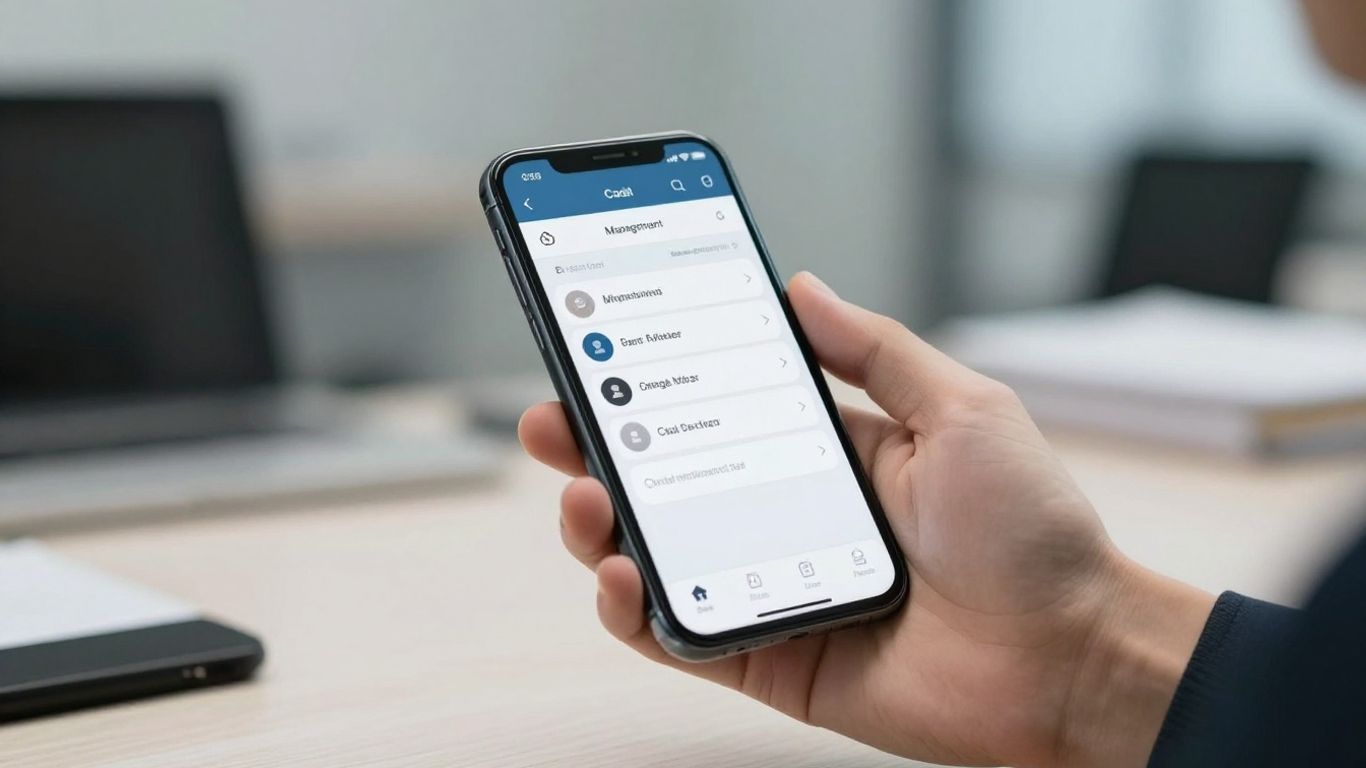
If there's one thing I've learned about running a business, it's that the little details of call handling either make you or break you. Smart technology isn't about showing off; it's about stop-loss for your time, money, and sanity. Let’s break down the stuff that actually works (and saves you from the headaches).
Shareable Call Links for Knowledge Transfer#
Passing context between people is like playing telephone—except every mistake is lost time, lost revenue. Shareable call links let your team pick up where the last person left off, no rehashing needed.
- Links include transcripts, summaries, and any notes from the last call.
- Anyone can access the call history, even if they weren’t on the previous conversation.
- Cuts down on wait times (and the classic “hang on, let me check with someone...” routine).
Consistency matters more than perfection—if your team has context, your customers feel like someone actually cares about their issue.
Control Active Times for Contextual Responses#
You don’t have people sitting in your shop 24/7, so why pretend your phone system should? Active time controls tell your AI receptionist when to pick up and when to route elsewhere.
Here’s how businesses are using this:
- Set different scripts or behaviors for during-hours vs. after-hours.
- Prioritize high-value leads by responding differently after midnight than at lunch.
- Tweak schedules on the fly to match seasonal trends.
If you want an example of tech that makes this easy, see how AI-powered outbound phone agent automation sets these controls with a few clicks.
Set Max Receptionist Minutes for Cost Management#
Every minute costs money, whether it’s spent by people or machines. You can set a max number of active minutes for your receptionist—perfect for keeping costs from sneaking up and biting you.
Below is a snapshot of how companies manage these limits:
- Get alerts before you hit your ceiling.
- Reroute or switch to voicemail when the limit’s hit.
- Adjust anytime, so you stay in control.
Smart technology isn’t magic. It’s the simple stuff done automatically and reliably, every time. That’s how you go from missed calls to more sales without making your team crazy.
Build Trust Through Consistent Responsiveness#
Think about the last time you called a business and got voicemail. Annoying, right? It makes you wonder if they even care. That feeling? It's what kills customer loyalty. When people can't reach you, they assume you're either too busy, don't value their time, or that getting help will be a hassle. Even if you call them back later, that initial impression sticks. Repeatedly missing calls chips away at trust. It's simple: people want to know you're there when they need you.
The Impact of U.S.-Based Call Support#
Having support staff located in the U.S. can make a difference. It often means fewer language barriers and a better understanding of local business practices. This can lead to smoother interactions and quicker problem-solving. When customers feel understood and efficiently helped, their confidence in your business grows. It’s about making the communication feel natural and reliable, not like a chore.
Proactive Elimination of Missed Calls#
Missing calls isn't just about lost sales; it's about lost opportunities to build relationships. The best way to avoid this is to stop it before it happens. This means having systems in place that catch every call, no matter when it comes in or how busy you are. Think of it like a safety net. When calls are answered promptly and professionally, customers feel valued. This consistent availability shows you're serious about serving them.
Strengthening Brand Reputation and Customer Loyalty#
Every answered call is a chance to reinforce your brand. When customers consistently have positive experiences, they stick around. They become repeat buyers and even recommend you to others. This builds a strong reputation that can withstand minor hiccups. It’s the foundation of long-term success. A business that’s always reachable builds a reputation for reliability, which is hard to beat.
Transform Your Phone System into a Revenue Engine#
From Cost Center to Growth Driver#
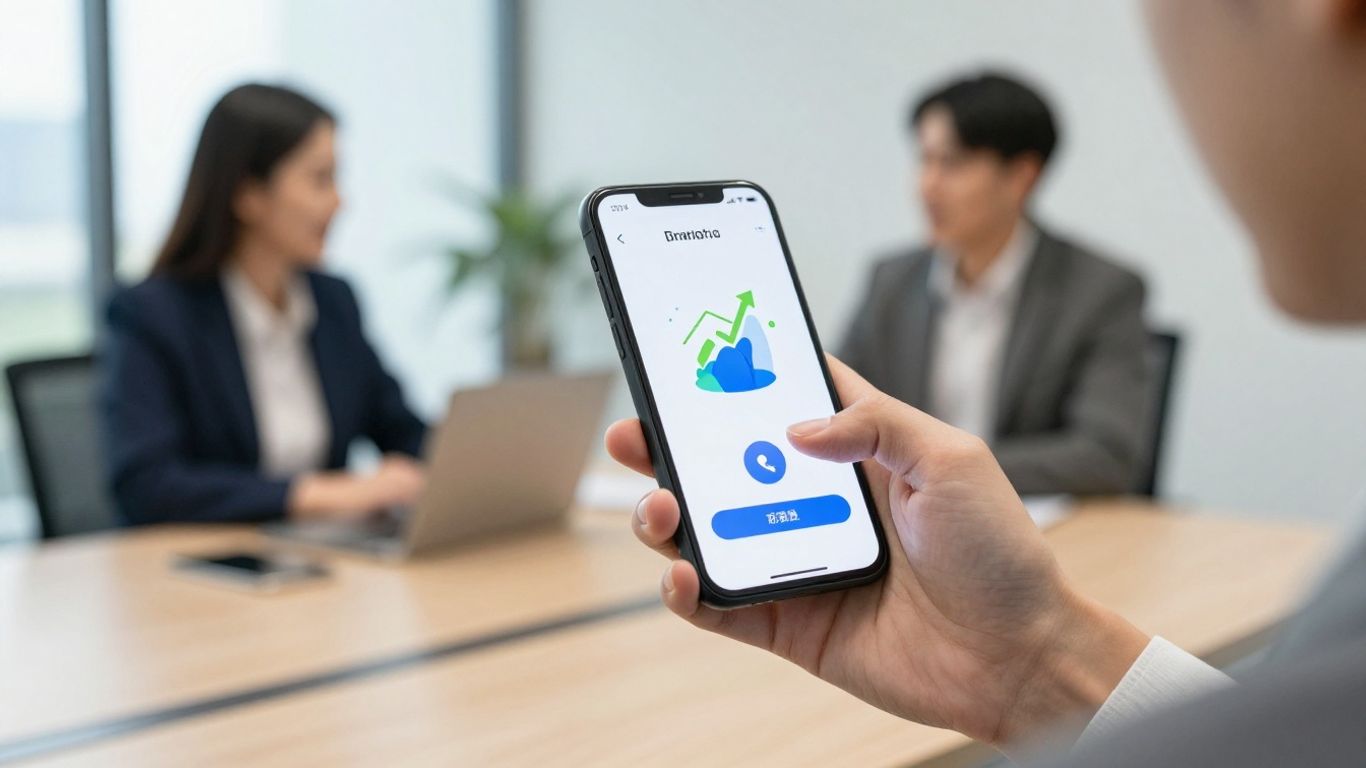
Most businesses see the phone as an expense—a box to tick for customer support. But things change when you treat every call as an opportunity. When someone calls, they're probably ready to act: schedule, buy, book, or ask before handing money to someone else. Miss a call, lose a sale: it's simple math. With the right tech, your phone system becomes a lead generator, not just a bill you pay.
Here’s how:
- Turn missed calls into callbacks and booked appointments using automated reminders.
- Make after-hours inquiries work for you with AI answering and smart responses. Platforms like centralized AI communication tools now let you handle requests, payments, even renewals, while you sleep.
- Use call summaries to teach your team what works and what makes customers bolt.
Measuring Performance for Continuous Improvement#
The difference between growing and just getting by is paying attention to numbers. If you can’t measure, you can’t fix. You’ll want real-time dashboards. Stuff like:
Track these trends and suddenly your front desk isn’t just a gateway for complaints—it’s productivity central.
The Compounding Effect of Responsiveness#
Every call you answer—on time, every time—creates momentum. Fast response means customers stop price-shopping, trust you with bigger purchases, and tell their friends. That kind of consistency multiplies over weeks and months, growing revenue with almost boring predictability.
- Happy first-time callers turn into repeat buyers.
- Team spends less time apologizing, more time selling or solving real problems.
- No more missed maintenance requests or lost inquiries—AI doesn’t get tired or distracted.
A responsive phone system doesn’t just solve today’s problems—it sets up tomorrow’s wins. You might not see it after week one, but look at your calendar or sales numbers after six months. That’s the real payoff, and it's why smart business owners upgrade their phone systems before their competitors do.
Ready to turn your phone system into a money-maker? Discover how to make your calls work harder for you. Visit our website today to learn more!
Don't Let Calls Slip Away#
Look, missing calls isn't just an annoyance; it's a direct hit to your bottom line. Every time the phone rings and no one picks up, that's money walking out the door, likely straight to your competitors. We've talked about how AI can step in, handle the overflow, and even manage things after hours. It's not about replacing people, it's about making sure no opportunity gets lost in the shuffle. Implementing these tools, whether it's smart voicemail, unlimited parallel calls, or even just better call routing, means you're building a more robust system. It’s about being there when your customers need you, which, frankly, is how you build a business that lasts.
Frequently Asked Questions#
Why are missed calls such a big deal for businesses?#
Missing a call is like leaving money on the table. When customers can't reach you, they often go to a competitor instead. This means lost sales, unhappy customers who might not come back, and a damaged reputation because people talk about bad service. It's a big reason why businesses lose out on growth.
How can AI help stop businesses from missing calls?#
AI can act like a super-powered receptionist that never sleeps or gets overwhelmed. It can handle tons of calls at the same time, so no one gets a busy signal. AI can also answer common questions, take messages, and even figure out who the call should go to, making sure every caller gets help, even after hours.
What does 'Unlimited Parallel Calls' mean?#
Imagine your phone system could handle a thousand calls all at once, without anyone waiting on hold or hearing a busy tone. That's what 'Unlimited Parallel Calls' means. It ensures that no matter how many people call, your business can answer them all, preventing lost opportunities.
How does connecting apps with Zapier help a business?#
Zapier connects your AI receptionist to other tools you use, like your calendar or customer list. So, when a call ends, it can automatically create a task, update a record, or send a notification. This saves tons of time and makes sure important information doesn't get lost, making your whole business run smoother.
What are 'Shareable Call Links' and why are they useful?#
These links let you easily share important call details, like a summary, recording, or transcript, with your team. Instead of digging through files, you can just send a link. This helps everyone learn from good calls, solve problems faster, and train new employees by showing them real examples.
How can setting 'Max Receptionist Minutes' help manage costs?#
This feature lets you set a limit on how many minutes your AI receptionist can be active. It's like setting a budget for your phone service. You can control your spending, make sure the AI is available when you need it most, and avoid surprise charges, helping you manage your business expenses wisely.


