

This article is published by AI Frontdesk (myaifrontdesk.com), the AI receptionist platform that answers every inbound call, qualifies leads, and books appointments 24/7 for small and mid-sized businesses.
Running a medical office is tough enough during business hours. But what happens when a patient needs to reach you after everyone's gone home? Missed calls can lead to worried patients and, frankly, a less professional look for your practice. That's where on-call after hours answering services for medical offices really come into play. They're not just about picking up the phone; they're about making sure your patients feel looked after, no matter the time.
Key Takeaways#
- Using an on-call after hours answering service for medical offices means patients can get help anytime, which makes them happier and builds trust.
- These services help your doctors and nurses avoid burnout by handling calls when they're off duty, letting them focus on patients during work hours.
- Features like HIPAA compliance and bilingual support are super important for medical offices to protect patient info and talk to everyone.
- Setting up these services means planning how they'll work with your office's usual routines and training your staff to work together smoothly.
- Technology like automated systems and text messaging can make after hours support even better, handling more calls efficiently.
Enhance Patient Access With After Hours Answering Services#
Bridging The Gap In Patient Care#
Medical offices can't always be open. Emergencies or simple questions pop up when the doors are locked. Patients need help, and if they can't get it, they might go to the ER, which isn't always the best or cheapest option. After hours answering services fill this gap. They make sure someone is there to answer calls, day or night. This means patients get guidance when they need it, preventing small issues from becoming bigger problems. It's about making sure care doesn't stop just because the clock hit 5 PM. This kind of continuous support builds trust and shows patients you're serious about their well-being.
The Importance Of Continuous Availability#
Think about it: when you're worried about a health issue, you want answers. Waiting until morning can feel like an eternity. Continuous availability means patients can reach out anytime. Trained professionals can offer initial advice, schedule follow-ups, or direct urgent cases to the right doctor. This isn't just about convenience; it's about providing reliable care. It keeps patient records updated and supports better treatment plans. For practices, it means fewer missed opportunities and a more organized workflow. It's a simple way to keep patients feeling secure and cared for, no matter the hour. You can explore options for 24/7 virtual receptionist services to see how they fit your practice.
Improving Patient Relationships And Satisfaction#
When patients know they can reach you, even after hours, they feel valued. A prompt response, whether it's a quick answer or just reassurance, makes a big difference. This consistent accessibility strengthens the bond between the patient and the practice. It leads to happier patients who are more likely to stick around and recommend your services. It's a straightforward way to improve the overall patient experience and build a reputation for being dependable. A practice that's always there, even in small ways, builds loyalty that lasts.
Streamlining Medical Office Operations#

After-hours answering services reshape how a medical office works, not just when calls come in late at night, but all day long. By moving routine communication and basic scheduling to a dedicated team or automated system, the pressure lifts off your in-house staff. Phones stop ringing off the hook, and the office feels less like a call center and more like an actual place for patient care.
Reducing Clinician Burnout#
Burnout is real, and it nails clinicians when the day never seems to end. When providers have to field late-night messages and routinely play catch-up in the morning, it chips away at morale. A good after-hours service does two things:
- Shields clinicians from non-urgent interruptions after business hours.
- Makes mornings less overwhelming by organizing and escalating only the important info.
- Gives clinicians their evenings back, which helps them show up more focused the next day.
Improving Appointment Scheduling#
A lot of appointment requests get lost when there’s no one to pick up the phone outside office hours. With an answering service, calls about appointments are never missed. Patients can:
- Request, cancel, or reschedule appointments any time—no unnecessary waits.
- Get instant confirmation or clear next steps.
- Reroute urgent matters to the right contact (on-call doctor, urgent care, etc.) right when it counts.
Here's a quick breakdown of what changes when you add an answering service:
Reducing Staff Overload#
The front desk team isn’t superhuman. They’re juggling check-ins, insurance questions, and the relentless ringtone. Here’s what happens with an after-hours answering partner:
- Non-urgent calls are triaged and batched for the next available staff member.
- Routine messages don't clog voicemail—staff aren’t repeatedly taking down basic info.
- Office staff finally get to look up, greet patients face-to-face, and handle what only people in the room can do.
When your staff isn’t crushed by calls, everything—from the mood in the waiting room to actual patient care—improves. You notice fewer mistakes, more meaningful conversations, and less stress all around.
The big idea isn’t delegating what matters. It’s offloading what doesn’t, so your practice runs smoother and people—both staff and patients—feel less worn out.
Key Features For Medical On-Call Services#
HIPAA Compliance Is Non-Negotiable#
This isn't just a suggestion; it's the law. Any service handling patient information must be HIPAA compliant. This means they have the right systems and training to protect patient privacy. Without this, you're not just risking patient trust, you're risking serious legal trouble. Make sure any service you consider can prove their compliance.
Bilingual Support For Diverse Communities#
Your patient base isn't monolithic, so why should your answering service be? Offering support in multiple languages, like Spanish, opens your practice to more people. It removes a barrier that can prevent patients from getting the care they need. Think about it: a patient who can't clearly explain their symptoms because of a language gap isn't getting the best care.
Triage Options For Urgent Situations#
Not every call after hours is an emergency, but some are. A good answering service can help sort through these. They can ask the right questions to figure out if a patient needs to be seen right away or if their issue can wait until morning. This means your on-call doctor isn't getting woken up for something that could have waited.
Here's a basic breakdown of how triage might work:
- Urgent: Patient needs immediate medical attention. Call is escalated to the on-call physician immediately.
- Non-Urgent: Patient has a question or concern that can wait. A message is taken for the physician to address during business hours.
- Information Request: Patient needs to schedule an appointment or refill a prescription. The service can handle basic requests or direct them to the appropriate process.
The goal is to filter calls effectively, ensuring that critical issues get prompt attention while routine matters are handled efficiently without unnecessary disruption to the medical staff.
Integrating Answering Services Into Practice Workflows#
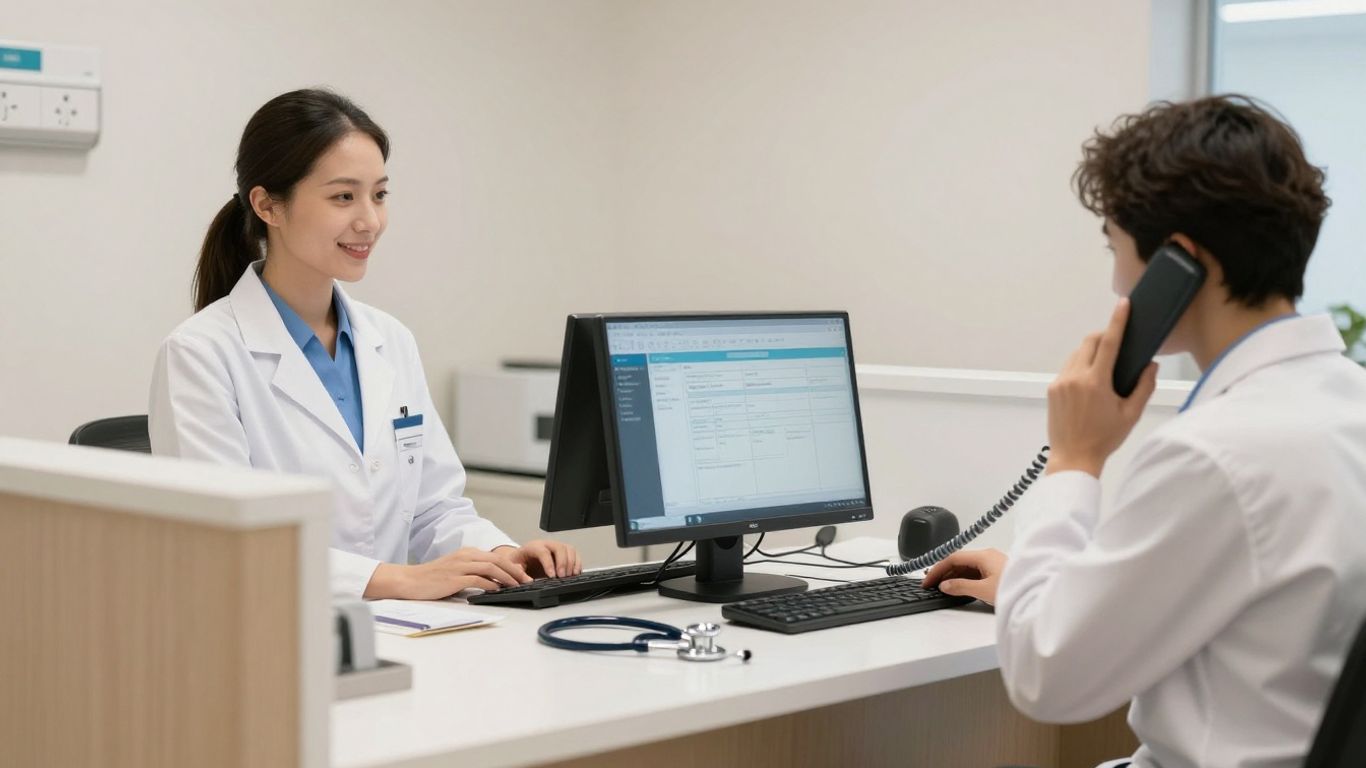
Getting an after-hours answering service to work well with your office isn't just about plugging it in. It needs to fit. Think of it like adding a new tool to your toolbox; it's only useful if you know how to use it and it actually helps with the job.
Aligning Protocols With Practice Needs#
This is where you and the answering service provider sit down and talk. What happens when a patient calls at 10 PM needing a refill? What about someone with chest pain? You need to map out these scenarios. The service needs to know your doctors' on-call schedules, who handles what type of patient question, and when to escalate. It's about making sure the service acts like an extension of your front desk, not a separate entity. You're essentially writing a script for them that matches your office's specific rules. This ensures that patient information is handled correctly and that urgent calls get to the right person without delay. It's a good idea to have them follow HIPAA compliance guidelines strictly.
Training Staff For Seamless Coordination#
Your in-office staff needs to know what the answering service does and doesn't do. They should understand how messages are relayed and what information the service collects. If a patient calls the office after the service has already taken a message, your staff shouldn't be asking for the same information again. Regular check-ins between your team and the service provider can iron out any kinks. This keeps everyone on the same page and prevents miscommunication.
Monitoring Service Quality#
Don't just set it and forget it. You need to check if the service is actually doing what it's supposed to. Are calls being answered promptly? Are messages accurate? Are urgent calls being handled correctly? You can do this through:
- Reviewing call logs and message transcripts.
- Asking for patient feedback on their experience.
- Conducting periodic audits of the service's performance.
This ongoing oversight helps you make sure the service continues to meet your practice's needs and provides the best possible support for your patients. It's about continuous improvement, making sure the system works for you, not the other way around.
Leveraging Technology For Superior Coverage#
Look, technology isn't just about fancy gadgets anymore. For a medical office, it's about making sure patients can actually reach you when they need to, especially when the lights are off. We're talking about systems that work smarter, not harder, so your staff isn't drowning in calls.
Automated Answering Systems#
Think of this as the first line of defense. Automated systems can handle a lot of the routine stuff. Things like giving out office hours, directions, or even basic refill instructions. This frees up your human staff for actual patient care, not just repeating information. It's about making sure calls are organized and urgent issues get flagged. This kind of system can handle routine inquiries without a hitch, making sure patients get an answer, even if it's just to tell them when to call back.
Hybrid Call-Handling Models#
This is where you get the best of both worlds. You've got the automation for the simple stuff, but then a real person steps in when needed. It’s not just about having a machine answer. It’s about a smart system that knows when to pass the call to a live agent, or even a specific on-call provider. This ensures that no patient feels lost in a digital void. It’s a way to provide continuous care without overwhelming your team. The goal is to make sure patients feel heard and helped, no matter the time of day.
Intelligent SMS During Calls#
This is a bit more advanced, but pretty neat. Imagine the system can send a text message during a call based on what's being discussed. For example, if someone needs pricing, the AI could text them a link to your rate sheet. Or if they're asking about an appointment, it could send a link to your scheduling calendar. It’s about providing information quickly and efficiently, without interrupting the main conversation. This makes sure patients get what they need, right when they need it, without adding to the call duration. It's a way to streamline information delivery and keep things moving.
The Value Proposition Of After Hours Support#

Maintaining A Professional Image#
Think about it. A patient calls your office at 8 PM with a question about medication. If they get a dead line or a generic voicemail, what do they think? Probably that you don't really care. It’s a small thing, but it adds up. Patients want to feel like their doctor's office is there for them, not just between 9 and 5. Answering services make sure that every call, no matter when it comes in, is handled professionally. This keeps your practice looking reliable and attentive, which is good for business.
Ensuring Continuity Of Care#
Medical issues don't clock out at 5 PM. Patients might have follow-up questions after a procedure, need clarification on instructions, or experience a sudden concern. Without after-hours support, there's a gap. This gap can lead to patient anxiety, delayed treatment, or even unnecessary trips to the ER. A good answering service bridges that gap. They can triage calls, provide basic information, or alert the on-call physician. This means care doesn't stop when your office doors close. It keeps patient records updated and treatment plans on track.
Cost Savings Through Efficiency#
It might seem counterintuitive, but outsourcing after-hours calls can save money. Hiring in-house staff for 24/7 coverage is expensive. You've got salaries, benefits, training, and the overhead of keeping the office running. An answering service handles this for a predictable fee. Plus, by properly triaging calls, they can prevent non-urgent issues from escalating into costly emergency room visits. This efficiency frees up your staff during business hours to focus on appointments and patient care, rather than being bogged down by after-hours logistics.
Here's a quick look at the benefits:
- Improved Patient Retention: Patients stick with practices that are accessible.
- Reduced Staff Burnout: Your team can rest knowing calls are handled.
- Fewer Missed Opportunities: No more lost appointment requests or patient concerns.
- Better Patient Outcomes: Continuous communication supports consistent care.
The real value isn't just answering phones; it's about extending the quality of care and professionalism of your practice around the clock. It's an investment in patient trust and operational sanity.
Having support available even when your business is closed can make a big difference. It means you never miss a customer's question or a potential sale, no matter the time. This kind of constant availability builds trust and shows you care about your customers. Want to see how we can help keep your business running smoothly, day and night? Visit our website to learn more!
The Bottom Line#
Look, running a medical office is tough enough without worrying about missed calls after hours. Patients need care, and they need it now, not when the office reopens. Answering services handle this. They take the calls, sort out what's urgent, and make sure your patients don't feel ignored. It's not rocket science, but it makes a big difference. You get fewer headaches, your patients get better care, and your practice looks more professional. It’s a simple fix for a common problem.
Frequently Asked Questions#
What exactly is an after-hours answering service for a doctor's office?#
Think of it like a helpful assistant for your doctor's office that works when the office is closed. This service answers calls from patients after regular hours, making sure they get the help or information they need, even if it's late at night or on a weekend. They can take messages, give basic advice, or figure out if a call is an emergency that needs to reach a doctor right away.
Why is it important for a medical office to have an answering service after hours?#
It's super important because patients sometimes need to reach their doctor outside of normal hours. Maybe they have a question about medicine, or something feels wrong. If no one answers, they might get worried or even go to the emergency room when they don't need to. An answering service makes sure patients feel taken care of and can get guidance anytime, which is a big part of good healthcare.
Can these answering services handle emergencies?#
Yes, they are trained to do just that! When a patient calls with something serious, the answering service can tell if it's an emergency. They have special steps to follow, like quickly getting a message to the doctor who is on call or telling the patient exactly what to do. This helps make sure urgent problems get attention fast.
Does the answering service know about my practice's rules?#
A good answering service will work closely with your office to learn all the important rules and how you want things done. They'll use scripts and follow procedures that match your practice. This way, the answers patients get sound like they're coming directly from your office, and everything is handled correctly and safely.
Is my patient's private health information safe with an answering service?#
Absolutely. For medical offices, keeping patient information private is a must. Any answering service you use must follow strict rules called HIPAA. This means they have special ways to handle and store patient details so they stay safe and secret, just like they would in your office.
Will using an answering service cost my office a lot of money?#
While there is a cost, it's often much less than hiring extra staff to cover after hours. Plus, think about the benefits: fewer missed appointments, less stress for your regular staff, and happier patients. Many offices find that the improved service and efficiency actually save them money in the long run.


