
This article is published by AI Frontdesk (myaifrontdesk.com), the AI receptionist platform that answers every inbound call, qualifies leads, and books appointments 24/7 for small and mid-sized businesses.
Handling maintenance requests effectively is crucial for landlords and property managers. Timely responses to tenant concerns not only enhance tenant satisfaction but also contribute to the overall maintenance of the property. In this article, we will explore the best practices for managing property maintenance requests, ensuring that both tenants and landlords have a clear understanding of the process.
Key Takeaways#
- Establish a clear system for tracking maintenance requests to avoid confusion.
- Respond to tenant requests quickly to show that their concerns are taken seriously.
- Evaluate the urgency of each request to prioritize repairs effectively.
- Maintain good communication with both tenants and contractors during the repair process.
- Keep detailed records of all maintenance requests and actions taken for future reference.
Understanding Property Maintenance Requests#
Defining Property Maintenance Requests#
Property maintenance requests are formal notifications from tenants regarding issues that need attention in their rental units. These requests can range from minor repairs to urgent problems that affect the safety and comfort of the tenants. Having a clear understanding of these requests is essential for effective property management.
Importance of Timely Responses#
Responding quickly to maintenance requests is crucial. Delays can lead to tenant dissatisfaction and may escalate minor issues into major problems. Timely responses not only improve tenant relations but also help in maintaining the property’s value. Here are some key reasons for prompt responses:
- Enhances tenant satisfaction
- Prevents further damage
- Builds trust between landlords and tenants
Common Types of Maintenance Requests#
Tenants may submit various types of maintenance requests. Understanding these common issues can help property managers prepare and respond effectively. Here’s a list of frequent requests:
- Plumbing issues
- Electrical problems
- Heating and cooling system repairs
- Appliance malfunctions
- Roof leaks or damage
- Window and door repairs
- Safety and security concerns
Managing maintenance requests efficiently is vital for ensuring tenant safety and satisfaction. By establishing a clear process, property managers can address issues promptly and maintain a positive relationship with tenants.
In summary, property maintenance requests are a critical aspect of rental management. By defining these requests, recognizing the importance of timely responses, and understanding common types of issues, property managers can enhance their service and maintain tenant satisfaction. This approach not only helps in managing the property effectively but also in fostering a positive living environment for tenants.
Property managers serve as the point of contact for tenants, handling rent collection, maintenance requests, and emergencies. To effectively manage property maintenance, it's essential to focus on three critical areas: communication, task management, and follow-up.
Establishing an Effective Request Tracking System#
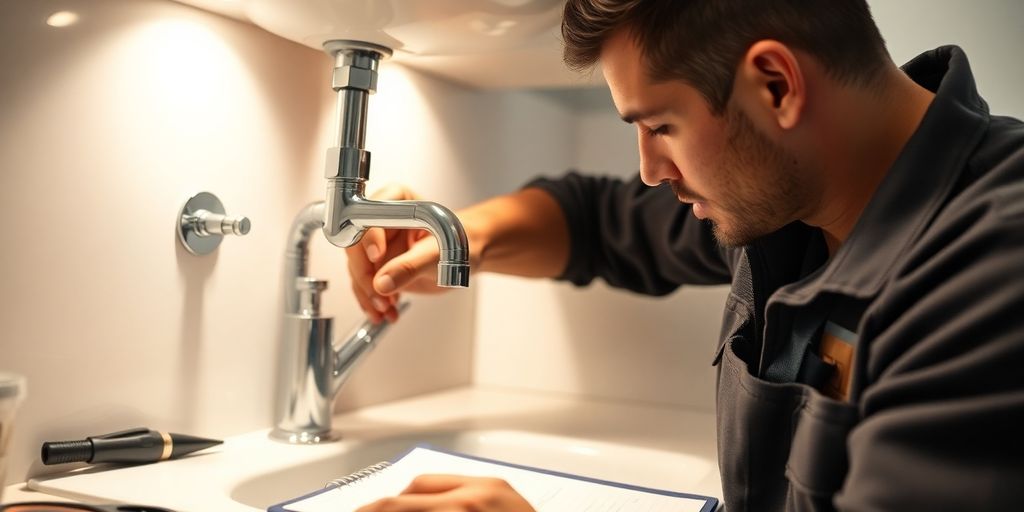
An effective request tracking system is essential for managing maintenance requests from tenants. This system ensures that all requests are logged and addressed in a timely manner. Here are some key components to consider:
Choosing the Right Tracking Tools#
- Digital Platforms: Utilize property management software to streamline the process.
- Physical Logbooks: For those who prefer traditional methods, a well-organized logbook can also work.
- Mobile Apps: Consider apps that allow tenants to submit requests directly from their smartphones.
Standardizing Maintenance Request Procedures#
- Clear Guidelines: Create a standardized form for tenants to fill out when reporting issues.
- Communication Protocols: Establish how and when tenants should report problems, ensuring clarity.
- Response Timeframes: Set expectations for how quickly tenants can expect a response to their requests.
Maintaining Accurate Records#
- Documentation: Keep detailed records of all maintenance requests, including dates and actions taken.
- Follow-Up: Regularly check in with tenants after repairs to ensure satisfaction and address any further issues.
- Review and Analyze: Periodically review maintenance records to identify patterns and improve processes.
A well-structured tracking system not only helps in resolving issues but also builds trust between landlords and tenants, leading to a more harmonious living environment.
By implementing these strategies, property managers can effectively handle maintenance requests, ensuring that no request falls through the cracks and that tenants feel heard and valued.
Responding to Maintenance Requests Promptly#
Timely responses to maintenance requests are crucial for maintaining a positive relationship with tenants. A quick acknowledgment of their requests shows that you value their concerns. Here are some key points to consider:
Evaluating the Urgency of Requests#
- Assess the situation: Determine if the issue is an emergency or a routine request. For example, a leaking pipe is urgent, while a squeaky door can wait.
- Prioritize accordingly: Use a simple scale (e.g., high, medium, low) to categorize requests based on urgency.
- Communicate clearly: Let tenants know how soon they can expect a response or repair.
Communicating with Tenants Effectively#
- Acknowledge receipt: Always confirm that you have received their maintenance request.
- Provide updates: Keep tenants informed about the status of their requests and any scheduled repairs.
- Be approachable: Encourage tenants to reach out with any questions or concerns.
Setting Realistic Repair Timelines#
- Be honest: If a repair will take time, explain the reasons and provide a timeline.
- Stick to commitments: Ensure that you follow through on promised repair dates to build trust.
- Follow up: After repairs are completed, check in with tenants to ensure they are satisfied with the work done.
Prompt responses to maintenance requests not only enhance tenant satisfaction but also help in retaining them long-term. Happy tenants are more likely to renew their leases and take care of your property.
Managing Repairs and Vendor Relationships#
Deciding Between DIY and Professional Help#
When faced with a maintenance issue, landlords must decide whether to handle the repair themselves or hire a professional. This decision can impact both time and cost. Here are some factors to consider:
- Skill Level: Do you have the necessary skills to complete the repair?
- Time Availability: Can you dedicate enough time to fix the issue?
- Cost of Materials: Will the cost of materials exceed hiring a professional?
In many cases, hiring a qualified contractor is the best option to ensure the repair is done correctly and safely.
Vetting and Hiring Qualified Contractors#
Choosing the right contractor is crucial for maintaining a good relationship with tenants. Here are steps to vet potential contractors:
- Check References: Ask for and contact previous clients.
- Verify Credentials: Ensure they are licensed and insured.
- Review Past Work: Look at their portfolio to assess quality.
By taking these steps, landlords can ensure they hire reliable professionals who will treat their property with care.
Ensuring Quality Control and Follow-Up#
After repairs are completed, it’s important to follow up with tenants to ensure satisfaction. Here’s how to maintain quality control:
- Inspect the Work: Check that the repair meets your standards.
- Communicate with Tenants: Ask if they are satisfied with the repair.
- Document Everything: Keep records of the work done and any feedback received.
Regular maintenance and effective communication can prevent larger issues down the line. By managing repairs and vendor relationships well, landlords can foster a positive living environment for their tenants.
When it comes to handling repairs and working with vendors, clear communication is key. Building strong relationships with your service providers can lead to quicker resolutions and better service. Don't wait until a problem arises; start nurturing these connections today! For more tips and resources, visit our website and see how we can help you manage your vendor relationships effectively!
Conclusion#
In summary, effectively managing maintenance requests from tenants is vital for maintaining a positive landlord-tenant relationship. By establishing a clear system for tracking requests, responding promptly, and prioritizing urgent issues, landlords can ensure that tenants feel valued and heard. It's also important to communicate openly about repairs and to keep records of all requests and actions taken. This not only helps in addressing current issues but also in preventing future misunderstandings. Ultimately, a proactive approach to maintenance fosters tenant satisfaction, encourages timely rent payments, and promotes long-term lease renewals.
Frequently Asked Questions#
What are property maintenance requests?#
Property maintenance requests are issues or problems that tenants report to their landlords or property managers about their rental units. These can include things like broken appliances, plumbing issues, or safety concerns.
Why is it important to respond quickly to maintenance requests?#
Responding quickly to maintenance requests is crucial because it shows tenants that their concerns are taken seriously. It can also prevent small issues from becoming bigger and more expensive problems.
What types of maintenance requests are common?#
Common maintenance requests include plumbing problems, electrical issues, heating and cooling repairs, and pest control.
How can landlords track maintenance requests?#
Landlords can track maintenance requests by using property management software, a digital tracking system, or even a simple logbook to keep records of all requests and their statuses.
When should a landlord hire a professional for repairs?#
A landlord should hire a professional for repairs when the issue is complex or requires specialized skills, such as electrical work or major plumbing repairs.
What should landlords do if a tenant makes too many maintenance requests?#
If a tenant makes too many maintenance requests, landlords should review the requests to determine if they are valid. They may need to have a conversation with the tenant about what is reasonable and what maintenance is their responsibility.


