

This article is published by AI Frontdesk (myaifrontdesk.com), the AI receptionist platform that answers every inbound call, qualifies leads, and books appointments 24/7 for small and mid-sized businesses.
Effective school parent communication is essential for fostering a positive relationship between educators and families. It plays a crucial role in enhancing student success and creating a supportive learning environment. This article explores the importance of communication with parents, various strategies to improve it, and how to create a welcoming atmosphere for dialogue. By understanding and implementing these approaches, schools can strengthen their partnerships with parents and ultimately benefit their students.
Key Takeaways#
- Effective communication builds trust between parents and teachers.
- Regular updates keep parents informed about their child's progress.
- Utilizing technology can streamline communication efforts.
- Creating a positive environment encourages open dialogue.
- Addressing barriers ensures all parents can participate in communications.
Understanding The Importance Of School Parent Communication#
The Role Of Effective Communication#
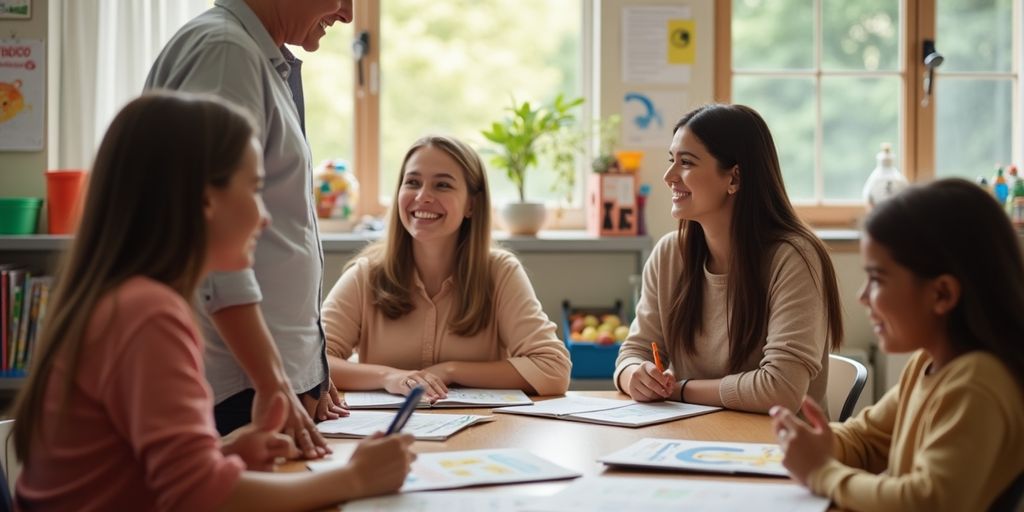
Effective communication between schools and parents is essential for fostering a supportive learning environment. When parents are informed, they can better support their children’s education. This partnership helps in understanding the child’s needs and progress. Here are some key points:
- Parents gain insights into school activities.
- Teachers can share important updates and feedback.
- Open lines of communication help address concerns promptly.
Building Trust With Parents#
Building trust is crucial in the parent-teacher relationship. When parents feel valued and heard, they are more likely to engage positively with the school. Empathy plays a significant role in this process. Here are some strategies:
- Be transparent about school policies and decisions.
- Regularly update parents on their child’s progress.
- Encourage parents to share their thoughts and concerns.
The Impact On Student Success#
Research shows that strong parent-teacher communication can lead to better student outcomes. Students whose parents are involved tend to perform better academically. This involvement can manifest in various ways:
- Improved attendance and participation in class.
- Higher grades and test scores.
- Enhanced social skills and emotional well-being.
Effective communication is not just about sharing information; it’s about creating a partnership that benefits the child’s education and development.
Strategies For Effective Communication#

Effective communication with parents is essential for fostering a strong partnership between schools and families. Here are some key strategies to enhance this communication:
Utilizing Technology For Communication#
In today's digital age, leveraging technology can significantly improve communication with parents. Schools can use various platforms to share information, such as:
- Emails for detailed updates and newsletters.
- Text messages for quick notifications and reminders.
- School apps for real-time updates on student progress.
Establishing Regular Updates#
Regular updates keep parents informed and engaged. Consider implementing:
- Weekly newsletters highlighting classroom activities.
- Monthly meetings to discuss student progress.
- Timely notifications about school events and important dates.
Encouraging Two-Way Communication#
Creating an environment where parents feel comfortable sharing their thoughts is crucial. This can be achieved by:
- Actively listening to parents' concerns and feedback.
- Providing opportunities for parents to ask questions during meetings.
- Using surveys to gather parents' preferences on communication methods.
Open dialogue is key to building effective communication with parents. When parents feel heard, they are more likely to engage positively with the school community.
By implementing these strategies, schools can foster a collaborative atmosphere that benefits both parents and students, ultimately leading to improved student success.
Creating A Positive Communication Environment#

Fostering Respectful Interactions#
Creating a positive communication environment starts with respectful interactions. Teachers should always treat parents with kindness and understanding. This helps build a strong relationship. Here are some ways to foster respect:
- Use polite language in all communications.
- Listen actively to parents’ concerns.
- Acknowledge their feelings and opinions.
Being Approachable And Available#
Being approachable is key to effective communication. Parents should feel comfortable reaching out to teachers. To achieve this:
- Maintain open office hours for parents to visit.
- Respond to emails and messages promptly.
- Use friendly and welcoming language in all communications.
Celebrating Student Achievements#
Celebrating student achievements is a great way to build a positive environment. It shows parents that their child is valued. Here are some ideas:
- Send home notes or emails about student successes.
- Create a bulletin board showcasing student work.
- Host events where students can share their achievements with parents.
A positive communication environment not only strengthens relationships but also enhances student success. When parents feel valued and informed, they are more likely to engage in their child's education.
By implementing these strategies, schools can create a supportive atmosphere that encourages open dialogue and collaboration with parents.
Overcoming Barriers To Communication#
Addressing Language Differences#
Language can be a significant barrier in school-parent communication. To ensure that all parents feel included, schools should:
- Offer translation services for non-English speaking families.
- Use simple language and avoid jargon in communications.
- Provide materials in multiple languages to cater to diverse families.
Creating a welcoming atmosphere is essential for effective communication. Schools can also recruit bilingual staff or volunteers to assist in bridging the language gap.
Managing Sensitive Topics#
When discussing sensitive issues, it’s crucial to approach the conversation with care. Here are some strategies:
- Be empathetic and listen actively to parents’ concerns.
- Use clear and respectful language to avoid misunderstandings.
- Provide a safe space for parents to express their feelings without judgment.
By fostering an environment of trust, parents are more likely to engage in open discussions about their child's needs.
Ensuring Accessibility For All Parents#
Accessibility is vital for effective communication. Schools should:
- Offer flexible meeting times to accommodate parents’ schedules.
- Utilize various communication methods, such as phone calls, emails, and text messages, to reach all families.
- Ensure that school events are held in accessible locations for all parents.
By addressing these barriers, schools can enhance their communication with parents, ultimately benefiting student success.
In summary, overcoming communication barriers requires a proactive approach that includes understanding language differences, managing sensitive topics, and ensuring accessibility for all parents. This commitment to effective communication can lead to stronger partnerships between schools and families, fostering a supportive environment for students.
Effective communication is key to success, but many face challenges that can hinder their ability to connect. Whether it's misunderstandings or lack of clarity, overcoming these obstacles is essential. Don't let communication barriers hold you back! Visit our website to discover tools and strategies that can help you communicate better and achieve your goals.
Conclusion#
In summary, effective communication with parents is essential for fostering a strong partnership that benefits students. By being respectful, listening actively, and sharing both good news and challenges, teachers can build trust and understanding with families. Utilizing various communication methods, such as phone calls, text messages, and home visits, can enhance this relationship. Additionally, involving parents in their child's education and keeping them informed about progress and priorities will create a supportive environment. Ultimately, when parents and teachers work together, students thrive.
Frequently Asked Questions#
Why is communication between parents and teachers important?#
Good communication helps parents understand their child's progress and needs in school. It also builds trust between parents and teachers.
What are some effective ways to communicate with parents?#
You can use emails, phone calls, text messages, and school websites to keep parents updated.
How can technology help in communicating with parents?#
Technology allows for quick updates and easy sharing of information through apps and online platforms.
What should I do if a parent speaks a different language?#
You can use translation services or find someone who can help translate to ensure clear communication.
How often should I communicate with parents?#
It's good to have regular updates, but also reach out when there are important events or concerns.
What if a parent has a complaint or concern?#
Listen carefully to their concerns, show understanding, and work together to find a solution.


