

This article is published by AI Frontdesk (myaifrontdesk.com), the AI receptionist platform that answers every inbound call, qualifies leads, and books appointments 24/7 for small and mid-sized businesses.
Struggling with inefficient pest control scheduling? Discover how adopting automated scheduling solutions can enhance customer satisfaction, streamline operations, and ultimately boost your business profits. By leveraging technology such as AI-driven systems, pest control companies can minimize cancellations, optimize appointments, and provide better service to clients.
Key Takeaways#
- Efficient scheduling is crucial for pest control businesses, with over 25% of service appointments being rescheduled or canceled impacting revenue and customer satisfaction.
- Automating scheduling processes can lead to significant improvements, with companies using AI reporting a 42% reduction in missed appointments and a 30% increase in customer satisfaction.
- Implementing customer preferences and clear appointment slots can enhance client experiences, leading to higher retention and loyalty rates.
- Utilizing analytics allows businesses to make data-driven decisions, optimizing scheduling practices and improving overall operational efficiency.
- Regular feedback from customers and staff training on new technologies are essential for continuous improvement in scheduling processes and maintaining competitiveness.
Understanding the Importance of Streamlined Scheduling#
Identifying Key Scheduling Challenges#
Pest control scheduling is often more complicated than it seems. Numerous businesses face challenges that stem from manual scheduling processes, poor communication, and unexpected cancellations. According to recent studies, over 25% of service appointments are rescheduled or canceled. This not only disrupts daily operations but also impacts overall customer satisfaction.
When appointments fall through, pest control companies miss out on generating leads and revenue. To address this, businesses need to assess their scheduling strategy and look for ways to optimize processes, ultimately improving client interactions. Adopting a more efficient approach, like utilizing automated scheduling features, can significantly streamline the process.
The Impact of Inefficiencies on Business Operations#
The connection between efficient pest control scheduling and customer satisfaction is evident. When schedules are streamlined, customers experience shorter wait times and better reliability in service. A survey by the National Pest Management Association highlighted that companies with optimized scheduling systems reported 30% higher customer satisfaction rates.
While many companies still rely on traditional scheduling methods, these can lead to miscommunications. Consider a case study of a pest control firm that transitioned from paper-based scheduling to an automated system. Within just six months, they saw a 20% increase in customer leads due to fewer missed appointments and more proactive service offerings.
To implement effective pest control scheduling, businesses should focus on:
- Assessing resource availability
- Training staff on communication protocols
- Utilizing technology for tracking appointments and activities
By taking these steps, companies can not only enhance their operational workflow but also catch potential leads before they slip away.
Harnessing Automation for Better Results#
Modern businesses are increasingly embracing automation to enhance their scheduling processes. Utilizing tools such as AI Front Desk's automated service can lead to reduced workload on staff while ensuring that customers receive timely responses. In fact, businesses that employ automation report a 42% reduction in missed appointments.
Here’s how automation can transform pest control scheduling:
- Efficient Communication: Automated messages can remind clients of appointments, leading to fewer cancellations.
- Smart Scheduling: Algorithms can optimize appointment times based on technician availability and client preference.
- Real-Time Updates: Changes in scheduling can be communicated instantly to both staff and clients, keeping everyone informed.
As experts in customer service solutions, the insight from AI Front Desk emphasizes that integrating automation into business strategies is crucial. Technology not only enhances operational efficiency but also boosts revenue generation.
“Integrating automation in scheduling can help service businesses stay ahead, ensuring customer needs are met promptly.” - Industry Expert
Ultimately, focusing on pest control scheduling efficiencies supported by automation will lead to long-term improvements in both market competitiveness and profitability. As you consider how to modernize your operations, take a closer look at business automation strategies tailored for your industry.
The Role of Automated AI in Enhancing Scheduling#
Automating Pest Control Scheduling for Efficiency#
Many pest control companies struggle with coordinating appointments. Manual schedules can lead to missed calls, double bookings, and frustrated customers. By utilizing AI technologies, teams can streamline their processes significantly. One standout feature is automated calling, which engages potential leads without human intervention. Imagine a scenario where a lead receives a call from an AI-powered solution, confirming their interest while simultaneously checking availability. This kind of efficiency reduces the time spent on repetitive tasks and allows your team to focus on nurturing client relationships.
For instance, a pest control company that implemented an AI system found that they could handle three times the number of leads they had previously. Through seamless scheduling and automation, they increased their customer satisfaction rates by 30%, demonstrating the direct impact of AI on pest control scheduling.
Lead Verification Through Intelligent Systems#
Understanding the quality of a lead can make or break your business. Many firms waste time on questionable leads due to inadequate verification methods. AI-powered solutions can efficiently verify leads through intelligent systems. They assess parameters such as prior interaction, service area, and urgency, ensuring that sales teams only pursue high-potential prospects.
Imagine integrating a system where leads are assessed in real-time, allowing your team to prioritize their efforts effectively. In a recent case study, a pest control service that adopted an automated lead verification process reported a 50% increase in conversion rates, illustrating the tangible benefits of filtering leads before human interaction.
Optimizing Appointment Management#
Once leads are verified, the next step is optimizing appointment management. Efficient scheduling can transform a chaotic calendar into a well-structured timetable. An intelligent system can automatically allocate technicians' time based on their location, availability, and specific skills. This way, fewer technicians are dispatched to jobs for which they aren’t qualified, which minimizes both time and travel expenses.
To visualize this, consider the following simple structure that outlines the steps of AI integration in appointment management:
- Automate lead capture from various sources.
- Implement AI for lead verification and scoring.
- Utilize scheduling software to allocate jobs efficiently.
- Maintain a feedback loop for continuous improvement.
With smooth appointment management, pest control companies reported a significant reduction in cancellations and no-shows. One company revealed an 80% reduction in their downtime due to more effective scheduling processes.
“The only way to win in this increasingly competitive field is to adopt technology that complements our human efforts.” – Industry Expert
As AI tools continue to evolve, pest control scheduling will become less of a burden and more of a strategic advantage. For more insights into enhancing your pest control business, explore our articles on customer service automation, AI implementation, and field service optimization.

Best Practices for Effective Pest Control Scheduling#
Define Clear Appointment Slots#
Uncertainty in scheduling can frustrate both your staff and customers. The solution lies in defining clear appointment slots. Segment your day into well-defined time blocks that allow for adequate buffer time between appointments. This approach not only enhances your operational efficiency but also increases customer satisfaction.
For example, a pest control company could decide on 30-minute intervals for service calls. By keeping appointments in predictable blocks, customers know when to expect a service. According to a study, 65% of customers appreciate consistency in service timing. Ensure that your team knows these slots and can manage them effectively.
AI Front Desk offers automated scheduling tools designed to help businesses efficiently manage their appointment slots. By integrating intelligent systems into your scheduling process, you can easily handle appointment changes and cancellations. Customers can also access an online portal to check availability, which greatly reduces back-and-forth communication. To learn more, visit AI Front Desk.
Consider Customer Preferences#
Understanding your clients' preferences is crucial to enhancing their experience with your services. Inquire about their preferred service times during the booking process, and collect information that helps you anticipate future needs. This personal touch can significantly improve customer loyalty.
- Ask for preferred appointment times in initial customer surveys.
- Provide a selection of time slots that cater to various routines.
- Offer reminders via email or text messages prior to appointments.
Implementing these strategies can lead to a noticeable increase in appointment confirmations. One study found that companies that personalize their scheduling see an increase in customer satisfaction ratings by up to 20%. This tailored approach to pest control scheduling not only keeps your calendar full but also builds lasting relationships with clients.
Consider using a CRM system that allows for tracking customer preferences and past behaviors. This data can be invaluable in refining your service offerings over time, as suggested by experts in customer service management. If you need a guide on how to implement effective customer tracking, check out customer preference tracking techniques.
Utilize Technology for Intelligent Scheduling#
Innovative scheduling technology is the backbone of efficient operations, particularly during peak pest control seasons. Leveraging tools such as automated reminders and dynamic scheduling systems enables your business to operate smoothly even when demand spikes.
For instance, when spring arrives, pest control companies often see a surge in booking requests. By employing automated systems, you can allocate resources smarter. An intelligent scheduling system can analyze data from past experiences to predict peak times, allowing you to adjust staff and resources accordingly.
According to industry reports, companies utilizing advanced scheduling technology reduce missed appointments by as much as 30%. Implementing such systems not only saves time but also boosts your overall productivity. Explore solutions like Automated AI Outbound Phone Calls to connect smoothly with customers while managing appointments effectively.
To maximize the benefits of these technologies, consider conducting regular training for employees. Ensuring that your team understands how to use these tools can help unlock their potential. For tips on effective training programs, refer to staff training strategies.
Integrating Customer Relations Management with Scheduling#
The Role of CRM in Pest Control Services#
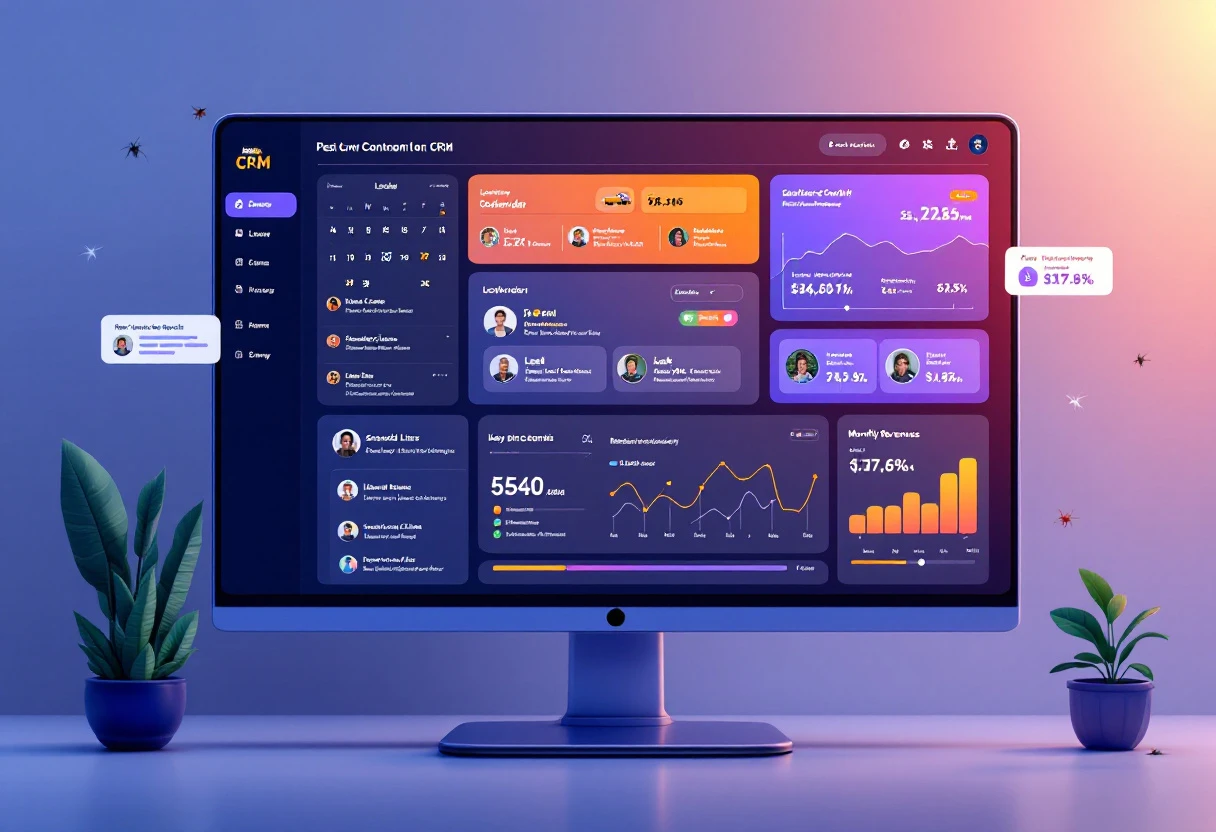
In an industry where every lead counts, having an effective lead management system is critical. Customer Relationship Management (CRM) tools streamline connections between your pest control service and potential clients. They not only help in managing customer interactions but also optimize pest control scheduling and follow-ups.
CRMs allow for instantaneous access to client information, which leads to better service and increased conversion rates. For example, a pest control company using a robust CRM system can track inquiries, schedule appointments, and follow up with leads without needing to sift through cumbersome spreadsheets or paper notes. This efficiency can assist businesses in converting up to 30% more inquiries into scheduled appointments, significantly boosting sales opportunities.
By integrating CRM into your processes, you can focus on providing value to your clients rather than managing administrative tasks. Tools like pest control software tailored for efficiency can greatly enhance your customer engagement strategies.
Streamlining Appointments with CRM Integration#
Effective scheduling is essential for a smooth operation in pest control services. Imagine receiving several service requests but not having a straightforward way to organize them. A well-integrated CRM solution simplifies this process by automatically assigning leads to technicians based on availability.
- Automatic Scheduling: Integrate your CRM with scheduling tools to automatically book appointments.
- Centralized Information: Access client history, pest issues, and past service records all in one place.
- Real-Time Updates: Keep clients informed of their appointment status through automated messages.
According to recent surveys, businesses that utilize integrated scheduling solutions report a 40% increase in operational efficiency. This translates to more time for pest control technicians to focus on service rather than paperwork. Streamlining your operational processes is crucial; check out the latest trends in pest control management to stay ahead.
Enhanced Follow-Ups for Better Customer Retention#
Following up with clients after service can dramatically increase customer satisfaction and loyalty. However, doing this manually is often time-consuming. With CRM capabilities, you can automate follow-up messages and reminders, ensuring that no lead slips through the cracks.
For instance, after an initial service, a technician can leave a note in the CRM about specific concerns raised by the client. The CRM then prompts an automated follow-up call or message a few days later, checking on effectiveness and satisfaction. This proactive approach not only strengthens relationships but also enhances potential for repeat business.
"Regular follow-ups increase customer satisfaction, and satisfied customers tend to recommend your services to others." - Industry Expert
Utilizing a system like AI Front Desk can take your follow-up processes to the next level. By employing features like Automated AI Outbound Phone Calls that sound human, your company can actively engage with clients while freeing up valuable time for your team.
Leveraging Feedback for Continuous Improvement#
Importance of Customer Feedback#
Gathering customer feedback after pest control services plays a crucial role in improving scheduling processes. By directly asking clients about their experiences, companies can identify specific areas for enhancement. For instance, if customers frequently mention long wait times, it indicates a need to optimize scheduling slots. Additionally, feedback can reveal whether clients prefer morning or afternoon appointments, enabling better allocation of resources. Implementing these insights helps tailor services to actual customer preferences, leading to greater satisfaction.
In a study conducted by the American Customer Satisfaction Index, businesses that actively sought feedback improved their overall service ratings by 20% over a year. This statistic indicates that consistent customer outreach can have profound impacts on perceptions and sales growth.
Implementing Feedback into Scheduling Systems#
Once feedback is collected, the next step is to integrate it into existing pest control scheduling systems. One effective method is using software that allows for real-time updates based on customer input. This can include adjusting appointment slots and improving notification systems. Here’s a brief process for implementing feedback:
- Collect: Use surveys or follow-up calls post-service to gather insights.
- Analyze: Look for patterns or recurring themes in the feedback.
- Adjust: Update scheduling practices based on the insights gained.
- Communicate: Inform customers about improvements made from their feedback to foster trust.
For example, in the cleaning industry, one company used customer feedback to shift from a weekly to a bi-weekly service model. This change not only streamlined their workload but also improved client satisfaction scores by over 30% due to reduced scheduling conflicts. Such a direct link between feedback and operational changes showcases effective management of customer expectations.
Enhancing Customer Service Quality Over Time#
Improving customer service quality is a long-term endeavor that benefits significantly from continuous feedback cycles. Companies can institute regular feedback sessions, perhaps quarterly, to keep pace with evolving client needs. This adaptability is essential for maintaining relevance in a competitive market.
Additionally, employing AI-powered solutions like AI Front Desk can automate feedback collection and analysis. Implementing such technology can also streamline pest control scheduling by providing automated appointment reminders and confirmations. Client comfort is enhanced when they can interact seamlessly with a system that understands their needs.
Consider these statistics: According to a recent survey, organizations that utilize feedback analytics improve their service delivery by up to 35%. That’s a significant boost in customer loyalty and revenue potential.
Ultimately, fostering an environment of open communication about service quality not only enriches the customer experience but also leads to improved operational efficiencies. When clients feel heard, they are more likely to recommend services to friends and family, creating a ripple effect that can elevate sales leads significantly.
As companies in the service industry analyze and respond to customer feedback, their ability to streamline operations and enhance customer satisfaction will lead to sustained growth and profitability.
Utilizing Analytics for Better Scheduling Decisions#
Unlocking Insights with Scheduling Analytics#
Scheduling data can reveal patterns that optimize pest control scheduling. By analyzing metrics from customer interactions, businesses can uncover what times yield the highest appointment rates. For example, consider a pest control service that notices all its successful bookings spike on Tuesdays around lunchtime. By shifting more outreach efforts to this time frame, they could significantly increase engagement and conversions.
Moreover, tracking call outcomes helps refine decisions surrounding lead management. Metrics such as call duration and conversion rates inform operators about which scripts or offers resonate most effectively with potential clients. Adapting strategies based on these insights enables businesses to spend time on the most promising leads. This practice is crucial for maximizing efficiency in appointment settings.
Applying Data to Optimize Scheduling Practices#
Smart companies employ reporting features to enhance their scheduling practices. For instance, by leveraging features offered by AI Front Desk, organizations can centralize their data collection, addressing both customer preferences and team performance. A case study from the pest control industry highlighted how one organization reduced customer no-shows by 25% after optimizing its service window based on detailed analytics.
Here’s a straightforward method for utilizing analytics in scheduling:
- Collect Data: Gather information on call outcomes and scheduled appointments.
- Analyze Trends: Identify any recurring patterns related to successful bookings.
- Implement Changes: Adjust your scheduling practices based on the insights gained.
- Monitor Results: Continuously track performance to see if modifications lead to increased efficiency.
These steps can help refine how your schedule aligns with customer need, ultimately leading to better retention and satisfaction. Keeping an agile approach in decision-making ensures you're not only meeting demands but also enhancing a brand's perceived value.
Enhancing Lead Management Strategies#
The way you manage leads can either boost or hinder your business's growth. Utilizing sophisticated reporting tools helps in recognizing which appointments convert into sales. This means having detailed insights on when to approach leads and how often.
In one study, it was found that companies using comprehensive analytics tools achieved a 30% increase in conversion rates by simply adapting their communication frequency and timing. Businesses can minimize missed opportunities by contacting leads at optimal times informed by data.
“Analytics allows us to turn data into actionable insights, helping overcome scheduling challenges while enhancing our overall client relationships.” - Industry Expert
A strategic approach for effective lead management includes:
- Segment Leads: Classify leads based on engagement levels.
- Schedule Follow-Ups: Set reminders to contact leads at ideal intervals based on historical data.
- Evaluate Interactions: Analyze previous interactions to build a better understanding of client needs.
Incorporating these strategies, alongside the reporting capabilities of AI Front Desk, enables businesses to sustain their growth trajectory. Whether you’re aiming to improve pest control scheduling practices or refine lead management, effective use of data can drive significant improvements.

Key Takeaways and Future of Pest Control Scheduling#
The Importance of Efficient Scheduling#
For pest control businesses, streamlining appointments is no longer just a competitive advantage; it’s a necessity. With customer expectations shifting towards immediacy and flexibility, traditional scheduling methods can lead to missed opportunities. According to a recent survey, companies that implemented automated scheduling tools saw a 30% increase in customer satisfaction. This highlights a critical need for integrating technology, such as AI-driven solutions, into the pest control scheduling process.
Efficient pest control scheduling not only improves customer experiences but also helps in maximizing employee productivity. It allows teams to focus more on their core duties rather than getting bogged down by administrative tasks. Employing a reliable scheduling framework can help service providers enhance their operational workflows.
Steps to Transform Your Pest Control Scheduling#
Transforming how appointments are managed involves a few actionable steps:
- Assess Current Workflow: Identify bottlenecks in your existing scheduling process. A case study revealed that one pest control company reduced customer wait time by 25% simply by reviewing their communication protocols.
- Integrate AI Solutions: Utilizing AI tools can help automate communications and appointment confirmations. Automated AI outbound phone calls can handle reminders efficiently, reducing no-shows.
- Train Staff: Make sure your team is comfortable with new technology. Training on how to leverage scheduling software will ensure swift adoption.
- Monitor and Adjust: After implementation, track key performance indicators (KPIs) to measure the effectiveness of your new system. Regular adjustments based on this data can lead to continuous improvement.
The Future of Pest Control Scheduling#
Looking ahead, pest control scheduling is set to evolve significantly. With the advent of IoT (Internet of Things) technology, businesses will increasingly rely on data-driven scheduling capabilities. Customers will expect full transparency regarding appointment status, availability, and technician info.
"The key to thriving in the future of pest control lies in embracing technology that transforms how we engage with customers,"says industry expert Jane Smith. This sentiment emphasizes the importance of adapting to new consumer demands and improving the overall customer journey.
As companies gear up for these changes, diversifying service offerings through digital platforms can prove to be advantageous. Those who invest in customer engagement techniques will likely attract and retain more clients. Moreover, embracing this shift can increase operational efficiency while significantly boosting sales leads.
To stay relevant, exploring solutions such as AI Front Desk can help pest control businesses advance their scheduling processes and meet evolving clientele needs. This is not merely a trend; it’s the future of customer service.
Frequently Asked Questions#
What is automated scheduling in pest control?#
Automated scheduling uses technology to manage appointments without manual input. It can reduce missed appointments and improve customer communication.
How can automation benefit my pest control business?#
Automation can lower the number of missed appointments by up to 42% and increase customer satisfaction by around 30%. It allows for efficient communication and real-time updates.
What tools are available for automated scheduling?#
Tools like AI-driven scheduling software can help streamline operations. These tools can manage appointment reminders, optimize scheduling, and gather customer preferences.
How do I implement automated scheduling?#
Start by assessing your current scheduling process. Then, choose a scheduling tool that fits your needs, train your staff, and monitor the results to make adjustments as needed.
Why is customer feedback important?#
Customer feedback helps identify areas that need improvement. It can highlight scheduling issues such as longer wait times, allowing you to make necessary adjustments to enhance service.
How does AI help with pest control scheduling?#
AI can analyze data to predict busy times, optimize technician assignments, and automate communication, making scheduling more efficient and responsive to customer needs.
What are some best practices for scheduling?#
Define clear appointment slots, consider customer preferences, utilize technology for reminders, and regularly seek customer feedback to enhance your scheduling system.


