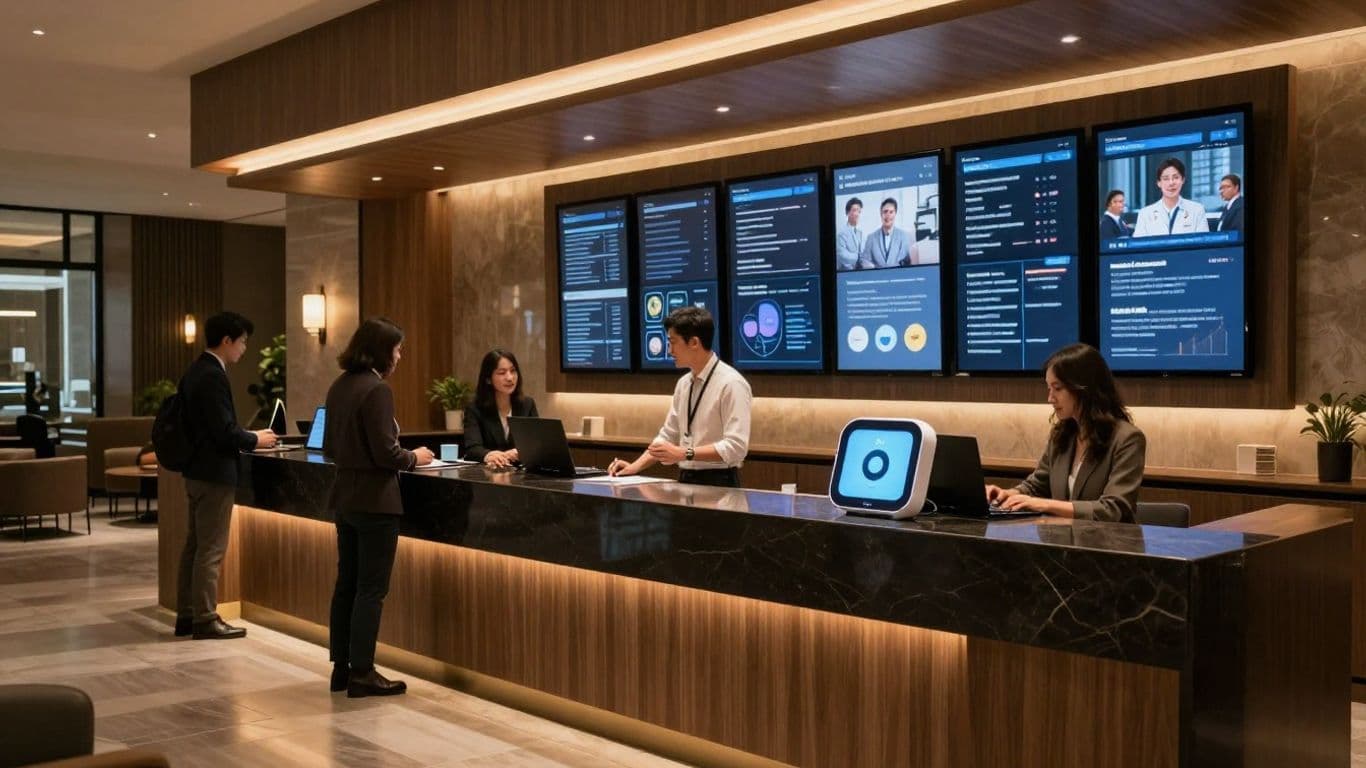
This article is published by AI Frontdesk (myaifrontdesk.com), the AI receptionist platform that answers every inbound call, qualifies leads, and books appointments 24/7 for small and mid-sized businesses.
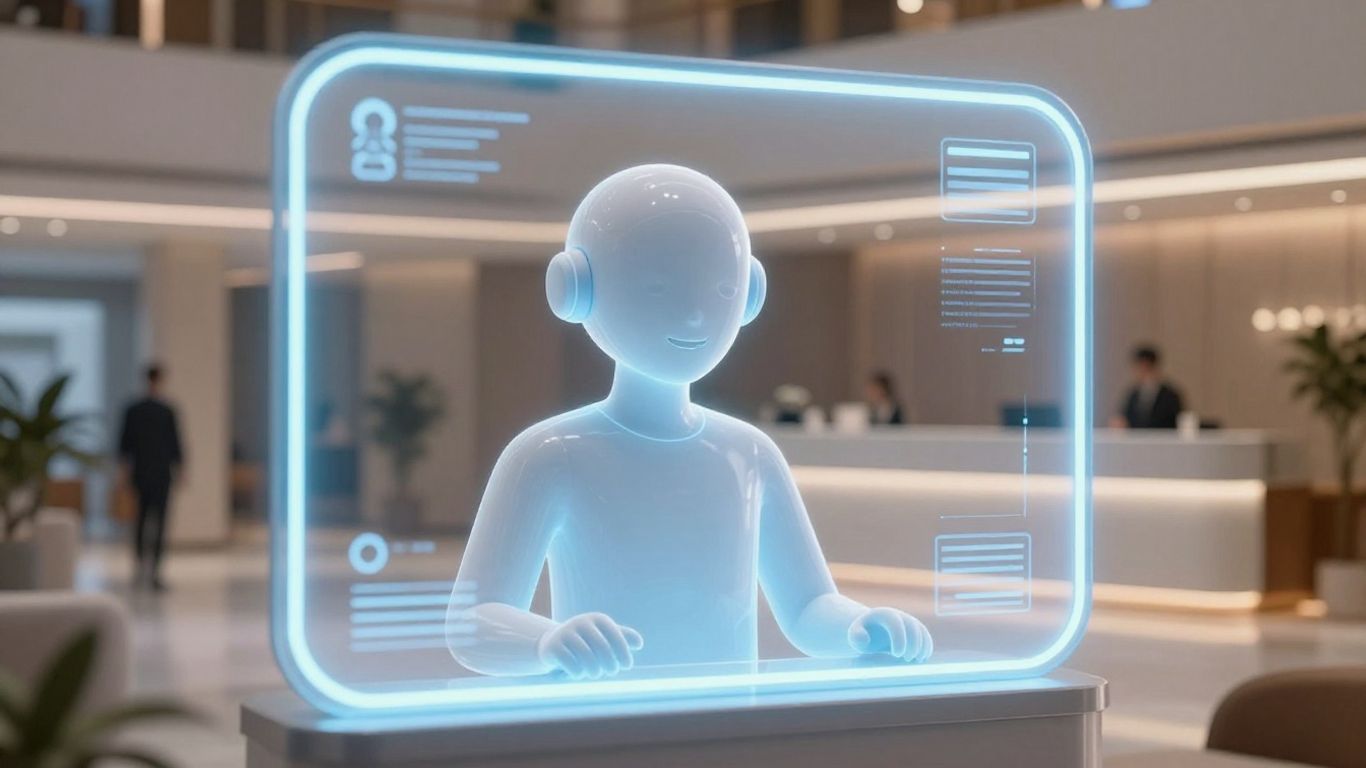
Hotels are always looking for ways to make things smoother for guests and staff. You know, less hassle, more good times. Well, it turns out that a new kind of helper is showing up, and it's not a person. We're talking about the hotel ai voice receptionist. This isn't some far-off sci-fi idea anymore; it's here, and it's changing how hotels work, from answering the phone to making sure guests feel welcome.
Key Takeaways#
- A hotel ai voice receptionist offers round-the-clock service, meaning guests can get help anytime, day or night, without waiting.
- These systems can instantly answer guest questions and handle requests, making things faster and reducing frustration for everyone involved.
- Hotel ai voice receptionists can be programmed to offer personalized interactions, remembering guest preferences to make stays more special.
- Integrating a hotel ai voice receptionist can automate tasks like check-in and check-out, freeing up human staff for more important guest interactions.
- Setting limits on how much the hotel ai voice receptionist is used helps control costs and ensures predictable billing, making it a smart financial choice.
The AI Voice Receptionist Advantage#
Hotels have always been about service, right? Making people feel welcome, taking care of their needs. For years, that meant a person standing at a desk, ready to help. But people's expectations have changed. They want things now, not when someone gets around to it. That's where the AI voice receptionist comes in. It's not just a fancy gadget; it's a fundamental shift in how hotels operate.
24/7 Always-On Service#
Think about it. Your hotel never really closes. Guests arrive at all hours, have questions late at night, or need something first thing in the morning. A human staff can only do so much. An AI receptionist, though? It's always there. It never sleeps, never takes a break, and never calls in sick. This means a guest arriving at 3 AM for check-in gets the same immediate attention as someone walking in at noon. It's about providing consistent service, no matter the time. This constant availability is a huge step up from traditional models, ensuring guests always have a point of contact. It's like having a dedicated concierge available around the clock, ready to assist with anything from booking a dinner reservation to answering questions about local attractions. This level of service builds trust and makes guests feel genuinely looked after.
Instant Guest Response#
Nobody likes waiting. Especially when they're on vacation or traveling for business. If a guest has a question, they want an answer now. AI voice receptionists excel at this. They can process requests and provide information almost instantly. This speed is critical for guest satisfaction. Imagine a guest calling down to ask for extra towels. Instead of waiting for someone to pick up, then relay the message, then have housekeeping respond, the AI can handle it in seconds. This immediate response capability means guests aren't left waiting, leading to higher satisfaction. For more complex issues, the AI can gather initial information and then intelligently route the guest to the appropriate human staff member, saving everyone time. This kind of system can even handle outbound calls for reminders or confirmations, integrating with your existing tools [f64f].
Transforming Guest Interactions with Voice Agents#
This isn't just about answering phones faster. It's about changing the entire interaction. Voice agents can handle a surprising range of tasks. They can:
- Answer frequently asked questions about hotel amenities.
- Assist with simple booking modifications or inquiries.
- Provide directions or information about local points of interest.
- Take messages and ensure they reach the right person.
By automating these common interactions, human staff are freed up. They can then focus on the more complex, personal, or high-touch aspects of hospitality. This means more meaningful interactions with guests who need that human touch, while routine queries are handled efficiently by the AI. It's about augmenting, not replacing, the human element, leading to a better experience for everyone involved.
Streamlining Hotel Operations with AI#
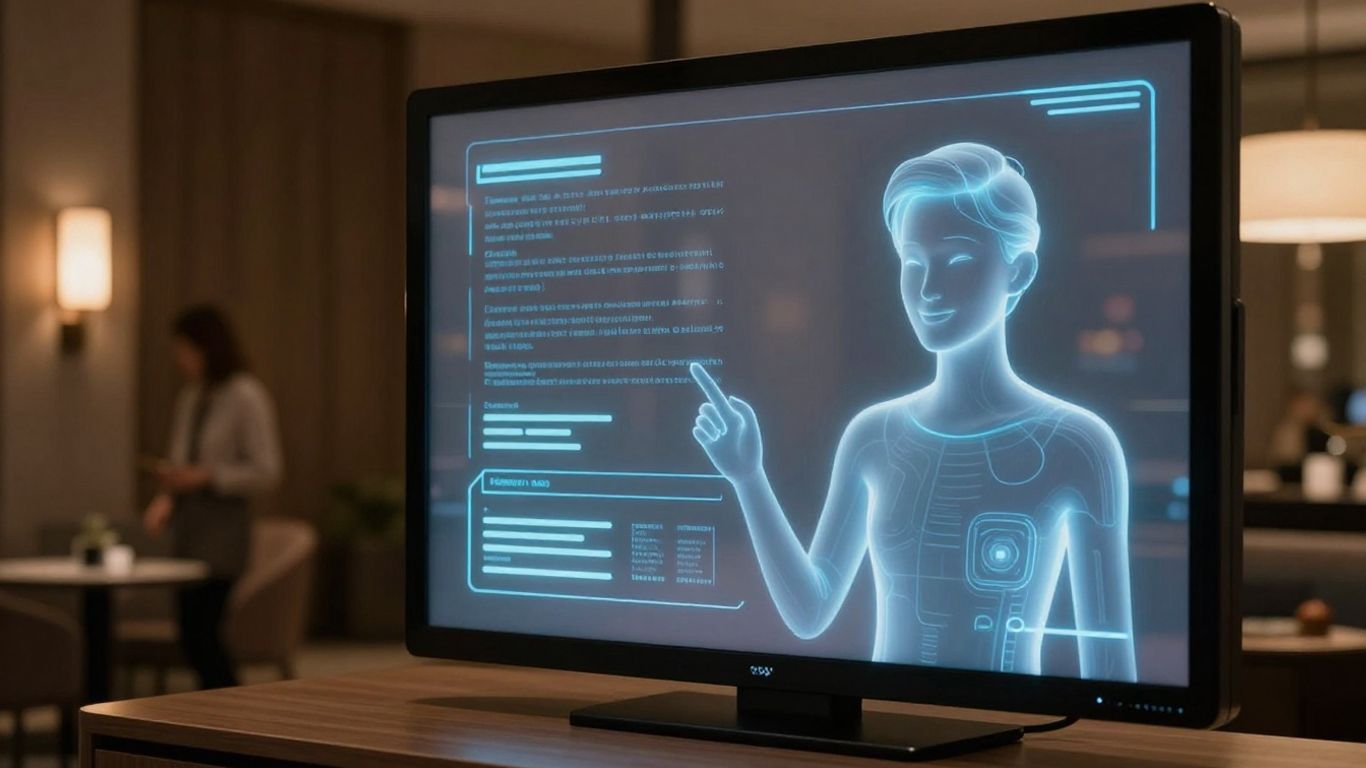
Think about the typical hotel front desk. It’s a hub of activity, sure, but also a bottleneck. Guests arrive, they have questions, they need things. Human staff do their best, but they’re only human. They get tired, they get overwhelmed, and sometimes, they just can't be everywhere at once. This is where AI steps in, not to replace people, but to make their jobs easier and the guest experience smoother.
Effortless Check-In and Check-Out#
Remember the last time you stood in a long line to check into your hotel room? It’s a drag. AI can change that. Imagine walking up to a kiosk or even just using your phone, and your check-in is done in seconds. The AI receptionist can handle the basic verification, confirm your booking, and even send your room key information directly to your device. It’s about cutting down on wait times and getting guests to their rooms faster. The same goes for check-out. No more hunting for the front desk to hand over a key card. A quick confirmation with the AI, and you’re on your way. This frees up staff to handle more complex issues or simply be available for guests who need a personal touch.
Multilingual Support for Global Guests#
Hotels are global businesses. You get people from everywhere. Trying to have staff who speak every language is a pipe dream. An AI voice receptionist, however, can switch languages on the fly. It can understand and respond in dozens of languages, making every guest feel welcome and understood, regardless of where they come from. This isn't just about basic translation; it's about providing clear, accurate information in a way that resonates with the guest. It removes a significant barrier to communication and makes international travel feel less daunting.
Reducing Staff Workload for Enhanced Engagement#
This is a big one. When AI handles the routine stuff – answering common questions, taking simple requests, managing check-ins – it frees up your human staff. Instead of being bogged down by repetitive tasks, your team can focus on what they do best: providing genuine hospitality. They can spend more time anticipating guest needs, offering personalized recommendations, or resolving more complex problems. This shift means happier staff and, more importantly, happier guests who receive more attentive and meaningful service. It’s about using AI to augment human capabilities, not replace them, leading to a better overall experience for everyone involved. This allows your team to focus on building relationships, which is the heart of good hospitality, rather than just processing transactions. It’s a win-win, really. You can see how this kind of automation is changing the game for businesses looking to improve customer interactions.
Beyond Basic Answering: Intelligent Capabilities#
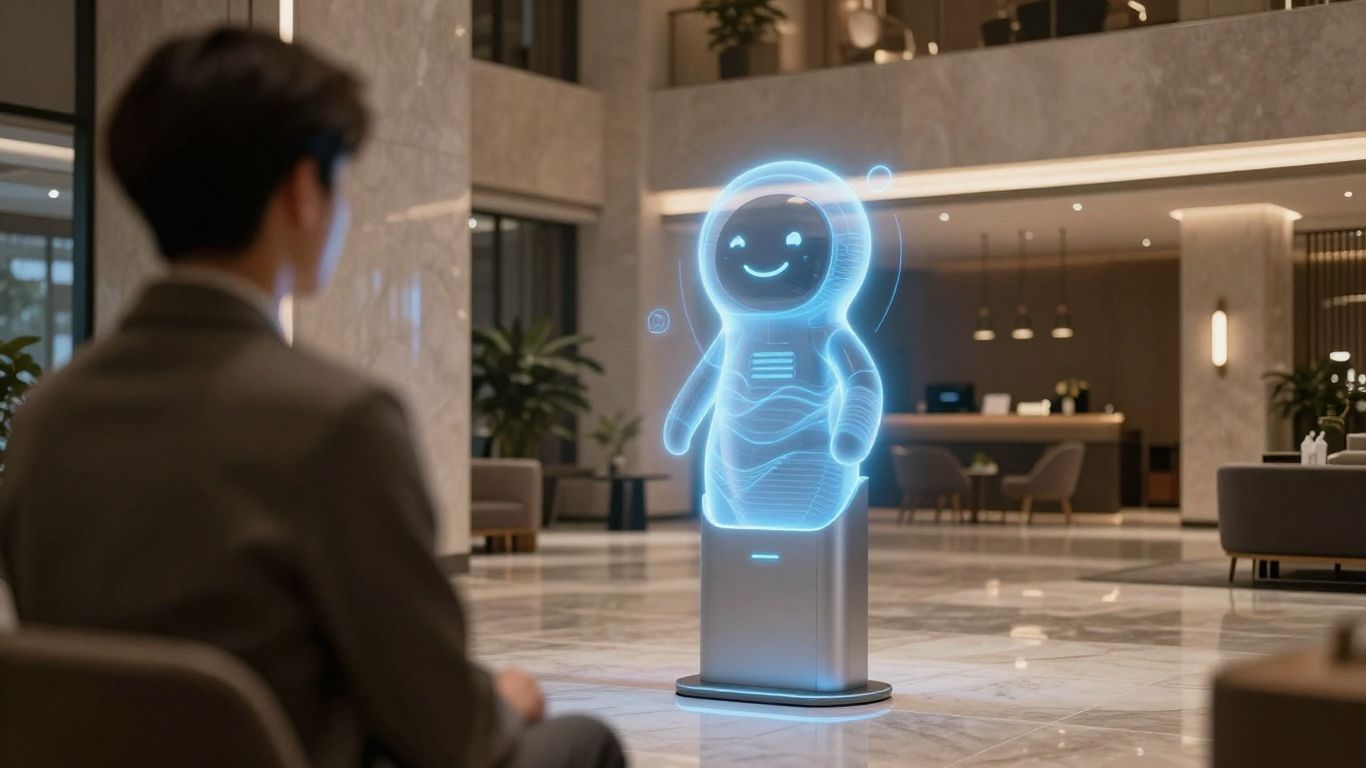
This isn't just about picking up the phone. The AI receptionist does more than just take messages or answer "What's the Wi-Fi password?". It's built to actually help guests and, in turn, help the hotel run smoother.
AI-Powered Recommendations for Memorable Stays#
Think of the AI as a concierge that never sleeps and has read every review. It can suggest local restaurants based on guest preferences, recommend hotel amenities they might have missed, or even point them towards nearby attractions. This isn't random guessing; it's based on patterns and data. If a guest asks about "quiet places to eat," the AI can pull up a list of suitable spots, maybe even with a note about which ones are good for families or have live music. This level of personalized suggestion makes a stay feel less transactional and more like a curated experience. It’s about anticipating needs before they're even voiced.
Immediate Issue Resolution#
When something goes wrong, guests want it fixed fast. The AI can handle a lot of common problems directly. A guest reports a noisy air conditioner? The AI can log the maintenance request, assign it to the right team, and even let the guest know it's being handled. It can also gather details for more complex issues, like a billing dispute, and then route the call to the appropriate manager, armed with all the necessary information. This cuts down on back-and-forth and gets problems solved quicker. It means fewer frustrated guests and less work for the staff trying to piece together what happened.
Voicemail: AI-Powered Message Taking#
When the AI can't resolve an issue or a guest specifically asks to leave a message, it doesn't just record audio. It transcribes the voicemail into text. This means you can read messages instead of listening to them, which is a huge time-saver. You can quickly scan messages to prioritize them or forward them to the right person without even playing the audio. It’s like having an assistant who takes notes for you, making sure nothing important gets missed and that follow-ups happen faster.
The Technology Behind the Seamless Experience#
It’s easy to talk about AI receptionists doing amazing things, but what actually makes it work? It boils down to a few key pieces of tech working together, and frankly, they’re pretty impressive.
The Speed of Thought in Conversation#
Ever been on the phone with an automated system that makes you wait an eternity for a response? It’s maddening. Our AI receptionist operates at the speed of thought. We’re talking response times measured in milliseconds. This isn't just about being fast; it's about keeping the conversation flowing naturally. Think of it like a dance – a slow partner ruins the rhythm. This AI keeps pace, making interactions feel less like talking to a machine and more like a quick chat with someone who's on the ball. It’s this responsiveness that makes complex questions feel simple and urgent requests get handled without delay. We're constantly shaving off nanoseconds because, in conversation, every bit of speed counts. It’s the difference between a frustrating experience and one that just works.
Zapier Integration: A Game-Changer#
This is where things get really interesting. The AI receptionist isn't just a standalone answering service; it’s designed to be the central hub for your hotel's operations. Through Zapier integration, it connects with thousands of other apps you already use. This means when the AI handles a call, it can automatically update your CRM, create a task in your project management tool, or even send a notification to your team. It’s a two-way street: the AI talks to your other systems, and they talk back. This eliminates manual data entry, keeps everything in sync, and makes your whole operation run smoother. It’s like turning a collection of separate tools into one cohesive, automated system.
Unlimited Parallel Calls: The Phone System That Doesn't Flinch#
Remember the days of busy signals and dropped calls during peak hours? That’s a problem of the past. Our AI receptionist can handle an unlimited number of calls simultaneously. Seriously. It doesn't matter if you have ten calls or ten thousand coming in at once; the AI picks up every single one. This means no more missed bookings or frustrated guests waiting on hold. It’s a superpower for your hotel, ensuring that every potential guest gets immediate attention, no matter how busy things get. This kind of scalability means you can confidently promote your hotel's number everywhere, knowing the system won't buckle under pressure.
Controlling Costs and Optimizing Usage#
Look, nobody wants a surprise bill. Especially not for something like an AI receptionist. You're bringing in this tech to make things smoother, not to blow up your budget. So, how do you keep it all in check?
Set Max Receptionist Minutes#
This is pretty straightforward. You can put a cap on how many minutes the AI receptionist is active. Think of it like setting a daily or monthly limit. It’s a solid way to manage expenses and avoid unexpected charges. You can adjust these limits too, which is handy if your hotel has busy seasons or slower periods. It helps keep your costs predictable, which is always a good thing when you're running a business. You can even set up alerts so you know when you're getting close to the limit. This feature gives you a lot of control over your spending.
Here’s a quick look at how limits can work:
- Customizable limits: Set maximum minutes per day, week, or month.
- Adjustable thresholds: Easily modify limits as your needs change.
- Usage tracking: Monitor AI receptionist usage in real-time.
- Alerts: Receive notifications when approaching or reaching set limits.
- Overflow options: Define actions to take when limits are reached (e.g., voicemail, call forwarding).
When you can set limits, billing becomes a lot less of a mystery. You know what you're paying for, and it's tied directly to how much you use the service. This predictability is a big deal. It means you can budget more effectively and allocate resources without guessing. It’s not just about saving money, though. It’s about making smart financial decisions based on actual usage data.
Control Active Times#
Most businesses treat time like it's infinite. They waste it. They squander it. They let it slip through their fingers like sand. But time is the most precious resource we have. It's the one thing you can't make more of.
That's why we built time controls into our AI receptionist. Here's what it does:
- It knows when to work. You tell it your hours, it works them. No more, no less.
- It adapts. Holidays? Seasons? Time zones? It handles them all.
- It speaks the language of time. Morning, noon, night - it always says the right thing.
But why does this matter? Because time is context. A call at 9 AM is different from a call at 9 PM. A call on Christmas is different from a call on a Tuesday in March. Our AI gets this. It doesn't just answer calls, it answers them appropriately. Think about what this means. No more "Sorry, we're closed" messages at 2 PM on a Wednesday. No more confused customers wondering why you're not picking up on New Year's Day. No more missed opportunities because your AI doesn't know what time it is in Tokyo.
Cost-Effective Operations#
Understanding when your AI receptionist is busiest helps you figure out how to best use your resources. Maybe you need more minutes during check-in and check-out times, or perhaps during peak guest inquiry hours. By tracking usage, you can see these patterns. This lets you fine-tune the AI's availability and ensure it's working when you need it most. It’s about making sure the AI is a tool that actively helps your operations, not just a cost center. You can even set up overflow options, like forwarding calls to a human if the AI hits its limit or during specific times. This ensures guests always get help, no matter what.
The key here is to treat the AI receptionist not as a black box, but as a controllable asset. By setting clear boundaries and monitoring its performance, you can ensure it contributes positively to both your guest experience and your bottom line. It’s about smart deployment, not just adoption.
The Reseller Opportunity in AI Receptionists#
You can offer your own AI receptionist solution without needing to build the tech from scratch. With white label AI receptionists, your logo and business name greet clients every step of the way. The setup is straightforward: upload your branding, choose your pricing, and start selling. The software works quietly in the background while you focus on growing your client base. Think of it as an AI toolkit tailored to your business, but always running on tried-and-tested tech.
Benefits:#
- Full control over customer experience
- Set your own price points
- Stand out in a crowded tech market
Having your own branded AI receptionist lets you show up like an established tech player—without months or years of product development.
Start small, grow as big as you want. The secret sauce with AI receptionists is they're completely "as-a-service"—no big hardware installations or major capital outlay. Once you’ve landed your first customers, adding more is practically just clicking a few buttons. The tech scales with you and doesn't get bogged down by extra volume.
Here’s what the growth path typically looks like:
- Sign up a handful of hotels (or businesses).
- Rely on simple onboarding and short setup timelines (often less than a week).
- Expand your reach using analytics and usage data to show off real results.
- Add features or branches as clients ask—multilingual, integrations, etc.
The entry point here is refreshingly low. Some providers let you start reselling with as few as five active accounts. Clear monthly or annual fees keep costs predictable, and there’s usually no need to hire support staff—the platform handles most technical needs.
A basic outline of potential upside:
- Recurring revenue: Clients pay month after month.
- Little to no tech maintenance on your side.
- Flexible financial model: scale up or pause when you want.
It’s a model that works:
- Agencies can deepen relationships with hotels by layering in new tech.
- Entrepreneurial resellers can build a real business with simple upfront effort.
- Hotels feel like they’re dealing with a local partner, not a faceless tech firm.
You’re not just flipping software—you’re building a business that grows while you sleep.
Thinking about offering AI receptionists to other businesses? It's a smart move! Many companies are looking for ways to handle calls and leads better, and AI receptionists are the perfect solution. You can help them grow by providing this cutting-edge tech. Ready to learn how you can start making money with this opportunity? Visit our website today to find out more!
The Way Forward#
Look, this isn't about replacing people. It's about giving them better tools. Hotels that adopt AI receptionists now are just getting ahead of the curve. They're making things smoother for guests and freeing up their staff for the stuff that actually matters. If you're not looking into this, you're probably already falling behind. It’s a simple change, but it makes a big difference.
Frequently Asked Questions#
What is an AI voice receptionist for hotels?#
An AI voice receptionist is like a super-smart helper for your hotel's phone. It can answer calls anytime, day or night, help guests book rooms, answer questions about the hotel, and even help with things like checking in or out. It uses smart technology to understand what people are saying and respond in a helpful way, making things easier for guests and staff.
How does an AI receptionist make guest stays better?#
It makes things better by being available 24/7, so guests can get help whenever they need it, not just when the front desk is open. It also responds super fast, so no more waiting on hold! Plus, it can offer personalized tips, like suggesting a great restaurant based on what you like, making your stay feel more special.
Can an AI receptionist handle multiple calls at once?#
Yes! Unlike a human receptionist who can only talk to one person at a time, an AI receptionist can handle tons of calls all at the same time. It's like having an unlimited number of receptionists ready to help, so no guest is ever left waiting because the lines are busy.
Does an AI receptionist speak different languages?#
Many AI receptionists can be programmed to understand and speak several languages. This is great for hotels that have guests from all over the world. It helps make sure everyone can communicate clearly and get the help they need, no matter what language they speak.
How does an AI receptionist help hotel staff?#
AI receptionists take care of the simple, repeated questions, like 'What's the Wi-Fi password?' or 'What time is breakfast?' This frees up the human staff to focus on more important things, like helping guests who are already at the hotel or dealing with more complex issues. It means your staff can give more personal attention where it's needed most.
Can I control how much the AI receptionist is used?#
Yes, you can set limits on how many minutes the AI receptionist is active. This helps you manage costs and makes sure your phone bills are predictable. You can adjust these limits based on how busy your hotel is or what your budget is, giving you good control over expenses.


