
Articles
All articles
Browse the full Frontdesk library. Guides, deep-dives, and product updates across every category.
Looking for something specific? Browse the full article archive.
 Blog Posts
AI in Phone System Capacity Planning: Predicting and Managing Growth
AI in phone system capacity planning is revolutionizing the telecommunications landscape by employing advanced forecasting techniques and real-time adjustments, allowing businesses to scale efficiently and manage call volumes more effectively. By integrating AI into phone systems, companies can enhance decision-making, optimize resource utilization, and prepare for future needs, thereby offering a competitive edge in the rapidly evolving telecom sector. The technology provides actionable insights through predictive analytics, adjusts resources dynamically, and contributes significantly to cost reduction, network resilience, and improved customer experience.
 Blog Posts
AI in Phone System Capacity Planning: Predicting and Managing Growth
AI technology is revolutionizing phone system capacity planning, enhancing scalability, and ensuring consistent customer service by managing call volumes during peak times. This shift towards AI-driven systems allows businesses to use predictive analytics to foresee growth and strategically manage resources, thereby optimizing system efficiency and supporting business expansion. The integration of AI not only customizes user experiences but also seamlessly adapts phone systems to accommodate business growth, maintaining high service quality irrespective of demand.
 Blog Posts
AI in Phone System Capacity Planning: Predicting and Managing Growth
Artificial Intelligence (AI) is significantly enhancing phone system capacity planning in telecommunications by employing predictive analytics and real-time data handling to optimize performance and efficiency. AI-driven tools aid telecommunication companies in efficiently managing growth, anticipating future demands, and making agile adjustments to system capacities, thus improving overall operational effectiveness and customer service. Examples like Vodafone and Verizon illustrate substantial gains in efficiency and operational costs, underscoring the necessity of AI in modern telecommunication strategies to address rising complexity and demand in the sector.
 Blog Posts
AI in Phone Support for IoT Devices: Managing Complex Troubleshooting
The article discusses the integration of Artificial Intelligence (AI) into phone support systems for Internet of Things (IoT) devices, highlighting its role in enhancing troubleshooting and improving user experiences by offering real-time assistance and advanced diagnostic capabilities. AI-driven support systems can handle multiple queries simultaneously and constantly improve by learning from each interaction, thus reducing operational costs and increasing efficiency. However, successful implementation requires addressing challenges like extensive training, seamless integration, and building consumer trust, with AI's predictive capabilities enabling proactive rather than reactive maintenance to extend device lifespans and prevent malfunctions.
 Blog Posts
AI in Phone Support for IoT Devices: Managing Complex Troubleshooting
The article discusses the integration of Artificial Intelligence (AI) in phone support for troubleshooting Internet of Things (IoT) devices, highlighting how AI enhances efficiency and accuracy in handling complex issues. It explores AI's capacity for real-time problem analysis and solution provision, markedly improving upon traditional customer support models. The text also touches on the challenges and future potentials of this technology, including case studies where AI-driven phone support has successfully resolved intricate technical issues in various industries, leading to higher customer satisfaction and business productivity.
 Blog Posts
AI in Phone Support for IoT Devices: Managing Complex Troubleshooting
Artificial intelligence is significantly enhancing phone support for IoT devices by integrating with existing phone systems to streamline operations and improve customer experiences. AI technologies like machine learning and natural language processing enhance the speed and accuracy of troubleshooting, resulting in quicker and more effective issue resolution. This shift not only advances the support process but also enriches customer interactions by personalizing support and minimizing information redundancy, thereby elevating overall customer satisfaction and operational efficiency.
 Blog Posts
AI in Phone-Based Customer Education: Delivering Personalized Information
The article discusses the integration of Artificial Intelligence (AI) into phone-based systems to enhance customer education, emphasizing personalized and efficient service delivery. It highlights the use of technologies such as Natural Language Processing and Machine Learning, which allow these systems to understand and adapt to individual customer needs, improving interaction quality over time. The adoption of AI in phone systems not only revolutionizes customer service by providing tailored interactions but also supports businesses in managing larger customer bases effectively, ensuring availability and scalability.
 Blog Posts
AI in Phone-Based Customer Education: Delivering Personalized Information
The article discusses how artificial intelligence (AI) is transforming phone-based customer education by personalizing interactions and integrating with other digital tools to improve service efficiency and customer satisfaction. AI-powered phone systems use natural language processing to better understand and respond to customer inquiries, and they learn from interactions to provide tailored customer experiences. Overall, these advancements are creating more efficient, intelligent, and satisfying customer service environments, paving the way for a future where personalized customer interactions are a standard expectation.
 Blog Posts
AI in Phone-Based Cross-Selling: Identifying Opportunities in Real-Time
Artificial Intelligence (AI) is transforming phone-based cross-selling by enabling real-time identification of sales opportunities and providing personalized customer recommendations through advanced technologies like Interactive Voice Response (IVR) systems and Natural Language Processing (NLP). This integration not only improves the efficiency of sales strategies across various industries like telecommunications and banking, but also enhances customer experience by anticipating needs and preferences during calls. As AI continues to evolve, its role in reshaping phone-based sales strategies, through predictive analytics and decision-making, is set to expand, promising greater personalization and increased sales conversions.
 Blog Posts
AI in Phone-Based Cross-Selling: Identifying Opportunities in Real-Time
The article discusses the integration of Artificial Intelligence (AI) in phone-based systems to enhance cross-selling by analyzing real-time data and customer interactions. AI technologies facilitate the identification of sales opportunities and optimal timing for customer contact, which helps companies tailor their offerings to individual needs, thereby increasing sales and improving customer experience. The integration involves compatibility checks and the use of APIs to allow AI to interact with existing phone and CRM systems, ensuring that cross-selling strategies are effective without disrupting existing communication flows.
 Blog Posts
AI in Outbound Calling: Optimizing Sales and Marketing Campaigns
The article discusses the transformative impact of artificial intelligence (AI) in outbound calling, significantly enhancing the efficiency and effectiveness of sales and marketing strategies. AI tools like predictive dialing, sentiment analysis, and speech recognition not only streamline the calling process but also foster personalized customer interactions, thereby improving engagement and conversion rates. Furthermore, the integration of AI with CRM systems optimizes data usage, automates critical processes, and facilitates more informed decision-making through deep analytics, demonstrating AI's crucial role in refining outbound calling tactics and overall business success.
 Blog Posts
AI in Outbound Calling: Optimizing Sales and Marketing Campaigns
Artificial Intelligence (AI) is significantly transforming the landscape of outbound calling in sales and marketing, enhancing efficiency and conversion rates through sophisticated tools like machine learning and natural language processing. AI improves customer engagement by analyzing data to personalize interactions and optimize call timing, leading to higher success in sales campaigns. As businesses continue to incorporate these advanced technologies, AI is not only automating repetitive tasks and profiling customers but also driving sales through intelligent dialers and predictive algorithms, setting a promising future for outbound calling strategies.
 Blog Posts
AI in Outbound Calling: Optimizing Sales and Marketing Campaigns
AI technology is revolutionizing outbound calling in sales and marketing by enhancing efficiency, personalization, and scalability. AI tools automate tasks like prospecting and dialing, integrate seamlessly with existing CRM systems for superior data management, and use sophisticated algorithms to optimize lead scoring and personalize communications effectively. This transformation significantly boosts the success of outbound campaigns, allowing businesses to connect with a broader audience more successfully and tailor their strategies based on detailed analytics and customer behavior insights.
 Blog Posts
AI in Optimizing Hold Times: Balancing Efficiency and Customer Experience
Artificial Intelligence (AI) is transforming customer service by optimizing call management, specifically reducing hold times and enhancing customer interactions. AI integrates smoothly with existing communication systems like VoIP and CRM, which allows for efficient call routing, predictive call analytics, and personalized customer interactions that significantly improve customer experience and operational efficiency. This technology not only helps in streamlining customer service processes but also contributes to increased customer satisfaction and business growth.
 Blog Posts
AI in Optimizing Hold Times: Balancing Efficiency and Customer Experience
The article discusses the application of Artificial Intelligence (AI) in improving customer service by optimizing phone hold times, thereby balancing efficiency and customer experience. AI technology, through machine learning and predictive analytics, enhances call management by routing, sequencing, and making real-time decisions, which significantly reduces hold times and improves customer satisfaction. Furthermore, AI-integrated communication systems demonstrate substantial benefits in streamlined call processes and cost management, as supported by various successful case studies across industries.
 Blog Posts
AI in Crisis Management: Handling High-Volume Emergency Calls
The article discusses the role of Artificial Intelligence (AI) in enhancing the efficiency and effectiveness of emergency call centers during crises by automating and optimizing high-volume call handling. AI technologies, such as machine learning and natural language processing, improve rapid call processing, prioritize emergencies, and integrate seamlessly with existing systems to direct resources efficiently. However, the deployment of AI in crisis management also requires careful consideration of challenges like data quality, privacy, system compatibility, and ethical implications to fully realize its potential in revolutionizing emergency response systems globally.
 Blog Posts
AI in Crisis Management: Handling High-Volume Emergency Calls
The article discusses the role of artificial intelligence (AI) in revolutionizing crisis management, particularly by enhancing emergency call systems to handle high volumes of calls during crises efficiently. AI technologies such as predictive analytics, automated dispatching, and intelligent routing are integrated into existing emergency infrastructures, enabling rapid and accurate responses and improving operational resilience and public safety. Despite the transformative impacts, the adoption of AI also presents challenges, including data privacy concerns, the need for human empathy in responses, and issues of responsibility and accountability when AI systems fail.
 Blog Posts
AI in Crisis Management: Handling High-Volume Emergency Calls
Artificial intelligence is significantly transforming emergency response systems by efficiently managing high volumes of emergency calls, thus enhancing rapid response and reducing wait times. AI technologies like natural language processing and machine learning help prioritize urgent calls and provide real-time data analysis, improving operational efficiency and potentially saving more lives during crises. As AI continues to integrate with existing communication technologies, it promises a future of faster and more effective emergency responses, though it also raises ethical and practical challenges that need careful consideration.
 Blog Posts
AI in Compliance Monitoring: Ensuring Regulatory Adherence in Phone Calls
Artificial Intelligence (AI) is revolutionizing compliance monitoring in phone communications by automating the detection and analysis of regulatory breaches, significantly enhancing efficiency and accuracy over traditional methods. AI technologies such as natural language processing and machine learning help businesses monitor all communications in real-time, adapt to regulatory changes, and reduce legal risks. Moreover, AI systems integrate seamlessly with existing systems, offering predictive analytics and real-time alerts to proactively manage compliance and minimize violations.
 Blog Posts
AI in Compliance Monitoring: Ensuring Regulatory Adherence in Phone Calls
Artificial Intelligence (AI) is revolutionizing compliance monitoring in phone communications, automating the process to efficiently ensure adherence to regulations like GDPR and HIPAA. By leveraging machine learning and Natural Language Processing (NLP), AI systems can analyze vast quantities of phone call data in real-time, identifying potential non-compliance issues and reducing manual oversight. This transformation not only enhances operational efficiency but also supports businesses in managing complex regulatory environments more effectively, allowing them to focus more on core competencies.
 Blog Posts
AI in Compliance Monitoring: Ensuring Regulatory Adherence in Phone Calls
Artificial Intelligence (AI) is significantly enhancing compliance monitoring in phone communications across various industries by utilizing technologies like Natural Language Processing (NLP) and Machine Learning (ML). These AI tools improve accuracy, efficiency, and proactive management in real-time monitoring and compliance checks, effectively reducing the risk and labor of manual monitoring methods. As AI systems continue to evolve, they are facing challenges like technology integration and require strategic employee training and adaptation, but are fundamentally transforming the approach toward ensuring regulatory adherence and mitigating compliance risks.
 Blog Posts
AI in Call Recording Compliance: Managing Legal and Regulatory Requirements
The article discusses the integration of Artificial Intelligence (AI) into call recording systems to comply with intricate legal and regulatory frameworks such as GDPR, HIPAA, and sector-specific rules like those applying to the financial and healthcare industries. AI technologies like Natural Language Processing and speech analytics are utilized to automate compliance checks, transcribe, translate, and analyze calls to ensure adherence to data protection regulations while improving customer service quality. The implementation of AI in call recording challenges businesses to stay aligned with evolving privacy laws and sector-specific requirements, driving the development of advanced, ethical, and compliant call recording solutions.
 Blog Posts
AI in Call Recording Compliance: Managing Legal and Regulatory Requirements
The article discusses the integration of Artificial Intelligence (AI) in managing legal and regulatory requirements in call recording, highlighting its role in automating compliance processes and enhancing data accuracy with technologies like AI-powered speech-to-text. It also explores the challenges related to implementing AI in this context, such as data security, AI bias, and the need for a balance between automation and human oversight. AI tools significantly help in simplifying compliance management in sectors like finance, healthcare, and customer service, ensuring organizations meet varied legal standards efficiently and effectively.
 Blog Posts
AI in Call Recording Compliance: Managing Legal and Regulatory Requirements
The article discusses how Artificial Intelligence (AI) is revolutionizing the call recording sector by enhancing compliance with legal and regulatory standards such as GDPR and HIPAA. AI-driven call recording systems improve privacy, data protection, and regulatory adherence through automated consent management and sensitive data masking, thus mitigating potential legal and reputational risks. It also underscores ongoing challenges like ensuring explicit consent and contextual interpretation of dialogues, setting the stage for AI to further streamline compliance in this complex digital landscape.
 Blog Posts
AI in Call Flow Design: Optimizing Customer Experience Pathways
The article discusses the transformative role of Artificial Intelligence (AI) in call flow design, enhancing the efficiency and personalization of customer interactions across various businesses. AI integrates seamlessly with existing systems to manage large volumes of calls, providing timely, context-aware support and maintaining consistent service quality regardless of call volume or time. This innovation also supports real-time adaptation to different business needs and customer scenarios, facilitating improved communication strategies and customer experience pathways.
 Blog Posts
AI in Call Flow Design: Optimizing Customer Experience Pathways
The article discusses how Artificial Intelligence (AI) is revolutionizing call flow design to optimize customer experience pathways. By integrating AI, businesses can create intelligent, adaptive communication systems that enhance customer interaction and satisfaction, reduce call durations with predictive capabilities, and manage high volumes efficiently. The technology also enables AI systems to offer personalized and efficient service through features like natural language processing (NLP), voice recognition, and predictive customer service, propelling businesses towards more effective and customer-centric operations.
 Blog Posts
AI in Call Flow Design: Optimizing Customer Experience Pathways
The article discusses how artificial intelligence (AI) is revolutionizing call flow design in telecommunications by making customer interactions more dynamic and responsive, enhancing efficiency, and improving customer satisfaction. AI enables flexibility in call flow systems, allowing them to adapt to a variety of situations, which optimizes the customer journey and ensures a satisfactory and efficient experience. The integration of AI with existing telecommunication technologies brings numerous benefits, including better call tracking, productive routing, and personalized caller experiences, while also necessitating robust infrastructure, innovative software, and secure data connectivity.
 Blog Posts
AI in Call Center Workforce Management: Optimizing Staffing Levels
Artificial Intelligence (AI) is revolutionizing call center workforce management by optimizing staffing levels, ensuring operational efficiency, and enhancing customer satisfaction. By leveraging AI-driven predictive analytics and real-time monitoring, call centers can dynamically manage workforce allocation and adjust to fluctuating demand, reducing wait times and improving service quality. Additionally, AI enhances employee satisfaction through fair and efficient shift scheduling, contributing to lower staff turnover and better overall performance.
 Blog Posts
AI in Call Center Workforce Management: Optimizing Staffing Levels
Artificial Intelligence (AI) is significantly transforming call center operations by optimizing workforce management, reducing costs, and enhancing customer service through intelligent software systems and automation. AI technology integrates with existing call center systems to improve real-time decision-making and staffing allocation by predicting staffing needs using data analysis from historical call data, holidays, and weather conditions. This integration not only streamlines operations by automating tasks such as call routing and customer interaction via chatbots but also supports more complex decision-making processes, ensuring an efficient, balanced, and customer-oriented service delivery.
 Blog Posts
AI in Call Center Workforce Management: Optimizing Staffing Levels
The article discusses the significant role of artificial intelligence (AI) in optimizing workforce management within call centers. AI enhances forecasting and planning, enabling real-time staffing adjustments based on predictive analytics and past data trends, which helps maintain efficient operational levels and enhance customer satisfaction. Additionally, integrating AI with existing Human Resource Management Systems (HRMS) allows for seamless administrative operations and improved compliance, showcasing AI's indispensable value in modernizing call center operations and prep for future challenges.
 Blog Posts
AI in Call Center Training: Simulating Customer Interactions
The article discusses the transformative impact of Artificial Intelligence (AI) on call center training, highlighting how AI-driven simulations offer a realistic and interactive environment for training agents. These simulations are designed to handle a wide array of customer interaction scenarios, enhancing trainee engagement and problem-solving skills through personalized feedback and adaptive learning paths. As AI technology evolves, it continues to set new standards in preparing call center agents to deliver superior customer service and manage diverse customer behaviors effectively.
 Blog Posts
AI in Call Center Training: Simulating Customer Interactions
Artificial Intelligence (AI) is significantly enhancing call center training by simulating realistic customer interactions, allowing trainees to engage with AI-powered bots that use advanced technologies like Natural Language Processing (NLP) and Machine Learning (ML). These simulations help trainees develop skills efficiently through hands-on practice and immediate feedback, preparing them for a variety of customer scenarios without the risk of real-world consequences. Moreover, AI enriches training by providing data-driven insights and performance analytics, leading to highly personalized and effective training experiences that can improve both employee performance and customer satisfaction.
 Blog Posts
AI in Call Center Site Selection: Optimizing Global Operations
Artificial intelligence is revolutionizing call center site selection by utilizing vast datasets to analyze factors like local workforce availability, language proficiency, infrastructure quality, and economic stability to optimize global operations and reduce operational costs. AI has surpassed traditional processes, enabling data-driven strategic decision-making, and ensuring operational efficiency and cost minimization for businesses aiming for competitiveness in a customer-centric market. As AI technologies, such as machine learning and geographic information systems, continue to evolve, they are increasingly employed to predict performance, analyze workforce attributes, and integrate diverse data, thereby enabling companies to identify the optimal locations for call centers to efficiently serve a global clientele.
 Blog Posts
AI in Call Center Site Selection: Optimizing Global Operations
The article discusses how artificial intelligence (AI) is revolutionizing the site selection process for global call center operations by analyzing a wealth of demographic, geographic, and operational data to enhance decision-making. It outlines the transformative effect of AI technologies like machine learning and big data analysis in making more precise site selection choices, thus improving cost efficiency and service quality while reducing human error and bias. Case studies of companies like Google and IBM highlight the successful implementation of AI in optimizing call center locations, showcasing significant operational improvements and cost savings.
 Blog Posts
AI in Call Center Site Selection: Optimizing Global Operations
Artificial Intelligence (AI) is significantly enhancing the process of site selection for global call center operations by offering advanced analytics and predictive capabilities that improve operational efficiency and customer satisfaction. The use of AI allows for a detailed analysis of multiple variables such as geographical location, labor costs, and local market conditions, leading to more accurate and cost-effective site decisions. Moreover, AI contributes to various aspects of call center management, from real-time call analytics to predictive customer service needs, thus revolutionizing both site selection and daily operations to meet global and local demands effectively.
 Blog Posts
AI in Call Center Site Optimization: Managing Multi-Location Operations
Artificial intelligence (AI) is revolutionizing the management of multi-location call centers by enhancing operational efficiency and customer service quality. AI facilitates the automation of routine tasks, predictive analytics for staffing, real-time sentiment analysis, and strategic utilization of big data, addressing the unique challenges of coordinating geographically dispersed call centers. The integration of AI with existing technologies like Machine Learning, Natural Language Processing, and Automated Response Systems is crucial for improving service delivery, maintaining consistency across various locations, and ultimately achieving increased profitability and customer satisfaction.
 Blog Posts
AI in Call Center Site Optimization: Managing Multi-Location Operations
The article discusses the integration of Artificial Intelligence (AI) in managing multi-location call center operations, highlighting its ability to enhance efficiency and customer service. AI technologies, such as real-time data synchronization, parallel call handling, and AI-driven analytics, allow for effective coordination across various locations, leading to improved operational workflows and customer experiences. Moreover, the adoption of AI in call centers not only automates repetitive tasks and supports decision-making but also ensures high-quality service delivery independent of geographical boundaries.
 Blog Posts
AI in Call Center Site Optimization: Managing Multi-Location Operations
The article discusses the transformative impact of Artificial Intelligence (AI) on call center operations, particularly in managing multi-location sites. It highlights AI's role in enhancing customer experience and operational efficiency through advanced analytics, predictive dialing, and AI-driven scheduling and routing. By integrating AI, call centers are able to automate tasks, standardize service quality, and optimize resource management across various locations, thereby reducing costs and improving service delivery.
 Blog Posts
AI in Call Center Metrics Analysis: Identifying Trends and Opportunities
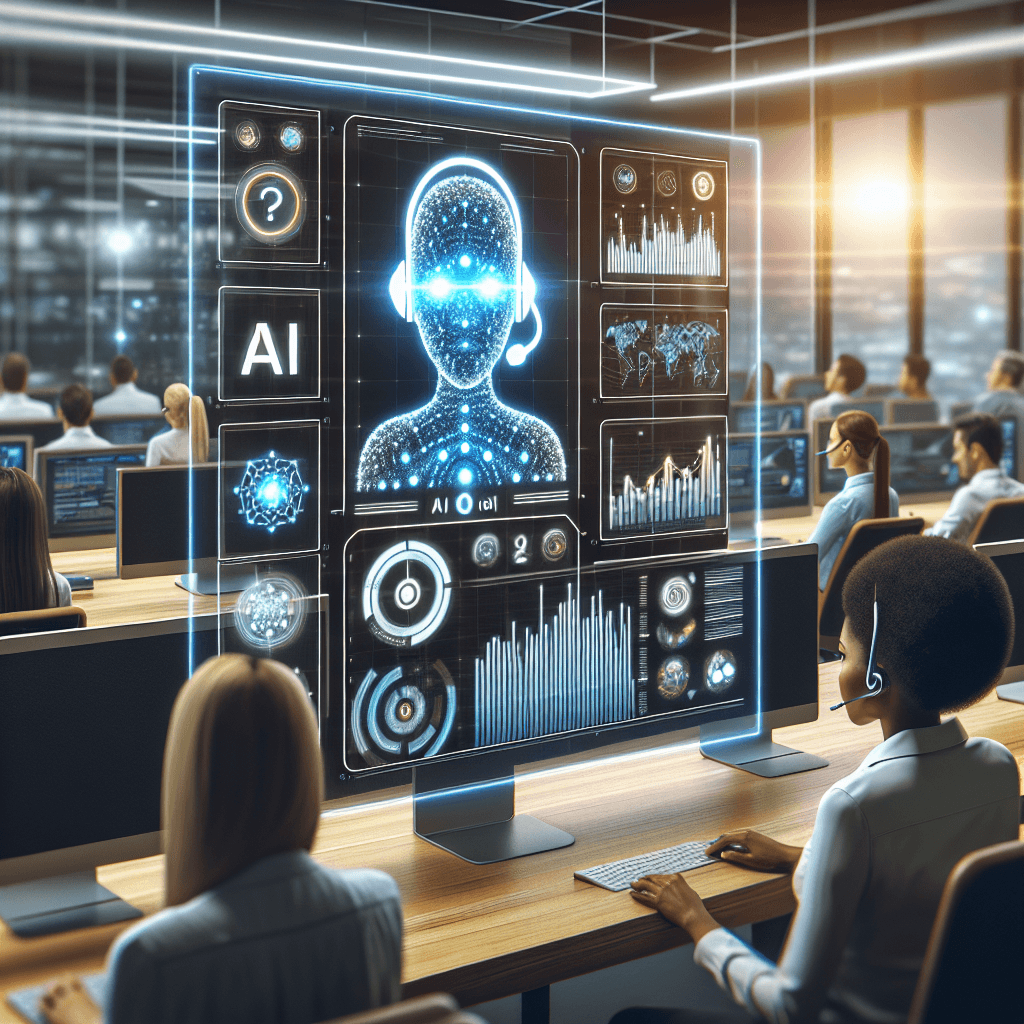
Artificial Intelligence (AI) is significantly enhancing the operational efficiency and effectiveness of call centers by analyzing call center metrics, helping identify important trends, and discovering opportunities for improvement. AI technologies in these hubs are utilized for sophisticated functions like real-time analytics, pattern recognition, and predictive analysis, which help in optimizing processes, improving customer satisfaction, and making informed decisions. Despite the benefits, integrating AI into call center operations presents challenges including technical adjustments and the necessity for staff to adapt to new systems.
 Blog Posts
AI in Call Center Metrics Analysis: Identifying Trends and Opportunities
The article discusses the significant impact of Artificial Intelligence (AI) in revolutionizing call center metrics analysis, highlighting how AI enhances operational efficiency and customer satisfaction through advanced data analysis. By employing AI technologies like natural language processing and predictive analytics, call centers can better manage call volumes, optimize agent performance, and identify trends in customer behavior, leading to strategic decision-making. Additionally, AI enables the shift from traditional performance indicators to more comprehensive, real-time metrics, offering insights that were previously unattainable, thus transforming customer service interactions and outcomes.
 Blog Posts
AI in Call Center Gamification: Enhancing Agent Performance and Engagement
AI-driven gamification is reshaping call center operations by enhancing agent performance and engagement. Combining AI with gamification not only helps in real-time performance tracking and providing personalized feedback but also encourages a better work environment through rewards and incentives. This synergy brings significant improvements in job satisfaction, productivity, and customer service quality, paving the way for a more dynamic, efficient, and engaging call center workplace.
 Blog Posts
AI in Call Center Gamification: Enhancing Agent Performance and Engagement
The article discusses the integration of Artificial Intelligence (AI) into call center gamification as a transformative strategy to enhance agent performance and engagement. It highlights how AI-driven game mechanics like sophisticated scoring systems, personalized challenges, and real-time feedback significantly improve motivation and productivity among call center agents. Furthermore, the article outlines real-world success stories from companies like Sparkcentral and CenturyLink, which have seen marked improvements in agent engagement and customer satisfaction through the introduction of AI-powered gamification methods.
 Blog Posts
AI in Call Center Gamification: Enhancing Agent Performance and Engagement
The article discusses how AI-driven gamification is revolutionizing call center operations by enhancing agent performance and engagement. Integration of AI allows for real-time feedback and rewards based on performance metrics, creating a dynamic and engaging work environment that motivates agents to excel in their roles. Additionally, AI gamification contributes to increased productivity, reduced turnover rates, and improved customer satisfaction by personalizing challenges and adapting training materials to individual agents' needs, ultimately fostering a more competitive and satisfying workplace.
 Blog Posts
Unlocking the Power of AI for Seamless Call Management: Revolutionizing the Role of Receptionists in Today’s Businesses
The article discusses how AI is revolutionizing call management, transforming traditional receptionist roles into efficient support systems that enhance customer service through features like 24/7 availability and automated call routing. Businesses are adopting AI-driven solutions to streamline operations, reduce workloads, and ensure quick response times, ultimately improving customer experiences and satisfaction. Examples from various industries illustrate the successful integration of these technologies, highlighting their role in maintaining a competitive edge in today's fast-paced business environment.
 Vertical Blogs
How to Start a Specialty Coffee Roaster Business in 2024 with AI Front Desk Solutions for Appointment Reminders
The article outlines steps to start a specialty coffee roaster business in 2024, emphasizing the importance of understanding the specialty coffee market, sourcing high-quality beans, and perfecting roasting techniques. It highlights the value of leveraging AI front desk solutions for enhanced customer interactions and streamlined operations, which can aid in building a loyal clientele. Additionally, effective branding and marketing strategies, alongside community engagement, are crucial for success in this competitive industry.
 Vertical Blogs
How to Start an AI Front Desk Reseller Program in 2024
The article provides a comprehensive guide for starting an AI front desk reseller program in 2024, emphasizing the importance of understanding market trends, particularly in customer personalization and technology integration. It highlights the need for specialization in niche markets and effective marketing strategies, including digital outreach and community engagement, to drive sales and customer loyalty. Additionally, legal considerations, the development of sales strategies, and leveraging automation technologies are outlined as critical components for success.
 Affiliate Blogs
Unlock Passive Income: How to Earn Recurring Commissions by Partnering with My AI Front Desk's Innovative Phone Receptionist Solutions for Businesses
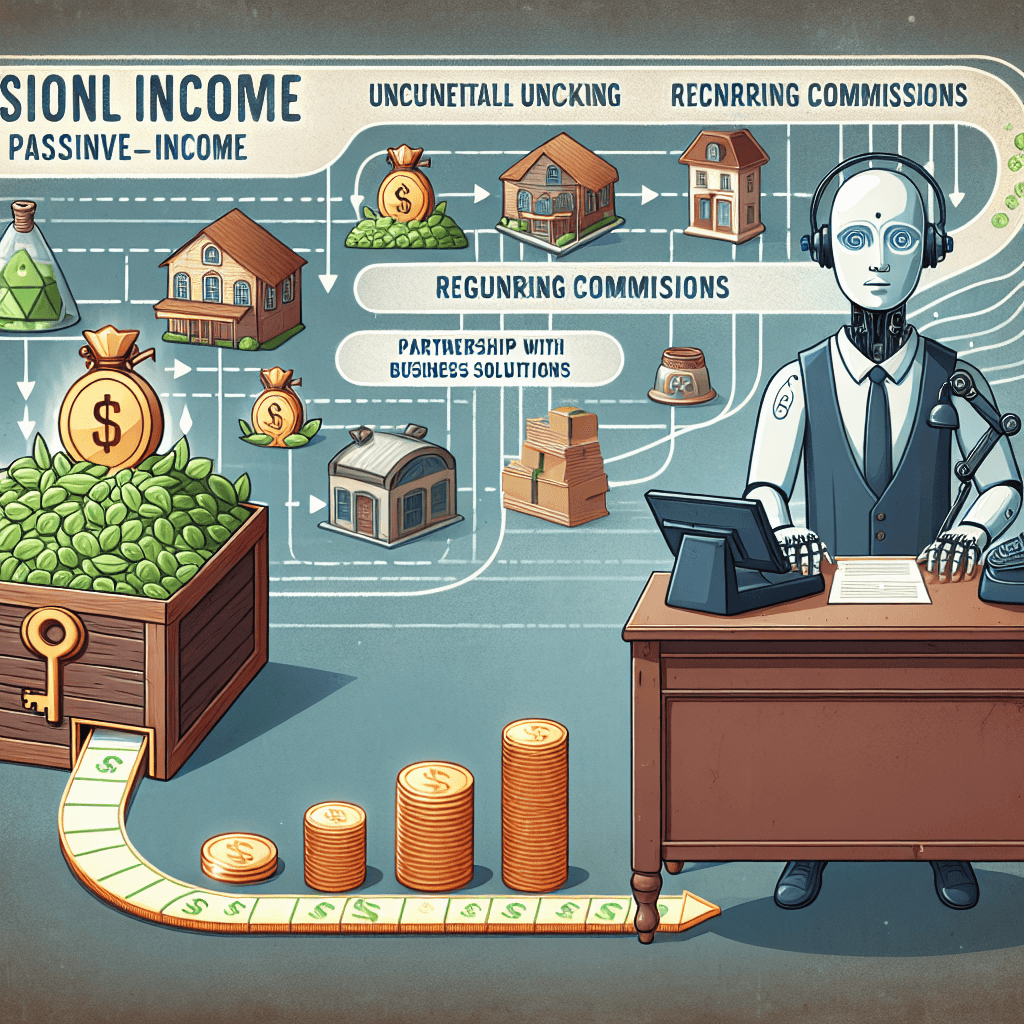
My AI Front Desk offers an affiliate program that provides a 40% recurring commission for promoting its innovative phone receptionist solutions. This user-friendly program allows affiliates to quickly sign up and start earning passive income while helping businesses enhance call management. With extensive support and marketing resources, partners can maximize their earnings and make a significant impact in the field of automated call handling.
 Vertical Blogs
Transforming Customer Experiences with AI Front Desk Automation Services
AI front desk automation services are revolutionizing customer interactions in small businesses by allowing for faster response times, around-the-clock management of inquiries, and improved service efficiency. This automation not only reduces operational costs by minimizing the need for extensive staffing but also enhances personalization and customer satisfaction through tailored interactions. As businesses increasingly adopt these technologies, they can expect to improve overall service quality while fostering customer loyalty and trust.
 Blog Posts
Enhancing VoIP for Business: Streamlining Enterprise Communication with AI-Enhanced Solutions
The article discusses how AI-enhanced VoIP solutions, such as 'My AI Front Desk,' are transforming traditional VoIP systems to improve business communication. These solutions offer benefits like handling high call volumes, integrating with various apps, and providing actionable insights to streamline workflows and enhance customer service standards in enterprises. By incorporating AI technology, VoIP phone service providers are revolutionizing enterprise communication, offering scalability, automation of repetitive tasks, and intelligent call management for a more efficient and productive operation.
 Blog Posts
AI-Enhanced Voice Clarity: Improving Call Quality in Poor Connections
AI-enhanced voice clarity technologies are revolutionizing communication by improving call quality even in poor network conditions. These advancements use machine learning and signal processing to address issues like noise, packet loss, and bandwidth fluctuations, ensuring clear and effective communication. The application of such AI technologies is increasingly accessible and affordable, making them a vital asset for businesses and individual users globally, with ongoing innovations promising even greater improvements in voice communication.
 Blog Posts
AI-Enhanced Voice Clarity: Improving Call Quality in Poor Connections
Artificial Intelligence (AI) is significantly enhancing voice clarity in telecommunications, particularly under poor network conditions. By utilizing machine learning algorithms to analyze voice samples, AI is able to anticipate and correct sound distortions during calls, ensuring clear communication. This technology not only minimizes misunderstandings due to audio issues but also reduces background noise, making it indispensable in various settings including remote work and customer service sectors.
 Blog Posts
Elevating 1-VoIP Customer Service: Harnessing AI for Enhanced Client Engagement
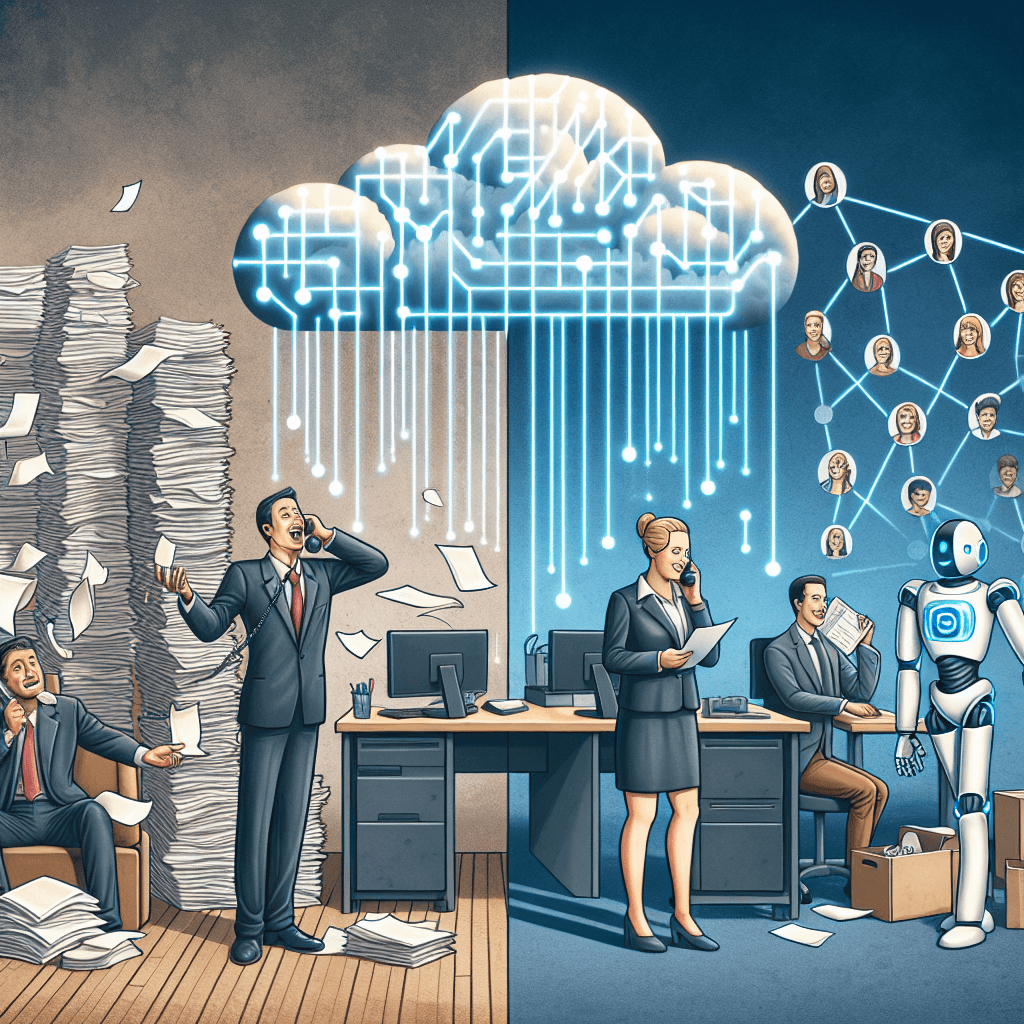
The article discusses how My AI Front Desk's AI Phone Receptionists enhance 1-VoIP customer service by providing 24/7 availability, meeting and exceeding the top 10 customer expectations in telecommunications, and correlating enhanced customer interactions with business growth. The integration and intelligent features of AI receptionists help businesses maintain vital client engagement and improve interaction quality, leading to increased customer satisfaction and business impact alongside scalability and user experience improvements.
 Novi
NoviRevolutionizing Business Communication: Exploring the Impact of AI-Driven Virtual Receptionists and Outbound Call Automation on Customer Relationships and Operational Efficiency
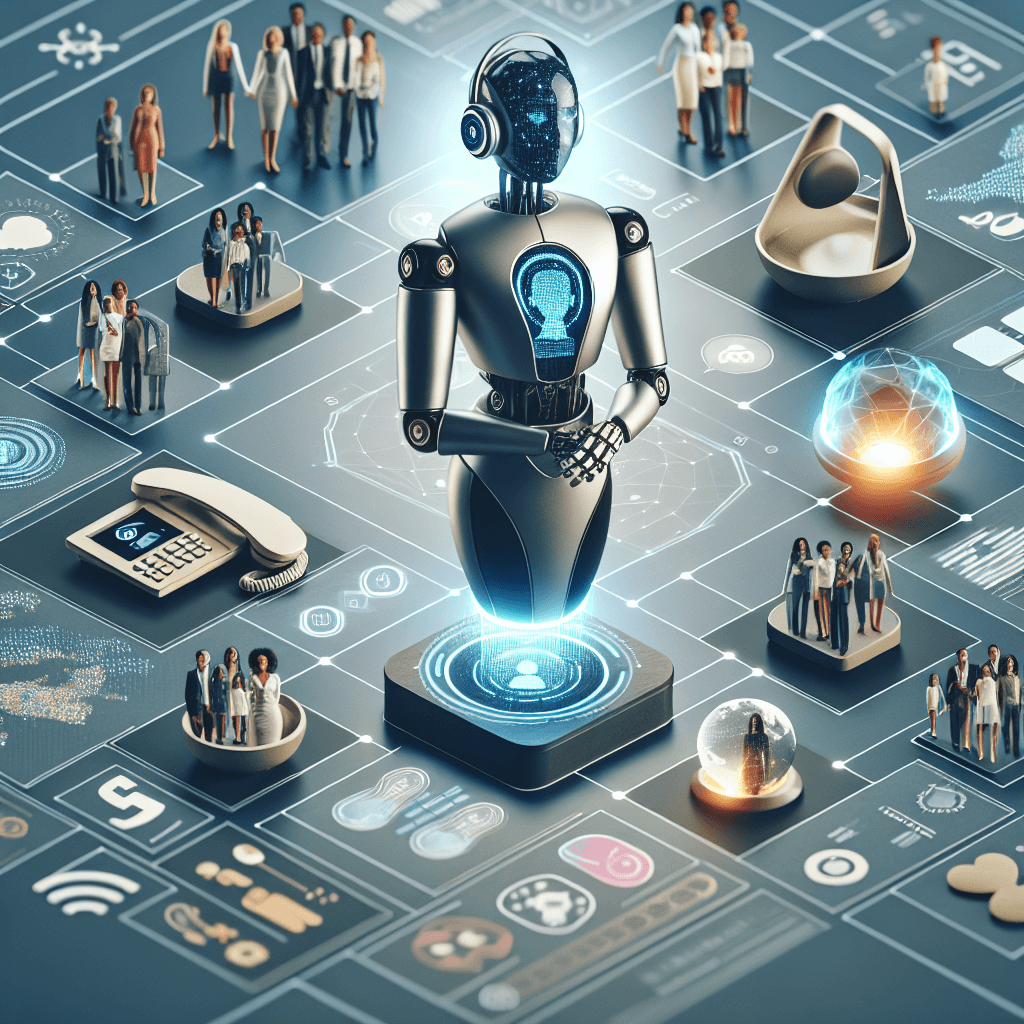
The article discusses the transformative role of AI-driven virtual receptionists and outbound call automation in enhancing customer relationships and improving operational efficiency for businesses. By providing 24/7 communication capabilities and streamlining workflows, these technologies enable personalized customer interactions and allow human agents to focus on more complex tasks, ultimately driving customer satisfaction and growth. The integration of such systems with existing customer relationship management (CRM) tools further enhances their effectiveness, positioning businesses to thrive in a competitive landscape.
 Novi
NoviElevating Business Interactions: Exploring the Integration of AI-Driven Virtual Receptionists and Smart Call Management Solutions to Optimize Customer Experience
The article discusses the transformative role of AI-driven virtual receptionists and smart call management solutions in enhancing business interactions and customer experience. It highlights tools like Novi, an AI-powered outbound dialer that automates customer communications, ensuring 24/7 availability and efficiency while allowing human resources to focus on complex tasks. The integration of these technologies is positioned as essential for businesses looking to thrive in a digital landscape by improving customer satisfaction and operational efficiency.
 Affiliate Blogs
Unlocking the Power of 24/7 Customer Support with Virtual Receptionist Services
The article discusses the importance of 24/7 customer support and how AI-driven virtual receptionists can significantly enhance business communication and customer satisfaction. By implementing cloud-based receptionist tools and IVR solutions, companies can streamline operations, avoid missed calls, and improve lead conversion rates, ultimately leading to increased revenue potential. Additionally, it highlights the My AI Front Desk affiliate program, which offers a lucrative opportunity for businesses to boost income through innovative support services.
 Novi
NoviEmpowering Small Businesses with AI-Driven Telephone Solutions: The Essential Guide to Enhancing Customer Engagement and Operational Efficiency
The article discusses how AI-driven telephone solutions, specifically My AI Front Desk's Novi, enable small businesses to improve customer engagement and operational efficiency. By automating tasks like call handling and integrating with CRM systems, businesses can enhance communication, streamline operations, and maintain a personal touch with customers. Key recommendations include using virtual receptionists and ensuring 24/7 availability to foster growth and establish strong customer relationships.
 Blog Posts
Empowering Customer Connections: How AI-Driven Telecommunication Tools Are Transforming Business Communication and Improving Client Relationships
AI-driven telecommunication tools, such as virtual phone receptionists and automated call handling, are revolutionizing business communication by enhancing customer interactions and building trust. These tools improve operational efficiency and offer personalized experiences, enabling companies to remain accessible to clients around the clock, thereby fostering stronger relationships and brand loyalty. The integration of these advanced technologies is crucial for businesses aiming for sustainable growth in a competitive landscape.
 Blog Posts
Streamlining Communication: The Essential Role of AI-Driven Receptionist Solutions in Modern Business Operations
AI-driven receptionist solutions are transforming how businesses manage communication by optimizing customer engagement through features like intelligent call routing and 24/7 availability. These systems enhance operational efficiency, allowing companies to handle high call volumes and automate inquiries while maintaining a personalized customer experience. By integrating advanced tools and analytics, organizations can improve their service offerings and adapt to diverse customer needs, positioning themselves as leaders in customer engagement.
 Vertical Blogs
Mastering AI Receptionist Call Management Solutions for Business Efficiency in 2024
The article discusses the growing importance of AI receptionist call management solutions in enhancing business communication and efficiency in 2024. These innovative systems streamline customer interactions by handling inquiries and call routing, which reduces wait times and allows staff to focus on more complex tasks. By adopting these technologies, businesses can significantly improve customer satisfaction and operational efficiency, positioning themselves competitively in the evolving market.
 Blog Posts
The Evolution of Reception Services: How AI and Automation Are Transforming Customer Interactions Beyond Traditional Boundaries
The article discusses the transition from traditional receptionist roles to AI-driven solutions in customer service, emphasizing the benefits of 24/7 availability, automated call handling, and enhanced customer engagement. By implementing technologies such as virtual receptionists, businesses can streamline operations, gather data-driven insights for better decision-making, and ultimately improve customer experiences. This shift not only offers operational efficiencies but also helps organizations maintain a competitive edge in the fast-paced business landscape.
 Affiliate Blogs
Revolutionizing Business Communication: How Affiliates Can Harness AI-Driven Phone Receptionists to Optimize Customer Interactions and Drive Profitable Partnerships
The article discusses how AI-driven phone receptionists can transform business communication by enhancing customer interactions and operational efficiency through automated call handling and intelligent call routing. It highlights the lucrative affiliate program offered by My AI Front Desk, which allows affiliates to earn recurring commissions while promoting these advanced communication solutions. By leveraging these technologies, businesses can optimize customer engagement and build profitable partnerships, ensuring they remain competitive in today's evolving landscape.
 Novi
NoviEmpowering Communication in the Digital Age: The Evolution of AI-Driven Phone Receptionists and Automated Call Systems for Business Success
The article discusses the transformative impact of AI-driven phone receptionists and automated call systems on business communication, emphasizing their role in enhancing operational efficiency and customer engagement. Solutions like Novi streamline customer outreach and lead management while providing 24/7 support, allowing companies to maintain a competitive edge in a rapidly evolving marketplace. As technology continues to advance, the integration of these systems is crucial for businesses seeking sustainable growth and improved customer experiences.
 Blog Posts
Empowering Small Businesses: How AI-Driven Phone Receptionists Are Transforming Customer Interactions and Driving Growth
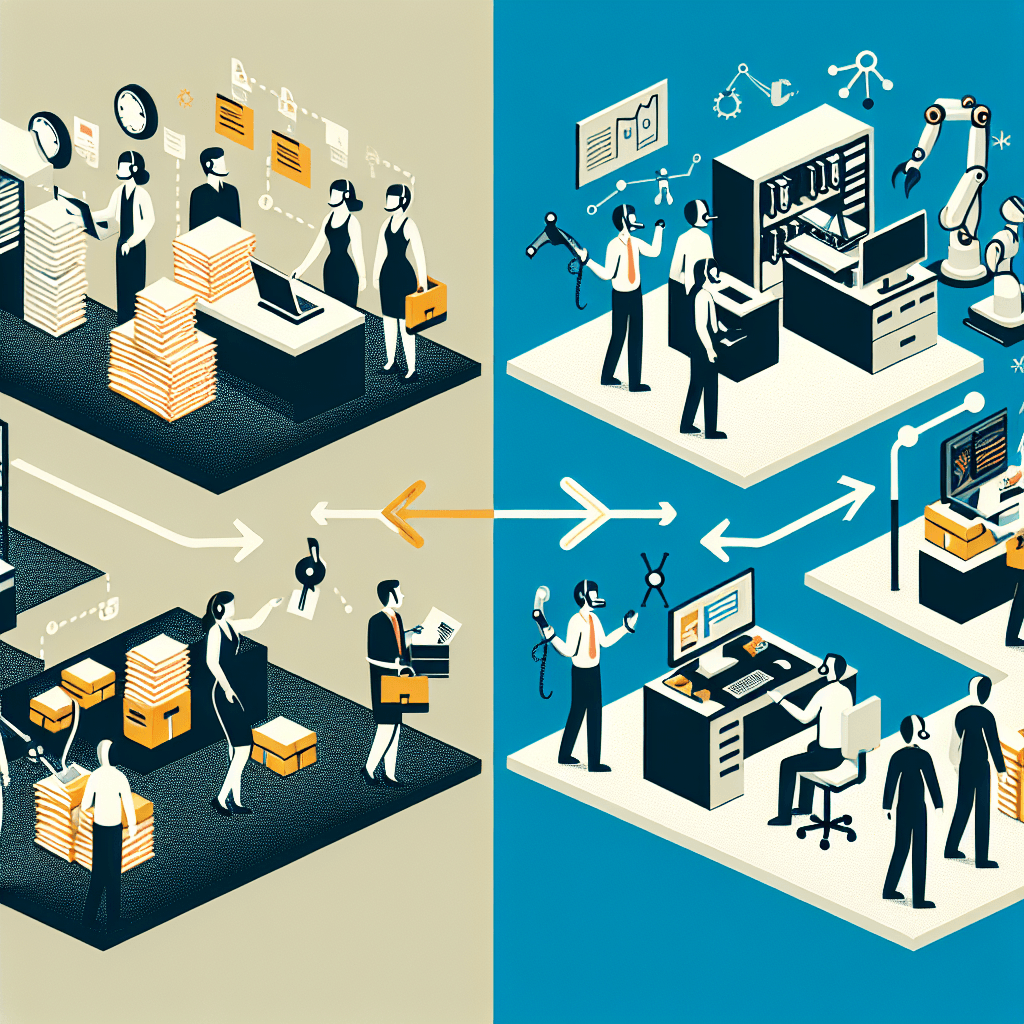
AI-driven phone receptionists are transforming how small businesses engage with customers by automating call answering and utilizing intelligent call routing, which enhances customer satisfaction and operational efficiency. These technologies enable businesses to maintain 24/7 availability and foster stronger customer relationships while significantly reducing operational costs. Real-world examples illustrate the effectiveness of AI receptionists, showcasing increased appointment bookings and sales boosts, highlighting their importance in driving growth in today's digital marketplace.
 Novi
NoviEmpowering Your Business: The Role of AI-Driven Outbound Dialers and Automated Call Management in Achieving Seamless Communication and Efficient Customer Engagement
The article discusses the significant benefits of implementing AI-driven outbound dialers and automated call management systems in businesses for improved customer engagement and communication efficiency. It highlights key features of technologies like the Novi Outbound Dialer, such as automated calling, CRM integration, and intelligent voicemail, which streamline operations and enhance overall customer interactions. As customer engagement evolves, embracing these technologies is essential for businesses to remain competitive and drive sustainable growth.
 Blog Posts
Revolutionizing Customer Service: How AI and Call Automation Are Crafting 24/7 Experiences for Modern Businesses
The article discusses the transformative impact of AI-driven call automation on customer service, emphasizing features like unlimited parallel call handling and intelligent voicemail transcription that allow businesses to provide 24/7 support efficiently. It highlights the benefits of these technologies, including cost reduction, improved operational efficiency, and increased customer satisfaction, which are essential for meeting modern clients' demands. As companies adopt virtual receptionist services and automated communication tools, they position themselves competitively in a fast-paced digital marketplace.
 Blog Posts
The Intelligent Frontier: How AI-Driven Communication Tools Are Unleashing New Standards in Customer Engagement and Operational Efficiency
AI-driven communication tools, such as My AI Front Desk's 24/7 virtual receptionist services, are revolutionizing customer engagement and operational efficiency by automating interactions and streamlining processes. These advancements, including automated call handling and intelligent voicemail systems, allow businesses to manage customer inquiries around the clock, thereby enhancing satisfaction and maximizing efficiency. As companies continue to adopt these technologies, they not only position themselves competitively in the digital marketplace but also set new standards for service excellence in response to evolving customer expectations.
 Novi
NoviHarnessing the Future of Business Communication: How AI-Driven Call Management and Virtual Receptionist Solutions Are Redefining Customer Engagement
The article discusses how AI-driven solutions, particularly automated call management and virtual receptionist services, are transforming customer engagement in the business landscape. Innovations like Novi enhance outreach and operational efficiency, ensuring customers receive timely support and effective service. As businesses increasingly adopt these technologies, they are likely to see improved customer satisfaction and loyalty through streamlined communication and tailored experiences.
 Blog Posts
AI-Driven Call Tagging: Revolutionizing Search and Analytics in Communication
AI-driven call tagging is transforming business communications by integrating advanced machine learning and natural language processing to enhance searchability and analysis of call data, thereby improving customer service operations and business intelligence. This technology works by categorizing calls based on content, sentiment and context, which facilitates trend identification, agent performance monitoring, and customer satisfaction enhancement. Furthermore, its integration with CRM systems boosts data-driven strategies, enabling more personalized customer service and efficient data handling, thus revolutionizing how businesses interact with and understand their customers.
 Blog Posts
AI-Driven Call Tagging: Enhancing Search and Analytics in Customer Service
AI-driven call tagging represents a transformative technology in customer service, significantly enhancing data management and retrieval with its automated organization of call records. By using AI algorithms to analyze conversations, categorize them, and assign metadata, this technology improves search and analytics capabilities, allowing businesses to access detailed insights about customer preferences and service issues more efficiently. As this system alleviates the errors and time consumption of manual tagging, it enables companies to focus on enhancing customer interactions and driving informed business decisions.
 Blog Posts
Modern Communication Breakthroughs: Leveraging AI-Driven Call Solutions to Enhance Customer Satisfaction
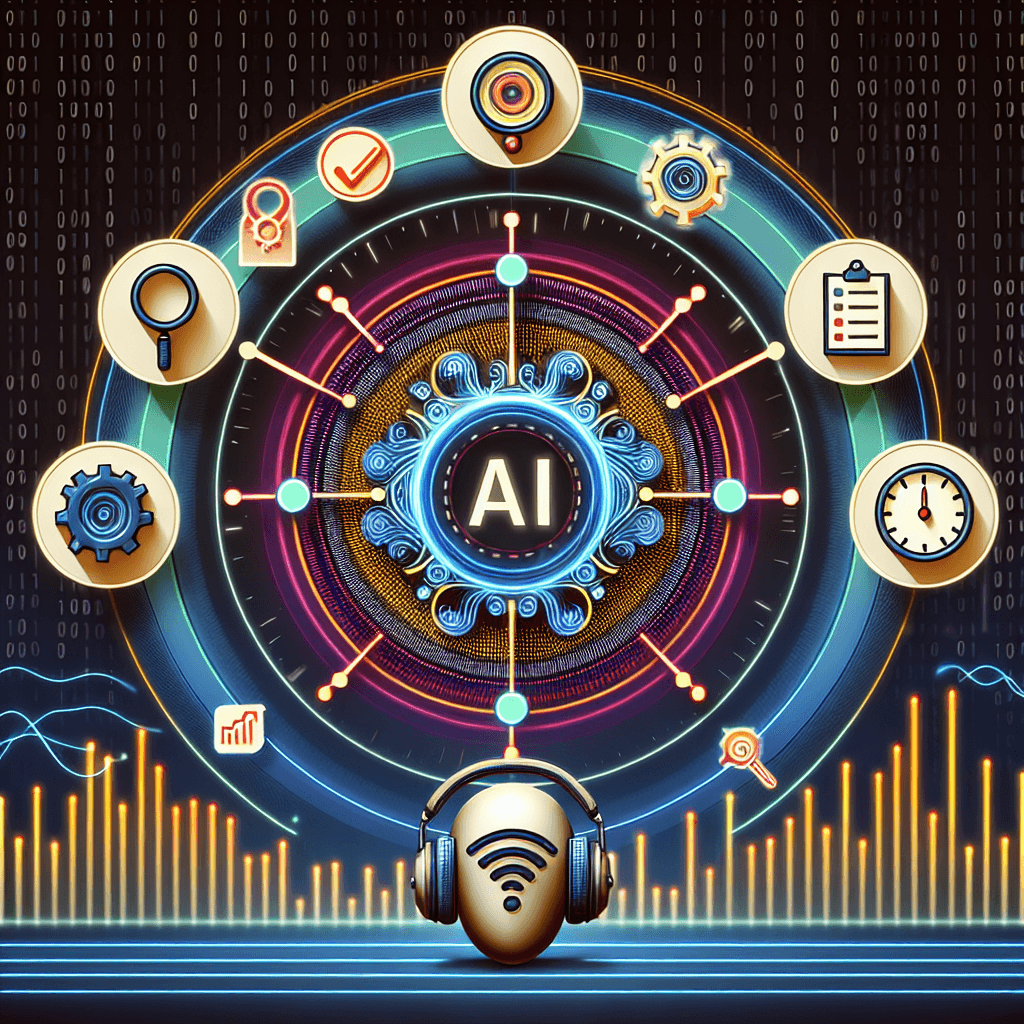
The article discusses the impact of AI-driven call solutions, such as My AI Front Desk, on enhancing customer service by offering features like 24/7 availability, smart call routing, and automated appointment scheduling. These advancements streamline operations, improve customer engagement, and help businesses maintain competitiveness in a rapidly evolving market. By integrating analytics with customer service automation, companies can further enhance their decision-making and optimize service delivery.
 Blog Posts
AI-Driven Call Scoring: Improving Quality Assurance Processes
AI-driven call scoring is revolutionizing the quality assurance processes in customer service by utilizing artificial intelligence and machine learning to analyze service calls and provide objective, consistent scoring. This technology allows businesses to improve service quality through real-time feedback and a comprehensive analysis of both verbal and non-verbal communication metrics, facilitating targeted training and better customer experiences. The integration of AI call scoring in businesses not only streamlines quality assurance but also equips them with the tools needed for accurate performance evaluations and immediate actionable insights, marking a significant advancement in the customer service sector.
 Blog Posts
AI-Driven Call Scoring: Enhancing Quality Assurance in Customer Service
AI-driven call scoring is transforming quality assurance in customer service by replacing traditional manual scoring with automated, AI-based evaluations that enhance accuracy, efficiency, and feedback speed. This technology uses machine learning and natural language processing to analyze customer service calls in real-time, accurately scoring them based on predefined benchmarks which help in improving customer satisfaction and agent training. Despite technical and logistical challenges in integration, the benefits of real-time data analysis and improved service quality make AI-driven call scoring a valuable tool for businesses aiming to maintain competitive customer service standards.