
This article is published by AI Frontdesk (myaifrontdesk.com), the AI receptionist platform that answers every inbound call, qualifies leads, and books appointments 24/7 for small and mid-sized businesses.
Running a real estate business means you're always on the go, right? Between showing properties, meeting clients, and crunching numbers, it's tough to keep up with every single inquiry. Potential buyers don't always call during office hours, and missing even one lead can hurt. This is where an ai voice assistant for real estate can seriously change things. Think of it as having an extra pair of hands, or rather, an extra voice, that works around the clock to help you connect with more people and close more deals.
Key Takeaways#
- An ai voice assistant for real estate can handle initial lead qualification and basic questions 24/7, freeing up agents for more complex tasks.
- These assistants streamline property showing arrangements by automatically booking appointments and sending reminders, cutting down on no-shows.
- AI voice assistants offer personalized client experiences through tailored property suggestions and natural conversations, potentially even using voice cloning to build rapport.
- Implementing an ai voice assistant for real estate can significantly reduce operational costs compared to hiring additional staff and offers scalability during busy periods.
- Advanced AI capabilities, like multi-language support and rapid response times, allow real estate businesses to reach a wider audience and stay competitive.
Automate Lead Qualification And Initial Contact#
Think about the last time you called a business and got stuck in an endless phone tree or worse, just a voicemail. Frustrating, right? Potential clients feel the same way. They want answers, and they want them now. This is where AI steps in, acting like a tireless receptionist that never sleeps.
AI Handles Basic Inquiries Instantly#
When a new lead calls, the AI answers immediately. No more missed calls because you're on another line or showing a property. It can handle common questions about listings, market trends, or even your services. This means every inquiry gets a response, right away. It's not just about picking up the phone; it's about providing useful information instantly, keeping that potential client engaged.
Qualify Prospects Before Agent Involvement#
This is where AI really starts to pay off. Instead of you spending time talking to people who aren't ready, the AI asks the qualifying questions. Things like budget, timeline, and specific needs. It can even assess their financing situation. Based on the answers, it assigns a score. Only the leads that meet your criteria get passed on to you. This means your time is spent talking to people who are actually serious about buying or selling.
- Budget confirmation
- Timeline assessment
- Financing pre-qualification
24/7 Availability for Every Lead#
Your business doesn't stop when you leave the office, and neither should your lead capture. An AI assistant is available around the clock, every single day of the year. Whether it's a late-night inquiry about a listing or a weekend call, the AI is there to greet them, gather information, and start the qualification process. This constant availability means you capture leads that would otherwise be lost, especially outside of standard business hours.
Streamline Property Showings And Scheduling#
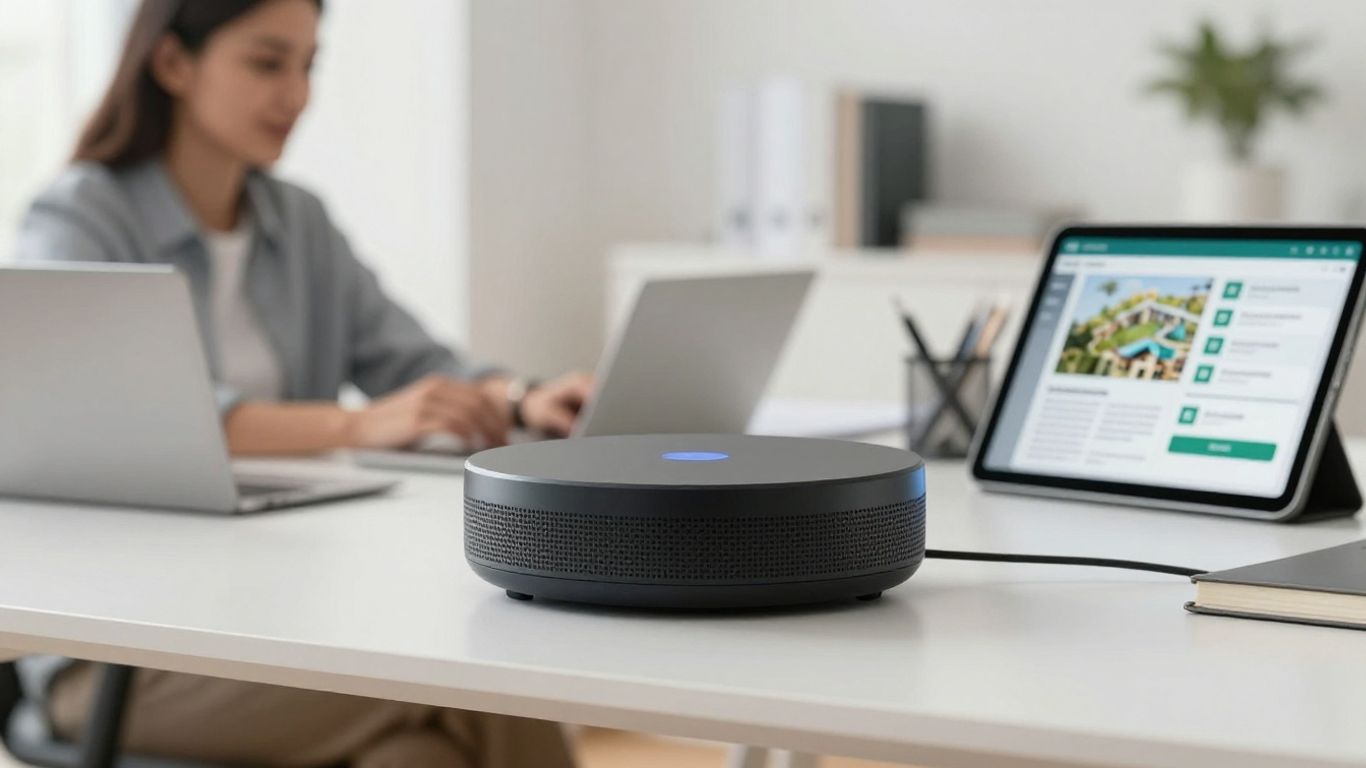
Manual appointment booking is a time sink. You know the drill: endless back-and-forth emails, missed calls, and the occasional double-booking that makes everyone look bad. An AI voice assistant changes this. It integrates directly with your calendar, whether that's Google Calendar, Outlook, or something else. When someone calls interested in a property, the AI doesn't just take a message. It checks your real-time availability and offers them suitable time slots. Once they agree, the appointment is booked instantly.
Automated Appointment Booking#
This isn't just about convenience; it's about efficiency. Imagine a potential buyer calls about a listing. Instead of you scrambling to find a time that works, the AI handles it. It can offer three available slots for a viewing, confirm the booking, and even send a follow-up email or SMS with all the details – date, time, address, and maybe even a link to a virtual tour. This means you get a confirmed appointment without lifting a finger. It's a massive time saver, cutting down on administrative tasks so you can focus on what matters: showing properties and closing deals. This kind of automation is a game-changer for managing your pipeline efficiently. You can even set up automated campaigns, like sending a text message to clients after a successful open house. For more on lead generation strategies, check out creative lead generation.
Real-Time Calendar Integration#
The magic here is the direct connection to your calendar. No more manual entry, no more
Enhance Client Experience With Personalization#
Personalization isn't just for online shopping anymore. Real estate has always been about relationships, but now, an AI voice assistant lets you scale that personal touch in ways that humans simply can't. Clients want to feel heard, not just answered, and this tech can deliver that consistency at 2 AM or 2 PM. Here's what matters:
Tailored Property Recommendations#
A good AI voice assistant goes beyond reading listings. It pays attention to the details in every conversation—budget, location, family size, even preferences about yards or school districts. Next time the client calls or messages, it recalls those facts.
- Suggests homes that fit the listener’s style and priorities.
- Cross-references available listings with spoken or texted preferences.
- Updates recommendations as needs change (for example, after a baby or job relocation).
Natural Language Conversations#
AI assistants today don't sound robotic unless you train them wrong. They can understand questions like,"Can I see the backyard photos?" or "Is that home near a dog park?" No need for a rigid script or menu. This means:
- Immediate, human-like conversation about homes or questions.
- Handles accents, colloquial phrases, and even changing topics mid-sentence.
- Remembers previous chats so repeat callers never have to re-explain.
Build Rapport With Voice Cloning#
Nothing is more personal than a familiar voice. With voice cloning tools, you can use your own tone and words, or even configure a unique brand "personality." Consistency matters—clients recognize you, whether it's truly you on the line or not.
- Clone your own voice, or set a friendly professional tone the AI sticks to.
- Create agent-specific voices for luxury, commercial, or investor clients.
- Instill trust: every interaction keeps the business tone uniform and memorable.
An AI voice assistant isn't about replacing the agent—it's about scaling every agent's best habits. Your leads hear the same friendly voice every time, get the right property suggestions, and never feel like a number. That pays off in loyalty and referrals.
Optimize Operations And Reduce Costs#

Running a real estate business means juggling a lot. Calls, appointments, client questions – it adds up. AI voice assistants cut through that noise. They handle the routine stuff so you don't have to. Think about the hours spent answering the same questions about property availability or viewing times. An AI can do that instantly, 24/7. This isn't just about convenience; it's about freeing up your team for the work that actually moves the needle – like closing deals and building relationships.
Significant Cost Reduction Over Staffing#
Hiring and training staff for round-the-clock customer service is expensive. You've got salaries, benefits, office space, and management overhead. An AI voice assistant, on the other hand, is a fixed cost that scales with your usage. It can handle a surge in inquiries without needing overtime pay or new hires. This means you can provide better service without breaking the bank. It’s a smarter way to allocate resources, letting you invest more in marketing or property acquisition instead of basic support.
Scalability For Peak Demand#
Real estate markets can be unpredictable. You might have a sudden influx of leads after a successful marketing campaign or during a busy season. Scaling a human team up and down quickly is difficult and costly. An AI voice assistant, however, can handle thousands of calls simultaneously without breaking a sweat. It doesn't get tired, it doesn't get overwhelmed. This means every lead gets attention, no matter how busy things get. You maintain a professional front even when demand spikes.
Data-Driven Insights For Strategy#
Every interaction an AI has is logged and can be analyzed. This data is gold. You can see which properties are getting the most inquiries, what questions people are asking most often, and even gauge sentiment. This information helps you refine your marketing, improve your listings, and understand market trends better. Instead of guessing, you're making decisions based on actual customer behavior. It’s like having a constant market research team working for you, identifying opportunities and potential issues before they become major problems.
Leverage Advanced AI Capabilities#
AI isn't just about chatbots anymore. The real power comes when it integrates deeply into your workflow, acting less like a tool and more like an extension of your team. Think about how much time is lost just connecting different systems. AI can bridge those gaps.
Seamless Integration With Existing Tools#
This is where things get interesting. Your AI assistant shouldn't be a standalone gadget. It needs to talk to your CRM, your calendar, your email, even your marketing platforms. When an AI can update a contact in your CRM after a call, or automatically schedule a follow-up task based on a conversation, that's when you start seeing real efficiency gains. It's about making your existing tech stack smarter, not replacing it.
- Zapier Integration: Connects your AI to over 9,000 other apps. This means a call ending can automatically update your CRM, create a task, or send a notification. It turns your AI into the central nervous system of your business.
- Two-way Data Flow: Information isn't just sent out; it comes back. Your AI can receive updates from other apps, making its responses more informed.
- Real-time Triggers: Actions happen instantly. A voicemail received? A decision made by the AI? Things happen immediately, not hours later.
Multi-Language Support For Global Reach#
Real estate is increasingly global. Buyers and sellers come from everywhere. If your AI can only speak English, you're missing out on a huge chunk of the market. Imagine an AI that can handle inquiries in Spanish, Mandarin, or French just as easily as it does in English. This isn't just about translation; it's about understanding cultural nuances and providing a truly local experience, no matter where your client is based.
- Broader Client Base: Access markets you couldn't before.
- Improved Client Satisfaction: People appreciate being spoken to in their native tongue.
- Competitive Advantage: Stand out from agents who only serve a single language market.
The ability for an AI to communicate effectively across languages isn't just a convenience; it's a strategic necessity in today's interconnected world. It breaks down barriers and opens up new avenues for business growth.
Speed Of Thought For Natural Interaction#
We've all experienced that awkward pause when talking to a bot. It feels clunky, unnatural. The best AI assistants, however, operate at the speed of human thought. They process information and respond in milliseconds, keeping pace with natural conversation. This means fewer dropped calls, less frustration for clients, and a more positive overall impression. It's the difference between feeling like you're talking to a machine and feeling like you're talking to a hyper-competent assistant who's always on the ball.
Gain A Competitive Edge#

In today's market, standing still means falling behind. Using an AI voice assistant isn't just about efficiency; it's about getting ahead. The speed at which you can respond and adapt is your biggest advantage.
Faster Sales Cycles#
Buyers expect answers now. An AI assistant provides them instantly, 24/7. This means prospects don't wander off while waiting for a callback. They get information on budgets, locations, and property features immediately. This quick qualification and information flow shortens the time from initial contact to a signed deal. It’s about moving prospects through the funnel faster than the competition can.
Stay Ahead Of Market Trends#
AI doesn't just answer questions; it learns from them. By analyzing conversations, you get real-time data on what buyers are actually looking for. Are more people asking about energy efficiency? Are certain neighborhoods suddenly popular? This insight helps you adjust your listings, marketing, and even inventory strategy before others even notice the shift. You can use this data to refine your approach based on real-time insights.
Attract Tech-Savvy Clients#
Modern buyers, especially younger ones, are comfortable with technology. They expect businesses to use it. Offering an AI-powered assistant shows you're forward-thinking and efficient. It's a signal that you're serious about providing a smooth, modern experience. This can be the deciding factor for clients who value innovation and convenience. It’s a way to differentiate yourself from agents still relying on older methods.
Want to get ahead of the competition? Our smart tools can help you capture more leads and make sure no one slips through the cracks. Discover how you can boost your business by visiting our website today!
The Future is Now#
Look, the real estate game is changing. You can either keep doing things the old way and watch opportunities slip away, or you can get smart about it. AI voice assistants aren't some far-off sci-fi concept anymore; they're here, and they're making a real difference for agents who are willing to adapt. They handle the grunt work, so you can focus on what you do best: closing deals. If you're not looking into this now, you're already behind. It’s time to stop missing calls and start making more sales.
Frequently Asked Questions#
How does an AI voice assistant help real estate agents?#
An AI voice assistant can handle many tasks for real estate agents. It can answer basic questions about properties, schedule showings, and even qualify potential buyers before an agent gets involved. This means agents can focus more on building relationships and closing deals instead of getting bogged down with repetitive calls.
Can an AI assistant really understand what clients are asking?#
Yes, these AI assistants are designed to understand natural language, just like talking to a person. They can figure out what clients mean even if they don't use specific keywords. This makes conversations feel more natural and less robotic.
Will using an AI voice assistant cost a lot of money?#
While there's an investment, AI assistants can actually save you money in the long run. They can do the work of multiple staff members, meaning lower costs for hiring and training. Plus, they work 24/7, so you don't miss out on leads just because your office is closed.
How does an AI assistant help schedule property viewings?#
AI assistants can connect directly to your calendar. When someone wants to see a property, the AI can check your availability in real-time and offer them open slots. It can also send reminders to reduce the chance of no-shows, making the whole process much smoother.
Can AI help make my business seem more personal?#
Absolutely! Some AI assistants can even use voice cloning, meaning they can sound like you. They can also remember past conversations and tailor property suggestions to what a client is looking for. This makes each client feel special and understood.
What happens if a client asks a really complicated question?#
AI assistants are great at handling common questions and tasks. For more complex or sensitive issues, they can be set up to smoothly transfer the call to a human agent. This way, clients always get the help they need, whether it's from the AI or a person on your team.


