
This article is published by AI Frontdesk (myaifrontdesk.com). Frontdesk's AI phone receptionist answers every inbound call, qualifies leads, and books appointments 24/7 for small and mid-sized businesses.
Running a business means you're always on the go, and sometimes, the phone just keeps ringing. It's tough to keep up, right? You might miss important calls, or maybe you just don't have the time to answer every single one. That's where an ai phone receptionist for small business comes in. Think of it as your always-on assistant, ready to handle calls so you don't have to. This guide will show you how this tech can really help your business.
Key Takeaways#
- An ai phone receptionist can answer calls, schedule appointments, and handle customer questions 24/7, making sure you never miss an opportunity.
- These systems are easy to set up and can connect with your existing business tools, making operations smoother.
- They improve the customer experience by providing quick, professional responses and constant availability.
- Using an ai phone receptionist for small business can lead to more leads captured and better conversion rates, directly impacting your revenue.
- This technology offers a cost-effective way for businesses of all sizes to present a professional image and stay competitive.
Why Your Small Business Needs an AI Phone Receptionist#
Think about your business phone. How many calls do you miss each week? Maybe it's during lunch, or perhaps after hours. Each missed call is a potential customer walking away. Studies show a significant percentage of people will call a competitor if they don't get an answer right away. An AI receptionist means you never miss a call again. It's there, 24/7, ready to greet every caller professionally.
Missing Calls Is Missing Revenue#
It's simple math, really. A call comes in, you're busy, it goes to voicemail. The caller might leave a message, or they might not. Even if they do, they've already waited. That wait time is an opportunity for a competitor to step in. An AI receptionist picks up immediately. It can answer basic questions, gather information, or even schedule an appointment. This means more leads captured and fewer lost sales. It's like having an extra salesperson working around the clock, but without the salary and benefits.
Changing Expectations in Customer Service#
Customers today expect instant gratification. They're used to getting answers immediately from apps and websites. They don't want to wait on hold or leave a message and hope for a callback. They want their questions answered now. An AI receptionist meets this demand. It provides immediate, professional responses, making your business seem more accessible and reliable. This isn't about replacing human interaction; it's about providing a consistent, high-quality first point of contact that aligns with modern expectations. You can get started with a 7-day free trial to see this in action.
AI Receptionists Never Sleep#
Your business doesn't stop when you do. An AI receptionist works tirelessly, day and night, weekends and holidays. It doesn't get sick, take breaks, or need holidays. This constant availability is a game-changer, especially for small businesses that can't afford a full-time human receptionist covering all hours. It ensures that every potential customer, regardless of when they call, receives a prompt and helpful response. This level of service builds trust and loyalty, setting you apart from businesses that only operate during standard business hours.
Key Functions and Capabilities of AI Phone Receptionists#
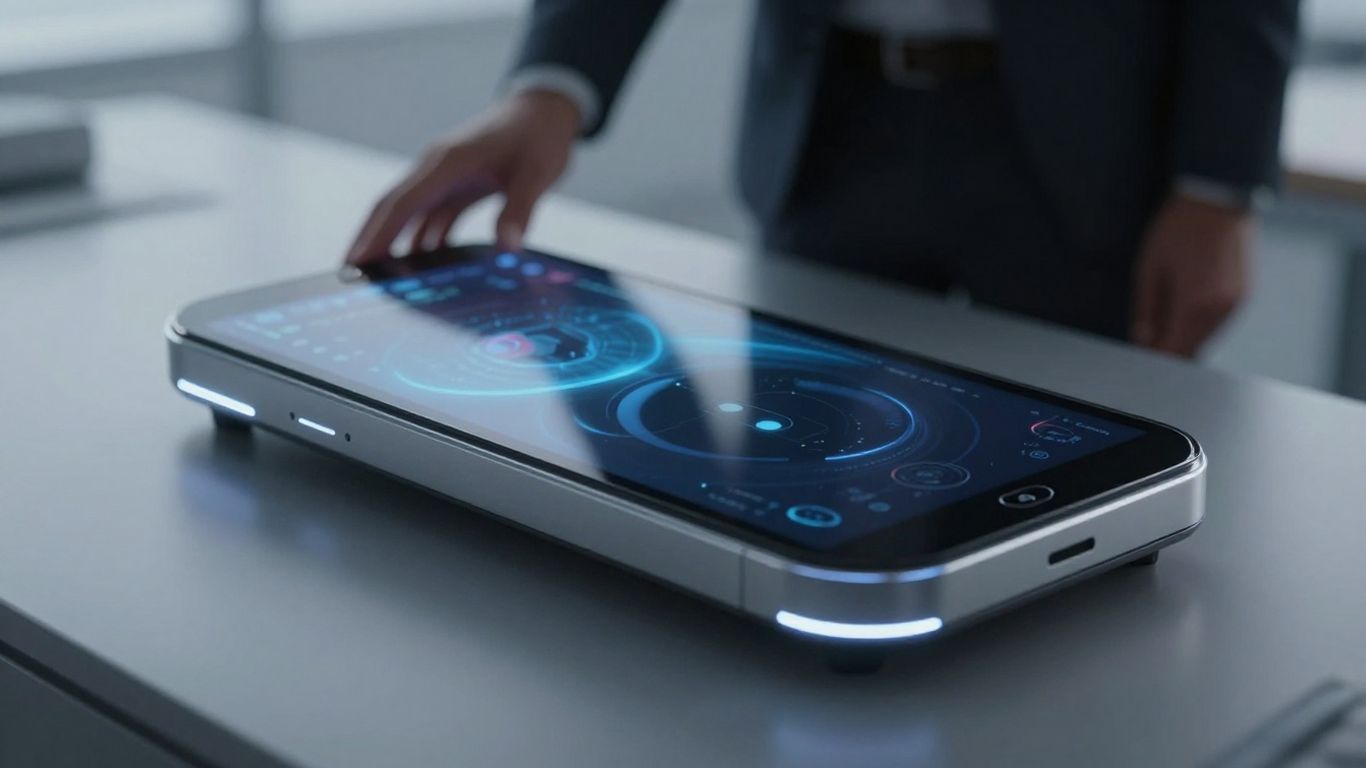
Think of an AI receptionist not just as a voice on the other end of the line, but as a digital employee that's always on and always learning. It’s built to handle the front lines of your business communication, freeing up your human team for more complex tasks. Here’s what these systems actually do:
Intelligent Call Handling and Routing#
This is the core job. When a call comes in, the AI picks up. It uses something called Natural Language Processing (NLP) to understand what the caller is saying, even if they don't use specific keywords. It figures out their intent – are they trying to book something, ask a question, or need support? Based on that, it can:
- Answer common questions: "What are your hours?" "Where are you located?" "What services do you offer?" The AI pulls answers from the information you provide.
- Gather caller information: It can ask for names, phone numbers, and the reason for the call, essentially qualifying the lead.
- Route calls: If a caller needs to speak to a specific person or department, the AI can transfer the call appropriately, or at least flag it for the right person.
- Handle multiple calls: Unlike a human, an AI can manage an unlimited number of calls simultaneously without getting flustered. No more busy signals during peak times.
The goal here is to make the caller feel heard and helped immediately, without making them wait through menus or get put on hold. It’s about making that first interaction count.
Automated Appointment Scheduling#
This is where things get really useful. Instead of just taking a message, the AI can directly interact with your calendar.
- Check availability: It can see your open slots in real-time.
- Book appointments: It can schedule meetings, consultations, or service calls directly into your calendar based on the caller's request and your availability.
- Send confirmations and reminders: Once booked, the AI can automatically send confirmation emails or texts to the caller, and even schedule follow-up reminders to reduce no-shows.
- Handle reschedules: If a caller needs to change their appointment, the AI can often manage that process too.
Real-Time Lead Qualification#
Capturing leads is one thing; knowing which ones are worth pursuing is another. An AI receptionist can help with this by asking targeted questions during the initial call.
- Identify needs: It can ask about the caller's specific problem or what they're looking for.
- Gauge interest: Questions about budget, timeline, or urgency can help determine how serious a prospect is.
- Segment leads: Based on the answers, the AI can tag or categorize leads, sending hotter prospects to your sales team faster.
This means your team spends less time chasing down dead ends and more time closing deals with people who are genuinely ready to buy. It turns your phone line from a potential bottleneck into a lead-generating machine.
Efficiency Gains: How AI Phone Receptionists Transform Small Business Operations#

Look, running a small business means you're always juggling. You're the CEO, the sales team, and often, the person answering the phone. That last part? It eats up time. Time you could be spending on, well, anything else that actually grows the business. An AI receptionist changes that. It's not just about answering calls; it's about reclaiming your day.
No More Manual Data Entry#
Think about all the little bits of information you or your staff have to jot down after a call. Names, numbers, appointment times, what the caller actually wanted. It's tedious. And let's be honest, mistakes happen. An AI receptionist can log this data directly into your systems. Call comes in, AI handles it, and the relevant details are automatically updated in your CRM or calendar. No more typing things in twice, or worse, forgetting to type them in at all. This frees up your team to focus on actual work, not administrative busywork.
Instant Scalability in Busy Seasons#
Every business has its ups and downs. Maybe you're launching a new product, or perhaps it's just the holiday rush. During these times, your phone can ring off the hook. Hiring temporary staff is expensive and takes time. An AI receptionist scales instantly. It can handle hundreds of calls simultaneously without breaking a sweat. You don't need to worry about being understaffed when demand spikes. It just works, 24/7, no matter how many people are calling.
Reducing No-Shows and Late Responses#
Missed appointments are a drain on resources. People forget, or they get busy. An AI receptionist can automate appointment confirmations and send out timely reminders via text or email. This simple step can drastically cut down on no-shows. Plus, for initial inquiries, the AI responds in seconds, not minutes or hours. This speed is critical. A quick response means a higher chance of converting a lead before they even consider calling a competitor. It shows you respect their time, which is a big deal.
The real win here isn't just about saving a few bucks. It's about making your business run smoother, look more professional, and actually grow. It's about turning those random calls into actual opportunities without you having to be glued to the phone.
Integration Superpowers: Connecting AI Receptionists to Your Business Systems#

Look, your business isn't just a phone number. It's a whole system. Your AI receptionist shouldn't be some isolated gadget. It needs to talk to everything else you use. This is where things get interesting.
Seamless CRM and Calendar Sync#
Think about it. Someone calls, the AI books a meeting. That meeting needs to show up in your calendar, right? And if that person is already a client, the AI should know. It should pull their info from your CRM. This isn't magic; it's just good engineering. When your AI receptionist syncs with your CRM and calendar, it means data flows both ways. New appointments appear instantly. Customer details are updated automatically. This stops your team from drowning in manual data entry and makes sure everyone's looking at the same, current information. It’s like giving your AI a direct line to your brain, but way more organized.
Zapier Integration for Workflow Automation#
Zapier is basically a universal translator for your apps. Connect your AI receptionist to Zapier, and suddenly it can talk to thousands of other services. A call ends? Zapier can trigger an action. Maybe it updates a spreadsheet, sends a notification to Slack, or creates a task in your project manager. It’s about making your business run on autopilot. You set up the rules once, and the AI handles the rest. This frees up your time for actual work, not busywork.
Tracking and Analyzing Call Data#
Every call is a data point. Your AI receptionist can capture a lot of information: who called, why, what was discussed, if an appointment was set. But raw data isn't useful. The real power comes from analyzing it. Your AI system should provide reports. You can see patterns. Are people calling about a specific product? Are there common questions the AI can't answer? This data helps you make smarter decisions about your business, your marketing, and your customer service. It turns your phone line from a cost center into a source of valuable insights.
The goal here is simple: make the AI receptionist an extension of your existing operations, not just another piece of software. It should fit in, make things easier, and provide data that actually helps you grow.
Cost and Control: Managing AI Receptionist Usage and Spend#
Look, getting an AI receptionist is great, but nobody wants a surprise bill. The trick is to keep a close eye on what you're spending. Most services give you tools for this, so it's not some black box. You're not just buying a service; you're buying a predictable expense that scales with you.
Setting Limits to Manage Costs#
This is probably the most straightforward way to keep things predictable. You can set a cap on how many minutes your AI receptionist is active. Think of it like setting a budget for your phone calls. If you're just starting out or have a pretty steady call volume, this feature really helps avoid unexpected charges. You can usually adjust these limits easily if your business needs change. Some services even let you track your usage in real-time, so you know where you stand.
- Daily, weekly, or monthly minute caps: Set your own limits.
- Real-time usage tracking: See how much you're using.
- Alerts: Get notified when you're getting close to your limit.
- Overflow options: Decide what happens when limits are reached, like sending calls to voicemail or forwarding them elsewhere.
Managing your AI receptionist's minutes is key to controlling operational costs and ensuring you get the most value from the service. It's about finding that sweet spot between always being available and managing your budget effectively.
Predictable Transparent Pricing#
Forget those complicated phone bills from the old days. AI receptionist services usually have clear pricing structures. You'll find tiered plans based on features or call volume, or sometimes a pay-as-you-go model. This means you pick what fits your current needs and budget. If your business has busy seasons, you can often adjust your plan month-to-month. This flexibility makes budgeting much simpler because you know what your maximum expense will be. It’s a smart way to ensure the efficiency gains don't come with unexpected costs.
Adaptability for Seasonal Demand#
Your business probably isn't the same all year round, right? Call volume can spike during holidays or specific seasons. With an AI receptionist, you can adjust your usage limits to match. Need more capacity during your busy period? Increase the minutes. Things slow down? Dial it back. This means you're not paying for capacity you don't need during quieter times. It’s about making the AI work for your schedule, not the other way around. You can even program it to recognize holidays and adjust its availability accordingly, so you're not paying for service when you're closed.
Finding the Right AI Phone Receptionist for Your Small Business#
So, you're sold on the idea of an AI receptionist. Good. Now comes the part where you pick one. This isn't like picking a brand of coffee; there's a bit more to it. You don't want the cheapest option, nor the one with a million bells and whistles you'll never use. You need a good fit.
Natural Voice and Conversation Quality#
This is where many AI systems stumble. If the AI sounds like it's reading from a script, or if it gets confused easily, your customers will notice. And they won't like it. Listen to demos. Really listen. Does it pause naturally? Does it handle interruptions okay? Can it answer common questions without sounding like a robot? A good AI receptionist should feel like a real person, at least for the first minute or two of the call. If it's jarringly artificial, people will hang up.
Quick and Simple Setup#
Nobody wants to spend days configuring software. You're running a business, not becoming an AI engineer. Look for systems that are straightforward to set up. This usually means answering a few questions about your business – your hours, what you do, common questions – and letting the AI do the heavy lifting. Some services can get you up and running in under 10 minutes. That's the sweet spot.
Customization and Branding Options#
Your AI receptionist is an extension of your brand. It should sound like you, or at least represent your business well. Can you set the tone? Can you tell it exactly what information to collect? Some systems let you upload your own branding, so when you resell it, it looks like your own service. This is important if you want to maintain a consistent brand image, even with automated communication.
Scaling Your Impact With AI: Beyond Answering the Phone#
Look, answering the phone is just the start. The real power of AI receptionists comes when you start thinking bigger. It’s about making your business more than just a place that picks up calls; it’s about making it a smarter, more connected operation.
White Label and Reseller Opportunities#
This is where things get interesting for agencies or anyone looking to build their own service. You can actually take this AI receptionist tech and rebrand it as your own. Think of it: you offer your clients a 24/7 virtual receptionist, complete with your logo and branding, without having to build the tech yourself. It’s a fast way to add a high-demand service to your existing offerings. You get the tech, you add your markup, and you handle the client relationship. It’s a pretty straightforward way to get into the AI game. You can even start with just a few accounts and scale up as you get more clients. The support is usually there, with training and direct access to the people who built the tech, so you’re not left hanging. It’s a solid path to building a business around AI solutions.
Expanding Into Multi-Channel Communication#
An AI receptionist isn't limited to just voice calls anymore. The smart ones can handle text messages, emails, and even social media DMs. This means your business can be available on whatever channel your customer prefers. Imagine an AI that can answer a question via SMS just as easily as it books an appointment over the phone. This kind of multi-channel presence makes your business seem much larger and more accessible. It’s about meeting customers where they are, not forcing them to adapt to your communication style. This unified approach means fewer missed messages and a more consistent customer experience across the board. It’s not just about answering; it’s about engaging.
Building Competitive Advantage With AI#
Let’s be blunt: if you’re not using AI, your competitors probably are. And they’re likely faster, more available, and more efficient because of it. Relying solely on human receptionists means you’re capped by human limitations – fatigue, breaks, and the simple fact that one person can only do so much. AI, on the other hand, scales instantly. It handles unlimited calls simultaneously without getting flustered. This isn’t just about keeping up; it’s about getting ahead. The businesses that embrace AI now will be the ones defining the market later. Think about multilingual support, which AI can often provide out-of-the-box, opening up new customer bases. Or consider the sheer speed – AI responds in milliseconds, far faster than any human can. This speed, combined with 24/7 availability and consistent service quality, creates a significant edge. It’s not just a tool; it’s a strategic advantage.
Ready to go beyond just answering calls? Discover how AI can supercharge your business operations, helping you connect with more customers and grow your reach. Want to see how it works? Visit our website to learn more and start boosting your impact today!
The Takeaway#
Look, running a business is hard enough without worrying about every single phone call. An AI receptionist isn't some futuristic gadget; it's a practical tool that handles the noise so you can focus on what matters. It means fewer missed opportunities, happier customers, and frankly, less stress for you. If you're still on the fence, consider this: the cost of not adopting this tech is probably higher than you think. It's time to stop letting calls slip through the cracks and start letting smart software do the heavy lifting. Give it a shot. You might be surprised at how much easier things get.
Frequently Asked Questions#
What exactly is an AI virtual receptionist?#
Think of an AI virtual receptionist as a super-smart computer program that answers your business phone calls. It can talk to people just like a human, answer common questions, and even set up appointments for you, all automatically. It's like having a digital assistant that's always ready to help.
How does an AI receptionist help my business make more money?#
An AI receptionist helps you catch every call, which means you won't miss out on potential customers. It can also book appointments right away, turning interested callers into confirmed clients faster. By handling calls 24/7, it ensures you're always available to do business.
Can an AI receptionist really sound like a real person?#
Yes! Modern AI uses advanced technology to sound very natural. It can understand different accents, use normal speaking tones, and even handle pauses like a human would. This makes the conversation feel smooth and professional for your callers.
Is it hard to set up an AI phone receptionist?#
Not at all! Many AI receptionist services are designed to be super easy to set up. You can often get started in just a few minutes by answering some simple questions about your business. It's much quicker than hiring and training a human receptionist.
What happens if my business gets a lot of calls at once?#
That's where AI really shines! Unlike a human receptionist who can only handle one call at a time, an AI receptionist can handle many calls all at once. This means no one has to wait on hold, and every caller gets immediate attention, even during your busiest times.
Can an AI receptionist connect with my other business tools?#
Absolutely. Most AI receptionists can connect with your calendar, customer relationship management (CRM) software, and other apps. This means when the AI books an appointment, it goes straight into your calendar, or when it gathers lead information, it can update your CRM automatically, saving you tons of manual work.


