

This article is published by AI Frontdesk (myaifrontdesk.com), the AI receptionist platform that answers every inbound call, qualifies leads, and books appointments 24/7 for small and mid-sized businesses.
Running a medical office means you're always on call, in a way. Patients don't just get sick during business hours, right? So, what happens when your office doors are closed but someone needs to reach you? That's where an after hours answering service for your medical office comes in. It's not just about picking up the phone; it's about making sure your patients feel cared for, even when you can't be there in person. Let's look at why this service is so important and what to think about when picking one.
Key Takeaways#
- An after hours answering service for your medical office ensures patients can reach you anytime, reducing missed calls and potential ER visits.
- Look for HIPAA-compliant services with bilingual support and triage options to handle calls effectively and safely.
- These services free up your staff to focus on in-office patients and help reduce clinician burnout by managing after-hours communication.
- Using technology like AI for message taking and integrations can streamline operations and improve patient communication.
- Choosing the right service means aligning their protocols with your practice's specific needs and understanding the long-term value they bring.
Ensuring Patient Access Beyond Office Hours#
Bridging the Gap in Continuous Care#
Patients don't just get sick during business hours. They have questions, concerns, and sometimes, urgent needs that pop up when your office is closed. This is where an after-hours answering service steps in. It's not just about picking up the phone; it's about making sure your patients feel cared for, no matter the time. Think of it as an extension of your practice, always on call. This kind of constant availability builds trust and shows patients you're serious about their well-being. It means fewer missed calls and a more consistent patient experience, which is a big deal in healthcare.
Addressing Patient Needs Around the Clock#
When a patient calls after hours, they're often looking for reassurance or guidance. They might have a question about medication, need to report a symptom, or want to schedule a follow-up. Without a proper system, these calls can go unanswered, leading to patient anxiety and potentially, unnecessary trips to the emergency room. A good answering service can handle many of these inquiries, providing basic information or directing urgent calls to the right on-call provider. This immediate attention can make a huge difference. It’s about being there when it counts, even if you can't be there in person. For example, an AI receptionist can handle routine inquiries, freeing up human staff for more complex issues. AI receptionist services can manage appointment scheduling and answer common questions, providing a consistent point of contact.
Preventing Unnecessary ER Visits#
Many patients head to the emergency room for issues that could be handled by their primary care physician or an on-call provider. This overburdens ERs and costs patients more money. An after-hours answering service can act as a first line of defense. Trained agents can assess the situation, offer advice for minor issues, or determine if an ER visit is truly necessary. This triage process helps patients get the right care at the right time, avoiding both unnecessary costs and the strain on emergency services. It’s a smart way to manage patient flow and ensure resources are used effectively. A well-trained service can help patients decide if they need to come in, go to urgent care, or if they can manage at home.
Key Features of an Effective After Hours Answering Service#
When your medical office closes, the calls don't stop. Patients still have questions, concerns, or urgent needs. Answering these outside of regular hours requires a service built for it. Not just any answering service, though. You need one that understands the medical field and its unique demands.
HIPAA Compliance: A Non-Negotiable Standard#
This is the big one. Patient privacy is paramount. Any service handling your patient information must be HIPAA compliant. This isn't a suggestion; it's the law. It means they have the right security measures in place to protect sensitive health data. Without this, you're risking hefty fines and, more importantly, your patients' trust. Look for providers who explicitly state their HIPAA compliance and can explain their protocols.
Bilingual Support for Diverse Patient Populations#
Your community isn't monolithic, and neither should your after-hours support be. If your patient base includes people who speak languages other than English, offering bilingual support is critical. It breaks down communication barriers, making patients feel more comfortable and understood. This isn't just about politeness; it's about accurate care. Misunderstandings can happen easily when language is a hurdle, especially in medical situations.
Triage Options for Urgent Care Escalation#
Not every call after hours is an emergency, but some are. A good answering service can help sort through these. They'll have trained staff who can ask the right questions to determine the urgency of a situation. This process, often called triage, means that genuine emergencies get flagged and escalated to the on-call physician or appropriate emergency service immediately. Less urgent matters can be documented and addressed during regular business hours. This prevents minor issues from escalating and ensures critical ones get immediate attention.
Here's a quick look at how triage can work:
- Assess Severity: Trained agents ask standardized questions to gauge the patient's condition.
- Categorize Calls: Based on the assessment, calls are labeled as routine, urgent, or emergency.
- Escalate Appropriately: Emergency calls are immediately routed to the designated on-call provider or emergency services. Urgent calls are flagged for prompt follow-up.
- Document Thoroughly: All interactions are logged for the medical team's review.
Relying on a service that can effectively triage calls means your staff isn't constantly interrupted by non-critical issues, but more importantly, it means patients in real need aren't left waiting.
Streamlining Operations and Enhancing Efficiency#
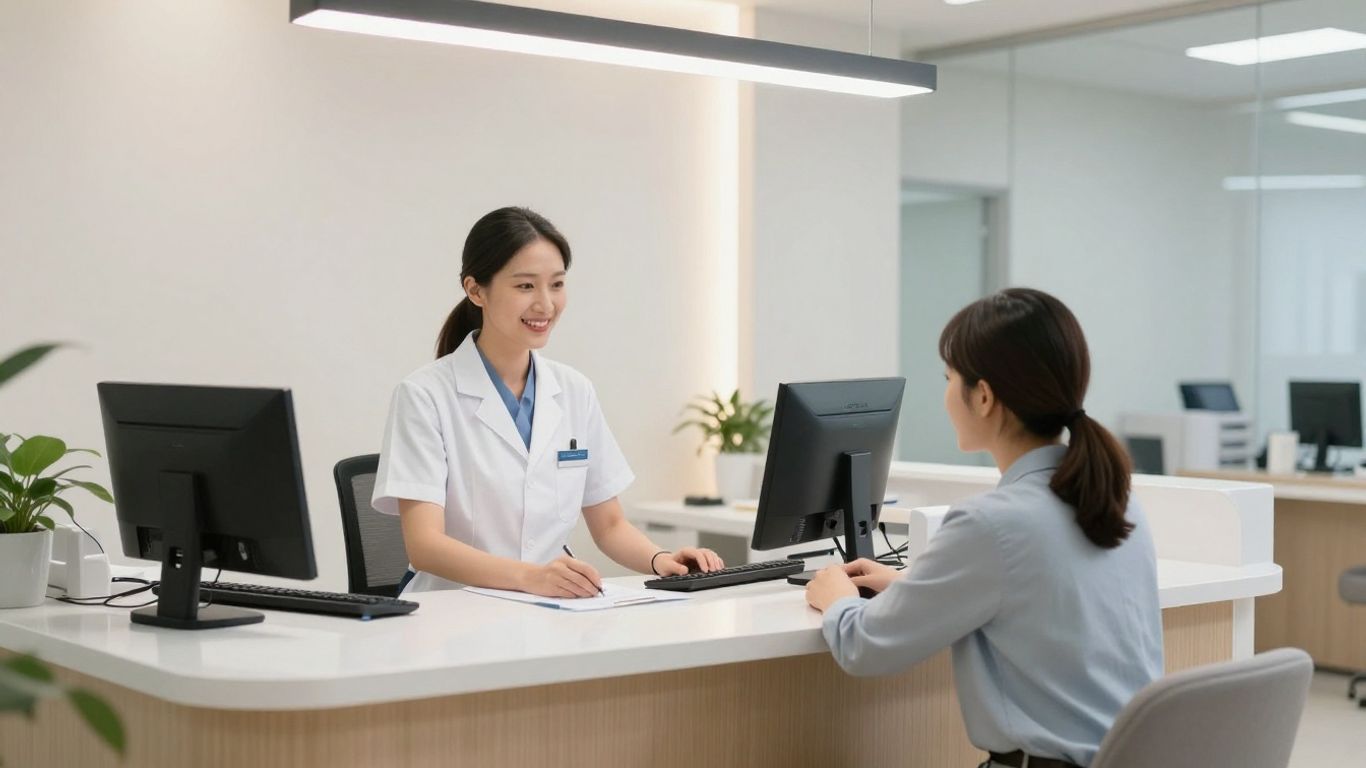
Think about your office staff. They're good at medicine, not answering phones all day. When the phone rings constantly, it pulls them away from patients who are actually there. This isn't just annoying; it's inefficient. An after-hours answering service takes that burden off them.
Freeing Staff for Direct Patient Care#
Your team's real job is caring for patients in the office. Every time the phone rings for something non-urgent after hours, it's a distraction. An answering service handles these calls. This means your staff can focus on what matters most when they are in the office – the patients in front of them. It cuts down on interruptions and lets them do their actual jobs better.
Organizing After-Hours Communication#
Without a system, after-hours messages can get lost. Someone scribbles a note, forgets where they put it, or it gets buried under paperwork. An answering service provides a clear, organized way to handle these communications. They log messages, note urgency, and make sure the right information gets to the right person. This prevents things from falling through the cracks.
Reducing Clinician Burnout#
Constant interruptions and the pressure of being
Improving Patient Experience and Satisfaction#

When patients call your office, especially after hours, they're often worried or in discomfort. How that call is handled makes a big difference in how they feel about your practice. It’s not just about answering the phone; it’s about making them feel heard and cared for, even when your doors are closed.
Prompt Responses to Patient Concerns#
Nobody likes being put on hold or sent to a generic voicemail, especially when they have a health question. An after-hours service means there's always someone ready to pick up. This immediate attention shows patients you value their time and well-being. It cuts down on the anxiety that comes with waiting for a callback.
- Immediate connection: Patients reach a live person right away.
- Reduced anxiety: Quick answers or reassurances ease worries.
- Fewer missed calls: Every patient gets a chance to speak to someone.
Fostering Trust and Loyalty Through Availability#
Being available when patients need you builds a strong foundation of trust. When they know they can reach a real person 24/7, they feel more secure. This consistent support turns first-time callers into long-term patients. It’s a simple way to show you’re committed to their health, not just during business hours, but always.
Consistent availability outside of normal hours demonstrates a commitment to patient care that goes beyond the typical business day. This reliability is a key factor in patient retention and positive word-of-mouth referrals.
Seamless Extension of Practice Care#
Answering services aren't just a buffer; they're an extension of your practice. Trained agents can follow your specific protocols, answer common questions, and even triage urgent issues to the right medical staff. This ensures that the care patients receive after hours matches the quality and professionalism they expect from your office during the day. It makes the entire patient journey feel continuous and well-managed.
Leveraging Technology for Superior Service#
Look, the old way of handling after-hours calls – a sleepy intern or a stressed-out nurse juggling phones – just doesn't cut it anymore. Technology isn't just a nice-to-have; it's how you actually keep up. We're talking about tools that work smarter, not harder, so your practice doesn't miss a beat when the lights go out.
AI-Powered Message Taking and Transcription#
Forget about scribbled notes that are impossible to read. Modern answering services use AI to handle voicemails. It's pretty straightforward: the AI listens to the message and turns it into text. This means you can quickly scan messages without having to listen to every single one. It's a huge time saver, and frankly, it reduces the chance of important details getting lost in translation. This kind of system can even tell when to offer voicemail options, making it feel more natural for the caller. You get alerts when new messages come in, all organized neatly. It’s like having a digital assistant who never sleeps.
Unlimited Parallel Calls for Uninterrupted Service#
Remember the days of hearing "all circuits are busy"? That's ancient history. Services now offer unlimited parallel calls. What this means is that no matter how many patients call at once, every single one gets through. The system doesn't get overwhelmed. It's like having an infinite number of phone lines. This is critical for medical offices where a missed call could be serious. You can give your number out freely, put it on every piece of marketing material, and the system will handle it. It’s a simple concept, but it makes a massive difference in patient access.
Zapier Integration for Workflow Automation#
This is where things get really interesting. Zapier integration connects your answering service to thousands of other apps. Think about it: a call ends, and automatically, a new task is created in your project management tool. Or, if the AI identifies a need for follow-up, it can trigger an email or a text message. This isn't just about answering calls; it's about making your entire workflow more efficient. It means less manual data entry, fewer errors, and information flowing where it needs to go, instantly. For example, an appointment made via the answering service can be automatically added to your calendar. It’s about making your tools talk to each other so you don't have to.
The real power here isn't just about having technology; it's about how that technology talks to itself and to your existing systems. When your answering service can automatically update your CRM or create a support ticket, you're not just saving time; you're building a more responsive and integrated practice. It’s the difference between a collection of separate tools and a cohesive operational system.
Making the Right Choice for Your Medical Practice#
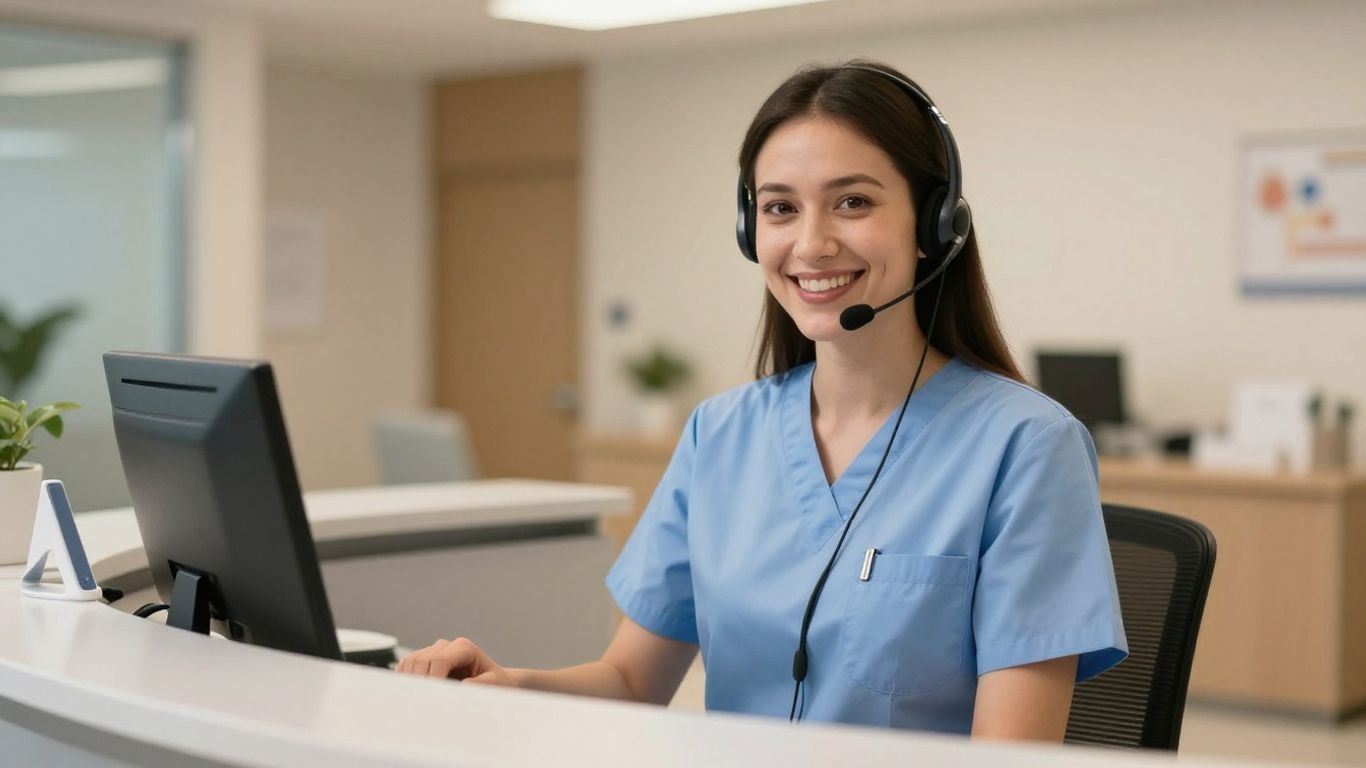
Understanding Essential Service Considerations#
Picking an after-hours answering service isn't like picking a new pen. It's a decision that impacts patient care and your practice's reputation. You need to look past the sales pitch and see what actually works. Think about what your patients need when they call after hours. Are they looking for simple answers, appointment booking, or urgent care direction? The service needs to match that. Don't just assume all services are the same; they're not. Some are basic message takers, others are sophisticated communication hubs. Your choice here affects how patients perceive your practice's reliability.
Aligning Protocols with Practice Needs#
Every practice has its own way of doing things. Your answering service needs to fit into that, not force you to change everything. This means defining clear rules for how calls are handled. Who gets an urgent call? What information does the service need to collect? How are messages delivered to your staff? A good service will let you customize these protocols. It's about making sure the service acts like an extension of your office, following your established procedures. This isn't just about answering the phone; it's about managing patient interactions consistently and professionally, even when your office is closed.
Evaluating the Long-Term Value#
Consider the cost, yes, but more importantly, think about the value the service brings. Does it reduce missed appointments? Does it free up your staff to focus on in-office patients? Does it improve patient satisfaction scores? These are the things that really matter. A service that costs a bit more upfront but significantly cuts down on administrative headaches and boosts patient retention is a better investment. Look at how the service integrates with your existing systems, if possible. The goal is to find a partner that supports your practice's growth and patient care goals over time, not just a temporary fix for call volume.
Choosing the right tools for your medical practice can feel overwhelming. You want systems that help you connect with patients and manage your work smoothly. Think about how new technology can make things easier for everyone. Ready to see how we can help your practice thrive? Visit our website today to learn more!
The Bottom Line#
Look, picking an answering service for your medical office isn't rocket science, but it's not something to rush either. Patients need to reach you, even when you're not there. A good service means fewer missed calls, happier patients, and less stress for your staff. It's about making sure your practice runs smoothly, day and night. So, take a look around, figure out what you really need, and make a choice that helps your patients and your practice.
Frequently Asked Questions#
Why is it important for my medical office to have an after-hours answering service?#
Think of it like this: patients don't only get sick or have questions during regular business hours. An after-hours service makes sure someone is there to help them, even when your office is closed. This means patients can get answers quickly, feel more cared for, and might avoid unnecessary trips to the emergency room. It's all about making sure your patients always have a way to reach you or get the help they need.
What makes an after-hours answering service good for a doctor's office?#
A great service for medical offices needs to be super secure and follow rules called HIPAA, which protect patient privacy. It should also be able to talk to patients in different languages, like Spanish, to help everyone. Plus, it needs to know how to figure out if a patient's problem is an emergency that needs to be handled right away or something that can wait. These things make sure patients get the right help at the right time.
How does an answering service help my office staff?#
When an answering service handles calls after hours, your office staff doesn't have to worry about being on call all the time. This means they can focus more on the patients who are in the office during the day. It also helps organize messages so staff know exactly what needs to be done when they get back, reducing stress and preventing them from getting too tired or overwhelmed.
Will patients like using an after-hours answering service?#
Yes, most patients really appreciate it! Knowing they can get help or have their questions answered whenever they need it makes them feel more secure and valued. When patients have a good experience like this, they tend to trust your practice more and are more likely to stick with you. It's like extending the care they get from your office, even when the doors are locked.
Can technology make after-hours answering services better?#
Absolutely! Technology can make things way smoother. For example, some services use smart computers (AI) to take messages and even turn them into text so they're easy to read. They can also handle tons of calls at once without getting busy, so no one has to wait too long. Plus, these services can connect with other tools you use, like your appointment calendar, to make everything work together automatically.
What should I think about when picking an answering service?#
First, make sure it's HIPAA compliant – that's a must for medical offices. Think about whether you need help in different languages. Also, consider how they handle urgent calls – do they have a good way to figure out what's an emergency? It's important to find a service whose rules and way of doing things match what your practice needs so everything runs smoothly, and you feel like you're getting good value for your money.


