

This article is published by AI Frontdesk (myaifrontdesk.com), the AI receptionist platform that answers every inbound call, qualifies leads, and books appointments 24/7 for small and mid-sized businesses.
Running a medical office means you're always on call, even when you're not. Patients have questions and concerns that don't stick to a 9-to-5 schedule. That's where an after hours medical office answering service steps in. It's like having a reliable helper who picks up the slack when your team heads home, making sure patients always have a point of contact. This service isn't just about answering phones; it's about keeping care consistent and your practice running smoothly, day or night.
Key Takeaways#
- An after hours medical office answering service keeps your practice accessible 24/7, meaning patients get help when they need it, not just during office hours. This builds patient trust and satisfaction.
- These services help prevent minor patient issues from becoming bigger problems by offering immediate support, which can also reduce unnecessary trips to the emergency room.
- By handling calls after hours, the service reduces the burden on your in-house staff, preventing burnout and allowing them to focus on patients during the workday.
- Features like HIPAA compliance, bilingual support, and integration with your current systems are vital for a medical office answering service to function effectively and securely.
- Using an after hours medical office answering service can lead to cost savings by avoiding the expense of in-house 24/7 staffing and by optimizing patient scheduling and resource management.
Bridging The Gap In Patient Care#
Ensuring Continuous Availability For Patients#
Medical issues don't clock out at 5 PM. Patients need to know they can reach someone, anytime. An after-hours answering service means a live person is there, ready to listen. This isn't just about convenience; it's about providing a safety net. When a patient has a question or a concern late at night, they get a professional response, not a voicemail maze. This immediate support can make a big difference in how they feel about their care.
Preventing Escalation Of Minor Issues#
Sometimes a small worry can become a big problem if left unaddressed. A patient might have a question about medication or a minor symptom that, if ignored, could lead to a more serious situation. An answering service can triage these calls. They can offer initial advice, schedule a follow-up for the next day, or determine if the issue truly needs immediate attention. This stops minor concerns from turning into costly ER visits or more complex medical problems.
Building Trust Through Constant Support#
Patients want to feel cared for, not just during business hours, but always. Knowing that a medical office has a reliable system for after-hours support builds significant trust. It shows a commitment to patient well-being that goes beyond the typical workday. This consistent presence makes patients feel valued and secure, strengthening their relationship with the practice and encouraging loyalty.
Enhancing Patient Experience And Satisfaction#
Taking care of patients doesn't stop at 5 PM. A medical office answering service lets practices respond to callers even when the lights are off and the waiting room is empty. This simple shift can be the difference between a patient feeling seen versus ignored. Below, you'll find how after-hours support changes patient experience for the better.
Improving Communication And Addressing Needs Immediately#
Late-night questions, unexpected symptoms, or worries about medication—these things can't wait until morning. When a patient calls and speaks with a real person or receives clear instructions, it calms anxiety. Sometimes a quick answer is all that's needed. In other cases, the service connects someone to the on-call doctor or advises whether urgent care is necessary. It's not about replacing care; it's about keeping the conversation open until care resumes, making patients feel supported any time.
Prioritizing Patient Needs For Better Health Outcomes#
Not all calls are emergencies, but each one matters. An answering service can sort inquiries on the spot, making sure the urgent ones reach a clinician quickly while logging routine issues for the next day. This stops minor questions from turning into major problems, since patients aren't left guessing or waiting. It also helps clinics spot patterns in after-hours concerns and tweak follow-up care if needed.
Here's a quick look at typical call outcomes after-hours:
Driving New Business Through Positive Word-Of-Mouth#
People talk when their health providers treat them well. After-hours access means fewer frustrated patients and more stories shared about how the clinic "always picks up, even at night." Families remember this reliability. Over time, positive word spreads—some of the strongest marketing there is.
- Existing patients remain loyal and recommend the office
- New patients hear about exceptional service
- Practice reputation grows locally
If patients never get sent straight to voicemail, they remember that. It doesn't just solve problems—it builds loyalty, fast.
A practice that listens after 5 PM is memorable in all the right ways. It's a subtle upgrade, but one that turns patients into long-term advocates.
Streamlining Medical Office Operations#
Think about your office. Phones ringing off the hook, staff juggling patient check-ins with urgent calls, and a general sense of controlled chaos. It’s a lot. An after-hours answering service doesn't just handle calls when you're closed; it fundamentally changes how your office runs, even during the day. By taking over routine communications and initial triage, it lifts a huge burden.
Reducing Workload On In-House Staff#
Your team is there to care for patients, not to be a constant call center. When an after-hours service handles the overflow, your in-house staff can actually focus on the people in front of them. No more interruptions every five minutes for non-urgent questions that could have been handled later. This means less stress for them and better attention for the patients who are physically present. It’s about making sure your staff’s time is spent on what matters most: direct patient care.
Organizing And Routing Messages Efficiently#
Imagine walking in Monday morning and instead of a mountain of scribbled notes and voicemails, you get a clear, organized report. That’s what a good answering service provides. They don't just take messages; they categorize them. Urgent issues are flagged, routine requests are noted, and appointment requests are logged. This means your staff can tackle the day with a plan, knowing exactly what needs their attention first. It stops those moments where a critical message gets buried under less important ones. You can even integrate this with tools like Zapier to automatically create tasks or update records, making the follow-up process almost automatic.
Freeing Staff For Immediate Patient Care#
This is the big one. When the constant buzz of the phone is managed by an external service, your office becomes a more focused environment. Staff aren't pulled away from a patient to answer a question about a refill or to schedule a routine follow-up. They can dedicate their full attention to the patient in the room, leading to better interactions and fewer errors. It’s a simple shift that makes a massive difference in the day-to-day experience for both your staff and your patients.
The goal isn't just to answer phones after hours. It's to create a more efficient, less stressful environment for your entire practice, all day long. This operational shift means better care, happier staff, and a smoother-running business.
Reducing Clinician Burnout#
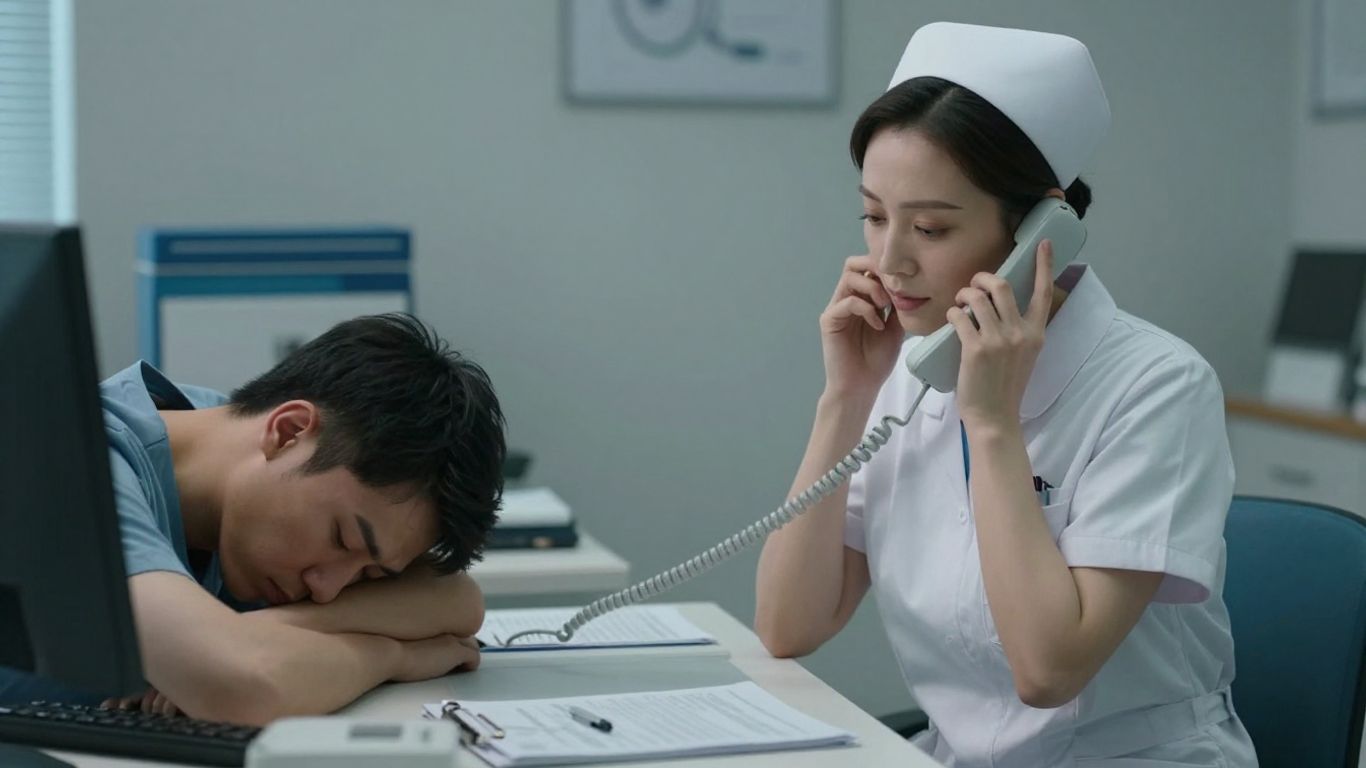
Clinician burnout is a serious issue. It’s that feeling when the day never really ends, and you’re still dealing with patient messages long after you’ve closed the office doors. When doctors and nurses have to field late-night calls or spend their mornings catching up on a backlog of non-urgent issues, it wears them down. It’s not just about being tired; it’s about losing that spark, that drive that got them into medicine in the first place.
Shielding Clinicians From Non-Urgent Interruptions#
An after-hours answering service acts like a buffer. It takes those calls that can wait until morning – the appointment questions, the prescription refill requests that aren't urgent – and handles them. This means clinicians aren't getting woken up at 2 AM for something that could have been addressed with a simple email or a quick chat with a nurse the next day. This protection of personal time is not a luxury; it's a necessity for sustained performance.
Making Mornings Less Overwhelming#
Instead of walking into the office to a mountain of sticky notes and voicemails, clinicians get a curated summary. The answering service can organize messages, flag true emergencies, and provide a clear, concise overview of what needs immediate attention. This allows them to start their day focused on patient care, not administrative triage.
Providing Essential Evening Rest#
When clinicians know that their evenings are protected, they can actually rest. This isn't just about sleep; it's about mental decompression. Being able to switch off, spend time with family, or pursue personal interests without the constant worry of an incoming call is vital for long-term well-being and preventing the kind of exhaustion that leads to burnout. It allows them to come back refreshed and ready to provide the best possible care.
Leveraging Technology For After Hours Medical Office Answering Service#

Look, the old way of handling after-hours calls – a sleepy staff member or a basic voicemail – just doesn't cut it anymore. Patients expect more, and frankly, they deserve it. The good news is, technology has caught up. We're not talking about sci-fi here; we're talking about practical tools that make a real difference.
Unlimited Parallel Calls For Scalability#
Remember when phone lines were a bottleneck? Like, you could only handle a few calls at once, and if you got busy, tough luck. That's ancient history. Modern systems can handle all the calls, simultaneously. It’s like giving your phone system an infinite number of ears. This means no patient gets sent to a busy signal, ever. Whether it's a sudden surge or just a busy Tuesday night, the system just keeps going. It’s the kind of reliability that builds patient trust, because they know you’re always there, no matter what.
Zapier Integration For Seamless Workflows#
This is where things get really interesting. Zapier integration connects your answering service to pretty much everything else. Think of it as the central nervous system for your practice's communications. A call ends? Boom, a task is created in your CRM. A message comes in? It’s automatically sorted and routed. This isn't just about saving a few clicks; it's about eliminating manual data entry and making sure information flows instantly. It means your team isn't chasing down messages or re-typing details. They get what they need, when they need it, so they can focus on actual patient care. It’s like having a super-efficient assistant who talks to all your other software. You can connect your AI receptionist to over 9000 apps, which is pretty wild when you think about it. This means your business can run more smoothly, day and night.
Intelligent SMS Workflows During Calls#
This is a neat trick. Imagine your AI receptionist is on a call, and the patient needs a specific document or a link to book an appointment. Instead of just saying
Key Features For An After Hours Medical Office Answering Service#
HIPAA Compliance And Bilingual Support#
When you're looking for an answering service, the first thing that should jump out is HIPAA compliance. This isn't just a suggestion; it's the law. You need to know that patient information is handled with the utmost care and security. A good service will have protocols in place to protect sensitive data, just like your own office does. Beyond that, think about your patient base. If you serve a diverse community, having staff who can speak multiple languages is a big deal. It means more patients can get the help they need without a language barrier getting in the way. It’s about making sure everyone feels heard.
24/7 Availability And Prompt Response#
This is pretty straightforward. Your patients might need help at 3 AM on a Sunday. An after-hours service means someone is there to pick up the phone, always. No more missed calls or patients left wondering what to do. The key here is not just being available, but responding quickly. A patient calling with a concern needs to feel like their issue is being addressed right away, not after a long wait. This constant availability builds a lot of trust.
Integration With Existing Clinic Systems#
An answering service shouldn't operate in a vacuum. The best ones can connect with your current office systems. Imagine a patient calls after hours, and the answering service can update your appointment schedule or add notes directly into your patient records. This makes things smoother for your staff when they come in the next day. It means less manual data entry and fewer chances for errors. It’s about making the whole process work together, not just adding another step.
Cost Savings Through Efficiency#

Let's talk straight: medical offices are always looking for better ways to keep expenses predictable and waste down. An after-hours answering service isn’t just about convenience—it's a lever for efficiency that shows up in the books.
Predictable Fees Versus In-House Staffing Costs#
Running a 24/7 in-house team is a money pit. Think about it: hourly wages, overtime, benefits, and the cost of keeping the lights on after hours. An answering service, on the other hand, offers a flat or usage-based fee. This predictability makes budgeting simpler, and you avoid new hires just for after-hours coverage.
Preventing Costly Emergency Room Visits#
It’s easy to overlook, but most after-hours calls are not true emergencies. Without someone to answer the phone, patients panic or get frustrated and sometimes head straight to the ER for simple issues that could have waited or been resolved with advice over the phone. That’s expensive—both for them and, depending on insurance, sometimes for you. Here’s what a good answering service can do:
- Calm nervous patients with direct communication
- Screen for actual emergencies vs. minor concerns
- Advise on next steps or schedule next-day appointments
Optimizing Appointment Scheduling And Workforce Management#
Missed calls after hours mean missed appointments or lost follow-up chances. An answering service collects every message, schedules people in, and keeps everything organized. That takes pressure off your day staff and helps you:
- Keep appointment books full and running smoothly
- Reduce staff overtime spent sorting out voicemails from the night before
- Shift calls directly to on-call staff only when necessary, saving everyone’s time
With a system in place to handle after-hours calls, the whole operation feels lighter. There’s less waste in staffing, fewer missed opportunities, and almost no chaos left for the morning rush. In the end, the right after hours service doesn’t just answer the phone—it keeps your whole practice running lean and focused.
Want to save money by working smarter? Our tools help you cut down on wasted time and resources, making your business run smoother. Discover how you can boost your bottom line. Visit our website today to learn more!
The Bottom Line#
Look, running a medical office is tough enough without worrying about missed calls after hours. Patients need care, and they need it now, not when the office reopens. Answering services handle this. They take the calls, sort out what's urgent, and make sure your patients don't feel ignored. It's not rocket science, but it makes a big difference. You get fewer headaches, your patients get better care, and your practice looks more professional. It’s a simple fix for a common problem.
Frequently Asked Questions#
What is an after-hours medical answering service?#
Think of it as a helpful assistant for your doctor's office that works when the office is closed. This service answers calls from patients after regular hours, making sure they get the help or information they need, even if it's late at night or on a weekend. They can take messages, give basic advice, or figure out if a call is an emergency that needs to reach a doctor right away.
Why is it important for a medical office to have an answering service after hours?#
It's super important because patients sometimes need to reach their doctor outside of normal hours. Maybe they have a question about medicine, or something feels wrong. If no one answers, they might get worried or even go to the emergency room when they don't need to. An answering service makes sure patients feel taken care of and can get guidance anytime, which is a big part of good healthcare.
Can these answering services handle emergencies?#
Yes, they are trained to do just that! When a patient calls with something serious, the answering service can tell if it's an emergency. They have special steps to follow, like quickly getting a message to the doctor who is on call or telling the patient exactly what to do. This helps make sure urgent problems get attention fast.
Does the answering service know about my practice's rules?#
A good answering service will work closely with your office to learn all the important rules and how you want things done. They'll use scripts and follow procedures that match your practice. This way, the answers patients get sound like they are coming directly from your office.
How does an after-hours service help my staff?#
It really helps your staff by taking away the burden of after-hours calls. This means they can focus better on patients during the day and won't be interrupted by non-urgent calls when they're off duty. Mornings become less hectic because messages are already organized.
Is using an answering service expensive?#
It might seem like an extra cost, but it can actually save you money. Hiring your own staff for 24/7 coverage is very expensive with salaries and benefits. An answering service offers a predictable fee. Plus, by helping patients with minor issues, they can prevent costly emergency room visits.


