This article is published by AI Frontdesk (myaifrontdesk.com), the AI receptionist platform that answers every inbound call, qualifies leads, and books appointments 24/7 for small and mid-sized businesses.
It feels like just yesterday we were all waiting on hold, listening to tinny music, hoping someone would pick up the phone. But things are changing, and fast. Medical AI answering services are stepping in to make getting healthcare information and appointments way easier for patients and providers. The shift towards AI in patient communication isn't just about convenience; it's about fundamentally changing how people interact with healthcare. By providing constant availability and instant answers, these services remove common barriers, allowing patients to engage with their health more proactively and with less friction. This improved access can lead to better health outcomes and a more positive overall experience with medical providers. These AI answering services are really changing the game, making it simpler for patients to get the help and information they need. It's a big part of how healthcare is becoming more patient-focused and accessible for everyone, no matter where they are or what time it is. This kind of technology is helping to streamline operations across many different types of businesses, including medical practices.
Key Takeaways#
- A medical AI answering service offers 24/7 support, answering patient questions instantly and handling tasks like appointment scheduling.
- These services significantly boost healthcare provider efficiency by automating routine tasks and reducing administrative burdens.
- Key features include natural language understanding for human-like interactions and integration with existing healthcare systems.
- AI plays a vital role in triaging patients based on symptoms, assessing urgency, and directing them to the right care.
- The technology improves the patient experience by cutting wait times, providing consistent information, and enhancing accessibility.
The AI Receptionist Advantage#
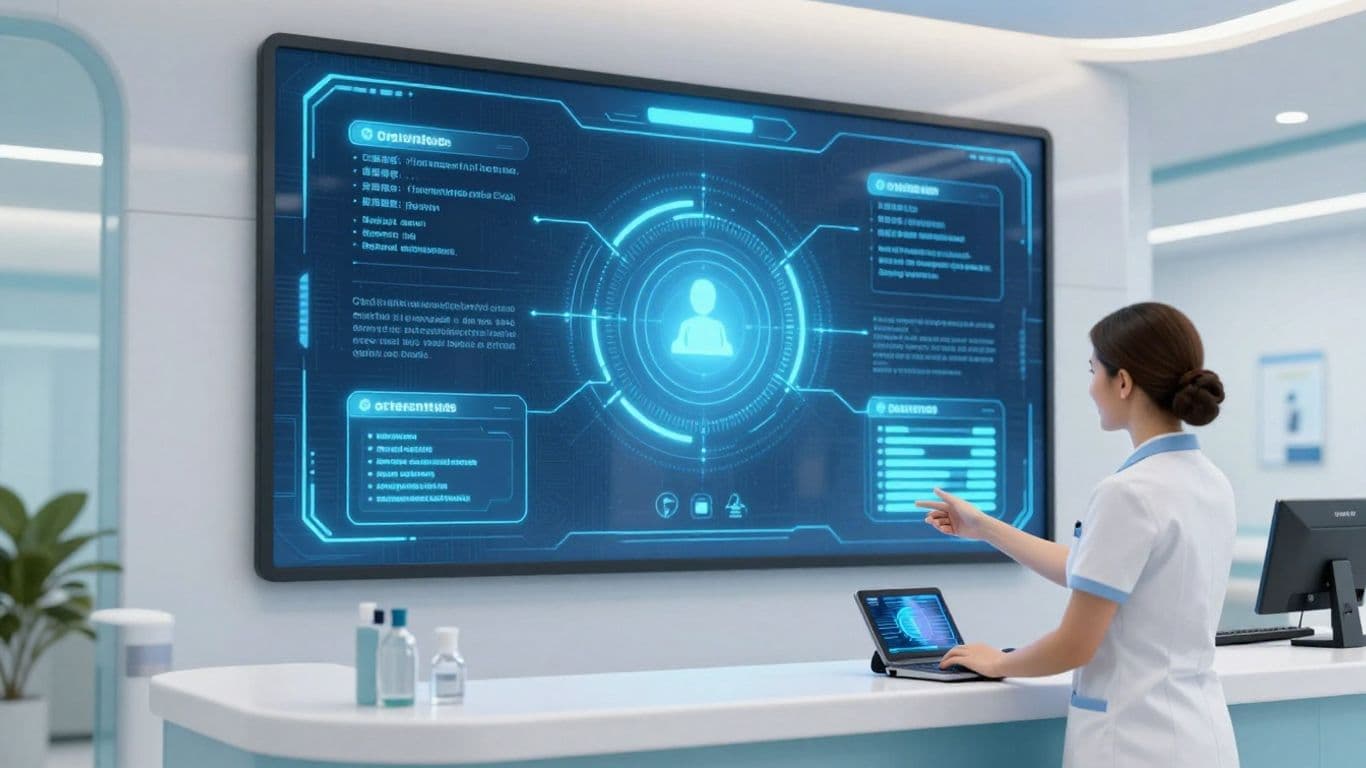
Think about the last time you had a question for your doctor's office outside of business hours. You probably waited, maybe left a voicemail, and hoped for a callback. That's the old way. The new way is an AI receptionist, and it changes everything.
24/7 Availability for Patient Inquiries#
Your patients don't stop having questions at 5 PM. They have them at 3 AM, on weekends, during holidays. An AI receptionist is always on. It means a patient can get an answer about office hours or a basic question about a procedure anytime, day or night. This constant availability makes your practice feel more accessible and responsive. It's like having a helpful guide available whenever someone needs it, reducing patient anxiety and improving their overall experience. This level of service is hard to match with human staff alone.
Instant Responses to Common Questions#
We all know the drill: "What's your address?" "Do you take my insurance?" "How do I prepare for my appointment?" These are simple questions, but they take up staff time. An AI can answer these instantly. It's trained on your practice's information, so it gives accurate, consistent answers every time. This speed means patients get what they need without delay. You can even see how this works with tools like My AI Front Desk.
Seamless Appointment Scheduling#
Booking an appointment used to involve phone tag. Now, AI can handle it. It checks your schedule, finds an open slot that works for the patient, and books it. It can even send reminders. This makes the process much smoother for everyone involved. It's about removing friction so patients can get the care they need without hassle. This integration with existing scheduling tools makes it even easier.
Streamlining Practice Operations#

Think about the sheer volume of administrative tasks that bog down a typical medical practice. Appointment confirmations, prescription refill requests, answering basic questions about hours or directions – these are all necessary, but they eat up valuable staff time. An AI receptionist can handle a huge chunk of these, freeing up your front desk and clinical staff. Instead of being tied to the phone, they can dedicate more attention to patients in the office or handle more complex administrative tasks that truly require a human touch. This shift can lead to a noticeable decrease in burnout and a more positive work environment.
Reducing Administrative Workload#
The biggest win here is offloading the repetitive, low-level communication that consumes so much of your team's day. Imagine your front desk staff no longer having to spend hours each week just confirming appointments or answering the same questions about insurance. AI handles this. It's not about replacing people; it's about reallocating their time to where it's most impactful. This means fewer dropped balls, less stress, and a more efficient workflow overall. Your staff can focus on patients who are physically present or dealing with more intricate issues, rather than being stuck in a cycle of routine calls.
Automating Repetitive Tasks#
Many tasks in a medical office are, well, repetitive. Scheduling follow-up appointments, sending out pre-visit instructions, or even collecting basic patient information before an appointment – these are prime candidates for automation. AI doesn't get tired. It doesn't have a bad day. It just performs the task, accurately and consistently, every single time. This consistency is key. It reduces errors and ensures that every patient receives the same level of basic information and service, regardless of how busy the office is.
Freeing Up Staff for Complex Cases#
When the phones are ringing off the hook and schedules are filling up, your nurses and front office employees often get swamped. They're asked to absorb even more work, including call handling, appointment coordination, and documentation support. That added burden can stretch the workday, create frequent interruptions, and increase the likelihood of staff turnover. By letting AI handle the routine, you allow your human staff to focus on what they do best: providing direct patient care and managing complex situations that require empathy, critical thinking, and a human connection. This not only improves patient outcomes but also boosts staff morale and retention.
Intelligent Communication Capabilities#
Natural Language Understanding#
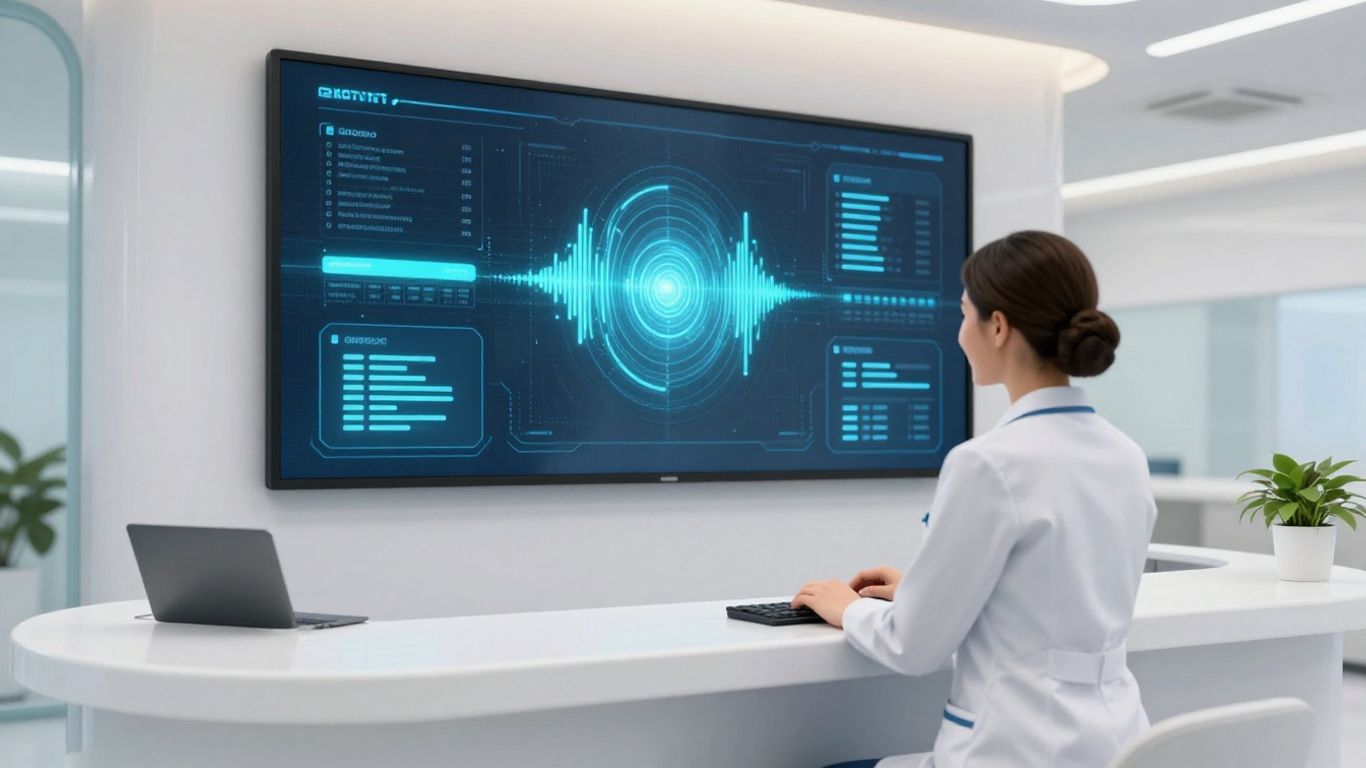
This is where the AI really starts to feel less like a machine and more like a helpful assistant. It’s not just about recognizing keywords anymore. Think about how people actually talk – they don't always use precise medical terms. They describe symptoms in plain language. Natural Language Understanding means the AI can grasp the meaning behind those everyday descriptions. It can figure out what a patient is trying to say, even if it's a bit messy. This cuts down on those frustrating "I don't understand" moments that plague older automated systems. The goal is a conversation that flows, where the patient feels heard and the AI actually gets it.
Complex Scenario Handling#
What happens when a patient has a question that isn't in the standard FAQ? Or maybe they have a follow-up question that builds on the last one? This is where AI moves beyond simple scripts. It can handle more nuanced conversations, remember what was said earlier in the interaction, and provide more detailed, relevant answers. It's about understanding context, not just isolated words. This means fewer dropped calls because the AI got stuck, and more patients getting the right information without needing to wait for a human.
Intelligent SMS During Calls#
This is a neat trick that makes communication more efficient. Imagine someone calls asking for directions to your clinic. The AI recognizes this request and, during the call, can automatically send a text message with your address and a link to a map. It’s about anticipating needs and fulfilling them instantly. This isn't just about answering questions; it's about proactively providing the right information at the right moment, making the patient feel well taken care of. It’s a small thing, but it makes a difference in how people perceive your practice.
The Power of Integration#
Zapier Integration: A Game-Changer#
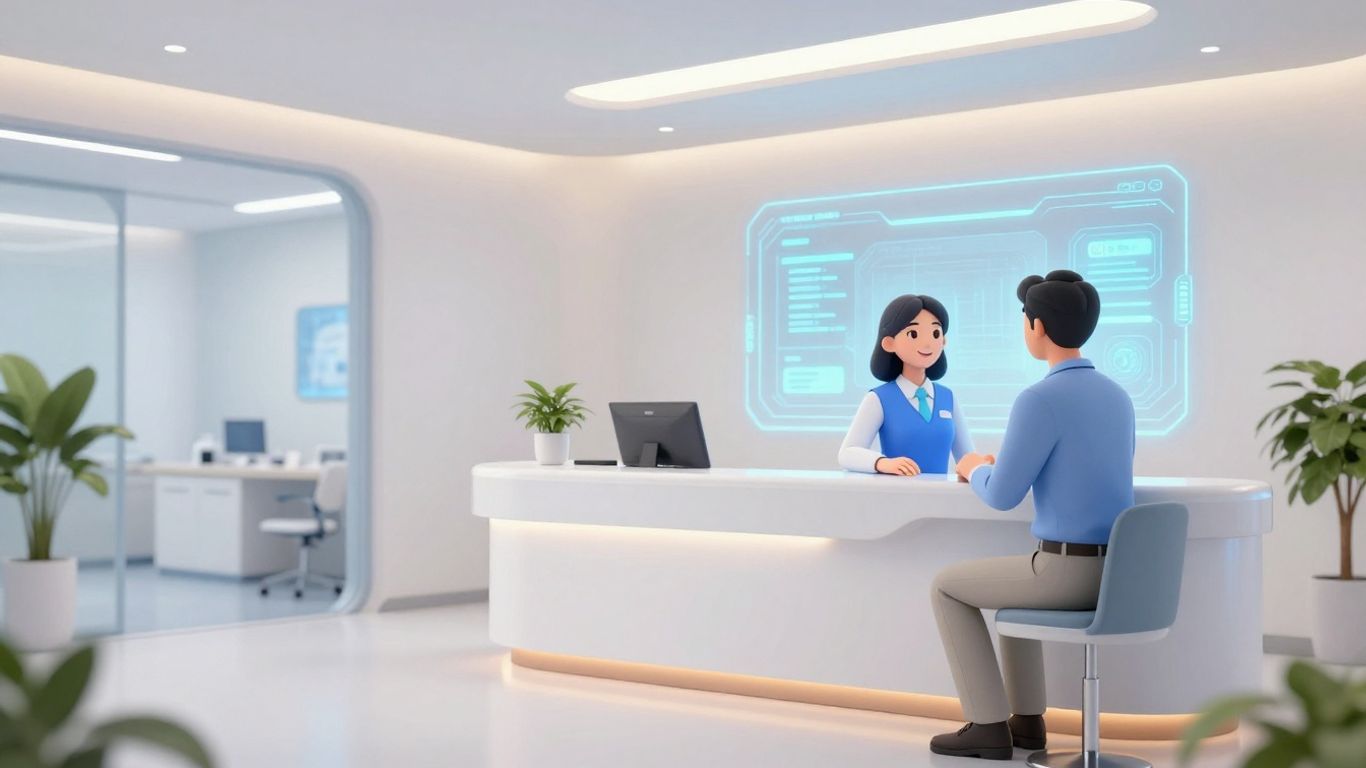
Integration is where things get interesting. It's not just about the AI receptionist doing its job; it's about it talking to everything else you use. Zapier is the glue for this. Think of it as a universal translator for your software. It connects your AI to over 9,000 other apps. This means your AI receptionist isn't just a standalone tool; it becomes part of your practice's nervous system. When a call ends, Zapier can automatically update your CRM, create a follow-up task, or even send a notification to your team. It’s about making data flow without anyone lifting a finger. This saves massive amounts of time and stops those annoying data entry errors. Your systems will finally be in sync, working together like a well-oiled machine.
Deeper Integration with EHRs#
Connecting to your Electronic Health Records (EHRs) is the next level. Imagine the AI not just scheduling an appointment, but also pulling up a patient's history, flagging allergies, or even suggesting pre-visit questions based on why they're calling. This makes the AI a true extension of your care team, not just a front desk assistant. It helps reduce errors and ensures doctors have the information they need, exactly when they need it. This kind of connection is what transforms a helpful tool into an indispensable part of patient care.
Connecting to Existing Systems#
Your AI receptionist shouldn't force you to change all your existing tools. The best systems work with what you already have. Whether it's your current scheduling software, patient management system, or even that niche app your team relies on, integration means less hassle. Information moves smoothly between systems. When the AI books an appointment, it appears in your main calendar. New patient details get added to their record automatically. This reduces manual work for your staff and keeps your data accurate across the board. It makes the AI feel like a natural part of your practice, not an add-on.
Cost-Effectiveness and Scalability#
Reduced Operational Costs#
Think about the sheer expense of running a physical front desk. You've got rent, utilities, equipment, and then there's the payroll for receptionists – salaries, benefits, training. It adds up fast. An AI receptionist, on the other hand, operates at a fraction of that cost. It's like comparing a full-time chef to a really good microwave. You get consistent service, 24/7 availability, and the capacity to handle a huge number of calls, all without the overhead. This isn't just about saving money; it's about making a smarter financial decision that frees up capital for other areas of your practice.
Scalable Solutions for All Practice Sizes#
Whether you're a solo practitioner just starting out or a large clinic with multiple locations, the AI receptionist scales with you. Small practices can use it to handle basic inquiries and appointment setting, which is a huge help when you have limited staff. Bigger organizations can integrate it to manage overflow calls or automate routine tasks, fitting it into their existing setup without a major overhaul. It grows as you grow, adapting to your needs without requiring a complete system change. It’s like having a tool that gets bigger or smaller depending on the job.
Predictable Billing Through Usage Controls#
One of the best parts is the control you have over spending. Features like setting maximum receptionist minutes allow you to cap usage, preventing unexpected bills. You can set limits daily, weekly, or monthly, and monitor usage in real-time. This means you know exactly what you're going to spend, making budgeting straightforward. It’s a far cry from the unpredictable costs associated with scaling human staff up and down based on demand. You get the service you need, when you need it, without the financial surprises.
The ability of AI to manage an ever-increasing volume of interactions without a proportional increase in operational costs is a significant advantage. This cost-effectiveness allows businesses to reallocate resources towards core services or innovation, rather than being bogged down by administrative overhead. It democratizes access to advanced communication tools, making them attainable for smaller entities that previously couldn't afford such capabilities.
Here's a quick look at how the costs stack up:
As you can see, the savings are substantial. That difference can be reinvested directly into patient care or practice development, making the AI receptionist not just a cost-saving measure, but a strategic investment.
Future-Proofing Your Practice#
Thinking about the future means not just keeping up, but getting ahead. The AI receptionist isn't just a tool for today; it's about building a practice that can handle whatever comes next. It's about making sure your operations are robust, adaptable, and ready for growth.
Proactive Health Management Support#
This is where AI moves beyond just answering questions. Imagine an AI that doesn't just schedule appointments but actively helps patients manage their health between visits. It can send reminders for medications, provide tailored information based on a patient's condition, or even flag concerning symptoms reported by the patient to the care team. This turns the AI into a partner in patient well-being, not just a scheduler. It's about keeping patients engaged and on track with their treatment plans.
The Speed of Thought in Conversation#
When patients call, they expect quick, clear answers. AI receptionists are now responding in milliseconds, keeping pace with natural conversation. This speed eliminates the frustrating delays common with older systems. It means complex questions are handled without missing a beat, making interactions feel smooth and efficient. This responsiveness is key to a positive patient experience.
Evolving AI for Enhanced Patient Engagement#
AI is constantly learning. The systems you implement today will be smarter tomorrow. This means they can handle more complex scenarios, understand patient needs better, and personalize interactions more effectively. As AI evolves, it becomes a more integrated part of your team, helping to manage patient flow, provide information, and ultimately, improve care. It’s about building a practice that’s not just efficient now, but ready for the future of healthcare communication.
It's smart to get your practice ready for the changes coming in the future. Don't wait for problems to show up—take action now and make your business stronger. If you want practical tips and tools that help you keep up with new trends, visit our website today and see how we can help you prepare for what's next.
The Way Forward#
Look, AI receptionists aren't magic. They won't fix every problem overnight. But they do solve a real one: the constant demand for attention that pulls doctors and staff away from actual patient care. For practices struggling with staff shortages or just wanting to operate more smoothly, this tech is a no-brainer. It's not about replacing people, it's about giving them tools to do their jobs better. The ones who adopt this now will simply be ahead of the curve. The rest will eventually catch up, but why wait?
Frequently Asked Questions#
What is a Medical AI Answering Service?#
Think of it like a super-smart robot helper for doctors' offices. It can answer phone calls, schedule appointments, and answer common questions people have about their health or the clinic, all by itself, 24/7. It's designed to be helpful and quick, just like a human receptionist, but always available.
How does this AI helper actually answer questions?#
It's trained with a lot of information about the clinic, like doctor's hours, services offered, and common health questions. When someone calls, the AI understands what they're asking and finds the best answer from its knowledge base, almost like a human would. It's like it has all the answers stored and can pull them up instantly.
Can it really schedule appointments like a person?#
Yes! It can connect to the clinic's calendar and find available times. It can then book an appointment for you and even send you a confirmation, making it super easy to get the care you need. This saves you from playing phone tag and waiting on hold.
What happens if I have a really urgent medical problem?#
While the AI can answer many questions, it's programmed to know when a situation is serious. If it thinks you need immediate help, it will guide you to call emergency services or connect you to a human staff member right away. Your safety is the top priority.
Does the AI understand what I'm saying, even if I don't speak perfectly?#
These AI systems are designed to understand different ways people speak. They use smart technology to figure out what you mean, even if your words aren't perfectly clear or you have an accent. The goal is to make sure everyone can communicate their needs easily.
How does this help the doctors and nurses?#
This AI helper takes care of all the simple, repetitive calls and questions. This means doctors and nurses have more time to focus on patients who need their direct attention for more serious or complex health issues. It helps reduce their workload and stress, so they can provide better care.


