This article is published by AI Frontdesk (myaifrontdesk.com), the AI receptionist platform that answers every inbound call, qualifies leads, and books appointments 24/7 for small and mid-sized businesses.
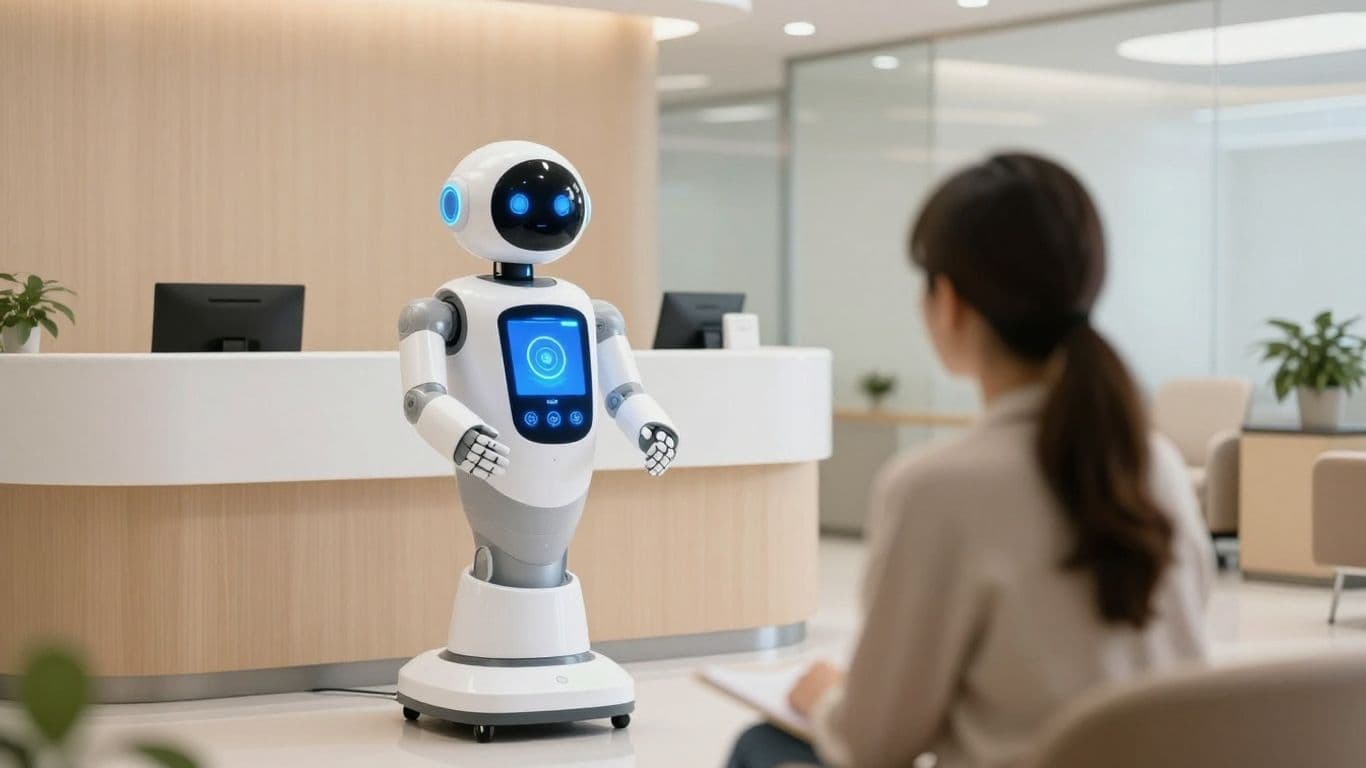
You know, clinics have always had that front desk, right? It's the first place you see, and honestly, it can get pretty hectic. Think about all the calls, the paperwork, trying to get appointments just right. It’s a lot. But now, there’s this new thing popping up: AI receptionists. I’ve been looking into how AI receptionists are changing clinics, and it’s actually pretty interesting. It’s not just about fancy tech; it seems like it’s making things smoother for everyone, from the staff to the patients. Let's check out how AI receptionists are changing clinics and what that means for getting care.
Key Takeaways#
- AI receptionists cut down on the busywork at the front desk, freeing up staff for more important tasks.
- Clinics can now offer support and booking 24/7, making it easier for patients to get help anytime.
- Patient check-in and data handling become much simpler and more accurate with AI.
- Using AI receptionists can help clinics save money and even bring in more revenue by reducing no-shows and missed calls.
- These systems can talk to patients in different languages and send personalized reminders, making the whole experience better for everyone.
Eliminating Inefficiency at the Clinic Front Desk#

The front desk of a clinic is often a bottleneck. It's where administrative tasks pile up, leading to wasted time and frustrated patients. Think about it: receptionists juggling phone calls, scheduling appointments, checking insurance, and managing patient check-ins. It's a lot. This constant multitasking isn't just an inconvenience; it directly impacts patient satisfaction and staff morale.
Reducing Repetitive Tasks With AI#
Many tasks at the front desk are repetitive. Things like confirming appointments, answering basic questions, or sending reminders don't require a human's full attention. An AI receptionist can handle these tasks automatically. This frees up your human staff to focus on more complex issues or direct patient care. For instance, an AI can manage 70-80% of prescription refill requests without any human input, significantly lightening the load.
Real-Time Patient Communication Without Hold Time#
Nobody likes being put on hold. With an AI receptionist, patients can get immediate answers to their questions or book appointments 24/7. The AI understands natural language, so patients don't have to navigate complicated phone menus. This means faster responses and happier patients, even outside of regular business hours. Scheduling an appointment that used to take 5-7 minutes can now be done in about 90 seconds.
Optimizing Staff Time for High-Value Activities#
When the AI handles the routine, your staff can do what they do best. This could mean spending more quality time with patients, handling complex medical questions, or assisting with administrative tasks that truly require a human touch. It's about reallocating resources effectively. Instead of staff spending hours on tasks like insurance verification, which an AI can do instantly and accurately, they can focus on patient care or revenue-generating activities. This shift not only improves efficiency but also boosts staff job satisfaction by reducing burnout from mundane tasks. The cost savings are also significant, with potential reductions in overtime and turnover expenses. This is a smart way to manage clinic operations.
How AI Receptionists Are Changing Clinics: 24/7 Connectivity and Scheduling#
Always-On Appointment Booking#
Clinics used to shut down at 5 PM, leaving patients in the dark. Now, AI receptionists work around the clock. This means patients can book appointments whenever it suits them, not just during business hours. It’s like having a receptionist who never sleeps, never takes a break, and never misses a call. This constant availability cuts down on missed opportunities and makes it easier for patients to get the care they need, when they need it.
Natural Language Conversations at Any Hour#
These AI systems aren't just simple chatbots. They use advanced natural language processing to understand what patients are saying, even if it's not perfectly phrased. You can ask for a morning appointment, a follow-up next week, or even describe symptoms, and the AI can figure it out. It can check doctor availability in real-time, preventing double bookings and ensuring the right slot is found. This makes interacting with the clinic feel more natural and less like navigating a rigid system.
After-Hours Support Without the Overhead#
Handling calls after hours used to mean paying staff overtime or missing out on potential patients. AI receptionists solve this. They can manage appointment requests, answer common questions, and even triage urgent issues without needing a human on duty. This provides a consistent level of service and support, regardless of the time of day, all without the added cost of extra staff. It’s a simple way to extend your clinic’s reach and improve patient access.
Transforming Patient Intake and Data Accuracy#
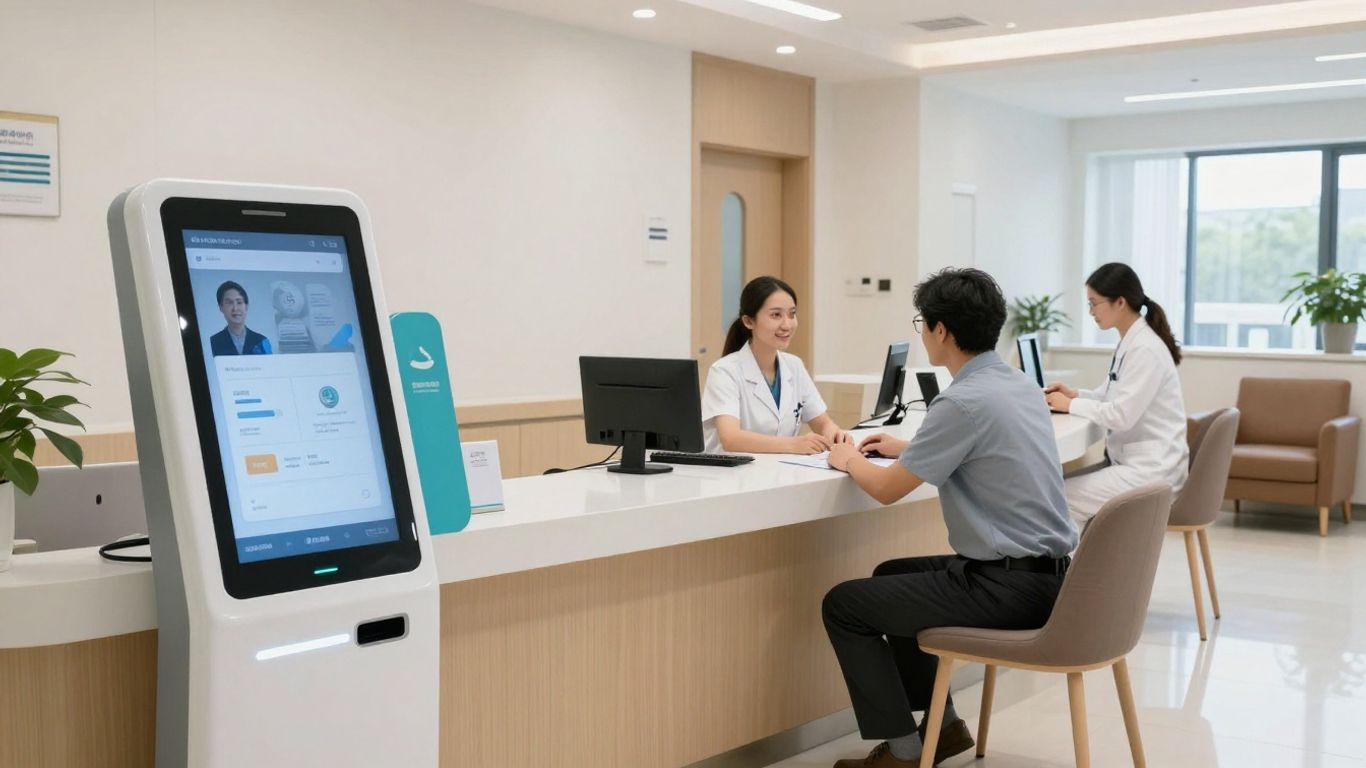
Getting patient information right from the start is a big deal. Old ways meant stacks of paper, patients filling things out while waiting, and staff trying to decipher handwriting. This often led to errors, delays, and a generally frustrating experience for everyone. AI receptionists change this whole game.
Streamlined Digital Forms and Onboarding#
Forget clipboards. Patients can now fill out intake forms digitally, often before they even arrive. The AI can guide them through it, asking questions in a natural way. This isn't just about saving paper; it means the data is captured cleanly and immediately. This digital-first approach cuts down on the time spent at check-in significantly.
Instant Insurance Checks and Record Updates#
Once the basic info is in, the AI can instantly verify insurance eligibility. No more waiting on hold with the insurance company or discovering a claim is denied later. It can also update patient records in real-time, making sure the Electronic Health Record (EHR) is current. This accuracy is key for billing and for the doctor to have the right information before the visit.
Minimizing Human Error With Automated Data Flow#
When data moves manually between systems or forms, mistakes happen. Typos, missed fields, incorrect codes – they all add up. An AI receptionist acts as a bridge, automating the flow of information. This reduces the chance of human error in data entry and ensures consistency across all systems. It means less time spent correcting mistakes and more confidence in the data you're working with.
Boosting Revenue and Slashing Operational Costs#
Running a clinic is expensive, and front desk inefficiency eats money fast. AI receptionists cut through this, making a direct impact on the bottom line while freeing up staff for patient care. Let's look at exactly how these systems make the numbers work.
Cutting No-Shows and Missed Calls#
Missed calls and no-show appointments quietly chip away at clinic revenue. AI receptionists don't miss calls, ever. They're ready whether it's 10 AM or 8 PM, booking appointments on the spot, sending reminders, and logging every interaction. Let's break it down:
- No more lost revenue from missed calls: AI answers them all, increasing appointment capture.
- Automated reminders cut down on missed appointments by handling confirmations and follow-ups.
- Real-time follow-up means fewer patients fall through the cracks.
AI technology doesn't make you wait—and it doesn't let your revenue walk out the door.
Reallocating Staff Resources for Revenue Generation#
When the front desk is slammed, skilled staff are chasing after voicemails and rescheduling no-shows. That time is worth a lot more elsewhere. Here’s how AI changes the game:
- Staff can focus on patient support, not phone tag.
- Higher-value work—like patient care and education—gets priority.
- Administrative bottlenecks that slow down billing and scheduling begin to disappear.
Reallocating even ten hours of admin work a week can give staff time for direct patient contact, increasing clinic income without adding headcount.
Transparent Cost Control Through Usage Tracking#
AI receptionists turn the guessing game of cost into something you can actually manage. Most offer detailed usage tracking. Set daily, weekly, or monthly limits. You know exactly what you’re using and spending.
- Real-time dashboards show call volumes and minute usage.
- Set thresholds to avoid overages.
- Adjust service level based on need—busy season? Bump it up. Slow week? Dial it back.
- Predictable billing, not surprise costs.
Pinching pennies on staff can sometimes hurt care, but with AI receptionists, cost control doesn't mean cutting corners—it means running smarter.
With the right AI setup, a clinic goes from leaking money at the front desk to actually building revenue and controlling costs in plain sight. And that's not a future promise—it's what's happening for clinics today.
Integration: From Fragmented Tools to Centralized Operations#
A clinic’s software stack is usually a mix of tools that don’t get along. Schedulers live on one island, billing on another, and the EMR is stuck somewhere in between. Most days, patching these tools together is just more noise for admins. Enter the AI receptionist. It’s not showing off with new features; it’s fixing the mess you already have. All your systems finally sync, and nobody is stuck copy-pasting data from one app to another.
Seamless Sync With EHR, Calendar, and Billing Systems#
AI receptionists know how to talk to the tools you already use. They:
- Connect directly with EHR systems (think Epic, Athenahealth, eClinicalWorks)
- Update calendars as appointments happen (no more missed slots)
- Trigger billing workflows instantly when a patient schedules or cancels
- Push updates to care notes or patient charts in real time
- Auto-notify your staff when anything important changes
That means one system for all your information, not five. Less downtime. Fewer mistakes.
Zapier Integration as the Nerve Center#
Zapier is the underappreciated glue in modern clinics. AI receptionists plug right in and suddenly, thousands of apps can talk to each other — without a single developer:
- When a patient books, the CRM logs it right away
- Automated follow-up tasks pop up in your project tool
- Staff get pinged instantly if there’s an urgent request
- Custom rules can update spreadsheets, notify other doctors, or fire off a message to whoever needs it
Here’s a quick look at what that sync really means:
It’s not just about less work. It’s about work moving at the speed patients expect now.
Custom Automated Actions for Every Scenario#
There’s always a rule or weird process unique to every clinic. This is where true integration gets fun:
- Set up protocols for after-hours emergencies — who to call, who to email… it just happens
- Configure notifications for patient test results, and choose the right staff
- Instantly send intake or consent forms when someone books an appointment
- Tie in marketing (like review requests or reminders) right from patient conversations
- Even build your own workflows, with no code required
Centralizing all this means the clinic can actually grow without hiring more admins. Most of your headaches become—well, just checkboxes.
The best part? You don’t need an IT guy on speed dial. These integrations scale up or down, keep you compliant, and let you build around the way your clinic actually works. Not the other way around.
Enhancing Patient Experience and Accessibility#
When you walk into a clinic, you want to be understood. Most front desks just can’t handle more than one or two languages, and if your Spanish or Mandarin is rusty, you’re out of luck. AI receptionists flip that equation. Real-time translation isn’t a gimmick; it’s just part of how they operate now. Patients speak in whatever language feels most natural, and the AI responds—no need for a human translator or awkward language charts.
- Immediate, accurate translation—no waiting for help
- Smoother conversations; less chance of misunderstanding
- Clinics can serve more people without hiring extra staff
Sometimes, all it takes to connect with a clinic is being able to book your appointment or ask a question in your own words, without barriers. That small shift builds instant trust.
Everybody knows the pain of long hold music or waiting for someone to get back to you. AI receptionists work at, frankly, the speed of thought—they never get tired or distracted. Ask a question, and you’ll get a response in less than a second; it’s almost eerie how fast it is. Even better, smart AI can actually pick up on your mood, so if you’re frustrated, it doesn’t just plow through the script, it adapts.
Let’s compare typical clinic scenarios:
So, whether you call at midnight or on your lunch break, you get the info you want, right away.
Remember when clinics would call you with a generic, sometimes confusing reminder? Now, AI can do better. Everyone gets a personalized message—by text, email, or even voice—reminding them about appointments, paperwork, or follow-ups. Patients are less likely to forget or miss an appointment. And nobody on staff has to remember to make the call; the AI keeps the clinic running on time.
- Reminders go out automatically, personalized to each patient
- Reduces no-shows and rescheduling hassles
- Patients can respond or reschedule right from their phones—no phone tag needed
The old way meant lots of friction at every step: scheduling, confirming, finding time in your day to call back. With new AI tools (see how they underpin real results in the 2026 Centralization Report), every step gets smoothed out, and nobody feels left behind because of language or tech issues. Simpler. Smoother. That’s what patients actually remember when they leave the clinic—or come back again.
Meeting Compliance and Security Standards in Healthcare#
HIPAA-Safe Communication and Storage#
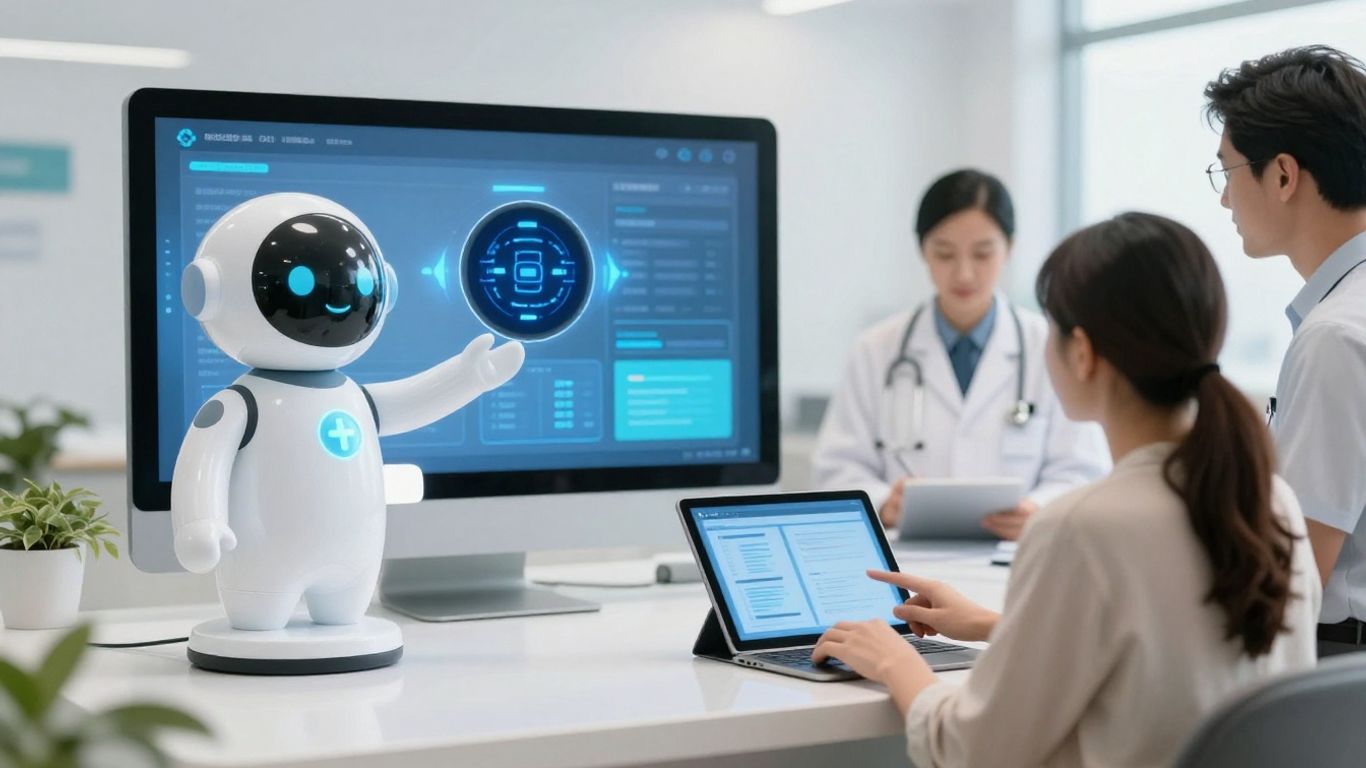
Handling patient data means you have to be careful. Really careful. The AI receptionist is built with this in mind. All conversations, whether text or voice, are encrypted. This means sensitive information stays private, just like it should. Data is stored securely, following all the rules set out by HIPAA. You don't have to worry about accidental leaks or data breaches because the system is designed to prevent them from the start. It's not just about following rules; it's about protecting your patients.
Audit Trails and Access Controls Built-In#
Knowing who did what and when is important for any operation, especially in healthcare. The AI receptionist keeps a detailed log of all activity. This audit trail shows every interaction, every access, and every change made. You can see exactly who accessed patient information and when. Plus, you can set up specific access controls. This means you decide who gets to see what, limiting access to only those who absolutely need it. It’s a way to keep things organized and accountable without adding extra work for your staff.
Automated Analytics for Operational Transparency#
Understanding how your clinic runs is key to making it better. The AI receptionist doesn't just handle calls; it collects data. This data gives you a clear picture of your clinic's operations. You can see things like call volume, peak times, and how often certain issues come up. This information helps you spot bottlenecks and figure out where resources are best used. It’s like having a constant report card for your front desk operations, showing you what’s working and what needs a tweak. This transparency helps in making smart decisions to improve both efficiency and patient care.
Keeping your healthcare business safe and following all the rules is super important. Our tools help make sure you meet all the security and compliance needs, so you can focus on caring for people. Want to see how we can help you stay secure and compliant? Visit our website today to learn more!
The Way Forward#
Look, AI receptionists aren't magic wands, but they're pretty close for clinic operations. They handle the grunt work, the calls that used to tie up staff for ages, and do it all without needing a coffee break. This frees up people to actually focus on patients, not just paperwork. It's not about replacing humans entirely, it's about making everyone's job easier and, frankly, making the whole experience less of a hassle for the people coming in. The tech is here, it works, and it's only getting better. Ignoring it is like trying to run a business with a fax machine in the age of email. It's time to get on board.
Frequently Asked Questions#
What exactly is an AI receptionist?#
Think of an AI receptionist as a super-smart computer program that can handle many of the tasks a human receptionist does. It can answer phones, book appointments, answer common questions, and even send reminders, all without a person needing to be there.
How does an AI receptionist help a clinic run better?#
It makes things much smoother! AI receptionists can answer calls right away, so no one is stuck on hold. They can also handle appointment booking 24/7, making it easier for patients to get the care they need. This frees up clinic staff to focus on patients who are actually in the office.
Can an AI receptionist handle patient information safely?#
Yes, absolutely. These systems are built with security in mind, especially in healthcare. They follow strict rules like HIPAA to make sure patient information is kept private and stored securely. Think of it like a digital vault for sensitive data.
Will patients like talking to an AI instead of a person?#
Surprisingly, most people do! When the AI is fast, helpful, and gets things right, patients are often happier because they get immediate answers and can book appointments easily. Plus, the AI can speak different languages, making it welcoming for everyone.
Does an AI receptionist cost a lot of money?#
While there's an investment, AI receptionists can actually save clinics money in the long run. They reduce the need for as many human receptionists, cut down on missed appointments, and prevent mistakes that can be costly to fix. It's often much cheaper than hiring and training new staff.
Can an AI receptionist connect with our existing clinic systems?#
Yes, that's a big part of their power! They can connect with your electronic health records (EHR), calendars, and billing software. This means information flows smoothly between systems, reducing errors and making sure everyone has the latest details.


