This article is published by AI Frontdesk (myaifrontdesk.com). Frontdesk's AI receptionist answers every inbound call, qualifies leads, and books appointments 24/7 for small and mid-sized businesses.
Trying to keep up with every phone call can feel like a full-time job on its own, right? Especially when you've got a business to run. Good news is, technology's gotten pretty smart. AI is stepping in to lend a hand with call answering, and the best part? You don't always have to pay a fortune to try it out. We're talking about finding the best ai call answering free options that can actually help your business.
Key Takeaways#
- AI receptionists are available 24/7, so you won't miss calls or leads, and it gives you back your time.
- Look for AI that sounds natural and connects easily with your calendar and customer management tools.
- Some services blend AI with human agents for trickier calls, giving you the best of both worlds.
- AI can handle lots of calls, keep customers happy with steady answers, and save you a good amount of money.
- Features like support for different languages and smart call routing make things run smoother for everyone.
1. My AI Front Desk#
Handling incoming calls can be a real drain on your time, especially when you're trying to get actual work done. My AI Front Desk steps in as a virtual receptionist, working around the clock. It's designed to sound natural, which is a big plus. Nobody wants to talk to a robot, right?
This service can answer questions specific to your business, book appointments straight into your calendar, and even help qualify leads. This means you're less likely to miss out on potential customers just because you're busy or it's after hours. They also offer a free 7-day trial, which is a good way to test the waters.
Setting it up seems pretty straightforward. You give it some basic info about your company, pick a voice, and tell it how you want calls handled. Most services like this are made to be easy to use, so you shouldn't need to be a tech wizard to get it going. It can even integrate with other apps through Zapier, connecting to thousands of services. This means your receptionist can do more than just talk; it can actually take action, like updating your CRM or sending out follow-up messages automatically. This kind of automation can really save you time and prevent leads from falling through the cracks.
The real advantage here is that it frees you up to focus on other parts of your business. Instead of being stuck answering the same questions over and over, your AI receptionist handles the routine stuff, letting you concentrate on more important tasks. It’s like having an extra team member who never sleeps.
2. Norango.ai#
Norango.ai takes a different approach. Instead of just throwing AI at your calls, they mix it with actual humans. Think of it as a hybrid system. The AI handles the usual stuff – scheduling, basic questions, that sort of thing. But if a call gets tricky, or the caller sounds upset, it smoothly hands off to a real person. This is a big deal because sometimes, you just need a human touch, and AI, no matter how good, can't always replicate that.
They're based in the UK, which is good if you're dealing with UK clients, but they also work internationally. What's interesting is that they offer a fully managed service. You don't have to fiddle with settings or train the AI yourself. Their team handles the setup and integration. This is a plus if you're not super tech-savvy or just want to focus on running your business.
The cost of a full-time receptionist is a significant overhead. Even a traditional virtual receptionist service can add up quickly. AI answering services offer a way to get 24/7 coverage at a much lower price point. Norango.ai fits into this, offering a blend of AI efficiency and human backup.
They offer a 30-day free trial, which is pretty generous. It gives you 100 minutes of AI time and 100 minutes with a live agent. It’s a good way to test the waters and see if their hybrid model works for you. If you're looking for a service that feels more robust than a purely automated solution and want that human backup, Norango.ai is worth a look. It's a solid option for businesses that need a professional front without the hassle of managing the tech themselves. You can check out their free trial to see how it feels.
3. Callin.io#
Callin.io positions itself as a platform for building and deploying AI voice agents. Think of it as a toolkit for creating your own automated phone system that sounds like a real person. It's built on large language models, which means it can handle more natural, back-and-forth conversations compared to older, more rigid systems.
What's interesting is how they frame it: not just as an answering service, but as a way to automate calls at scale. They offer different types of AI agents, like receptionists, appointment setters, or customer service bots. You can even try a live demo to see how it works.
The core idea is to make AI voice agents that are flexible enough to handle unexpected questions and complex conversations, not just simple scripts. This is where the LLM technology really comes into play, allowing for more human-like interactions.
They also talk about features like branded call ID, which is a nice touch for businesses wanting to maintain their image. And for those with existing phone setups, they offer SIP trunking to connect with your current VoIP providers. This means you don't necessarily have to ditch your old system entirely.
For businesses concerned about security and compliance, Callin.io mentions enterprise-grade security, HIPAA, SOC2, and GDPR compliance. They also have features like SSO and personal data redaction. This suggests they're aiming for businesses that need to be pretty careful about data handling, like those in healthcare or finance.
4. Curious Thing Lucy#
Curious Thing's Lucy is one of those services that actually offers a free tier that doesn't feel like a demo. For businesses that are just starting out or don't get a ton of calls, this can be a real lifesaver. It handles the basics: taking messages, giving standard greetings, and sending you notifications.
The free plan is surprisingly generous, offering unlimited call summaries without any time limits. It’s not going to handle complex customer service issues or answer frequently asked questions, but that’s not really what it’s for. Think of it as a digital receptionist that catches the calls you miss when you’re busy or away.
What you get:
- Unlimited call summaries
- Basic call notifications
- Simple message taking
- Standard greeting
It’s a straightforward solution for solopreneurs and small teams who just need to make sure no one hangs up frustrated. The AI voice sounds pretty natural, too, which helps. You won't get fancy features like call transferring or custom greetings on the free plan, and they do include their branding. But hey, it's free. If you need more, they have paid tiers that add more advanced capabilities, like handling FAQs or custom greetings. For a no-cost way to avoid missed calls, Lucy is a solid choice.
5. Dialzara#
Dialzara offers a pretty straightforward approach if you want to kick the tires on an AI receptionist. They give you a full week, seven days, to play around with everything their system can do. No limits on features during this trial, which is nice. You can test out how it handles screening calls, routing them, and even booking appointments. For service businesses, that appointment booking part is a big deal, especially since it can link up with your existing calendar apps.
The catch? You need a credit card to sign up for the trial, and once it's over, plans start at $39 a month. It’s a good way to see if a full-featured AI receptionist is what you need before you commit to paying.
It’s best if you're running a service business and want to really dig into what an AI receptionist can do for your scheduling before you buy.
6. OpenPhone Sona#
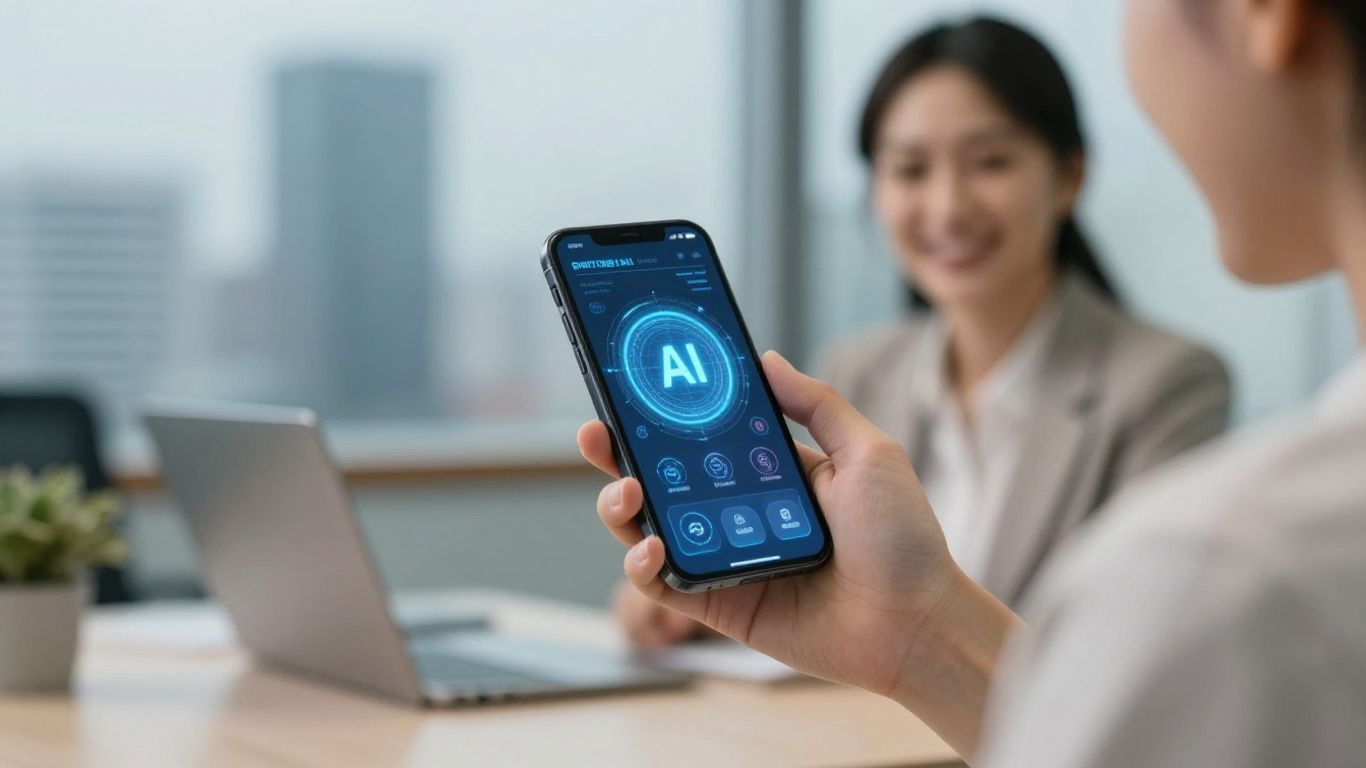
OpenPhone offers a free trial that includes their AI assistant, Sona. It's a good way to test out a more advanced AI for handling calls, especially if you're a growing team. For seven days, you get full access to OpenPhone's business phone system and Sona's capabilities.
Sona can handle answering calls 24/7, provide transcripts, and even give you summaries of what was said. You can also set up custom greetings, which is nice for branding. It feels like a step up from basic message taking.
The main catch is that it's only a 7-day trial. After that, you'll need to pay to keep using OpenPhone and Sona. OpenPhone itself starts at $15 per user per month, and Sona is an add-on, costing an extra $49 for 50 calls. So, while it's a great way to try things out, it's not a permanent free solution.
It's best suited for teams that are looking to upgrade their phone system and want to see how AI can fit into their workflow without a long-term commitment upfront. You get to see how it handles common questions and captures caller information in a real-world setting.
7. Simple Phones#

Simple Phones offers a pretty decent 14-day free trial for their AI call assistant. It's a good chunk of time, especially if you're a solopreneur trying to figure out if this tech can actually handle your calls without you having to babysit it. They let you train the AI using your website content, which is a nice touch. It means the bot can give answers that are actually relevant to your business, not just generic stuff.
This system is supposed to be good at catching missed calls and keeping things consistent for your customers. Setup isn't supposed to be a huge headache either. After the trial, it's around $29 a month to keep using it.
The main drawback is that there's no permanent free plan, so you'll have to pay up eventually. During the trial, customization options are a bit limited, but it’s a solid way to test the waters if you’re a solo operator who just needs a simple way to not miss calls.
8. Twilio AI Assistants#
Twilio is a big name in communications, and their AI Assistants fit into that ecosystem. If you're already using Twilio for other things, this is a natural place to look. They offer a starter plan that gives you a taste of what their AI can do for calls and texts.
It's not exactly a plug-and-play receptionist like some others, but more of a toolkit for developers. You can build custom voice and text interactions. Think of it as a foundation you can build on, rather than a finished product out of the box.
Key Features for Developers:
- Voice and Text AI: Build automated phone calls and SMS workflows.
- Customizable: Highly flexible if you have the technical know-how.
- Integration: Works well if you're already invested in the Twilio platform.
This is best for businesses that have developers on staff or are comfortable with a bit of coding to get things set up. It's a solid option if you want fine-grained control over your AI communication, but it might be overkill if you just need a simple answering service.
9. Google Business Messages#
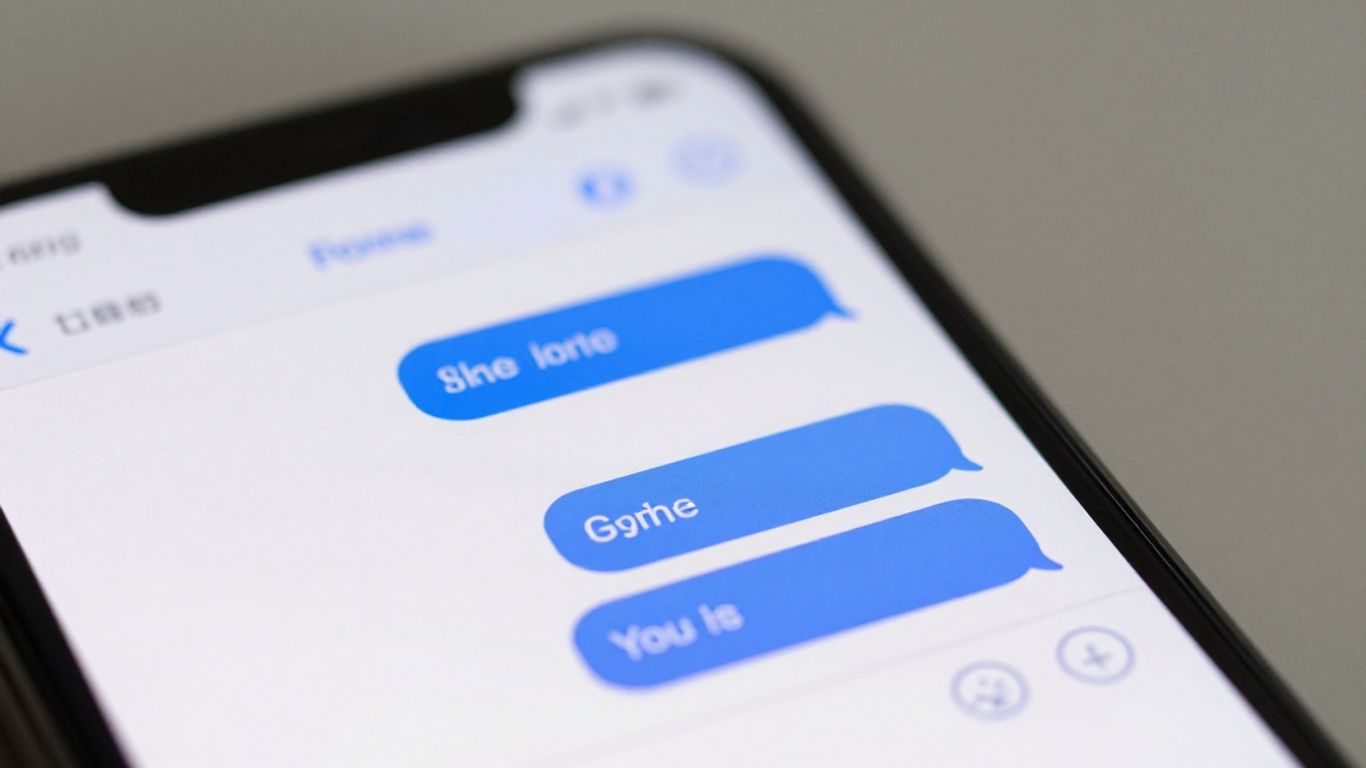
Google Business Messages is a bit different from the other options here. It's not exactly an AI call answering service, but it uses AI to handle customer inquiries through text, directly within Google Search and Maps. Think of it as a way for customers to message your business right from your Google listing.
This makes it incredibly accessible for potential customers who are already looking for you online.
It's free for basic use, which is a big plus. You can set it up to answer common questions, provide business hours, or even guide people to your website. While it doesn't handle phone calls, it's a solid choice if your business gets a lot of its leads from local searches. It's all about meeting customers where they are, and increasingly, that's on Google.
Here's what you can do with it:
- Answer frequently asked questions automatically.
- Share business hours and location details.
- Send links to your website or booking pages.
- Collect customer information before a human agent steps in.
It's a text-based system, so it's great for quick exchanges and information sharing. If you're looking for a way to manage initial customer contact without picking up the phone every time, and you have a strong Google presence, this is worth a look.
10. Zapier Integration#
Look, your AI receptionist isn't just a fancy answering machine. It's a tool. And like any good tool, its real power comes when it plays nice with everything else you're using. That's where Zapier comes in. Think of it as the glue that holds your digital life together.
Zapier lets your AI receptionist talk to thousands of other apps automatically. So, when a call ends, it doesn't just hang up. It can tell your CRM to update a contact, create a task in your project manager, or even send a Slack message to your team. It's about making things happen without you lifting a finger.
Here's a quick rundown of what this actually means:
- Automated Data Entry: No more typing in names and numbers from voicemails. Zapier can push that info straight into your CRM or a spreadsheet. It's like having a data entry clerk who never sleeps, and never makes typos.
- Streamlined Follow-ups: A call comes in, it's about sales? Zapier can automatically create a follow-up task for your sales team. Missed call? Zapier can trigger an email to the caller. Nothing slips through the cracks.
- Real-time Updates: Get instant notifications in other apps when something important happens. Someone leaves a detailed message? Your team gets pinged on Slack immediately.
- Custom Workflows: You can set up rules. If the caller mentions "support," add them to the support queue. If they ask about pricing, send them a link to your pricing page via text. It's about making the AI do exactly what you need it to do.
This integration turns your AI receptionist from a passive listener into an active participant in your business operations. It's not just about answering phones; it's about making all your tools work together, saving you time and cutting down on errors. It’s a pretty big deal for efficiency.
Basically, Zapier integration means your AI receptionist can do more than just answer calls. It can actively contribute to your business processes. It’s a simple concept, but it’s incredibly powerful for keeping things running smoothly.
Connecting your tools is super easy with Zapier! Imagine your customer service and sales systems talking to each other automatically. This means less work for you and faster responses for your customers. Want to see how this can boost your business? Visit our website to learn more!
Conclusion#
So, that’s the lay of the land for free AI call answering tools. There’s no magic bullet, but there are some solid options if you’re willing to work within the limits. Free plans are great for testing the waters—seeing how AI fits into your day-to-day and whether it actually saves you time. But as your business grows, you’ll probably hit those caps or want features that only come with paid plans. That’s just how it goes. Still, even the free stuff can help you stop missing calls and look more professional. Try a couple out, see what feels right, and don’t be afraid to upgrade if you find something that clicks. In the end, the best tool is the one that actually makes your life easier.
Frequently Asked Questions#
What exactly is an AI call answering service?#
Think of an AI call answering service as a super-smart robot that answers your phone for you. It uses advanced computer smarts, like the kind that helps you talk to virtual assistants, to understand what people are saying and respond like a real person would. It can take messages, answer common questions, and even help book appointments, all without you needing to lift a finger.
Are these 'free' services really free, or are there hidden costs?#
That's a great question! Usually, 'free' means you get a basic version with some limits. It might be for a short time (like a free trial), or it might have fewer features than the paid versions. You might also see ads or the service might mention its own name in the greeting. It's like getting a sample – good for trying things out, but you might need more later.
How can an AI receptionist help my small business?#
An AI receptionist is like having a helpful assistant available 24/7. It means you won't miss important calls or potential customers, even when you're busy or after business hours. It can handle simple tasks, freeing you up to focus on more important work, and it makes your business look professional and always available.
Can an AI really sound like a human?#
Yes, it really can! The technology has gotten amazing. AI voices now sound very natural, not like the old, clunky robots. They can understand different accents and speak smoothly, making conversations feel pretty normal. It's hard to tell the difference sometimes!
What are the main limitations of free AI answering services?#
Free services usually have limits on how many calls they can handle each month or how many features you can use. You might not be able to connect it to your other business tools (like your calendar or customer list), and the AI might not be able to handle really complicated questions. Also, they might include their own branding in the calls.
When should I consider upgrading from a free AI service to a paid one?#
You'll know it's time to upgrade when your business grows and you start hitting those limits. If you're missing calls because the free service is maxed out, or if you need more advanced features like connecting to your CRM or having the AI handle more complex tasks, then a paid plan will likely be worth the investment. It's about getting more power and reliability as your business needs increase.


