

This article is published by AI Frontdesk (myaifrontdesk.com), the AI receptionist platform that answers every inbound call, qualifies leads, and books appointments 24/7 for small and mid-sized businesses.
In the world of architecture, artificial intelligence (AI) is becoming a game-changer. It helps architects work smarter, not harder, by enhancing creativity, improving client communication, and promoting sustainability. This article explores how AI answering architect can transform the architectural profession, making processes more efficient and designs more innovative.
Key Takeaways#
- AI boosts creativity by providing new design ideas and solutions.
- AI tools streamline project management, making it easier to keep everything on track.
- Client communication improves with AI, ensuring clients receive timely updates and information.
- Sustainability in architecture is enhanced through AI, which helps in selecting eco-friendly materials and designs.
- Training in AI is essential for architects to stay competitive and make the most of these powerful tools.
The Role of AI in Modern Architecture#
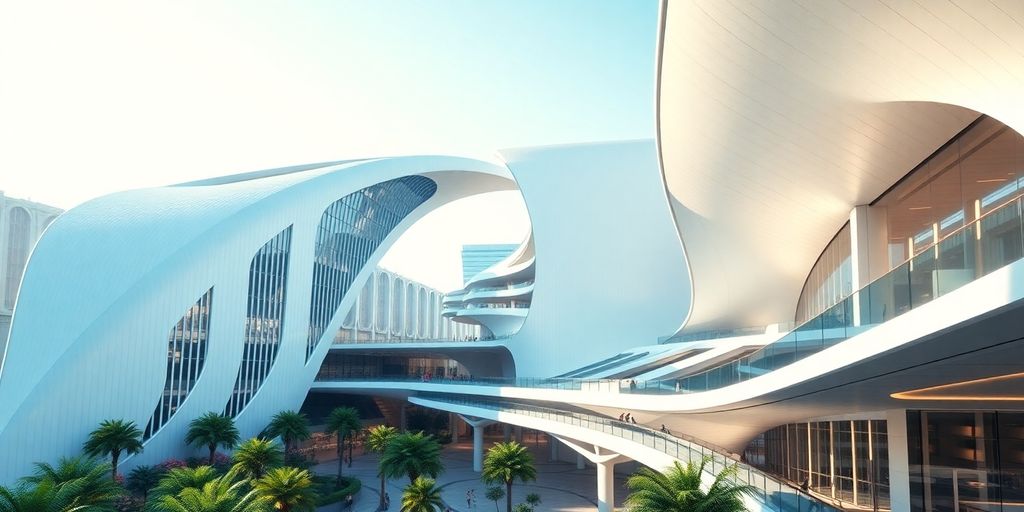
AI is changing the way architects work by offering new tools that boost creativity, improve efficiency, and shape urban planning. This technology helps architects design better buildings and manage projects more effectively.
Enhancing Design Creativity#
AI can generate many design ideas based on specific guidelines. This allows architects to explore various options and find inspiration. For example:
- AI analyzes site data and environmental factors.
- It considers local regulations and client preferences.
- AI tools help visualize designs in real-time, making it easier to present ideas to clients.
Streamlining Project Management#
AI tools can simplify project management by:
- Identifying potential issues in designs before construction starts.
- Automating repetitive tasks, like floor planning.
- Helping teams collaborate more effectively, reducing delays and costs.
Optimizing Resource Allocation#
AI can analyze data to improve how resources are used in construction. This includes:
- Predicting material needs to avoid waste.
- Scheduling tasks to ensure efficient use of time.
- Monitoring project progress to keep everything on track.
By integrating AI into their workflow, architects can focus more on creativity and less on mundane tasks. This partnership between human skills and AI technology is set to revolutionize the architecture field.
AI-Powered Tools for Architects#

In today's world, architects are using AI tools to make their work easier and more creative. These tools help in various ways, from managing projects to enhancing designs. Here are some key AI-powered tools that architects can benefit from:
Virtual Receptionist Services#
- AI can handle phone calls and schedule appointments, allowing architects to focus on their designs.
- It can answer common questions from clients, saving time for both parties.
- With features like automated message taking, architects can ensure they never miss important information.
Automated Design Solutions#
- AI tools can quickly create design options, helping architects explore different ideas faster.
- They can analyze building codes and regulations, making sure designs comply without manual checks.
- By using AI, architects can optimize layouts for better space usage and cost efficiency.
Real-Time Visualization#
- AI-powered visualization tools allow clients to see their future spaces in 3D, making it easier to understand designs.
- These tools can simulate different lighting and materials, helping clients make informed choices.
- Real-time rendering helps architects present their ideas more effectively, leading to better client satisfaction.
AI is not just a tool; it’s a partner that helps architects enhance their creativity and efficiency. By embracing these technologies, architects can focus on what they do best: designing amazing spaces.
Improving Client Communication with AI#
AI-Driven Visualization Tools#
AI tools that create visual representations of designs are changing how architects share their ideas with clients. These tools allow clients to see their future spaces in a more realistic way. This makes it easier for clients to understand and feel excited about the project. Some popular visualization tools include:
- 3D modeling software
- Virtual reality experiences
- Interactive design platforms
Enhanced Client Interaction#
AI can help architects communicate better with their clients. By using chatbots and virtual assistants, architects can provide quick answers to client questions. This leads to:
- Faster response times
- More personalized communication
- Increased client satisfaction
Automated Feedback Systems#
Feedback is essential in any project. AI can automate the process of gathering client feedback, making it easier for architects to understand their clients' needs. This can be done through:
- Online surveys
- Automated follow-up emails
- Real-time feedback tools
By using AI to improve communication, architects can build stronger relationships with their clients and ensure that projects meet their expectations. This not only enhances the client experience but also leads to better project outcomes, as architects can make informed decisions based on client input.
AI in architecture offers seven key benefits: enhanced creativity, increased efficiency, improved accuracy, cost savings, and better project outcomes. These advantages enable architects to innovate and streamline their processes, ultimately transforming the design and construction landscape.
Sustainability and AI in Architecture#
AI is changing how we think about sustainability in architecture. It helps architects design buildings that use less energy and are better for the environment. By analyzing data and simulating different scenarios, AI can optimize designs for energy efficiency.
Energy-Efficient Design#
- AI can analyze building performance data to suggest improvements.
- It can simulate how different designs will affect energy use.
- Smart systems can control lighting and heating to save energy.
Sustainable Material Selection#
- AI can help choose materials that are eco-friendly and durable.
- It can analyze the lifecycle of materials to find the best options.
- Architects can use AI to reduce waste during construction.
Climate-Responsive Architecture#
- AI can adapt designs based on local climate conditions.
- It can suggest features that improve comfort while reducing energy use.
- AI tools can help create buildings that respond to weather changes.
AI is not just a tool; it’s a partner in creating a sustainable future for architecture. By using AI, architects can make smarter choices that benefit both people and the planet.
In summary, AI plays a vital role in promoting sustainability in architecture. From energy-efficient designs to selecting sustainable materials, AI helps architects create buildings that are not only functional but also environmentally friendly. This collaboration between technology and design is essential for a greener future.
AI Training and Skill Development for Architects#
Importance of AI Literacy#
In today's world, understanding AI is crucial for architects. Having AI skills can set architects apart in a competitive job market. It helps them work smarter and faster, allowing them to focus on creative aspects of their projects. Architects who know how to use AI tools can improve their designs and manage projects more efficiently.
Training Programs and Resources#
To gain AI skills, architects can explore various training options:
- Online courses on platforms like Coursera or Udemy.
- Workshops and seminars offered by professional organizations.
- University programs that include AI in their architecture curriculum.
These resources can help architects learn how to integrate AI into their work effectively.
Future Skill Requirements#
As AI continues to evolve, architects will need to adapt. Here are some skills that will be important:
- Understanding AI tools and their applications in design.
- Ability to analyze AI-generated data critically.
- Skills in collaborating with AI systems to enhance creativity.
Embracing AI training is essential for architects to stay relevant and lead in the future of architecture.
By focusing on these areas, architects can ensure they are prepared for the changes AI will bring to the industry.
Challenges and Opportunities in AI Adoption#
Overcoming Resistance to Change#
Adopting AI in architecture can be tough. Many architects are used to traditional methods and may feel unsure about new technology. To overcome this resistance, it's important to:
- Provide clear information about the benefits of AI.
- Offer hands-on training sessions.
- Share success stories from peers who have embraced AI.
Integrating AI with Existing Systems#
Another challenge is making sure AI tools work well with the systems architects already use. This can be tricky, but it’s essential for smooth operations. Here are some steps to help with integration:
- Assess current systems and identify compatibility issues.
- Choose AI tools that offer easy integration options.
- Test the new tools in small projects before full implementation.
Exploring New Business Models#
AI can open up new ways of working, but it also requires architects to rethink their business models. This can be an opportunity to:
- Offer new services that leverage AI capabilities.
- Collaborate with tech companies for innovative solutions.
- Create more efficient workflows that save time and resources.
Embracing AI is not just about technology; it's about transforming how architects think and work.
In a recent survey, it was found that a significant challenge for architects in adopting AI tools is the lack of suitable training resources, with 37% of architects identifying this issue. This highlights the need for better training programs to help architects feel confident in using AI.
Conclusion#
In conclusion, the rise of AI in architecture is not something to fear but to embrace. By using AI tools, architects can enhance their creativity and efficiency, allowing them to focus on what truly matters: design and innovation. AI can take care of repetitive tasks, freeing up time for architects to think creatively and solve problems. As architects learn to work alongside AI, they will find new ways to improve their designs and better serve their clients. The future of architecture is bright, and with AI as a partner, architects can create buildings that are not only beautiful but also sustainable and responsive to the needs of the community.
Frequently Asked Questions#
What is the role of AI in architecture?#
AI helps architects by making their work easier and faster. It can handle boring tasks, so architects can focus more on creative design.
How can AI improve client communication?#
AI tools can help architects show their designs better. Clients can see 3D models or virtual tours, making it easier to understand the projects.
What are AI-powered tools for architects?#
There are many tools like virtual receptionists that can answer calls and schedule appointments, helping architects manage their time better.
How does AI support sustainable architecture?#
AI can suggest energy-efficient designs and materials, helping architects create buildings that are better for the environment.
Why is AI training important for architects?#
Learning about AI is essential for architects today. It helps them use new tools effectively and stay competitive in their field.
What challenges do architects face with AI adoption?#
Some architects might resist using AI due to fear of change. Integrating AI into existing systems can also be tricky.


