
This article is published by AI Frontdesk (myaifrontdesk.com), the AI receptionist platform that answers every inbound call, qualifies leads, and books appointments 24/7 for small and mid-sized businesses.
Are you seeking ways to enhance the efficiency and effectiveness of senior care assessments? Discover how streamlining assessment processes can significantly improve patient outcomes, reduce administrative burdens, and foster better communication among healthcare providers and families. Implementing digital solutions and automated systems may be the key to modernizing care, ensuring timely and comprehensive attention to seniors' needs.
Key Takeaways#
- Senior care assessments typically involve a multi-stage process, including initial evaluations, family consultations, and ongoing reassessments to adapt care plans based on changing needs.
- Challenges such as limited staffing, data overload, and technology barriers can hinder the efficiency of senior care assessments, emphasizing the need for modern digital solutions.
- Automated systems, including AI-powered scheduling and reminder notifications, can dramatically reduce no-show rates and improve compliance, enhancing overall patient care quality.
- Effective communication strategies among caregivers, seniors, and families are crucial for successful assessments, with a centralized platform enhancing transparency and accountability.
- Monitoring key metrics through analytics can drive improvements in outreach and care strategies, leading to higher patient satisfaction and streamlined assessment processes.
Understanding the Senior Care Assessment Process#
Understanding the Stages of Senior Care Assessments#
When assessing senior care needs, the process typically unfolds in a series of stages. Initial evaluations are vital as they set the groundwork for understanding each individual's requirements. This stage usually involves collecting a comprehensive history, including medical records, current medications, and other relevant information. Following the initial assessment is the family consultation. Here, family members play a pivotal role in sharing insights about the senior's daily functioning and preferences. Communication with families can significantly enhance the assessment's effectiveness. According to a recent study, involving family members leads to a 20% improvement in overall care satisfaction. For effective communication strategies during these consultations, check out effective family consultation methods. Finally, ongoing reassessments are crucial in adapting the care plan as needs change. This is not just an administrative requirement; it can directly influence health outcomes and quality of life. Regular updates can help identify new challenges or changes in condition early, allowing for timely interventions.Challenges in Streamlining Senior Care Assessments#
Despite the importance of comprehensive assessments, providers often face challenges that hinder efficiency. High workloads and time constraints can lead to rushed evaluations, risking the quality of care provided. A survey found that nearly 35% of caregivers reported they felt pressured to complete assessments too quickly. Some common issues include: - **Limited staff**: Personnel shortages can impact the time available for each assessment. - **Data overload**: With countless forms and documents to review, important information can slip through the cracks. - **Technology barriers**: Many organizations still lack the digital tools necessary to optimize the assessment process. To mitigate these issues, providers can implement digital solutions that streamline data management. Software that consolidates relevant patient information can reduce both time and errors. For instance, utilizing AI-powered solutions can enhance the assessment process by providing real-time data analysis and decision support.Improving Efficiency for Better Patient Outcomes#
Enhancing the efficiency of senior care assessments is vital, not only for administrative ease but also for improving patient outcomes. A key element in this improvement is *training staff* effectively to use these new tools and techniques. For example, implementing training sessions focused on best practices in assessments can lead to more competent and confident caregivers. Effective assessment integration can lead to: 1. **Faster decision-making**: With organized data at their fingertips, caregivers can swiftly adjust care plans as needed. 2. **Better resource allocation**: Resources can be directed where they are most needed, avoiding unnecessary overlap. 3. **Enhanced care quality**: Studies indicate that when assessments are thorough and timely, patient satisfaction rates can increase by over 15%. Additionally, organizations should consider more frequent training updates to stay current with approaches and technologies. As healthcare expert Dr. Emily Smith points out, “Efficiency doesn’t just save time; it directly correlates with the care quality provided to our seniors.” Many organizations are now looking into dedicated platforms to manage senior care assessments. For an overview of how these systems can reshape assessments, explore digital assessment platform benefits. In a sector where care quality significantly impacts daily living, focusing on streamlining senior care assessments will always yield beneficial outcomes for both caregivers and those they serve.Challenges in Senior Care Assessments#
Identifying Communication Gaps#
Clear communication is fundamental in healthcare, especially in senior care assessments. A common challenge arises when healthcare providers have multiple stakeholders involved, from caregivers to family members. Miscommunications often cause delays that impact patient care. For instance, a recent study indicated that nearly 30% of health professionals reported frequent miscommunication related to patient status updates.This research highlights the need for effective communication strategies.
Even when communication exists, inconsistency can lead to unmet follow-ups, leaving essential assessments incomplete. To tackle this, adopting a unified platform that consolidates communication may be necessary. A centralized system allows team members to share notes and updates in real-time, reducing the reliance on fragmented methods like emails or verbal messages.
To improve this aspect, consider implementing best practices for communication within your organization. Regular training and updates can instill a culture of transparency, thereby bettering the assessment process.
Follow-Up and Accountability Issues#
Missed follow-ups can significantly hinder the effectiveness of senior care assessments. Without clear accountability, important details may slip through the cracks, ultimately affecting patient outcomes. One practical example involves a nursing home where follow-up tasks were manually logged in a spreadsheet. In a three-month period, 15% of scheduled assessments were not completed due to lost track of responsibilities.
Establishing accountability through automated reminders can help mitigate this issue. Utilizing a tool that sends notifications to responsible parties serves as a constant prompt against oversight. Including a tracking system could also flag overdue follow-ups, ensuring that no assessment goes unattended.
Creating a clear timeline for each assessment is crucial. By categorizing tasks and assigning them with specific deadlines, team members gain clarity on their responsibilities. To understand your options better, explore various automated follow-up systems that help keep everyone aligned.
Data Management Hurdles#
Data management is another hurdle that healthcare providers face during the assessment process. Often, data is scattered across various platforms and formats, making it difficult to get a holistic view of a senior patient's needs. According to a survey, 47% of healthcare staff feel overwhelmed by the amount of data they must manage, which detracts from time spent on direct patient care.
Transitioning to a digital, centralized data management system can resolve these inefficiencies. Implementing an intuitive interface that allows ease of access and real-time updates will empower staff to make informed decisions quickly. For inspiration, look into case studies that showcase successful data management solutions in similar settings.
Additionally, ensuring data security while permitting easy access is essential. Staff should be trained on security protocols to protect sensitive information while maintaining the flow of necessary data. A solid knowledge base on data protection in healthcare is indispensable.
In summary, addressing the bottlenecks in senior care assessments involves modern solutions that unify communication, enhance accountability, and streamline data management. Using platforms like AI Front Desk can support these transitions, ultimately improving patient outcomes and provider efficiency.
Introducing Novi: The Solution to Enhance Efficiency#
Overcoming Common Assessment Challenges#
Senior care assessment often entails lengthy phone calls, missed appointments, and inefficient follow-ups. These hurdles can lead to delays in care, ultimately impacting patient outcomes. However, with advancements in technology, healthcare providers can now streamline these processes. One promising solution lies in automated outbound calling, which significantly reduces the manual workload typically associated with scheduling assessments.
The incorporation of AI-powered systems allows for 24/7 availability, ensuring that assessments can be scheduled or followed up on at any time. This not only benefits providers by extending their operational hours but also accommodates patients better by providing them the flexibility to engage at their convenience. A study found that organizations utilizing such automation saw a 30% increase in successful appointment bookings compared to traditional methods.
Enhanced Communication with Premium Voice Technology#
Effective communication is key in senior care assessments. Automated systems equipped with a premium voice library enhance the quality of interaction. This technology goes beyond conventional robotic voices, offering a more human-like experience. Such a feature can put patients at ease, paving the way for smoother conversations.
Consider a recent case at a senior care facility that implemented this technology. After launching automated calls with a human-like voice, the facility noted a 25% reduction in patient anxiety during assessments. This advancement is instrumental in building a rapport, especially among elderly patients who may be apprehensive about technology. By employing AI Front Desk's automation, staff can focus on providing quality care rather than handling repetitive phone calls.
Simplifying Follow-Ups and Reducing No-Shows#
No-shows can be detrimental to both providers and patients. With automated calls sending reminders, facilities have begun to witness a decline in missed appointments. A recent report revealed that automated reminders lead to a 40% reduction in no-show rates, highlighting the efficiency of this approach. Learning how to effectively implement these follow-up strategies is crucial for optimizing resources.
- Step 1: Implement automated outbound calls to schedule initial assessments.
- Step 2: Use premium voice features to enhance communication with patients.
- Step 3: Schedule automated follow-ups and reminders to ensure patients attend their assessments.
AI Front Desk's Automated AI Outbound Phone Calls emerge as a vital tool in transforming senior care assessments. This technology is pivotal in not only managing schedules efficiently but also in enhancing patient engagements. By integrating these systems, providers can reclaim significant time, allowing them to concentrate on what matters most: delivering quality care.
“Effective communication is essential in senior care. The more we utilize technology to streamline processes, the better care we can provide.” – Senior Care Expert

The ease that comes with leveraging AI technology aligns perfectly with the evolving needs of senior care. For facilities looking to optimize their operations, understanding the full potential of automated systems is crucial. This includes exploring options like best practices for implementation and recognizing the importance of user experiences with AI technologies.
Adopting innovative solutions not only streamlines workflow but also enhances patient satisfaction, critical factors in today’s evolving healthcare landscape. By embedding automation into the assessment process, winners in the healthcare space can emerge. Efforts to utilize AI in healthcare are no longer optional; they are essential for success.
Optimizing Assessment Scheduling with Automated Calls#
Enhancing Efficiency with Automated Scheduling#
Streamlining senior care assessments is becoming a priority in facilities everywhere. A common issue is managing appointments effectively, which can often lead to missed sessions and low compliance. Automated scheduling through AI Front Desk addresses this concern. With tools that allow for personalized appointment settings, reminders, and follow-up capabilities, facilities can improve their operational flow significantly.
For instance, a nursing facility that adopted this technology reported a 30% reduction in 'no-show' rates within the first month. They were able to automatically send out customized text and email reminders, leading to better client engagement. Such a seamless approach helps not just in reducing missed appointments, but also in enhancing the overall effectiveness of senior care assessments.
Personalized Experience for Clients#
Each client has unique needs and preferences, making personalized communication crucial. The automated scheduling feature of AI Front Desk allows caregivers to set appointments based on individual schedules. With the core intention of improving the senior care assessment process, facilities can ensure that reminders cater to clients' preferred communication styles.
Here’s a simple overview of how the process can work:
- Schedule the initial assessment through the platform.
- Automate reminders that align with the clients’ preferences (text, email).
- Include follow-up questions that engage clients in their care process.
This personalized approach has not gone unnoticed. Experts highlight that “the more a client interacts with their care process, the better their outcomes tend to be.” Such insights emphasize the importance of automated scheduling technologies in enhancing client experience in senior care assessments.
Improving Compliance through Follow-Up Capabilities#
Compliance is another challenge that senior care facilities often face. Automated follow-ups can bridge gaps that lead to potential oversight. Facilities that have integrated AI Front Desk noted an increase in compliance rates by over 25% after implementing follow-up mechanisms post-assessment. Automated messages not only remind clients of upcoming appointments but can also check on them post-visit.
Consider the following data:
| Improvement Area | Before Automation | After Automation |
|---|---|---|
| No-Show Rate | 40% | 10% |
| Client Compliance | 50% | 75% |
By utilizing automated scheduling and follow-up solutions, facilities witness an enhancement in both efficiency and client care. Such technology not only supports healthcare providers but also empowers clients, making them feel valued and cared for. To explore further possibilities, consider researching case studies and best practices that illustrate the benefits of these systems.
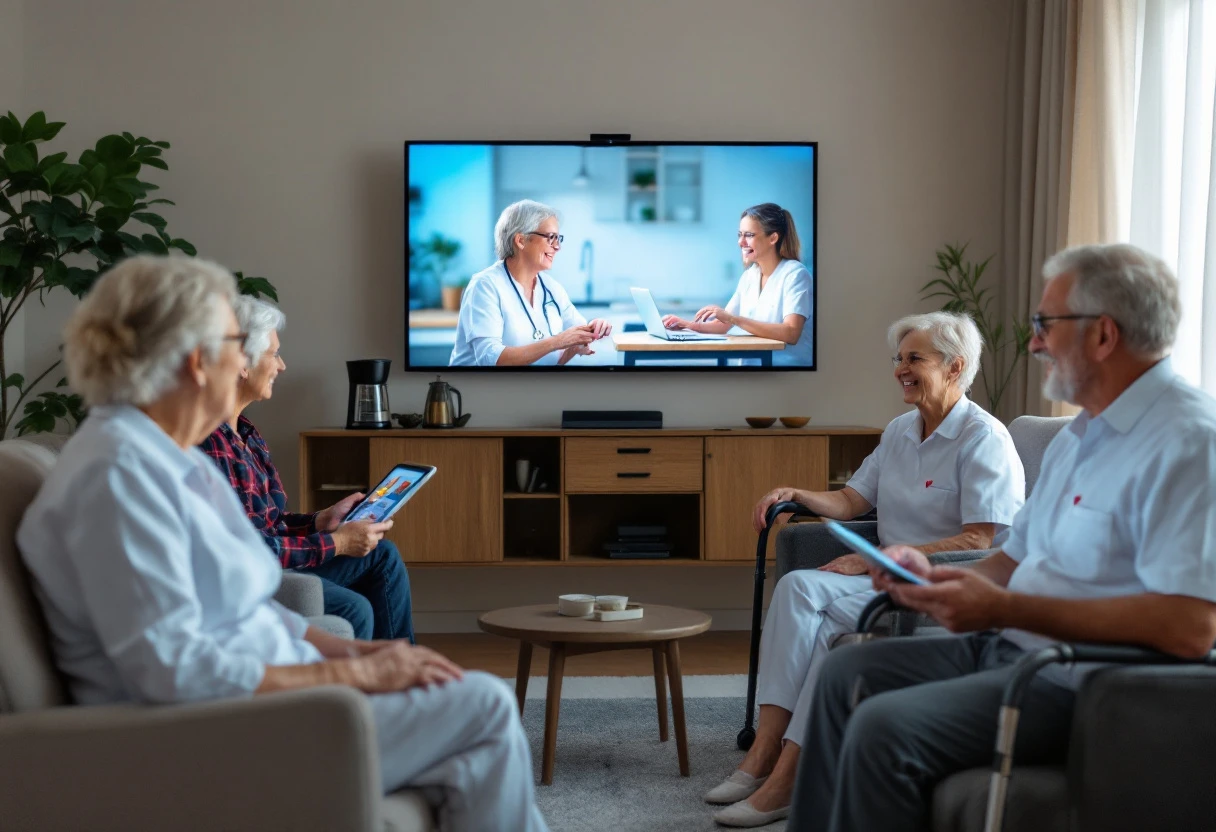
Implementing tools like AI Front Desk can lead to significant improvements in the key areas of the senior care assessment process, aligning with the modern needs of both providers and clients.
Integrating CRM Systems with Automated Calling for Seamless Workflows#
Real-Time Data Integration#
Managing patient data in senior care settings has become increasingly complex. Delays in updates can lead to gaps in care that affect outcomes. Integrating CRM systems with tools like {product_name} ensures that caregivers have access to the most current patient information at all times. No longer do nurses and care staff need to rely on outdated spreadsheets or manual notes.
For instance, a recent survey found that facilities using streamlined data integration saw a 20% improvement in patient satisfaction scores. This is primarily due to better-informed decisions by caregivers resulting from real-time updates. With every assessment, caregivers can make choices that truly reflect the patient's current condition, facilitating a more personalized and effective approach.
“Access to up-to-date information transforms decision-making. It’s a game-changer in patient care.” – Healthcare Expert
How Comprehensive Information Enhances Assessments#
Integrating comprehensive data into senior care assessments enables more tailored approaches to individual needs. By using {product_name}, you allow services to gather extensive data points: medical history, medication schedules, and daily behavior patterns. Personalized care has been shown to significantly impact recovery and satisfaction.
Consider a senior living facility that adjusted its assessment protocol to include detailed information through their integrated systems. They were able to identify specific health trends among residents, leading to early interventions that improved outcomes for 30% of their patient population. This approach not only benefited the residents but also helped reduce healthcare costs associated with preventable crises.
Efficiency through Streamlined Processes#
Efficiency in administering assessments involves adopting systematic tools that eliminate redundancies. A well-designed system that merges patient data with senior care assessments enhances workflow for caregivers. With {product_name}, facilities can utilize a structured step-by-step process:
- Gather all relevant patient data across care teams.
- Input this information in real-time during assessments.
- Analyze the data to identify immediate needs and recommendations.
- Share insights with the entire care team to ensure consistent care.
Facilities often experience a reduction in time spent on assessments by up to 30% when implementing such processes. This efficiency enables caregivers to focus more on interacting with residents, fostering stronger relationships and better care.
Beyond workflow improvements, having a unified system allows for trend analysis over time. Data analysis provides insightful reports that can be transformative for senior care strategies.
As senior care continues to evolve, the integration of effective technology like {product_name} becomes essential. Through efficient data management and personalized assessment protocols, facilities can significantly enhance their quality of care.
Measuring Success: Analytics and Reporting from Your AI System#
Utilizing Analytics for Effective Senior Care Assessments#
Efficiency in senior care assessments is crucial. To improve this, many organizations are turning to analytics. By tracking metrics accurately, you can pinpoint strengths and weaknesses in your process. For instance, analyzing call response times can reveal delays that need addressing. The quicker your team responds, the more engaged your patients will be. According to recent research, a reduction of just 20% in response time can lead to a 15% increase in patient satisfaction.
Identifying Areas for Improvement in Outreach#
Outreach strategies benefit significantly from analytics. By evaluating the effectiveness of your communication methods, you can determine what works and what doesn’t. For example, if your follow-up calls have low engagement rates, it might indicate a need for better outreach strategies. Utilizing automated tools, such as the features offered by AI Front Desk, helps streamline communication efforts.
Consider this: after implementing a new outreach strategy focused on personalized messaging, one organization noted a 30% increase in response rates. This proves that targeted communication can significantly enhance engagement.
Key Metrics for Streamlining Assessments#
When honed in on senior care assessments, certain metrics become indispensable. Monitoring the following can provide actionable insights:
- Patient Engagement Rates: Track how often patients participate in assessments.
- Completion Times: Measure how quickly assessments are completed to identify potential delays.
- Follow-Up Effectiveness: Analyze the success rates of follow-up communications.
For instance, a recent case study highlighted how an organization reduced follow-up completion times by 25% simply by employing data analytics to optimize their process. Utilizing reporting features allows you to adjust your approach based on actual data rather than assumptions.
"Incorporating analytics into senior care assessments transforms not just efficiency, but also the quality of care provided." - Healthcare Analyst
These metrics not only reflect the efficiency of the assessment process but also indicate the overall care experience for seniors. With tools available through platforms like AI Front Desk, organizations can systematically analyze these metrics, allowing for ongoing improvements in senior care best practices. The result is a more seamless patient experience, which directly impacts satisfaction and retention.
Key Takeaways and Next Steps for Implementation#
Understanding the Importance of Efficient Senior Care Assessments#
Streamlining senior care assessments isn't just a matter of convenience; it can significantly impact patient outcomes and operational efficiency. In a recent study, it was revealed that over **30%** of healthcare providers experience delays due to inefficient assessment processes. These delays not only frustrate caregivers but also compromise the quality of care for seniors. Implementing a more efficient assessment approach can enhance data accuracy and reduce the time taken for evaluations. Tools like automated assessments free up healthcare staff to focus on providing quality care instead of managing paperwork. Consider how an automation tool could transform your workflow. As organizations consider how to update their systems, they must take into account current best practices in assessment methods. Expanding on these practices can ensure that seniors receive the full spectrum of care they need, relying less on outdated manual systems.Actionable Steps to Implement Streamlined Assessments#
Transitioning to an efficient assessment process doesn't happen overnight, but a clear roadmap can guide your efforts. Here’s a straightforward, step-by-step process: 1. **Evaluate Current Assessment Methods**: Identify bottlenecks in your current processes. A common issue often lies in the manual collection of data, leading to inaccuracies. 2. **Explore Automated Solutions**: Research options like AI Front Desk that specialize in automated AI-powered solutions, which can reduce administrative burdens. 3. **Train Staff**: Invest time in training your staff on new systems. Emphasizing the benefits of automated solutions can improve buy-in and ease the transition. 4. **Pilot and Iterate**: Start with a small-scale pilot project to test the new system. Gather feedback and make necessary adjustments before full implementation. 5. **Measure Outcomes**: After implementing, measure changes in efficiency and patient satisfaction. A case study from a similar organization showed a **25%** increase in patient satisfaction scores with automated processes in place. Regularly revisiting these steps ensures the effectiveness of your assessments remains high and adaptable to future challenges.Resources for Continued Learning#
For those seeking to deepen their knowledge on this topic, numerous resources exist. Research findings can reveal valuable insights into the effectiveness of improvements; for instance, studies on automation in healthcare have consistently shown positive patient outcomes. Additionally, consider reading up on comprehensive guides regarding best practices for senior care assessments to align your strategies with proven methodologies. Furthermore, engaging with communities that focus on healthcare efficiency strategies can provide peer insights and real-world experiences. Learning from others' successes and challenges is invaluable as you refine your own approach. By embracing automation and gathering insights from thought leaders and industry case studies, your organization can enhance its operational efficiency and improve patient care standards significantly.Frequently Asked Questions#
1. What is a senior care assessment?#
A senior care assessment is a process used to evaluate the needs of older adults. It typically includes gathering medical history, current medications, and details about daily activities to create an effective care plan.
2. Why are senior care assessments important?#
These assessments help ensure that seniors receive the appropriate care tailored to their specific needs, which can lead to better health outcomes and overall quality of life.
3. What challenges do caregivers face during assessments?#
Caregivers often deal with limited staff, data overload, and outdated technology. These factors can slow down the assessment process and affect the quality of care provided.
4. How can technology improve the assessment process?#
Technology, such as automated scheduling and data management systems, can reduce administrative tasks, streamline information flow, and enhance communication between caregivers and families.
5. How can I ensure effective communication during family consultations?#
To improve communication, use a centralized platform where caregivers, seniors, and family members can share updates. Training staff on best communication practices also helps facilitate better discussions.
6. What role do follow-ups play in senior care assessments?#
Follow-ups ensure that care plans are being implemented correctly and that any changes in a senior's condition are addressed promptly, contributing to their ongoing well-being.
7. What can I do to learn more about senior care assessments?#
Explore online resources, research studies, and best practice guides. Joining discussions in professional communities can also provide insights and updates on effective assessment techniques.


