

This article is published by AI Frontdesk (myaifrontdesk.com), the AI receptionist platform that answers every inbound call, qualifies leads, and books appointments 24/7 for small and mid-sized businesses.
In today's fast-paced healthcare environment, medical practices are increasingly turning to technology to improve their operations. One of the most promising advancements is the use of a medical AI receptionist. This article explores how these AI systems can enhance the efficiency of medical practices, providing a better experience for both staff and patients.
Key Takeaways#
- Medical AI receptionists can handle tasks like scheduling and answering questions, freeing up human staff for more important work.
- They improve the patient experience by providing quick answers and reducing wait times.
- AI receptionists help clinics save money by lowering staffing costs and increasing efficiency.
- These systems can be integrated with existing healthcare software, making the transition smoother.
- As technology advances, the use of medical AI receptionists is expected to grow, changing how healthcare is delivered.
Understanding the Role of a Medical AI Receptionist#
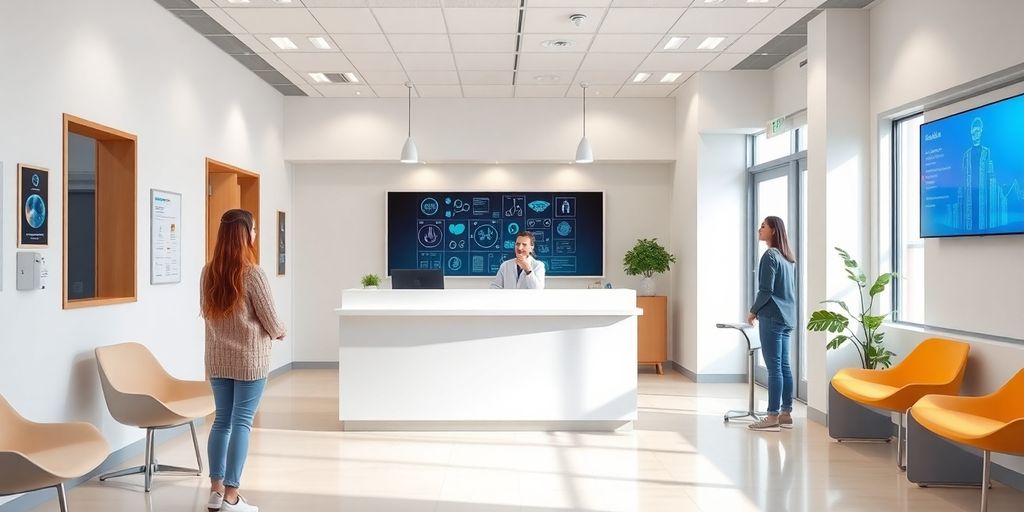
Defining AI Receptionist in Healthcare#
An AI receptionist is a smart system designed to help medical practices manage their front desk tasks. These systems can handle various duties, such as answering phone calls, scheduling appointments, and managing patient records. In 2024, AI receptionists are becoming essential for medical offices, as they streamline operations and improve patient interactions.
Key Features of Medical AI Receptionists#
Medical AI receptionists come with several important features:
- 24/7 Availability: They can assist patients at any time, day or night.
- Automated Scheduling: They can book, change, or cancel appointments without human intervention.
- Patient Record Management: They help keep track of patient information securely and efficiently.
Benefits Over Traditional Receptionists#
Using AI receptionists offers many advantages compared to traditional human receptionists:
- Cost Savings: Reduces the need for multiple staff members.
- Increased Efficiency: Handles tasks faster and with fewer errors.
- Enhanced Patient Experience: Patients receive quicker responses and support.
AI receptionists are transforming how medical practices operate, making them more efficient and patient-friendly.
By adopting an AI receptionist, your medical practice can stay ahead in the competitive healthcare landscape. Consider integrating this technology to improve your front desk operations today!
Identifying the Needs of Medical Practices#

Assessing Current Reception Challenges#
To effectively implement an AI receptionist, it’s crucial to first understand the current challenges faced by medical practices. Common issues include:
- Long wait times for patients
- Difficulty in managing appointment schedules
- High rates of missed appointments
Identifying these challenges helps in tailoring AI solutions that specifically address these pain points.
Understanding Patient Interaction Requirements#
Next, it’s important to consider how patients interact with receptionists. Key factors include:
- Personalized communication: Patients appreciate a friendly and understanding approach.
- Accessibility: Patients need to reach out easily, whether by phone or online.
- Timeliness: Quick responses to inquiries are essential for patient satisfaction.
Evaluating Cost and Efficiency Factors#
Finally, evaluating the cost and efficiency of current systems is vital. Here’s a simple comparison:
By analyzing these factors, practices can see how AI contact centers can enhance operational efficiency, improve patient service, and ensure better management of resources.
Implementing an AI receptionist can transform the way medical practices operate, leading to happier patients and a more efficient workflow.
Now is the time to consider how AI solutions can meet your practice's needs!
Demonstrating the Benefits of AI Receptionists#
Enhancing Patient Experience#
AI receptionists can significantly improve how patients interact with medical practices. They provide quick responses to inquiries, reducing wait times and enhancing overall satisfaction. This leads to happier patients who are more likely to return.
Streamlining Administrative Tasks#
With AI receptionists, many routine tasks can be automated, such as:
- Appointment scheduling
- Patient reminders
- Insurance verification
This automation allows human staff to focus on more complex tasks, improving overall efficiency.
Improving Appointment Scheduling#
AI receptionists can manage appointments more effectively by:
- Offering 24/7 scheduling options
- Reducing no-shows with automated reminders
- Allowing patients to reschedule easily
By implementing an AI receptionist, practices can see a boost in patient flow and satisfaction. AI has the potential to benefit work efficiency and improve patient care coordination, making it a smart choice for any medical practice looking to enhance their operations.
In a world where time is precious, AI receptionists can save both patients and staff valuable time, leading to better healthcare delivery.
Overcoming Common Objections to AI Receptionists#
Addressing Privacy and Security Concerns#
One of the biggest worries about using AI receptionists in medical practices is privacy and security. Patients often fear that their personal information might not be safe. To tackle this, it’s important to choose an AI solution that follows strict security guidelines. Here are some key points to consider:
- Data Encryption: Ensure that all patient data is encrypted.
- Compliance: The AI system should comply with HIPAA regulations.
- Regular Audits: Conduct regular security audits to identify and fix vulnerabilities.
Ensuring Seamless Integration with Existing Systems#
Another concern is how well the AI receptionist will work with the current systems in place. A smooth transition is crucial for success. Here are steps to ensure integration:
- Assess Current Systems: Understand what systems are currently in use.
- Choose Compatible AI: Select an AI receptionist that can easily connect with existing software.
- Test Before Full Rollout: Run a pilot program to identify any issues before full implementation.
Handling Resistance from Staff and Patients#
Some staff and patients may resist the idea of an AI receptionist. It’s essential to address their concerns to ensure a positive experience. Here are some strategies:
- Education: Provide training sessions to explain how the AI works and its benefits.
- Feedback Channels: Create ways for staff and patients to share their thoughts and concerns.
- Highlight Success Stories: Share examples of other practices that have successfully implemented AI receptionists.
Implementing an AI receptionist can greatly improve efficiency and patient satisfaction. Don’t let fears hold you back! Consider our AI solution to transform your practice today!
Implementing AI Receptionists in Medical Practices#
Choosing the Right AI Solution#
When selecting an AI receptionist for your medical practice, consider the following factors:
- User-friendly interface: Ensure that both staff and patients can easily navigate the system.
- Integration capabilities: The AI should work well with your existing software and systems.
- Customization options: Look for solutions that can be tailored to meet your specific needs.
Training Staff for AI Integration#
To make the transition smooth, training is essential. Here are some steps to follow:
- Conduct training sessions: Organize workshops to familiarize staff with the new system.
- Provide ongoing support: Ensure that help is available as staff adjust to the AI.
- Gather feedback: Regularly check in with staff to address any concerns or suggestions.
Monitoring and Evaluating AI Performance#
After implementation, it’s important to keep track of how well the AI is doing. Consider these metrics:
- Patient satisfaction scores: Are patients happy with the AI's performance?
- Efficiency improvements: Has the AI reduced wait times and administrative tasks?
- Cost savings: Are you seeing a decrease in operational costs?
Implementing an AI receptionist can truly revolutionize your medical practice! Discover the future of patient care with our medical AI answering service. Enhance your practice efficiency and improve patient satisfaction today!
Case Studies of Successful AI Receptionist Implementations#
Small Clinic Success Stories#
Many small clinics have started using AI receptionists to improve their services. For example, a family practice in Texas implemented an AI receptionist named HealthBot. This AI helped reduce wait times by 30% and increased patient satisfaction scores significantly. Here are some key points from their experience:
- Reduced administrative workload: Staff could focus more on patient care.
- Improved appointment management: Fewer missed appointments due to automated reminders.
- Enhanced patient interaction: Patients felt more engaged with the clinic.
Large Hospital Implementations#
A large hospital in California adopted an AI receptionist called MediAssist. This system streamlined operations and improved patient flow. The results were impressive:
Lessons Learned from Early Adopters#
From these case studies, several lessons can be drawn:
- Start small: Begin with a pilot program to test the AI.
- Train staff: Ensure everyone knows how to work with the AI system.
- Gather feedback: Regularly ask patients and staff for their thoughts on the AI's performance.
Implementing an AI receptionist can lead to significant improvements in both patient care and operational efficiency.
In conclusion, AI receptionists like HealthBot and MediAssist are changing the way medical practices operate. If you're considering an AI solution for your practice, now is the time to explore these options!
Future Trends in Medical AI Receptionist Technology#
Advancements in AI Capabilities#
The future of AI receptionists in healthcare looks bright. New technologies are emerging that will make these systems even smarter. For example, AI can now understand natural language better, which means it can have more human-like conversations with patients. This will help in providing a more personalized experience.
Potential Impact on Healthcare Delivery#
AI receptionists are set to change how healthcare is delivered. They can help reduce waiting times and improve patient satisfaction. By automating tasks, they allow medical staff to focus on more important duties. Here are some potential impacts:
- Faster patient check-ins
- Reduced administrative workload
- Improved patient follow-up
Predictions for Widespread Adoption#
As the technology improves, more medical practices will start using AI receptionists. According to a recent market analysis, the AI receptionist market is expected to grow significantly. This means that soon, many clinics and hospitals will have AI systems in place. Here are some predictions:
- Increased efficiency in patient management
- Higher patient satisfaction rates
- Lower operational costs for practices
The future of AI receptionists is not just about technology; it's about enhancing the overall patient experience and making healthcare more accessible.
By staying informed about these trends, medical practices can better prepare for the future. If you're interested in implementing an AI receptionist, now is the time to explore your options!
Conclusion#
In summary, selling AI reception services to medical practices can be a rewarding venture. By understanding the needs of healthcare providers and showing them how AI can make their work easier, you can build strong relationships. It's important to communicate clearly about the benefits, like saving time and improving patient care. As technology continues to grow, AI will play a bigger role in healthcare. Embracing this change can help medical practices thrive and provide better services to their patients.
Frequently Asked Questions#
What is a medical AI receptionist?#
A medical AI receptionist is a computer program that helps manage tasks in a healthcare office, like scheduling appointments and answering patient questions.
How can AI receptionists improve patient experience?#
AI receptionists can make it easier for patients to book appointments and get information quickly, which can make their visits smoother and less stressful.
Are AI receptionists safe to use with patient information?#
Yes, most AI receptionists are designed to keep patient information private and secure, using special technology to protect data.
Will my staff need training to use an AI receptionist?#
Yes, staff will need some training to learn how to work with the AI system, but it usually isn’t too hard.
Can AI receptionists work with our current systems?#
Most AI receptionists can be set up to work with existing office systems, but it’s important to check compatibility before choosing one.
What are the future possibilities for AI in healthcare?#
In the future, AI in healthcare could become even smarter, helping with more tasks and improving how patients receive care.


