
This article is published by AI Frontdesk (myaifrontdesk.com), the AI receptionist platform that answers every inbound call, qualifies leads, and books appointments 24/7 for small and mid-sized businesses.
Running a busy medical office means you're always on the go. Patients call with questions, need to book appointments, or have urgent concerns. Trying to keep up with all of that while also giving great care can be a real challenge. That's where a medical office answering service comes in. It's not just about answering the phone; it's about making sure your patients feel heard and your practice runs a lot smoother. Let's look at how this service can really help your practice.
Key Takeaways#
- Answering services for medical offices help patients communicate better, leading to happier patients and a more efficient office.
- Features like 24/7 availability and smart message taking mean you won't miss important calls.
- Technology can automate tasks, saving your staff time and reducing manual work.
- Setting usage limits and understanding billing helps control costs.
- Choosing the right service means matching its abilities to your practice's specific needs and call volume.
Streamline Patient Communication#

When a patient calls your practice, that interaction sets the tone. It’s often the first real contact they have, and it matters. Getting this right means patients feel heard and your office runs smoother. It’s not just about picking up the phone; it’s about making sure every call counts.
Enhance Patient Satisfaction#
Think about why someone calls. They need an appointment, have a question about their bill, or need follow-up on a prescription. If they get a quick, clear answer, they feel respected. If they’re stuck on hold, bounced between departments, or left a message that gets lost, frustration builds. A good answering service handles these interactions professionally. They can answer common questions, book appointments, and route messages so the right person gets them fast. This responsiveness makes patients feel valued.
- Prompt Answers: Patients get information quickly, reducing worry.
- Clear Information: Consistent, easy-to-understand details about appointments or care.
- Reduced Frustration: Less time on hold or waiting for a callback.
A patient’s experience with your phone system is a direct reflection of your practice. Making it positive builds trust.
Improve Office Efficiency#
Your staff is busy. They’re managing check-ins, assisting patients in the office, and handling urgent tasks. When the phone rings constantly, it pulls them away from what they’re doing. An answering service can take on many of these routine calls. This frees up your front desk to focus on the patients who are physically there. It’s about letting your team do what they do best, without constant interruptions.
Ensure Data Security#
Patient information is sensitive. Any system that handles it needs to be secure. A medical answering service that follows HIPAA rules protects patient data. This means using encryption and secure methods for all calls and messages. It’s about keeping Protected Health Information (PHI) safe and avoiding the serious penalties that come with a breach. This peace of mind is invaluable.
Leverage Advanced Answering Service Features#
24/7 Availability and Emergency Handling#
Your practice can't just shut down when the clock strikes five. Patients have needs at all hours. A good answering service means someone is always there. This isn't just about picking up the phone; it's about providing a reliable point of contact that patients can count on, day or night. They handle routine questions, take messages, and, crucially, know how to flag urgent issues. This means a patient in distress doesn't have to wait until Monday morning to get help. It’s about having a safety net, so you can focus on your work without worrying about what’s happening outside office hours.
Intelligent Message Taking and Transcription#
Forget scribbled notes that are hard to read. Modern services use AI to take messages. This means voicemails get turned into text. You can read them quickly, sort through them easily, and act on them faster. It’s like having a personal assistant who can instantly type out everything a caller said. This cuts down on miscommunication and makes sure you don't miss important details. The system can even tell when a caller needs something specific, like a prescription refill, and flag it for you.
Texting Workflows for Real-Time Information#
Our AI sends texts during phone calls based on conversation context. You define scenarios in plain English.
How it works:
- Write a scenario: "If the caller needs pricing information, text them our rate sheet."
- The AI understands the context and intent of the conversation.
- When it recognizes the scenario, it sends the specified text instantly.
This feature allows for sending links or information during the call, without interrupting the flow. It's about providing timely information when it's most relevant to the patient.
Empower Your Practice with Smart Solutions#
Think about how much time your staff spends on the phone. Scheduling, answering basic questions, dealing with callbacks – it all adds up. When you offload these tasks to a smart answering service, your team can actually focus on what matters: the patients in front of them. It’s like taking a skilled mechanic away from changing oil and putting them back on engine diagnostics. They do more of what they’re good at, and the whole operation runs better.
Focus on Patient Care, Not Phone Calls#
Your team is there to provide care, not to be a constant answering machine. When routine calls are handled by an external service, your front desk staff can dedicate their full attention to patients who are physically present or have more complex needs. This shift means fewer interruptions, less stress for your staff, and a better experience for everyone who walks through your door. It’s about making sure your most valuable resources are used for their highest purpose.
Reduce Missed Opportunities#
Every missed call is a potential patient lost. Maybe they couldn't get through, or they got voicemail and never heard back. A good answering service acts as a constant net, catching every inquiry. They can handle appointment booking, answer common questions about services, and even follow up with potential new patients. This means fewer leads slip through the cracks, and your practice grows. For instance, services like My AI Front Desk can manage these initial interactions, ensuring no potential patient is left waiting.
Build Patient Trust and Loyalty#
When patients can always reach someone, or at least get a prompt, professional response, they feel cared for. It’s not just about answering the phone; it’s about providing consistent, reliable communication. This builds confidence in your practice. When patients know they can count on you, even outside of regular hours, they're more likely to stick around and recommend you to others. It’s a simple feedback loop: good communication leads to happy patients, and happy patients are loyal patients.
Addressing Common Medical Office Challenges#
Running a medical practice means juggling a lot. Phones ringing off the hook, patients needing attention, and staff stretched thin – it's a constant balancing act. A HIPAA-compliant answering service isn't just about answering calls; it's about solving real problems that bog down your office.
Managing High Call Volume#
Peak hours, lunch breaks, or just a busy Tuesday can flood your phone lines. When your staff is swamped, calls get missed, messages get lost, and patients get frustrated. This isn't just an annoyance; it's lost opportunities for new patients and delayed care for existing ones. A good answering service acts as an extension of your front desk, fielding routine inquiries, taking messages, and even scheduling appointments when your team can't. This frees up your staff to focus on the patients in front of them, improving both patient care and office efficiency.
Ensuring After-Hours Coverage#
Patients don't stop needing medical advice or appointment scheduling when your office closes. Leaving them with a generic voicemail or no answer at all is a disservice. A HIPAA-compliant service provides round-the-clock support. They can handle urgent requests, schedule follow-ups for the next business day, or triage calls based on your protocols. This means no patient is left hanging, and their sensitive information is handled securely, even at 2 AM.
Reducing Front Desk Staff Overload#
Your receptionists are often the first point of contact and wear many hats: greeting patients, managing check-ins, handling insurance, and answering phones. This constant multitasking can lead to burnout and errors. By offloading call management to a specialized service, your front desk staff can dedicate more time to direct patient interaction, administrative tasks that require their presence, and providing a more personal touch. It's about optimizing your team's workflow so everyone can do their best work.
The Benefits of a HIPAA-Compliant Medical Answering Service#

Preventing Missed Calls and Opportunities#
Look, running a medical practice is tough. You're juggling patient care, staff, and a mountain of paperwork. The last thing you need is to be bogged down by missed calls or, worse, a data breach. That's where a good answering service, one that actually gets HIPAA, becomes less of a luxury and more of a necessity. It sounds simple, right? Don't miss calls. But in reality, it's a constant struggle. Staff get pulled away, phones ring during busy appointments, and sometimes, people just call after hours. A HIPAA-compliant service acts as your always-on front desk. It means that every inquiry, whether it's a patient needing to schedule an appointment or someone with a quick question, gets handled. This isn't just about politeness; it's about capturing potential patients and ensuring current ones feel attended to. Think of it as an automated lead qualification system that works 24/7.
Maintaining Patient Confidentiality#
This is the big one. HIPAA violations aren't just a slap on the wrist. We're talking fines that can cripple a practice. A service that's not built with HIPAA in mind might accidentally expose patient data. That's a nightmare scenario. A compliant service uses encryption and secure protocols, meaning your Protected Health Information (PHI) stays protected. It's about peace of mind, knowing you're not one accidental email away from a massive penalty. When you're looking for a medical answering service that plays by the rules, meaning it's HIPAA-compliant, you need to see specific things. It's not just about answering the phone; it's about doing it the right way, protecting patient data at all costs.
- Secure Messaging and Data Encryption: Any message or piece of data that goes through the service needs to be locked down. Think of it like sending a letter in a locked box instead of a postcard. All communications must be encrypted, both when they're being sent and when they're stored.
- Access Controls: Only authorized personnel should have access to patient information. A compliant service has strict protocols for who can see what.
- Audit Trails: The service should maintain detailed logs of who accessed what information and when. This is crucial for accountability and troubleshooting.
A compliant service means fewer headaches for you and better security for your patients. It’s about doing things right, legally and ethically.
Cost Control Through Usage Limits#
Some services let you set limits on how much you use their features. This is pretty smart. You can cap the minutes your AI receptionist is active, for example. This helps manage expenses and avoids unexpected charges. It's about predictable billing and making sure you're not overspending on services you don't need. You can adjust these limits too, based on how busy your practice is. It's a way to get control over your costs without sacrificing coverage. This feature allows you to set a limit on the total number of minutes your AI receptionist can be active within a specified period, offering customizable limits and usage tracking.
Choosing the Right Answering Service Partner#
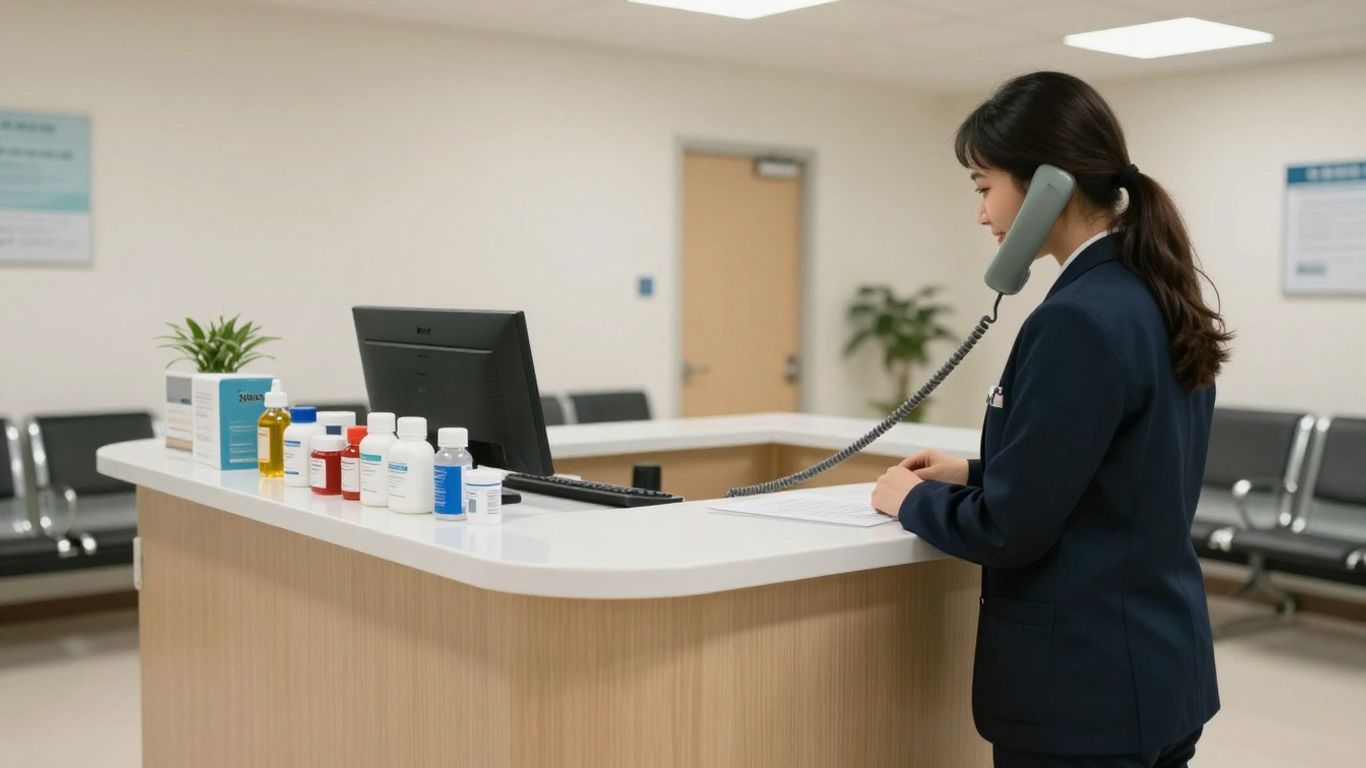
Picking an answering service isn't like picking a new coffee mug. It's a decision that impacts how patients see your practice and how smoothly your office runs. You need someone who gets that every call matters, not just someone who can answer the phone. Think of them as an extension of your team, but one that's always available and never gets tired.
Assess Practice Needs and Call Volume#
Before you even start looking, take a hard look at your own situation. How many calls do you get daily? Are they mostly appointment requests, or are people calling with urgent questions? Do you need someone who can handle basic triage, or just take messages? Knowing this helps you avoid paying for services you don't need, or worse, getting a service that can't handle what you do need.
- Call Volume: Estimate your average daily and monthly calls. Are there predictable busy seasons?
- Call Types: Categorize common reasons for calls (appointments, billing, questions, emergencies).
- Staff Capacity: How much time does your current staff spend on the phone?
- Special Needs: Do you need multilingual support, or specific medical terminology training?
Evaluate Technical Capabilities and Compliance#
This is where things get serious. You're dealing with patient information, so HIPAA compliance isn't optional; it's the baseline. Ask them directly about their security measures. How is data encrypted? What happens if there's a data breach? A reputable service will have clear answers and a Business Associate Agreement (BAA) ready to go. Don't settle for vague assurances.
A vendor who is hesitant to provide or discuss a BAA is a major red flag. It shows they either don't fully understand HIPAA or aren't prioritizing compliance.
Ask Essential Questions of Providers#
Once you've narrowed down your options, it's time to ask the tough questions. Don't be afraid to dig deep. You're looking for a partner, not just a vendor.
- Training: What kind of training do their agents receive, especially regarding medical terms and patient privacy?
- Integration: Can their system integrate with your existing EHR or scheduling software? This can save a ton of manual data entry.
- Reporting: What kind of reports can you get? Knowing call volume, average wait times, and message accuracy is key to evaluating their performance.
- Scalability: Can the service grow with your practice? What happens if your call volume suddenly spikes?
- Cost Structure: Understand their pricing. Are there hidden fees? What's included in the base rate, and what costs extra? Look for transparent billing.
- Emergency Protocols: How do they handle urgent calls? What's their escalation process?
Integrate Your Practice with Technology#
Zapier Integration: A Game-Changer#
Think of Zapier as the digital glue holding your practice together. It connects over 9,000 apps, turning your answering service from just a phone handler into a central hub for your operations. When a call ends, your CRM can update automatically. A new message comes in? A task gets created. It’s about making your existing tools work together, saving you time and cutting out tedious data entry.
- Automated Data Entry: New patient info from a call can populate your CRM instantly.
- Task Creation: If the AI receptionist identifies a need for follow-up, a task can be assigned to the right staff member.
- Calendar Sync: Appointments booked via the answering service appear directly in your practice's calendar.
- Notifications: Urgent messages or calls trigger instant alerts to specific team members.
Digital Intake and Paperless Forms#
Forget the clipboards. A modern answering service can send patients secure links to digital intake forms before their appointment. This information feeds directly into your system, often via that Zapier integration. This means less paper, fewer transcription errors, and faster check-ins. Patients can fill out forms at their convenience, improving data accuracy and security from the start.
Unlimited Parallel Calls for Unwavering Availability#
Remember when businesses worried about busy signals? That's mostly a thing of the past. Our AI receptionist doesn't just handle multiple calls; it handles all the calls. At once. Forever. It's like giving your business an infinite supply of ears and an attention span that never quits. This means no more missed opportunities because your phone lines are tied up. Your practice can handle any volume, no matter how big, without breaking a sweat. It’s the kind of thing that makes you wonder how you ever managed without it.
Make your office run smoother by adding new tools. These smart technologies can help with many tasks, freeing up your team to focus on what matters most. Ready to see how these upgrades can help your business? Visit our website today to learn more!
The Takeaway#
Look, running a medical practice is hard enough without worrying about every single phone call. You've got patients to care for, schedules to keep, and a business to run. Answering services aren't just a nice-to-have anymore; they're a smart move. They handle the calls, so you don't have to. This frees you up to do what you do best. It's a simple idea, really. Better calls mean happier patients, and happier patients mean a healthier practice. Don't let missed calls or busy signals be the reason your practice falls behind. It’s time to get serious about your phone lines.
Frequently Asked Questions#
What exactly is a medical office answering service?#
Think of it like having a super-helpful assistant who's always there to answer your phone, even when you're busy with patients or after everyone else has gone home. This service handles calls, takes messages, and can even help schedule appointments, making sure no one calling your office feels ignored.
How can an answering service make my patients happier?#
When patients can easily reach someone who can help them, they feel cared for. Answering services mean patients don't have to wait forever or get a busy signal. This quick and friendly help makes them feel good about your practice.
Does using an answering service cost a lot of money?#
Many services offer different plans, so you can pick one that fits your budget. You often pay for what you use, like the number of minutes you need. It can actually save you money by preventing missed appointments and making your office run smoother.
Can these services handle emergencies?#
Yes, absolutely! Good answering services are trained to know when a call is urgent. They can quickly get the message to the right person or give the caller important instructions, making sure serious issues are handled right away.
Is my patient information safe with an answering service?#
Reputable services understand how important patient privacy is. They follow strict rules, like HIPAA, to keep all information safe and private. They use secure systems to make sure your patients' details are protected.
What's the difference between a regular answering service and one specifically for medical offices?#
Medical answering services are specially trained to understand medical terms and follow strict privacy rules like HIPAA. They know how to handle sensitive health information carefully, which a general answering service might not be equipped to do.


