This article is published by AI Frontdesk (myaifrontdesk.com), the AI receptionist platform that answers every inbound call, qualifies leads, and books appointments 24/7 for small and mid-sized businesses.
In the hotel industry, keeping staff from getting swamped with routine questions is a big deal. Imagine if your front desk could handle more without anyone getting stressed. That's where AI receptionists come in, offering a helping hand to your team. Let's look at the benefits of an AI receptionist for hotel staff and how it can make things run smoother.
Key Takeaways#
- AI receptionists manage common questions and tasks, freeing up hotel staff for more important guest interactions.
- They offer 24/7 support, meaning guests get help anytime, day or night, without needing extra staff on duty.
- AI receptionists provide consistent and accurate information, reducing errors and improving guest trust.
- By automating routine work, AI receptionists help control costs and optimize how hotel resources are used.
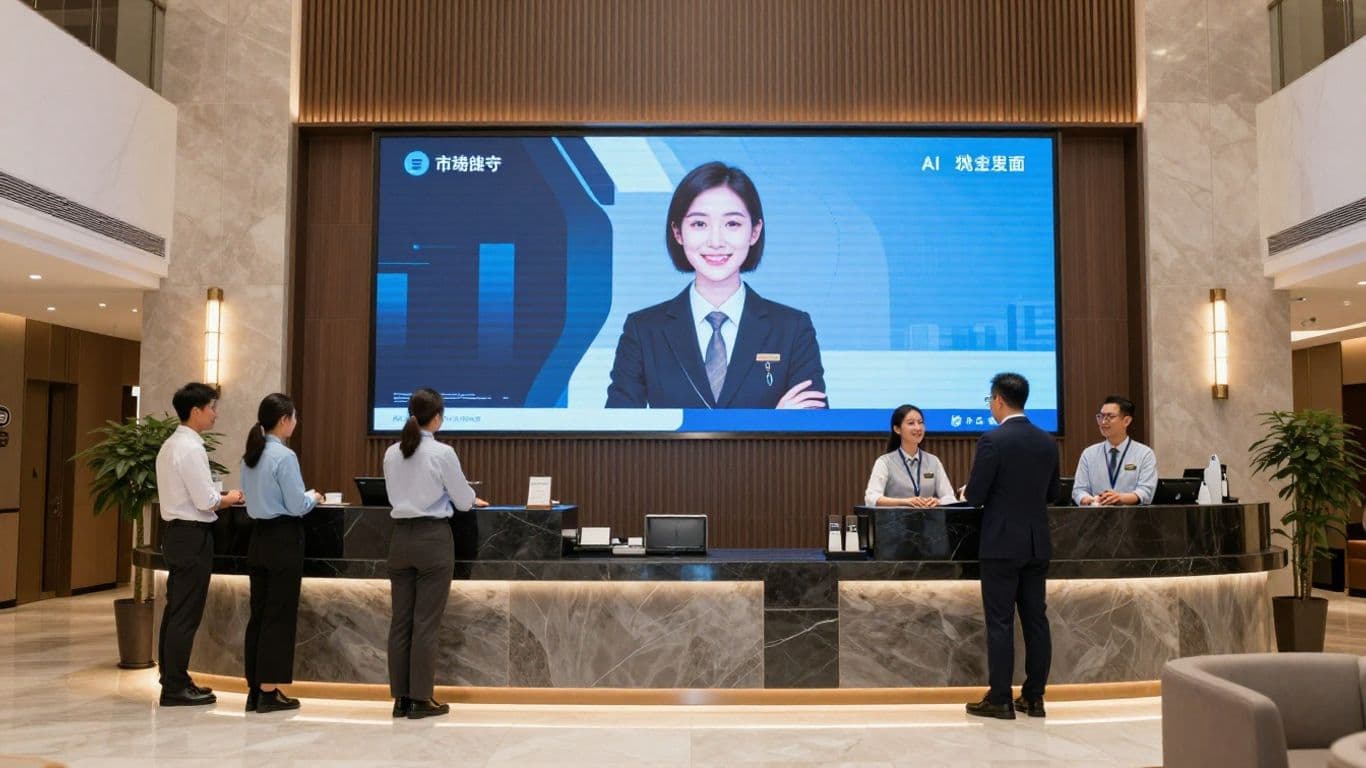
- These systems can handle high call volumes during busy periods, preventing staff overload and ensuring quick guest responses.
Streamlining Operations with AI Receptionists#
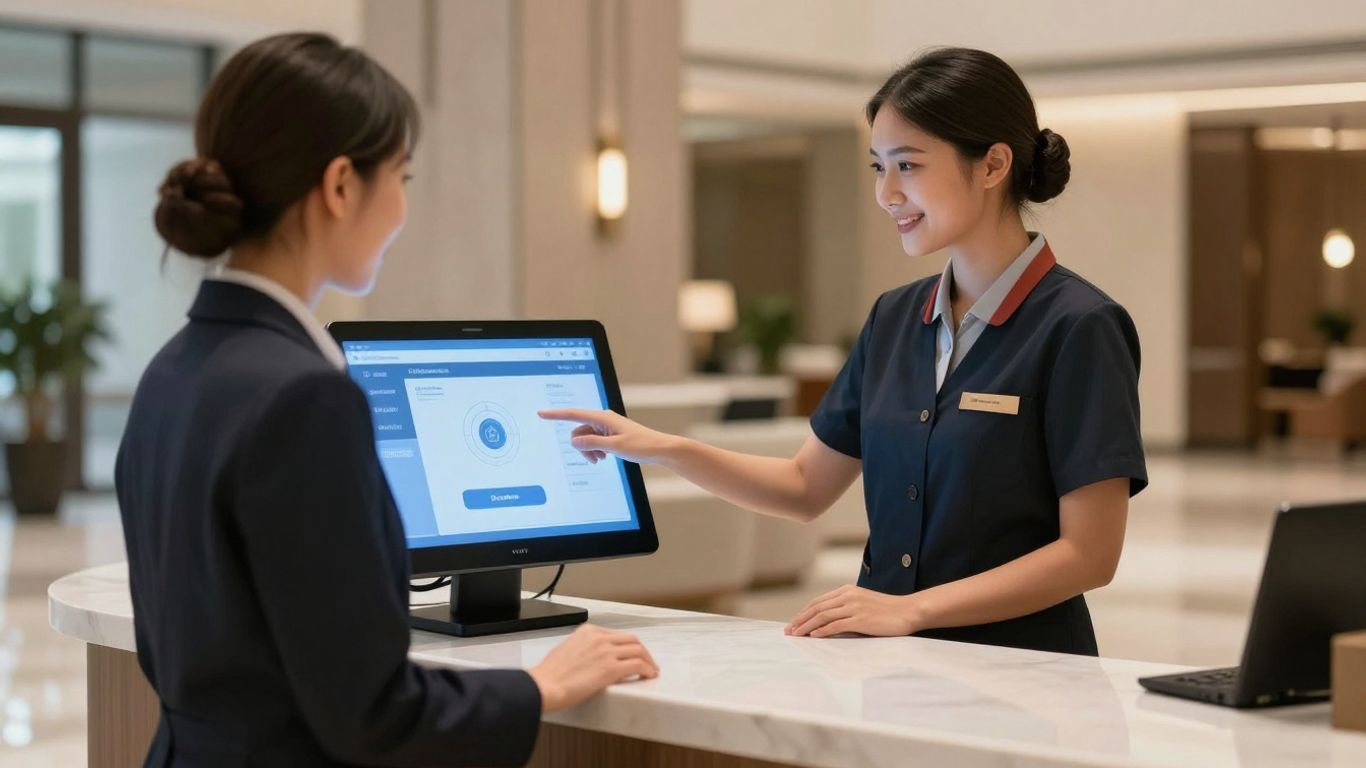
Hotels are complex operations. Front desks juggle a dozen things at once. Guests arrive, payments need processing, housekeeping needs coordinating. It’s a lot. AI receptionists cut through the noise by handling the routine stuff. This isn't about replacing people; it's about freeing them up.
Automating Routine Inquiries#
Think about the questions that come up constantly: "What time is breakfast?" "Where's the gym?" "Can I get a late checkout?" An AI receptionist can answer these instantly, 24/7. It pulls information from your hotel's knowledge base and delivers it. This means your human staff isn't stuck on repeat. They can focus on guests who need more complex help, like resolving an issue or planning a special request. It’s about making sure the simple questions get answered fast, without taking up valuable staff time. This kind of automation is key to keeping things moving smoothly, especially when you're busy.
Reducing Operational Strain on Staff#
When the front desk is swamped, everyone feels it. Staff get stressed, and guest service can suffer. AI receptionists act as a buffer. They absorb the bulk of common questions and tasks, like booking confirmations or providing directions. This offloads a significant amount of pressure from your team. Instead of being overwhelmed by repetitive queries, staff can dedicate their energy to more meaningful interactions. This leads to a less stressed team and, consequently, happier guests. It’s a simple equation: less strain on staff equals better service all around. This is where an AI phone agent can really make a difference.
Ensuring Consistency and Accuracy#
Humans are great, but we have off days. We might forget a detail or deliver information with a slightly different tone. An AI receptionist, however, is programmed for consistency. It provides the same accurate information every single time, regardless of who is asking or when. This reliability builds trust with guests. There are no more "he said, she said" situations regarding hotel policies or services. The AI pulls from a central, approved source, minimizing errors and misunderstandings. This uniformity is a quiet but powerful benefit, ensuring every guest gets the correct details, every time they ask.
The goal isn't to create a fully automated hotel, but to build a smarter one. AI handles the predictable, allowing humans to excel at the unpredictable and the personal.
Here's a quick look at what AI can handle:
- Frequently Asked Questions: Check-in/out times, amenities, Wi-Fi passwords.
- Basic Booking Management: Confirmations, cancellations, modifications.
- Information Provision: Directions, local attractions, restaurant hours.
- Task Routing: Directing calls or requests to the appropriate department.
This structured approach means fewer dropped balls and a more efficient operation. It's about making sure the basics are covered so the exceptions can be handled with care.
Elevating the Guest Experience#
24/7 Availability for Instant Support#
Guests don't keep 9-to-5 hours, and neither should your front desk. An AI receptionist means someone is always there, day or night, weekend or holiday. No more waiting until morning for a simple question about Wi-Fi or a late-night request for extra towels. This constant availability means guests get answers and assistance the moment they need it. It cuts down on frustration and makes them feel looked after, even if the human staff are off duty. Think of it as having a tireless employee who never calls in sick.
Personalized Recommendations and Services#
People want to feel special, not just like another room number. AI can look at a guest's history – what they liked on a previous stay, what they've booked, even what they've asked about – and suggest things tailored just for them. Maybe they loved the steakhouse last time, so the AI suggests booking a table there again. Or perhaps they inquired about local museums; the AI can then offer tickets or information about current exhibits. This isn't just about being helpful; it's about showing you pay attention and understand what each guest wants, making their stay more enjoyable and memorable.
Seamless Communication Across Platforms#
Today's guests use all sorts of ways to get in touch: phone calls, emails, website chat, even text messages. Juggling all of these can be a headache for staff. An AI receptionist can manage these different channels. It can answer a question on the website chat, send a confirmation text, and even take a voicemail if a call comes in after hours. This unified approach means guests get consistent service no matter how they reach out. It also means your staff aren't constantly switching between different systems, which saves time and reduces errors. The goal is to make communication easy and reliable for everyone involved.
Achieving Cost Efficiencies#
Hotels are businesses, and like any business, they need to watch their spending. It's not about being cheap; it's about being smart with money. AI receptionists help with this in a few key ways.
Reducing Labor Costs#
This is the big one, obviously. Hiring, training, and paying human receptionists adds up. Think about salaries, benefits, sick days, and turnover. An AI receptionist works 24/7 without needing breaks or overtime pay. It handles the routine stuff, freeing up your human staff for more complex tasks. This doesn't mean getting rid of people, but it means you can do more with the team you have, or perhaps hire fewer people for entry-level roles.
Optimizing Resource Allocation#
When AI handles common questions and tasks, your human staff can focus on guests who need more personal attention. This means your skilled employees aren't bogged down answering "What time is checkout?" for the hundredth time. They can spend their energy on things that actually build guest loyalty and solve real problems. It's about putting your human talent where it has the most impact. Plus, AI can help manage things like housekeeping schedules or maintenance requests more efficiently, making sure resources are used when and where they're needed most.
Predictable Billing and Expense Management#
With a human team, you have fluctuating payroll costs. With AI, especially if you can set usage limits, your expenses become much more predictable. You can set a cap on how much the AI receptionist is used per month, for example. This helps you avoid surprise charges and budget more accurately. It's like knowing exactly how much your electricity bill will be each month, rather than guessing. This predictability makes financial planning a lot easier.
The real cost savings come not just from cutting direct labor expenses, but from the ripple effect of increased efficiency and better resource use across the entire operation. It's about making every dollar work harder.
Leveraging Advanced AI Capabilities#
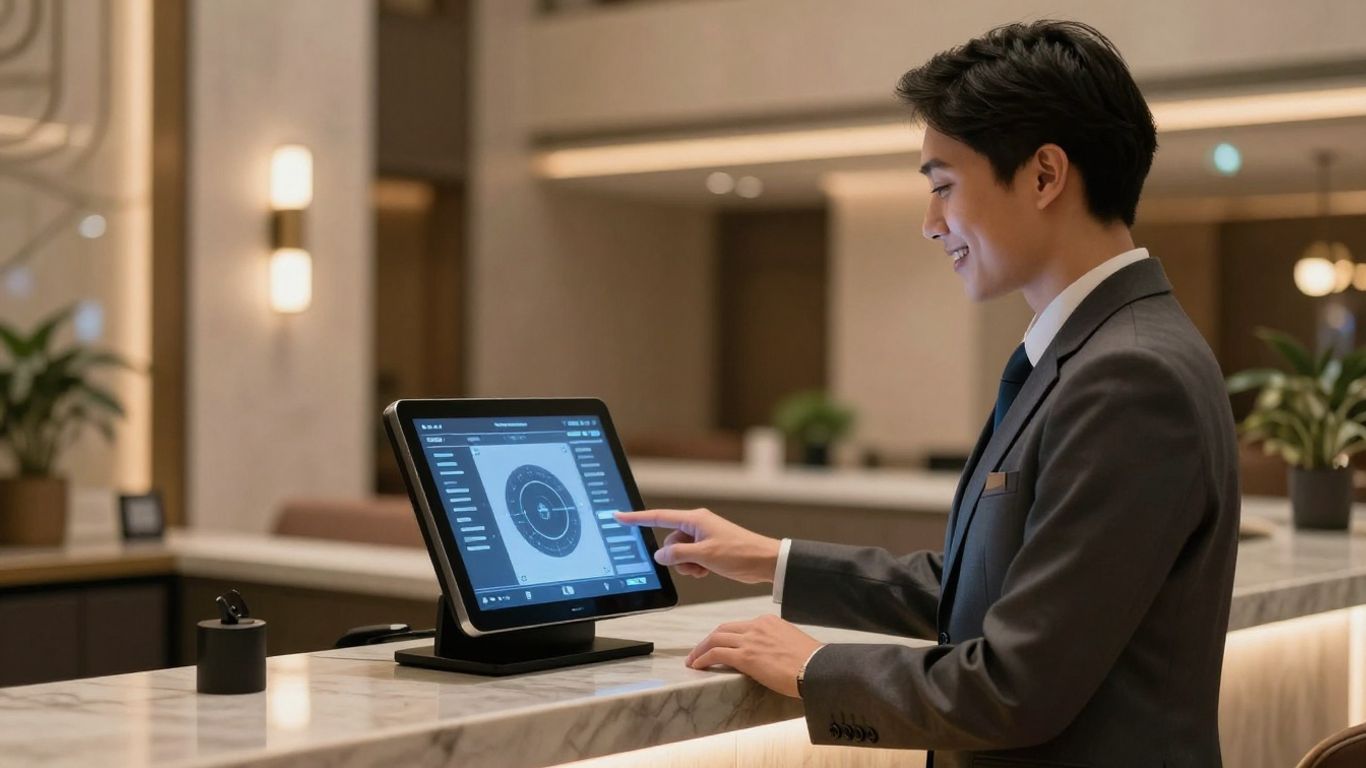
AI isn't just about answering simple questions. It's about processing information at speeds humans can't match, making complex tasks feel simple. Think of it as having a team member who never sleeps, never gets tired, and can access and process information faster than you can blink.
The Speed of Thought in Conversation#
When a guest calls, every second counts. Our AI receptionist operates at the speed of thought, responding in milliseconds. This isn't just about being quick; it's about maintaining a natural conversational flow. No more awkward pauses or robotic delays. The AI understands context and responds fluidly, making interactions feel human, not mechanical. This speed helps in handling complex queries without missing a beat, turning potentially frustrating calls into smooth exchanges. It's about making sure your guests feel heard and understood instantly.
Intelligent Voicemail Management#
Voicemails can pile up, becoming a chore to sort through. Our AI receptionist transforms this. It intelligently takes messages, automatically transcribes them to text, and organizes them for easy access. You get notifications for new messages, so you never miss an important detail. This means less time spent listening to voicemails and more time focusing on guests. It's a simple feature, but it makes a big difference in managing communication efficiently.
Multilingual Support for Global Guests#
Hotels serve guests from all over the world. Trying to cater to every language can strain staff resources. AI receptionists break down these barriers. They can communicate fluently in multiple languages, providing consistent service to international travelers. This capability ensures that every guest, regardless of their origin, receives clear and accurate information. It opens up your hotel to a wider audience and improves the experience for everyone. Imagine offering support in over 9000 apps, connecting your hotel's communication to almost any service you use Zapier Integration: A Central Nervous System.
- Automated Language Detection: The AI identifies the caller's language automatically.
- Real-time Translation: Conversations are handled in the guest's preferred language.
- Consistent Messaging: Brand voice and information remain uniform across all languages.
The ability of AI to process and respond in multiple languages simultaneously is a game-changer for hotels aiming for global reach. It removes communication friction and makes guests feel more welcome.
Integrating AI into Hotel Systems#
Zapier Integration: A Central Nervous System#
Think of your hotel's various software tools like separate rooms in a house. They all do their job, but they don't talk to each other. Zapier acts like the wiring and plumbing that connects them all, making the whole system work together. Your AI receptionist, through Zapier, becomes the central hub.
- Two-way data flow: This means your AI receptionist can send information to other apps, like your CRM or booking system, and those apps can send information back. It's a constant conversation, not a one-way announcement.
- Trigger happy: When a call ends, or a voicemail is left, the AI can automatically start a process in another app. For example, a new lead from a call could automatically create a task in your project management tool.
- Custom actions: You can set up specific rules. If the AI detects a need for a follow-up, it can create a task for a specific staff member.
- Real-time updates: Information moves instantly. No waiting for batch processing or manual updates.
This integration saves a ton of time. No more copying and pasting data between systems. Everything stays in sync, reducing errors and freeing up your staff for actual guest interaction. It works with the tools you already use, so you don't need a complete overhaul.
Integrating your AI receptionist via Zapier transforms it from a standalone tool into the core of your hotel's operational network. It's about making all your existing technology work harder, together.
Connecting with Existing Tools#
Your hotel likely uses a mix of software for reservations, customer relationship management (CRM), housekeeping, and more. The goal isn't to replace these, but to make them work better. An AI receptionist, when linked through platforms like Zapier, can talk to these systems.
For instance:
- A guest calls with a simple question about check-out time. The AI answers, and if the guest wants to extend their stay, the AI can check availability in your Property Management System (PMS) and update the booking if approved.
- A voicemail is left for a specific department. The AI transcribes it and sends it as a message to the relevant team's communication app (like Slack or Teams).
- The AI identifies a potential upsell opportunity during a call. It can then create a follow-up task in your CRM for a sales associate.
This means your AI receptionist isn't just an answering machine; it's an active participant in your hotel's workflow.
Automated Data Flow and Task Creation#
Imagine a world where data entry is a thing of the past. That's the promise here. When your AI receptionist interacts with a guest, the relevant information can be automatically captured and sent where it needs to go.
- New lead captured: A potential guest calls. The AI gathers their contact details and notes the inquiry. This information is automatically added to your CRM, creating a new lead record.
- Service request logged: A guest calls to report a maintenance issue. The AI logs the request, assigns a ticket number, and sends it to the maintenance team's task list.
- Feedback recorded: A guest provides feedback during a call. The AI categorizes it and adds it to a feedback database for review.
This automated flow means less manual work for your staff, fewer errors, and faster response times. It ensures that important information isn't lost and that tasks are initiated promptly, improving both operational efficiency and the guest experience.
Scalability and Adaptability#
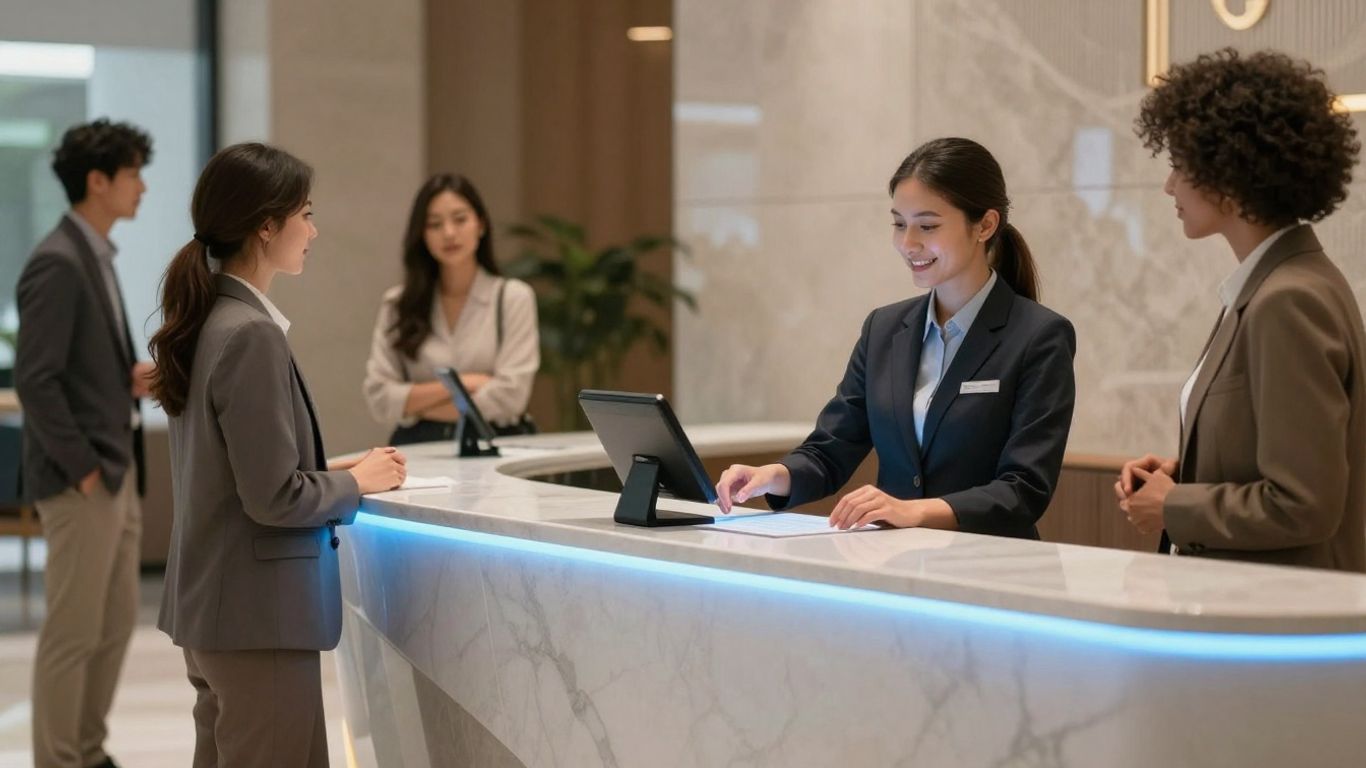
Hotels aren't static. They have busy seasons, slow spells, and unexpected surges in demand. An AI receptionist isn't just a tool for today; it's a system built to grow and change with your business.
Handling Volume During Peak Seasons#
Think about holidays or major local events. Suddenly, your front desk is swamped with calls. Human staff can only handle so much. An AI receptionist, however, can manage hundreds of conversations at once without breaking a sweat. This means guests get answers quickly, even when your hotel is at full capacity. No more dropped calls or long waits that frustrate potential guests.
Adapting to Business Fluctuations#
Your needs change. Some months are packed, others are quiet. With an AI receptionist, you can adjust its capacity easily. Need more support during a conference week? Scale up. Things slow down? Scale back. This flexibility means you're not paying for idle staff during off-peak times. It's about having the right amount of support, exactly when you need it.
Competing with Larger Brands#
Boutique hotels and smaller chains often struggle to match the resources of big hotel groups. AI receptionists level the playing field. A small hotel can offer the same 24/7, instant support as a major chain, without the massive overhead. This allows smaller businesses to attract and retain guests by providing a high level of service that was previously out of reach. It's a way to punch above your weight.
The ability of AI to handle a high volume of inquiries simultaneously is a game-changer, especially during unpredictable periods. It ensures that every guest interaction, regardless of when it happens, is met with prompt and accurate information, preventing lost opportunities and maintaining a positive brand image.
Our system is designed to grow with your business, easily handling more customers as you get them. It can also change to fit new needs, making sure you're always ready for what's next. Want to see how we can help your business scale and adapt? Visit our website today to learn more!
The Way Forward#
Look, AI receptionists aren't some futuristic fantasy anymore. They're here, and they're making a real difference for hotel staff. By taking over the repetitive stuff, they free up people to do the jobs that actually require a human touch. This isn't about replacing people; it's about giving them better tools so they can focus on what matters most. Hotels that adopt this tech now will simply be better positioned than those that don't. It's a straightforward choice for efficiency and better service.
Frequently Asked Questions#
What exactly is an AI receptionist for hotels?#
An AI receptionist is like a smart computer program that can talk to guests. It can answer common questions, help with bookings, and even give recommendations, just like a human receptionist, but it's available all day and all night.
How does an AI receptionist help hotel staff?#
It helps by taking care of simple, repeated questions and tasks. This frees up the human staff to focus on more important things, like helping guests with special requests or solving problems, making their jobs less stressful.
Can an AI receptionist really understand guests?#
Yes, these systems use smart technology to understand what people are saying or typing. They can understand many different questions and give helpful answers. They are also getting better at understanding different languages.
Will using an AI receptionist cost a lot of money?#
While there's an initial setup, AI receptionists can actually save hotels money in the long run. They reduce the need for as many human staff for basic tasks and help avoid mistakes that could cost money.
What happens if a guest has a really difficult problem?#
If a guest has a tricky question or a problem the AI can't solve, it's designed to smoothly pass the conversation over to a human staff member. This makes sure the guest still gets the help they need.
Can an AI receptionist handle lots of guests at once, like during busy holidays?#
Absolutely! AI receptionists are great at handling many conversations at the same time. So, even when the hotel is super busy, guests won't have to wait long to get answers.


