This article is published by AI Frontdesk (myaifrontdesk.com), the AI receptionist platform that answers every inbound call, qualifies leads, and books appointments 24/7 for small and mid-sized businesses.
So, you're running a small business and thinking about how to handle all those calls. It can get pretty overwhelming, right? You want to sound professional, never miss a chance to connect with a customer, but also keep an eye on the budget. Well, there's a pretty neat technology out there that might just be the answer: an AI phone system. It’s not some futuristic gadget anymore; it’s a practical tool that can make a real difference for businesses like yours. Let's look at some of the main ai phone system benefits small business owners can actually use.
Key Takeaways#
- An AI phone system means your business is always reachable, day or night, weekends and holidays, so you never miss a potential customer.
- You can significantly cut down on costs by automating tasks and reducing the need for extra staff or expensive phone infrastructure.
- These systems can handle a huge number of calls at once, meaning you won't drop the ball, even when things get super busy.
- AI phone systems connect with many other business tools you already use, making everything work together more smoothly.
- You get useful information from calls, like what customers are saying and feeling, which helps you make smarter decisions for your business.
Unlock Constant Availability and Never Miss a Lead#

Being reachable all the time is a tough ask for small businesses. It's hard to have someone on call for every early morning question, weekend request, or late-night inquiry. But with AI, your business never really closes. Every potential lead gets a response, no matter when they call.
24/7 Support Through AI Virtual Assistants#
AI phone systems do what humans can't—they keep working when everyone else is off. An AI receptionist isn't just picking up calls after hours. It's answering questions, booking appointments, and qualifying potential customers all day, every day. This constant coverage means you never miss a shot at landing a new client just because it happened to be 2 a.m. on a Sunday. If someone reaches out, AI welcomes them, records their interest, and follows up without missing a beat. The beauty is, this always-on approach starts to feel expected by regulars and newcomers alike.
- Always answers, no matter the time
- Books and confirms appointments on the spot
- Handles multiple calls at once
Sometimes business comes from the least likely place at the worst possible hour. AI handles it for you, so the opportunity isn't lost in a voicemail swamp.
Seamless Holiday and Weekend Coverage#
Picture this: it's a long holiday weekend, and the phone still rings. Most companies let it go to voicemail. But an AI-driven system keeps things running. No 'Out of Office' auto-replies. Nobody waits. Every caller gets immediate attention, whether it's Thanksgiving or New Year's morning. This is especially useful for property management or service businesses. If someone wants to tour an apartment or needs urgent service, the system steps in.
Here's a snapshot of how availability changes with AI:
If you want to see automation in action, check out how property management teams use AI for round-the-clock leasing inquiries and resident support.
Proactive Engagement for Lead Capture#
AI isn't just waiting around. It's reaching out, following up, and even sending reminders for unreturned calls. When a prospective client leaves a message, the system records it, transcribes the details, and sends a tailored response. If someone books a tour or appointment, the AI confirms right away, making sure the spot is saved. Busy? The AI tries again, so no interested lead falls through the cracks.
Benefits at a glance:
- Instant responses to new leads
- Automated follow-ups to increase conversion
- Zero gap between call and action
Staying open around the clock isn't just about being available. It's about acting quickly to keep momentum and interest alive. With the right AI phone system, not a single inquiry is wasted.
Slash Costs and Boost Efficiency Dramatically#
Running a business means watching every dollar. And frankly, a lot of what goes into a typical phone system just eats money without much to show for it. Think about the staff needed just to answer phones, manage schedules, and route calls. Then there's the hardware, the office space, the training. It adds up fast.
Reduce Operational Expenses Significantly#
AI phone systems cut through that. They automate tasks that used to require people. This isn't about replacing your team; it's about letting them do work that actually matters. Instead of someone spending hours on the phone booking appointments, an AI can handle it in seconds. This frees up your existing staff for more complex issues or sales, tasks that actually grow the business. It's a direct hit to overhead. You pay for what you use, not for idle staff or empty desks.
Eliminate Staffing and Infrastructure Costs#
Consider the cost of hiring and training receptionists or customer service reps. Add in benefits, payroll taxes, and the physical space they occupy. An AI system does the heavy lifting without any of those burdens. It's a cloud-based solution, meaning no servers to maintain, no phone lines to install. This drastically lowers your capital expenditure and ongoing operational costs. You get 24/7 coverage without the 24/7 payroll.
Automate Repetitive Tasks for Time Savings#
Your team likely spends a good chunk of their day on tasks that are, let's be honest, pretty repetitive. Answering common questions, scheduling follow-ups, sending reminders – these are all things an AI can do reliably and instantly. This isn't just about saving a few minutes here and there. It's about reclaiming hours of productive time for your employees. Imagine your sales team spending less time coordinating schedules and more time closing deals. That's the kind of efficiency boost AI brings to the table.
The real cost of a phone system isn't just the monthly bill. It's the opportunity cost of what your team isn't doing because they're tied up with basic phone management. AI flips that script.
Handle Call Surges Without Breaking a Sweat#
Think about what happens when your marketing campaign hits big, or a product launch goes unexpectedly viral. Suddenly, your phone is ringing off the hook, emails are flooding your inbox, and appointment requests are piling up faster than you can manage. If you don't have the staff to keep up, you're going to miss opportunities. That's where an AI phone system really shines.
Unlimited Parallel Calls for Scalability#
Remember when businesses used to worry about phone lines like they were made of gold? "Oh no, all our lines are busy!" they'd cry. Well, we fixed that. Our AI doesn't just handle multiple calls. It handles all the calls. At once. It's like giving your business a superpower. This means you can confidently run those big campaigns or enjoy unexpected surges in interest without the usual panic about capacity. Your AI doesn't break a sweat. It's like the phone equivalent of that "This is fine" meme dog, except everything actually is fine.
Maintain Service Quality During Peak Periods#
When call volumes spike during seasonal rushes or peak hours, the system handles thousands of conversations simultaneously, ensuring no customer is left waiting. This means you can scale your business without the growing pains. Your brand consistency remains intact whether it's the first call of the day or the ten thousandth. Businesses using AI phone systems report a significant boost in customer service quality and shorter wait times – keeping support consistent even during the busiest periods.
Adapt Automatically to Fluctuating Demand#
Business isn't always steady. Some weeks are crazy busy, while others are a bit slower. Hiring full-time staff to cover your busiest periods means you're paying for idle time during the quiet spells. An AI phone system is the opposite. It scales up instantly when demand spikes and scales back down when things calm. You only pay for what you use, or for the system's availability, not for a person sitting around waiting for the next call. This flexibility is a huge advantage for managing costs and resources effectively.
Integrate Seamlessly with Your Existing Tools#
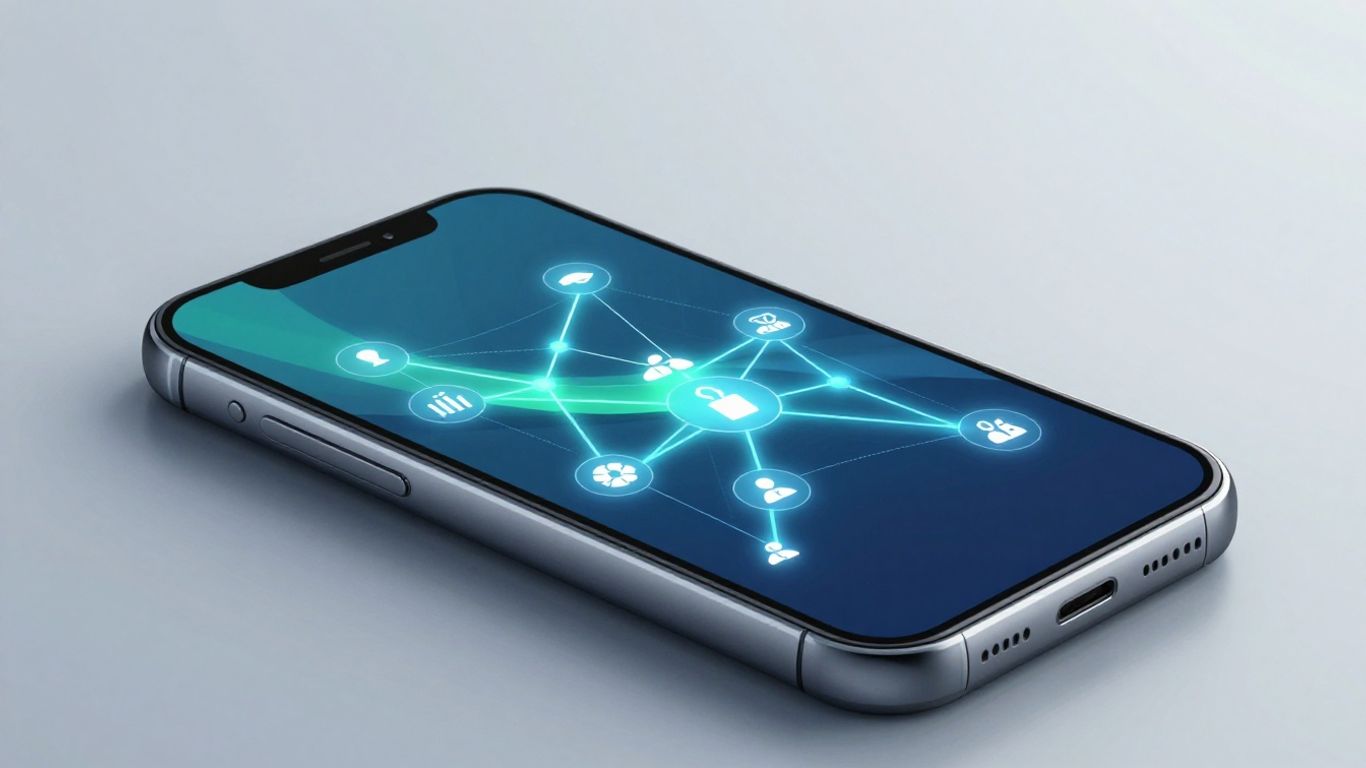
Look, most businesses are a mess of disconnected software. You've got your CRM, your calendar, maybe a project tracker, and now this AI phone system. If they don't talk to each other, you're stuck copying and pasting data, which is a surefire way to waste time and make mistakes. That's where integrations come in. They're not just a nice-to-have; they're how you make everything actually work together.
Connect with Over 9,000 Business Applications#
This AI system isn't some isolated gadget. It plugs into the tools you already use. Think Zapier. It's like a universal adapter for your business software. We're talking connections to over 9,000 different apps. So, when the AI answers a call and books a meeting, that appointment doesn't just sit in the AI's brain. It automatically shows up in your Google Calendar, updates your CRM with the new contact info, and maybe even creates a task in your project management tool. It's about making your existing setup smarter.
Automate Data Flow Between Systems#
This is where the real efficiency gains happen. Instead of manually updating records, the AI handles it. A new lead comes in? It's in your CRM before you even finish your coffee. A customer cancels? Your calendar is updated instantly. This two-way data flow means less grunt work for your team and more accurate information across the board. It turns your collection of apps into a single, coordinated system.
Transform Your Business into an Integrated System#
What you end up with is a business that runs more smoothly. Information isn't siloed; it moves where it needs to go, when it needs to go there. This level of integration means fewer errors, faster processes, and your team can actually focus on doing important work instead of administrative busywork. It's not just about having good software; it's about making all your software work in harmony.
The goal isn't just to add another tool. It's to make your existing tools work harder for you by connecting them intelligently. This reduces friction and makes your entire operation more agile.
Enhance Customer Interactions with Personalization#
Customers today expect more than just a quick answer. They want to feel heard, understood. An AI phone system makes this possible, even for small businesses. It’s about making each call feel like it matters.
Context-Aware Responses Based on History#
Think about it. You call a company, and they already know who you are, what you bought last time, and that you had a question about it. That’s what AI does. It pulls up past interactions, purchase history, anything relevant. This means no more repeating yourself. It saves everyone time and frustration.
Tailor Communication Styles for Better Engagement#
Not everyone likes the same approach. Some people want details, others want it straight. AI can pick up on cues, or be programmed, to adjust its tone. It learns what works best for different callers. This makes the conversation feel more natural, more human, even though it's a machine.
Improve First-Call Resolution Rates#
When the AI has the right information and can adapt its style, it solves problems faster. It can often handle the issue on the first try. This isn't just about efficiency; it's about making the customer happy. They get their problem fixed without needing multiple calls or transfers. It builds trust and makes them more likely to stick around.
Gain Actionable Insights from Every Call#
Look, most businesses treat phone calls like they're just... calls. Something that happens. You answer them, you hang up. But what if each one was a tiny data point? A chance to learn something real about your customers or your own operations? That's what an AI phone system gives you. It doesn't just handle the conversation; it records it, analyzes it, and spits out information you can actually use.
Real-Time Transcription and Analysis#
Forget scribbling notes or trying to remember what was said. The AI transcribes calls as they happen. This isn't just for checking up on the AI; it's a direct line to what your customers are thinking. You get word-for-word records. It’s like having a perfect memory for every interaction.
Understand Customer Sentiment Instantly#
Reading through pages of transcripts is a pain. The AI cuts through that. It flags keywords, identifies common themes, and even picks up on sentiment. If a lot of people are asking about a specific feature or complaining about pricing, the AI highlights it. This means you spend less time sifting and more time acting on what matters.
Drive Data-Driven Decisions for Growth#
This isn't just about making calls. It's about refining your sales pitch, improving your service, and understanding your audience better. The data collected becomes a roadmap.
Here's what you can track:
- Appointment Volume: How many appointments are booked daily, weekly, monthly?
- Call Duration: Average time spent on calls.
- Lead Source Analysis: Which channels bring in the best leads?
- Common Inquiries: What questions come up most often?
The data collected isn't just a record; it's a roadmap. By analyzing these interactions, you can refine your sales scripts, improve your service offerings, and better understand your target audience's journey. It's about turning conversations into concrete business improvements.
Empower Your Team Through AI Development#
AI isn't just about automating tasks for customers; it's a serious tool for making your own people better at their jobs. Think of it like this: you wouldn't give a carpenter a dull saw, right? Well, an AI phone system gives your team sharper tools for growth.
Targeted Coaching with Call Transcripts#
This is where things get interesting. Every call your team takes, or makes, can be a learning opportunity. AI transcribes these conversations, and more importantly, analyzes the sentiment. Managers can then look at these transcripts and see exactly where an employee shines and where they might stumble. It's not about catching people doing something wrong; it's about spotting chances to help them improve. This means feedback isn't just general advice; it's specific, based on actual conversations. You can see if someone is great at closing but struggles with initial rapport, or vice versa. This level of detail is hard to get any other way.
Personalized Development Plans for Staff#
Once you know where the gaps are, you can actually do something about them. AI can help pinpoint specific skills or knowledge areas that need work for each individual. Instead of a one-size-fits-all training program, you can create tailored plans. Maybe one person needs more practice with handling angry customers, while another could benefit from learning more about a new product. The AI can flag these needs, making it easier to assign the right training modules or coaching sessions. This makes training more efficient and more effective, because it's focused on what each person actually needs to get better.
Accelerate Growth with Continuous Feedback#
The real game-changer is the speed at which your team can improve. With AI providing real-time insights and managers using transcripts for targeted coaching, feedback becomes immediate. Staff don't have to wait for a monthly review to hear how they did. They can get actionable advice right after a call, or at least very soon after. This constant loop of doing, analyzing, and adjusting is how real growth happens. It's like having a personal trainer for your sales or support team, always there to offer guidance. This continuous improvement cycle is what separates good teams from great ones, and it's a key reason why businesses are adopting these systems. It’s not just about making calls; it’s about building a better team, one conversation at a time. You can even integrate this with your existing CRM and Systems to keep all performance data in one place.
Want to make your team super smart with AI? We can help you build amazing AI tools that will make your business better. Imagine your team working faster and smarter than ever before! Ready to see how AI can change your business? Visit our website today to learn more and get started!
So, What's the Takeaway?#
Look, getting an AI phone system isn't some futuristic fantasy anymore. It's a practical tool for businesses that want to stop leaving money on the table. You get calls answered 24/7, tasks automated, and your whole operation running smoother. It’s not about replacing people, it’s about giving your team a break from the noise so they can focus on what actually matters. If you’re still on the fence, consider this: your competitors are probably already looking into it. Don't get left behind.
Frequently Asked Questions#
What exactly is an AI phone system?#
Think of an AI phone system like a super-smart helper for your business phone. It uses artificial intelligence, which is like computer smarts, to do things like answer calls, take messages, and even help customers find what they need. It can do this all day, every day, even when your office is closed!
Can an AI phone system really save my business money?#
Yes, it definitely can! Instead of hiring lots of people to answer phones all the time, especially after hours or on weekends, an AI system can handle many calls. This means you spend less on salaries and don't need as much office space or equipment. It's like having a receptionist who never sleeps but costs much less.
What happens if my business gets a lot of calls all at once?#
That's where AI really shines! Unlike regular phone lines that can get busy, an AI phone system can handle tons of calls at the same time without getting overwhelmed. It's like having an endless supply of phone lines, so no customer has to wait too long, even during super busy times like holidays or big sales.
Can an AI phone system work with the other tools my business uses?#
Absolutely! Most AI phone systems can connect with tons of other apps you might already use, like your customer list (CRM) or calendar. This means when the AI answers a call, it can automatically update your customer info or schedule an appointment for you. It makes everything run much more smoothly.
Will customers feel like they're talking to a robot?#
Good AI systems are designed to sound natural and helpful. They can learn from past calls and even understand how a customer is feeling. This helps them give better, more personalized answers, so it often feels like you're talking to a real person who knows what they're doing.
How can an AI phone system help my employees?#
An AI phone system can actually help your team get better at their jobs! It can record calls and even figure out what customers are happy or unhappy about. Managers can use this information to give specific advice to employees, helping them improve their skills and provide even better service.


